Sample Letter for Tax Exemption - Review of Applications
Overview of this form
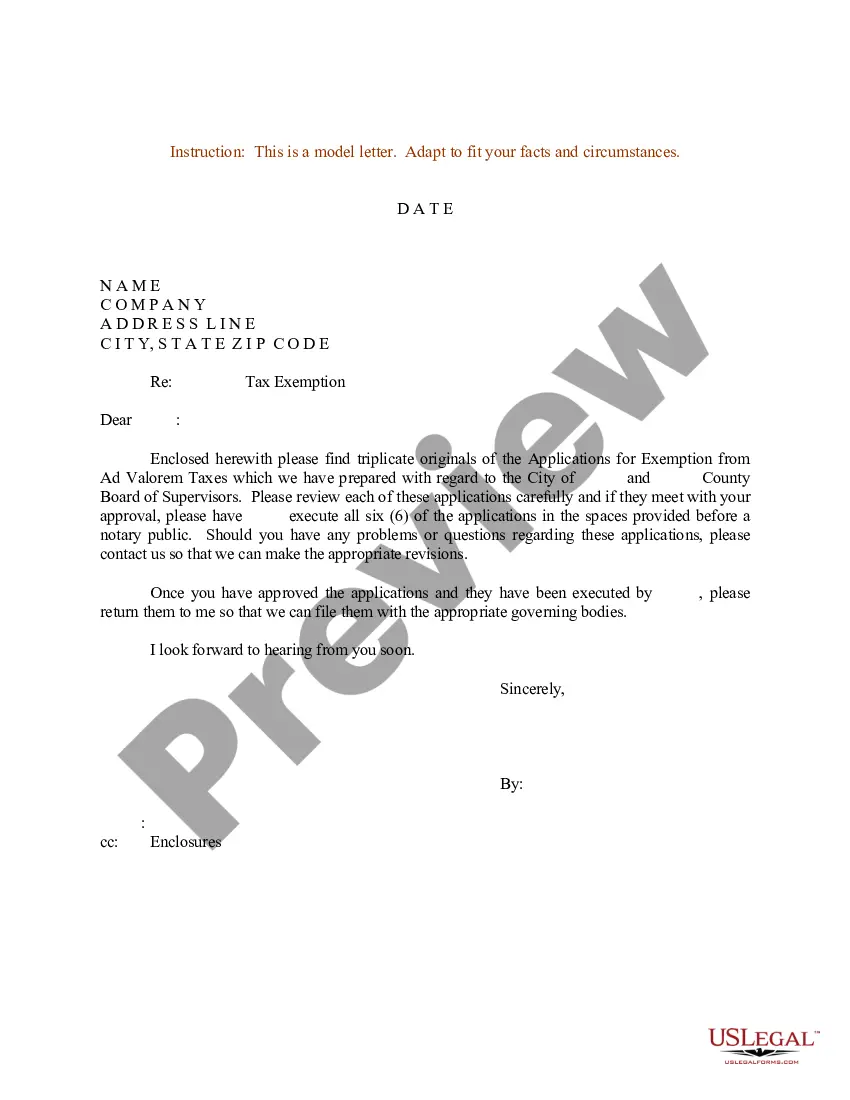
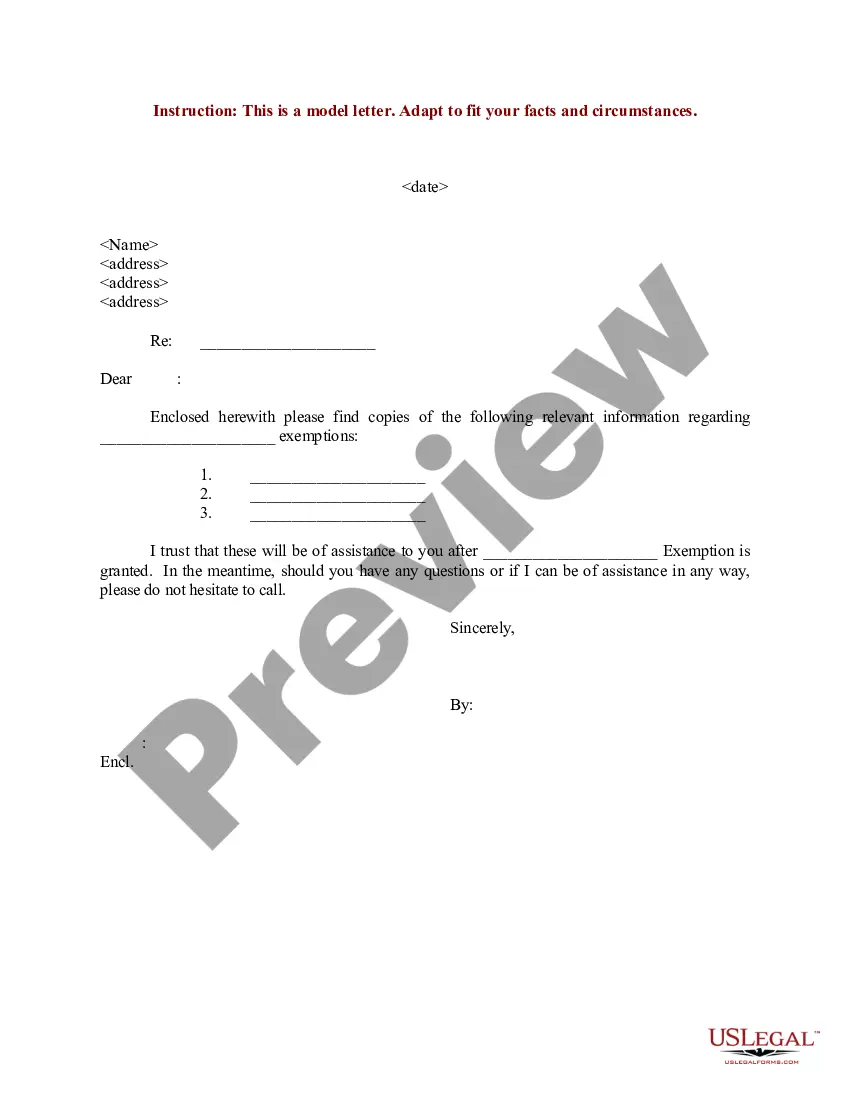
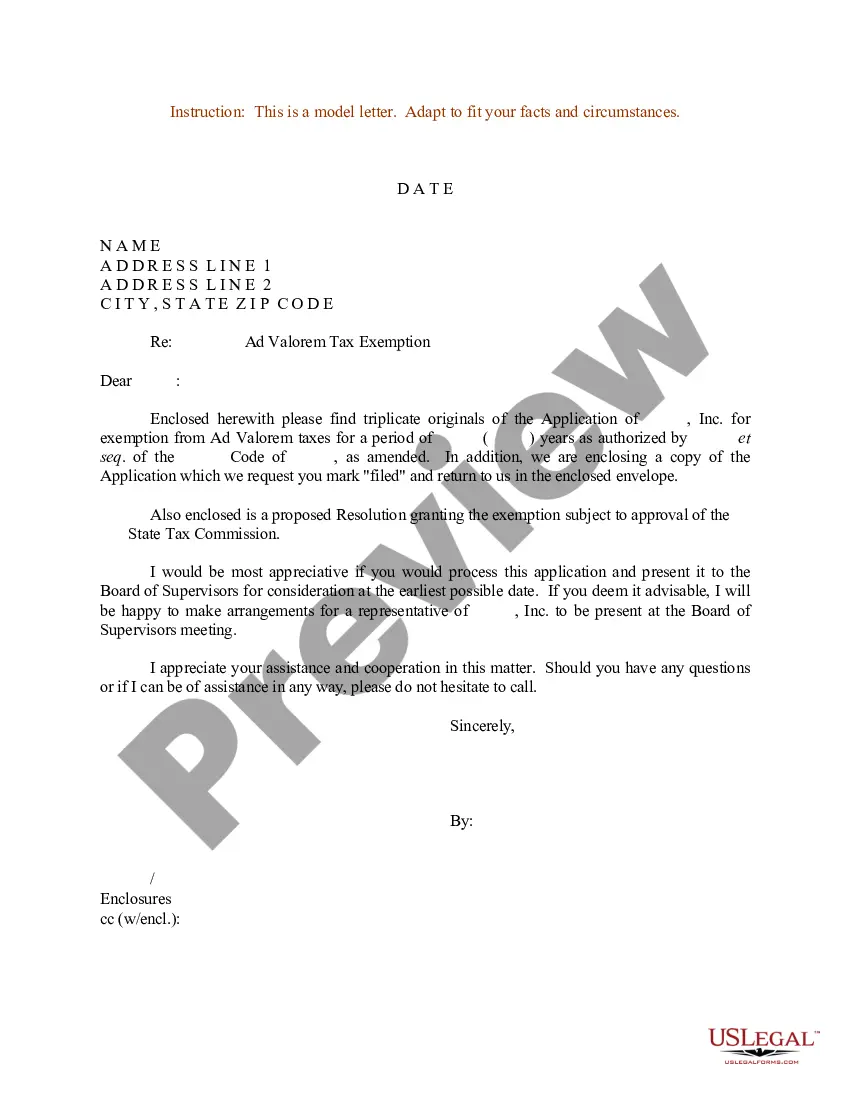
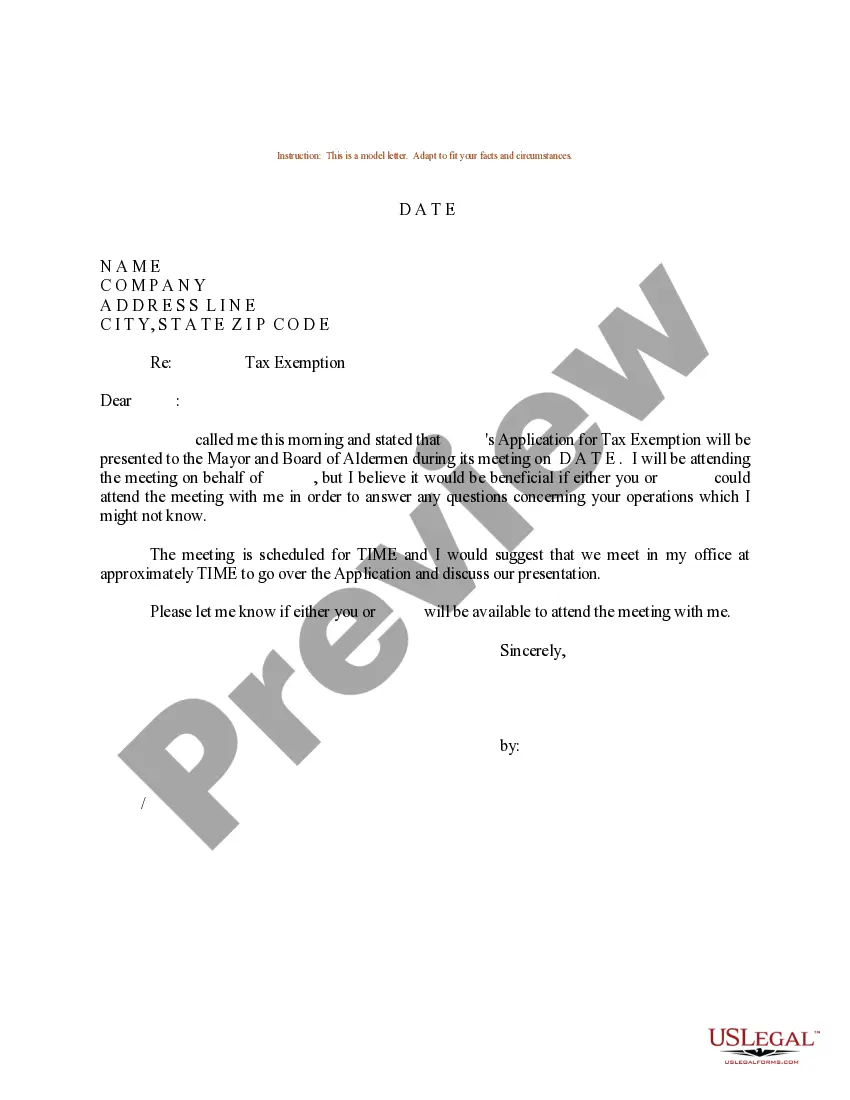
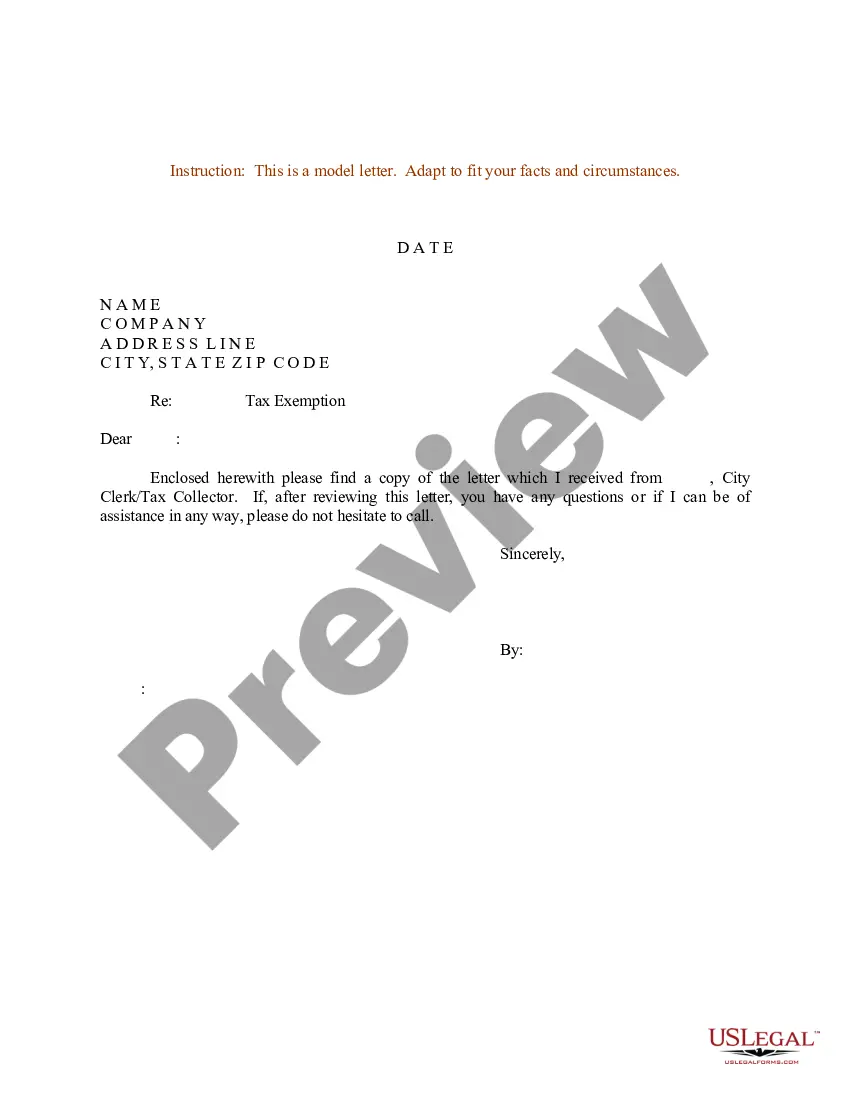
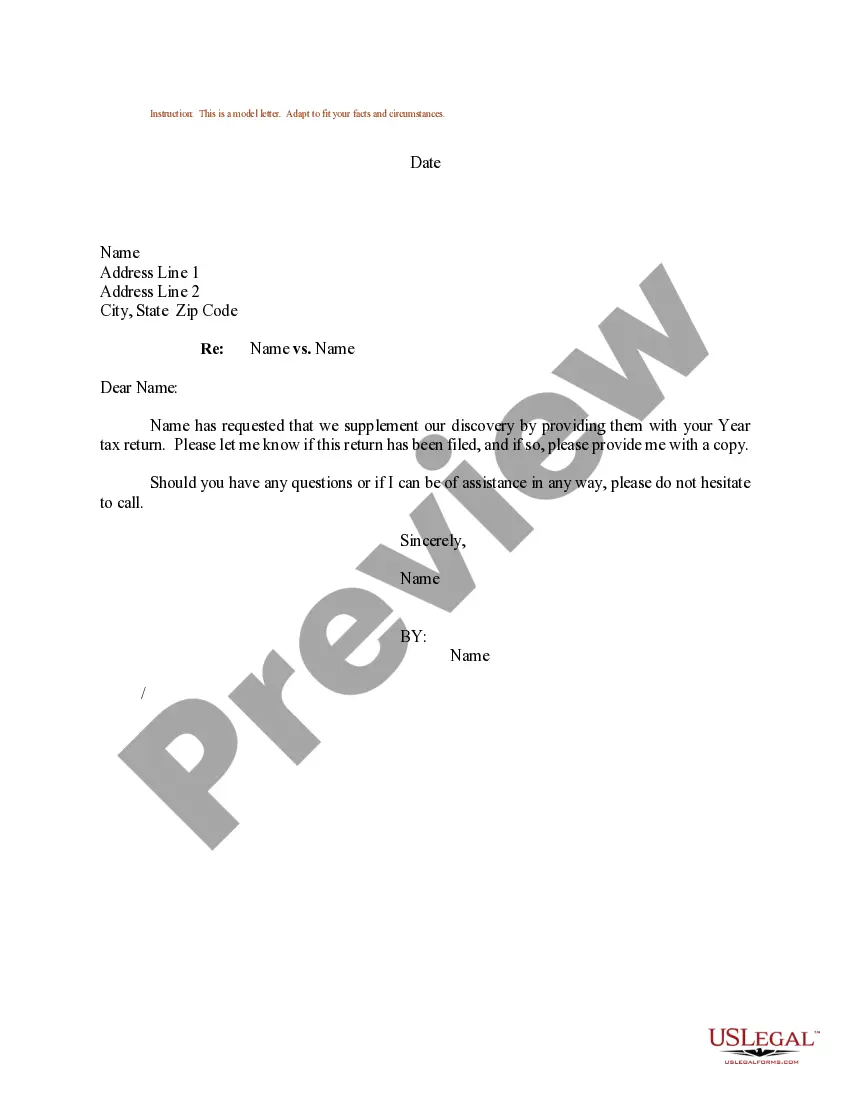
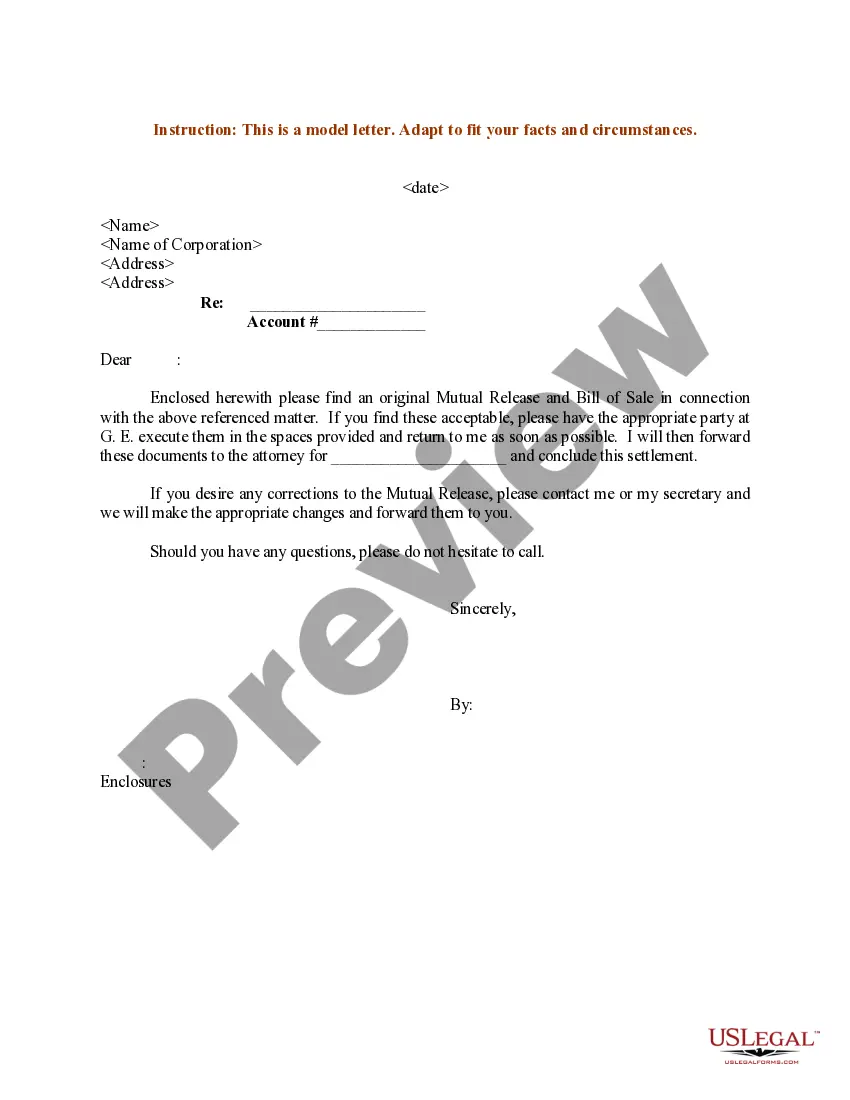
The Sample Letter for Tax Exemption - Review of Applications is a document designed to assist individuals or organizations in requesting a review of their tax exemption applications. This sample letter serves as a template to guide users in composing a formal request, ensuring that all necessary elements are included. Unlike generic correspondence, this letter is specifically tailored for the tax exemption context, providing clarity and structure to the communication process.
Main sections of this form
- Recipient's name and address
- Date of the letter
- Subject line indicating the purpose of the letter
- Salutation
- Body text detailing the request for review
- Closing statement and signature line
Common use cases
This form is utilized when an individual or organization has applied for tax exemption status and requires a review of their application. It can be used to formally request an update or to communicate additional information to the tax authority. Situations in which this letter may be necessary include a lack of response from the tax authority, or the need to clarify application details or residency requirements.
Who this form is for
- Nonprofit organizations seeking tax-exempt status
- Individuals requesting exemptions for personal property
- Businesses applying for tax relief or exemptions
- Tax advisors or accountants on behalf of clients
Completing this form step by step
- Enter the date at the top of the letter.
- Fill in the recipient's name and address.
- Write a clear subject line that states the purpose of the letter.
- Draft a body that explains the need for a review and any relevant details.
- Include a professional closing and sign the letter.
Notarization requirements for this form
This form does not typically require notarization unless specified by local law. It is advisable to check with relevant authorities to confirm any specific requirements for your jurisdiction.
Get your form ready online
Our built-in tools help you complete, sign, share, and store your documents in one place.
Make edits, fill in missing information, and update formatting in US Legal Forms—just like you would in MS Word.
Download a copy, print it, send it by email, or mail it via USPS—whatever works best for your next step.
Sign and collect signatures with our SignNow integration. Send to multiple recipients, set reminders, and more. Go Premium to unlock E-Sign.
If this form requires notarization, complete it online through a secure video call—no need to meet a notary in person or wait for an appointment.
We protect your documents and personal data by following strict security and privacy standards.

Make edits, fill in missing information, and update formatting in US Legal Forms—just like you would in MS Word.

Download a copy, print it, send it by email, or mail it via USPS—whatever works best for your next step.

Sign and collect signatures with our SignNow integration. Send to multiple recipients, set reminders, and more. Go Premium to unlock E-Sign.

If this form requires notarization, complete it online through a secure video call—no need to meet a notary in person or wait for an appointment.

We protect your documents and personal data by following strict security and privacy standards.
Typical mistakes to avoid
- Failing to include all necessary contact information.
- Using vague language that does not clearly state the request.
- Not specifying the application details needed for review.
- Forgetting to proofread for spelling and grammatical errors.
Why use this form online
- Convenient access to a professionally drafted template.
- Easy customization to fit specific needs and details.
- Reliable formatting to enhance clarity and professionalism.
Key takeaways
- The Sample Letter for Tax Exemption is designed for formally communicating decisions on tax exemption applications.
- It is a crucial document for maintaining clear communication between authorities and applicants.
- Customizing this template helps ensure it meets specific state requirements and legal standards.
Looking for another form?
Form popularity
FAQ
Tax-exempt status may provide complete relief from taxes, reduced rates, or tax on only a portion of items. Examples include exemption of charitable organizations from property taxes and income taxes, veterans, and certain cross-border or multi-jurisdictional scenarios.
A tax exempt letter needs to include the name and contact information of the organization. Then establish the reason for the tax exempt status such as listing what the organization does that will profit the public.
The letter should include basic identifying information, an explanation of the legal obligation and reason for exemption, and clearly state that the writer is claiming the exemption. The Boy Scouts of America and other non-profit organizations can file exemption letters to be excluded from paying taxes.
Incorporate. Apply for an EIN. Provide a detailed business purpose. File Form 1023 with the IRS. Pay the necessary filing fees. When to file. Complete the state-level application (if applicable).
NYSC: Difference Between Exclusion Letter and Exemption Certificate.An exemption certificate is issued to someone who by law could not participate in the NYSC scheme despite the fact that such person attended a regular program in a University or Polytechnic program and graduated.
Name and address of the purchaser. description of the item to be purchased. the reason the purchase is exempt. signature of purchaser and date; and. name and address of the seller.
Tax-exempt status may provide complete relief from taxes, reduced rates, or tax on only a portion of items. Examples include exemption of charitable organizations from property taxes and income taxes, veterans, and certain cross-border or multi-jurisdictional scenarios.
Exemption letter is an official document, which can be issued only by accredited certification body, for products, which do not fall under obligatory certification according to TR CU.Practically this document informs that obligatory certificate is not needed for exact type of product.
A statement declaring the nonprofit's tax-exempt status as a 501c3. The name of the donor that they used to make their gift. The date the the gift was received by your nonprofit. A description of the donation.