Motion for Satisfaction of Money Judgment by Judicial Sale
Overview of this form
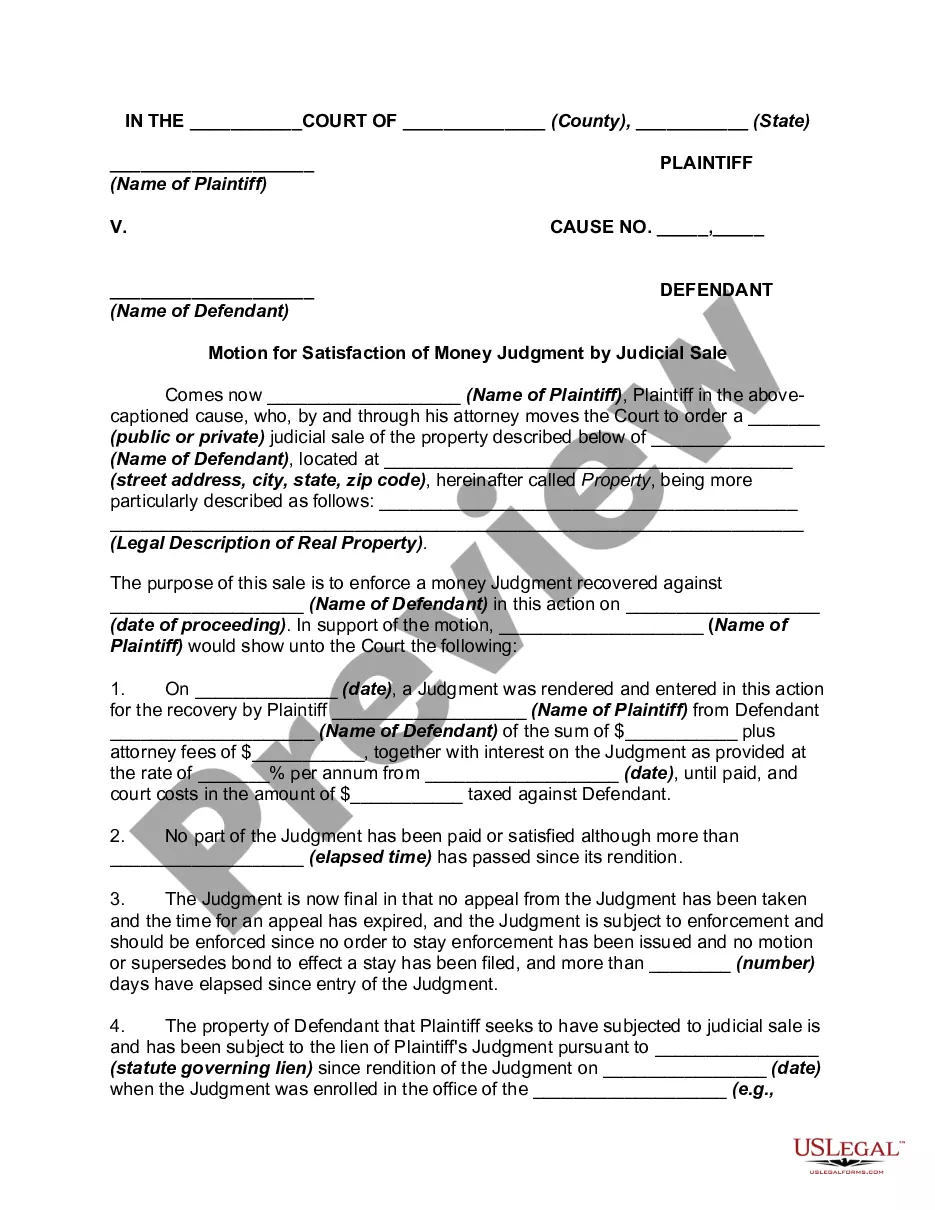
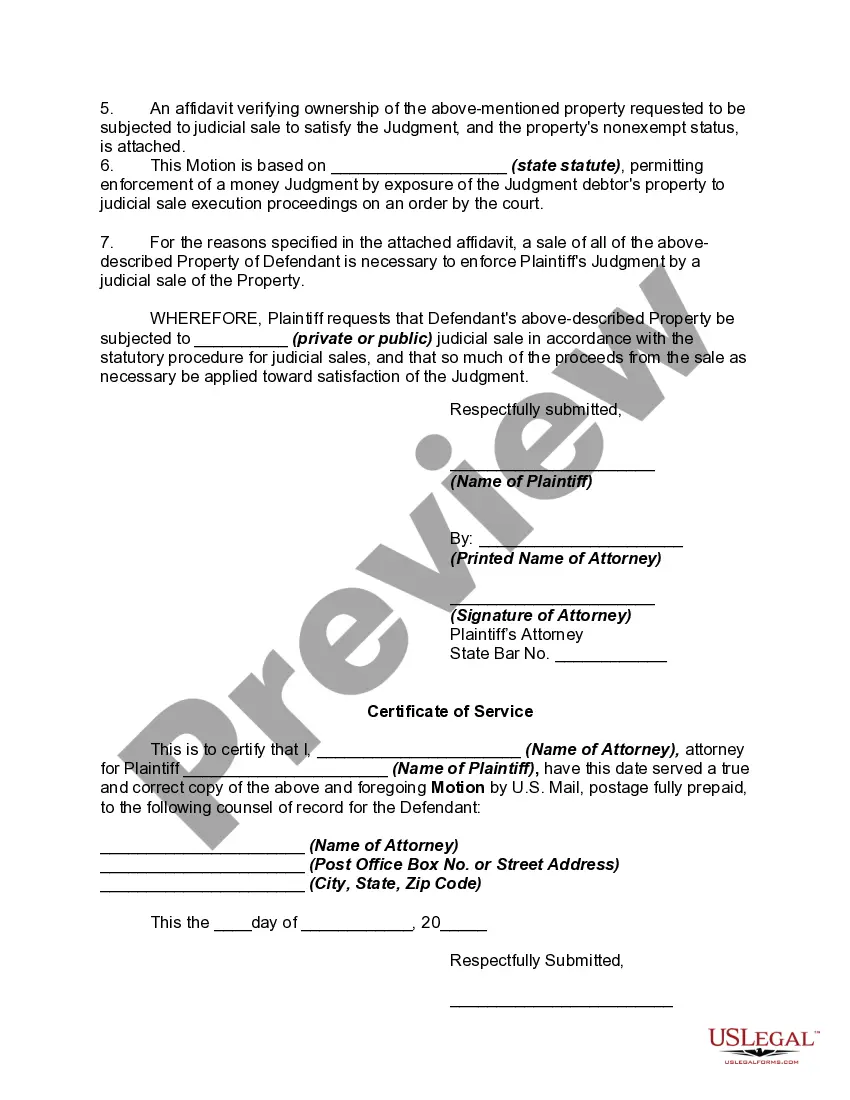
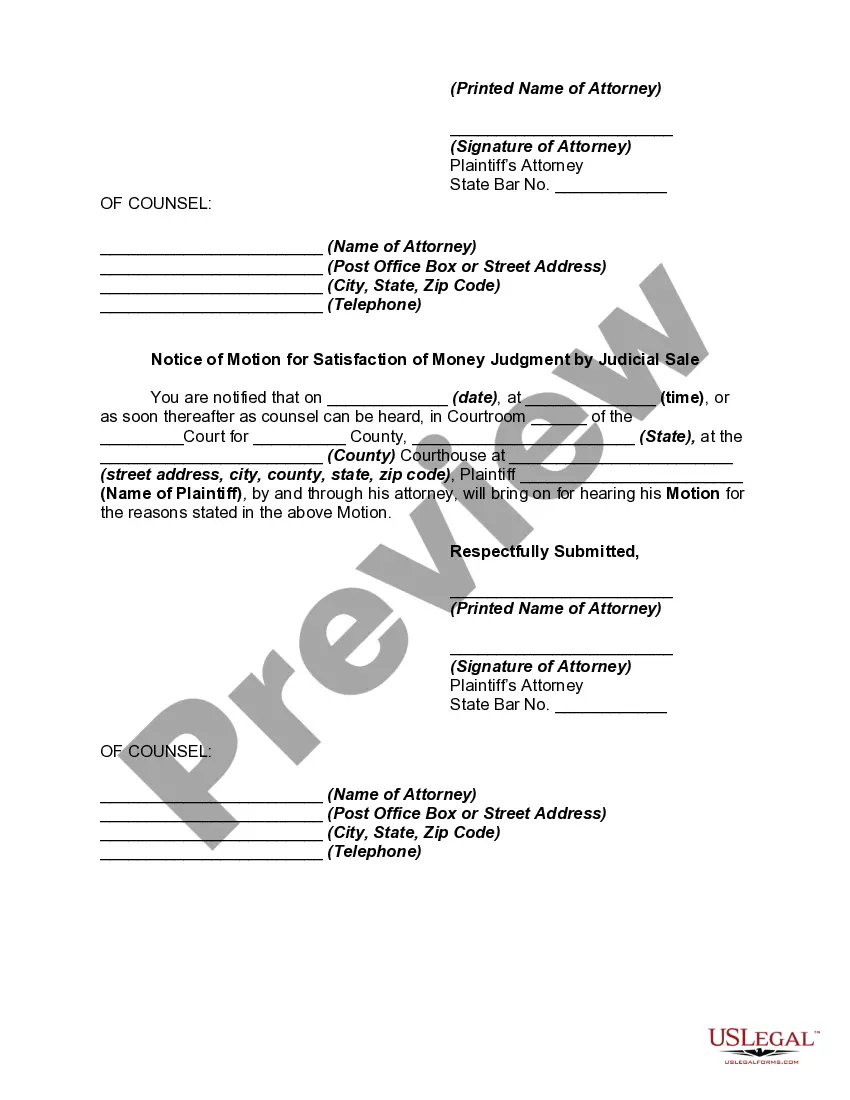
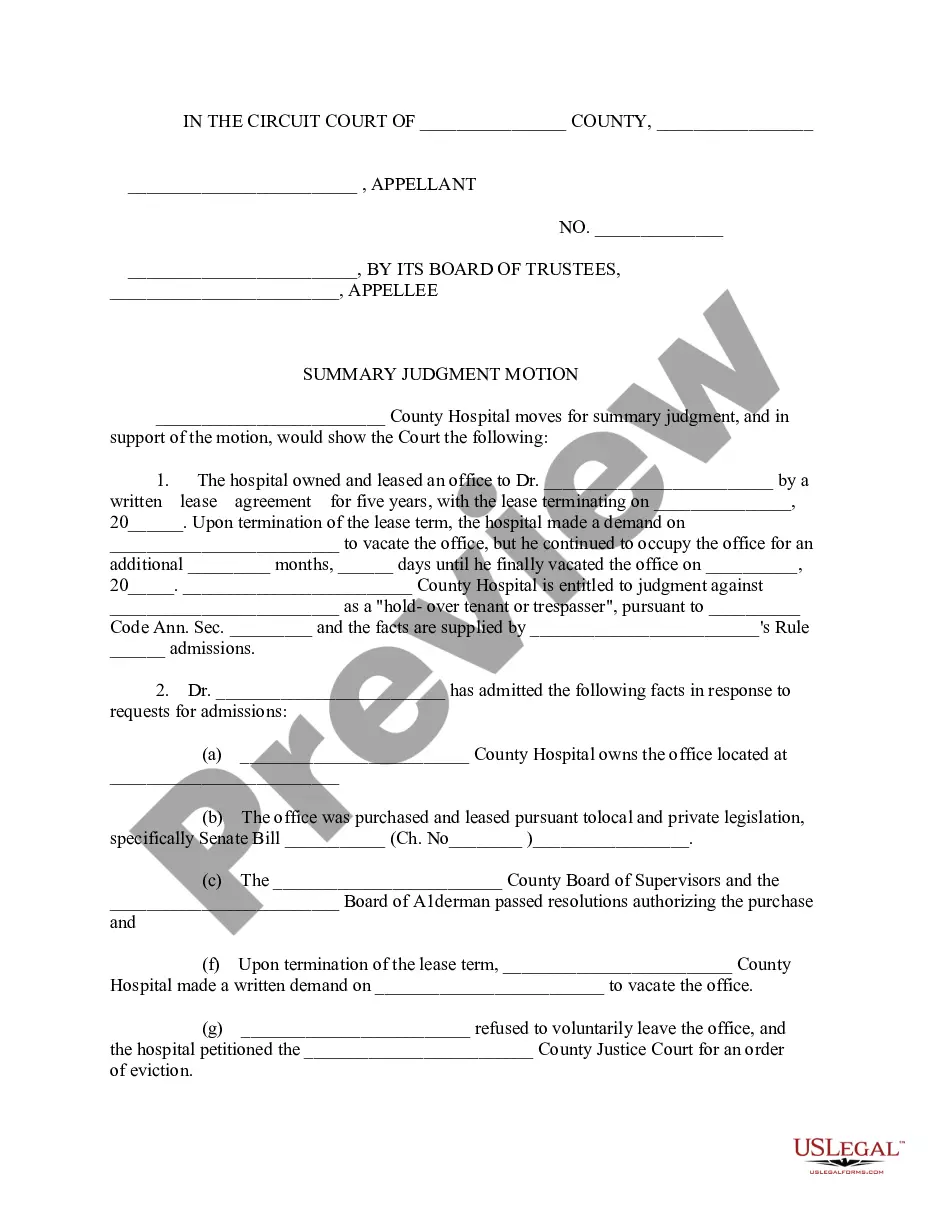
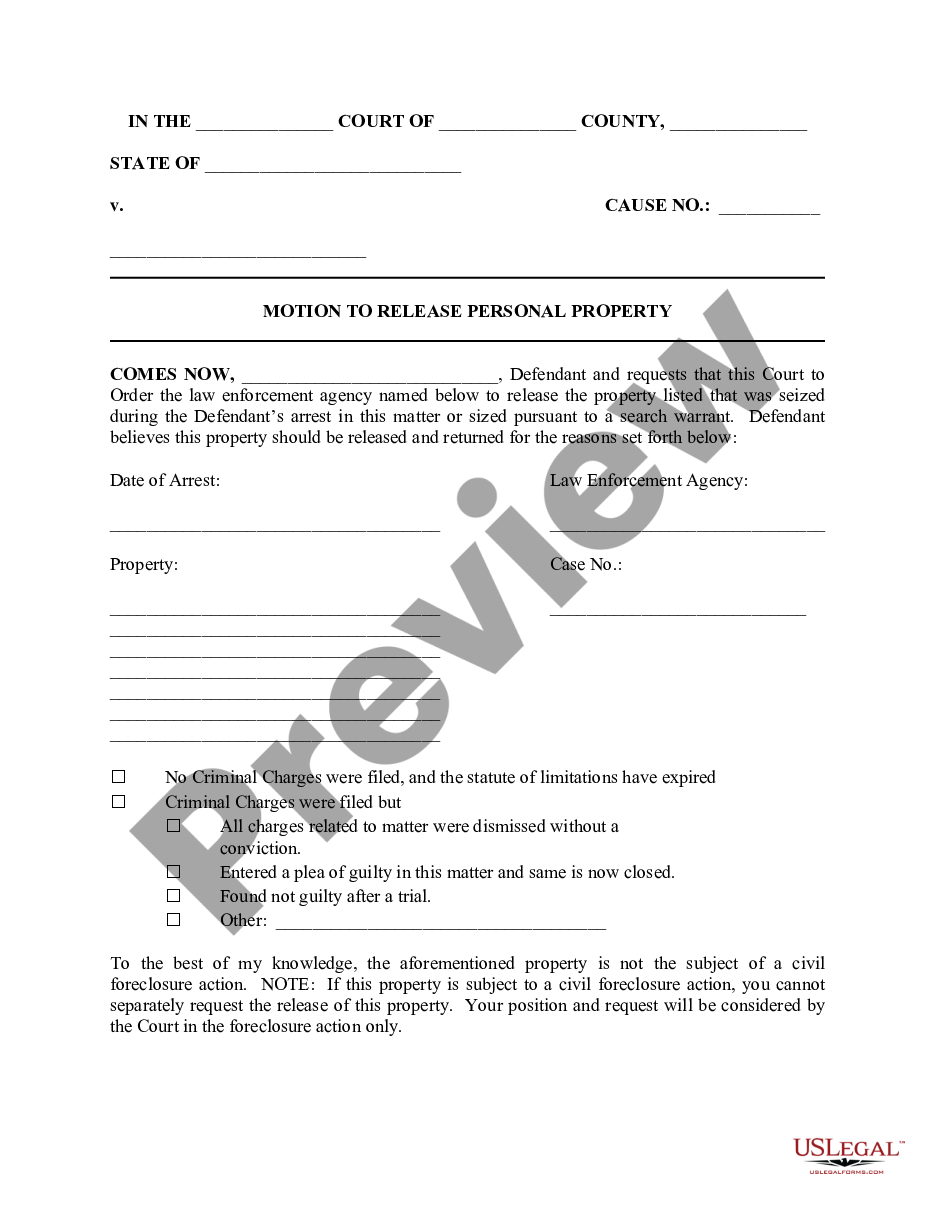
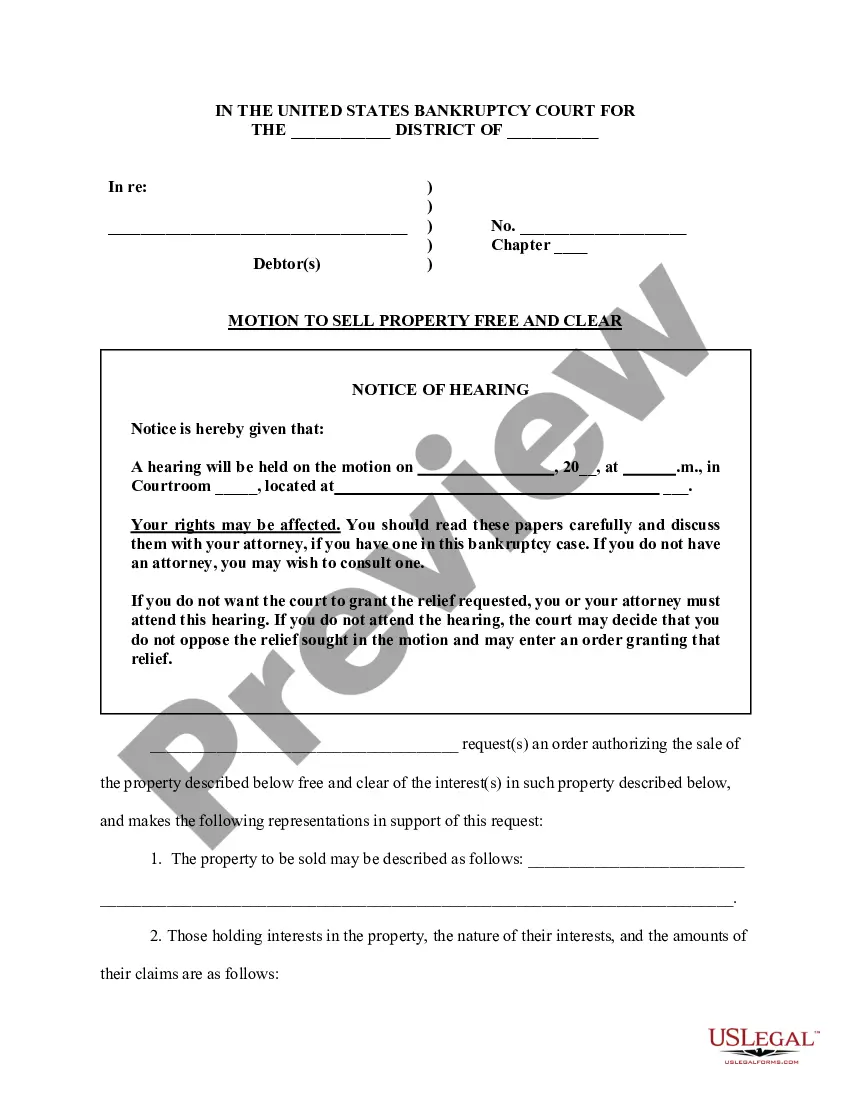
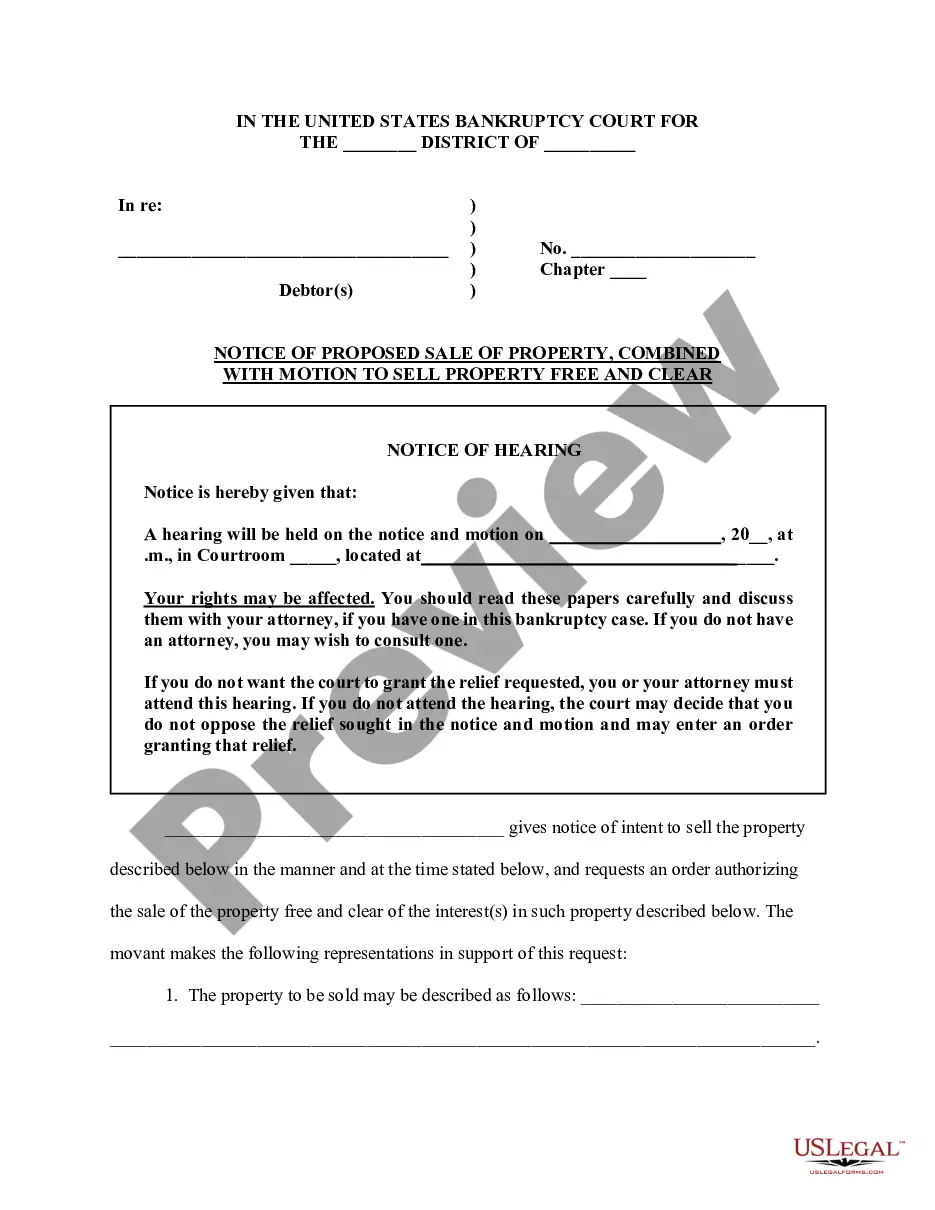
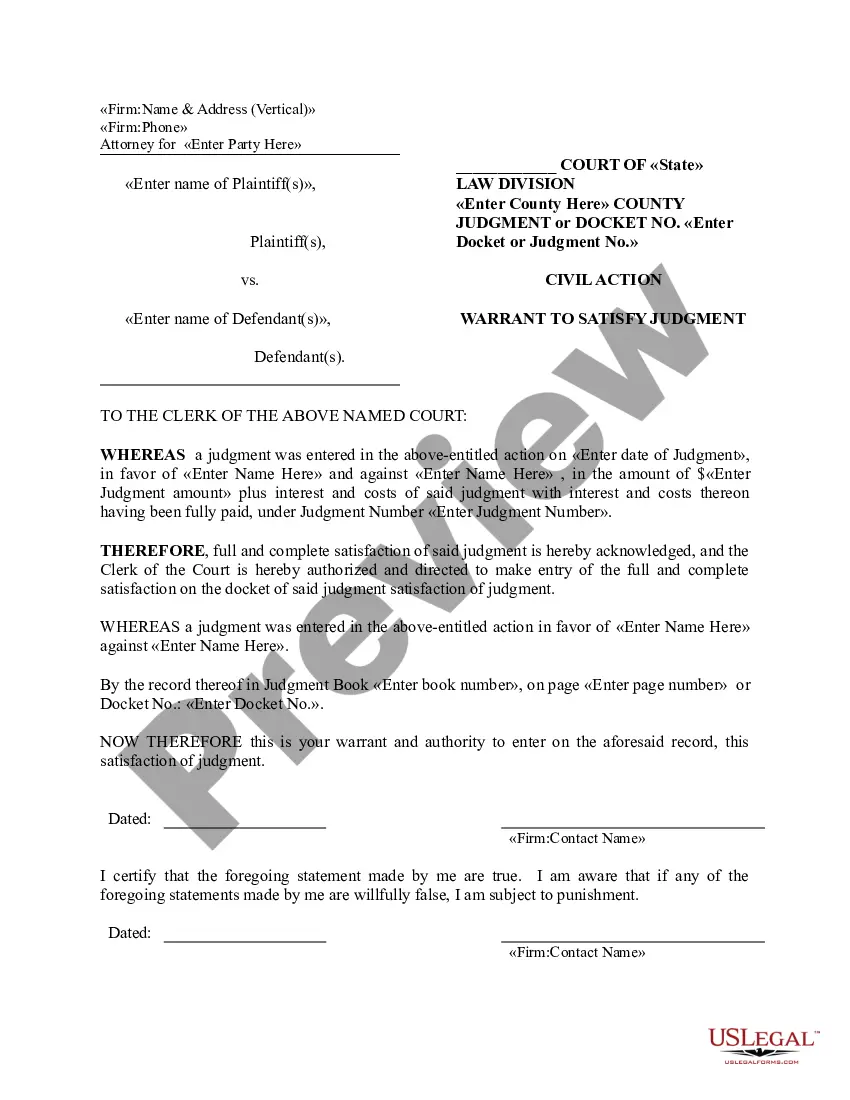
The Motion for Satisfaction of Money Judgment by Judicial Sale is a legal document used to request a court-ordered sale of property to collect on a money judgment. This form is specifically designed for situations where a judgment has been rendered in favor of a plaintiff, and the defendant has not satisfied the judgment despite the passage of time. It differs from other forms because it focuses specifically on initiating a judicial sale of assets to satisfy a debt owed to the plaintiff.
Key components of this form
- Names of the plaintiff and defendant.
- Case number and court details.
- Details of the property to be sold, including its legal description.
- History of the judgment, including dates and amounts owed.
- Affidavit verifying property ownership and its status regarding exemptions.
- Specific state statute that allows for this judicial sale.
- Request for the court to proceed with the sale to satisfy the judgment.
Situations where this form applies
This form should be used when a plaintiff has obtained a money judgment against a defendant but has been unable to collect the owed amount through other means. If the defendant's financial obligations remain unpaid and the judgment has become final without successful appeal, the plaintiff can use this motion to initiate a judicial sale of the defendant's property to recoup the owed funds.
Who needs this form
- Individuals or businesses who are plaintiffs in a legal case and have received a judgment.
- Creditors seeking to enforce their judgment against a debtor's assets.
- Attorneys representing clients in need of collecting a money judgment.
Completing this form step by step
- Identify and enter the names of the plaintiff and defendant.
- Fill in the case number, court name, and jurisdiction details.
- Provide a complete legal description of the property to be sold.
- Specify the judgment amount, including any accrued interest and fees.
- Attach the required affidavit verifying ownership and the property's nonexempt status.
- Sign the motion and include the attorney's contact details for service of process.
Does this document require notarization?
To make this form legally binding, it must be notarized. Our online notarization service, powered by Notarize, lets you verify and sign documents remotely through an encrypted video session.
Get your form ready online
Our built-in tools help you complete, sign, share, and store your documents in one place.
Make edits, fill in missing information, and update formatting in US Legal Forms—just like you would in MS Word.
Download a copy, print it, send it by email, or mail it via USPS—whatever works best for your next step.
Sign and collect signatures with our SignNow integration. Send to multiple recipients, set reminders, and more. Go Premium to unlock E-Sign.
If this form requires notarization, complete it online through a secure video call—no need to meet a notary in person or wait for an appointment.
We protect your documents and personal data by following strict security and privacy standards.

Make edits, fill in missing information, and update formatting in US Legal Forms—just like you would in MS Word.

Download a copy, print it, send it by email, or mail it via USPS—whatever works best for your next step.

Sign and collect signatures with our SignNow integration. Send to multiple recipients, set reminders, and more. Go Premium to unlock E-Sign.

If this form requires notarization, complete it online through a secure video call—no need to meet a notary in person or wait for an appointment.

We protect your documents and personal data by following strict security and privacy standards.
Typical mistakes to avoid
- Failing to include the correct legal description of the property.
- Omitting necessary signatures from the plaintiff or attorney.
- Not attaching the supporting affidavit as required.
- Leaving out crucial dates related to the judgment or service of the motion.
Why complete this form online
- Convenience of downloading and completing the form at your own pace.
- Editability, allowing you to customize the form according to your situation.
- Access to reliable legal language drafted by licensed attorneys.
- Readily available resources and guides for easier navigation through the legal process.
Looking for another form?

Form popularity
FAQ
On the form, say that you want to have the court "Enter Satisfaction of Judgment." File your form with the clerk. The clerk may schedule a court date and let you and all other parties know. If the court is convinced that you have paid, the court will enter the satisfaction of judgment.
The defendant should ask for a letter confirming that the entire amount of the judgment has been paid. He or she may do so by sending a demand letter to the plaintiff. The release and satisfaction form is filed with the court clerk and entered into the case record.
A document signed by the party who is owed money under a court judgment (called the judgment creditor) stating that the full amount due on the judgment has been paid.
Judgments are no longer factored into credit scores, though they are still public record and can still impact your ability to qualify for credit or loans.You should pay legitimate judgments and dispute inaccurate judgments to ensure these do not affect your finances unduly.
You will need one original, notarized copy for the judgment debtor. If you recorded an abstract of judgment to place a lien against the debtor's real property, you will need an original, notarized copy of your Acknowledgment of Satisfaction of Judgment (EJ-100) for each county where you placed a lien.
Satisfied Judgments A satisfied judgment is the opposite of an unsatisfied judgment. It means that your debt is either paid or settled. While you may not have completely paid off your debt in full, you can satisfy a judgment by making a new payment plan and paying what you and the lender agreed on.
Once a judgment is paid, whether in installments or a lump sum, a judgment creditor (the person who won the case) must acknowledge that the judgment has been paid by filing a Satisfaction of Judgment form with the court clerk.
If the judgment creditor does not immediately file an Acknowledgement of Satisfaction of Judgment (EJ-100) when the judgment is satisfied, the judgment debtor may make a formal written demand for the creditor to do so. The judgment creditor has 15 days after receiving the debtor's request to serve the acknowledgement.