Lease or Rental of Truck
About this form
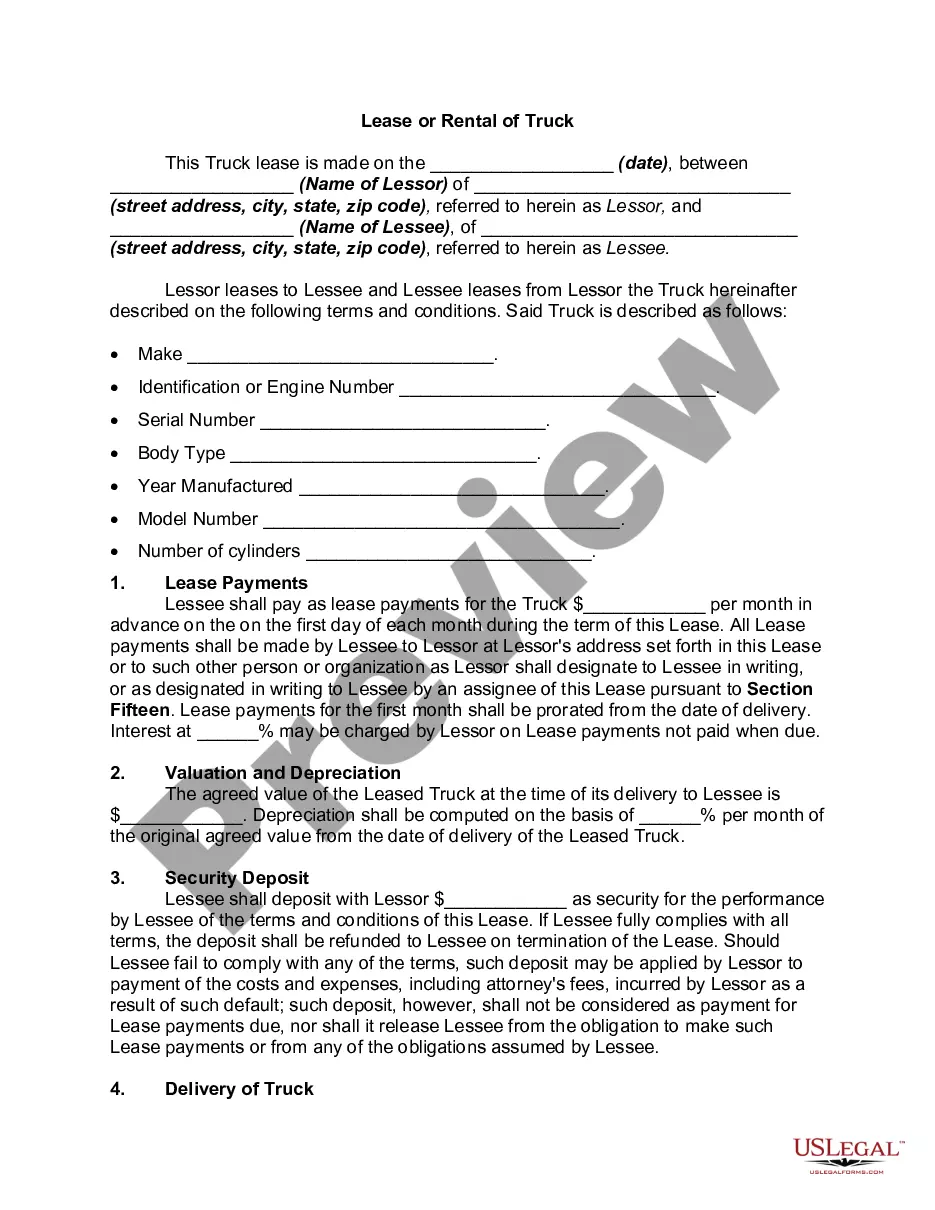
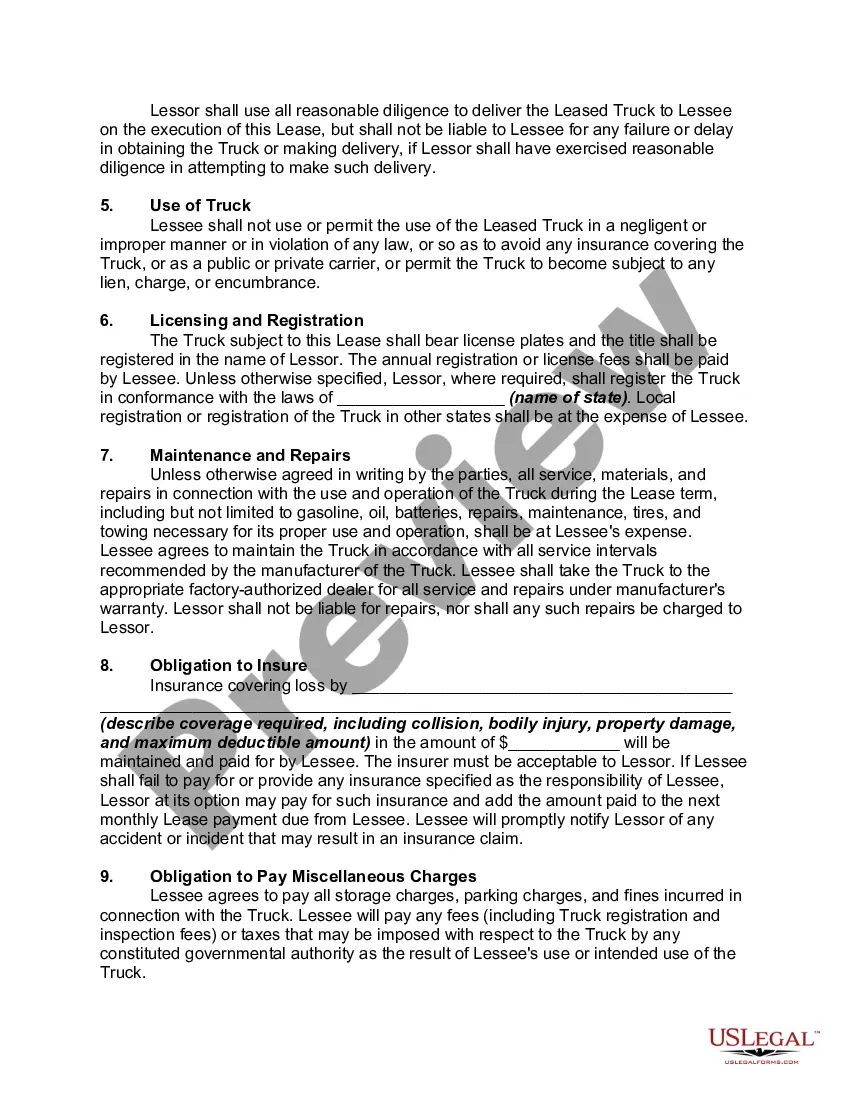
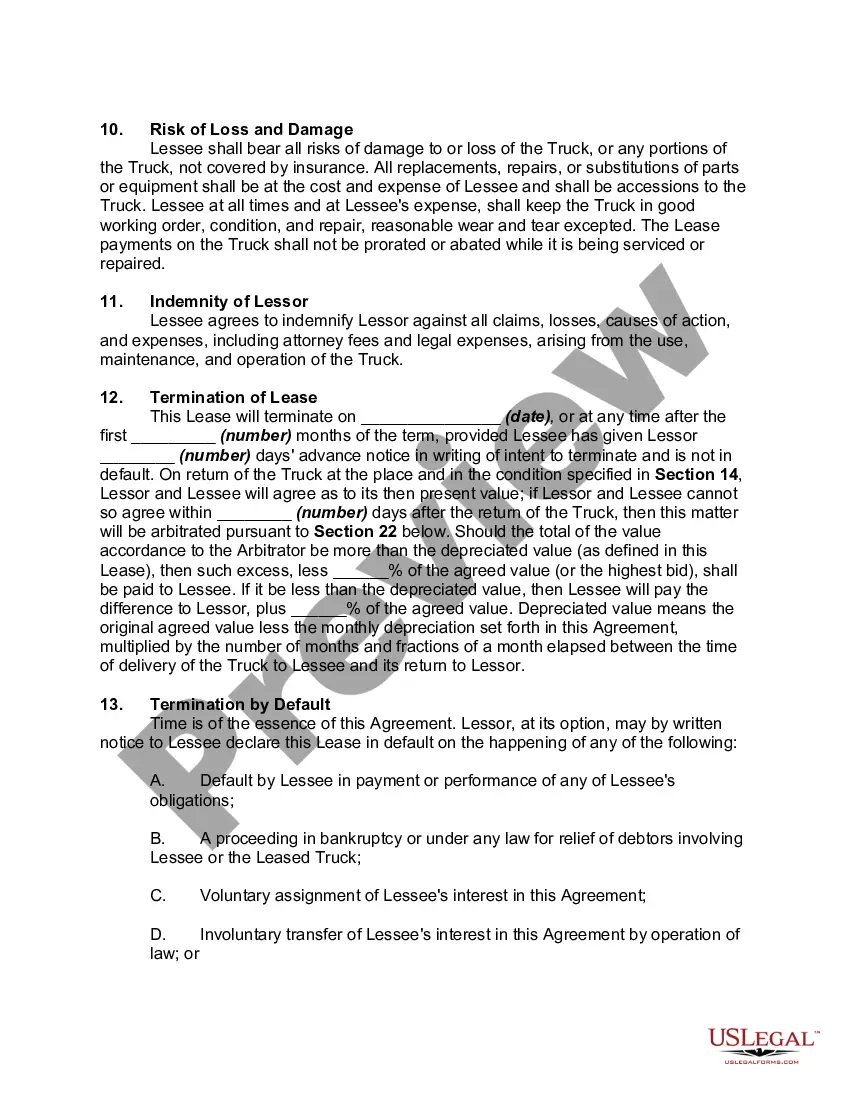
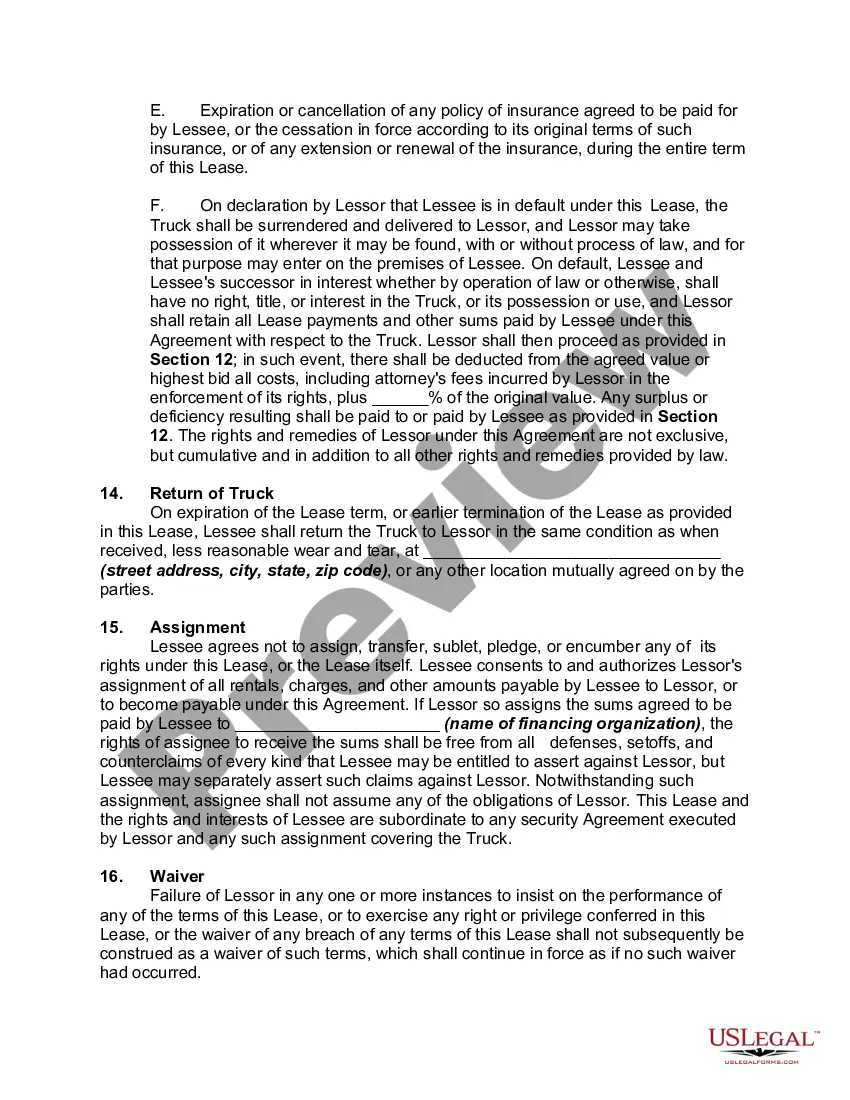
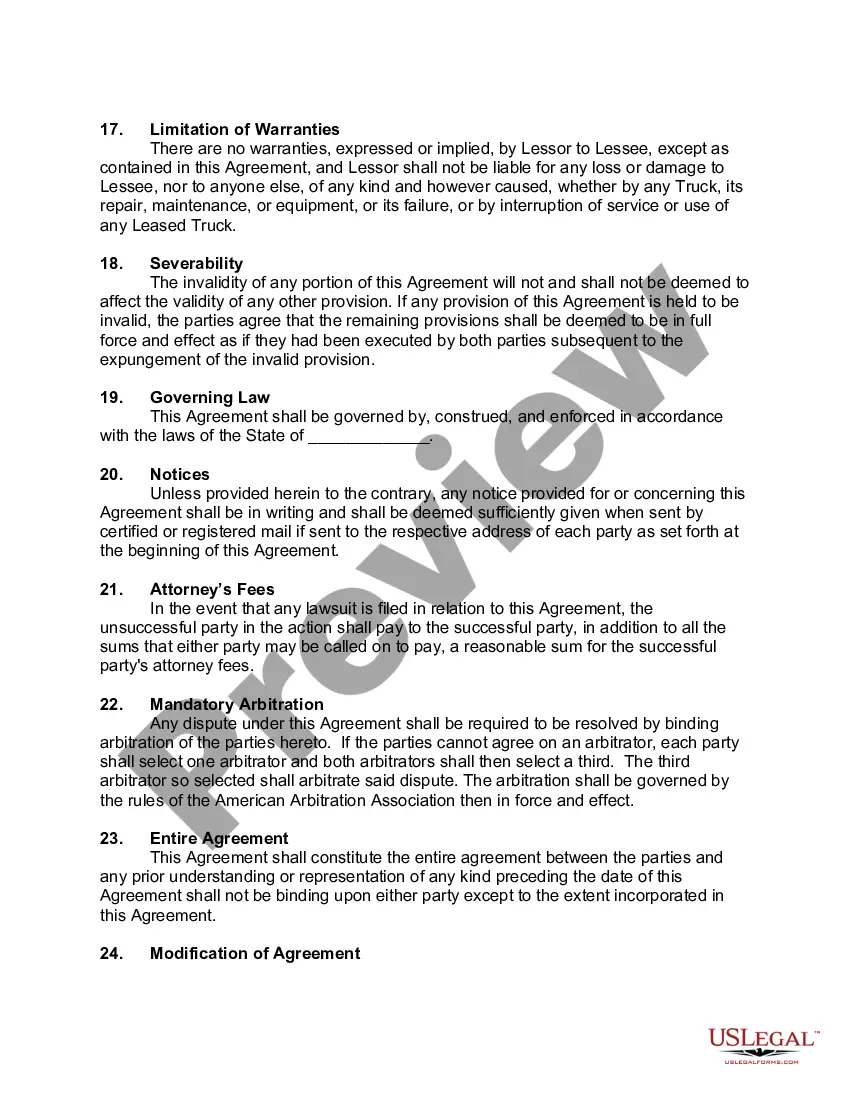
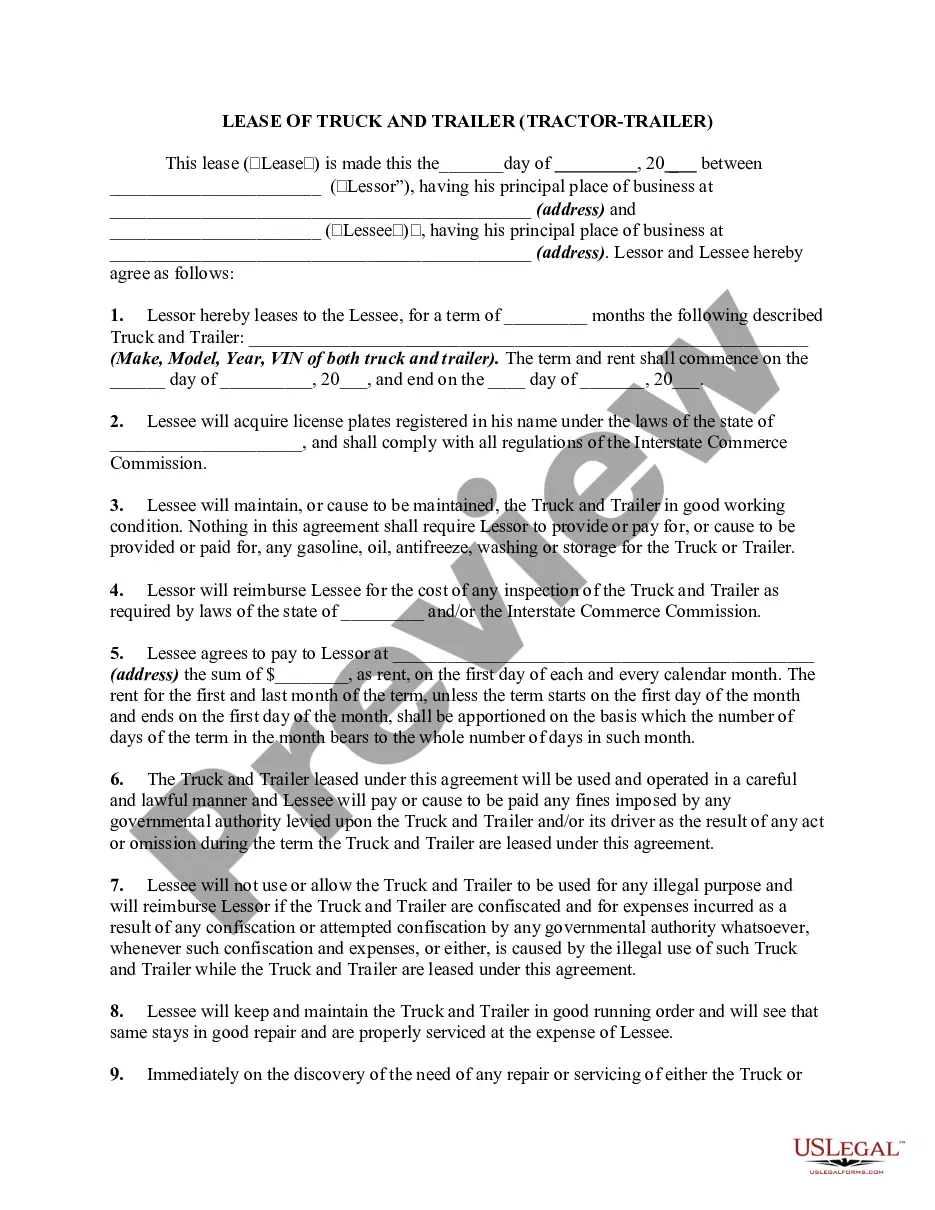
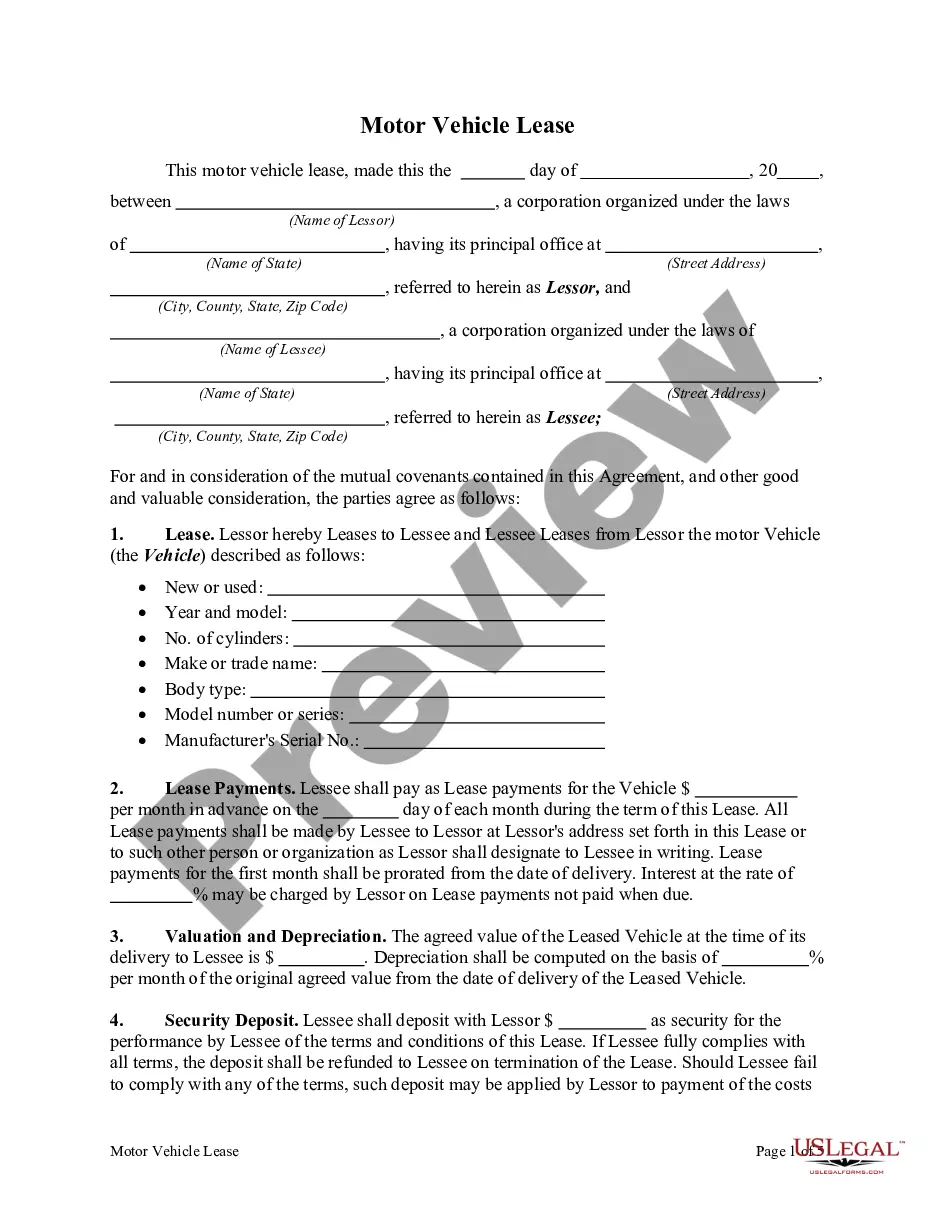
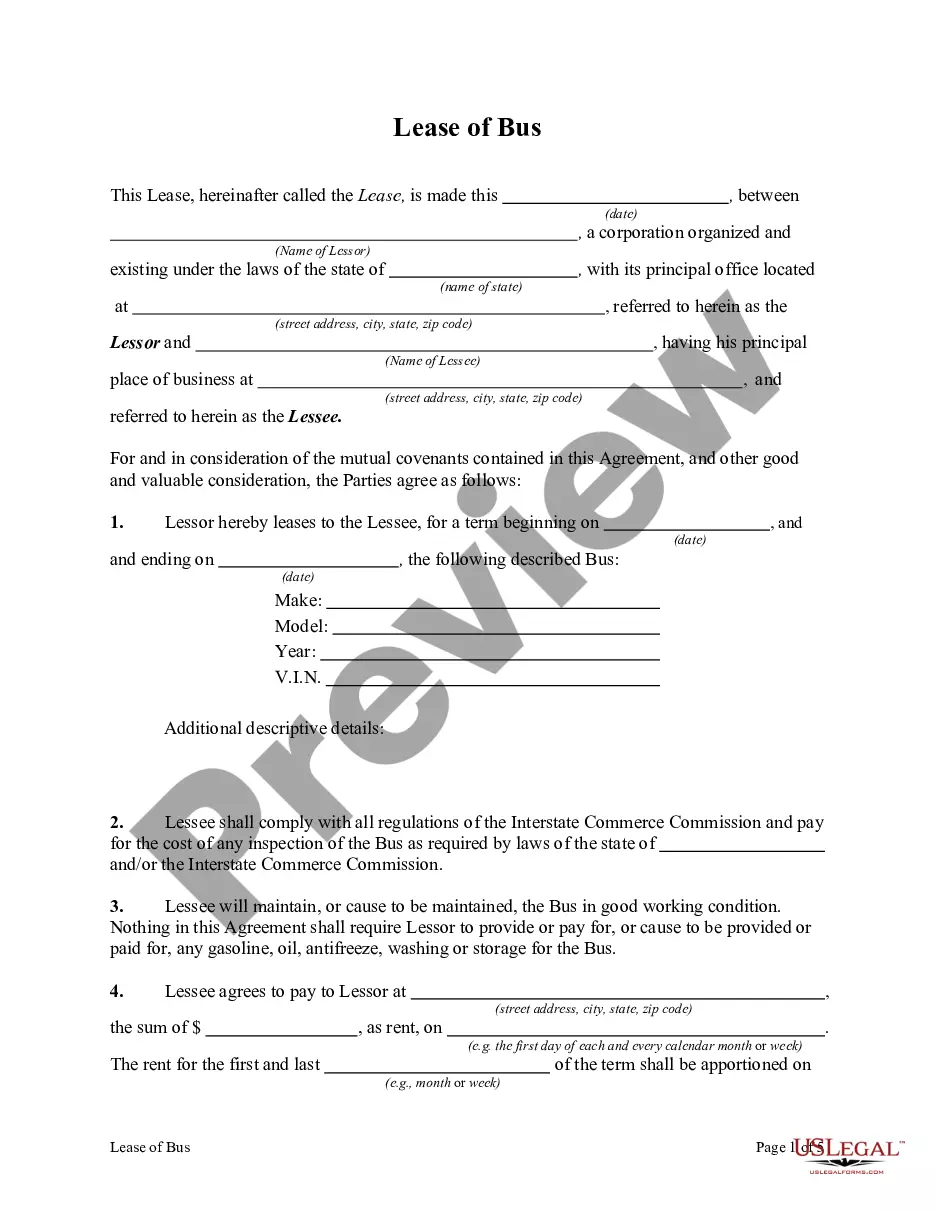
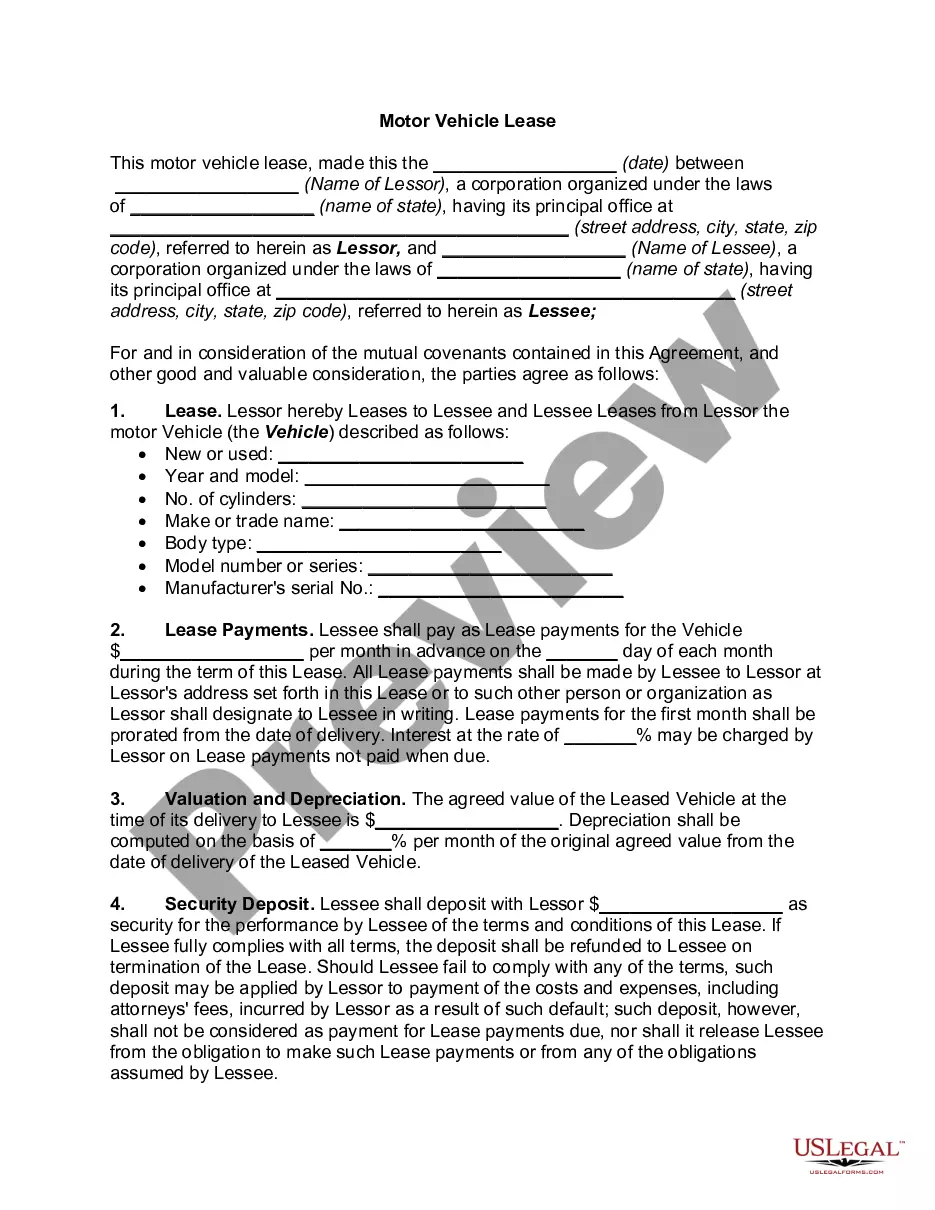
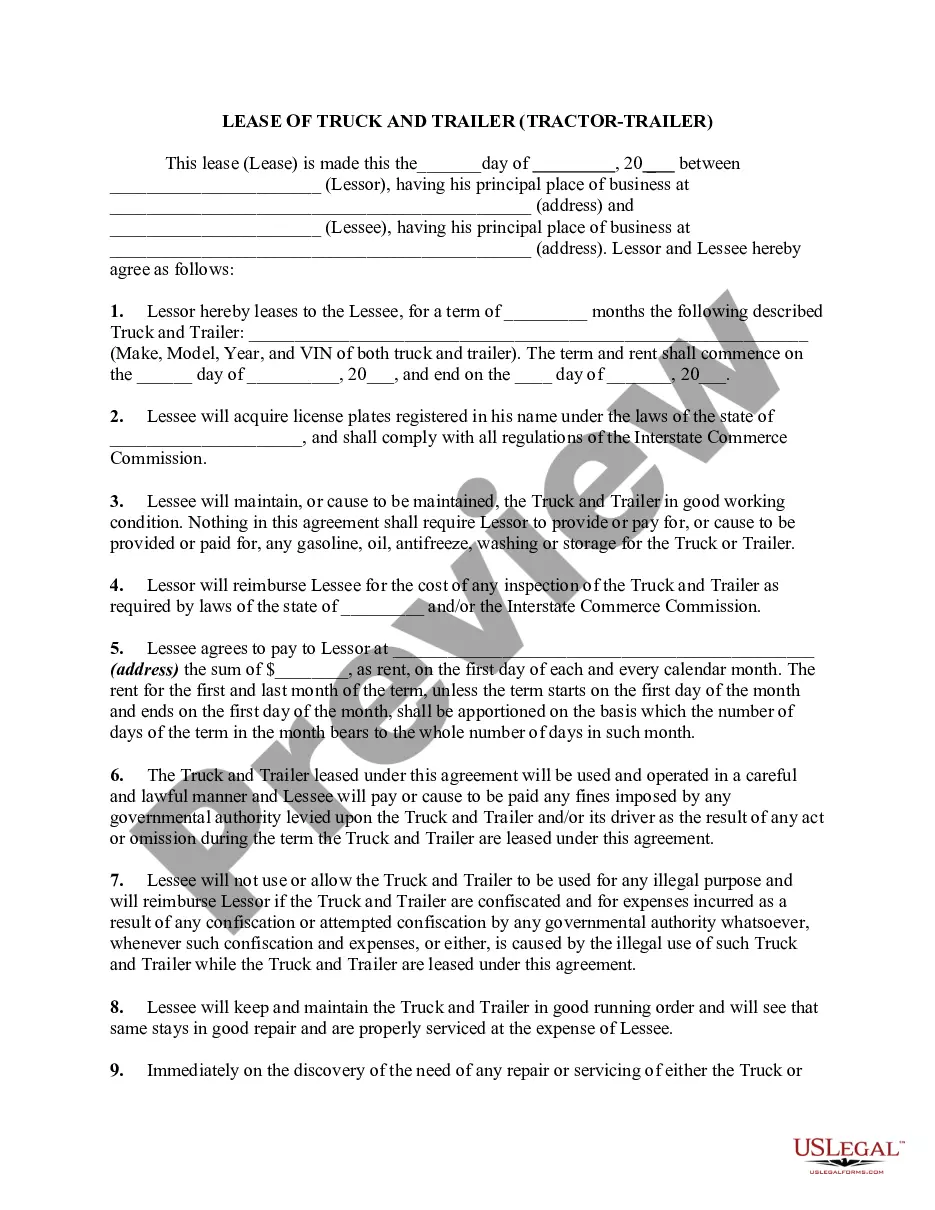
The Lease or Rental of Truck form is a legal agreement that outlines the terms and conditions under which one party (the Lessor) leases a truck to another party (the Lessee). This document is essential for ensuring that both parties understand their rights and obligations, clearly defining the terms of use, payment structure, and maintenance responsibilities. Unlike dealership vehicle leases, this form is intended for agreements between individuals, omitting certain disclosures required by federal law.
Key components of this form
- Description of the leased truck, including make, model, and identification numbers.
- Monthly lease payment amount and due dates.
- Security deposit details and conditions for refund.
- Responsibilities for maintenance and insurance coverage.
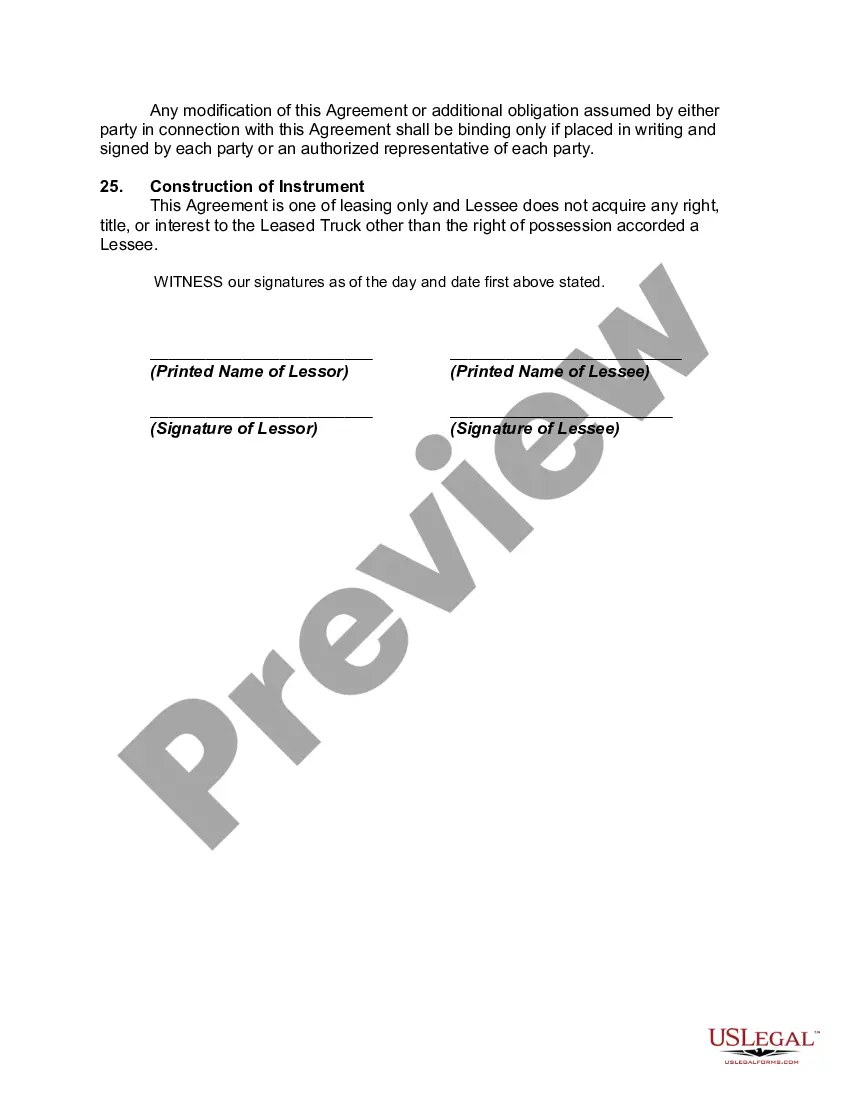
- Terms for termination of the lease and procedures for returning the truck.
When to use this document
This Lease or Rental of Truck form should be used when an individual or private entity wants to rent or lease a truck for personal or business use. Common situations include moving, transporting goods, or temporary vehicles needed for work. It is essential for ensuring clear communication between the parties regarding expectations, responsibilities, and financial obligations.
Who needs this form
- Individuals or businesses seeking to lease a truck from another individual.
- Parties involved in short-term rental arrangements.
- Private companies needing trucks without purchasing them outright.
- Any person who wants to formalize a rental agreement for mutual protection.
How to complete this form
- Identify and provide the names and addresses of both the Lessor and Lessee.
- Describe the truck being leased, including its make, model, year, and identification numbers.
- Specify the monthly lease payment amount, due date, and any applicable interest rates.
- Detail the security deposit amount and the conditions under which it will be refunded.
- Outline the responsibilities for maintenance, insurance, and other relevant charges.
- Include the start and end dates of the lease term, along with any termination notice requirements.
Is notarization required?
In most cases, this form does not require notarization. However, some jurisdictions or signing circumstances might. US Legal Forms offers online notarization powered by Notarize, accessible 24/7 for a quick, remote process.
Get your form ready online
Our built-in tools help you complete, sign, share, and store your documents in one place.
Make edits, fill in missing information, and update formatting in US Legal Forms—just like you would in MS Word.
Download a copy, print it, send it by email, or mail it via USPS—whatever works best for your next step.
Sign and collect signatures with our SignNow integration. Send to multiple recipients, set reminders, and more. Go Premium to unlock E-Sign.
If this form requires notarization, complete it online through a secure video call—no need to meet a notary in person or wait for an appointment.
We protect your documents and personal data by following strict security and privacy standards.

Make edits, fill in missing information, and update formatting in US Legal Forms—just like you would in MS Word.

Download a copy, print it, send it by email, or mail it via USPS—whatever works best for your next step.

Sign and collect signatures with our SignNow integration. Send to multiple recipients, set reminders, and more. Go Premium to unlock E-Sign.

If this form requires notarization, complete it online through a secure video call—no need to meet a notary in person or wait for an appointment.

We protect your documents and personal data by following strict security and privacy standards.
Common mistakes to avoid
- Failing to clearly describe the truck being leased, leading to misunderstandings.
- Not specifying all fees and charges, which can cause disputes later.
- Neglecting to provide a clear termination process in the lease agreement.
- Omitting necessary insurance details required for the lease.
Benefits of using this form online
- Convenient download for immediate use, saving time and effort.
- Editability to customize the document according to specific arrangements.
- Reliable templates drafted by licensed attorneys ensure legal compliance.
- Accessible anytime, providing flexibility for both parties.
Looking for another form?

Form popularity
FAQ
Names of all tenants. Limits on occupancy. Term of the tenancy. Rent. Deposits and fees. Repairs and maintenance. Entry to rental property. Restrictions on tenant illegal activity.
Names of the landlord and tenant and/or their agents. Description of the property. Amount of rent and due dates for payment, grace period, late charges. Mode of rent payment. Methods to terminate the agreement prior to the expiration date and charges if any.
Name the parties. A simple rental agreement form needs to name the parties signing the lease and where they live. Describe the premises. Define the term of the lease. Set how much rent is owed. Assign a security deposit amount. Finalize the lease.
Names of the landlord and tenant and/or their agents. Description of the property. Amount of rent and due dates for payment, grace period, late charges. Mode of rent payment. Methods to terminate the agreement prior to the expiration date and charges if any.
Inspect the Property and Record Any Current Damages. Know What's Included in the Rent. Can You Make Adjustments and Customizations? Clearly Understand the Terms Within the Agreement and Anticipate Problems. Communicate with Your Landlord About Your Expectations.
ESSENTIAL ELEMENTS OF A VALID LEASE AGREEMENT. Competent Parties. Legal Purpose. Statute of Frauds. Reversionary Right. Property Description. Mutual Assent (Offer and Acceptance) Consideration.
The difference between lease and rent is that a lease generally lasts for 12 months while a rental agreement generally lasts for 30 days.That means the landlord can't raise the rent without your written consent or evict you without cause, and you can't stop paying rent or break the lease without consequence.
Names of all tenants. Limits on occupancy. Term of the tenancy. Rent. Deposits and fees. Repairs and maintenance. Entry to rental property. Restrictions on tenant illegal activity.
When writing your own renters agreement you are able to include your own classes, such as tenants aren't allowed to have pets. However, these added clauses must be in line with both the landlord's and tenants' rights and if they infringe on these rights then they are void and can't stand up in a court of law.