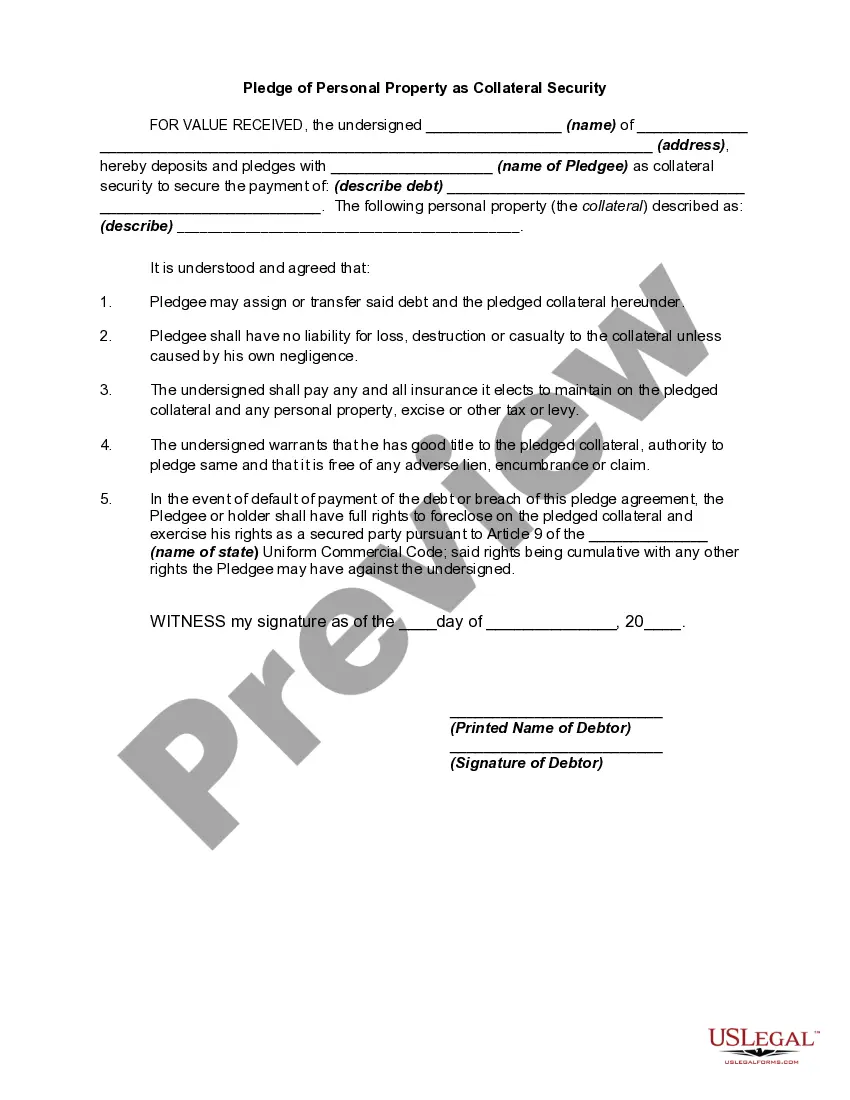
Pledge of Personal Property as Collateral Security
Understanding this form
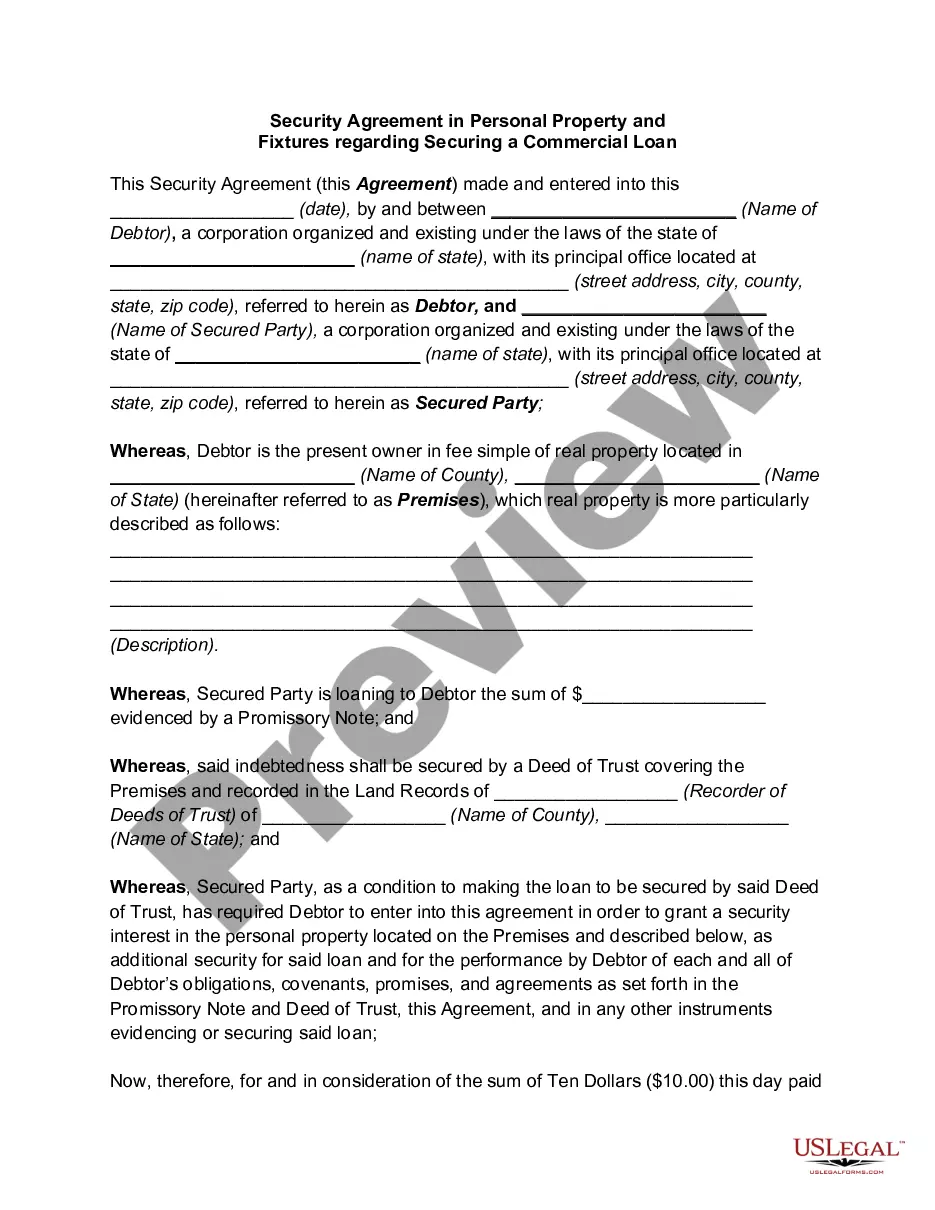
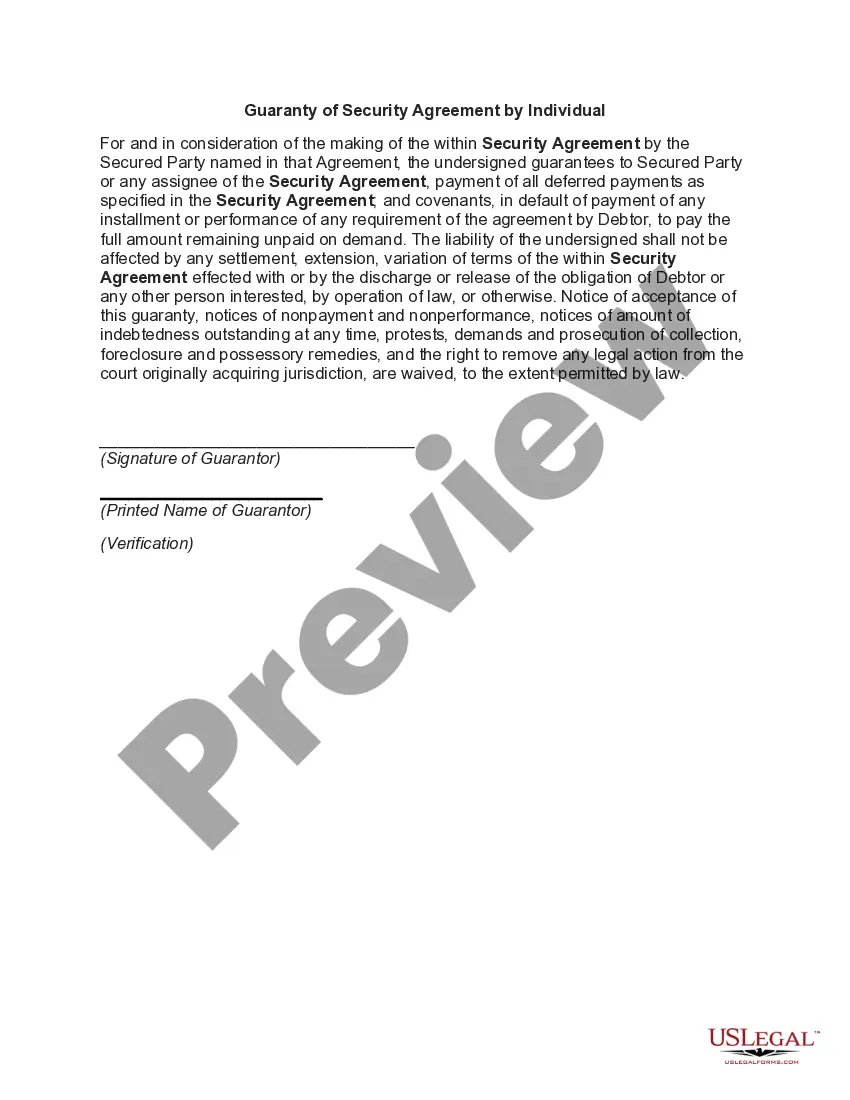
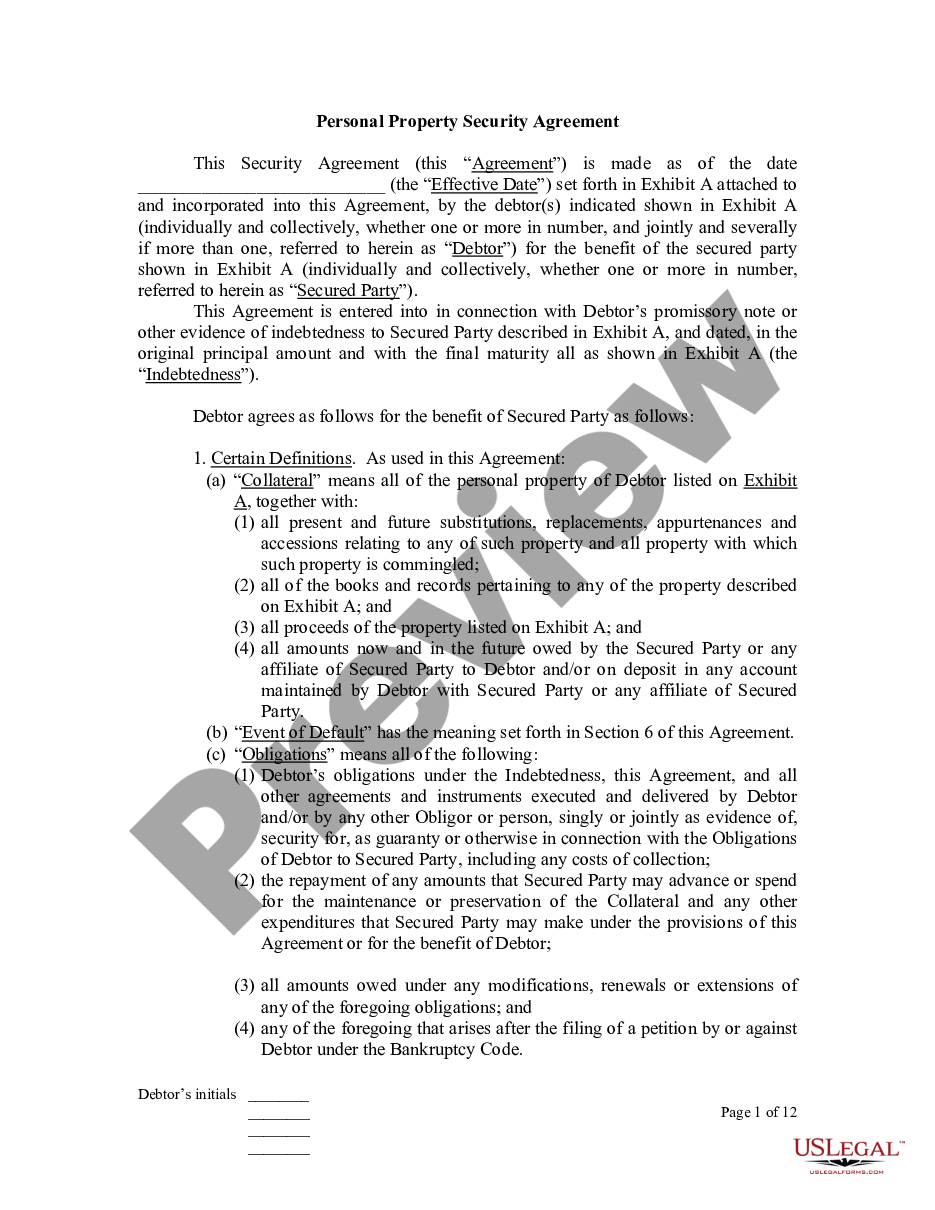
The Pledge of Personal Property as Collateral Security is a legal document that allows an individual to use their personal property as collateral for a loan. This pledge serves as security for the lender, enabling them to potentially claim the property if the borrower defaults on the loan. Unlike other forms of securing a loan, such as mortgages, this form specifically focuses on personal property, providing a streamlined option for those needing quick access to cash using physical assets.
Key parts of this document
- Parties involved: The names and addresses of both the pledgor (borrower) and pledgee (lender).
- Debt description: Details about the debt that is being secured.
- Collateral description: A clear description of the personal property being pledged.
- Assignment rights: Stipulations regarding the pledgee's ability to assign or transfer the debt and collateral.
- Warranties: Assurances from the pledgor regarding their rights to the collateral.
- Default provisions: Conditions outlining what happens if the borrower defaults on the loan.
Common use cases
This form is ideal for individuals needing to secure a personal loan with their personal property. You may use this form when:
- You want to borrow money and are willing to pledge personal items as collateral.
- You are borrowing from a private lender or pawnbroker who requires security for the loan.
- You wish to establish clear terms regarding responsibilities and rights related to the pledged property.
Who should use this form
- Individuals seeking personal loans
- Pawnbrokers lending money with collateral
- Anyone who wants a formal agreement outlining the terms of a loan secured by personal property
How to prepare this document
- Identify the parties: Enter the names and addresses of both the borrower (pledgor) and the lender (pledgee).
- Specify the debt: Clearly describe the nature and amount of the debt being secured.
- Describe the collateral: Provide a detailed description of the personal property you are pledging.
- Review the terms: Read through the clauses regarding assignment, liability, warranties, and default.
- Sign and date: Have the debtor sign and indicate the date of signing to finalize the agreement.
Notarization requirements for this form
This form usually doesn’t need to be notarized. However, local laws or specific transactions may require it. Our online notarization service, powered by Notarize, lets you complete it remotely through a secure video session, available 24/7.
Get your form ready online
Our built-in tools help you complete, sign, share, and store your documents in one place.
Make edits, fill in missing information, and update formatting in US Legal Forms—just like you would in MS Word.
Download a copy, print it, send it by email, or mail it via USPS—whatever works best for your next step.
Sign and collect signatures with our SignNow integration. Send to multiple recipients, set reminders, and more. Go Premium to unlock E-Sign.
If this form requires notarization, complete it online through a secure video call—no need to meet a notary in person or wait for an appointment.
We protect your documents and personal data by following strict security and privacy standards.

Make edits, fill in missing information, and update formatting in US Legal Forms—just like you would in MS Word.

Download a copy, print it, send it by email, or mail it via USPS—whatever works best for your next step.

Sign and collect signatures with our SignNow integration. Send to multiple recipients, set reminders, and more. Go Premium to unlock E-Sign.

If this form requires notarization, complete it online through a secure video call—no need to meet a notary in person or wait for an appointment.

We protect your documents and personal data by following strict security and privacy standards.
Mistakes to watch out for
- Failing to provide a clear description of the collateral.
- Not including or miscommunicating the debt amount, leading to disputes.
- Not signing and dating the document, which may render it unenforceable.
- Overlooking the need to inform the pledgee about any existing liens on the collateral.
Benefits of using this form online
- Convenient access: You can easily download and print the form at any time.
- Editability: The form allows for customization to your specific situation.
- Reliability: The forms are drafted by licensed attorneys, ensuring they meet legal standards.
Quick recap
- The Pledge of Personal Property as Collateral Security is crucial for securing a loan with personal property.
- It details the rights and responsibilities of both the borrower and lender.
- Clear and precise information is necessary to prevent legal issues in the future.
Looking for another form?







Form popularity
FAQ
In lending agreements, collateral is a borrower's pledge of specific property to a lender, to secure repayment of a loan.If a borrower defaults on a loan (due to insolvency or another event), that borrower loses the property pledged as collateral, with the lender then becoming the owner of the property.
Collateral is an item of value used to secure a loan. Collateral minimizes the risk for lenders. If a borrower defaults on the loan, the lender can seize the collateral and sell it to recoup its losses. Mortgages and car loans are two types of collateralized loans.
Collateral is a pledge against repayment of a loan.If I can't repay the loan, the bank or person who gave me the loan can take my house as payment. A pledge is any promise or guarantee, not necessarily for a loan. Collateral is always a pledge; a pledge is not necessarily collateral.
The term collateral refers to an asset that a lender accepts as security for a loan. Collateral may take the form of real estate or other kinds of assets, depending on the purpose of the loan. The collateral acts as a form of protection for the lender.
By filing a financing statement with the appropriate public office. by possessing the collateral. by controlling the collateral; or. it's done automatically upon attachment of the security interest.
Current assets are those assets that are expected to be used (sold or consumed) within 12 months.Current non-cash assets pledged as collateral for which transferee has right by contract or custom to sell or repledge collateral.
Obligations of the United States Treasury. Obligations of U.S. government agencies and government sponsored enterprises. Obligations of states or political subdivisions of the U.S. Collateralized mortgage obligations. Asset-backed securities. Corporate bonds. Money market instruments. Residential real estate loans.
To plege assets as collateral (or Pledging) is the act of offering assets as collateral to secure loans. Assets pledged can be in the form of security holdings and act as assurance for recovering the borrowed amount should a borrower fail to pay up.
A security interest is typically granted by a "security agreement". The security interest is established with respect to the property, if the debtor has an ownership interest in the property and the holder of the security interest conferred value to the debtor, such as giving a loan.