Acknowledgment of Obligations with Regard to Personally Identifiable Information
What is this form?
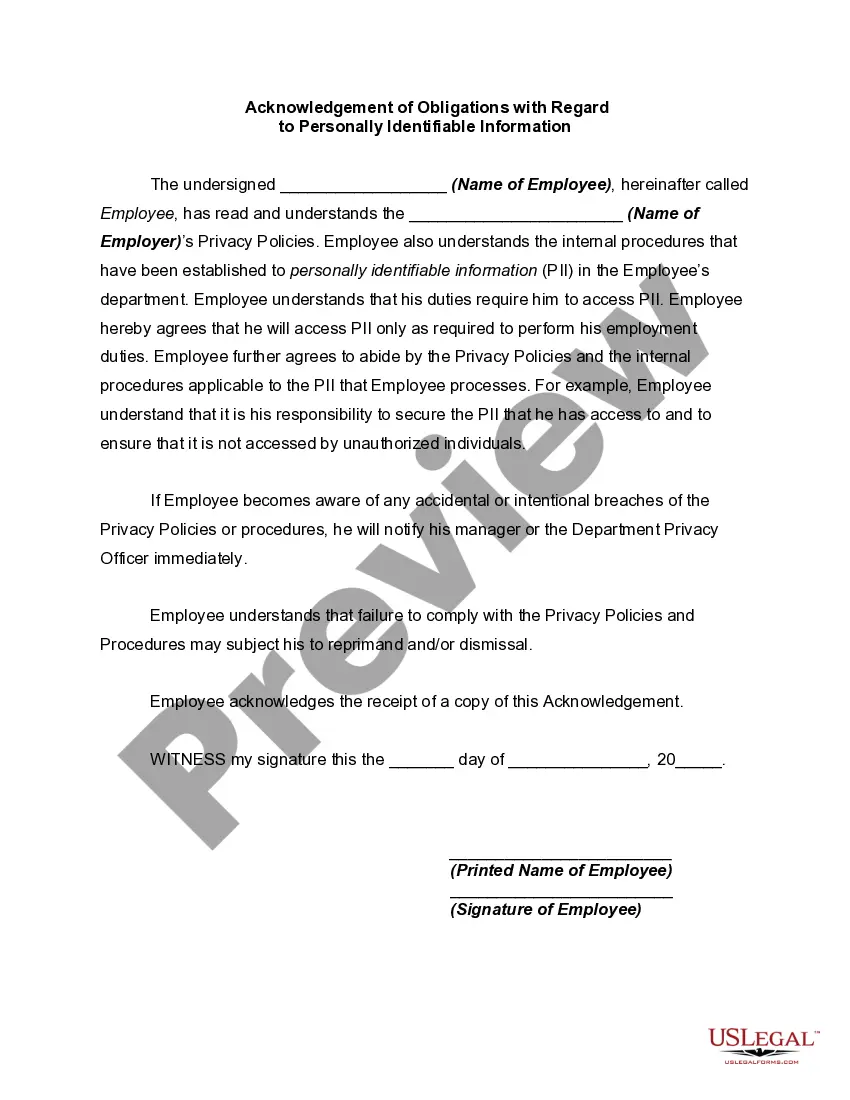
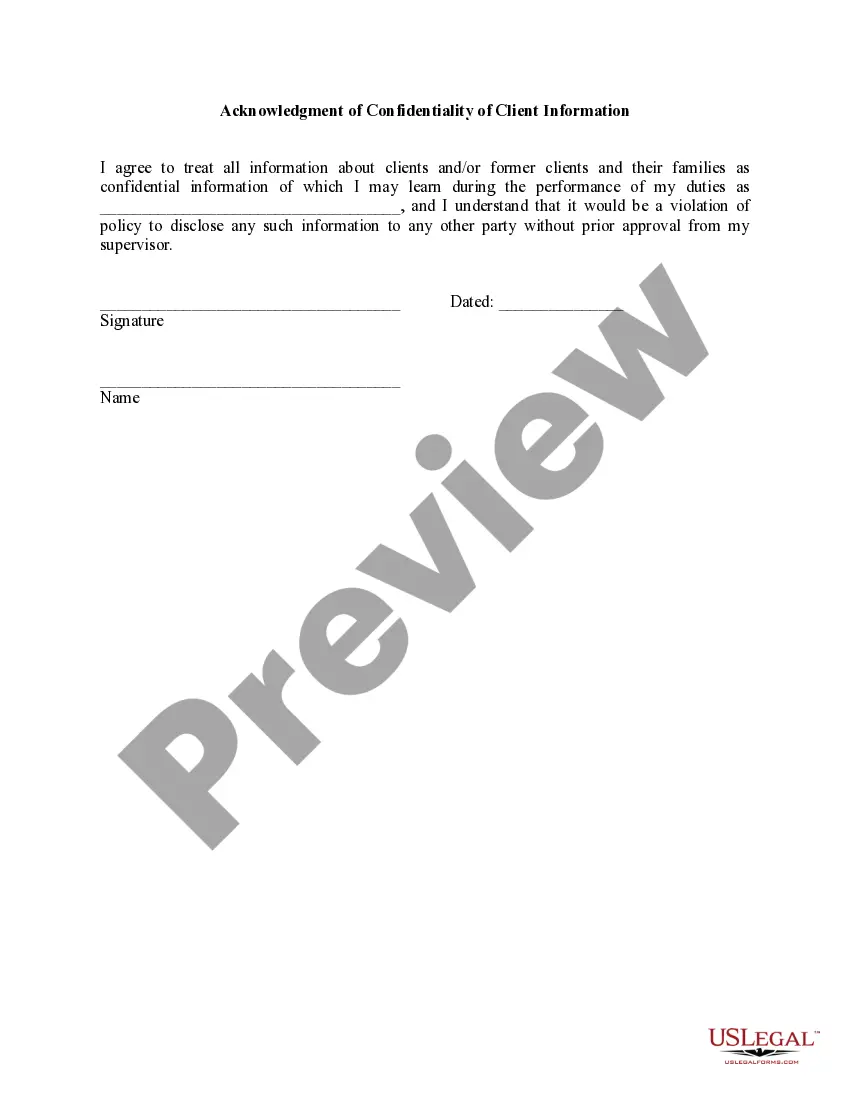
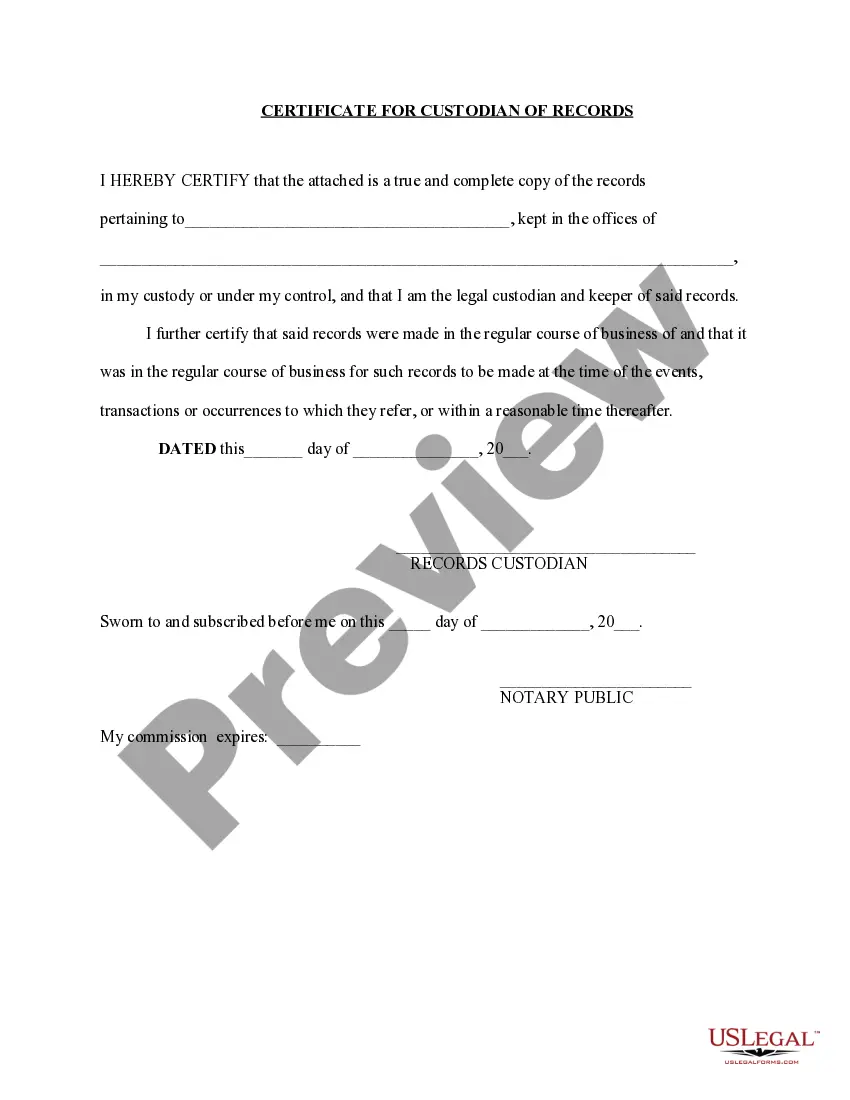
The Acknowledgment of Obligations with Regard to Personally Identifiable Information is a legal document where an employee recognizes and agrees to comply with their employer's privacy policies regarding Personally Identifiable Information (PII). This form is crucial in maintaining data security and preventing unauthorized access to sensitive information, distinguishing it from other employment forms that may not specifically address PII obligations.
Key parts of this document
- Employee's name and signature, confirming their acknowledgment.
- Statement indicating the employee has read and understands the employer's privacy policies.
- Agreement to access PII solely for employment duties.
- Commitment to report any breaches of privacy policies.
- Consequences of non-compliance, including potential reprimand or dismissal.
Common use cases
This form should be used when an employee is granted access to Personally Identifiable Information as part of their job duties. It ensures that the employee understands the importance of safeguarding this information and the policies governing its use. Employers often require this form to protect against data breaches and to foster a culture of privacy within the organization.
Who needs this form
- Employers who handle PII and need employees to acknowledge their responsibilities.
- Employees in positions where accessing sensitive personal data is necessary.
- Organizations aiming to establish clear privacy policies and compliance protocols.
How to complete this form
- Enter the name of the employee who will be accessing PII.
- Specify the employerâs name that the employee acknowledges.
- Review the privacy policies provided by the employer thoroughly.
- Sign and date the acknowledgment to confirm understanding and agreement.
- Ensure a copy of the completed form is kept for both the employee and the employerâs records.
Does this form need to be notarized?
This form does not typically require notarization unless specified by local law. The acknowledgment is valid as long as the employee's signature is provided, ensuring compliance with internal policies.
Get your form ready online
Our built-in tools help you complete, sign, share, and store your documents in one place.
Make edits, fill in missing information, and update formatting in US Legal Forms—just like you would in MS Word.
Download a copy, print it, send it by email, or mail it via USPS—whatever works best for your next step.
Sign and collect signatures with our SignNow integration. Send to multiple recipients, set reminders, and more. Go Premium to unlock E-Sign.
If this form requires notarization, complete it online through a secure video call—no need to meet a notary in person or wait for an appointment.
We protect your documents and personal data by following strict security and privacy standards.

Make edits, fill in missing information, and update formatting in US Legal Forms—just like you would in MS Word.

Download a copy, print it, send it by email, or mail it via USPS—whatever works best for your next step.

Sign and collect signatures with our SignNow integration. Send to multiple recipients, set reminders, and more. Go Premium to unlock E-Sign.

If this form requires notarization, complete it online through a secure video call—no need to meet a notary in person or wait for an appointment.

We protect your documents and personal data by following strict security and privacy standards.
Common mistakes
- Not reading the privacy policies thoroughly before signing.
- Failing to understand the implications of unauthorized access to PII.
- Omitting the signature or date, rendering the form incomplete.
Benefits of using this form online
- Convenient access to legal forms that can be downloaded at any time.
- Easily editable forms to fit specific organizational needs.
- Secure and immediate acknowledgment of privacy obligations, reducing administrative delays.
What to keep in mind
- The form ensures employees understand their responsibilities regarding PII.
- It is crucial for compliance in workplaces handling sensitive information.
- Proper completion and retention of this form can prevent legal issues related to data breaches.
Looking for another form?







Form popularity
FAQ
Full name. Home address. Email address. Social security number. Passport number. Driver's license number. Credit card numbers. Date of birth.
A routine use is a disclosure of PII from a system of records to a recipient outside of DoD. Routine use disclosures must be consistent with the purpose(s) for which the information was collected and must be published in the Federal Register.
Sensitive personally identifiable information can include your full name, Social Security Number, driver's license, financial information, and medical records. Non-sensitive personally identifiable information is easily accessible from public sources and can include your zip code, race, gender, and date of birth.
1Be careful about sharing your social security number.2Lock down your social media accounts.3Be wary of public Wi-Fi.4Get creative with security questions.5Use strong passwords.6Browse privately.7Watch out for phishing scams.Top 10 Tips to Protect Your Personally Identifiable Information (PII\nwww.validity.com > top-10-tips-to-protect-your-personally-identifiable-inf...
Further, PII is defined as information: (i) that directly identifies an individual (e.g., name, address, social security number or other identifying number or code, telephone number, email address, etc.) or (ii) by which an agency intends to identify specific individuals in conjunction with other data elements, i.e.,
Identify What PII You Collect and Where It Is Stored.Identify What Compliance Regulations You Must Follow.Perform a PII Risk Assessment.Securely Delete PII That's Not Necessary to Business.Classify PII by Confidentiality and Privacy Impacts.Review and Update Safeguards That Protect PII.Update Your Security Policies.
Identify the PII your company stores. Find all the places PII is stored. Classify PII in terms of sensitivity. Delete old PII you no longer need. Establish an acceptable usage policy. Encrypt PII.
One of the most familiar PII violations is identity theft, said Sparks, adding that when people are careless with information, such as Social Security numbers and people's date of birth, they can easily become the victim of the crime.
Personal identification numbers: social security number (SSN), passport number, driver's license number, taxpayer identification number, patient identification number, financial account number, or credit card number. Personal address information: street address, or email address. Personal telephone numbers.