Sworn Statement regarding Proof of Loss for Automobile Claim
What this document covers
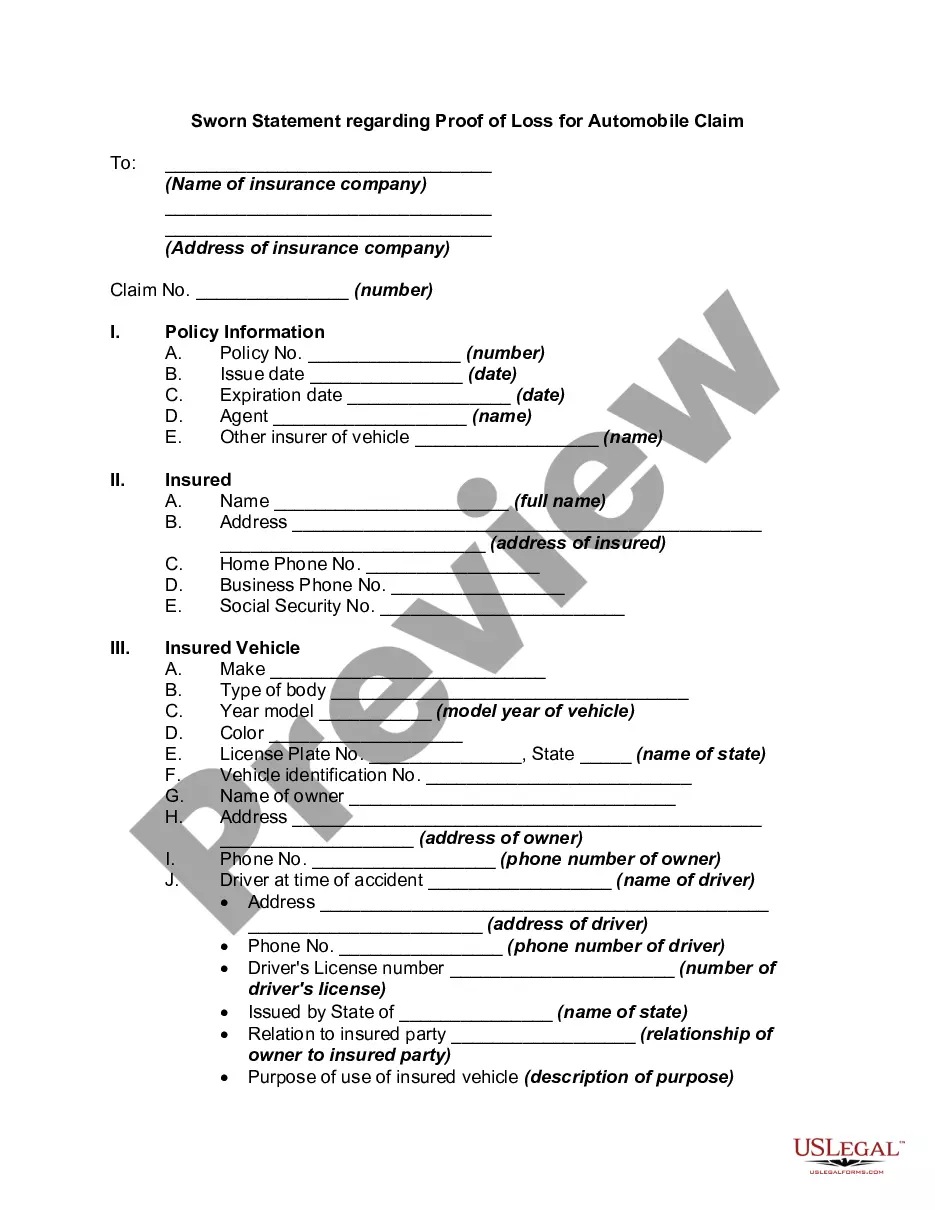
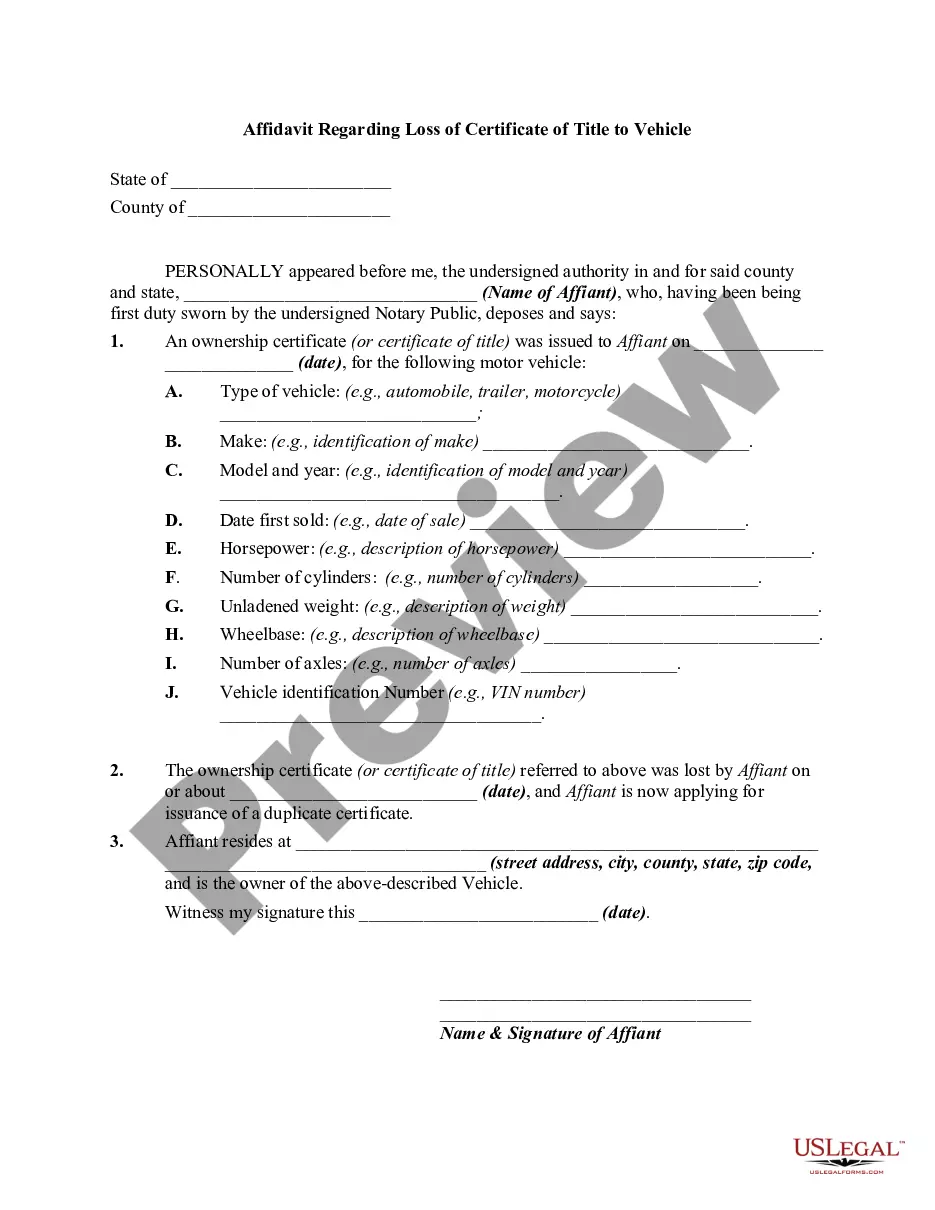
The Sworn Statement regarding Proof of Loss for Automobile Claim is a formal document required by insurance companies when a policyholder files a claim related to an automobile accident. This form serves as the insured's sworn declaration of their belief regarding the extent of loss sustained. It must accurately reflect the situation surrounding the damages and relies on the integrity of the insured, as providing false information can lead to penalties, including perjury charges. It is different from other forms, such as standard claim forms, as it includes an oath affirming the truthfulness of the details presented.
Main sections of this form
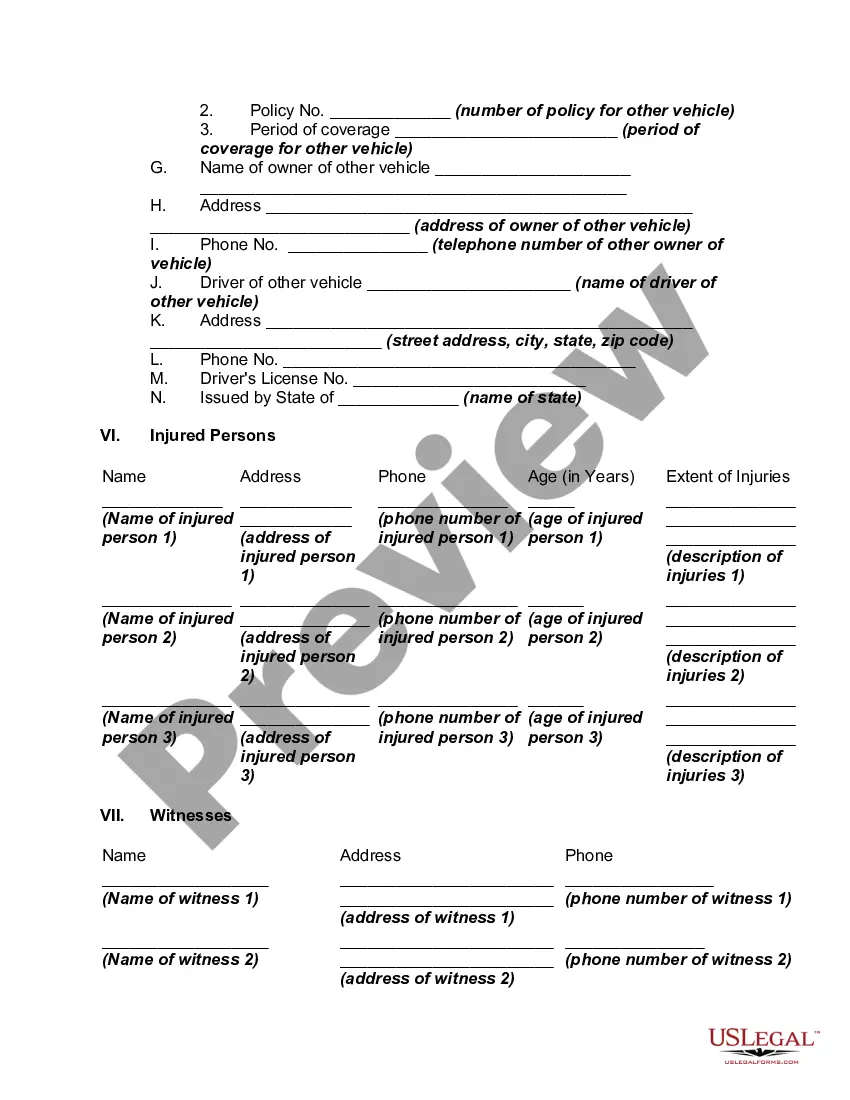
- Policy information, including policy number and coverage dates.
- Insured details, such as name, address, and contact information.
- Description of the insured vehicle, including make, model, and identification numbers.
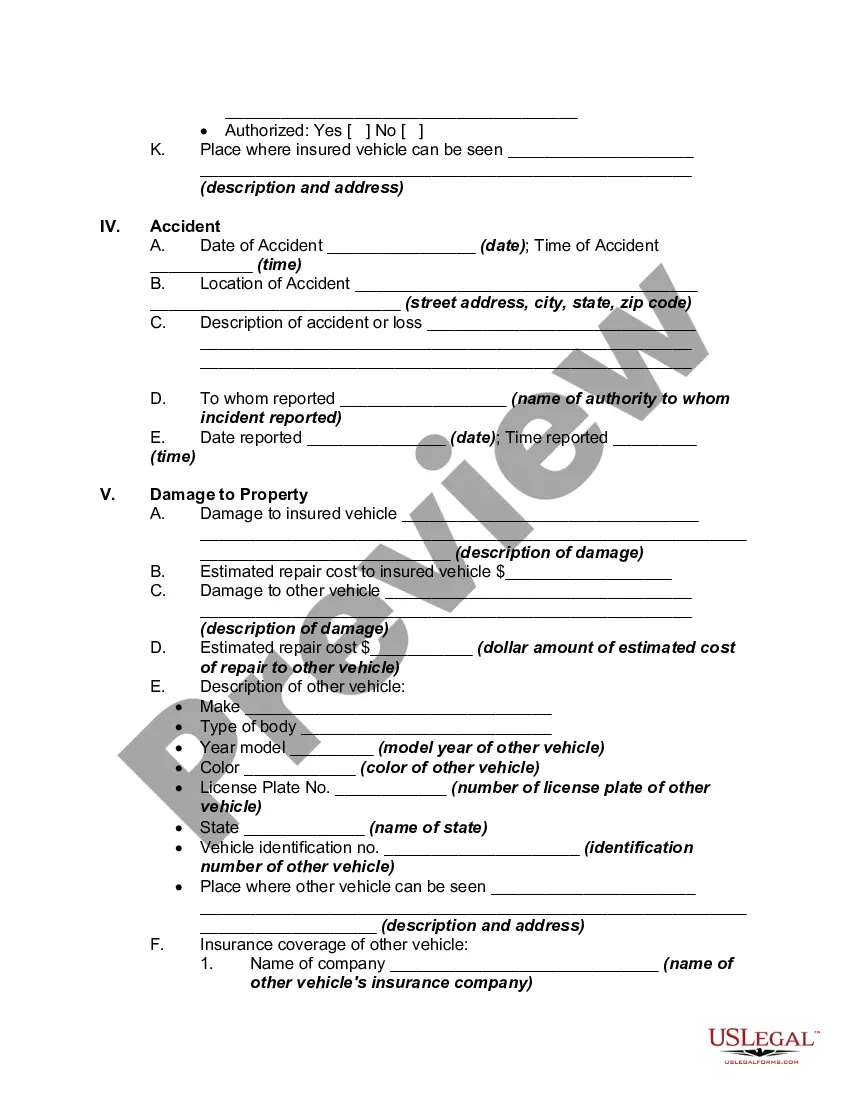
- Accident specifics, including date, location, and a detailed description of the incident.
- Damage assessment, covering damage to both the insured and other vehicles involved.
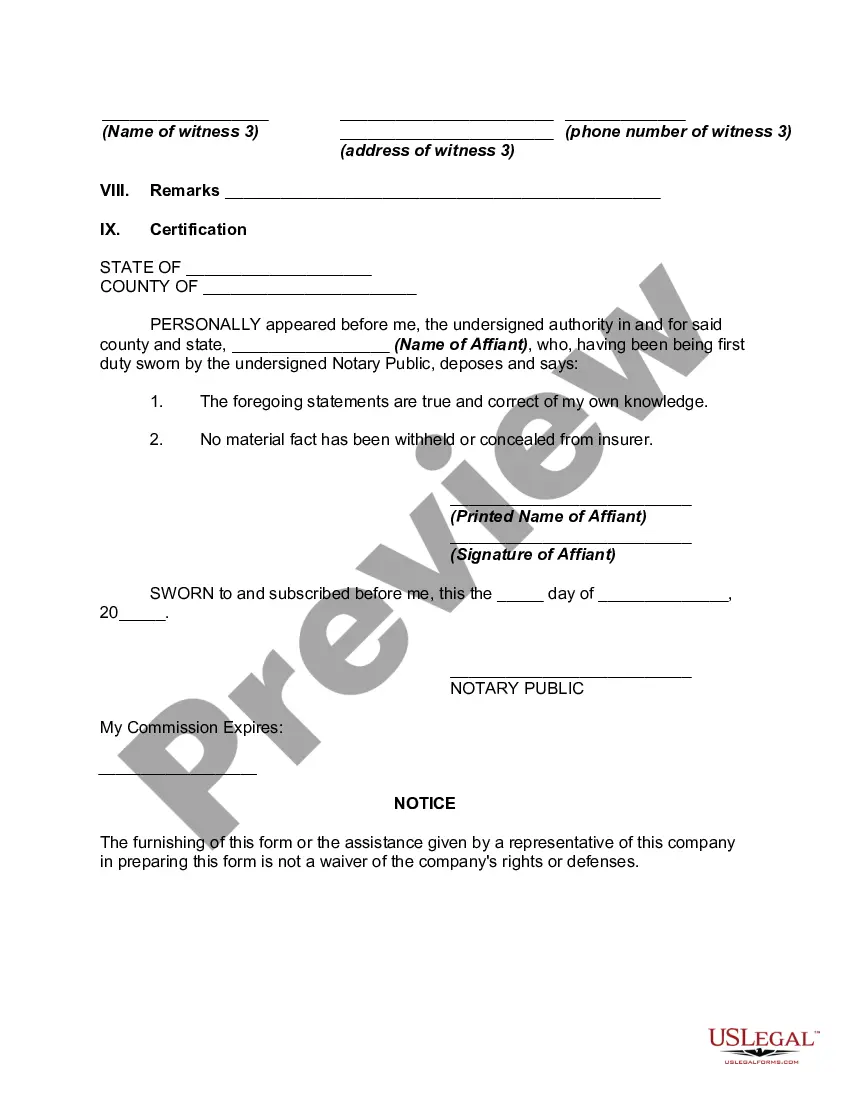
- Witness information and any injuries sustained during the incident.
When this form is needed
This form should be utilized when you have experienced an automobile accident and are seeking to file a claim with your insurance company. It is necessary to submit this sworn statement as part of your claim process, particularly when the insurance company requires affirmation of the loss you are reporting. Use this form to document losses that may include vehicle damage, injuries to parties involved, and property damage to third parties.
Who needs this form
- Policyholders who have an insurance claim related to vehicle damage.
- Individuals involved in an automobile accident with damages to report.
- Insured drivers who need to provide a formal statement regarding their belief of the loss incurred.
- Anyone who has been notified by their insurance company to submit proof of loss in order to process their claim.
Completing this form step by step
- Begin by entering the name and address of the insurance company at the top of the form.
- Fill in the policy information accurately, including the policy number and dates of issuance and expiration.
- Provide your personal details in the insured section, ensuring all contact information is current.
- Document the specifics of the accident, including date, time, and a detailed description of what occurred.
- List damages to the vehicle and other property, including estimates for repairs and descriptions of injuries if applicable.
- Sign the form in the presence of a notary public, affirming the truthfulness of the information provided.
Is notarization required?
Notarization is required for this form to take effect. Our online notarization service, powered by Notarize, lets you verify and sign documents remotely through an encrypted video session, available 24/7.
Get your form ready online
Our built-in tools help you complete, sign, share, and store your documents in one place.
Make edits, fill in missing information, and update formatting in US Legal Forms—just like you would in MS Word.
Download a copy, print it, send it by email, or mail it via USPS—whatever works best for your next step.
Sign and collect signatures with our SignNow integration. Send to multiple recipients, set reminders, and more. Go Premium to unlock E-Sign.
If this form requires notarization, complete it online through a secure video call—no need to meet a notary in person or wait for an appointment.
We protect your documents and personal data by following strict security and privacy standards.

Make edits, fill in missing information, and update formatting in US Legal Forms—just like you would in MS Word.

Download a copy, print it, send it by email, or mail it via USPS—whatever works best for your next step.

Sign and collect signatures with our SignNow integration. Send to multiple recipients, set reminders, and more. Go Premium to unlock E-Sign.

If this form requires notarization, complete it online through a secure video call—no need to meet a notary in person or wait for an appointment.

We protect your documents and personal data by following strict security and privacy standards.
Mistakes to watch out for
- Failing to accurately describe the accident or the extent of damage.
- Not providing complete contact information for all parties involved.
- Omitting necessary details about additional insurance coverage for other vehicles.
- Neglecting to sign the form in front of a notary public, if required.
- Providing estimated costs that are not based on actual quotes or precedents.
Benefits of using this form online
- Convenience: Downloadable forms provide immediate access without needing to visit a legal office.
- Editability: Users can fill out the form at their own pace and make corrections easily.
- Reliability: Forms are drafted by licensed attorneys to ensure legal compliance and accuracy.
- Time-saving: Online access enables faster completion and submission of required documentation.
Looking for another form?







Form popularity
FAQ
200bEach insurance company provides a form that is used to document damaged or destroyed items. Your insurer will request specific information from you in the event of a loss. Keeping receipts and a current home inventory can assist the claims process.
The proof of loss provision means that the insured must supply the insurer with some evidence that the loss actually occurred and to what extent. The claimant has 90 days to supply the proof, if reasonably possible.
A Sworn Statement in Proof of Loss is a document the policyholder may be requested to submit following a property loss claim. The purpose of the Proof of Loss is to obtain a formal statement from the policyholder regarding the true circumstances and scope of the property loss.
A Proof of Loss is a formal, legal document that states the amount of money the policyholder is requesting from the insurance carrier. It provides the insurance company with detailed information regarding the formal claim of damages.
In the property insurance industry, a statement of loss is synonymous with a proof of loss. Whether your insurer calls it by one name or the other, the document is prepared by your insurer's claim adjuster to itemize your damaged goods that need replacement or repair after a disaster involving your business or home.
200bEach insurance company provides a form that is used to document damaged or destroyed items. Your insurer will request specific information from you in the event of a loss.
Coverage amounts at the time of the loss; Date and cause of the loss; Documents that support the value of the property and the amount of loss claimed (i.e. estimates, inventories, receipts, etc.); Parties claiming the loss under the policy;
The date and cause of the loss. Coverage amounts at the time the loss occurred. Documents that support the value of your property and the amount of loss you claim such as estimates, inventories, receipts, etc. Policy number. Parties that have an interest in the property.