Sworn Statement of Identity Theft
What this document covers
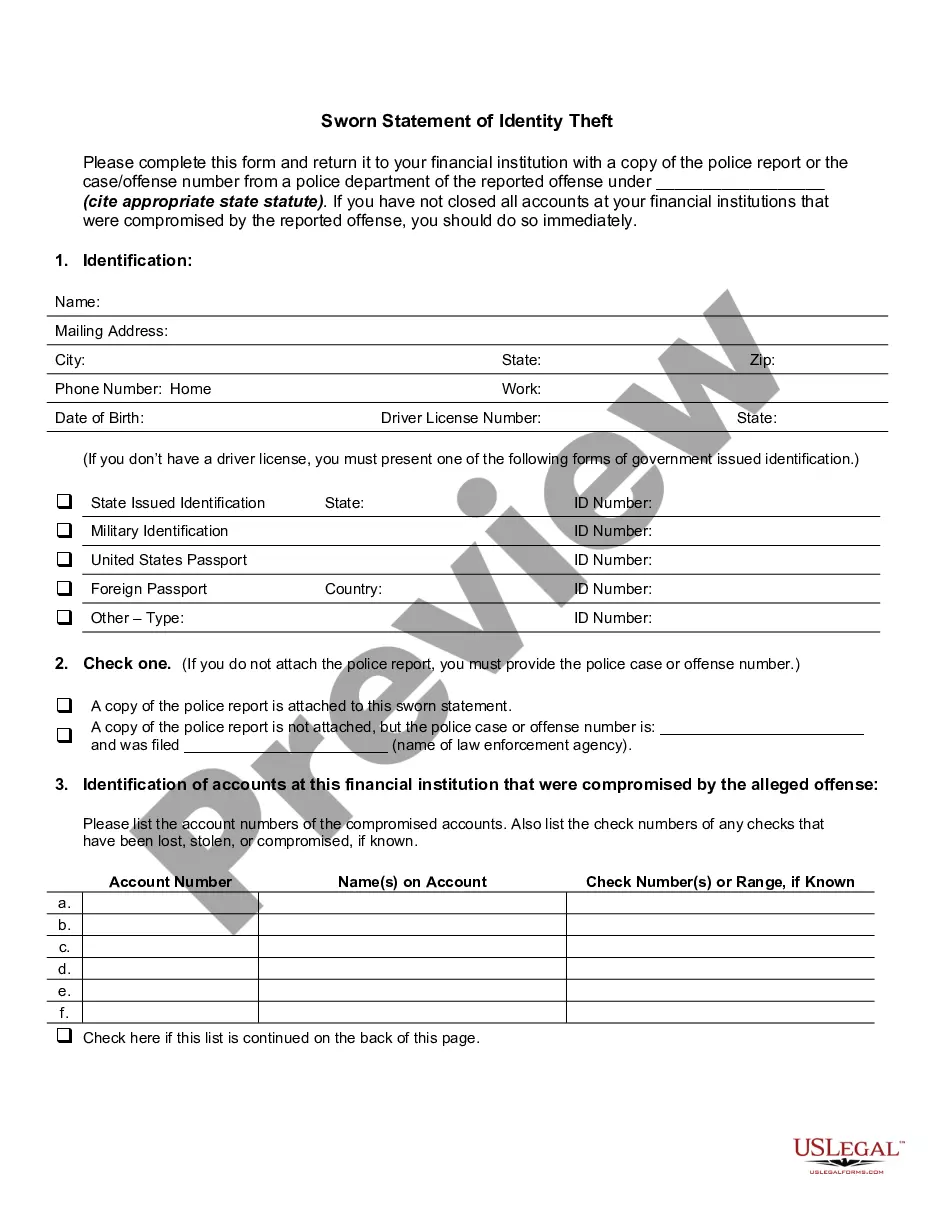
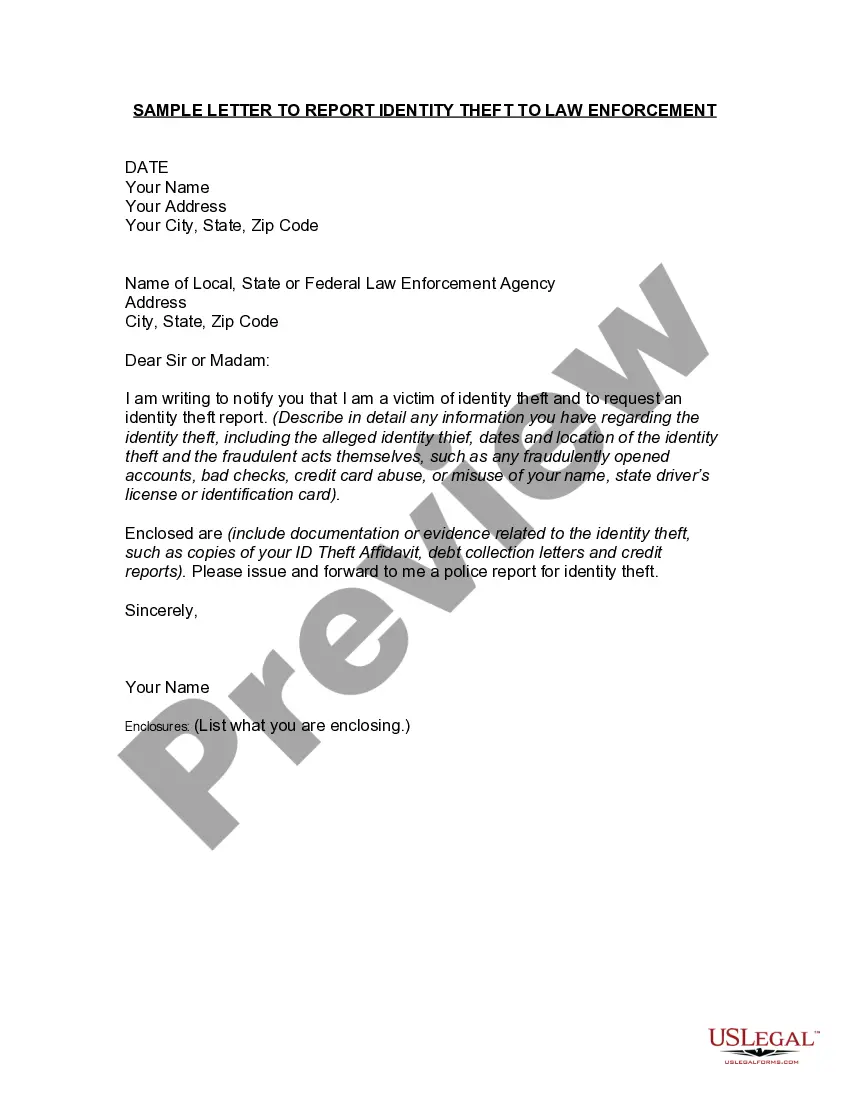
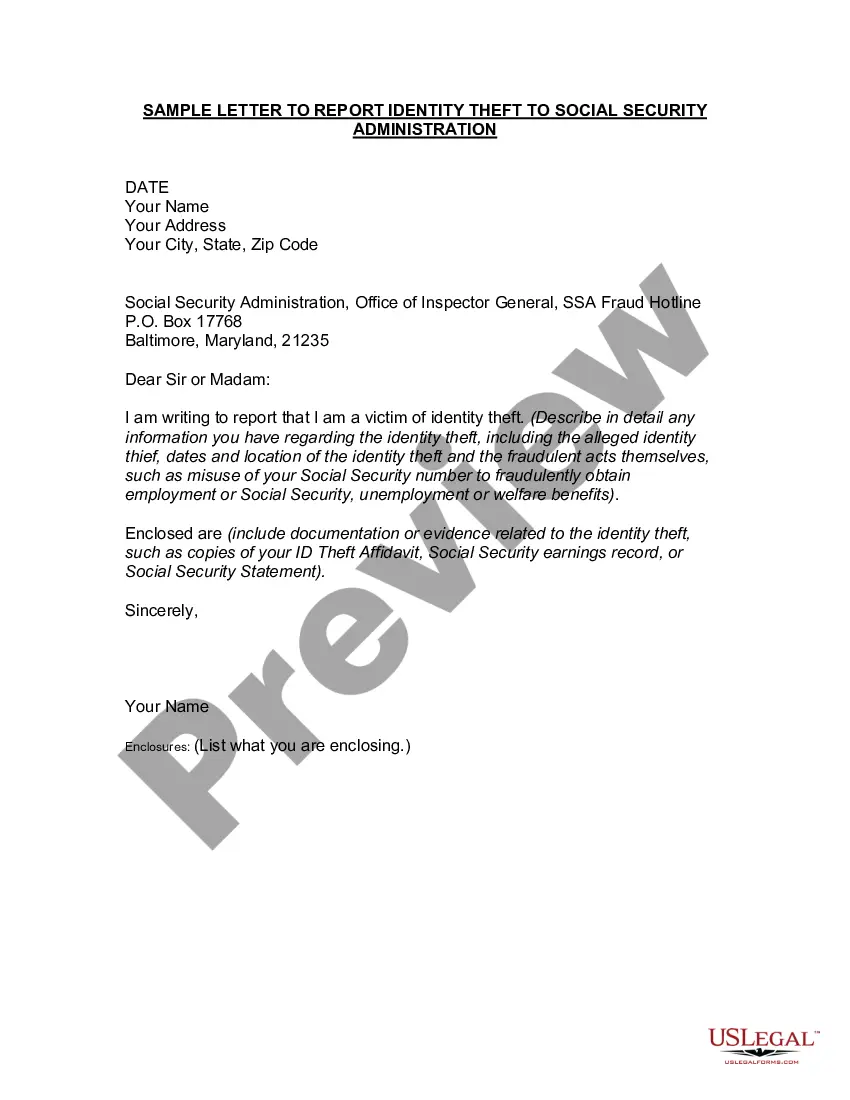
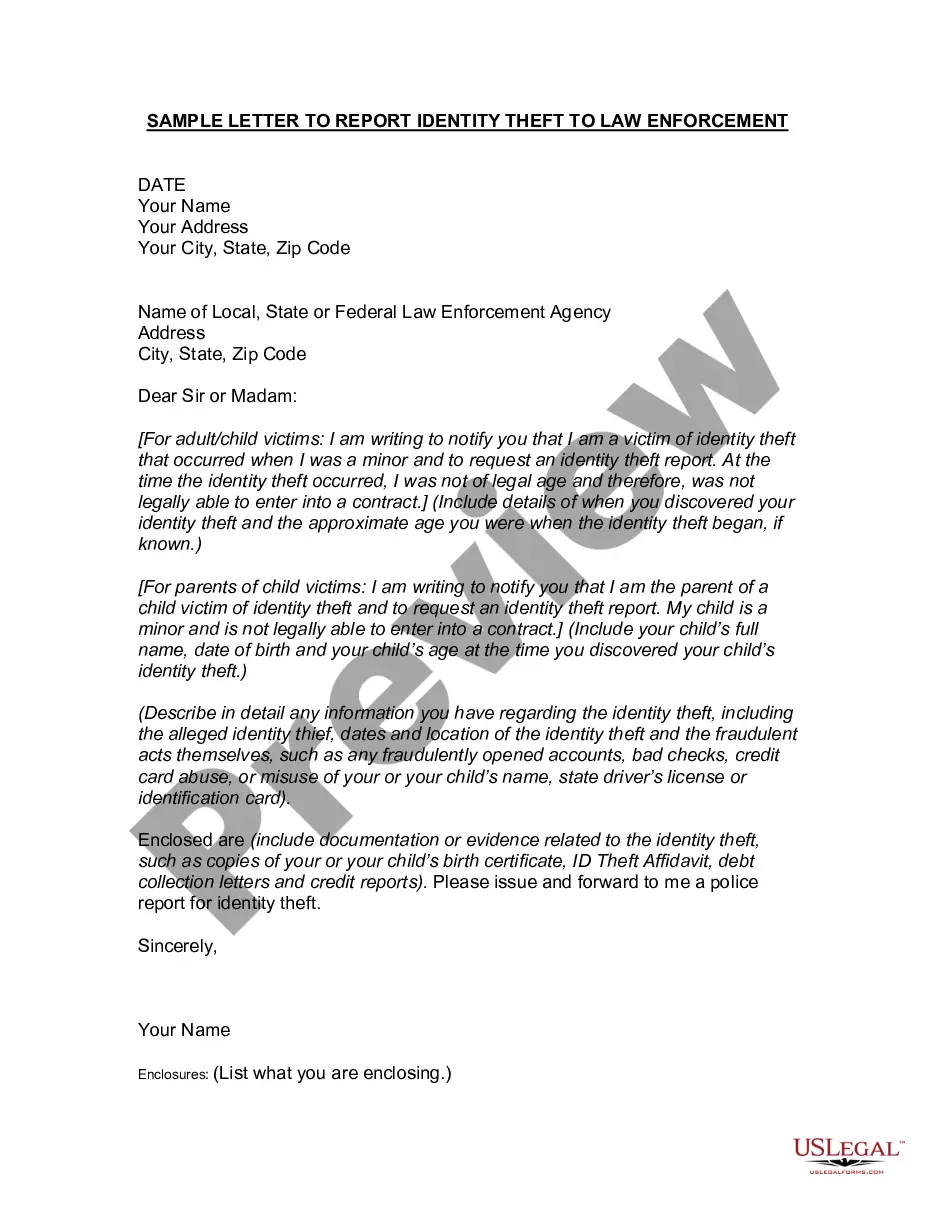
The Sworn Statement of Identity Theft is a legal document that allows individuals who have been victims of identity theft to formally declare their situation. This form is essential for notifying financial institutions of the fraudulent use of personal information and initiating the process to secure affected accounts. It is distinct from general identity theft reports as it specifically includes a sworn statement under oath, providing additional legal weight when addressing financial institutions and law enforcement agencies.
Form components explained
- Identification section: Personal information including your name, address, and contact numbers.
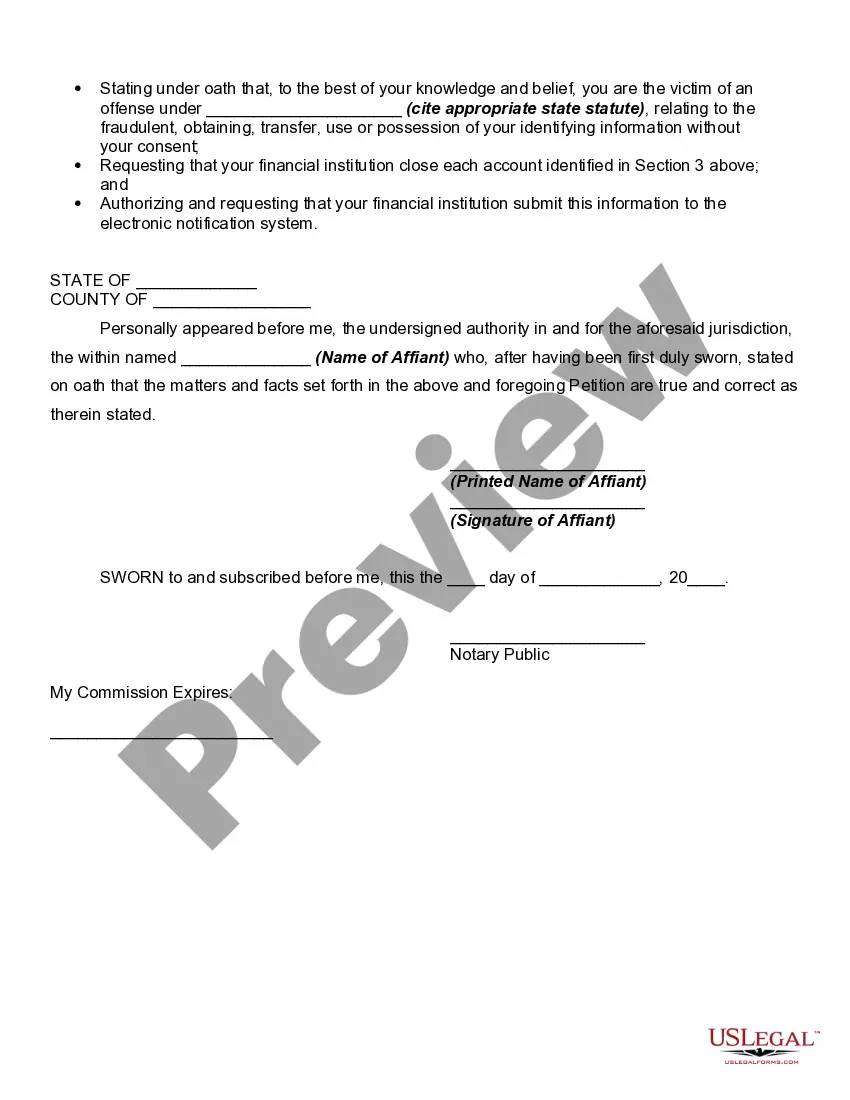
- Affidavit statement: A declaration indicating that you are a victim of identity theft.
- Police report attachment: Information about the police report related to the identity theft case.
- Compromised accounts: A section to list all financial accounts that were affected by the identity theft.
- Notary acknowledgment: A section for notarization to validate the sworn statement.
When to use this document
Who should use this form
- Individuals whose personal information has been used without authorization for fraudulent purposes.
- Victims who have filed a police report regarding identity theft.
- Persons needing to notify their financial institutions about compromised accounts.
How to complete this form
- Fill in your personal identification details, including name, address, and dates of birth.
- Indicate whether you have attached a copy of the police report or enter the police case number.
- List all financial accounts impacted by the identity theft, including account numbers and any affected checks.
- Sign and date the statement in the designated area to affirm the accuracy of the information provided.
- Schedule a notarization appointment to have the form validated by a notary public.
Does this form need to be notarized?
Notarization is required for this form to take effect. Our online notarization service, powered by Notarize, lets you verify and sign documents remotely through an encrypted video session, available 24/7.
Get your form ready online
Our built-in tools help you complete, sign, share, and store your documents in one place.
Make edits, fill in missing information, and update formatting in US Legal Forms—just like you would in MS Word.
Download a copy, print it, send it by email, or mail it via USPS—whatever works best for your next step.
Sign and collect signatures with our SignNow integration. Send to multiple recipients, set reminders, and more. Go Premium to unlock E-Sign.
If this form requires notarization, complete it online through a secure video call—no need to meet a notary in person or wait for an appointment.
We protect your documents and personal data by following strict security and privacy standards.

Make edits, fill in missing information, and update formatting in US Legal Forms—just like you would in MS Word.

Download a copy, print it, send it by email, or mail it via USPS—whatever works best for your next step.

Sign and collect signatures with our SignNow integration. Send to multiple recipients, set reminders, and more. Go Premium to unlock E-Sign.

If this form requires notarization, complete it online through a secure video call—no need to meet a notary in person or wait for an appointment.

We protect your documents and personal data by following strict security and privacy standards.
Common mistakes
- Failing to include the police report or case number, which may delay processing.
- Not fully listing all affected accounts, which can hinder the closure process.
- Neglecting to sign the document before submission.
- Overlooking the need for notarization, resulting in an invalid form.
Advantages of online completion
- Convenience: Download the form anytime without needing to visit a legal office.
- Editability: Modify the template to fit your personal information easily.
- Reliability: Access forms drafted by licensed attorneys to ensure compliance with legal standards.
Looking for another form?









Form popularity
FAQ
Theft is a felony of the first degree if the value of the stolen property or services is $300,000 or more. The punishment for a first-degree felony is a fine of not more than $10,000, imprisonment ranging from five to 99 years, or both.
Theft is defined by section 1 of the 1968 Act as dishonestly appropriating property belonging to another with the intention of permanently depriving the other of it.
Petty theft vs. grand theft. Robbery. Robbery is a theft that involves using violence, intimidation, or threats to obtain property. Armed robbery. When a gun, knife, or other weapon is used during a theft it is called an armed robbery. Embezzlement. Fraud. Shoplifting. Receiving stolen property. Writing bad checks.
Theft is the taking of another person's property or services or scrap money without that person's permission or consent with the intent to deprive the rightful owner of it.In some jurisdictions, theft is considered to be synonymous with larceny; in others, theft has replaced larceny.