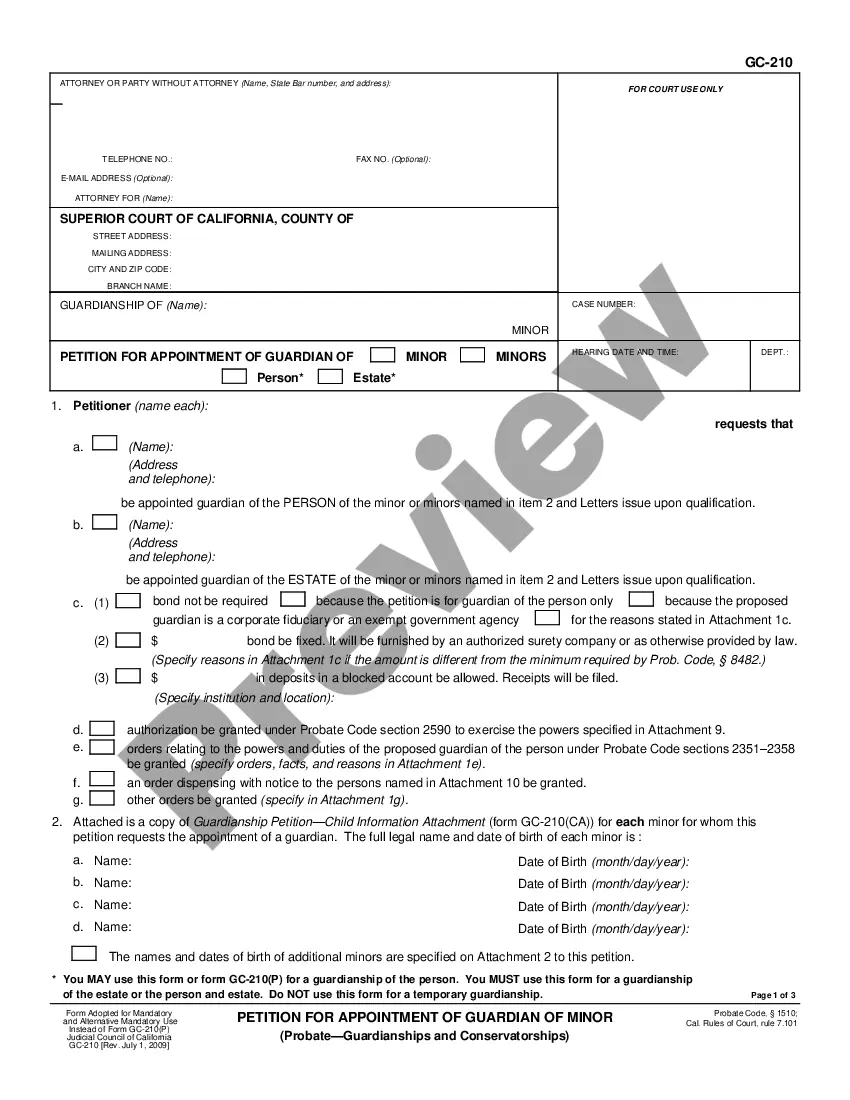
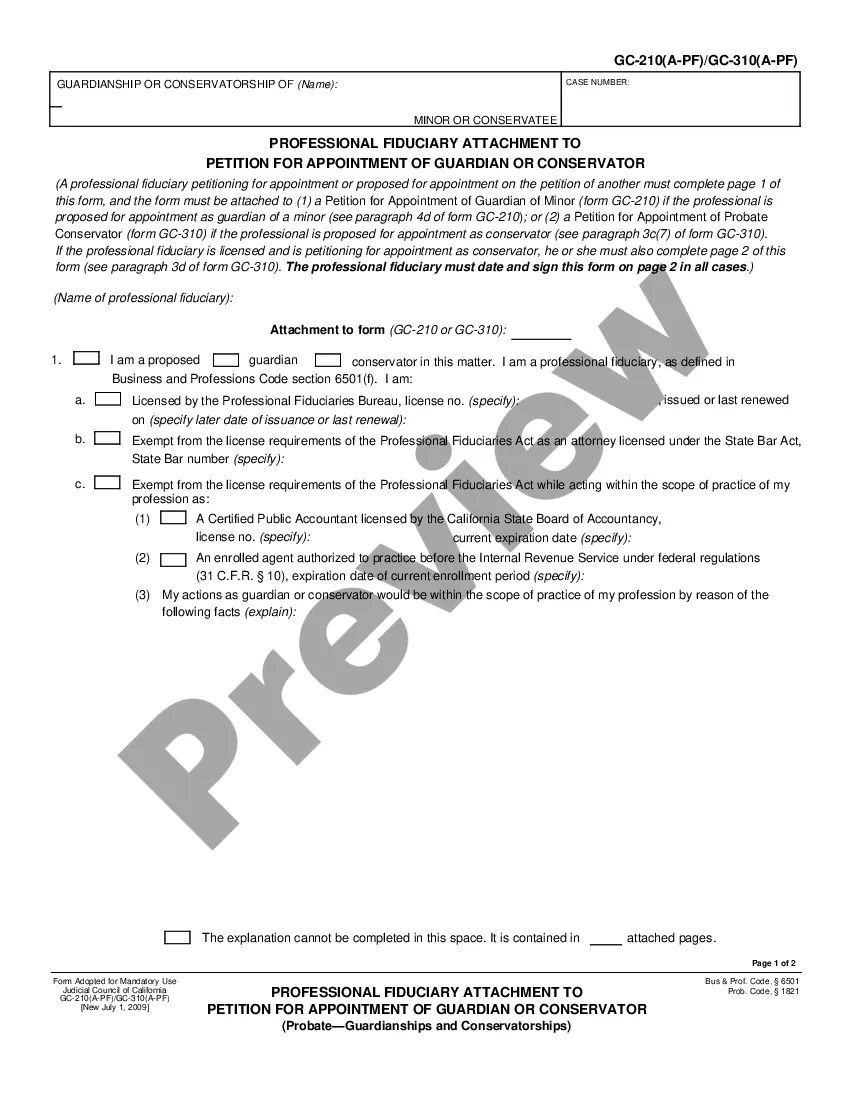
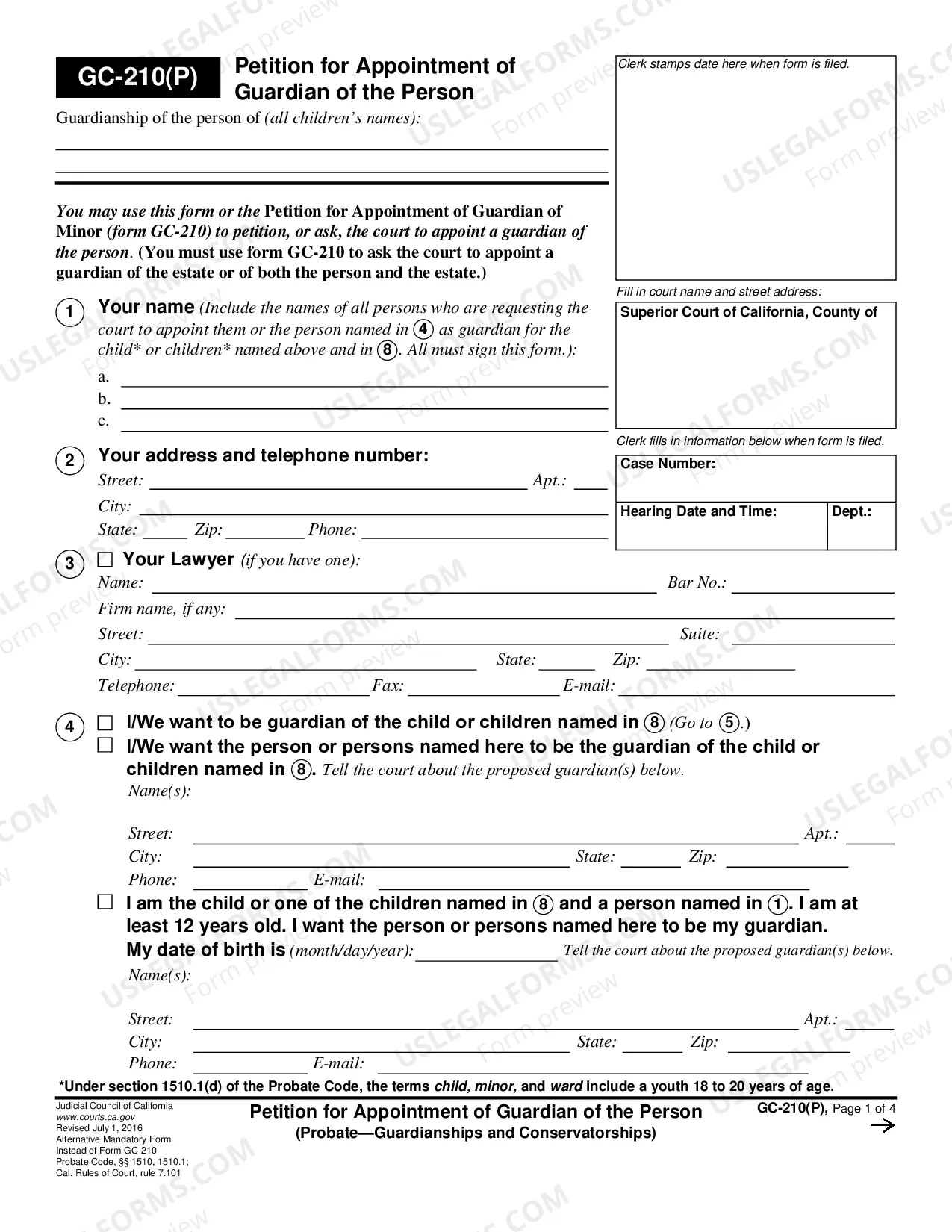
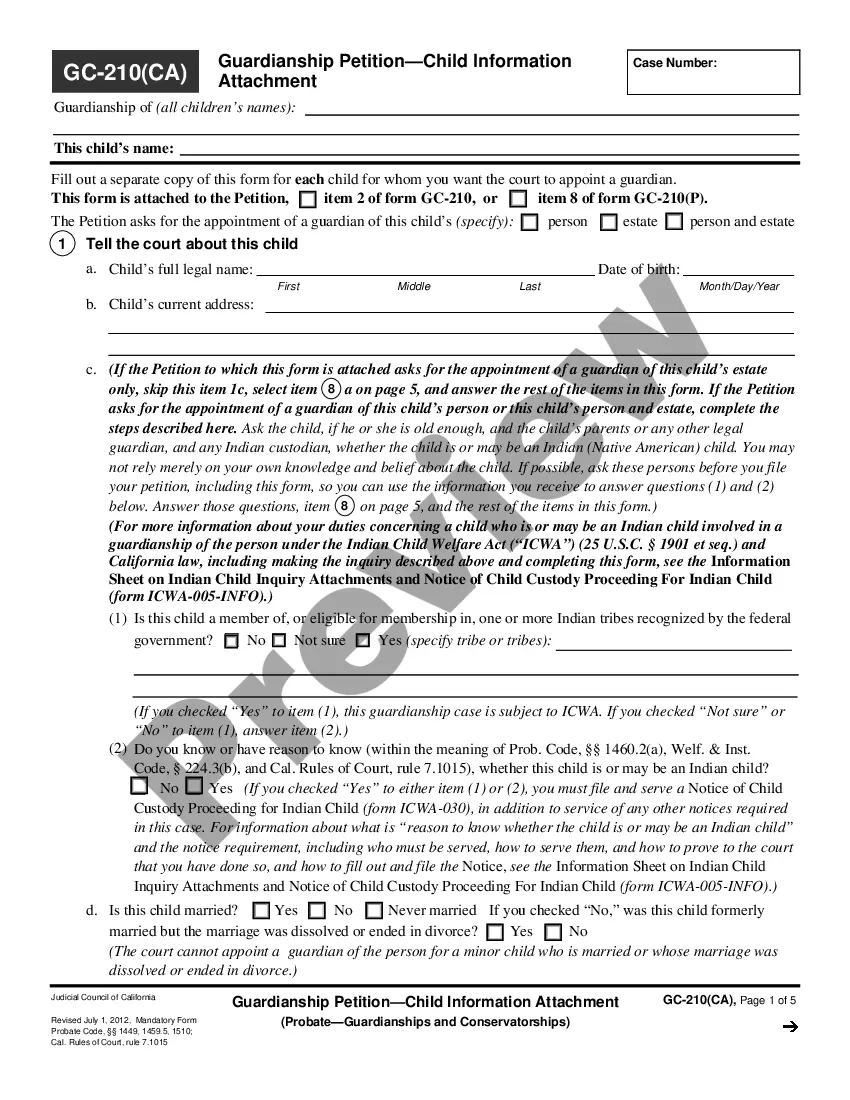
Affidavit For Waiver of Court Costs on Grounds of Indigency
Understanding this form
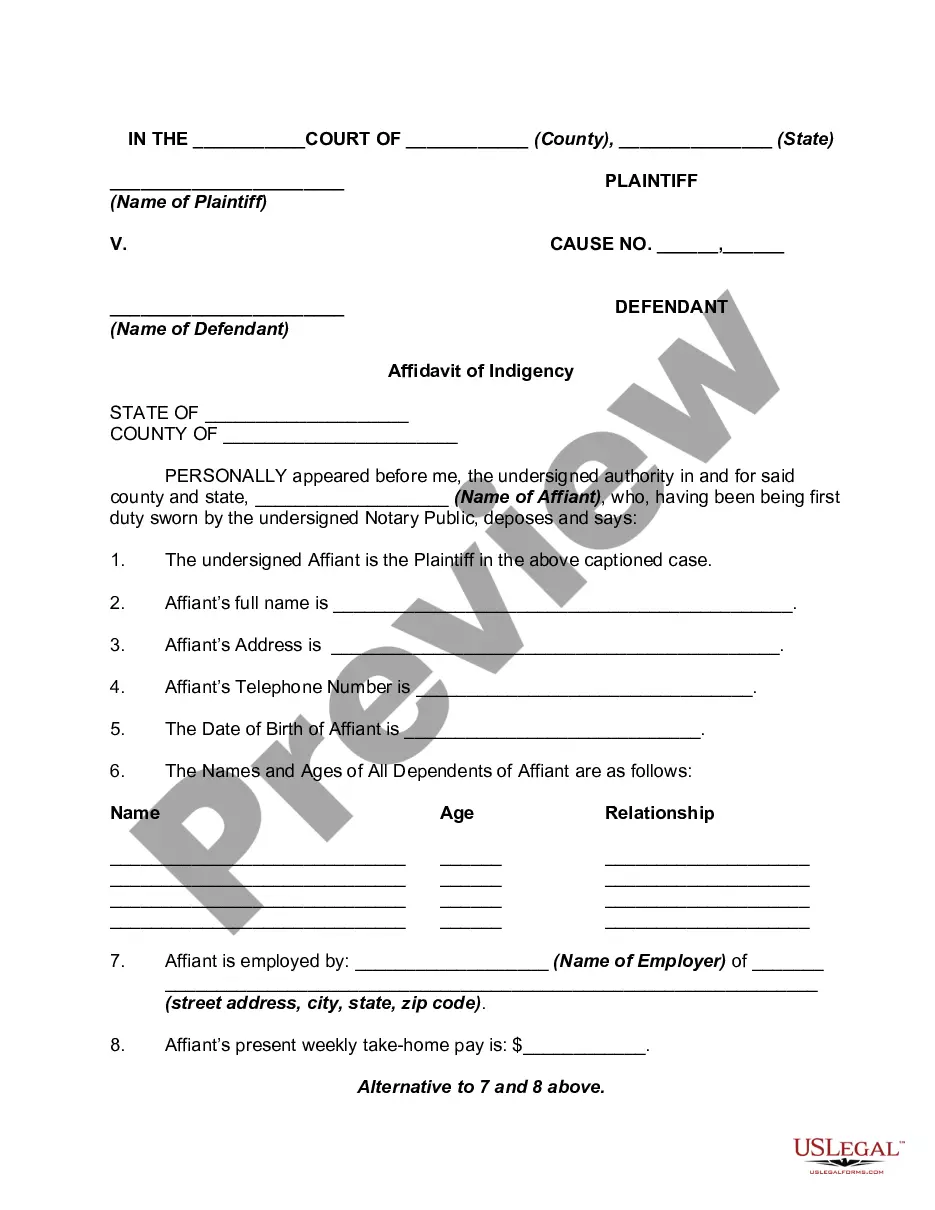
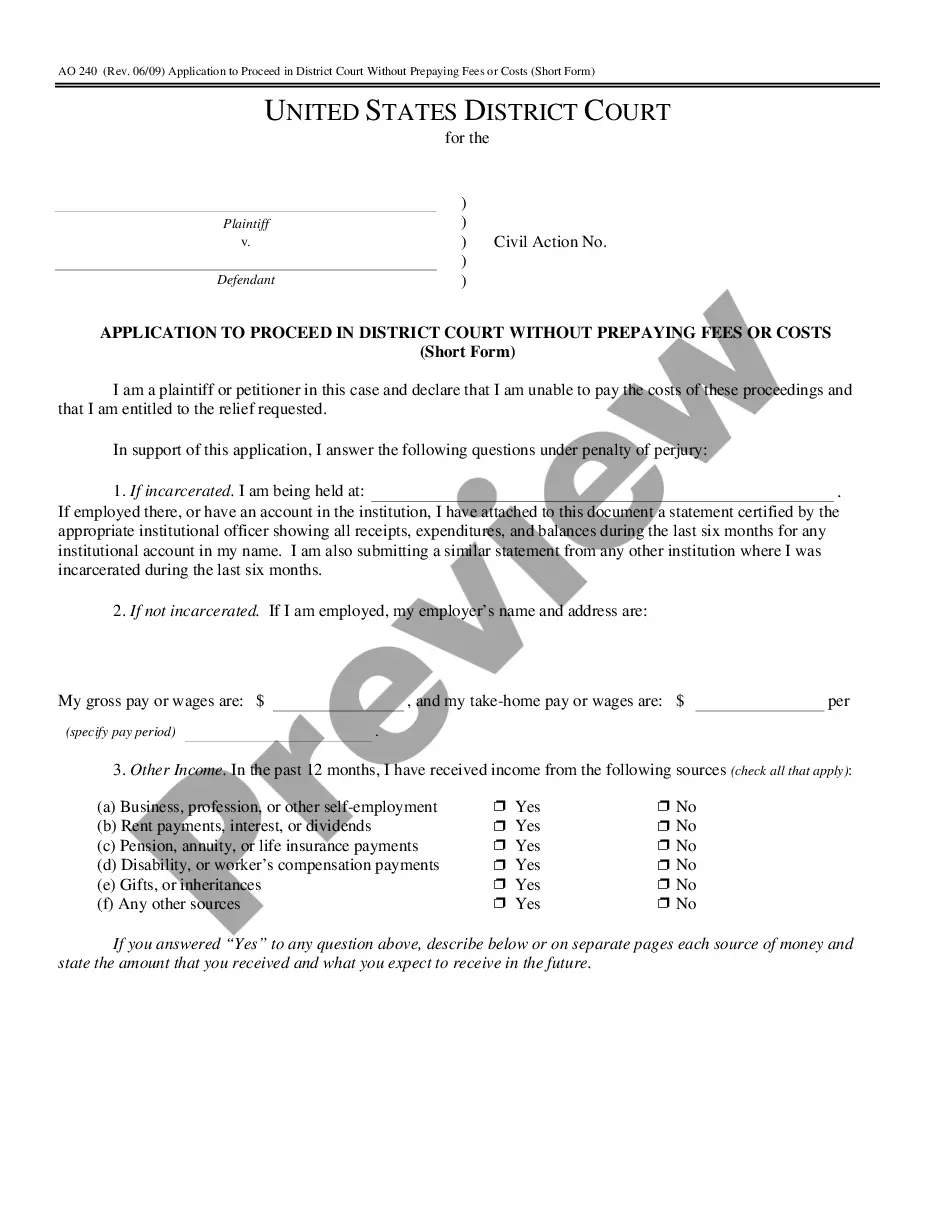
The Affidavit For Waiver of Court Costs on Grounds of Indigency is a legal document that allows individuals who cannot afford court costs to seek a waiver. Court costs encompass various expenses related to legal proceedings, such as filing fees and charges for serving documents. This form is crucial in ensuring access to the judicial system for those with financial limitations, differentiating it from other types of motions that do not address financial hardship directly.
What’s included in this form
- Identification of the court and parties involved in the case.
- Personal information of the affiant, including name, address, and contact details.
- Details about the affiant's dependents, including names, ages, and relationships.
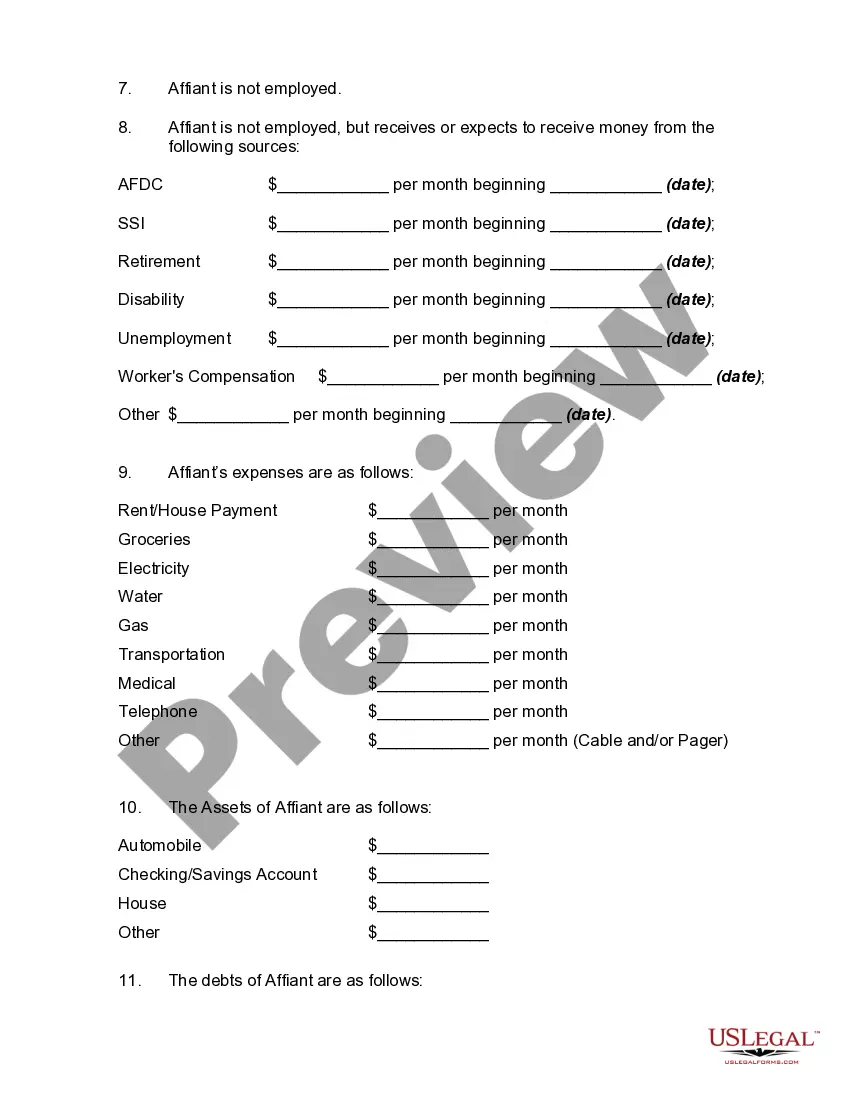
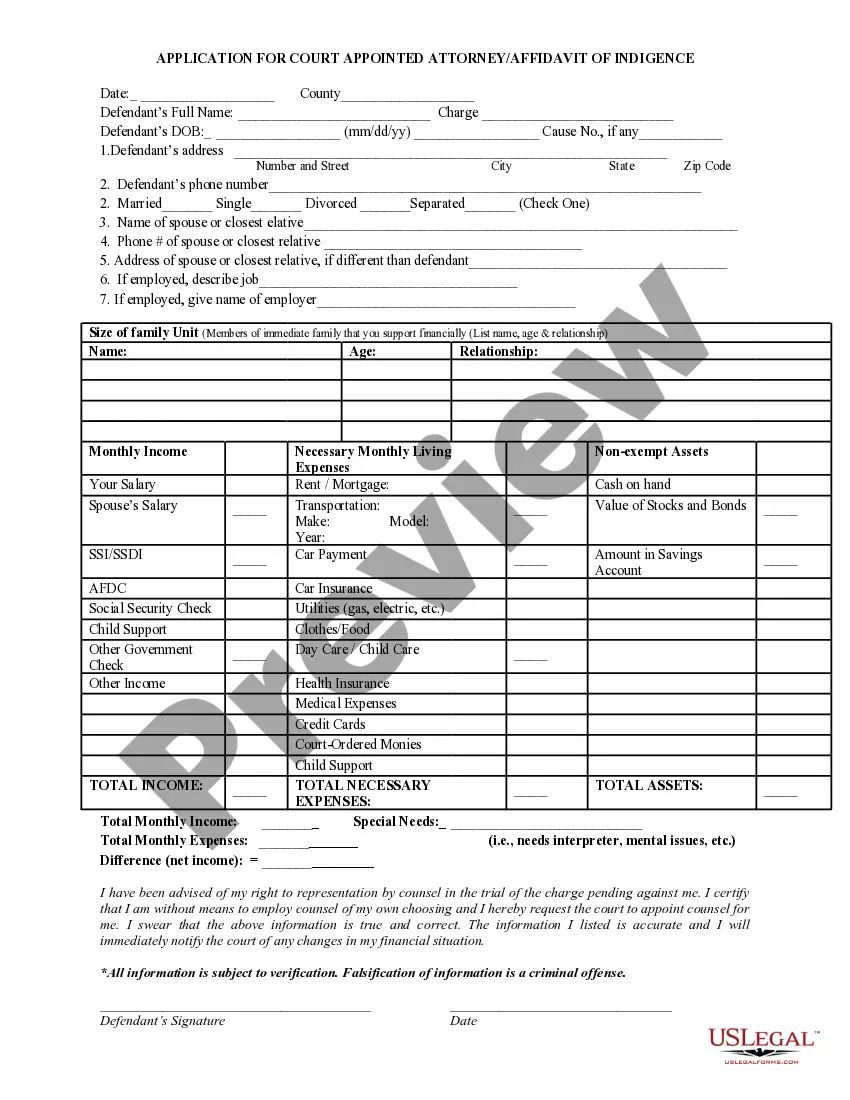
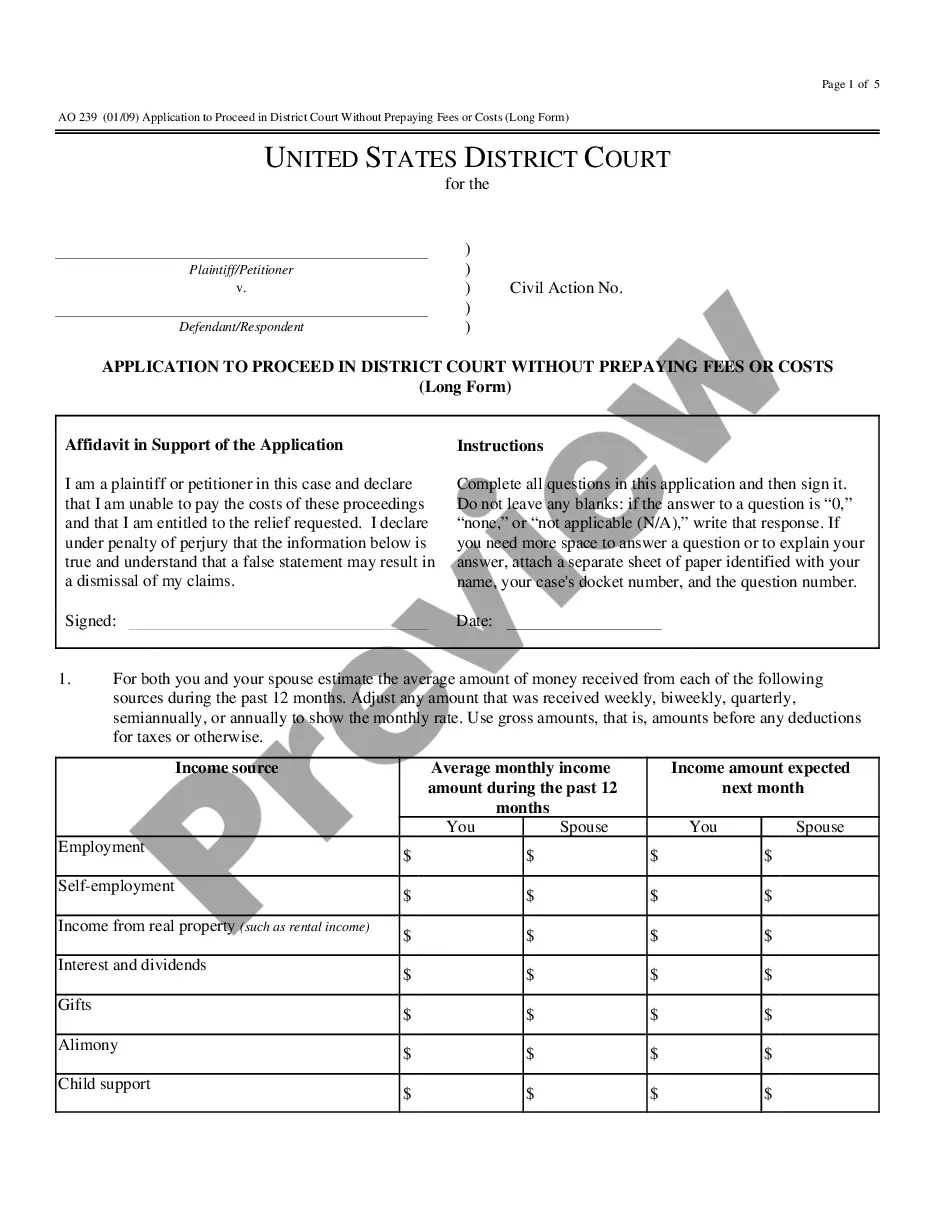
- Employment status and income information.
- Monthly expenses to assess financial situation.
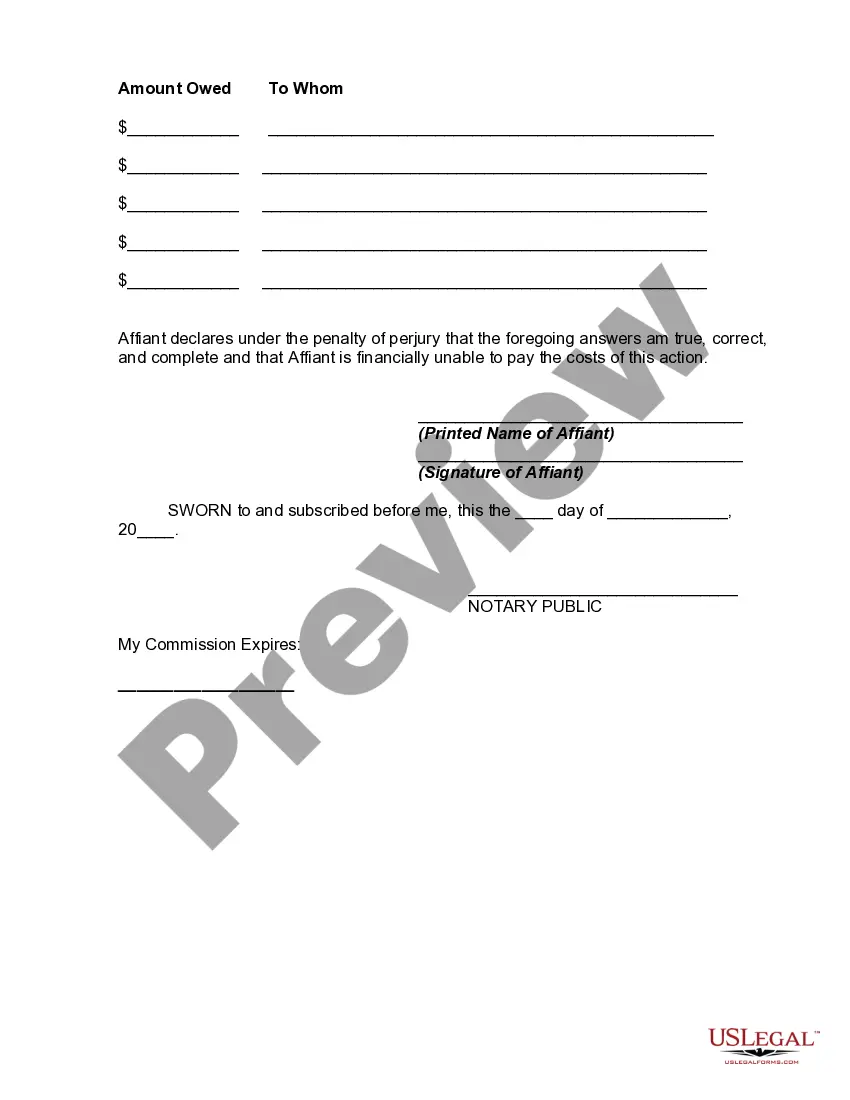
- Listing of assets and debts to provide a comprehensive financial overview.
When to use this document
This form should be used when an individual involved in a lawsuit or legal action cannot afford the associated court costs. It is applicable in various legal situations, such as filing a claim, defense, or appeal, where financial constraints prevent the individual from accessing the courts. By submitting this affidavit, the individual seeks to maintain their right to due process within the judicial system.
Who can use this document
This form is intended for individuals who:
- Are parties in a legal case and cannot afford to pay court costs.
- Belong to income brackets that qualify them as indigent under local law.
- Seek to ensure their legal rights are protected without the burden of financial limitations.
Instructions for completing this form
- Identify the court and relevant parties by filling in their names and case number.
- Provide personal information for the affiant, including full name, address, and contact number.
- Detail any dependents and their ages, ensuring accuracy for financial assessment.
- Indicate the affiant's employment status, income, and monthly expenses.
- List all assets and debts to give a clear picture of financial standing.
- Sign the affidavit before a notary public to confirm the truthfulness of the information provided.
Notarization guidance
This form must be notarized to be legally valid. US Legal Forms provides secure online notarization powered by Notarize, allowing you to complete the process through a verified video call.
Get your form ready online
Our built-in tools help you complete, sign, share, and store your documents in one place.
Make edits, fill in missing information, and update formatting in US Legal Forms—just like you would in MS Word.
Download a copy, print it, send it by email, or mail it via USPS—whatever works best for your next step.
Sign and collect signatures with our SignNow integration. Send to multiple recipients, set reminders, and more. Go Premium to unlock E-Sign.
If this form requires notarization, complete it online through a secure video call—no need to meet a notary in person or wait for an appointment.
We protect your documents and personal data by following strict security and privacy standards.

Make edits, fill in missing information, and update formatting in US Legal Forms—just like you would in MS Word.

Download a copy, print it, send it by email, or mail it via USPS—whatever works best for your next step.

Sign and collect signatures with our SignNow integration. Send to multiple recipients, set reminders, and more. Go Premium to unlock E-Sign.

If this form requires notarization, complete it online through a secure video call—no need to meet a notary in person or wait for an appointment.

We protect your documents and personal data by following strict security and privacy standards.
Common mistakes
- Failing to accurately list all sources of income.
- Not including dependents or omitting their details.
- Providing incorrect or incomplete asset and debt information.
- Not signing the form or obtaining a notary's signature.
- Using outdated or incorrect versions of the affidavit template.
Why complete this form online
- The ability to easily edit and customize the form according to personal circumstances.
- Access to a reliable, attorney-drafted template that meets legal standards.
- The convenience of downloading and completing the form at any time.
- Preparation of forms without the need for in-person consultations.
Looking for another form?



Form popularity
FAQ
You must fill out a form called an Affidavit of Indigency.This form tells the court you cannot afford the fees related to your case. If the clerk or a judge approves the form, you will not have to pay.
Indigent. 1) n. a person so poor and needy that he/she cannot provide the necessities of life (food, clothing, decent shelter) for himself/herself. 2) n. one without sufficient income to afford a lawyer for defense in a criminal case.
An applicant, including an applicant who is a minor or an adult tax-dependent person, is indigent if the applicant's income is equal to or below 200 percent of the then-current federal poverty guidelines prescribed for the size of the household of the applicant by the United States Department of Health and Human
In forma pauperis (/026an 02c8f025402d0rm0259 02c8p025402d0p0259r026as/; IFP or i.f.p.) is a Latin legal term meaning "in the character or manner of a pauper". It refers to the ability of an indigent person to proceed in court without payment of the usual fees associated with a lawsuit or appeal.
Indigent means to be a poor or needy person. Our laws look at how much money a person has, how much debt they have and how many assets they have to determine whether or not they can afford to hire their own representation or if they need a court-appointed attorney to represent them.