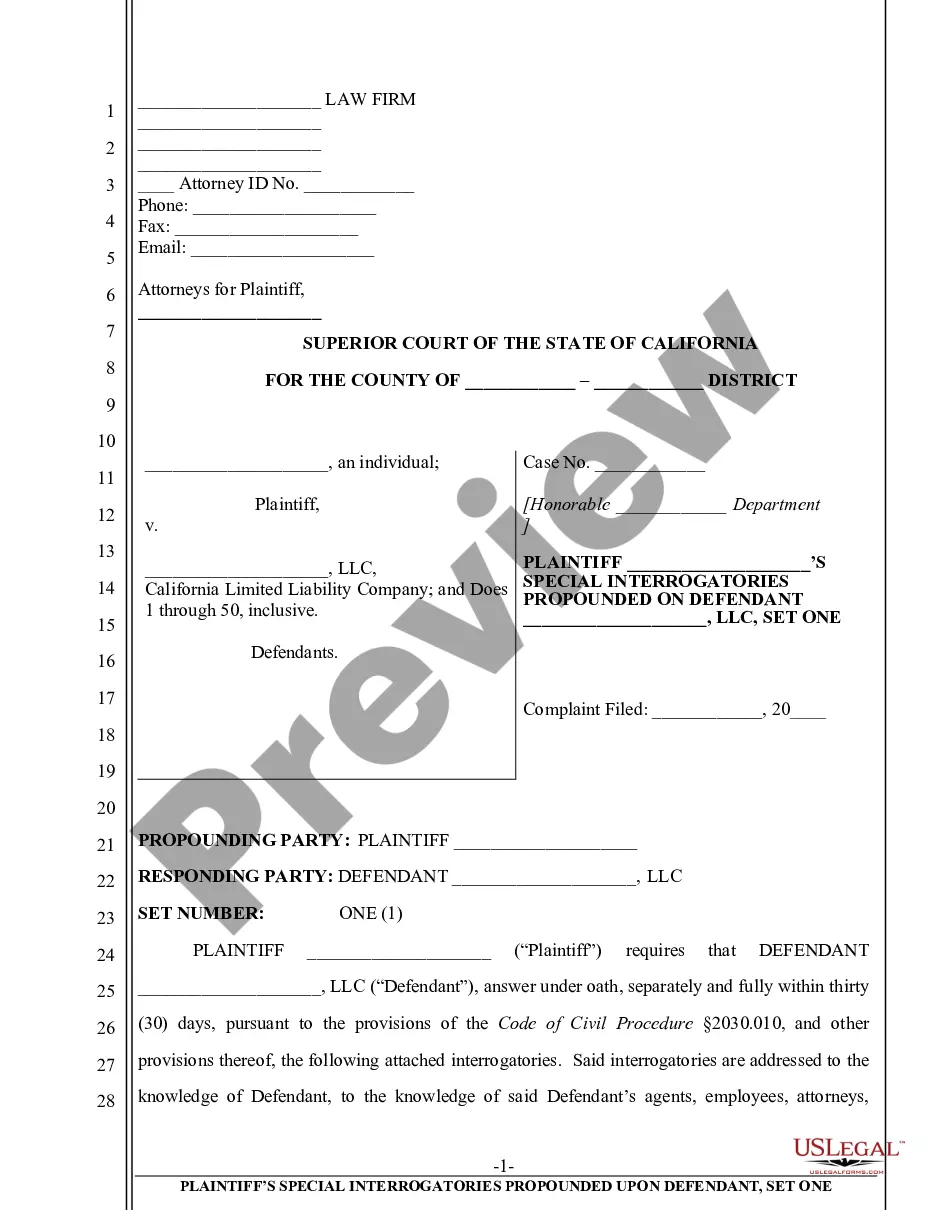
Motion to Dismiss Criminal Charges for Failure to Notice and Grant Show Cause Hearing
What is this form?
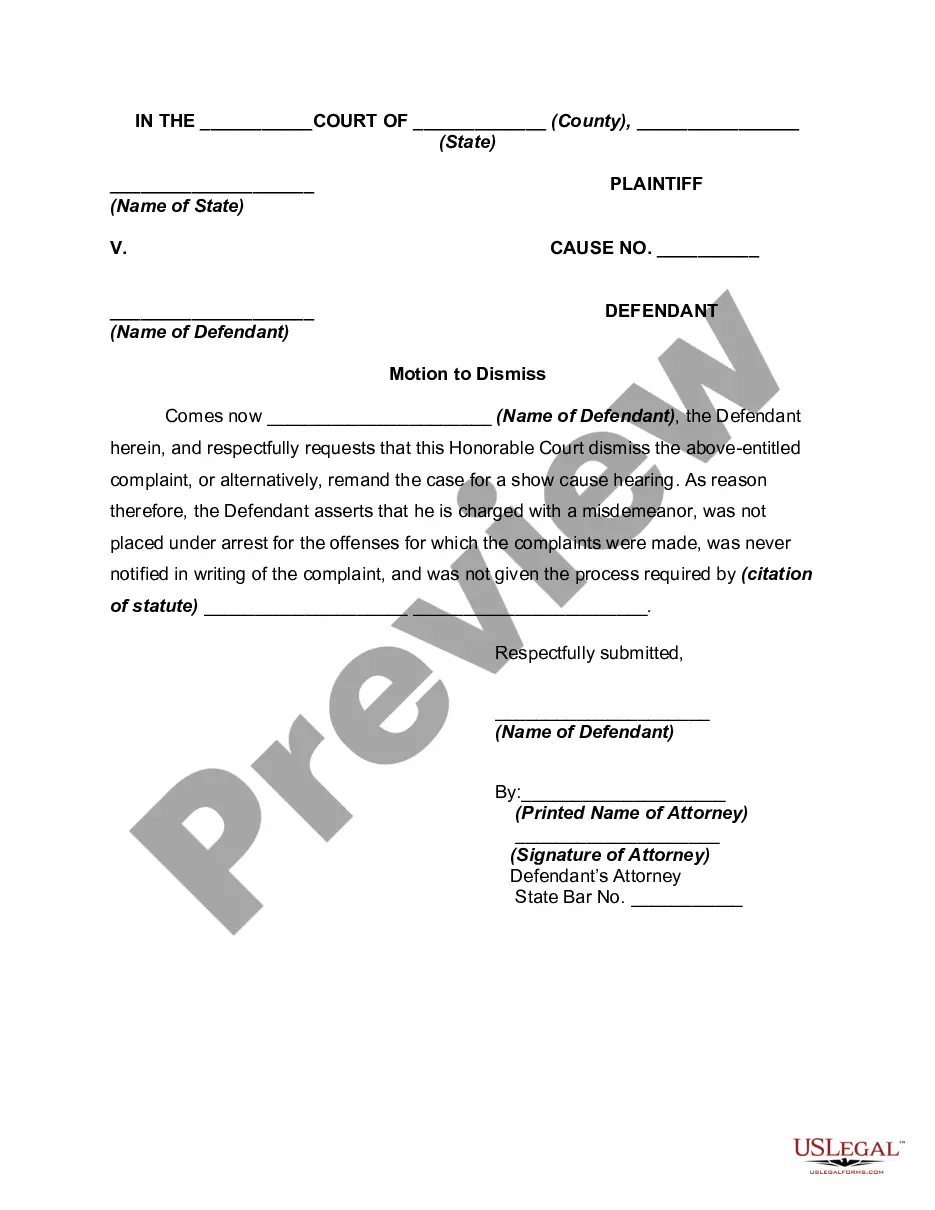
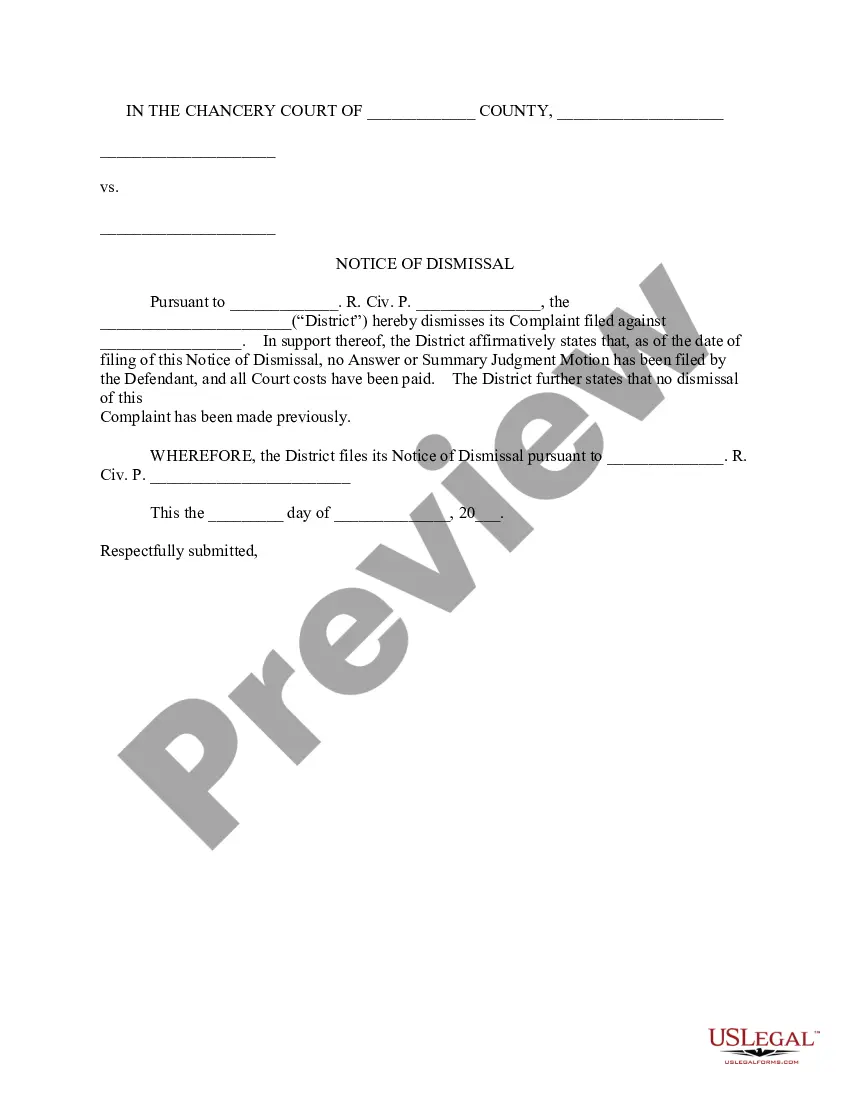
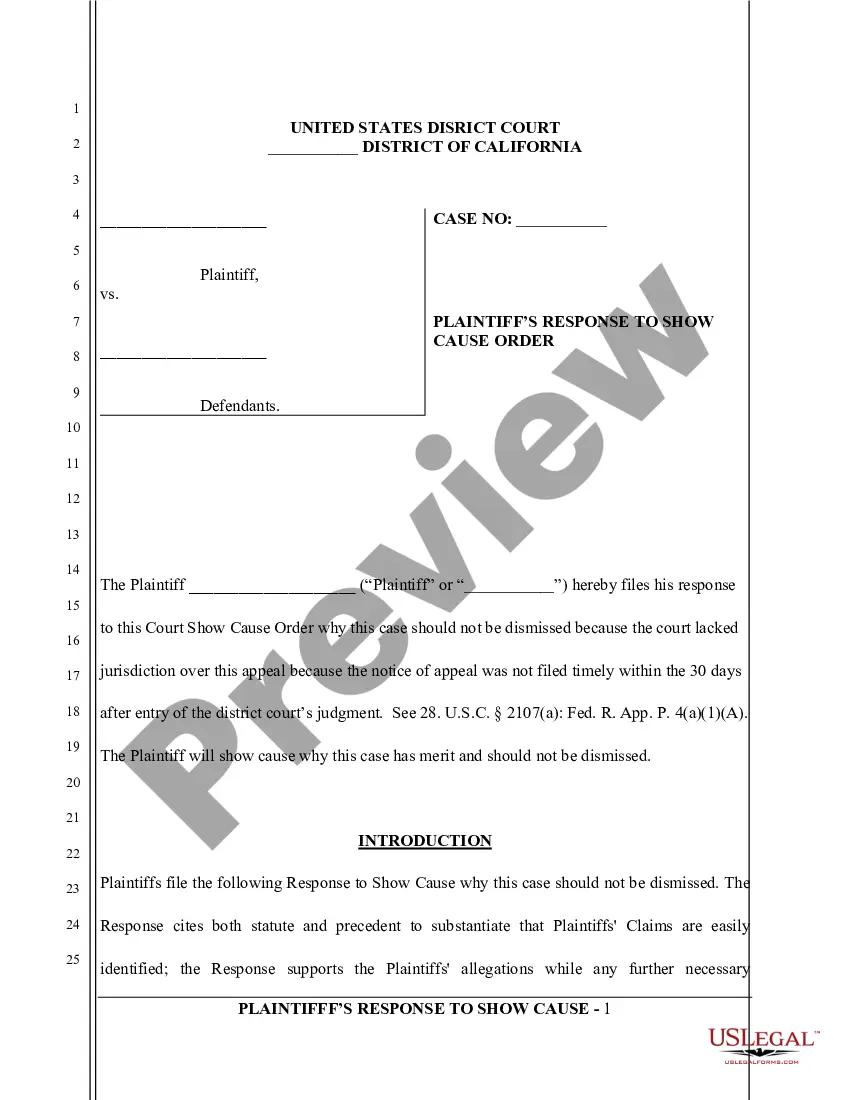
The Motion to Dismiss Criminal Charges for Failure to Notice and Grant Show Cause Hearing is a legal document used to request that a court dismiss criminal charges against a defendant. This motion can be invoked when the defendant believes they have been improperly notified of the charges or not adequately informed of the proceedings. It is generally used in cases involving misdemeanor charges, and the goal is to prevent any formal charges from being filed if the complaining party fails to show sufficient evidence at the show-cause hearing.
What’s included in this form
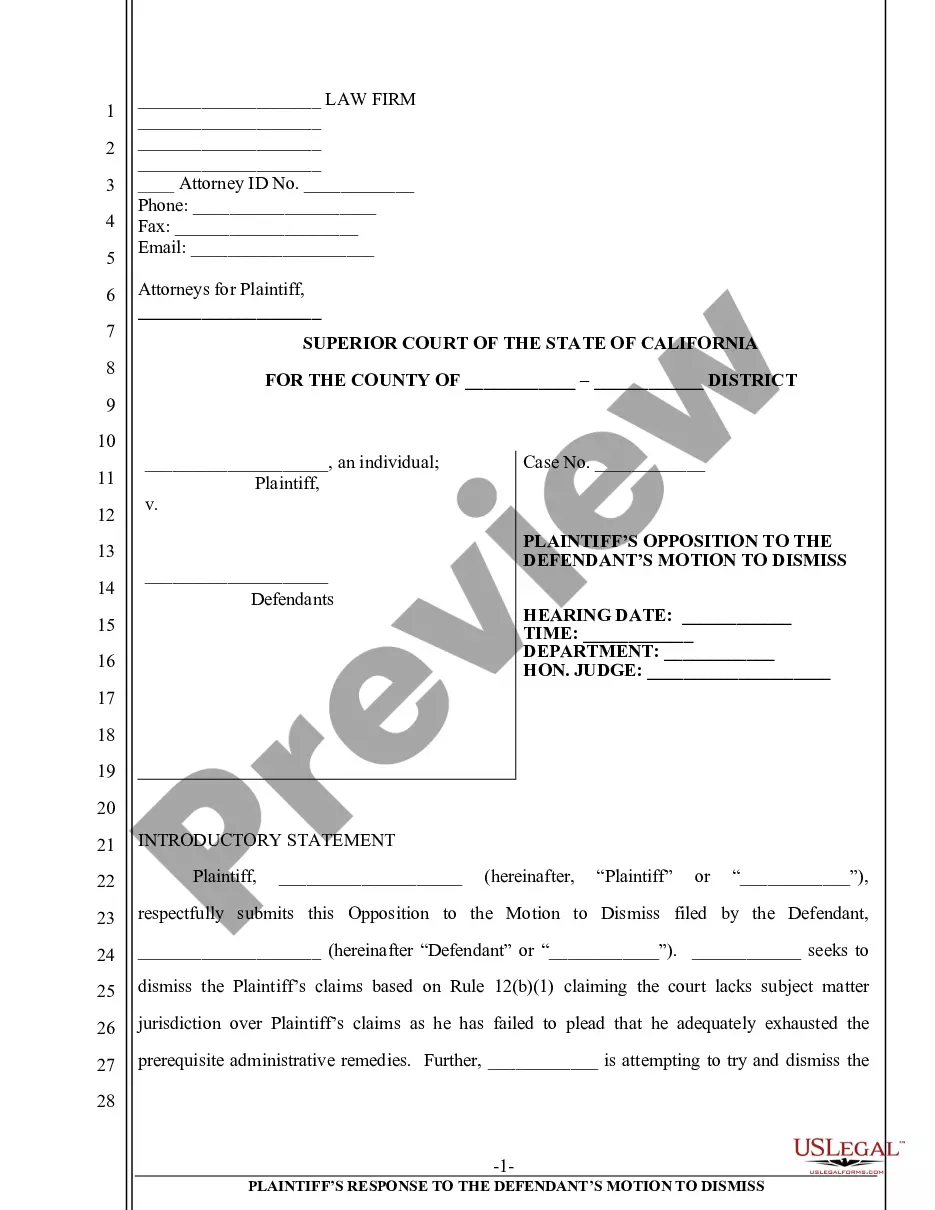
- Title of the motion indicating the parties involved.
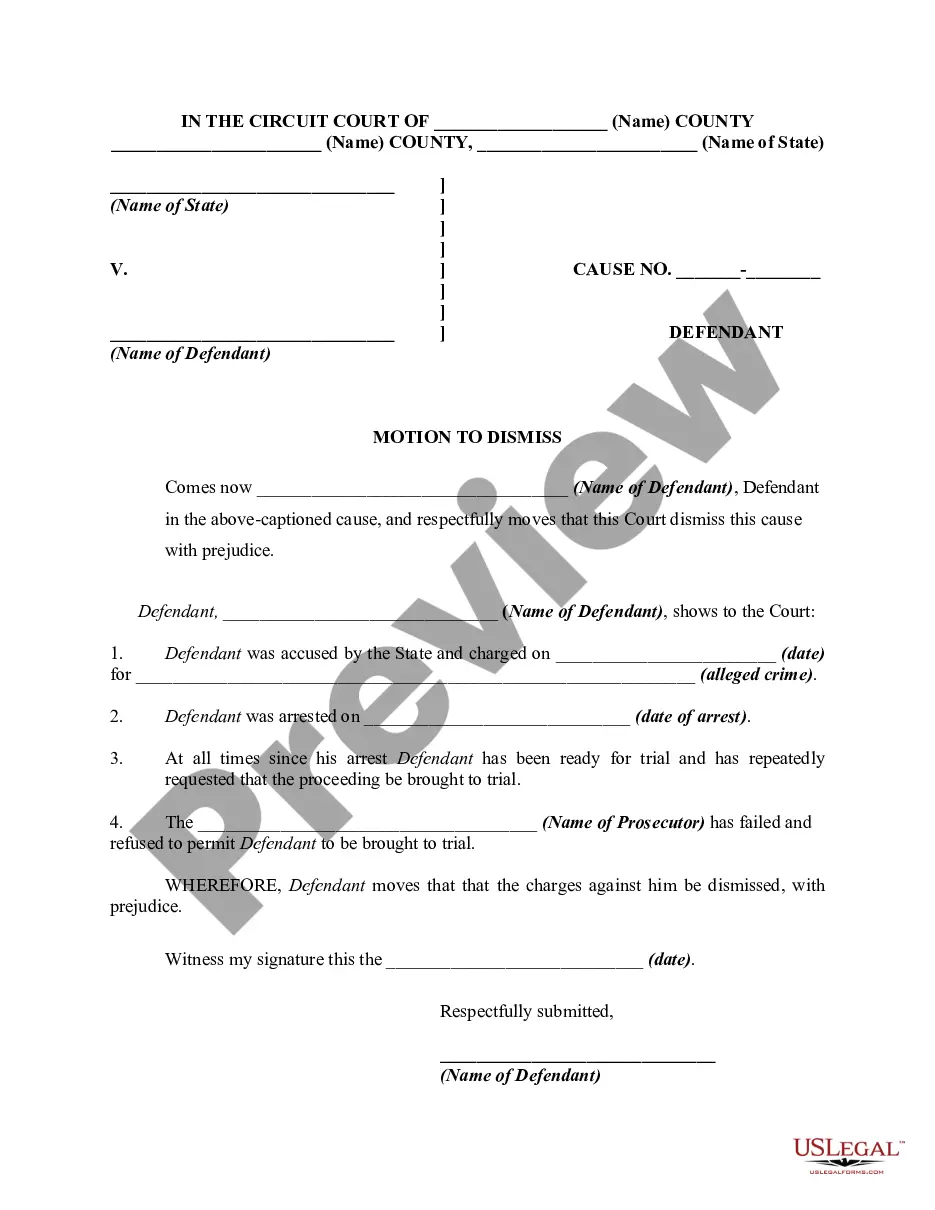
- Statement of the defendant's request to dismiss or remand the case.
- Citation of relevant statutes supporting the motion.
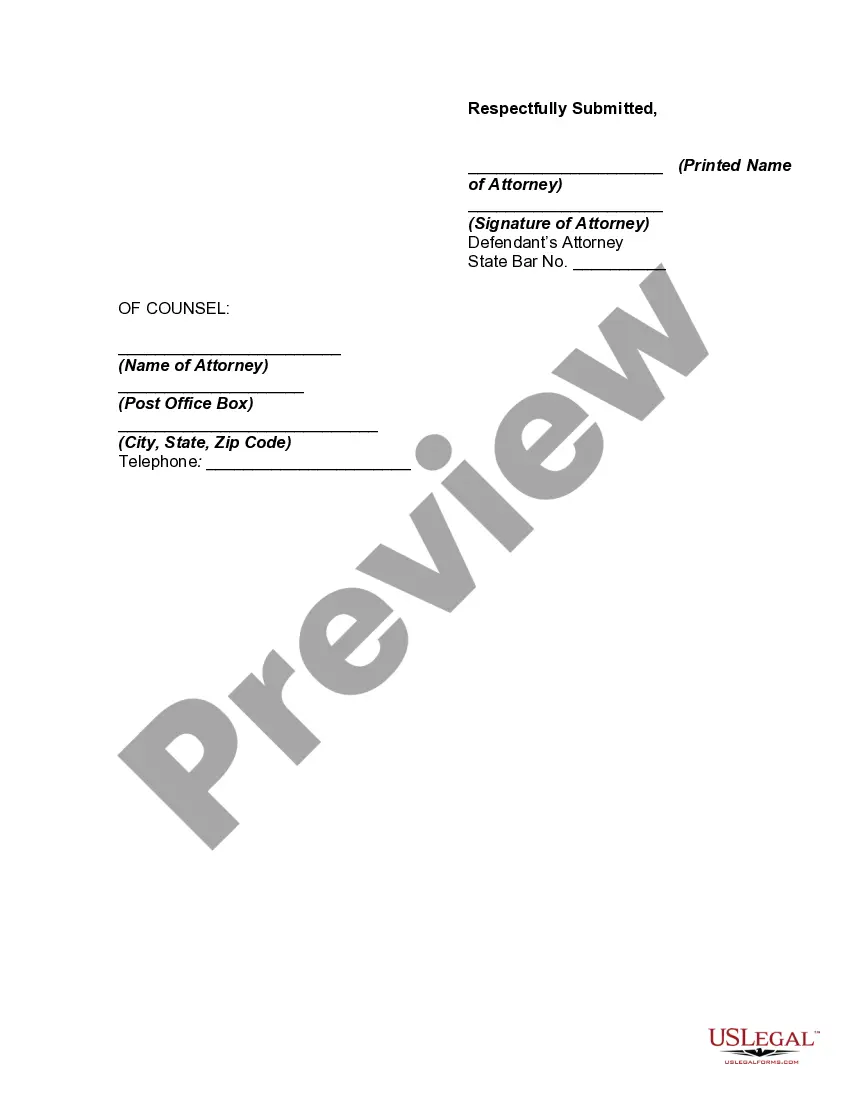
- Signature and contact information of the attorney representing the defendant.
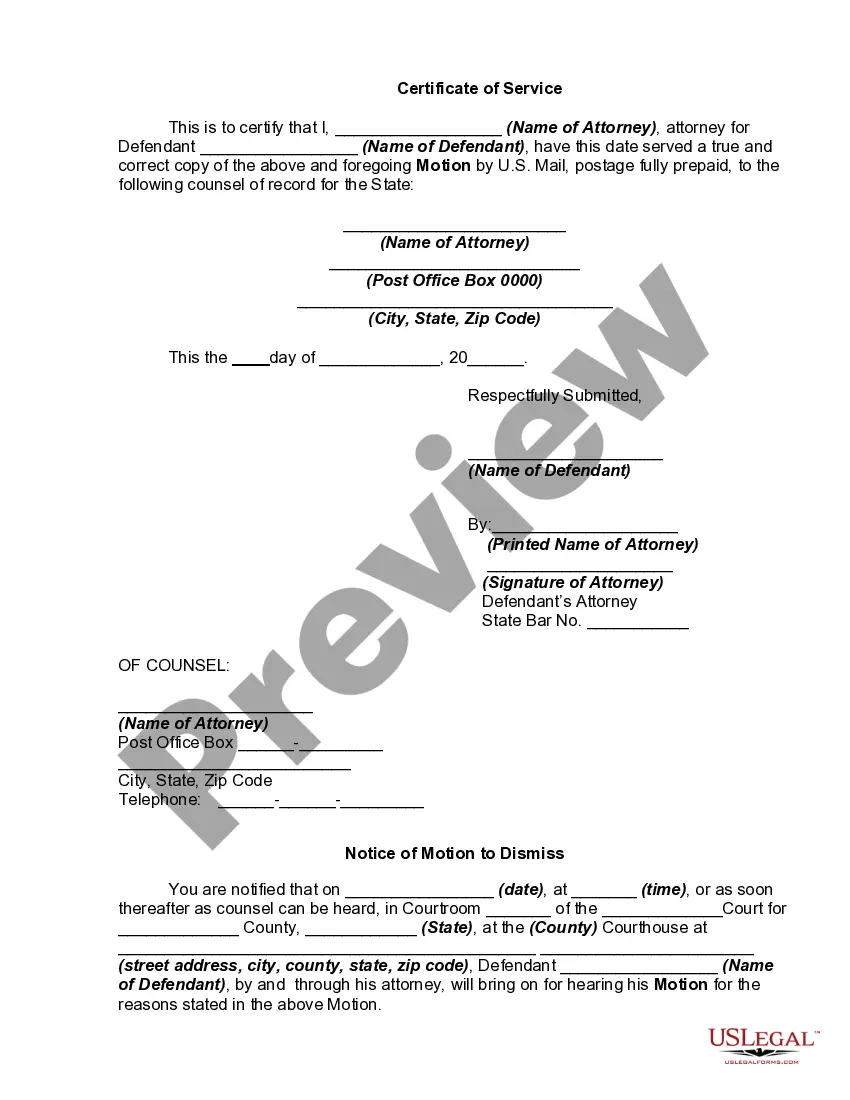
- Certificate of service to confirm notice was given to opposing counsel.
- Notice of motion details including date, time, and location for the hearing.
Common use cases
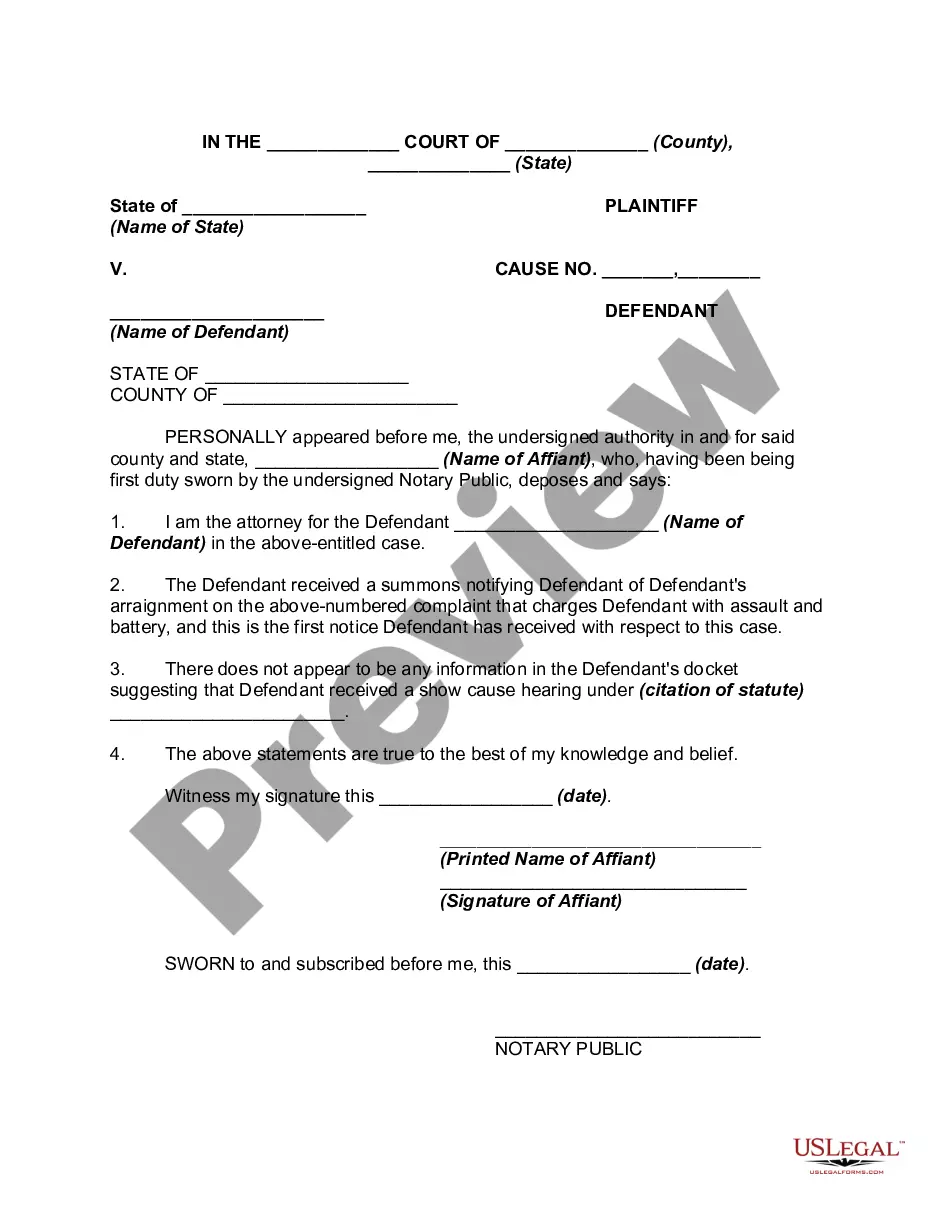
This form should be used when a defendant has been notified of a criminal complaint but believes that the proper legal procedures were not followed. Specifically, it is applicable if the defendant was not given written notice of the charges or if there was no arrest related to the complaint. The motion serves to request dismissal of the complaint based on these grounds during the show-cause hearing.
Who needs this form
- Defendants facing misdemeanor charges who have not been arrested.
- Individuals who believe they were not properly notified of criminal complaints against them.
- Attorneys representing defendants in criminal cases related to show-cause hearings.
Steps to complete this form
- Enter the title of the case, including the plaintiff and defendant names along with the case number.
- Clearly state the motion requesting dismissal and provide reasons supporting this request.
- Cite the relevant legal statutes that apply to the case.
- Include your attorney's printed name, signature, and state bar number, if applicable.
- Complete the certificate of service to confirm that the motion was mailed to the opposing counsel.
- Fill in the notice of motion section with the hearing details, including date and time.
Does this form need to be notarized?
This form does not typically require notarization unless specified by local law. Always check your jurisdiction's rules to confirm whether notarization is necessary for your filed documents.
Get your form ready online
Our built-in tools help you complete, sign, share, and store your documents in one place.
Make edits, fill in missing information, and update formatting in US Legal Forms—just like you would in MS Word.
Download a copy, print it, send it by email, or mail it via USPS—whatever works best for your next step.
Sign and collect signatures with our SignNow integration. Send to multiple recipients, set reminders, and more. Go Premium to unlock E-Sign.
If this form requires notarization, complete it online through a secure video call—no need to meet a notary in person or wait for an appointment.
We protect your documents and personal data by following strict security and privacy standards.

Make edits, fill in missing information, and update formatting in US Legal Forms—just like you would in MS Word.

Download a copy, print it, send it by email, or mail it via USPS—whatever works best for your next step.

Sign and collect signatures with our SignNow integration. Send to multiple recipients, set reminders, and more. Go Premium to unlock E-Sign.

If this form requires notarization, complete it online through a secure video call—no need to meet a notary in person or wait for an appointment.

We protect your documents and personal data by following strict security and privacy standards.
Common mistakes to avoid
- Failing to properly cite the relevant statutes in the motion.
- Not including all required signatures and attorney information.
- Missing the deadline to file the motion with the court.
- Neglecting to serve the opposing counsel in accordance with legal requirements.
Why use this form online
- Easy access to legal forms that can be downloaded and filled out at your convenience.
- Ensures that you have the most up-to-date legal language and formatting for your state.
- Reduces the chance of errors that can arise from hand-written documents.
- Fast and efficient process compared to traditional print methods.
Looking for another form?

Form popularity
FAQ
An order to show cause is a type of court order that requires one or more of the parties to a case to justify, explain, or prove something to the court. Courts commonly use orders to show cause when the judge needs more information before deciding whether or not to issue an order requested by one of the parties.
Motion to Dismiss an attempt to get the judge to dismiss a charge or the case. Motion to Suppress an attempt to keep certain statements or evidence from being introduced as evidence. Motion for Change of Venue may be made for various reasons including pre-trial publicity.
A motion is the standard way to seek certain forms of relief from a court. An Order to Show Cause is often a quicker way to seek the same relief. It usually has some provision which directs you to do something or to refrain from doing something...
Fill out your court forms. Fill out a Request for Dismissal (Form CIV-110 ). File your forms at the courthouse where you filed your case. Serve the other side with a copy of the dismissal papers. File the Notice of Entry of Dismissal and Proof of Service (Form CIV-120)
The first lines of your motion should state your name and role in the case, and what you are asking the judge to do. Traditionally, the first line begins "Comes now the defendant," followed by your name. Then you state that you're asking the court to dismiss the plaintiff's complaint.
Fill out your court forms. Fill out a Request for Dismissal (Form CIV-110 ). File your forms at the courthouse where you filed your case. Serve the other side with a copy of the dismissal papers. File the Notice of Entry of Dismissal and Proof of Service (Form CIV-120)
Try to directly persuade a prosecutor that a charge should be dropped, cast doubt on an accuser, highlight conflicting evidence, and. provide a reality check on the potential success of brining a charge.
An order to dismiss a case can occur when the appellate court, having reversed the conviction on the grounds of a bad search or arrest, examines what's left of the case and determines that there is not enough evidence to warrant another trial.
RESPONSE TO ORDER TO SHOW CAUSE Show good cause for missing the deadline, or not following the Court's orders or rules, by explaining each of the reasons why you did not comply. Include any other information the Court asked you to provide.