Power of Attorney for Care of Minor Child or Children
Overview of this form
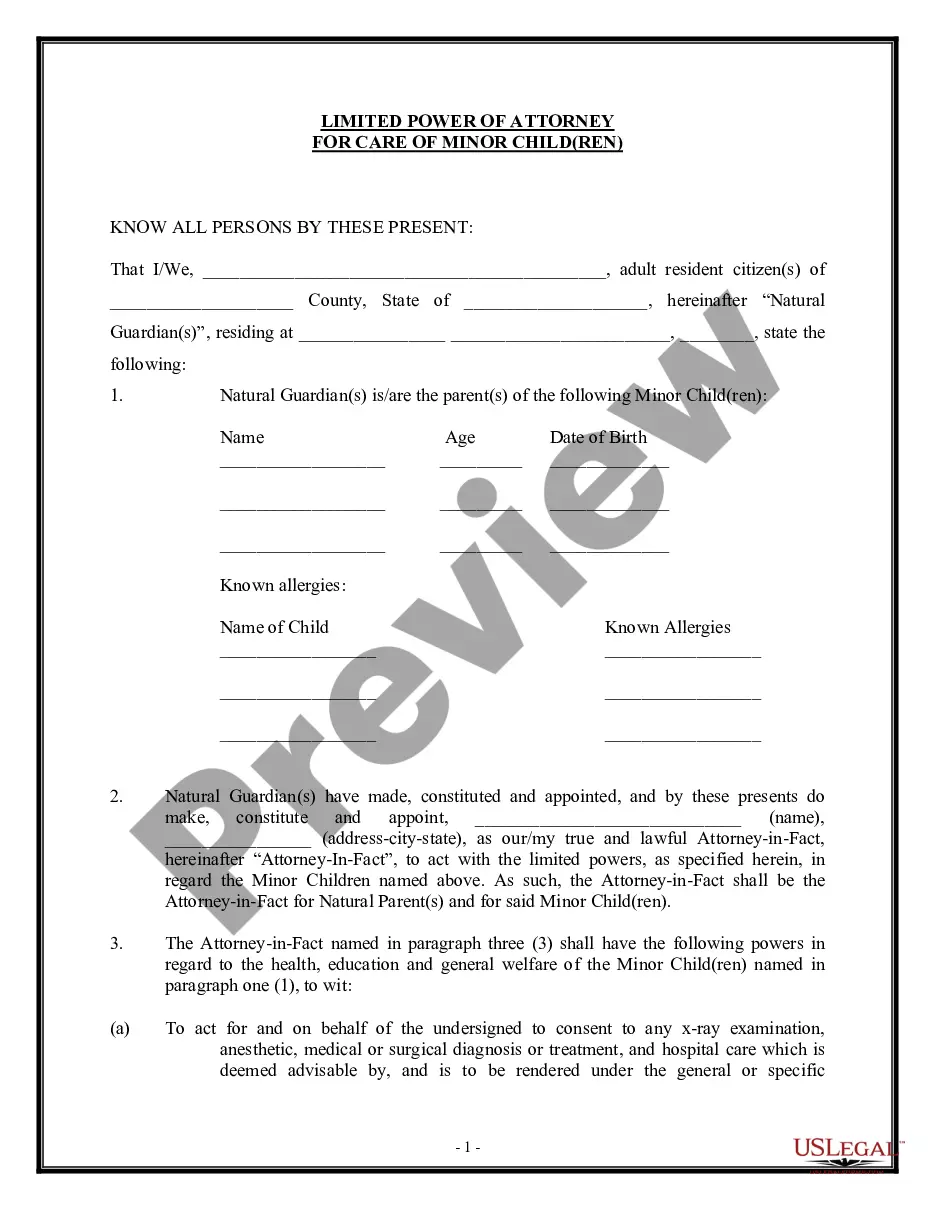
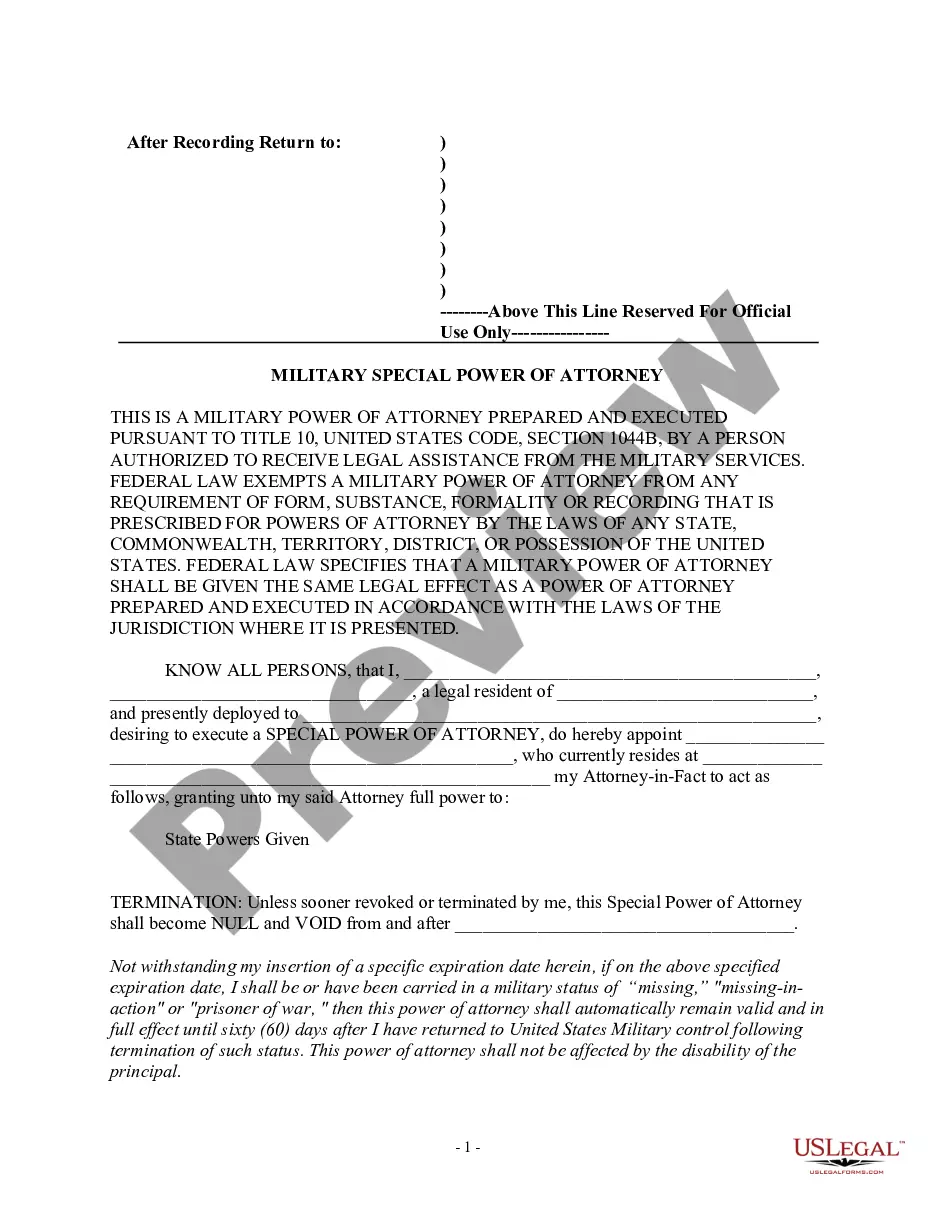
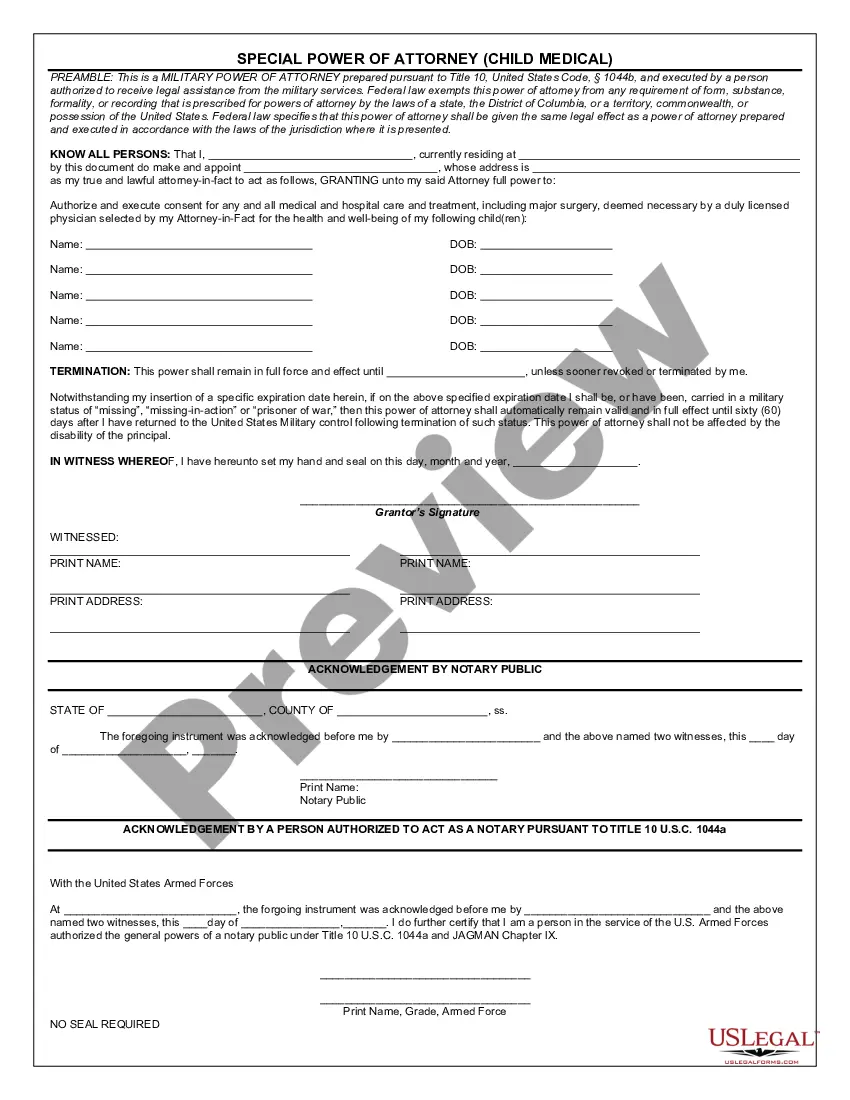
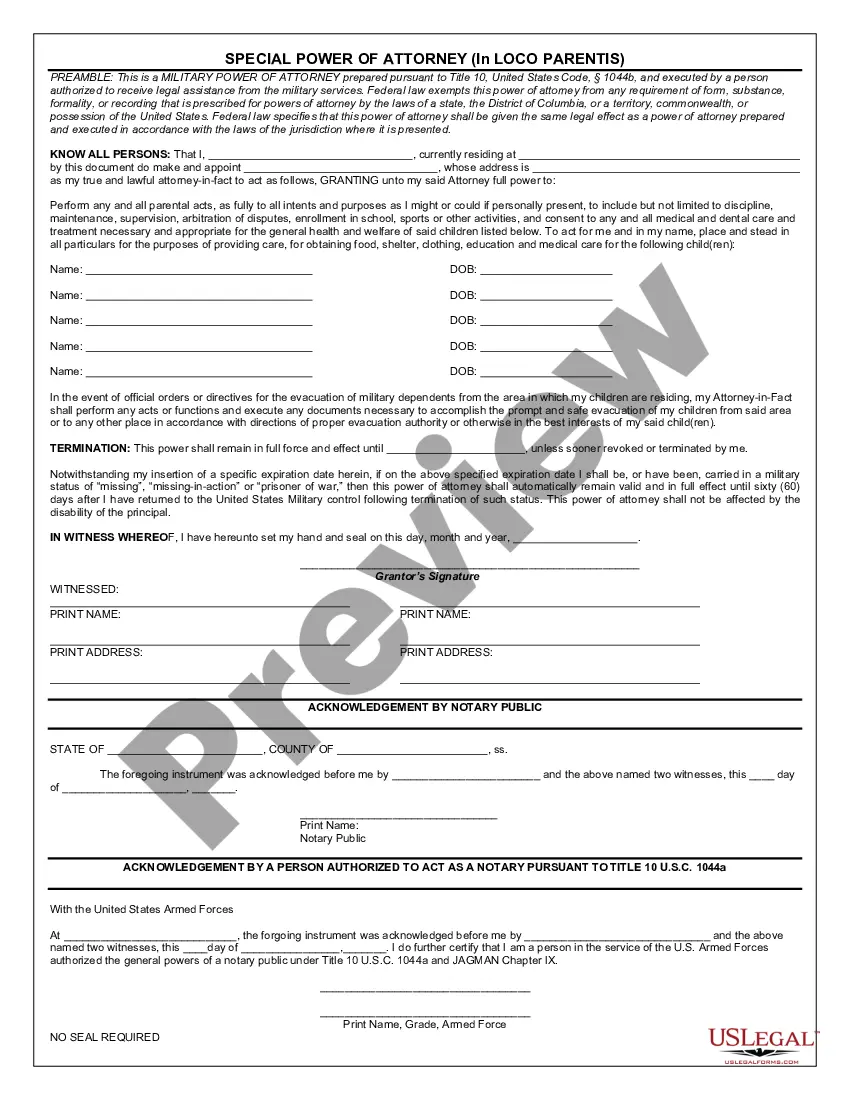
The Power of Attorney for Care of Minor Child or Children is a limited power of attorney that allows natural guardians to appoint someone to make decisions regarding the health, education, and general welfare of their minor children. Unlike a general power of attorney, the authority granted is specific and limited to the needs of the child, ensuring that the appointed attorney-in-fact has the necessary powers to act on behalf of the minor in important areas, particularly in emergency situations.
Key components of this form
- Identification of the natural guardians and the minor child(ren).
- Appointment of the attorney-in-fact with specified powers.
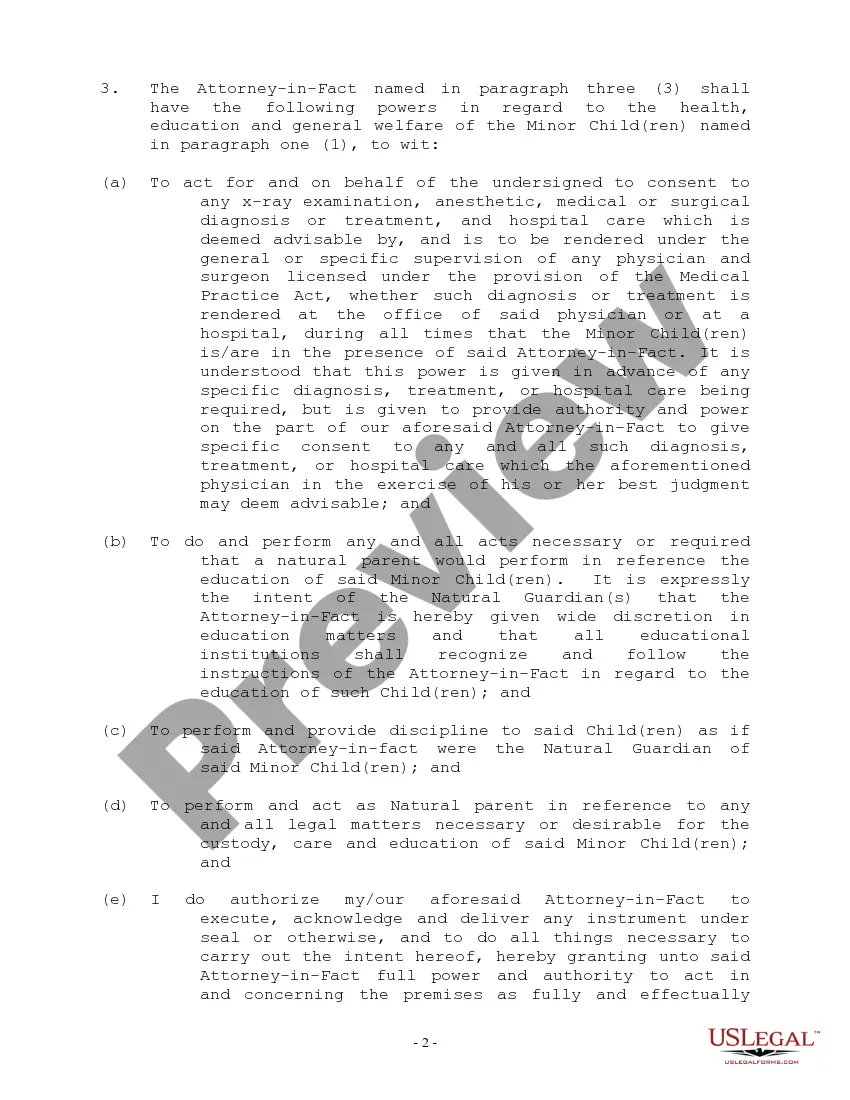
- Authority to make medical decisions for the minor child(ren).
- Responsibilities regarding the education and welfare of the minor child(ren).
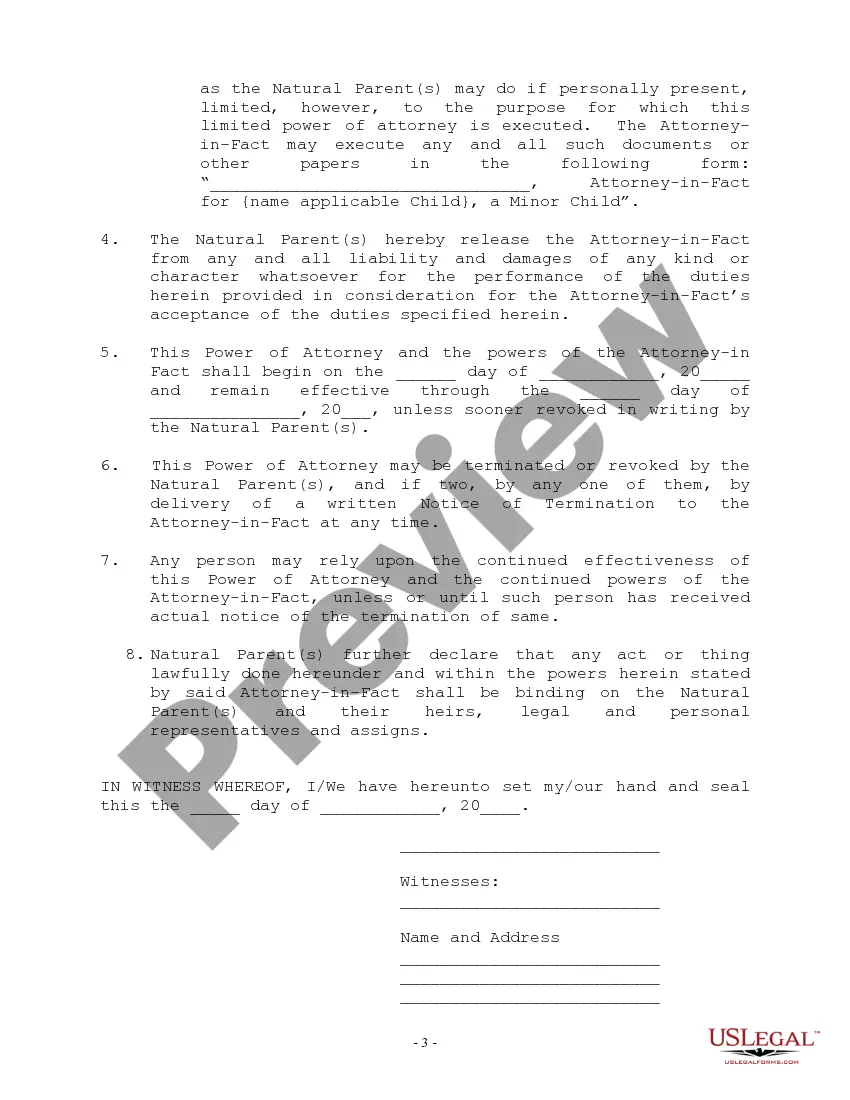
- Liability release for the attorney-in-fact.
- Effective dates and conditions for revocation of the power of attorney.

Common use cases
This form is essential when natural guardians need to grant someone else the authority to make decisions regarding their minor child in various situations. Common scenarios include when parents are traveling or away from home for an extended period or when they need to ensure that someone else can manage their child's health care or educational needs in their absence.
Who can use this document
- Natural guardians or parents of a minor child or children.
- Individuals who need to appoint someone to act on their behalf for their minor children.
- Those planning for situations where they need to be absent for an extended period.
Steps to complete this form
- Identify the natural guardians by filling in their names and contact information.
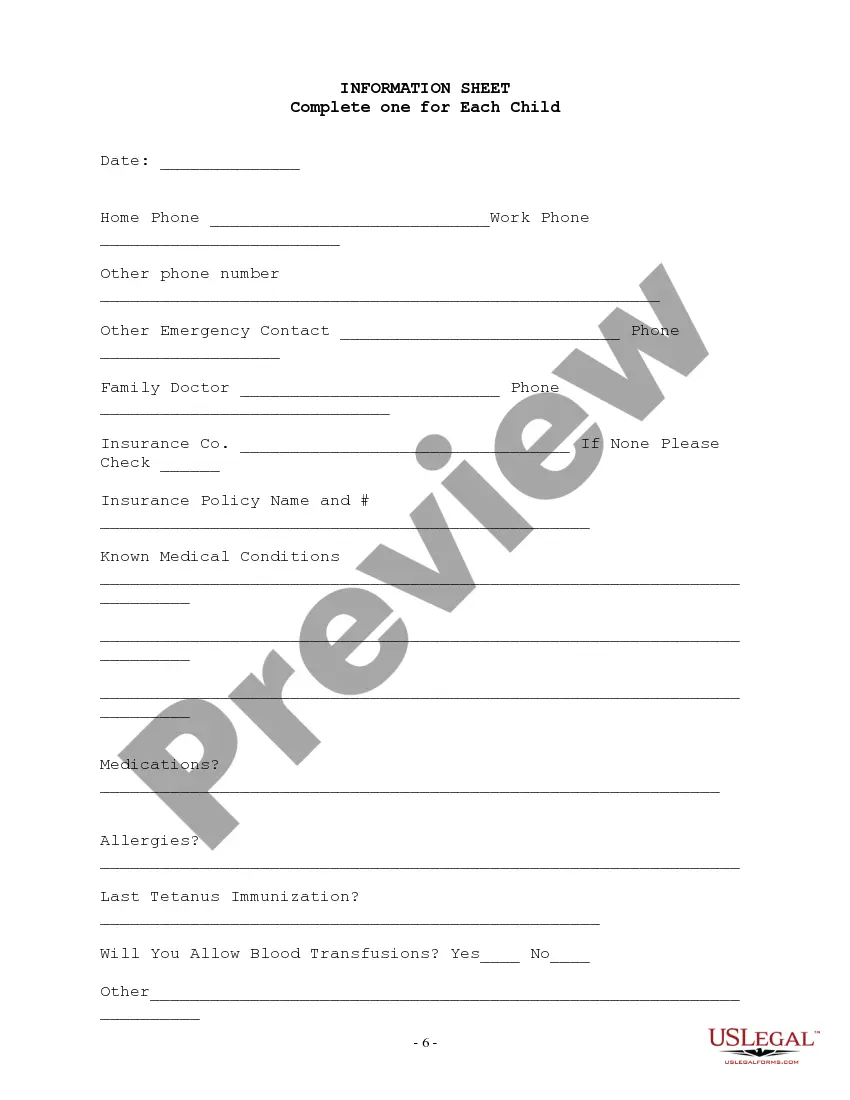
- List the names and birthdates of each minor child under the guardianship.
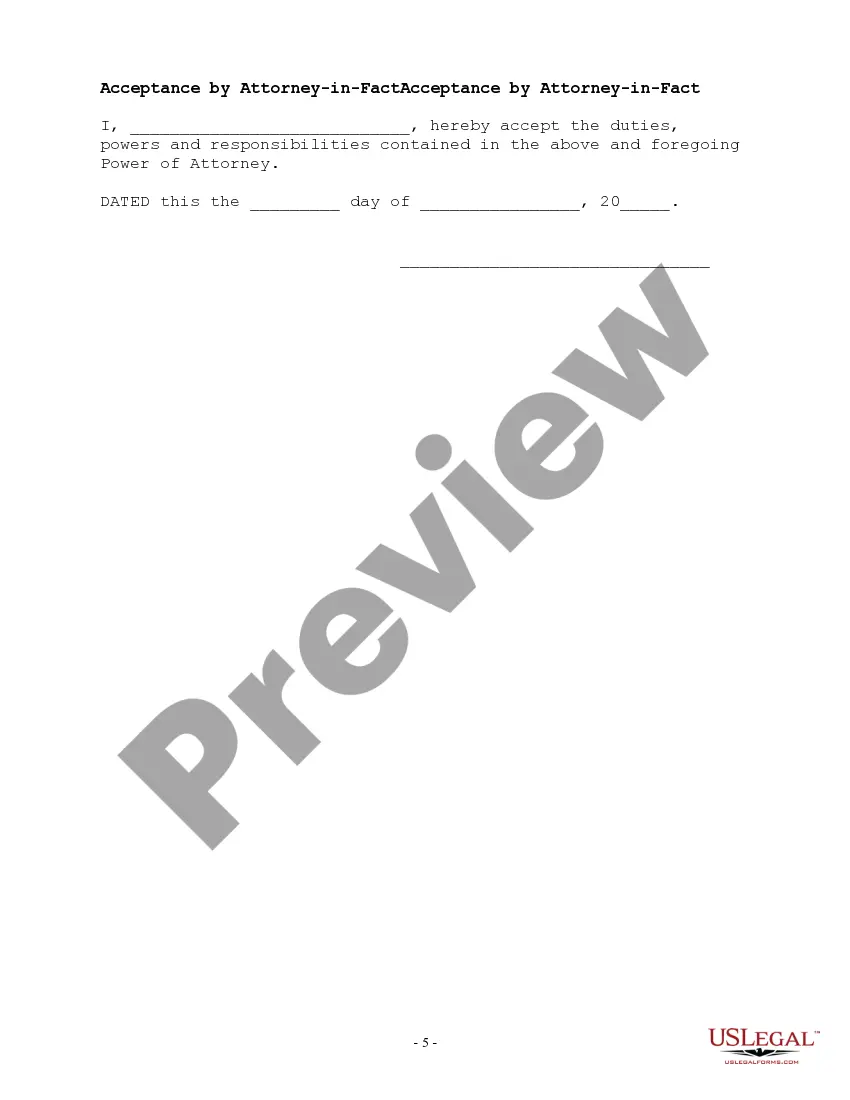
- Designate the attorney-in-fact by providing their name and address.
- Specify the powers granted to the attorney-in-fact regarding health care, education, and general welfare.
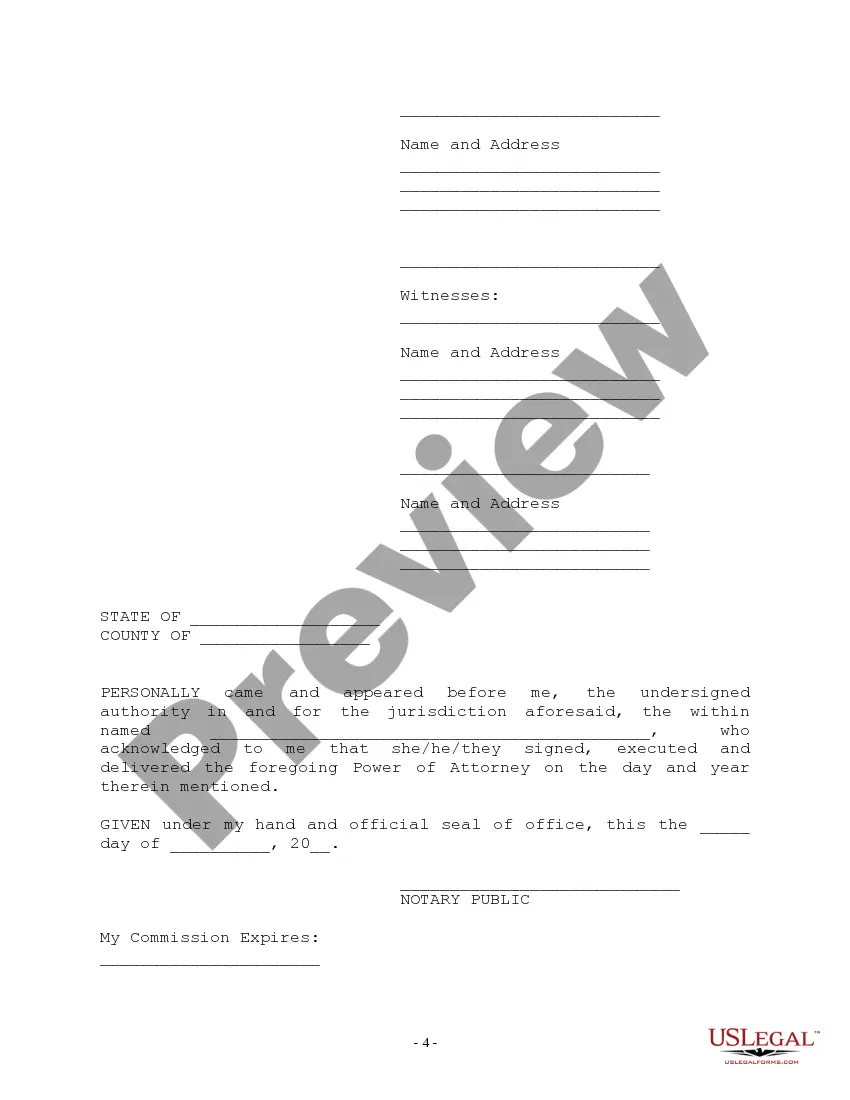
- Sign and date the document in the presence of witnesses and a notary public if required.
Is notarization required?
This form does typically require notarization to be legally valid. It ensures that the document is authenticated and that the signatures are legitimate. US Legal Forms offers integrated online notarization services, allowing users to notarize their documents securely via video call at their convenience.
Get your form ready online
Our built-in tools help you complete, sign, share, and store your documents in one place.
Make edits, fill in missing information, and update formatting in US Legal Forms—just like you would in MS Word.
Download a copy, print it, send it by email, or mail it via USPS—whatever works best for your next step.
Sign and collect signatures with our SignNow integration. Send to multiple recipients, set reminders, and more. Go Premium to unlock E-Sign.
If this form requires notarization, complete it online through a secure video call—no need to meet a notary in person or wait for an appointment.
We protect your documents and personal data by following strict security and privacy standards.

Make edits, fill in missing information, and update formatting in US Legal Forms—just like you would in MS Word.

Download a copy, print it, send it by email, or mail it via USPS—whatever works best for your next step.

Sign and collect signatures with our SignNow integration. Send to multiple recipients, set reminders, and more. Go Premium to unlock E-Sign.

If this form requires notarization, complete it online through a secure video call—no need to meet a notary in person or wait for an appointment.

We protect your documents and personal data by following strict security and privacy standards.
Common mistakes
- Failing to include the childrenâs full names and dates of birth.
- Not fully understanding the powers being granted to the attorney-in-fact.
- Neglecting to properly sign and notarize the document where required.
Advantages of online completion
- Convenient access to legal forms from any location.
- Editable templates tailored to your specific needs.
- Reliable legal language drafted by licensed attorneys, ensuring compliance.
Main things to remember
- The Power of Attorney for Care of Minor Child allows parents to delegate authority regarding children's welfare.
- It is crucial to include all necessary information and specifics about the powers granted.
- Understanding state-specific requirements ensures the form is legally effective.
- Notarization is typically required for it to be enforceable.
Looking for another form?

Form popularity
FAQ
1 attorney answer But no, a power of attorney is not somehow going to constitute or override a custody order, and as a non-parent, he doesn't have any standing to contest custody unless your daughter's been with him (and him alone, not with her mom...
A Power of Attorney is a legal document that you can create to give another adult the authority to act on your behalf.The Parental Power of Attorney is used by parents and guardians to give another person temporary authority over their child. It is sometimes referred to as a form for Delegation of Parental Powers.
In order for your parent to grant you Power of Attorney, they must be of sound mind.If the parent is of sound mind, they may sign over Power of Attorney. If your parent is already mentally incapacitated, they may have already granted you (or another person) Power of Attorney in a Living Will.
Power of attorney gives someone other than a legal parent or guardian the right to make decisions about a child's welfare, but it does not establish legal custody. You can only modify legal custody through court proceedings.
A power of attorney is a legal document that allows a principal to appoint an agent to act for them should they become incapacitated. The agent is expected to place the principal's interests ahead of his or her own, which is why it is important for you and your loved one to pick a trusted individual.
General Power of Attorney. Durable Power of Attorney. Special or Limited Power of Attorney. Springing Durable Power of Attorney.
A power of attorney over a child is a document signed and notarized by a parent giving a non- parent authority to make decisions for a minor child.It can be used to authorize the person to obtain medical treatment for a child or sign up a child for an activity or for other significant decisions.