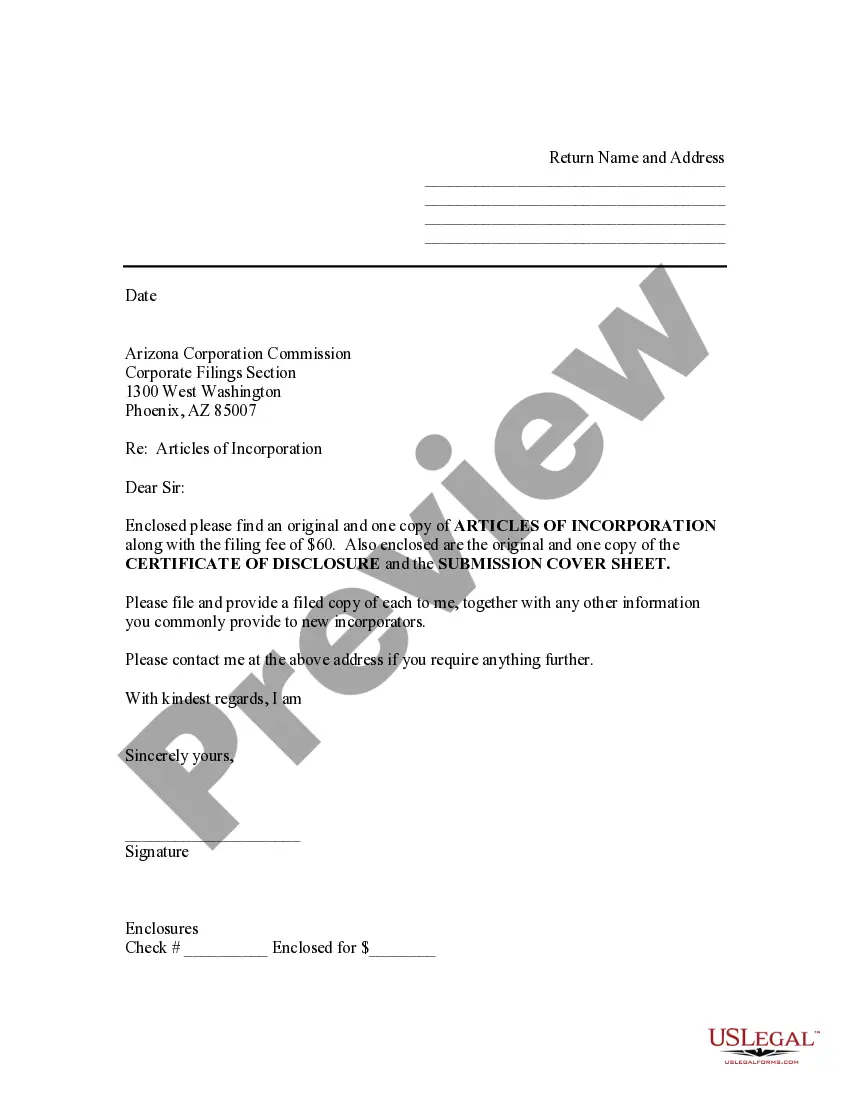
Booth Concession Rental Agreement for Farmers Market
About this form
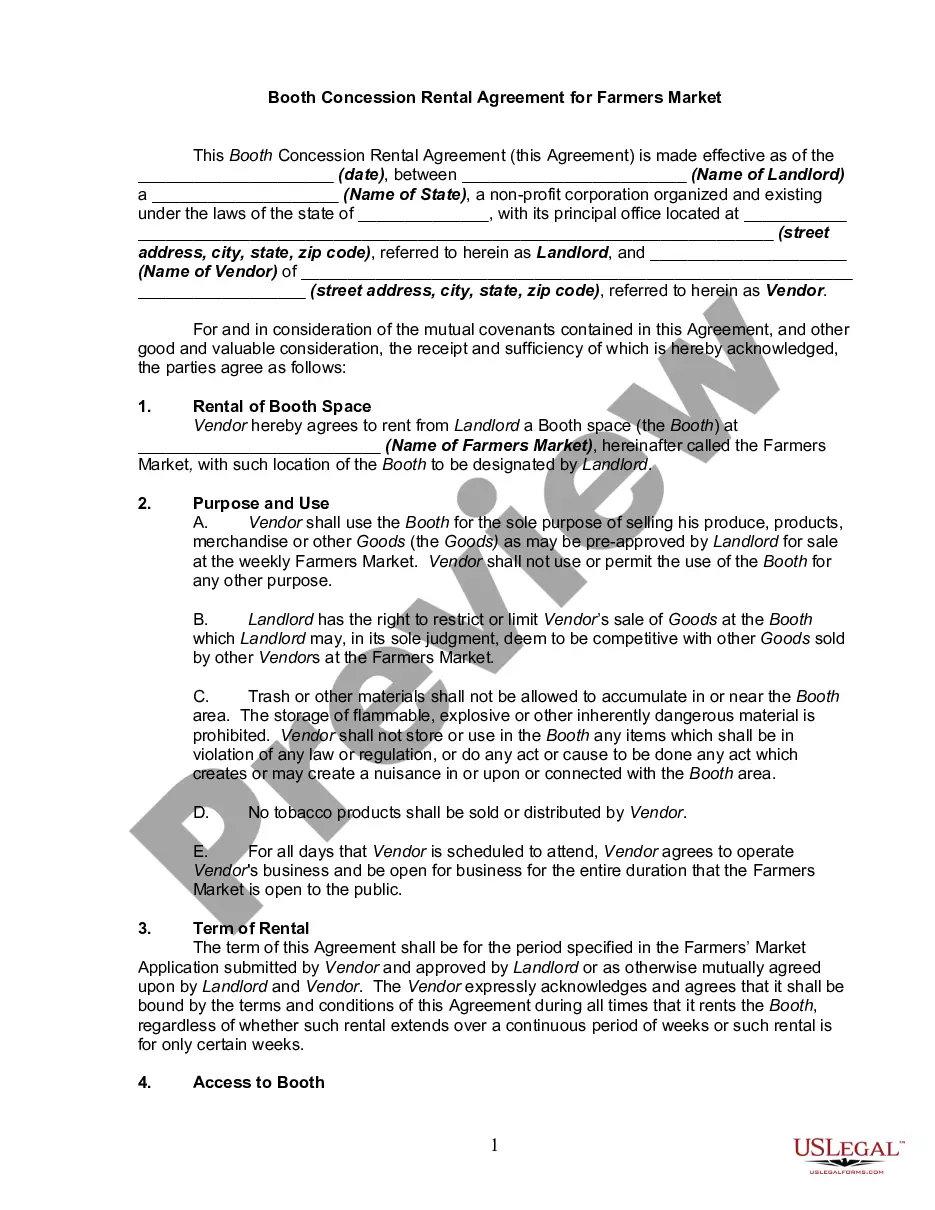
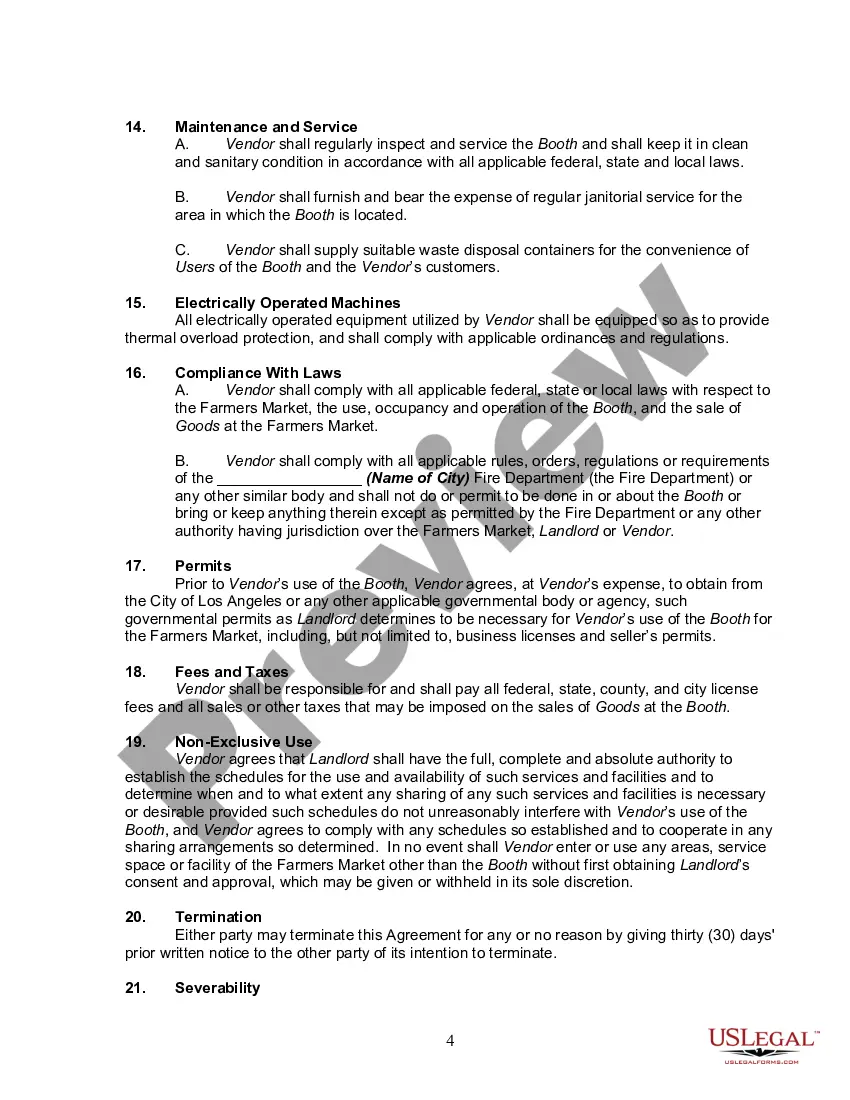
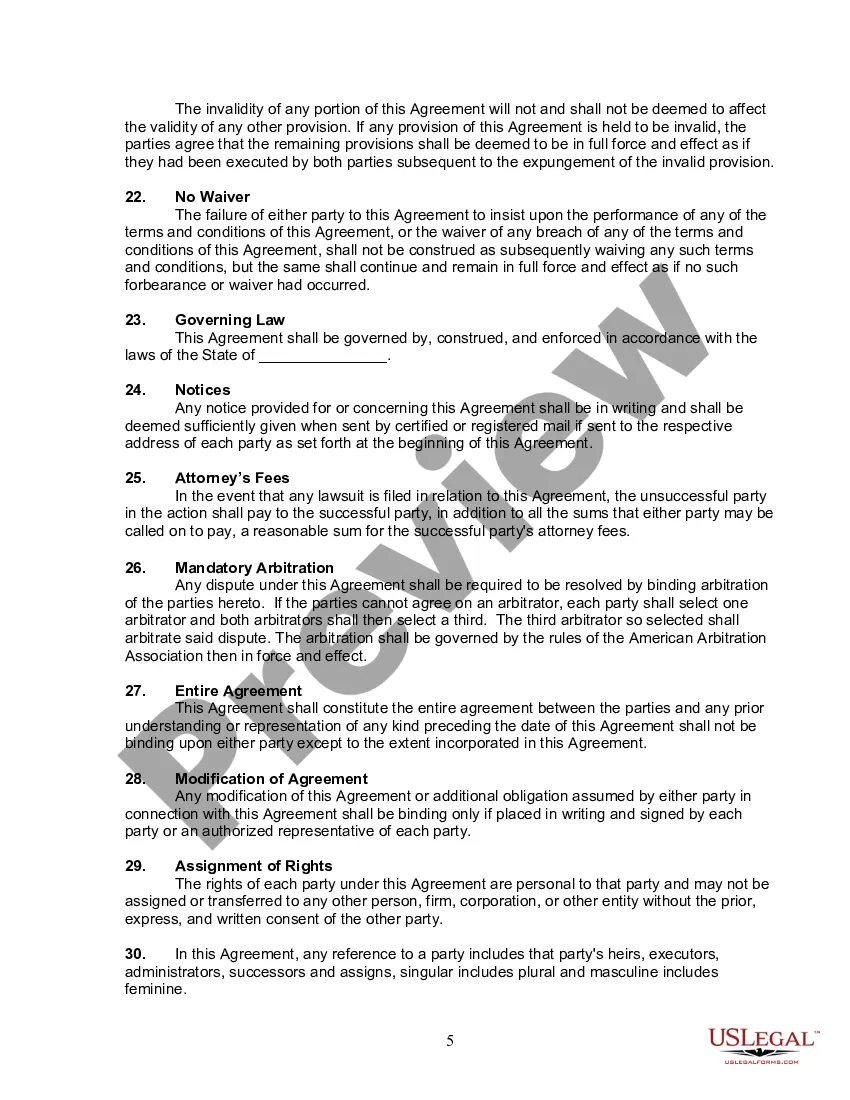
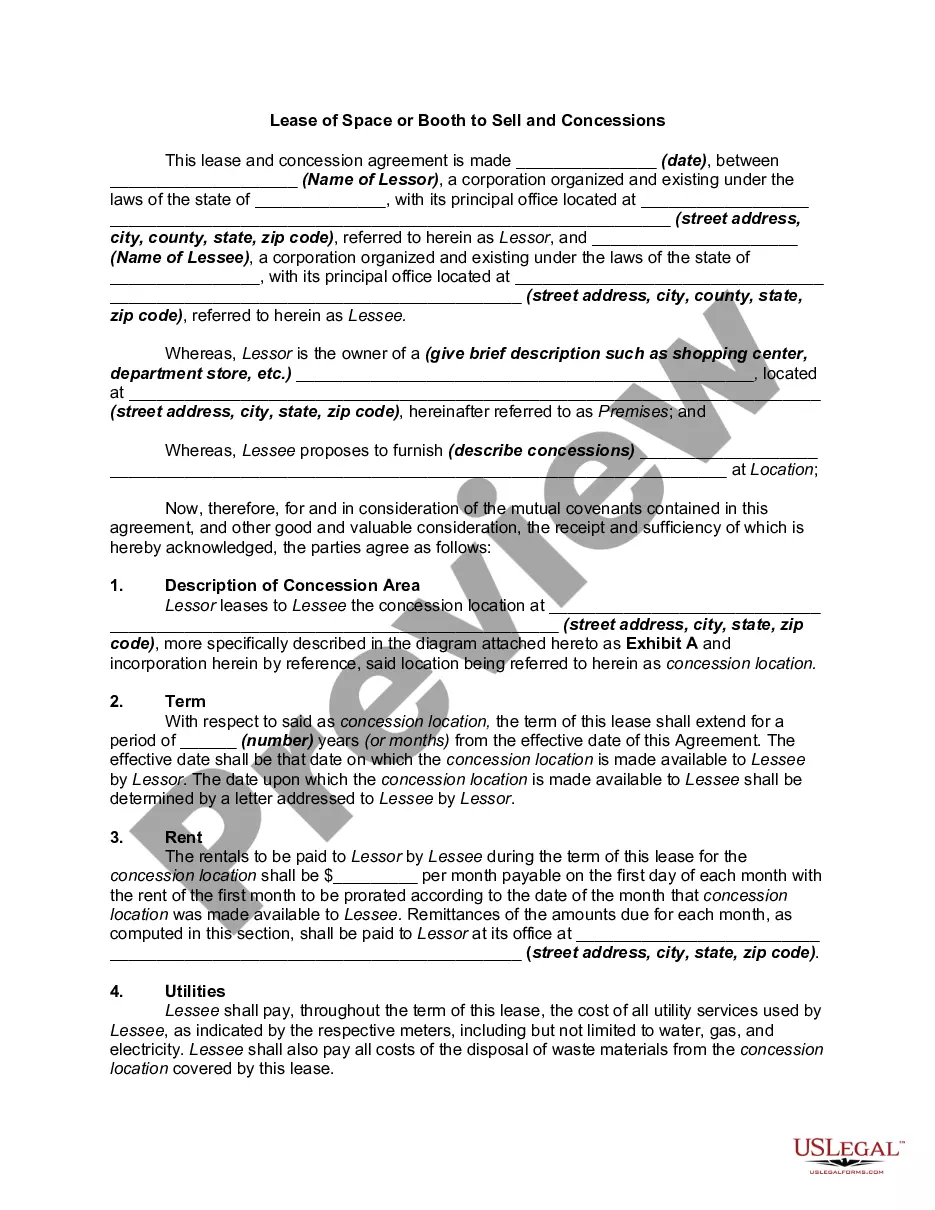
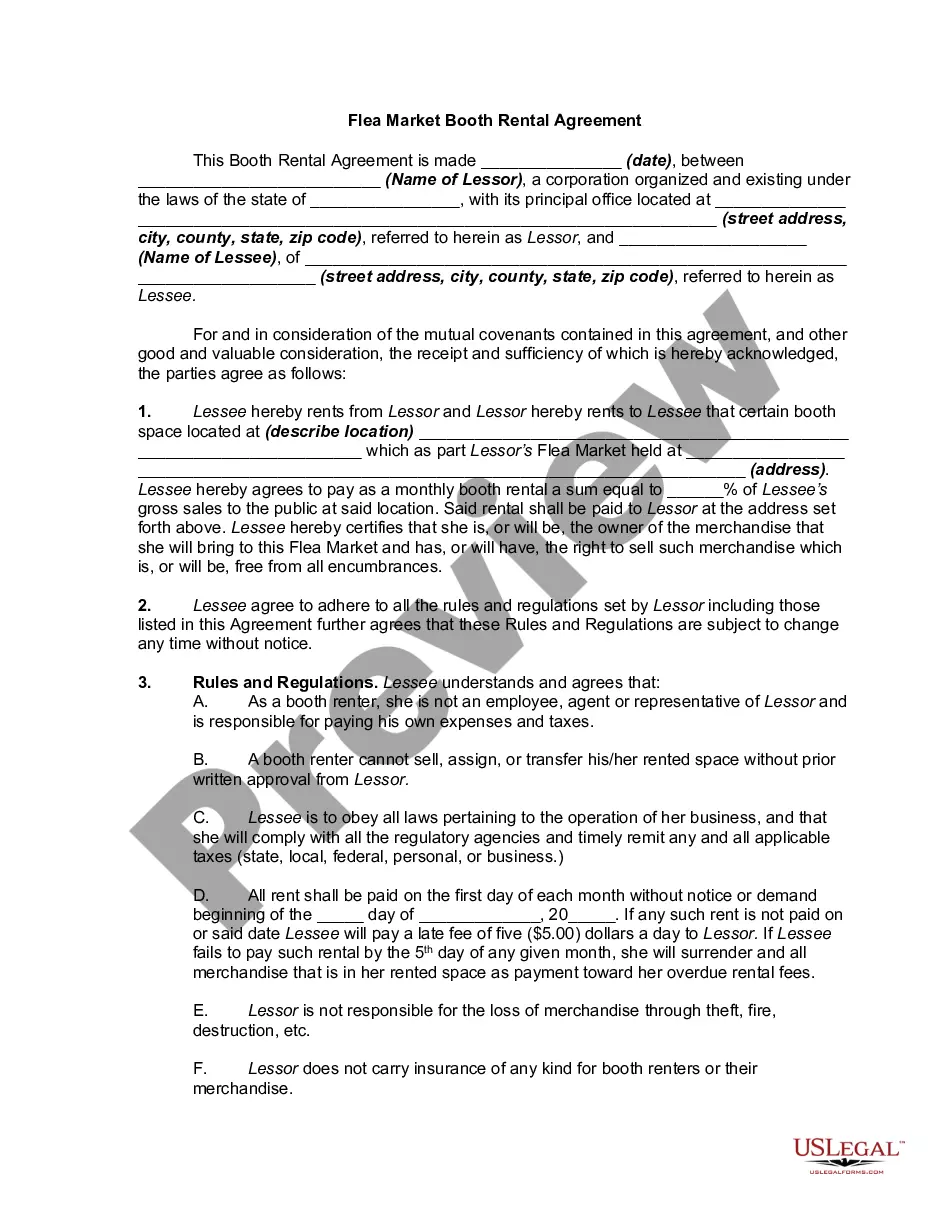
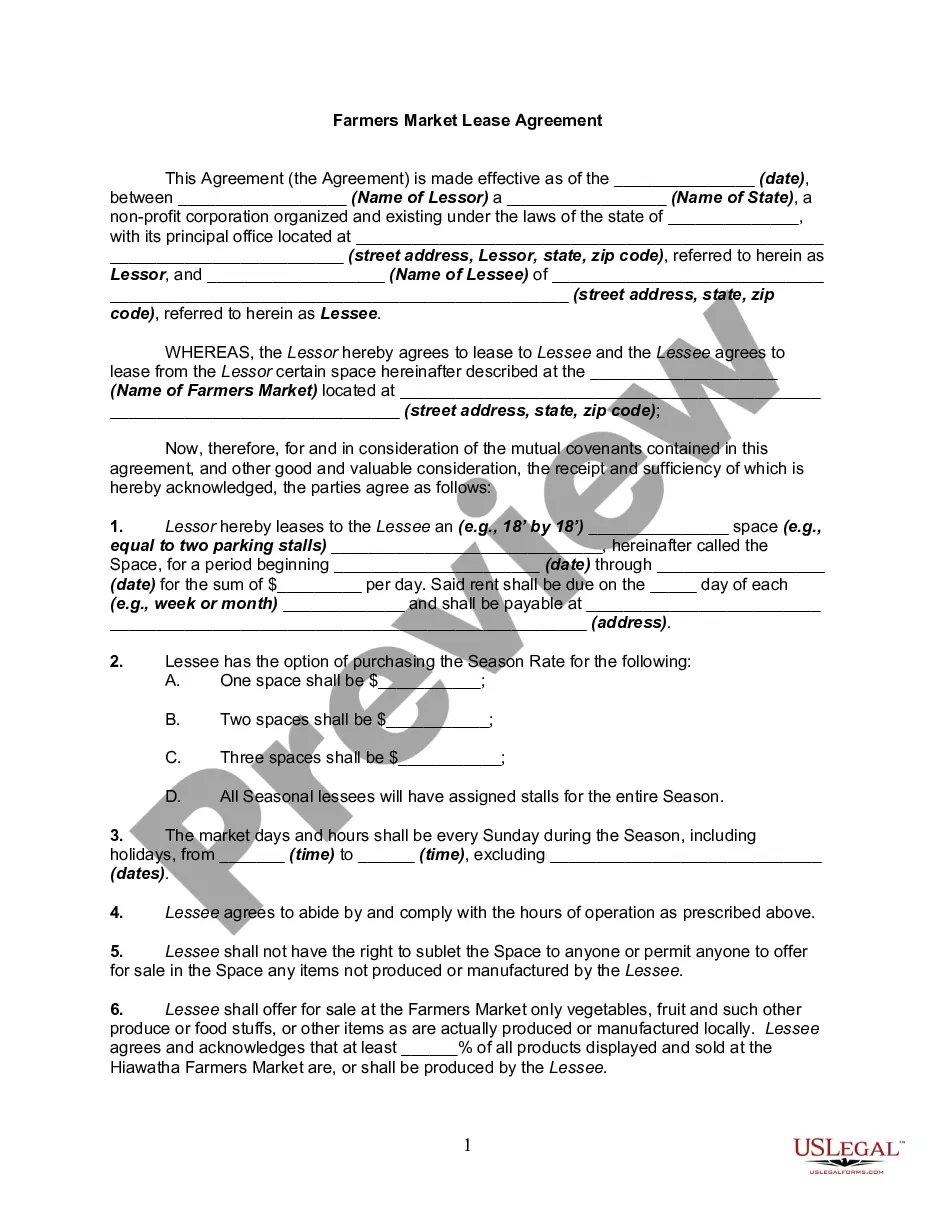
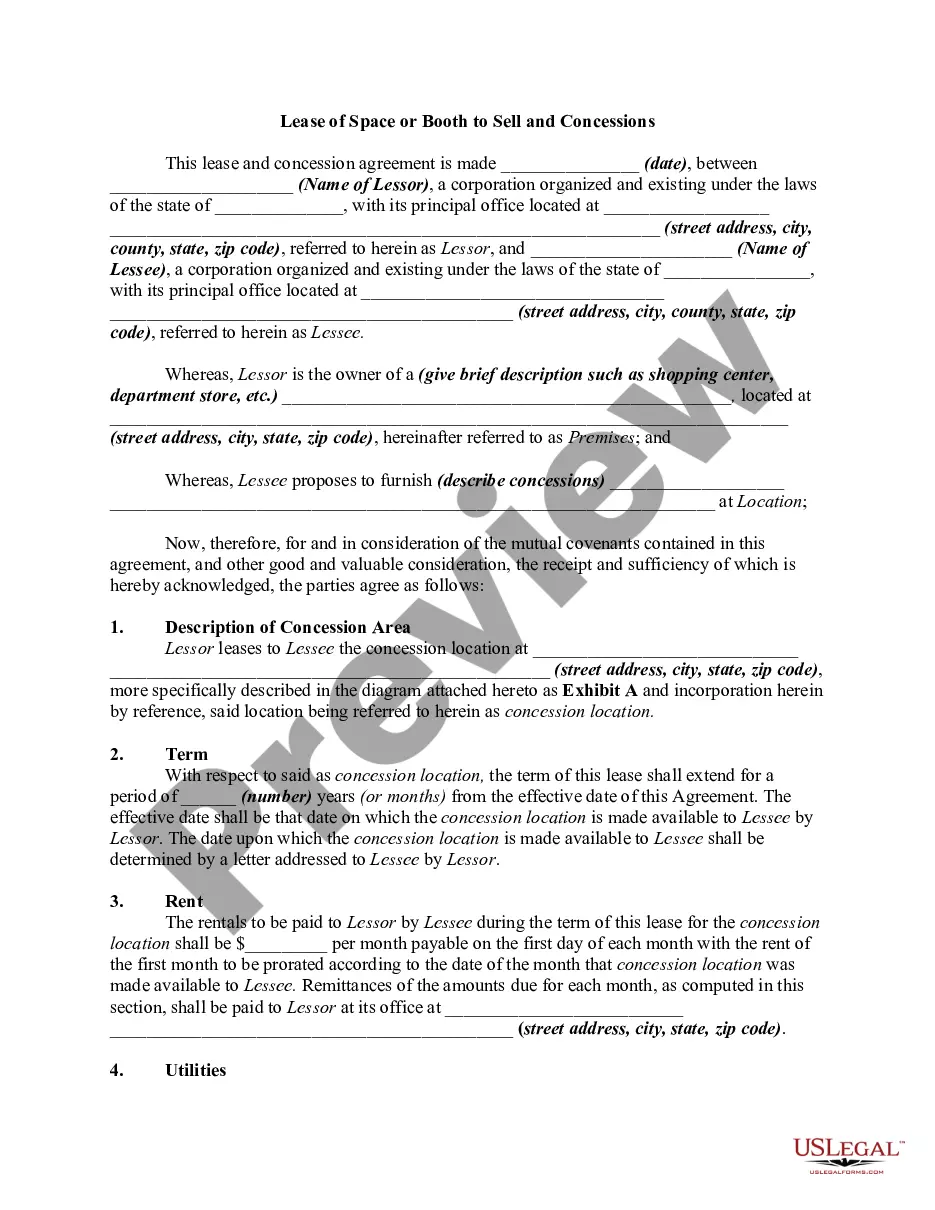
The Booth Concession Rental Agreement for Farmers Market is a legal document that establishes the conditions under which a vendor can rent booth space at a farmers market. This agreement outlines the responsibilities and rights of both the vendor and the landlord, including the rental terms, use of the booth, and insurance requirements. This form is essential for vendors looking to operate legally and responsibly at a farmers market, ensuring compliance and minimizing disputes with the landlord or other vendors.
Main sections of this form
- Details about the rental of booth space, including location and purpose.
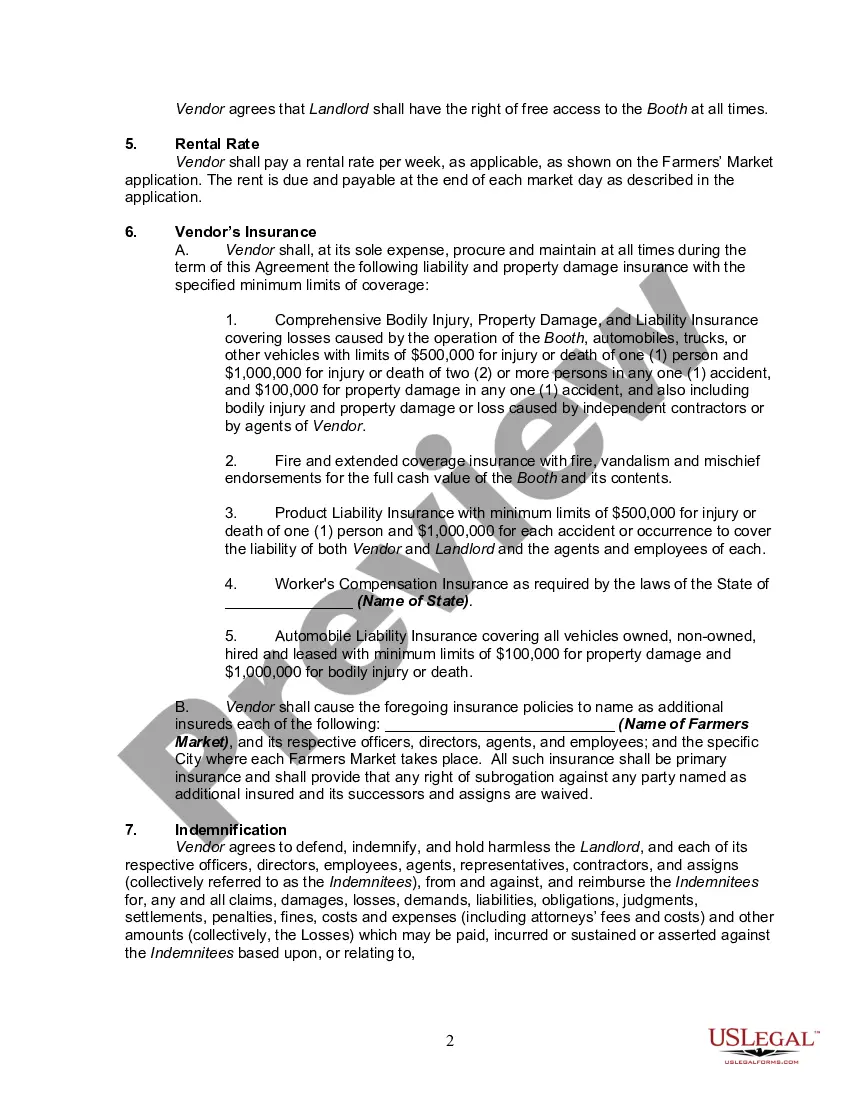
- Insurance requirements to protect both the vendor and landlord from potential liabilities.
- Regulations regarding what can be sold and any restrictions imposed by the landlord.
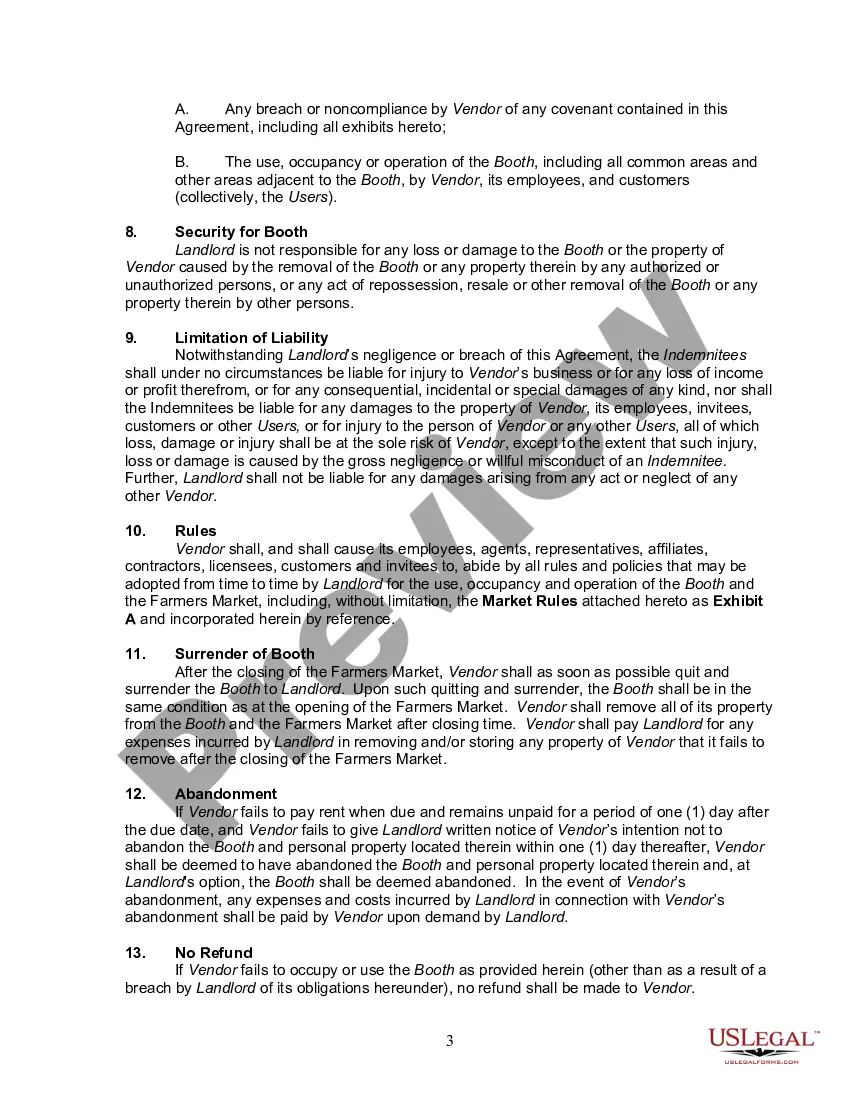
- Terms regarding termination, maintenance responsibilities, and security of the booth.
- Indemnification clauses to protect the landlord from claims related to the vendor's operations.
When this form is needed
This form should be used when a vendor wishes to secure a booth at a farmers market for selling goods. It is particularly important for vendors who need a formalized agreement that outlines all operational, financial, and legal expectations to prevent misunderstandings and ensure a smooth market experience.
Who needs this form
- Farmers and vendors looking to sell their produce or goods at a farmers market.
- Non-profit organizations managing farmers market spaces.
- Individuals or businesses seeking a legal framework for booth rental arrangements.
Completing this form step by step
- Identify the parties involved: Fill in the names and addresses of both the landlord and the vendor.
- Specify the booth location: Indicate the assigned booth space within the farmers market.
- Outline the rental term: Define the duration of booth rental as agreed in the farmers market application.
- Detail insurance coverage: Provide the necessary insurance details and ensure compliance with specified limits.
- Enter dates and signatures: Ensure all parties sign and date the agreement to validate its terms.
Notarization requirements for this form
Notarization is not commonly needed for this form. However, certain documents or local rules may make it necessary. Our notarization service, powered by Notarize, allows you to finalize it securely online anytime, day or night.
Get your form ready online
Our built-in tools help you complete, sign, share, and store your documents in one place.
Make edits, fill in missing information, and update formatting in US Legal Forms—just like you would in MS Word.
Download a copy, print it, send it by email, or mail it via USPS—whatever works best for your next step.
Sign and collect signatures with our SignNow integration. Send to multiple recipients, set reminders, and more. Go Premium to unlock E-Sign.
If this form requires notarization, complete it online through a secure video call—no need to meet a notary in person or wait for an appointment.
We protect your documents and personal data by following strict security and privacy standards.

Make edits, fill in missing information, and update formatting in US Legal Forms—just like you would in MS Word.

Download a copy, print it, send it by email, or mail it via USPS—whatever works best for your next step.

Sign and collect signatures with our SignNow integration. Send to multiple recipients, set reminders, and more. Go Premium to unlock E-Sign.

If this form requires notarization, complete it online through a secure video call—no need to meet a notary in person or wait for an appointment.

We protect your documents and personal data by following strict security and privacy standards.
Mistakes to watch out for
- Failing to adequately identify the parties involved in the agreement.
- Not specifying the exact booth location at the market.
- Omitting necessary insurance details or failing to meet required insurance limits.
- Ignoring local regulations or permitting requirements.
Benefits of completing this form online
- Convenience of downloading and completing the form at your own pace.
- Editable fields allow for easy customization to meet specific needs.
- Access to templates drafted by licensed attorneys ensures compliance with legal standards.
- Quick and straightforward process for securing your booth rental agreement.
Quick recap
- A Booth Concession Rental Agreement is crucial for vendors wishing to operate at farmers markets.
- Clear terms and insurance requirements help safeguard both parties involved.
- Filling out the form correctly minimizes the risk of misunderstandings and legal issues.
Looking for another form?
Form popularity
FAQ
Booth Renting & Salon Suite Contracts As a booth renter you are considered an independent contractor and you will issue a 1099 misc to the owner of the salon /spa at the end for the year for the rent you paid. You will pay your taxes and have business write-offs unlike an employee.
Names of the landlord and tenant and/or their agents. Description of the property. Amount of rent and due dates for payment, grace period, late charges. Mode of rent payment. Methods to terminate the agreement prior to the expiration date and charges if any.
In order to be a validly classified booth renter in California, that individual must set their own rates, process their own payments, and be paid directly by clients. Moreover, booth renters must set their own hours of work and have sole discretion to decide the number of clients and which clients for whom they
Salon chair rental is a fairly simple premise: a licensed cosmetologist (or barber, nail technician, or esthetician) rents a space in a salon. In exchange, the salon owner provides a work space and amenities for the cosmetologist to use. In essence, the salon booth rental model results in businesses within a business.
The Lease Must be in Writing It does not matter if the lease is handwritten or typed. If the lease is for more than one year, it must be in written form and contain the following terms.
Break down all of your services and how much it costs. Add 15 percent to stock your back stock properly. Rent and pre-opening costs. Your website and other marketing. Don't forget taxes.
The average booth rental costs approximately $400/month, but the range can be from at least $250 to $1200 per month for a booth.
As a booth renter, you're running a small, independent business that's separate from the salon business. And, as a business owner there is even more to be responsible for, including: maintaining your own set of books and paying your own taxes.setting prices and collecting payment for services from your clients.