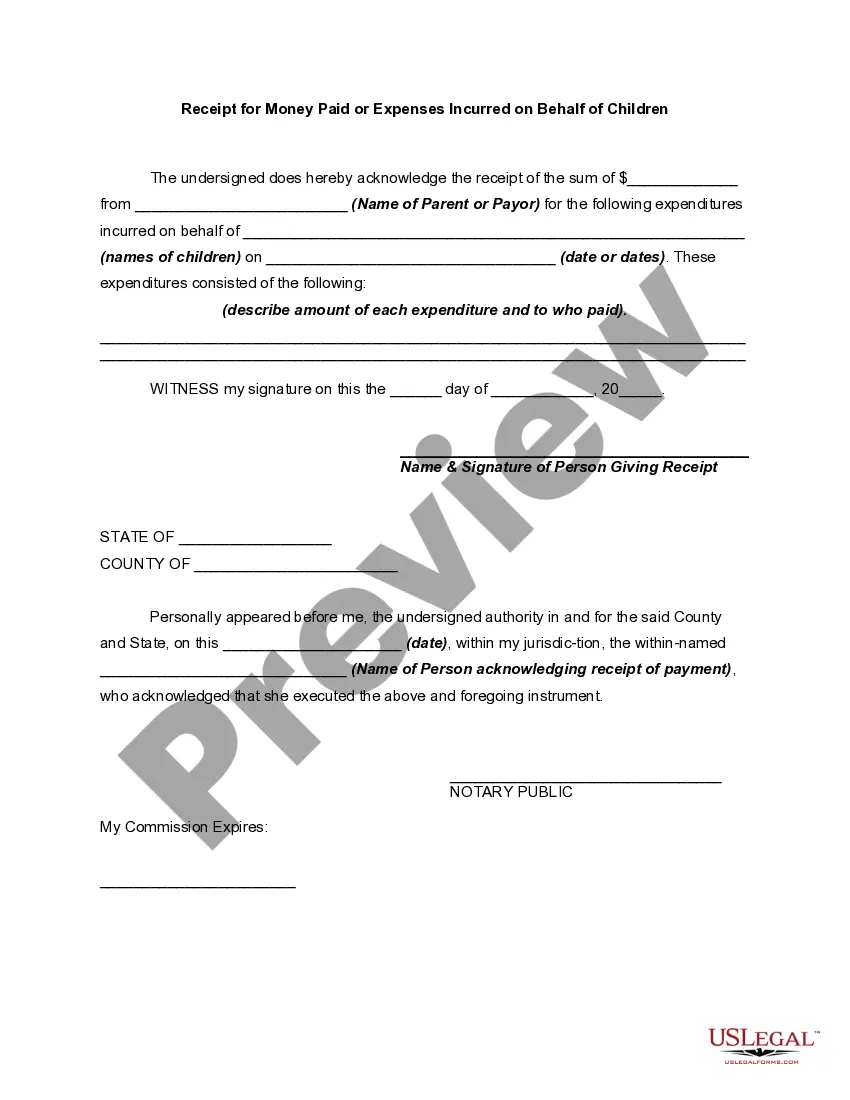
Receipt for Money Paid or Expenses Incurred on Behalf of Payor's Children
About this form
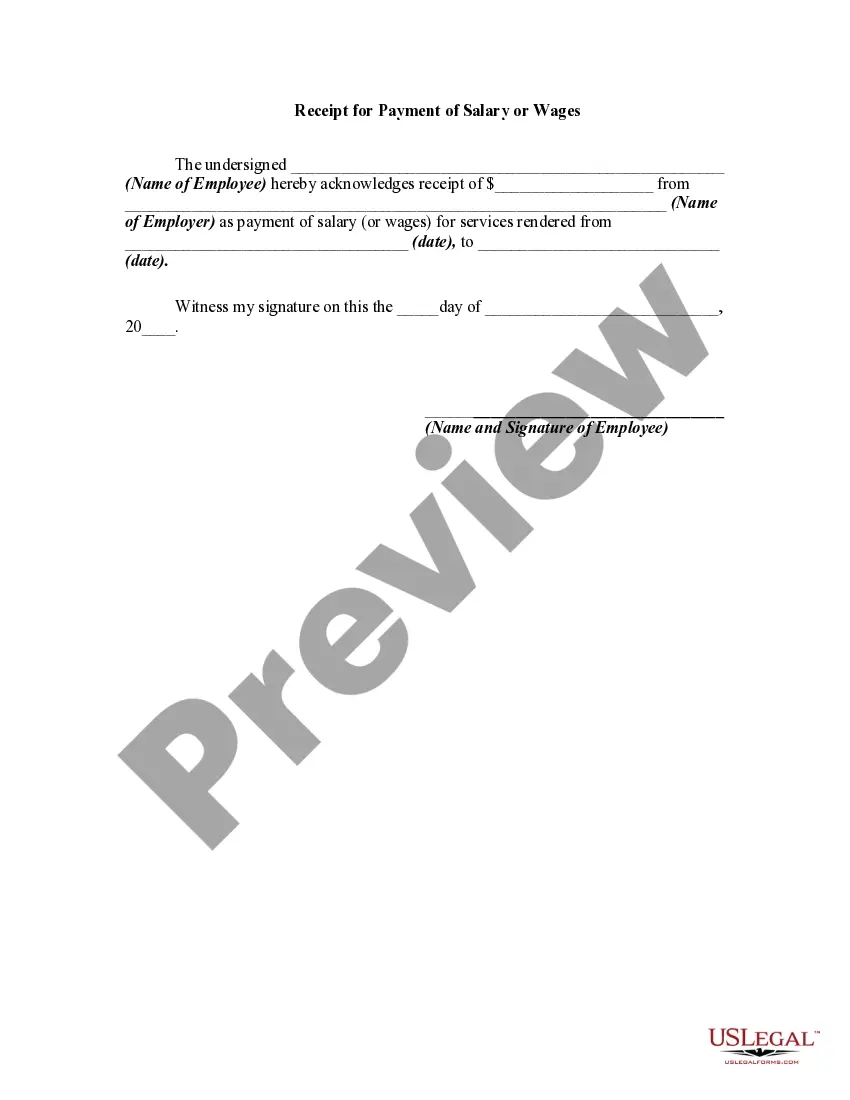
The Receipt for Money Paid or Expenses Incurred on Behalf of Payor's Children is a document that serves as a formal acknowledgment of payment made by a parent or guardian for expenses incurred for their children. This form is essential for providing proof of transactions, distinguishing it from other general receipt forms by focusing specifically on expenditures related to children. It fixes both accountability and transparency in financial dealings concerning minors.
Key components of this form
- Name of the parent or payor providing the payment
- Details of the children for whom the expenses were incurred
- A description and amount of each expense
- Date or dates the expenses were incurred
- The signature of the person acknowledging the receipt
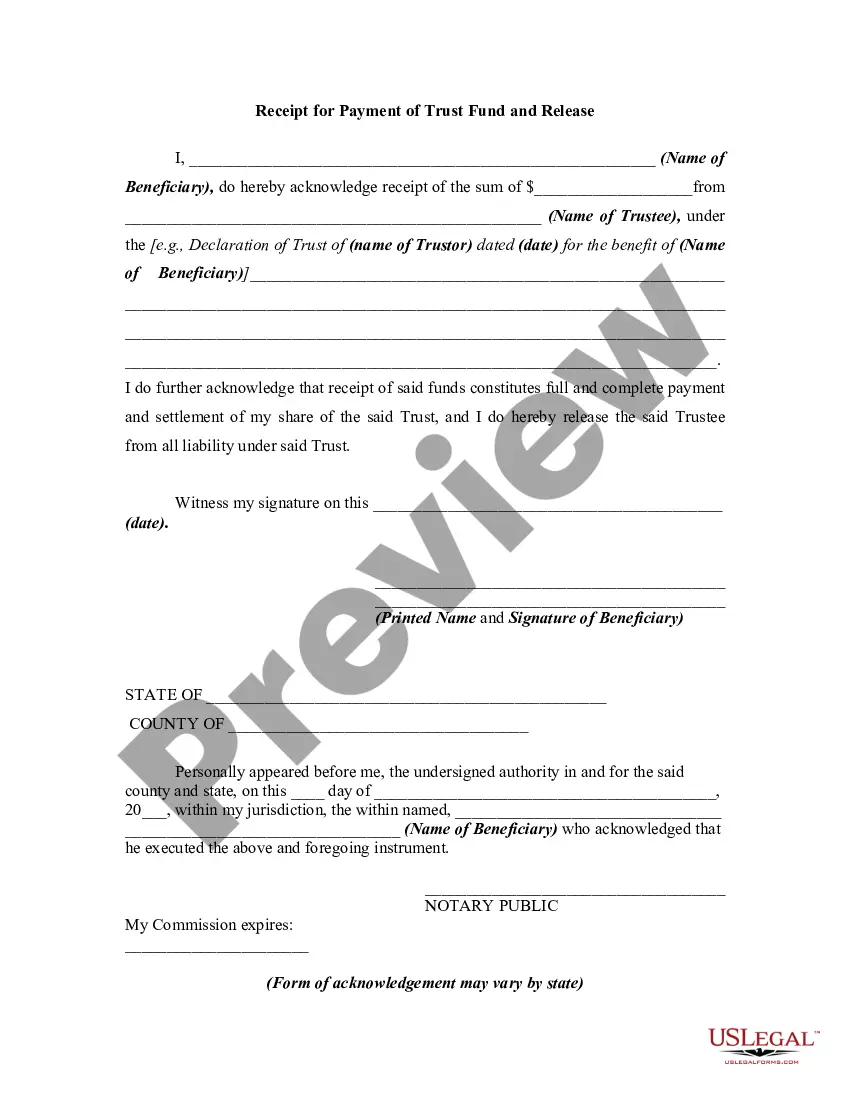
- Notary section for formal verification, if required
Common use cases
This form is useful when a parent or guardian pays for specific expenses related to their children, such as medical bills, educational fees, or childcare costs. It is important when clarity is needed on who paid for the expenses and for what purpose, particularly in cases involving custody or financial disputes.
Intended users of this form
- Parents or guardians who wish to document expenses paid on behalf of their children
- Individuals involved in custody arrangements seeking to maintain accurate records of financial contributions
- Childcare providers or educators needing to acknowledge payments made by parents
How to complete this form
- Identify the parent or payor's name and enter it in the designated field.
- List the names of the children for whom the expenditures were incurred.
- Enter the date or dates when the expenses occurred.
- Detail each expenditure, including the amount and recipient of the payment.
- Sign the document and include the date of signing.
- If notarization is required, proceed with the notary section to complete the form.
Does this form need to be notarized?
This form must be notarized to be legally valid. US Legal Forms provides secure online notarization powered by Notarize, allowing you to complete the process through a verified video call.
Get your form ready online
Our built-in tools help you complete, sign, share, and store your documents in one place.
Make edits, fill in missing information, and update formatting in US Legal Forms—just like you would in MS Word.
Download a copy, print it, send it by email, or mail it via USPS—whatever works best for your next step.
Sign and collect signatures with our SignNow integration. Send to multiple recipients, set reminders, and more. Go Premium to unlock E-Sign.
If this form requires notarization, complete it online through a secure video call—no need to meet a notary in person or wait for an appointment.
We protect your documents and personal data by following strict security and privacy standards.

Make edits, fill in missing information, and update formatting in US Legal Forms—just like you would in MS Word.

Download a copy, print it, send it by email, or mail it via USPS—whatever works best for your next step.

Sign and collect signatures with our SignNow integration. Send to multiple recipients, set reminders, and more. Go Premium to unlock E-Sign.

If this form requires notarization, complete it online through a secure video call—no need to meet a notary in person or wait for an appointment.

We protect your documents and personal data by following strict security and privacy standards.
Common mistakes
- Failing to include all relevant details of the expenditures.
- Omitting signatures, which invalidates the receipt.
- Not providing accurate names of the children benefitting from the payments.
- Leaving the date fields blank, which can lead to confusion about when the expenses were incurred.
Why use this form online
- Convenient access to legally vetted templates tailored to your needs.
- Editable format allows for easy personalization according to specific expenditures.
- Quick download ensures you can obtain your receipt instantly.
Summary of main points
- This form serves as a formal acknowledgment of payments made on behalf of children's expenses.
- It is crucial for record-keeping and clarity in financial transactions involving minors.
- Users should ensure all sections are properly completed and notarized when necessary.
Looking for another form?




Form popularity
FAQ
A bill is something you, as a customer must pay. A bill is an invoice in that it has the itemized list of products sold or services provided, along with the amount of money owed for each item, and a total amount owed.In other words, an invoice is sent, and a bill is received.
Write down the payment method and the customer's name. On the last line of the receipt write the customer's full name. If they paid by credit card, have them sign the bottom of the receipt. Then, make a copy of the receipt and keep it for your records and hand the customer the original receipt.
PIA - Payment in advance. Net 7 - Payment seven days after invoice date. Net 10 - Payment ten days after invoice date. Net 30 - Payment 30 days after invoice date. Net 60 - Payment 60 days after invoice date. Net 90 - Payment 90 days after invoice date. EOM - End of month.
An invoice is a payment demand issued by a seller to the buyer of goods or services, after the sale. It details what goods have been provided, or what work has been done, and how much must be paid in return.
The term 'Payable By Invoice' means a company bills their customer for the purchase of goods and services through invoice. The invoice includes important details like pricing for good received and services rendered, other costs, company information and a due date.
In the header section of the invoice, under Invoice Number and Invoice Date, create a line for Invoice Due. If you require payment before releasing goods or performing services, you might write, Payment due in advance. You might say that payment is Due upon receipt when the buyer receives the goods or when
The name and address of the business or individual receiving the payment. The name and address of the person making the payment. The date the payment was made. A receipt number. The amount paid. The reason for the payment. How the payment was made (credit card, cash, etc)
The date and time of the purchase. the number of items purchased and price totals. the name and location of the business the items have been bought from. Any VAT charged. method of payment. returns policy.
What Is a Payment Receipt? A payment receipt, also referred to as a receipt for payment, is an accounting document that a business provides its customer as proof of full or partial payment toward a product or service. Payment receipts typically include the following information about the transaction: Business name.