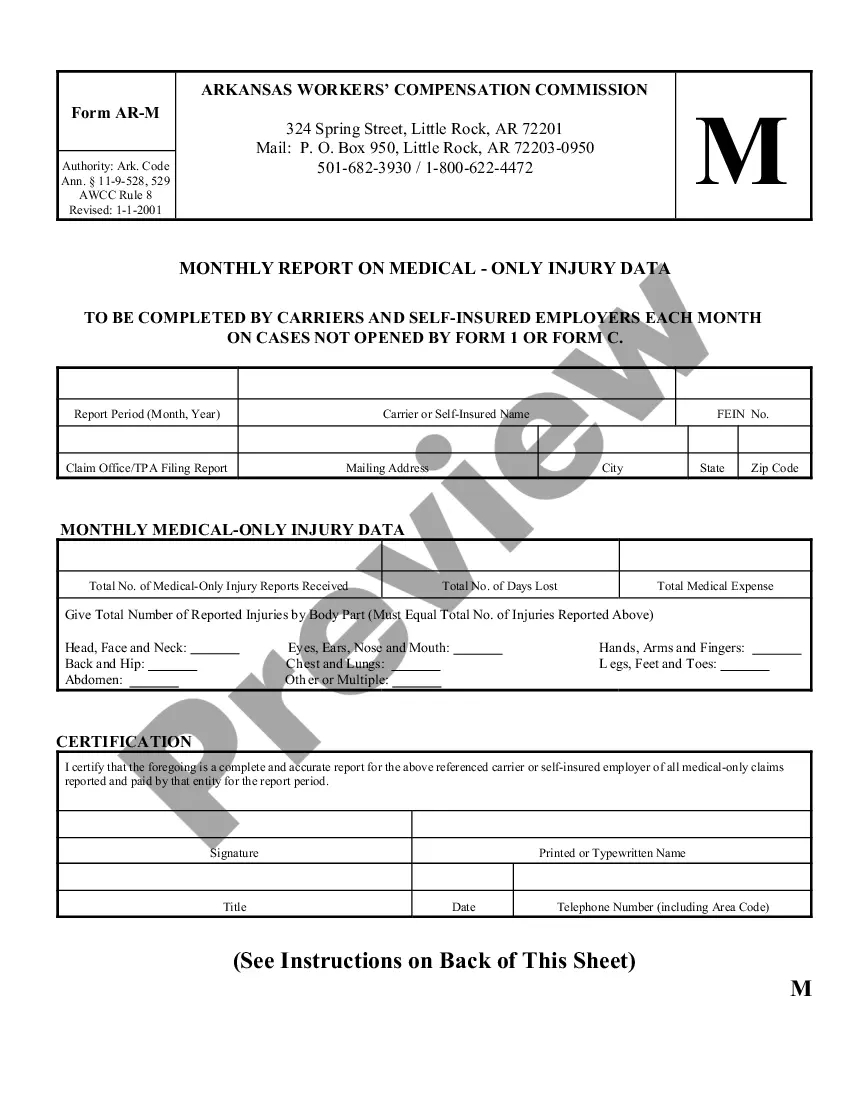
Agreement of Sub-Tenant and Waiver of Liability in Favor of Tenant
Understanding this form
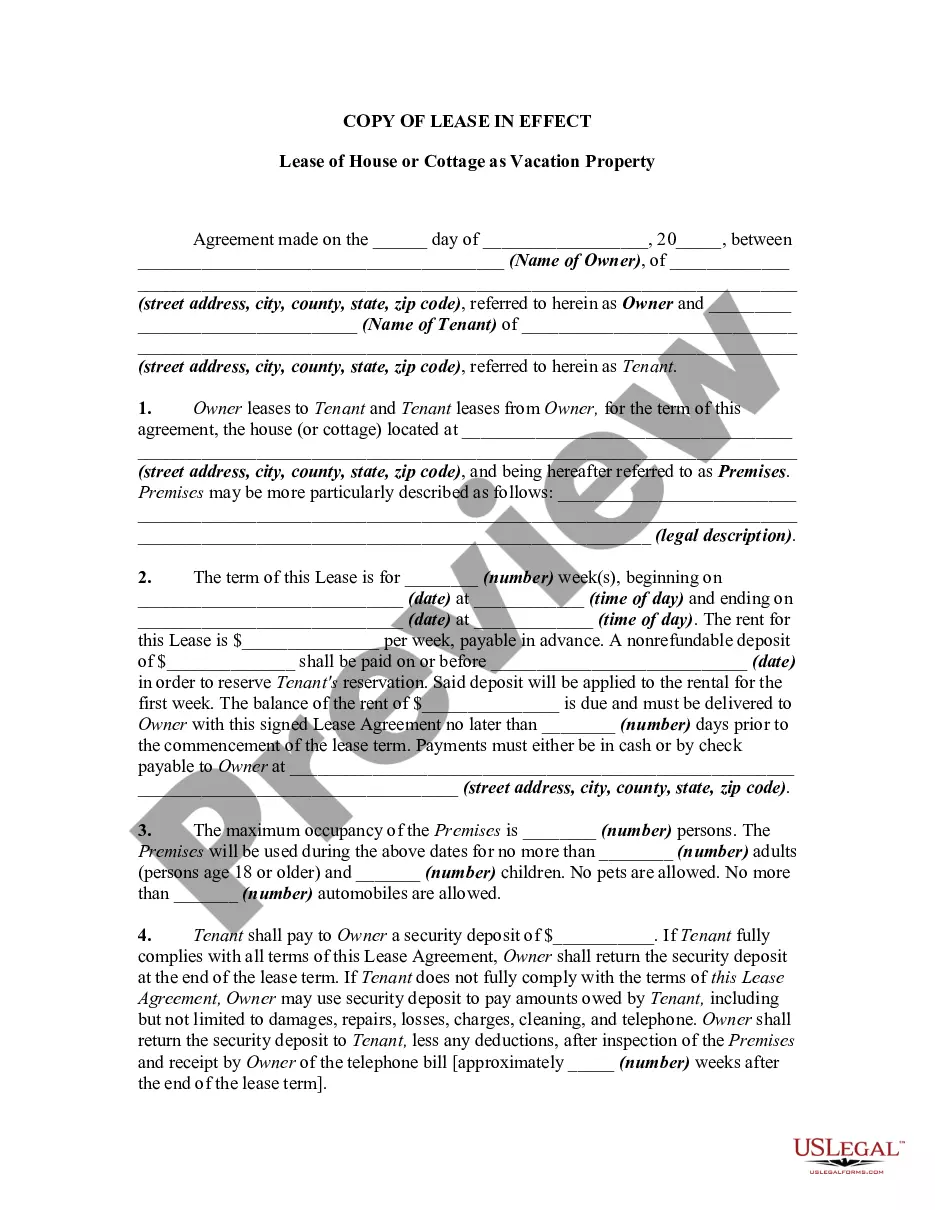
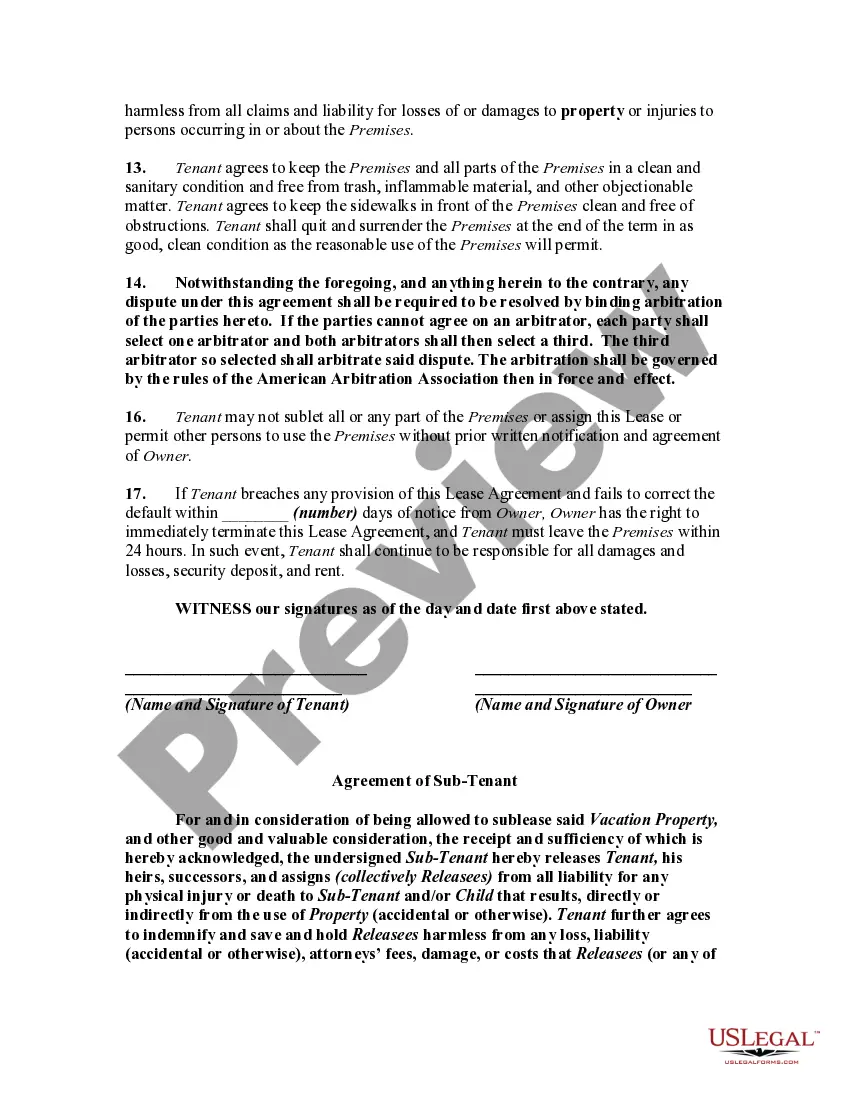
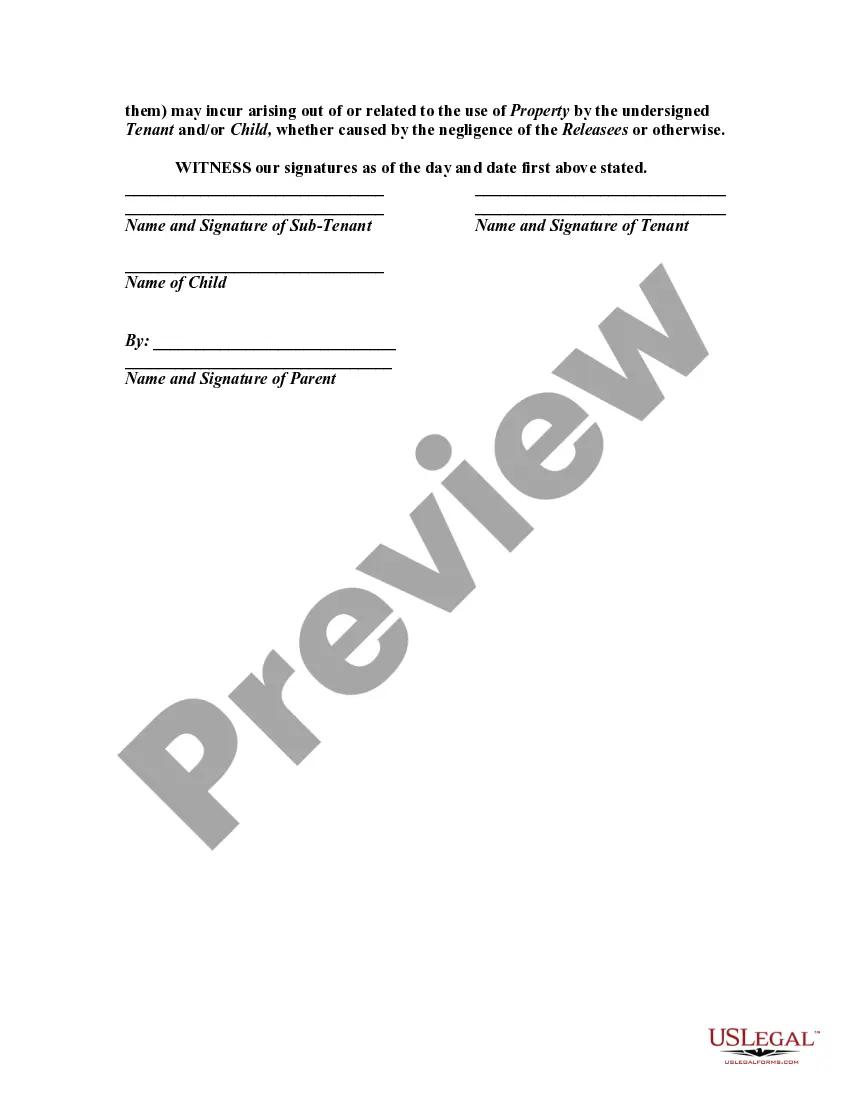
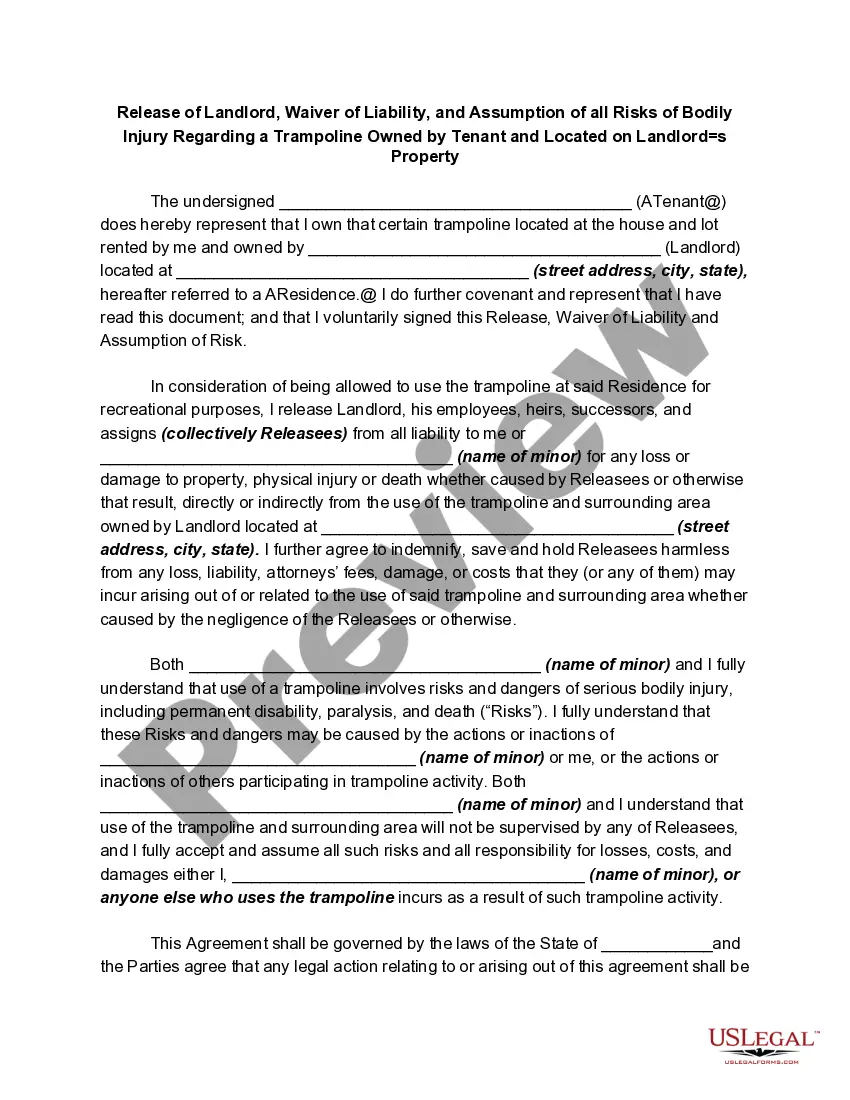
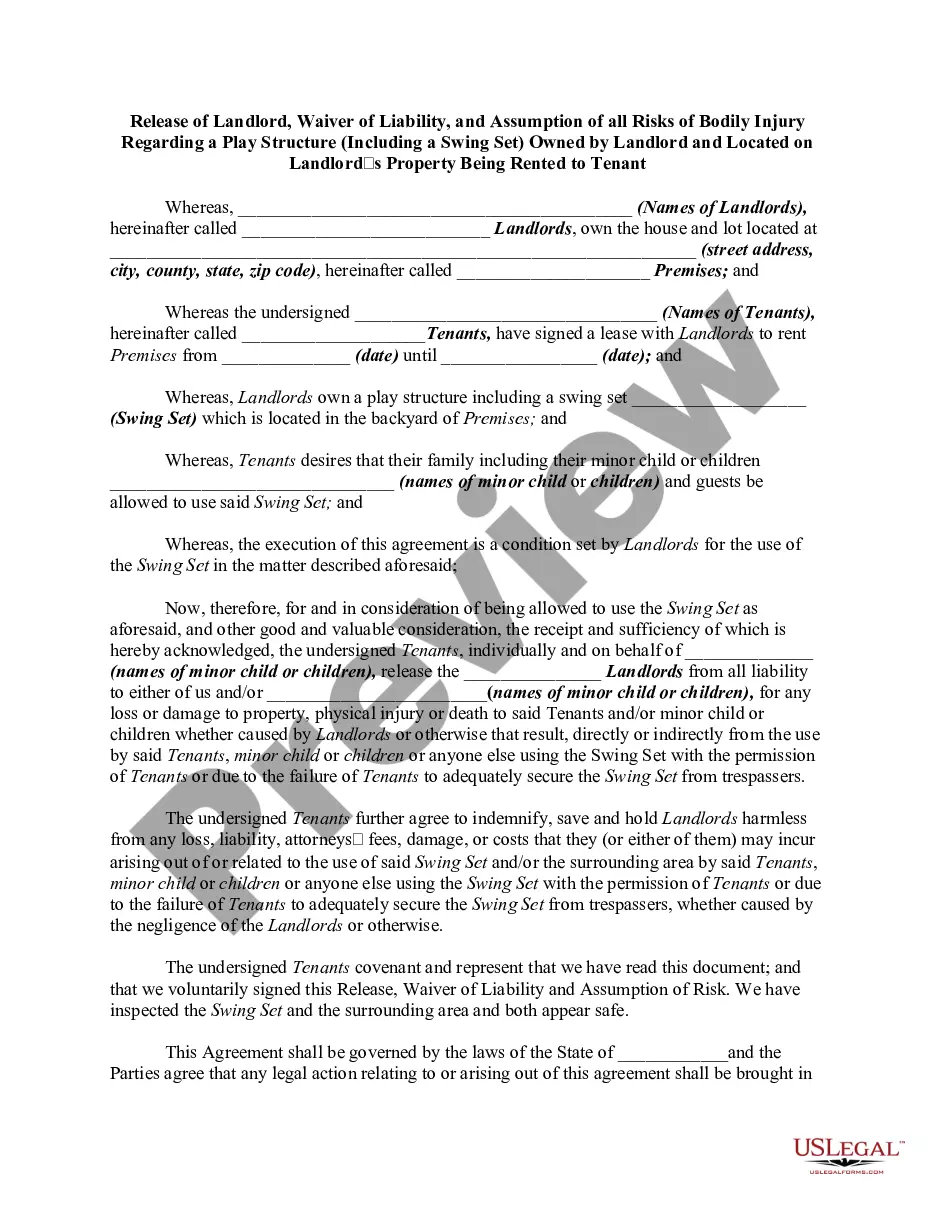
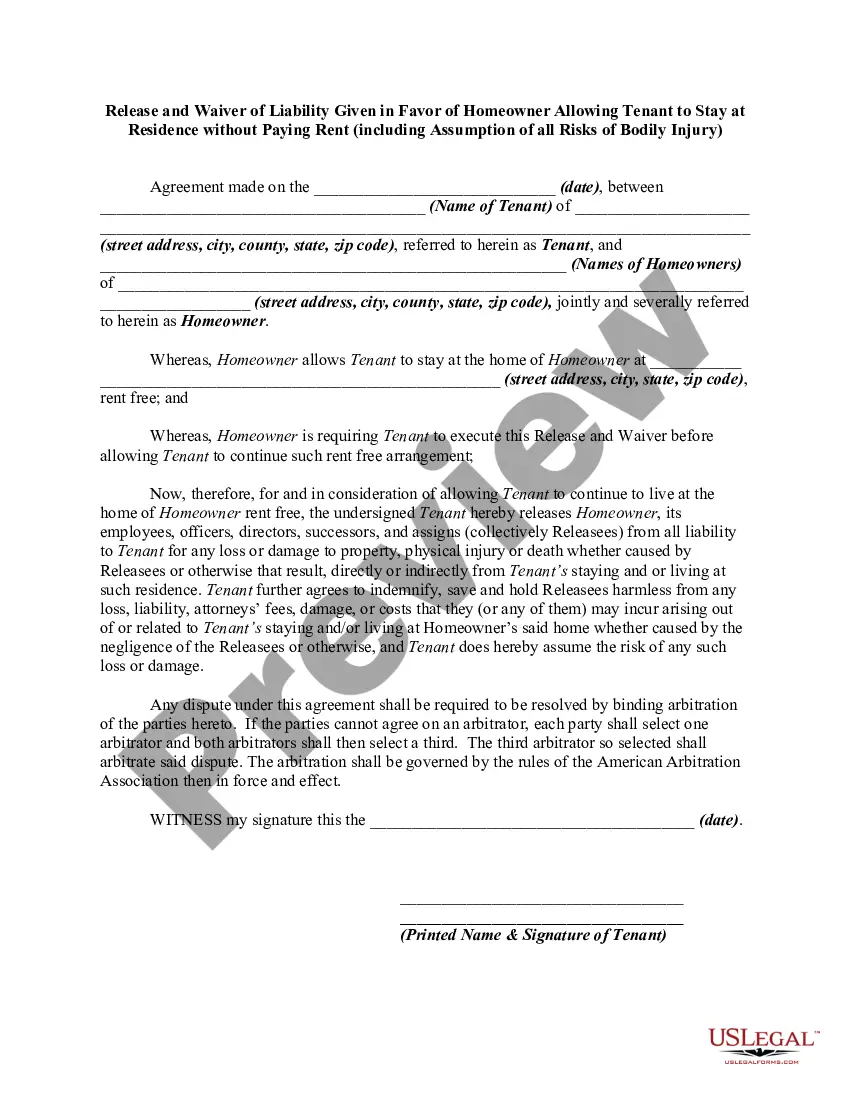
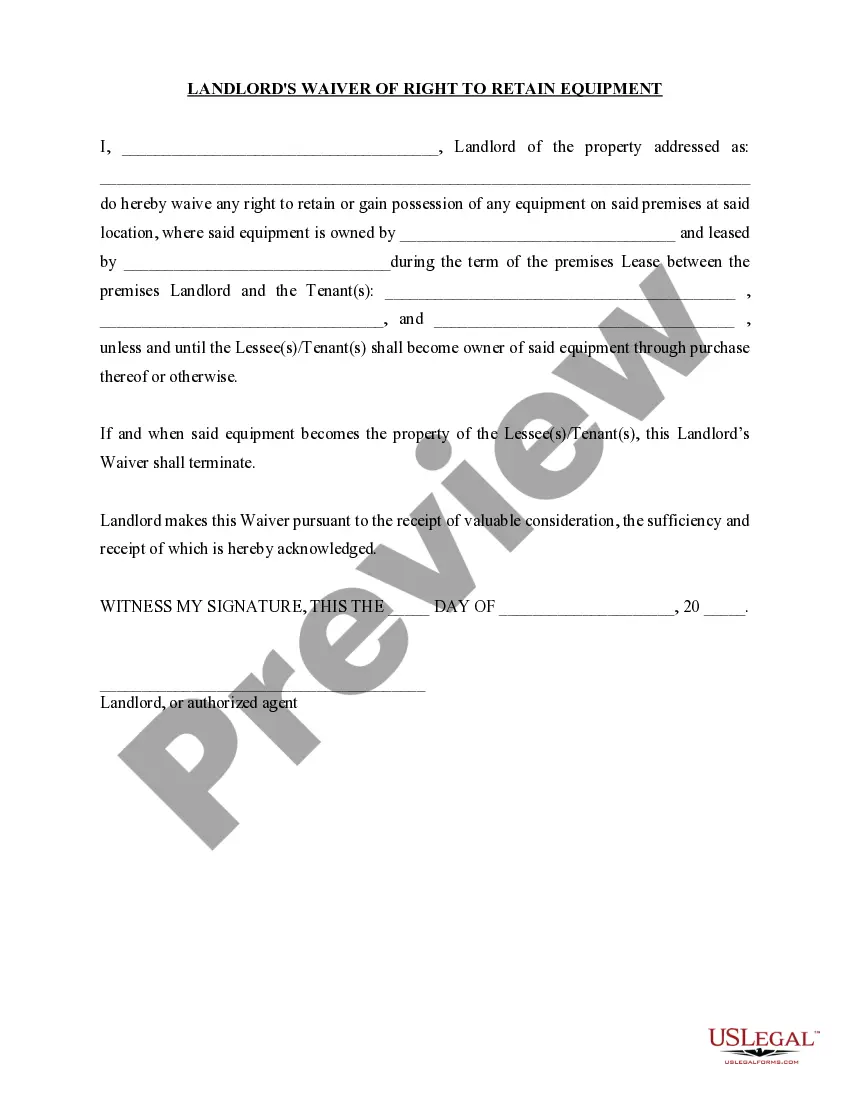
The Agreement of Sub-Tenant and Waiver of Liability in Favor of Tenant is a crucial legal document used in rental agreements where a tenant wants to sublet the property to another individual. This form enables tenants to outline the terms under which they are allowing someone else, a sub-tenant, to occupy the premises. Importantly, it includes a waiver of liability, which protects the primary tenant from certain liabilities associated with the sub-tenant's use of the property. This form ensures all parties understand their rights and responsibilities, which differs from standard lease agreements that donât typically address subletting explicitly.
Key components of this form
- Identification of the parties involved: Owner, Tenant, and Sub-Tenant.
- Details of the property being leased, including the address and any specific legal descriptions.
- Term of the lease, including start and end dates, along with payment details.
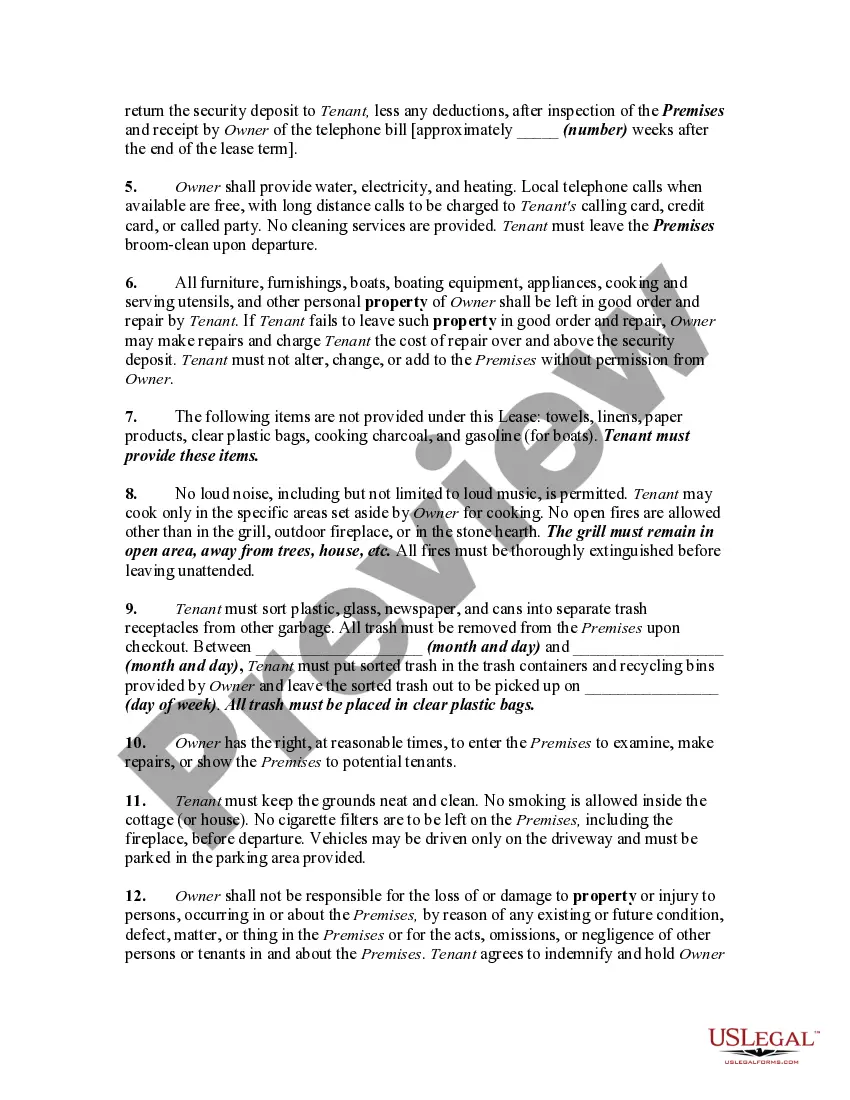
- Maximum occupancy and restrictions on pets and vehicle parking.
- Security deposit terms and conditions for its return.
- Indemnification clause protecting the Owner from liabilities related to the property's use.

When this form is needed
This form is typically used when a tenant wishes to sublease a property they are renting. It is especially useful in situations where the primary tenant cannot occupy the property for a period and wishes to ensure that the sub-tenant understands their responsibilities and waives any liability claims they might have against the primary tenant. This form should be used to create clarity in the arrangement, protect the primary tenant, and meet local regulations regarding subleasing.
Who should use this form
- Tenants who want to sublease their rented property to another individual.
- Sub-tenants looking to understand their rights and obligations while occupying a leased space.
- Landlords or property owners requiring a formal agreement for subletting arrangements.
How to prepare this document
- Identify and enter the full legal names and addresses of the Owner and Tenant.
- Specify the property address and include a legal description if applicable.
- Fill in the lease term, including the start and end dates, along with rental payment terms.
- Define the maximum number of occupants and any restrictions such as pets or vehicle parking.
- Ensure all parties sign and date the agreement to validate its enforceability.
Does this document require notarization?
This form does not typically require notarization unless specified by local law. It is important to check your state's regulations regarding the necessity of notarizing rental agreements and sublease documents.
Get your form ready online
Our built-in tools help you complete, sign, share, and store your documents in one place.
Make edits, fill in missing information, and update formatting in US Legal Forms—just like you would in MS Word.
Download a copy, print it, send it by email, or mail it via USPS—whatever works best for your next step.
Sign and collect signatures with our SignNow integration. Send to multiple recipients, set reminders, and more. Go Premium to unlock E-Sign.
If this form requires notarization, complete it online through a secure video call—no need to meet a notary in person or wait for an appointment.
We protect your documents and personal data by following strict security and privacy standards.

Make edits, fill in missing information, and update formatting in US Legal Forms—just like you would in MS Word.

Download a copy, print it, send it by email, or mail it via USPS—whatever works best for your next step.

Sign and collect signatures with our SignNow integration. Send to multiple recipients, set reminders, and more. Go Premium to unlock E-Sign.

If this form requires notarization, complete it online through a secure video call—no need to meet a notary in person or wait for an appointment.

We protect your documents and personal data by following strict security and privacy standards.
Common mistakes to avoid
- Failing to specify the property address accurately.
- Not clearly defining the terms of the lease, including payment deadlines.
- Overlooking the maximum occupancy limits or pet restrictions.
- Missing signatures from all parties involved in the agreement.
Advantages of online completion
- Convenient access: Downloadable and editable on your device.
- Legal assurance: Templates crafted by licensed attorneys ensure compliance with common legal standards.
- Speedy processing: Quickly fill out and customize the form to meet your needs without delays.
Summary of main points
- The agreement protects both the primary tenant and the sub-tenant by documenting the terms of the sublease.
- The waiver of liability is a crucial clause that safeguards the tenant from potential legal claims.
- Always ensure compliance with local rental laws when using this form.
Looking for another form?


Form popularity
FAQ
Writing Your Sublease. State the name of the parties and the date of the contract. Identify the full names of each party and what their role is in the contract. The original leaseholder of the property is the Tenant and the person subletting the property is the Subtenant.
A Residential Sublease is a legally binding contract made between the original tenant of a rental property (sublandlord) and a new tenant (also known as a subtenant or a sublessee). The sublease gives the subtenant the right to share or to take over the rented premises from the original tenant.
Secure and flexible tenants have a legal right to sublet part of their home with their landlord's written permission. If you sublet part of your home without permission, you are in breach of your tenancy agreement. Your landlord cannot unreasonably withhold its consent to a request to sublet part of your home.
Subleasing occurs when the tenant transfers a part of their legal tenancy to a third-party as a new tenant.That means that if a new subtenant does not pay rent for three months, the original tenant that subleased the property is liable to the landlord for the overdue rent amount and any late fees.
The names of the parties (the tenant, the subtenant and the landlord); information of the master/original lease; the term of the sublease and whether the sublease is fixed or periodic; and. the amount of rent payable (if different from the master lease).
On your sublease agreement, include a list of various areas of the property (including the subtenant's room, hardwood floors, walls, exterior, etc.) and note its condition. And since you and your subtenant will need to abide by the original lease that you signed, it's important to include this with your sublease.
Record a liability calculated as the present value of the remaining minimum lease payments due under the original (head) lease, reduced by the present value of any estimated sublease income, Write off the deferred rent from the original lease, and. Record a loss on the income statement for the difference.