Power of Attorney to Receive and Endorse Checks
Overview of this form
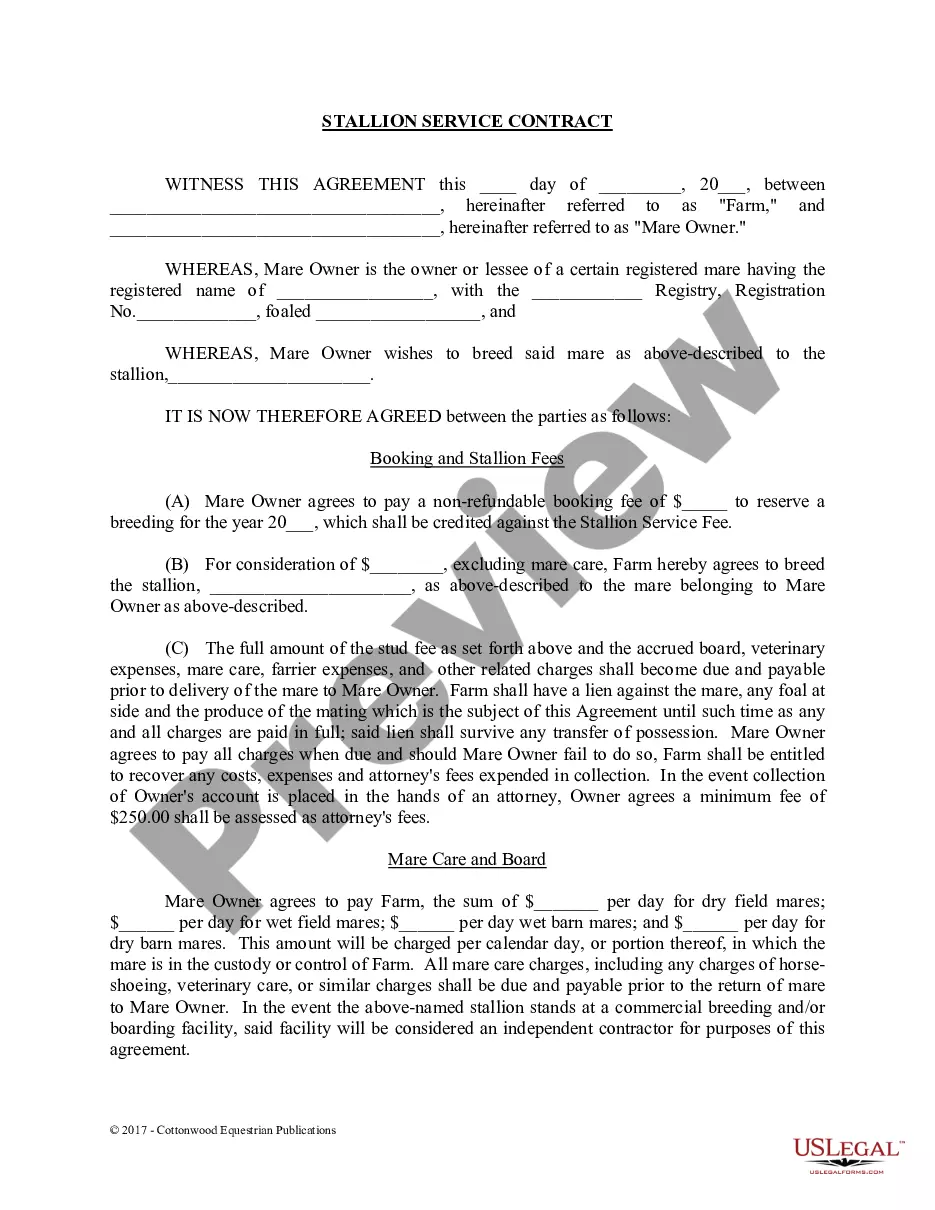
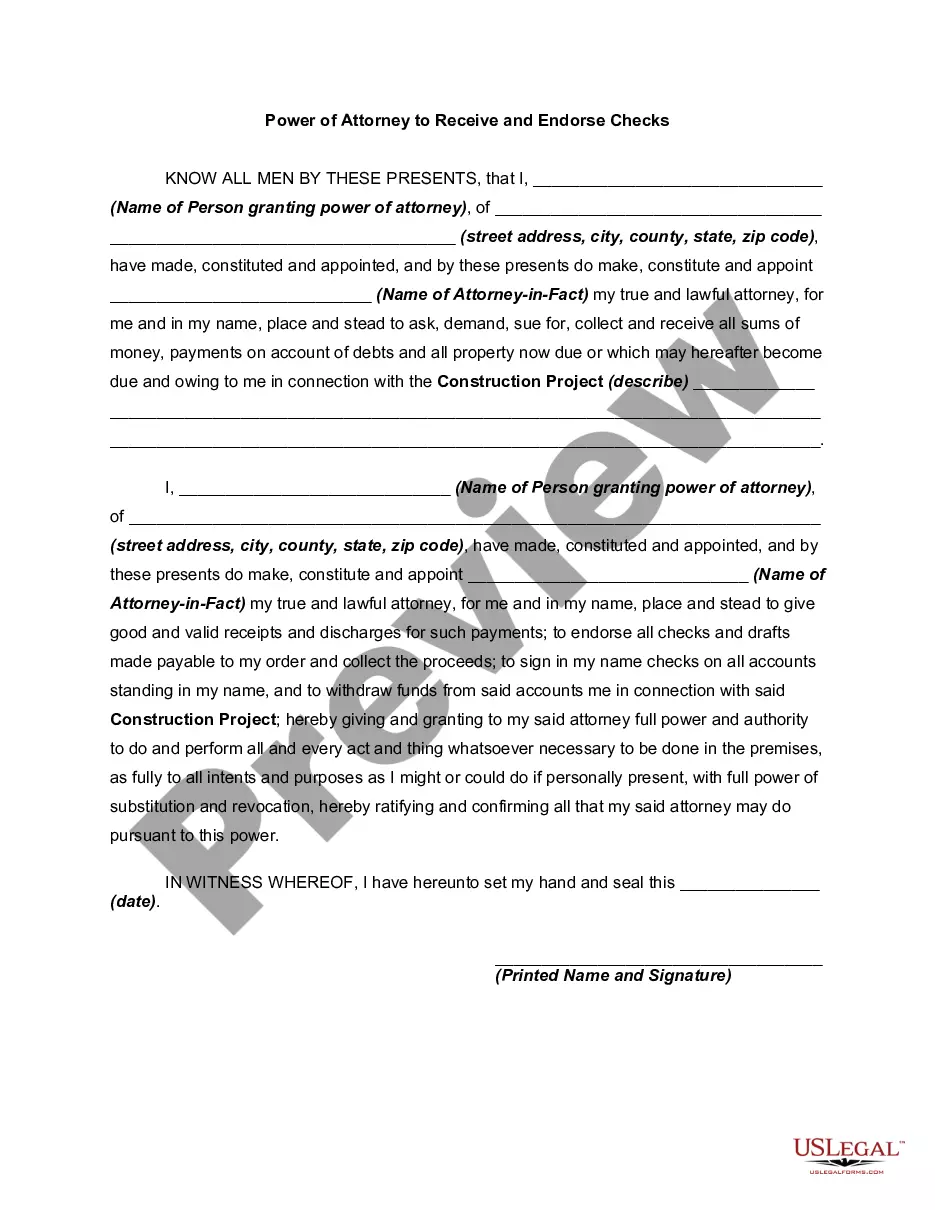
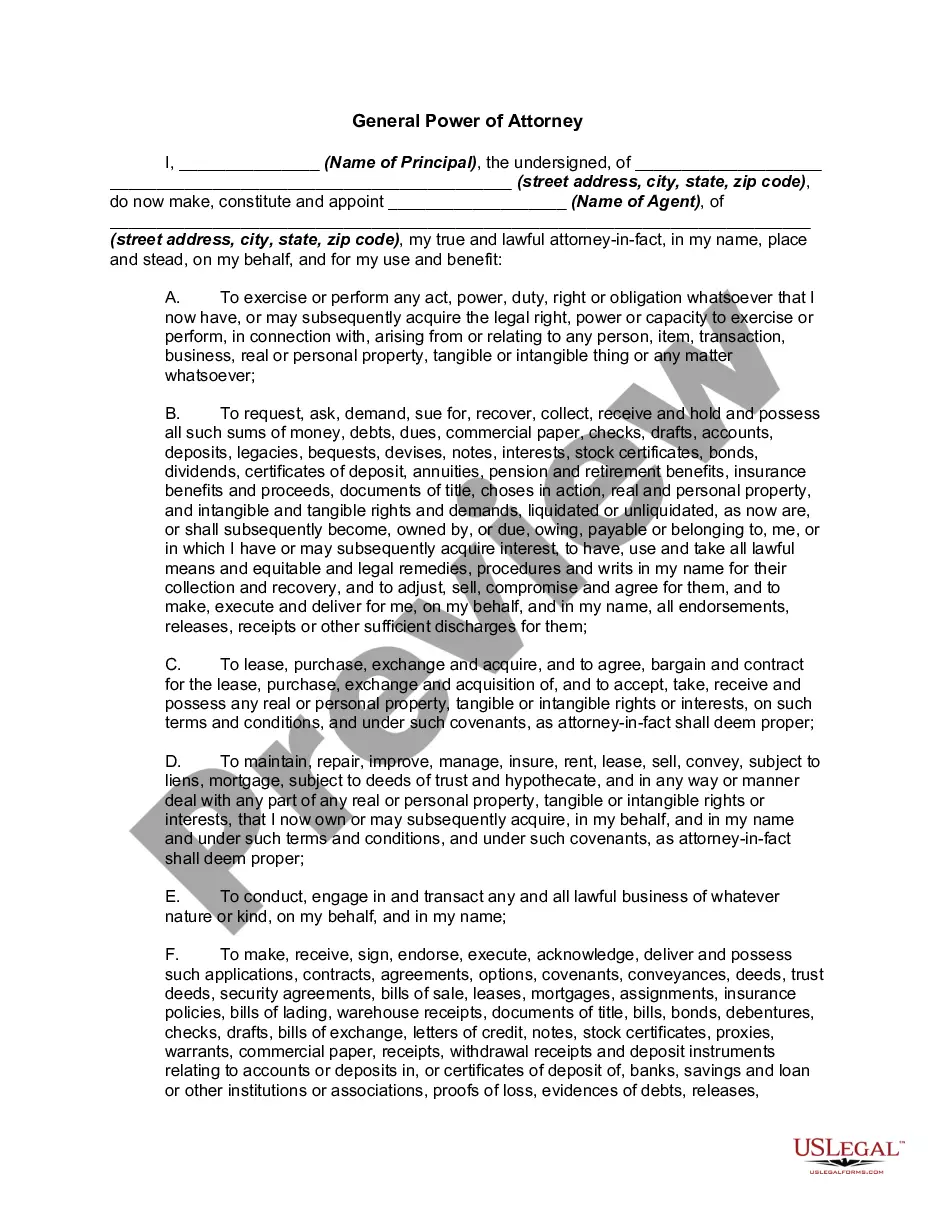
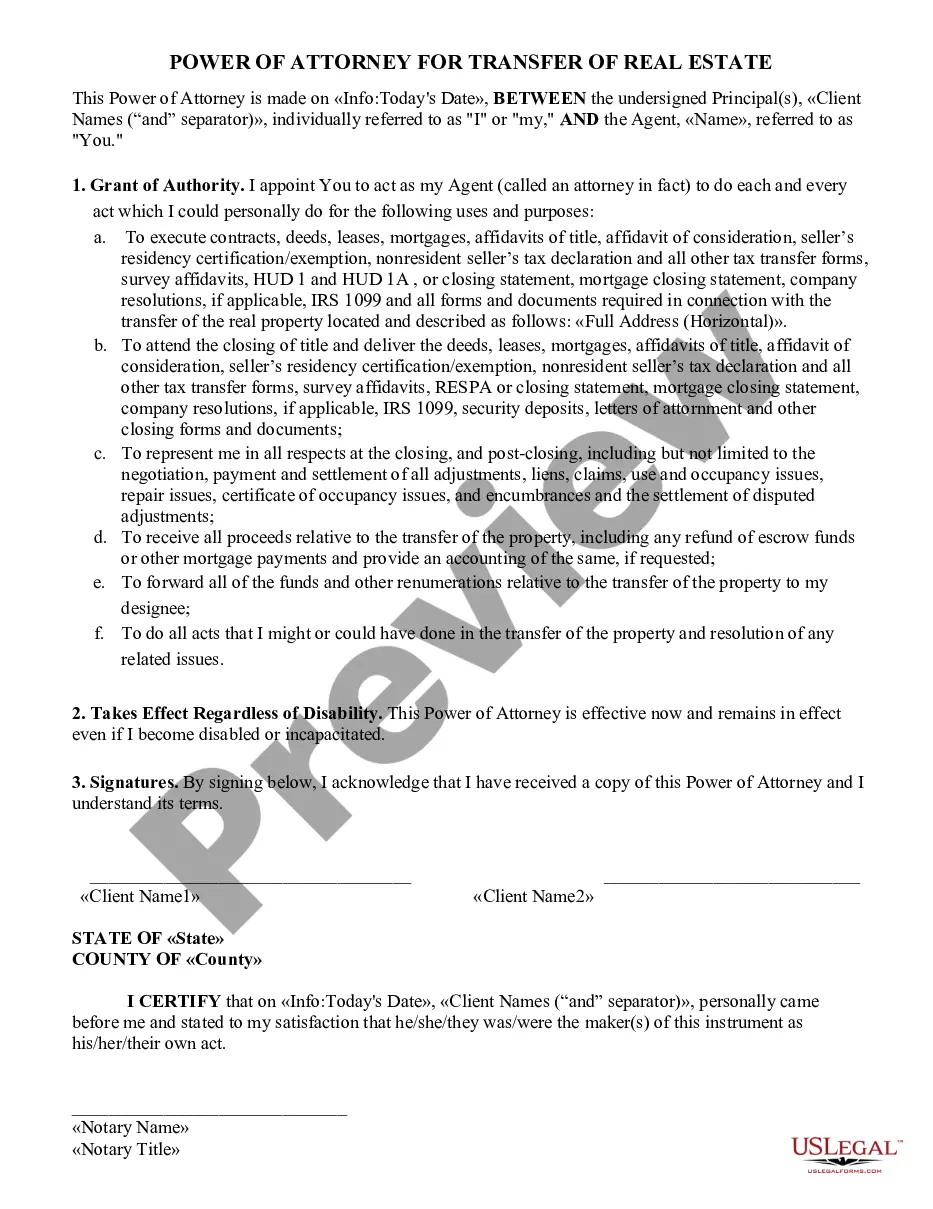
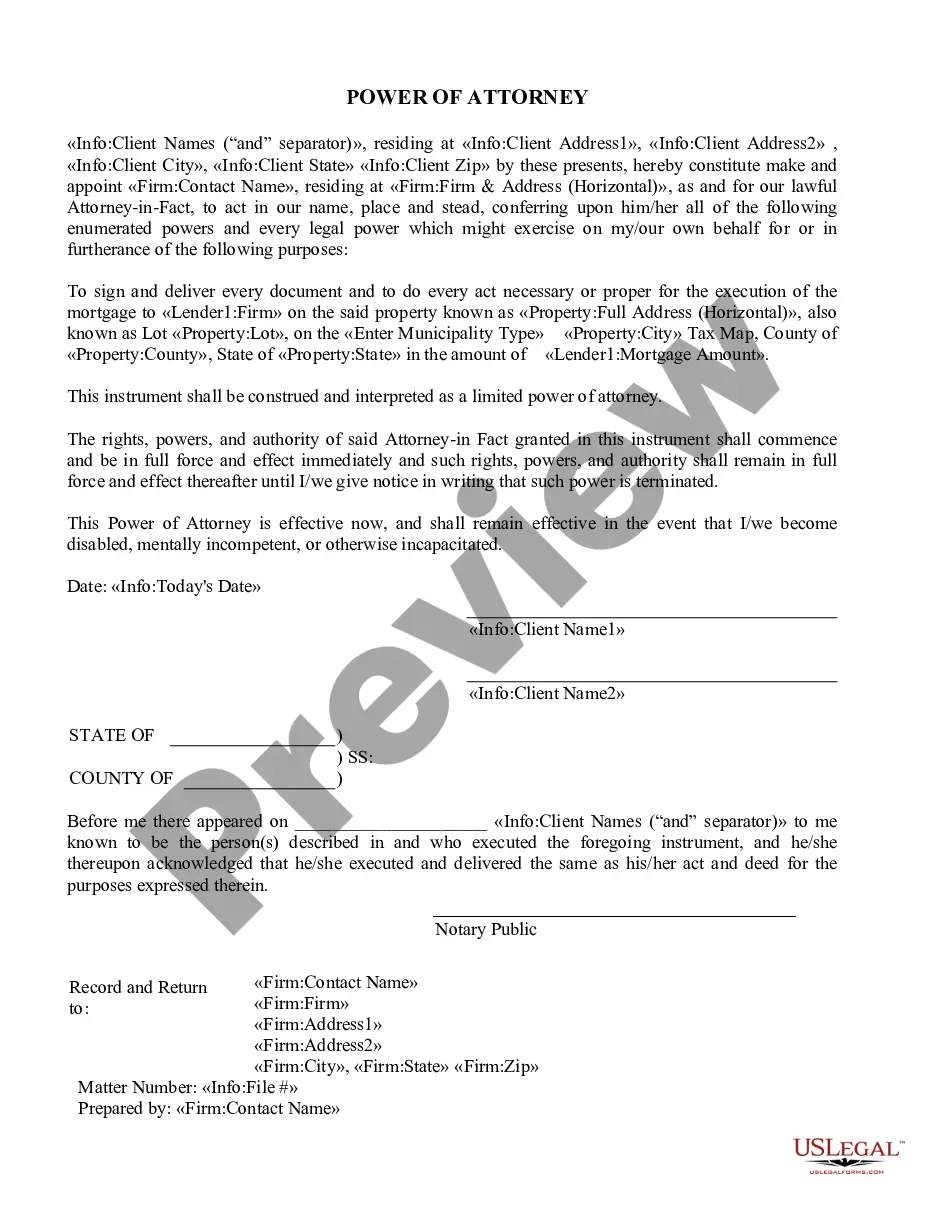
A Power of Attorney to Receive and Endorse Checks is a legal document that allows an individual, known as the principal, to designate another person, called the Attorney-in-Fact, to handle specific financial tasks on their behalf. This form is limited in scope, specifically authorizing the Attorney-in-Fact to receive, endorse, and collect checks related to a specified project, differing from general powers of attorney which grant broader authority.
Main sections of this form
- Principal's full name and address.
- Name of the Attorney-in-Fact being appointed.
- Description of the specific construction project related to the power granted.
- Grant of authority to endorse checks and receive payments.
- Signature of the principal and date of execution.
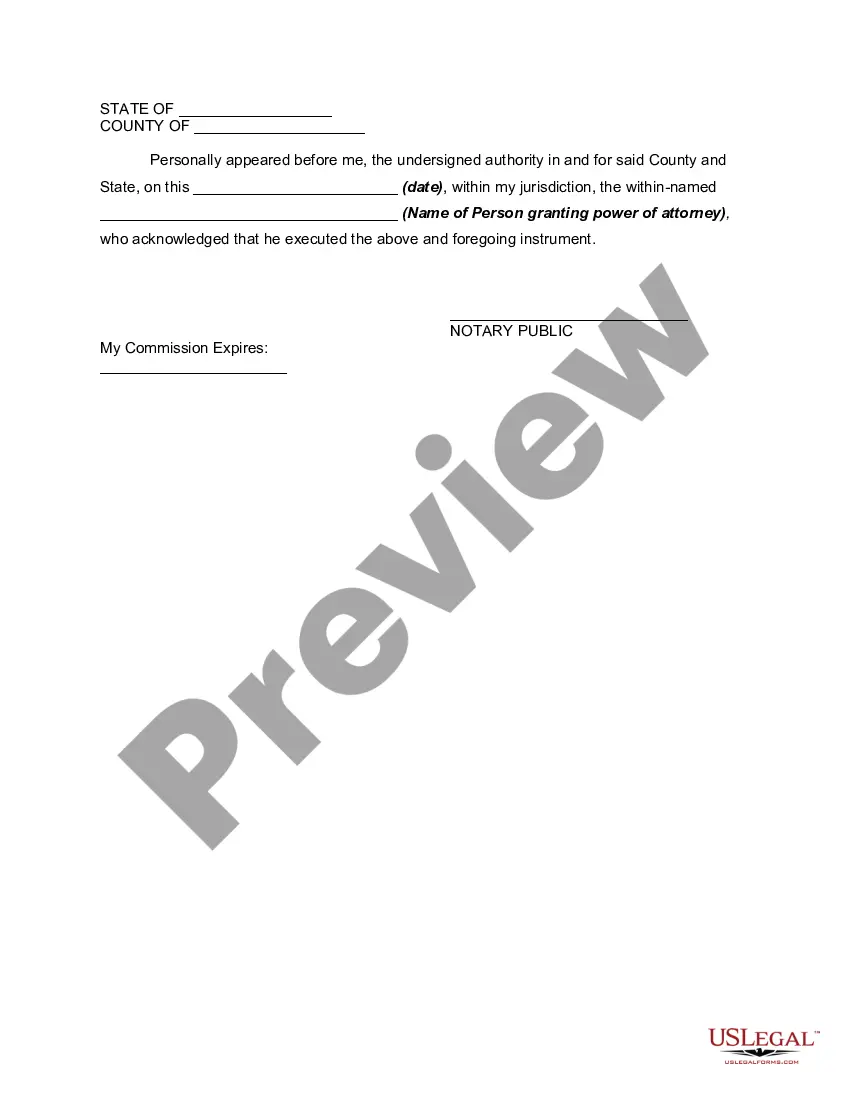
- Notarization section acknowledging the principal's execution of the document.
Common use cases
This form is particularly useful in situations where the principal is unable to physically collect checks or payments related to a construction project. It may be used when an individual is out of town, incapacitated, or otherwise occupied and needs a trusted person to handle these financial transactions in their place.
Who should use this form
This form is appropriate for:
- Individuals who require assistance managing financial tasks related to a construction project.
- Those who anticipate being unavailable to handle financial matters personally.
- Anyone looking to delegate financial authority to a trusted person for a specific purpose.
Steps to complete this form
- Identify and enter the full name and address of the principal.
- Enter the name of the Attorney-in-Fact who will be given authority.
- Clearly describe the construction project related to the checks being endorsed.
- Sign and date the document in the designated area.
- Have the document notarized when it is complete to ensure its legality.
Does this form need to be notarized?
This form needs to be notarized to ensure legal validity. US Legal Forms provides secure online notarization powered by Notarize, allowing you to complete the process through a verified video call, available anytime.
Get your form ready online
Our built-in tools help you complete, sign, share, and store your documents in one place.
Make edits, fill in missing information, and update formatting in US Legal Forms—just like you would in MS Word.
Download a copy, print it, send it by email, or mail it via USPS—whatever works best for your next step.
Sign and collect signatures with our SignNow integration. Send to multiple recipients, set reminders, and more. Go Premium to unlock E-Sign.
If this form requires notarization, complete it online through a secure video call—no need to meet a notary in person or wait for an appointment.
We protect your documents and personal data by following strict security and privacy standards.

Make edits, fill in missing information, and update formatting in US Legal Forms—just like you would in MS Word.

Download a copy, print it, send it by email, or mail it via USPS—whatever works best for your next step.

Sign and collect signatures with our SignNow integration. Send to multiple recipients, set reminders, and more. Go Premium to unlock E-Sign.

If this form requires notarization, complete it online through a secure video call—no need to meet a notary in person or wait for an appointment.

We protect your documents and personal data by following strict security and privacy standards.
Common mistakes to avoid
- Failing to provide a clear description of the construction project.
- Not having the document notarized, where required.
- Incompletely filling out the names and addresses of both the principal and Attorney-in-Fact.
- Not signing the document or providing the correct date.
Why use this form online
- Convenience of downloading and filling out the form at your own pace.
- Editability that allows for modifications before finalizing the document.
- Access to professionally drafted forms that meet legal standards.
Summary of main points
- The Power of Attorney to Receive and Endorse Checks is a limited authority document focused on financial transactions.
- It is essential for individuals needing to delegate specific financial tasks temporarily.
- Clear and specific instructions in the form are vital for its effectiveness.
- Notarization is a necessary step to ensure the form's legal validity.
Looking for another form?


Form popularity
FAQ
This is a limited power of attorney that lets an attorney-in-fact handle receiving and endorsing checks for a specific construction project. It lists the principal, the attorney-in-fact, and the project description, and authorizes endorsement and collection of payments. Use it when the principal is unavailable or needs help managing project finances.
Yes. The form grants the attorney-in-fact authority to endorse checks and receive payments related to the described project. The endorsement and any related actions must stay within the scope described in the document, and the principal's identity and the POA should be available if asked by a bank or other party.
Endorsing a check under this form is authorized by the grant of authority to endorse checks. Ensure you act within the specified project scope and be prepared to present the form as evidence of authority if required by the bank.
Banks may have their own policies about accepting limited POAs. Because this form limits authority to a specific construction project and to receiving and endorsing checks, some banks might require additional documents or verification. Always check with the bank and consider legal counsel if issues arise.
The form authorizes the attorney-in-fact to receive payments and endorse checks for the described project. It does not explicitly guarantee deposit rights, so check with the bank and, if needed, obtain appropriate authorization or legal advice to ensure deposits fall within the scope.
This is a limited POA, restricted to receiving and endorsing checks for a specific construction project. A general power of attorney would grant broader financial authority beyond that project and usually lacks the project description or the narrow scope enforced by this form.