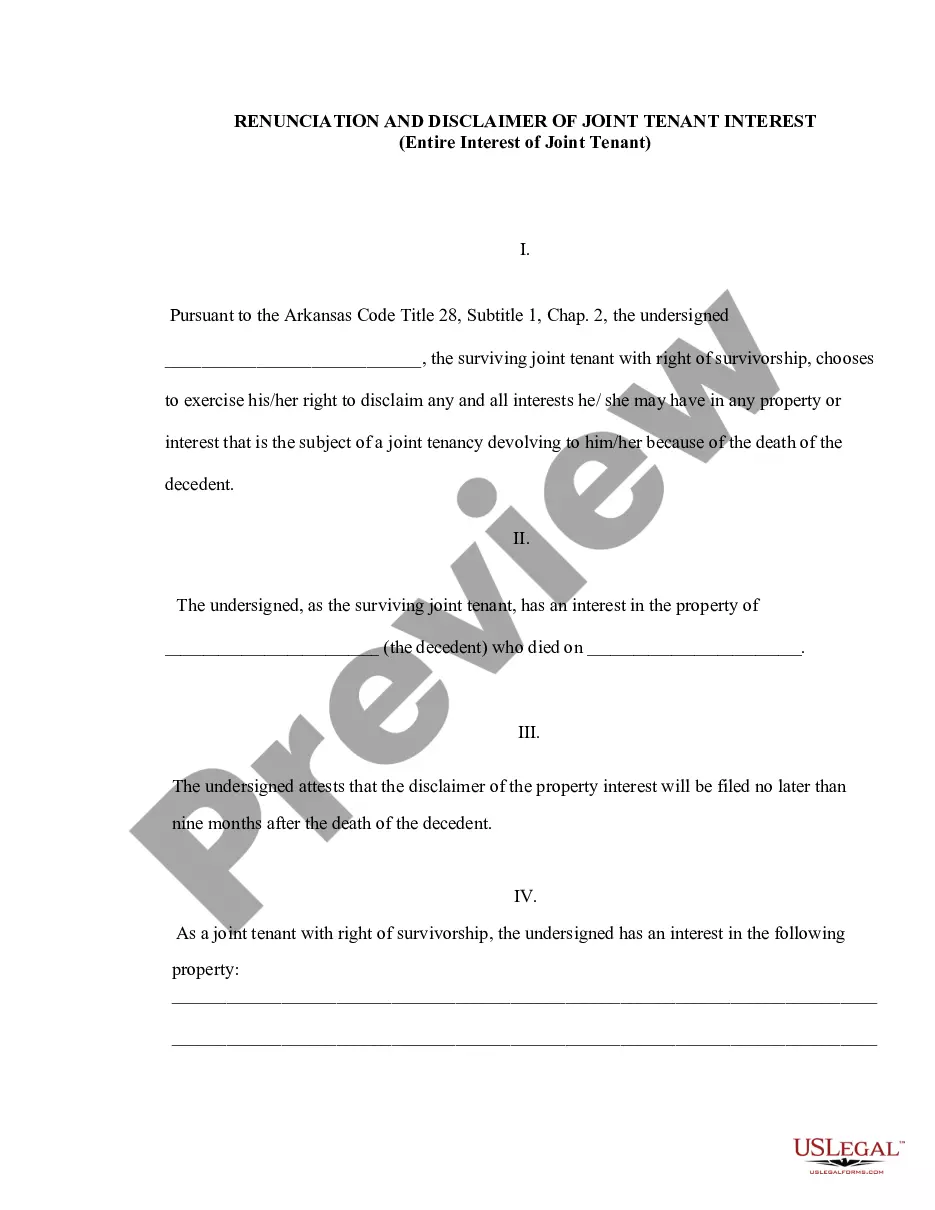
Employment Agreement with Vice President of Sales and Manufacturing of Company that Manufactures and Repairs Motorcycles
What this document covers
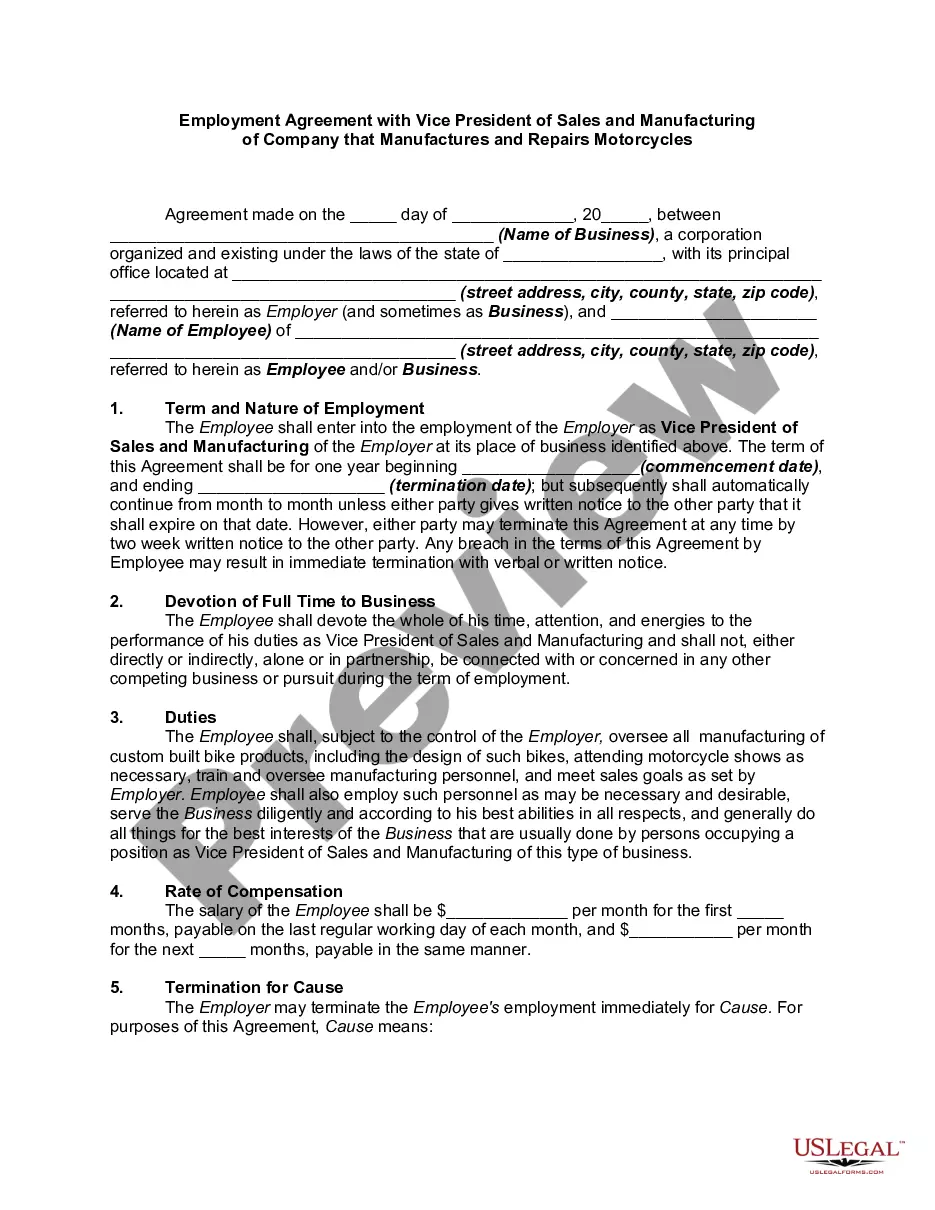
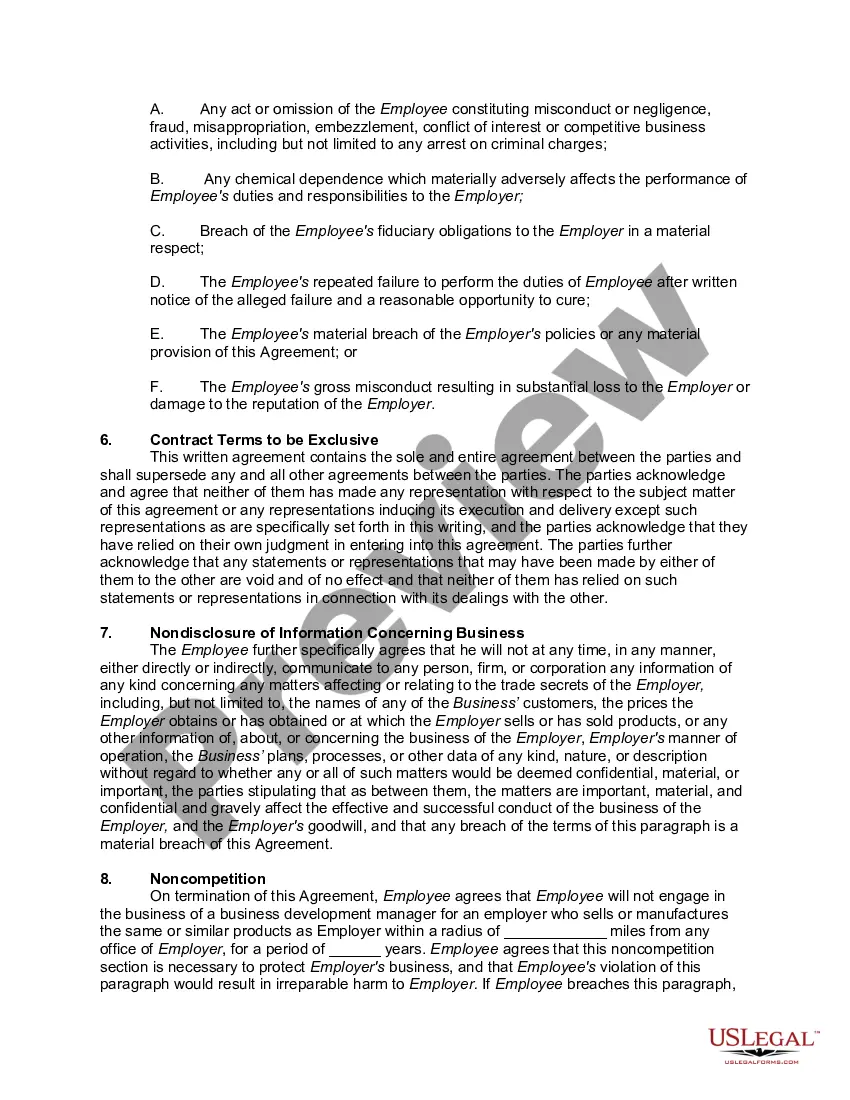
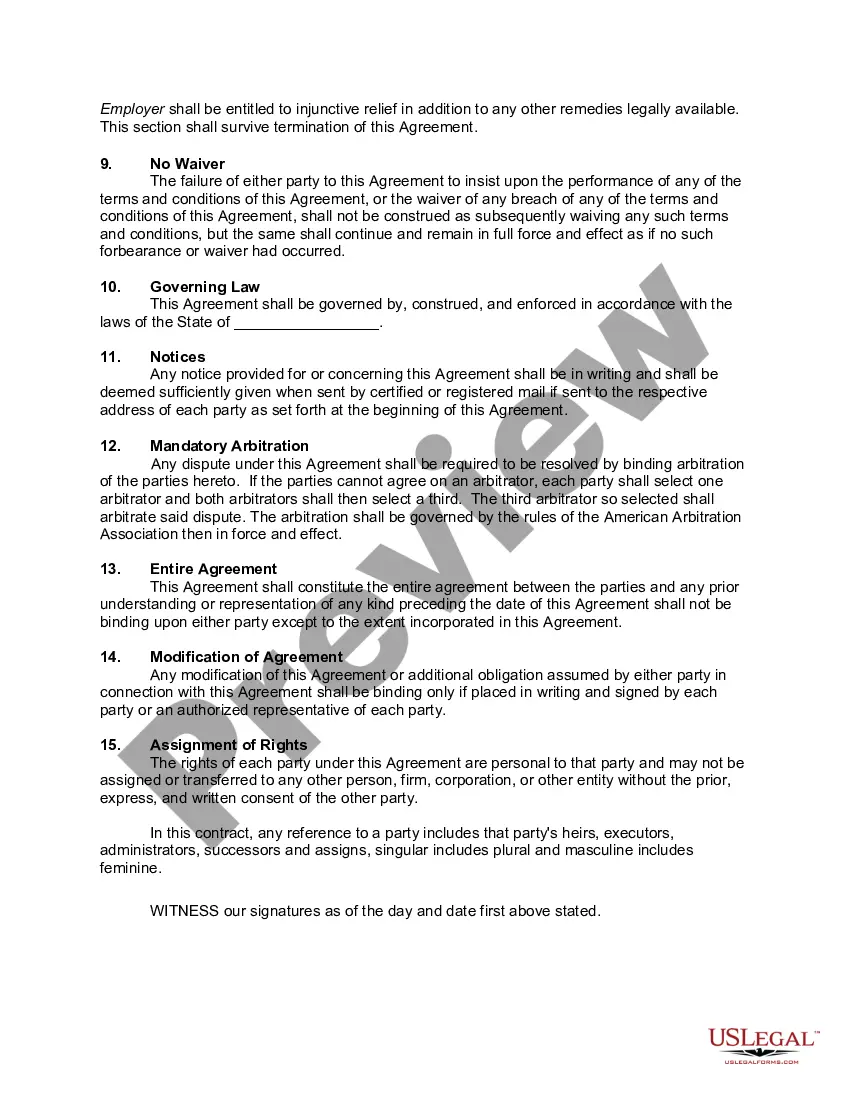
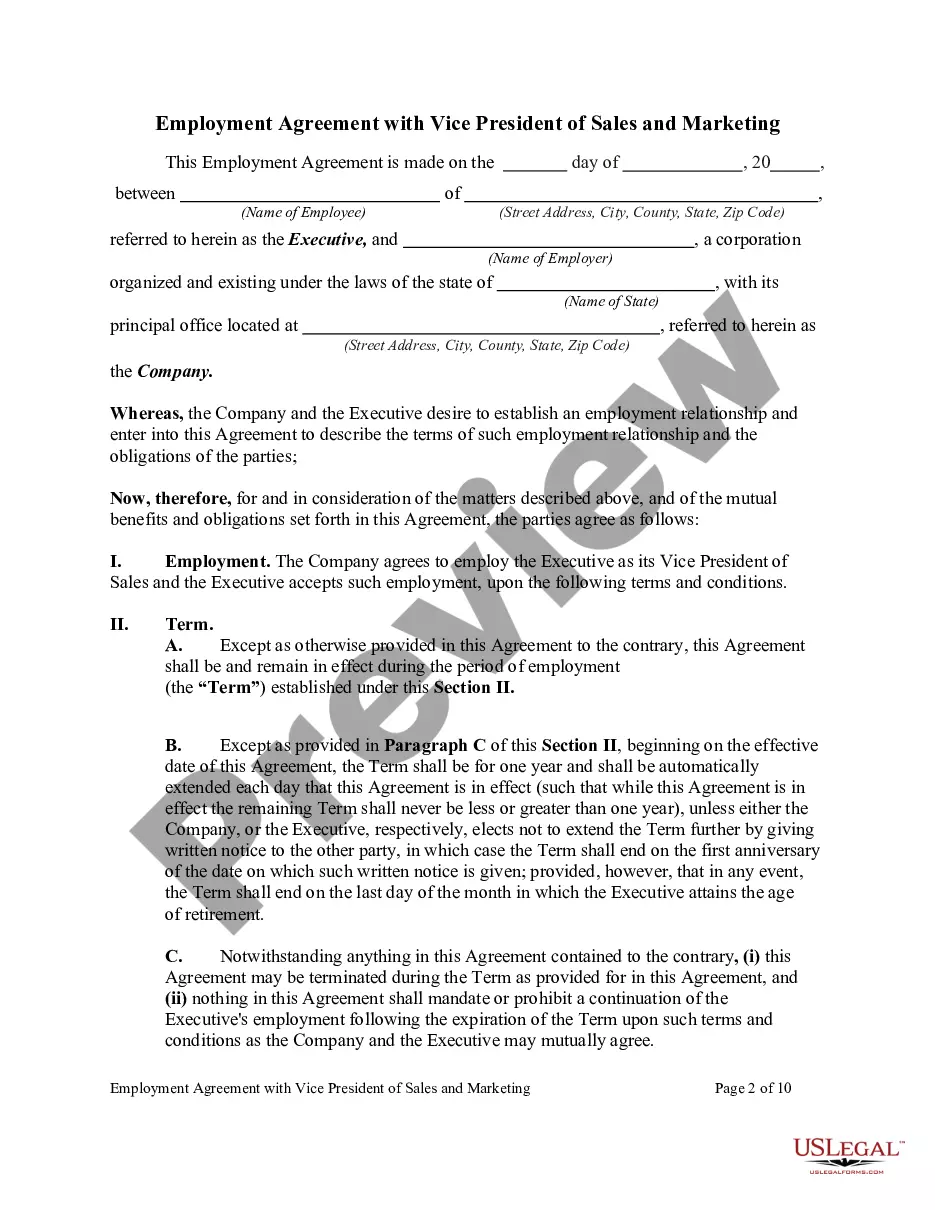
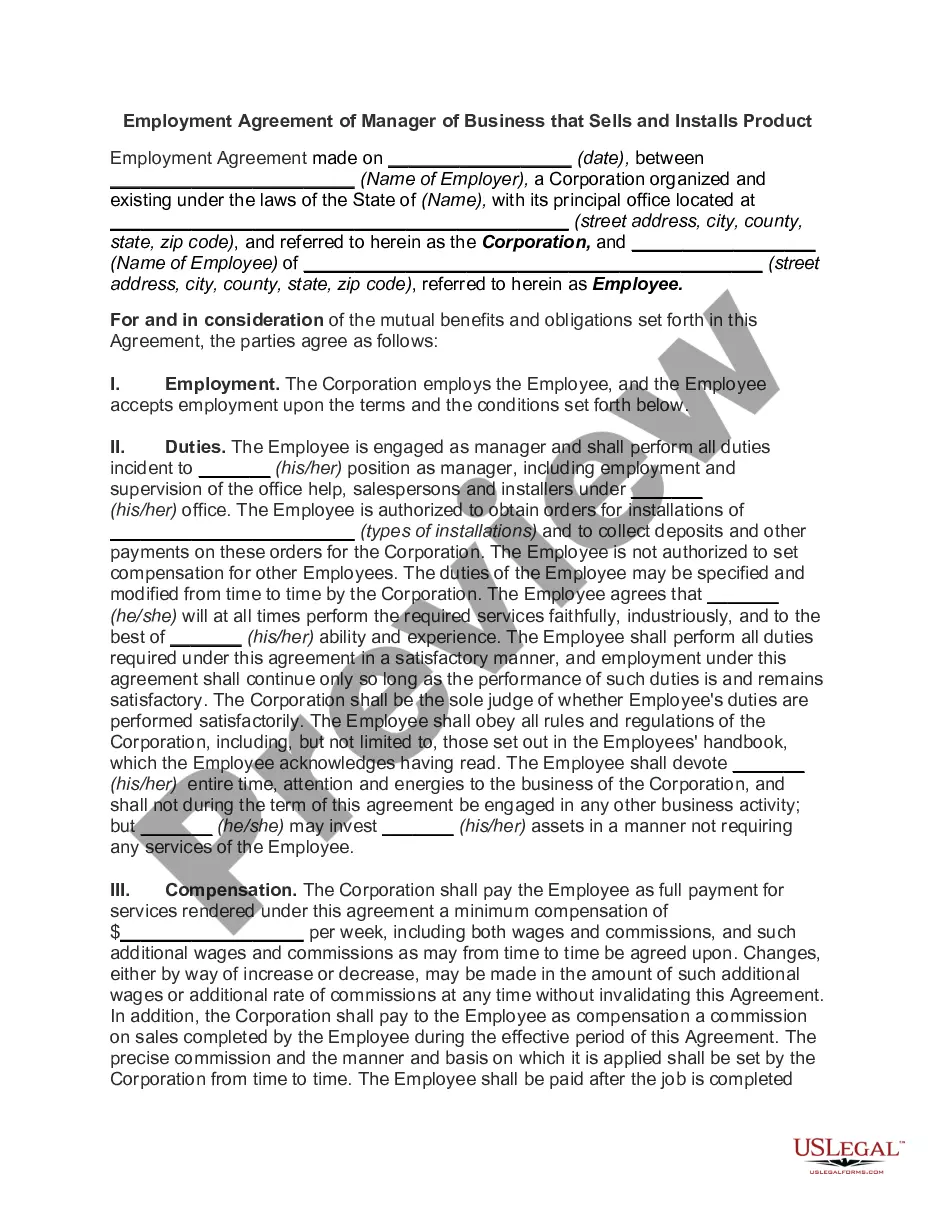
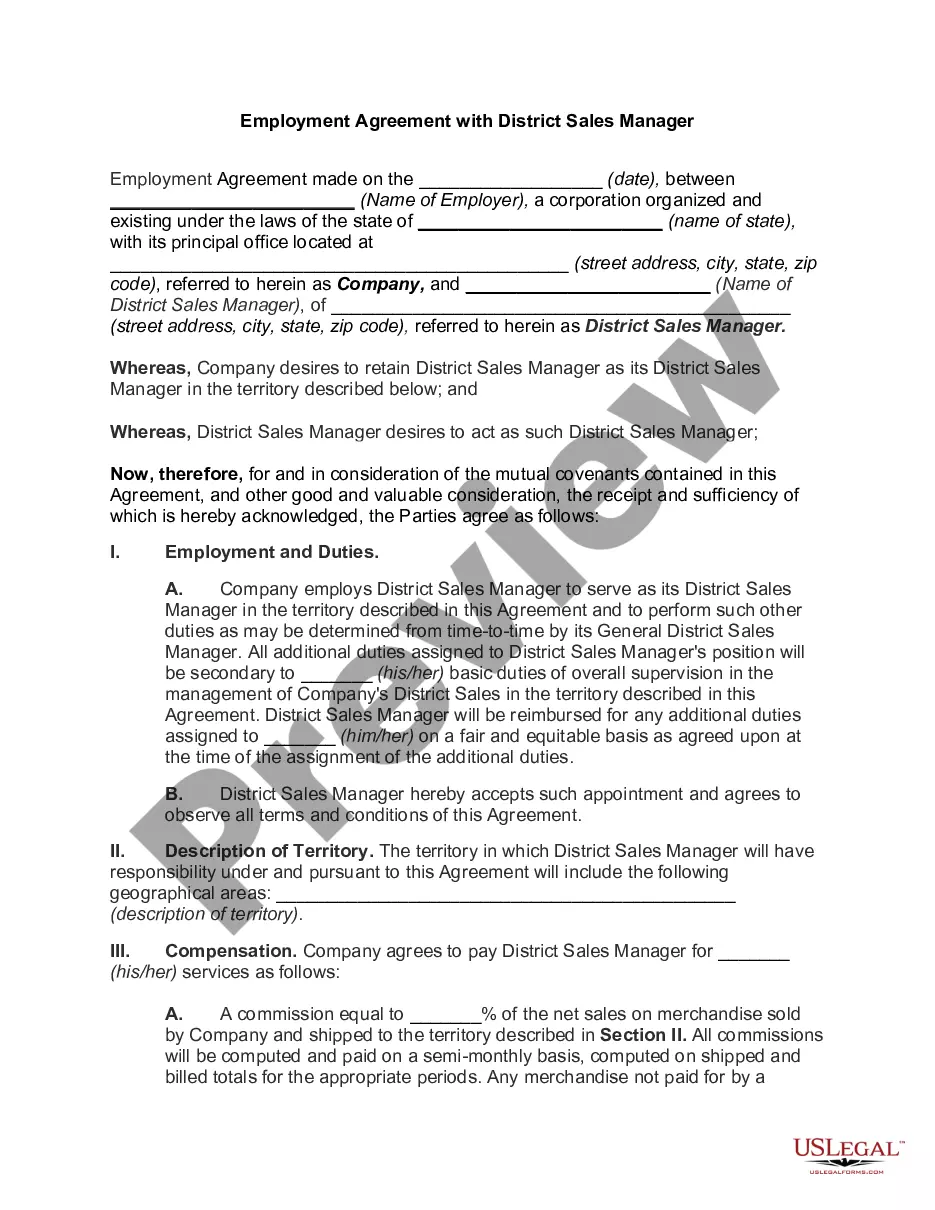
This Employment Agreement with Vice President of Sales and Manufacturing of Company that Manufactures and Repairs Motorcycles is a legal contract that outlines the terms and conditions of employment between a company and its Vice President of Sales and Manufacturing. This form includes important clauses such as confidentiality, non-compete agreements, job responsibilities, and compensation details. This agreement sets clear expectations for both the employer and employee, ensuring mutual understanding and legal protection for the company's vital interests.
Key components of this form
- Identification of the parties involved, including the employer and employee details.
- Definition of the employment term, describing the duration and conditions for termination.
- Full-time commitment clause outlining the employee's obligation to devote their attention to the business.
- Detailed job responsibilities for the Vice President of Sales and Manufacturing.
- Compensation information, including salary structure and payment frequency.
- Non-competition and nondisclosure clauses protecting the employer's business interests.
When to use this form
Who needs this form
- Employers looking to hire a Vice President of Sales and Manufacturing in the motorcycle industry.
- Businesses wanting to formalize employment relationships with senior executives.
- Human resources professionals drafting employment agreements that include non-compete and nondisclosure agreements.
- Legal practitioners assisting clients in formulating employment contracts.
How to prepare this document
- Identify the names and addresses of the employer and employee at the beginning of the agreement.
- Clearly specify the start and end dates of the employment term in the relevant sections.
- Outline the employee's job responsibilities, ensuring all duties are clearly defined.
- State the salary and payment terms within the compensation section.
- Include any non-compete and confidentiality terms relevant to the employee's position.
- Have both parties sign and date the agreement to finalize it.
Does this document require notarization?
This form does not typically require notarization unless specified by local law. It is advisable to check state regulations to ensure compliance with any necessary formalities.
Get your form ready online
Our built-in tools help you complete, sign, share, and store your documents in one place.
Make edits, fill in missing information, and update formatting in US Legal Forms—just like you would in MS Word.
Download a copy, print it, send it by email, or mail it via USPS—whatever works best for your next step.
Sign and collect signatures with our SignNow integration. Send to multiple recipients, set reminders, and more. Go Premium to unlock E-Sign.
If this form requires notarization, complete it online through a secure video call—no need to meet a notary in person or wait for an appointment.
We protect your documents and personal data by following strict security and privacy standards.

Make edits, fill in missing information, and update formatting in US Legal Forms—just like you would in MS Word.

Download a copy, print it, send it by email, or mail it via USPS—whatever works best for your next step.

Sign and collect signatures with our SignNow integration. Send to multiple recipients, set reminders, and more. Go Premium to unlock E-Sign.

If this form requires notarization, complete it online through a secure video call—no need to meet a notary in person or wait for an appointment.

We protect your documents and personal data by following strict security and privacy standards.
Avoid these common issues
- Failing to clearly define job responsibilities, which can lead to misunderstandings.
- Omitting essential terms related to non-compete agreements, making them unenforceable.
- Neglecting to include the notice period and termination clauses appropriately.
- Relying on generic language that may not meet specific local requirements.
Why complete this form online
- Convenience of accessing and downloading the form from anywhere at any time.
- Editability to customize the agreement according to specific business needs.
- Reliability of using a form crafted by licensed attorneys ensuring legal adequacy.
Looking for another form?
Form popularity
FAQ
As a representative of the firm, the CEO handles the outside world like media and other public events, whereas MD plays the main role inside the firm. Both Chief Executive Officer vs Managing Director reports to the Chairman. On the other hand, in many cases, MD reports to CEO as well.
In general, the chief executive officer (CEO) is considered the highest-ranking officer in a company, while the president is second in charge. However, in corporate governance and structure, several permutations can take shape, so the roles of both CEO and president may be different depending on the company.
The title of CEO is typically given to someone by the board of directors. Owner as a job title is earned by sole proprietors and entrepreneurs who have total ownership of the business. But these job titles are not mutually exclusive CEOs can be owners and owners can be CEOs.
The president is tasked with providing strong leadership for the company by working with the board and other executives to establish short and long-term goals, plans and strategies. They are responsible for presiding over the entire workforce and they will manage budgets and make sure resources are allocated properly.
In corporate management structures, the CEO is the highest ranking officer and visionary, while the president is more responsible for day-to-day management decisions and strategies. In simple terms, the CEO makes a promise to the company, setting a long-term vision.
In general, the chief executive officer (CEO) is considered the highest-ranking officer in a company, while the president is second in charge. However, in corporate governance and structure, several permutations can take shape, so the roles of both CEO and president may be different depending on the company.
The Constitution explicitly assigns the president the power to sign or veto legislation, command the armed forces, ask for the written opinion of their Cabinet, convene or adjourn Congress, grant reprieves and pardons, and receive ambassadors.
MD is the head of management (either shares the same importance of CEO / COO or is superior to them).A CEO has to guide the employees, and the executive officers whereas Managing Directors are held responsible for any action of the company. He is also accountable to the shareholders and bond.