Confidentiality and Nondisclosure Agreement - Promoter to Owner
About this form
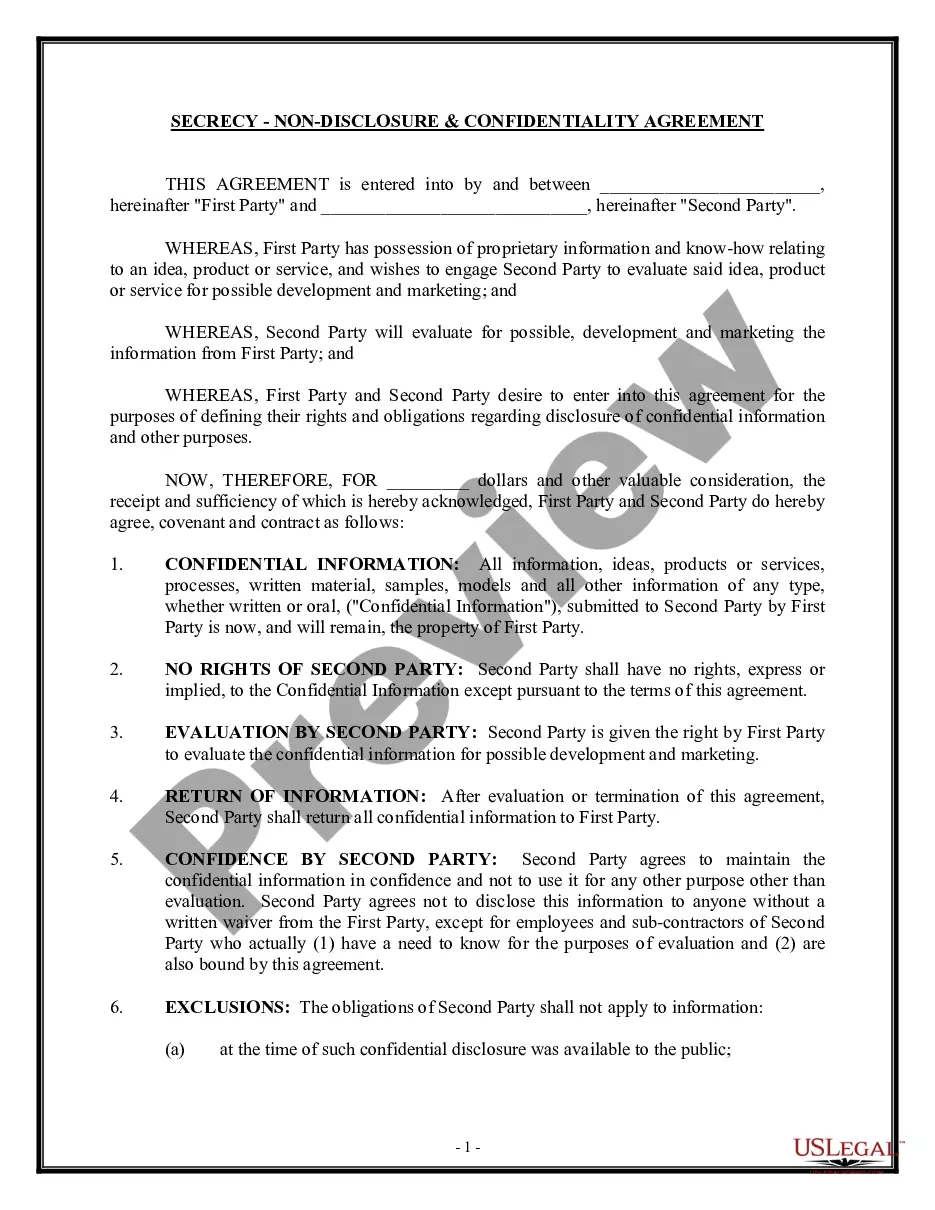
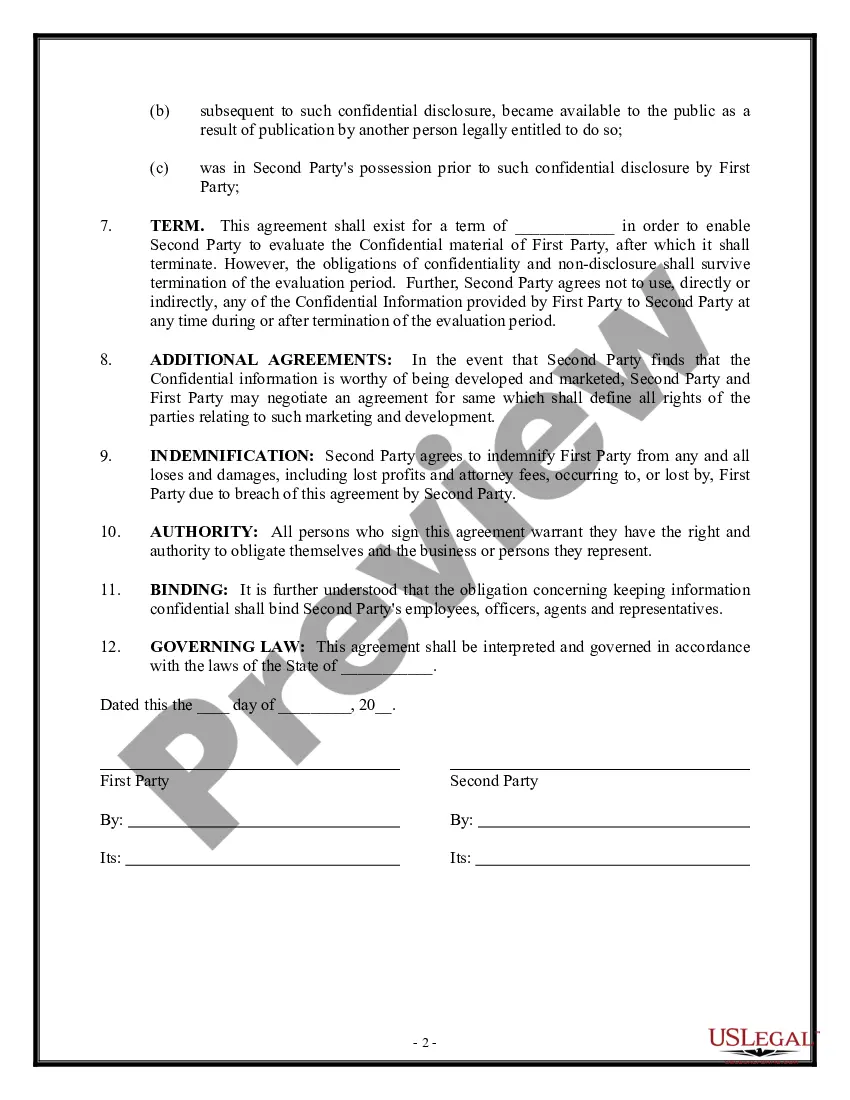
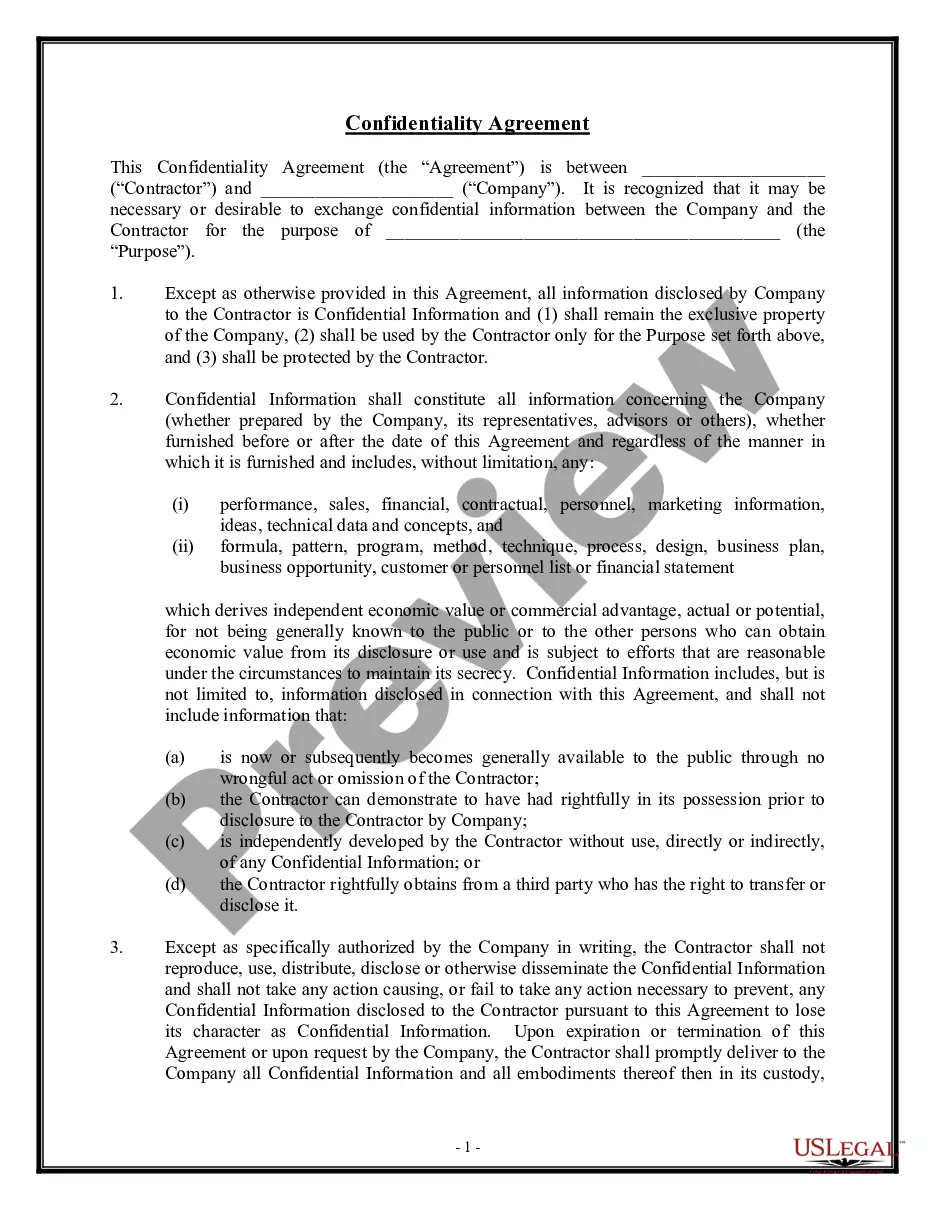
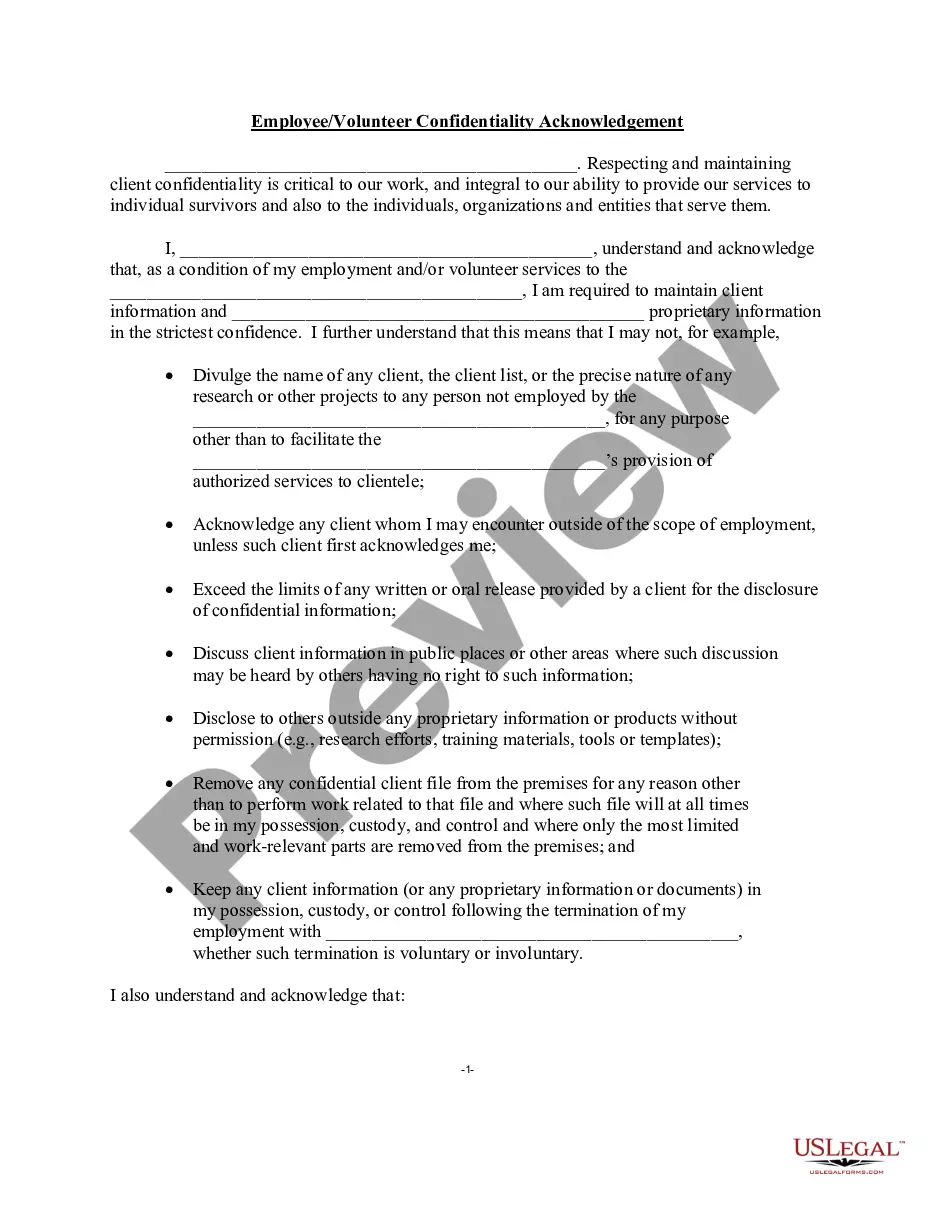
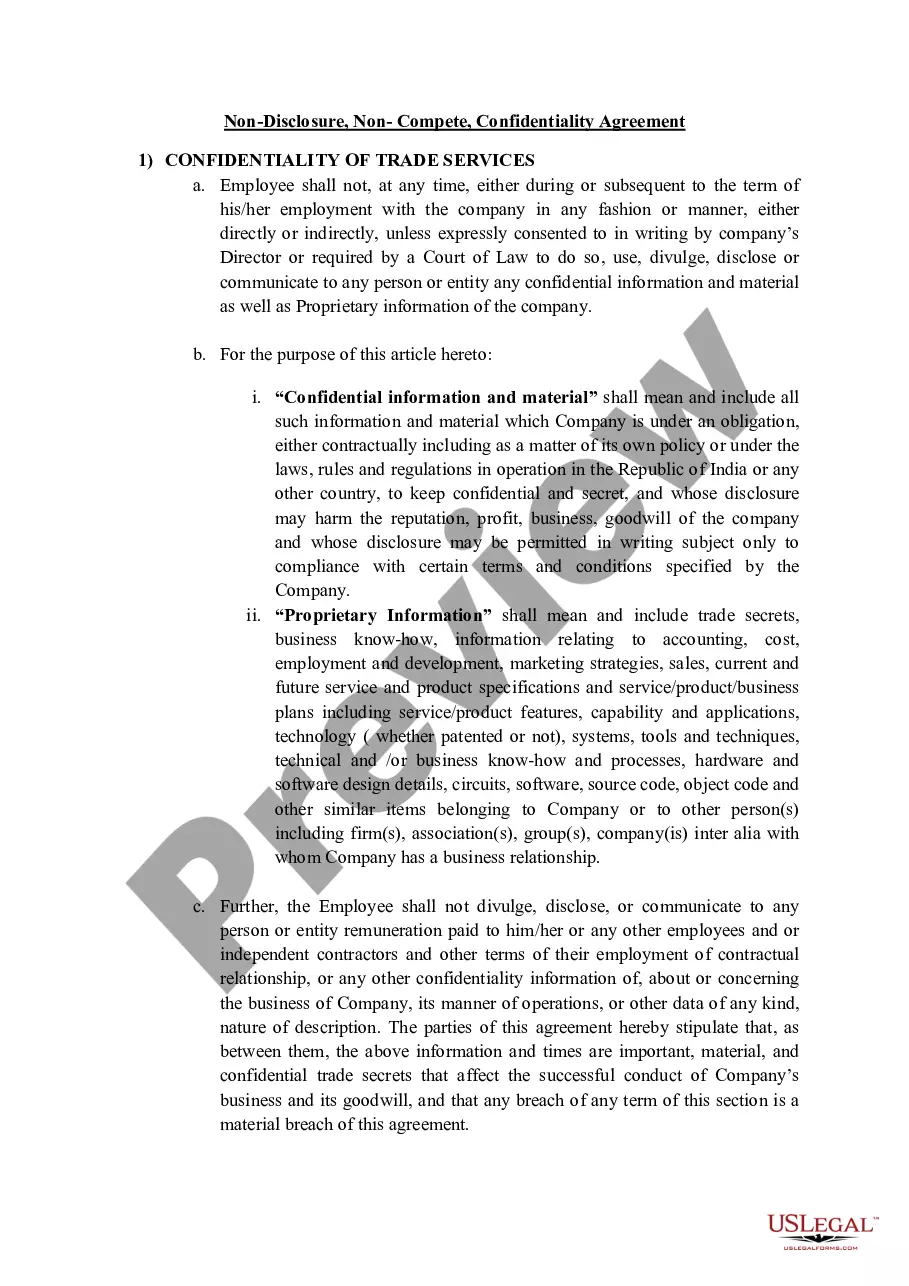
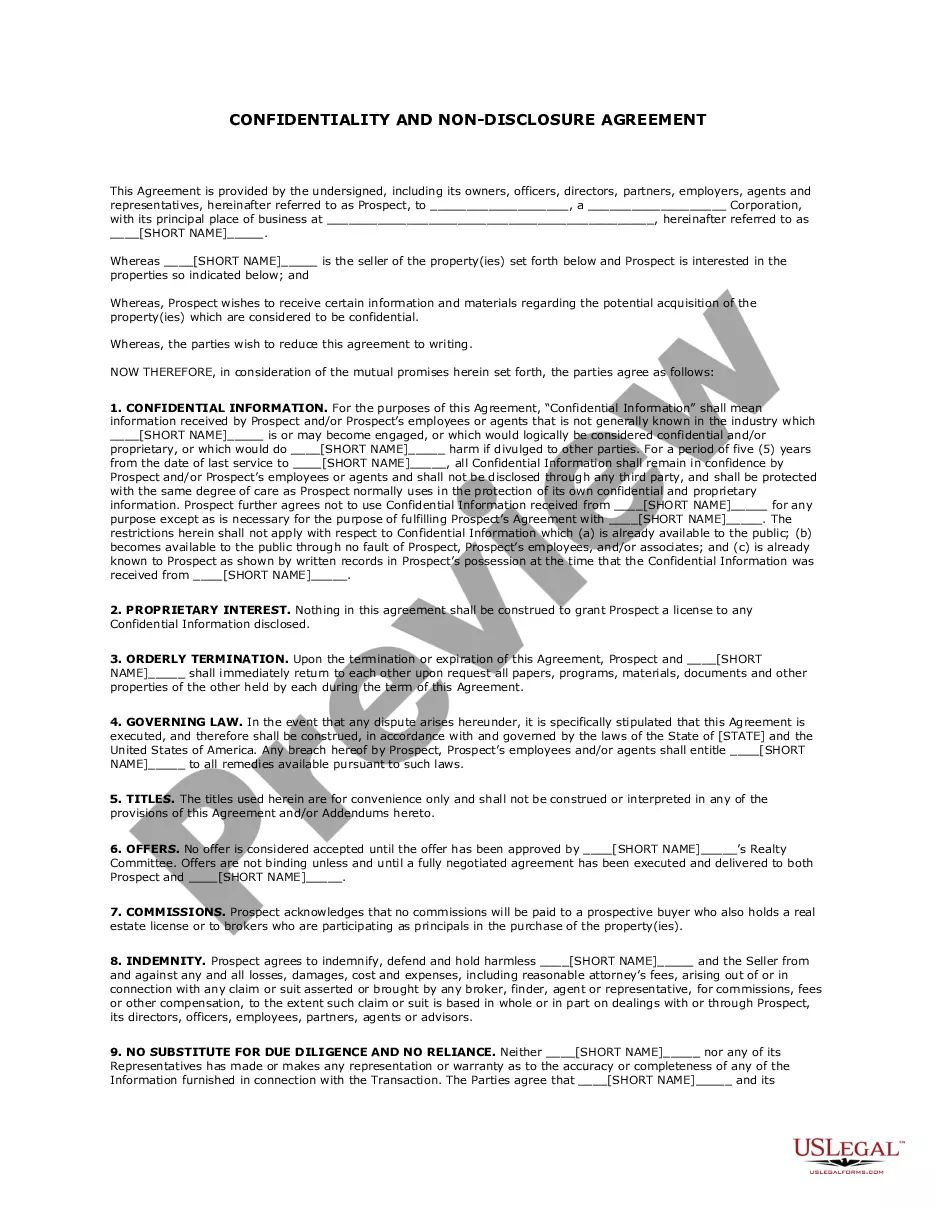
The Confidentiality and Nondisclosure Agreement - Promoter to Owner is a legal document designed to protect confidential information shared between two parties. This form establishes a clear understanding about how proprietary information related to an idea, product, or service can be evaluated without risking unauthorized disclosure. It distinguishes itself from similar agreements by focusing specifically on the relationship between a promoter seeking to market a concept and the owner of that concept, ensuring that sensitive information remains secure during the evaluation process.
What’s included in this form
- Identification of parties: Clearly states the First Party and Second Party involved in the agreement.
- Definition of confidential information: Outlines what constitutes confidential information shared under the agreement.
- No rights to information: Clarifies that the Second Party has no rights to the confidential information except as provided in the agreement.
- Return of information: Mandates the return of confidential information after evaluation or termination of the agreement.
- Indemnification clause: Specifies the Second Partyâs obligation to indemnify the First Party for any damages resulting from breach of the agreement.
- Term of agreement: Establishes the duration for which the agreement is valid.
When to use this document
This agreement is useful when a business owner or idea promoter seeks to share proprietary information with another individual or organization for evaluation purposes. It is typically used during the initial stages of product development or marketing discussions, where there is a need to protect trade secrets and sensitive information from being disclosed to the public or competitors.
Who needs this form
- Business owners looking to protect their proprietary ideas or products.
- Marketing promoters who need to evaluate concepts or products before a formal business arrangement.
- Investors or partners looking to assess the viability of a product or business without risking exposure to confidential information.
- Anyone engaged in discussions that involve the sharing of sensitive business information.
Steps to complete this form
- Identify the parties: Fill in the names of the First Party (owner) and the Second Party (promoter).
- Define the confidential information: Clearly describe the type of information being shared.
- Set the evaluation term: Specify the duration for which the agreement will be effective.
- Include signatures: Both parties must sign and date the agreement to acknowledge their acceptance of the terms.
- Return of information clause: Ensure that the process for returning confidential information is understood and documented.
Notarization guidance
This form does not typically require notarization unless specified by local law. However, having the agreement notarized can enhance its enforceability and provide an additional layer of verification.
Get your form ready online
Our built-in tools help you complete, sign, share, and store your documents in one place.
Make edits, fill in missing information, and update formatting in US Legal Forms—just like you would in MS Word.
Download a copy, print it, send it by email, or mail it via USPS—whatever works best for your next step.
Sign and collect signatures with our SignNow integration. Send to multiple recipients, set reminders, and more. Go Premium to unlock E-Sign.
If this form requires notarization, complete it online through a secure video call—no need to meet a notary in person or wait for an appointment.
We protect your documents and personal data by following strict security and privacy standards.

Make edits, fill in missing information, and update formatting in US Legal Forms—just like you would in MS Word.

Download a copy, print it, send it by email, or mail it via USPS—whatever works best for your next step.

Sign and collect signatures with our SignNow integration. Send to multiple recipients, set reminders, and more. Go Premium to unlock E-Sign.

If this form requires notarization, complete it online through a secure video call—no need to meet a notary in person or wait for an appointment.

We protect your documents and personal data by following strict security and privacy standards.
Common mistakes
- Failing to define what constitutes confidential information clearly.
- Not including a return of information clause, which is crucial for protecting sensitive data.
- Neglecting to specify the term of the agreement, which can lead to confusion about the duration of confidentiality.
- Not ensuring both parties sign the document, which can render it unenforceable.
Benefits of completing this form online
- Convenience: Downloadable forms allow for quick completion without the need for in-person meetings.
- Editability: Users can customize the agreement to meet their specific needs easily.
- Reliability: The forms are prepared by licensed attorneys, ensuring legal accuracy.
- Accessibility: Forms can be retrieved anywhere at any time, providing flexibility in preparation.
Legal use & context
- The agreement is enforceable under contract law, provided all parties consent to the terms.
- Incorporates essential clauses to protect trade secrets and proprietary information.
- Important to keep a copy of the signed agreement for legal reference in case of disputes.
Main things to remember
- This form protects proprietary information during evaluations for potential business developments.
- Clearly outlined rights and responsibilities help prevent misuse of confidential information.
- It is a necessary tool for anyone looking to engage with others while safeguarding their intellectual property.
Looking for another form?
Form popularity
FAQ
The cold hard truth is that most NDAs do not hold up in court. Non-Disclosure Agreements are most effective in establishing a paper trail of confidential information as it relates to partnerships, and discouraging partners from misappropriating proprietary information.
A confidentiality agreement is a legal tool that binds one or more parties to non-disclosure of confidential or proprietary information. An NDA is actually a type of confidentiality agreement that establishes a confidential relationship and legally binds any signed parties to that relationship.
Confidentiality agreements usually allow the recipient to disclose confidential information if required to do so by court order or other legal process.
1. Confidentiality Agreement is used when a higher degree of secrecy is required. Non-disclosure implies you must not disclose personal or private information. But keeping confidential implies you be more proactive in making sure information is kept secret.
You can certainly ask for more money to sign the agreement, but the employer may not agree to pay more.
An employee can be required to sign an NDA or NDA-like agreement with an employer, protecting trade secrets. In fact, some employment agreements include a clause restricting employees' use and dissemination of company-owned confidential information.
A confidentiality agreement is a legal contract or clause that is used to protect the owner proprietary or sensitive information from disclosure by others.
A confidentiality agreement is a legally binding contract that states two parties will not share or profit from confidential information. A business usually gives a confidentiality agreement to an employee or contractor to make sure its trade secrets or proprietary information remains private.
Confidential information is generally defined as information disclosed to an individual employee or known to that employee as a consequence of the employee's employment at a company.Confidential information can include information in any form, such as written documents/records or electronic data.