Rental or Bailment of Horse from Riding Stable for Recreational Riding
What this document covers
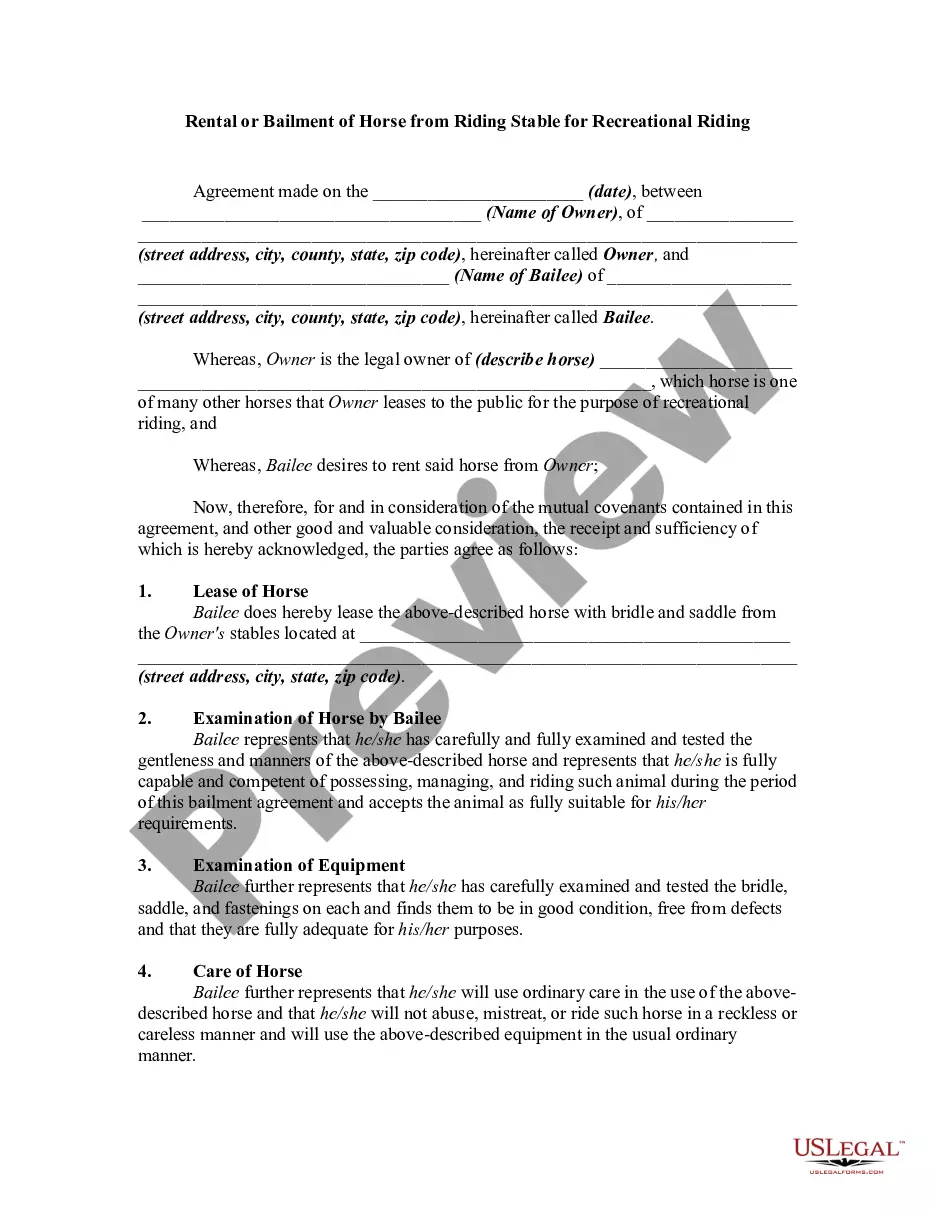
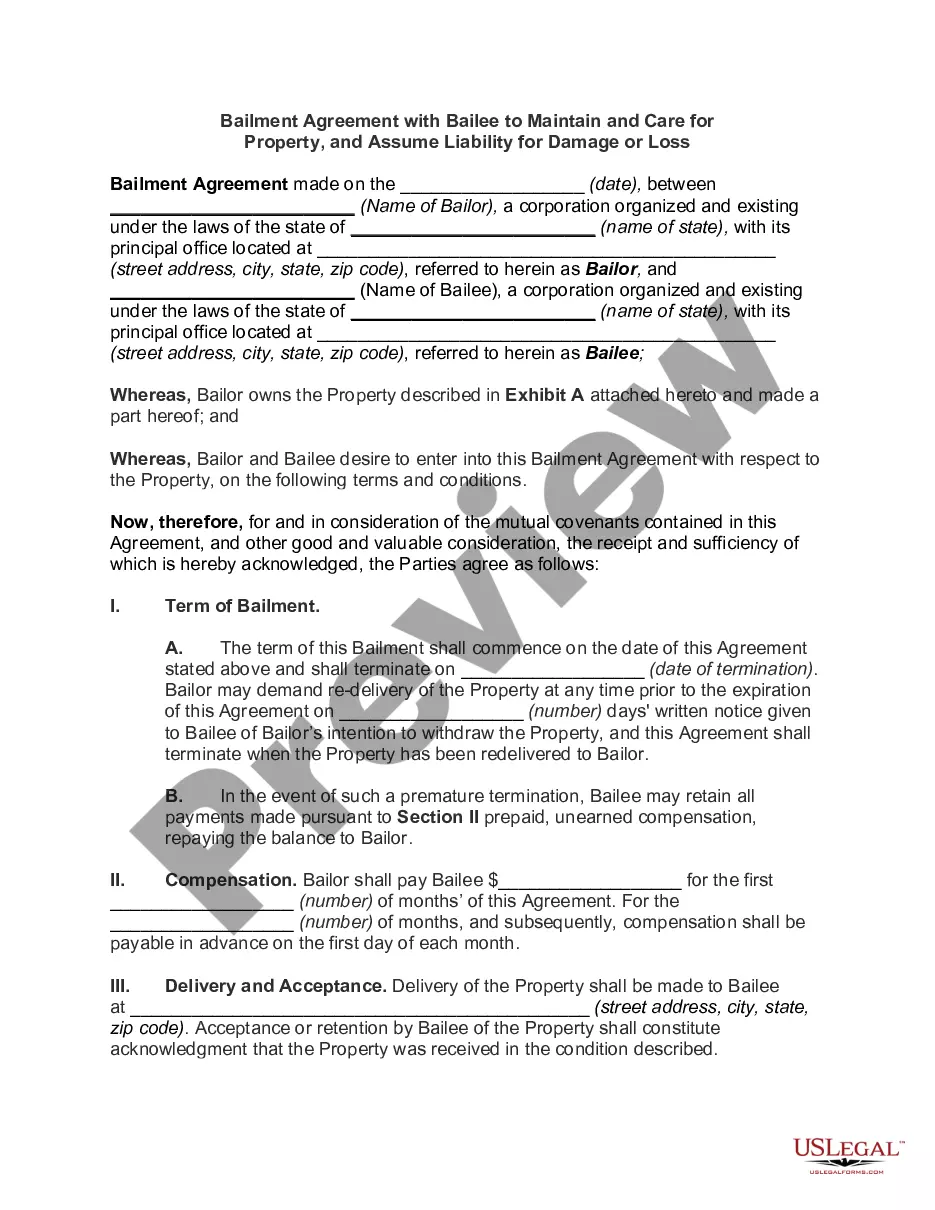
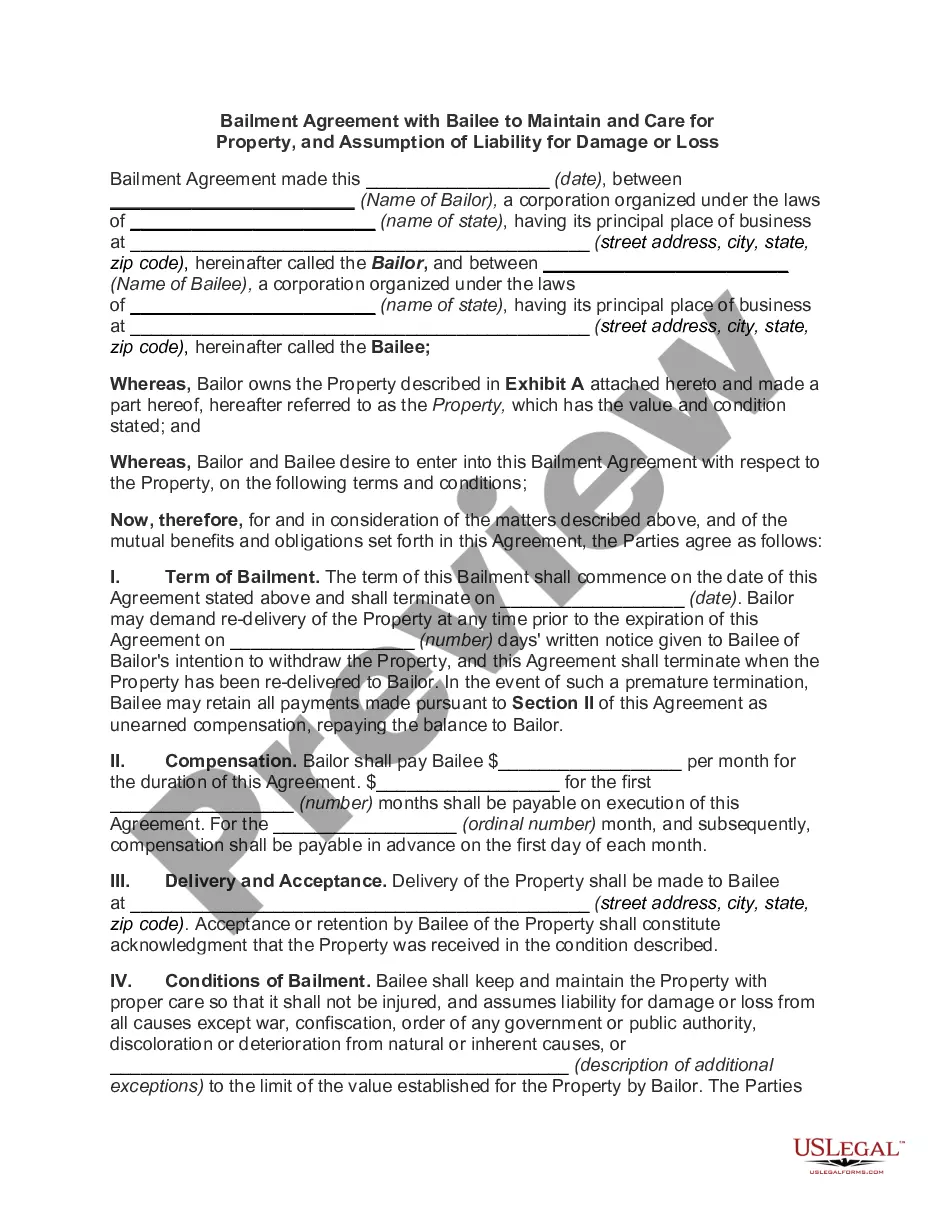
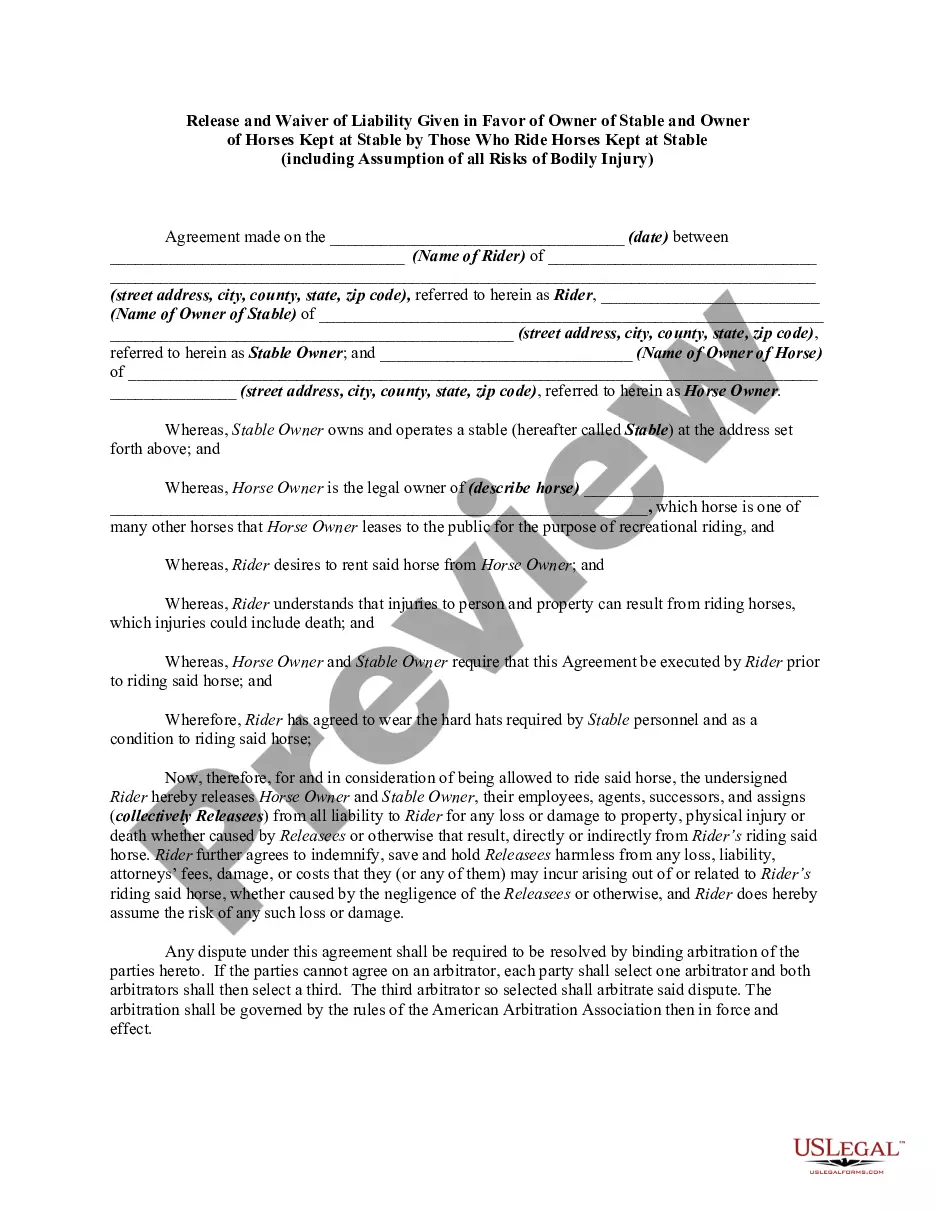
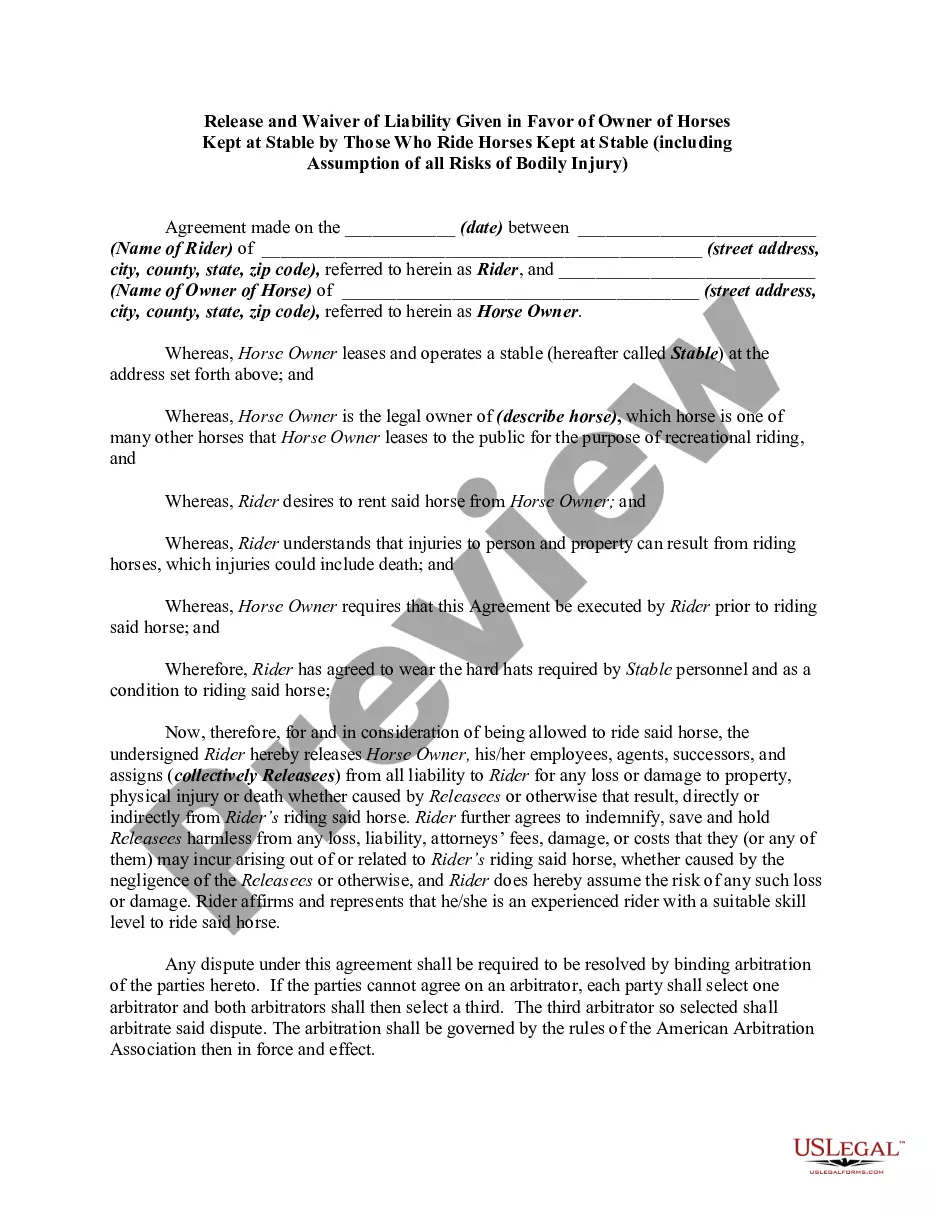
This form is a Rental or Bailment Agreement for a horse from a riding stable intended for recreational riding purposes. It outlines the terms under which the horse is leased to a bailee, who will have custody and control of the horse for a specified period. This agreement clearly sets forth the rights, responsibilities, and liabilities of both the horse owner and the bailee, distinguishing it from other leasing agreements by focusing specifically on the rental of horses for leisure activities.
Key parts of this document
- Date of the agreement.
- Identification of the Owner and Bailee, including their addresses.
- Description of the horse being leased.
- Examination clause for both the horse and equipment.
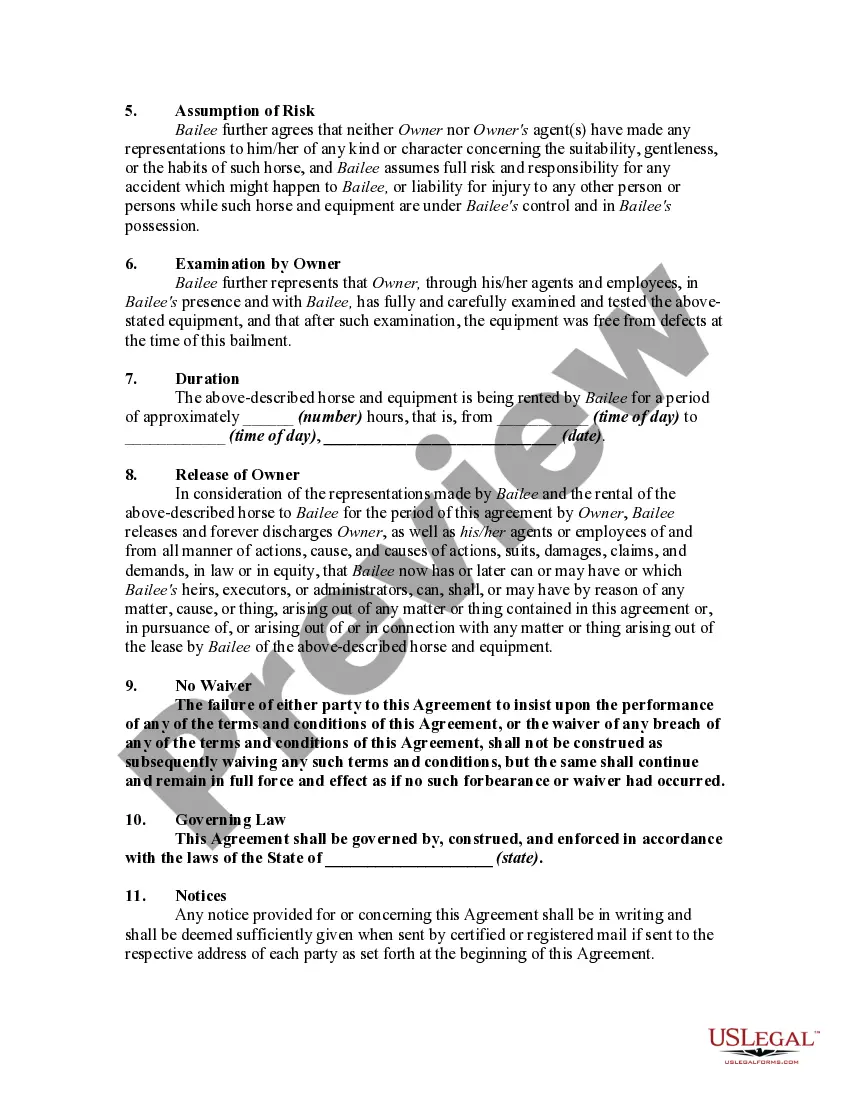
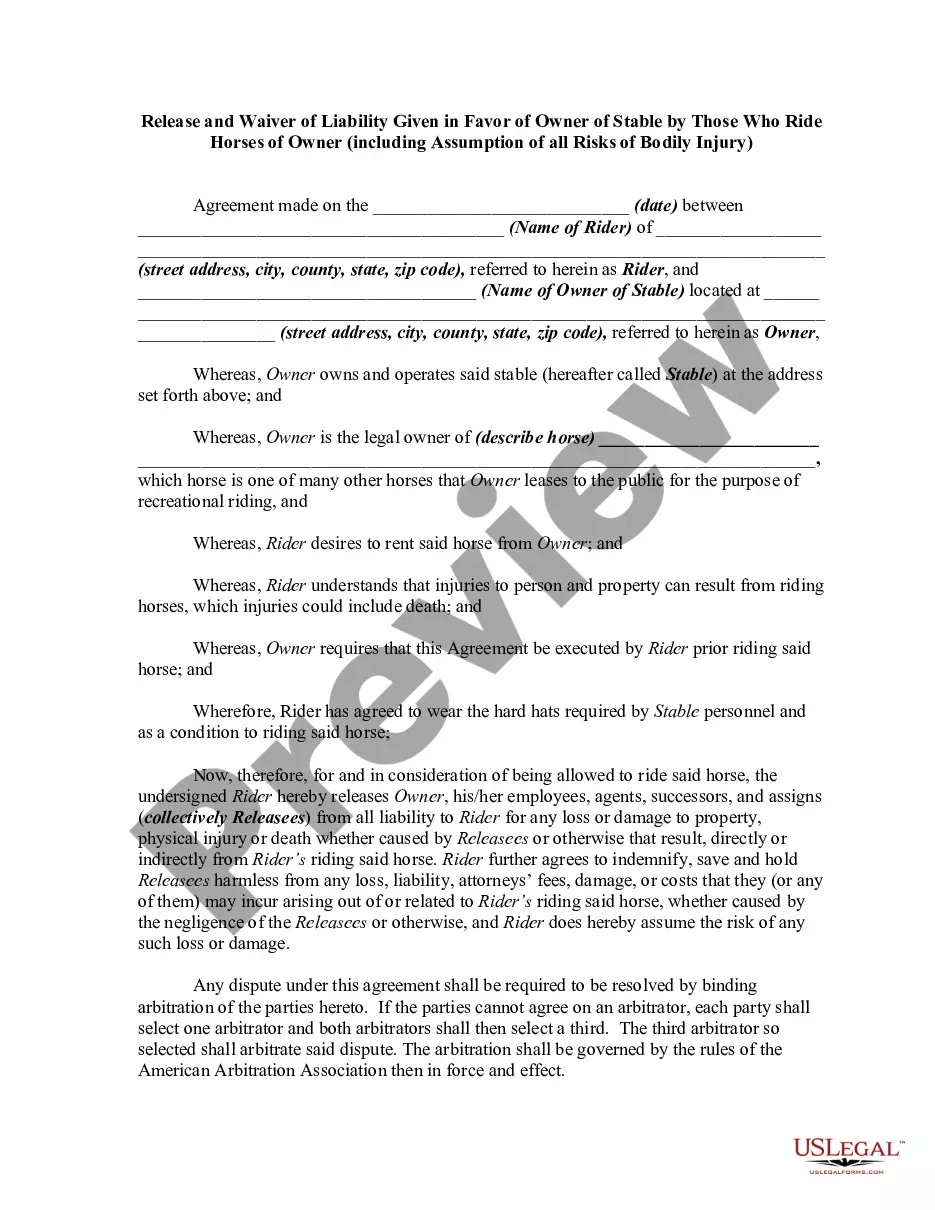
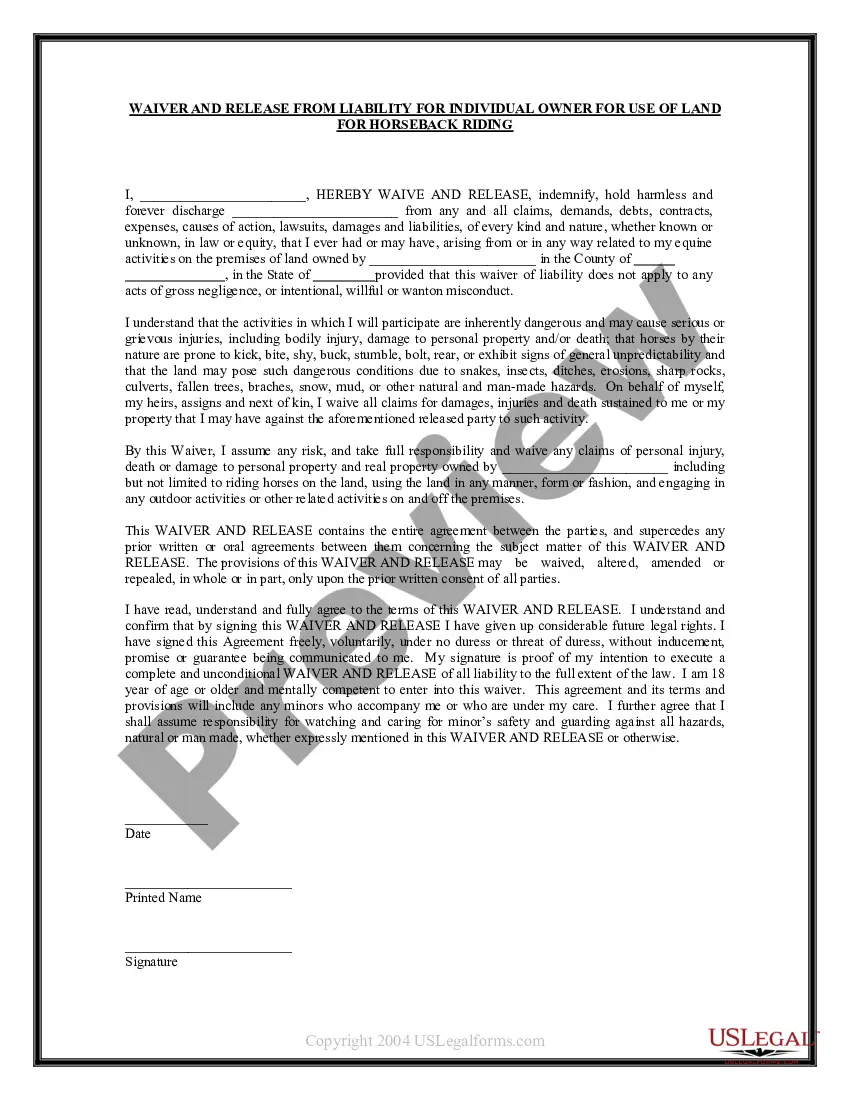
- Assumption of risk by the Bailee.
- Duration of the horse rental period.
- Release of liability for the Owner.
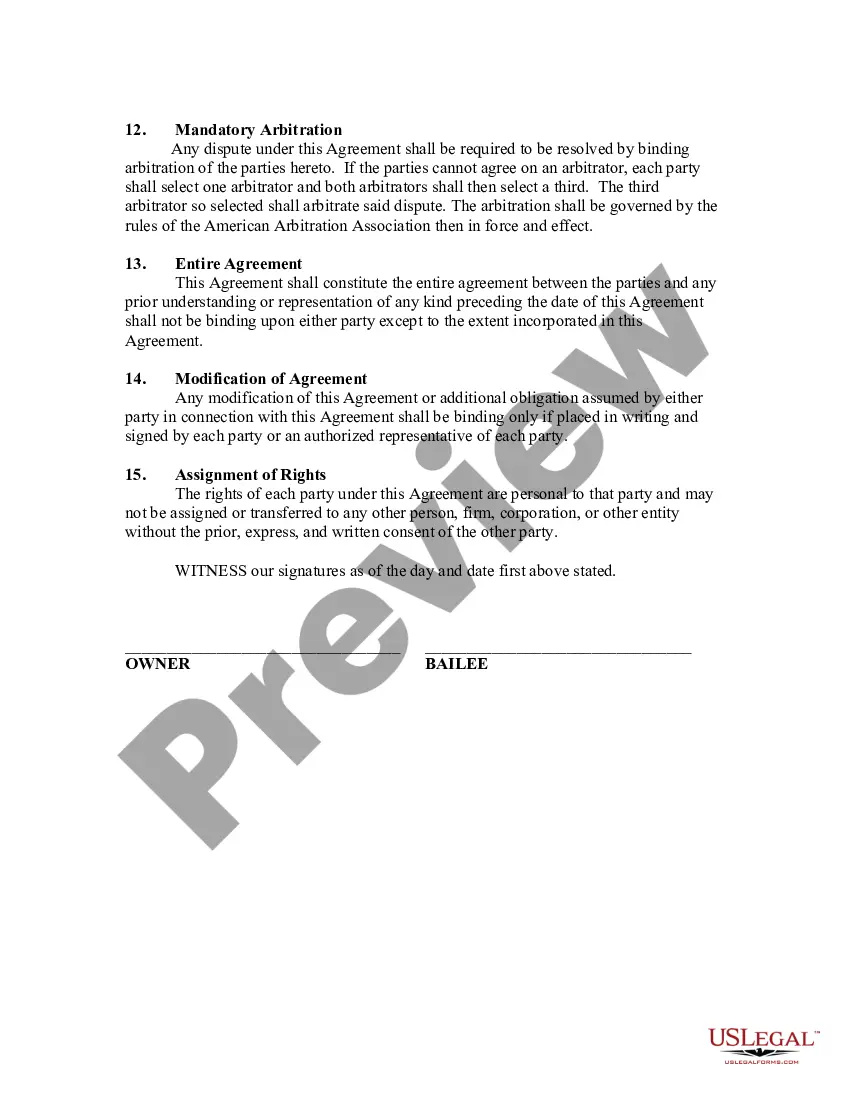
- Governing law clause.
- Mandatory arbitration provision.
- Details concerning modifications and assignment of rights.
When to use this document
This form should be used when an individual or organization (the Bailee) wishes to rent a horse from an owner or stable for recreational riding. It is particularly useful in scenarios such as a riding school that leases horses to students, an equestrian event, or anyone looking to enjoy horseback riding without purchasing a horse. This form formally establishes the terms of the rental, ensuring all parties understand their rights and responsibilities.
Who should use this form
- Horse owners renting their horses for recreational purposes.
- Individuals or organizations seeking to rent a horse for leisure riding.
- Riding stables that offer horses to riders for short-term use.
- Anyone involved in equestrian activities who needs a formal agreement for horse rental.
Steps to complete this form
- Identify the date of the agreement at the top of the form.
- Fill in the names and addresses of both the Owner and Bailee.
- Describe the horse being rented, including any identifying features.
- Specify the duration of the rental and the time frame.
- Have both parties sign the agreement to make it legally binding.
Is notarization required?
This form does not typically require notarization unless specified by local law. However, having the agreement notarized can provide an added layer of legal validation, especially in disputes.
Get your form ready online
Our built-in tools help you complete, sign, share, and store your documents in one place.
Make edits, fill in missing information, and update formatting in US Legal Forms—just like you would in MS Word.
Download a copy, print it, send it by email, or mail it via USPS—whatever works best for your next step.
Sign and collect signatures with our SignNow integration. Send to multiple recipients, set reminders, and more. Go Premium to unlock E-Sign.
If this form requires notarization, complete it online through a secure video call—no need to meet a notary in person or wait for an appointment.
We protect your documents and personal data by following strict security and privacy standards.

Make edits, fill in missing information, and update formatting in US Legal Forms—just like you would in MS Word.

Download a copy, print it, send it by email, or mail it via USPS—whatever works best for your next step.

Sign and collect signatures with our SignNow integration. Send to multiple recipients, set reminders, and more. Go Premium to unlock E-Sign.

If this form requires notarization, complete it online through a secure video call—no need to meet a notary in person or wait for an appointment.

We protect your documents and personal data by following strict security and privacy standards.
Mistakes to watch out for
- Failing to accurately describe the horse, leading to confusion.
- Neglecting to include the exact rental period.
- Not having both parties sign the agreement.
- Overlooking the assumption of risk clause, which protects the Owner from liability.
Why complete this form online
- Convenient access to a legally drafted form ready for immediate use.
- Easy to edit and customize according to specific circumstances.
- Reliability, as the form is created by licensed attorneys to ensure compliance with legal standards.
Legal use & context
- This form serves as a legally binding contract, outlining the responsibilities of both parties regarding the care and use of the horse.
- By signing this agreement, both the owner and bailee acknowledge their understanding of risks involved in riding and handling the horse.
- The agreement can help in mitigating disputes related to liability for any accidents that may occur during the lease period.
Quick recap
- The form clearly delineates the roles and responsibilities of both the horse owner and the bailee.
- It includes essential risk management clauses to protect both parties.
- Completion of the form requires attention to detail for effective legal protection.
Looking for another form?
Form popularity
FAQ
A bailment is a delivery of personal property by one person to another for a specific purpose with the understanding that the property is to be returned when the purpose is accomplished. A bailor is the person who delivers the property. A bailee is the person who receives it.
There are three types of bailments: (1) for the benefit of the bailor and bailee; (2) for the sole benefit of the bailor; and (3) for the sole benefit of the bailee. A bailment for the mutual benefit of the parties is created when there is an exchange of performances between the parties.
Gratuitous Bailment. Non-Gratuitous Bailment: Bailment for the Benefit of the Bailor. Bailment for the exclusive Benefit of the Bailee. Bailment for the Benefit of the Bailor and Bailee.
There are three types of bailments: (1) for the benefit of the bailor and bailee; (2) for the sole benefit of the bailor; and (3) for the sole benefit of the bailee. A bailment for the mutual benefit of the parties is created when there is an exchange of performances between the parties.
A 'bailment' is the delivery of goods by one person to another for some purpose, upon a contract that they shall, when the purpose is accomplished, be returned or otherwise disposed of according to the directions of the person delivering them. The person delivering the goods is called the 'bailor'.
Gratuitous Bailment. Non-Gratuitous Bailment: Bailment for the Benefit of the Bailor. Bailment for the exclusive Benefit of the Bailee. Bailment for the Benefit of the Bailor and Bailee.
A 'bailment' is the delivery of goods by one person to another for some purpose, upon a contract that they shall, when the purpose is accomplished, be returned or otherwise disposed of according to the directions of the person delivering them.The person to whom they are delivered is called the 'bailee'.
Bailment. n. 1) the act of placing property in the custody and control of another, usually by agreement in which the holder (bailee) is responsible for the safekeeping and return of the property.
A Bailment that Benefits Both the Bailor and Bailee: An example of this would be parking your car in a paid parking lot. You would get the benefit of parking your car and the owner of the lot would get the benefit of the fee that is paid. A bailee can face liability for damaging the bailed items if they were negligent.