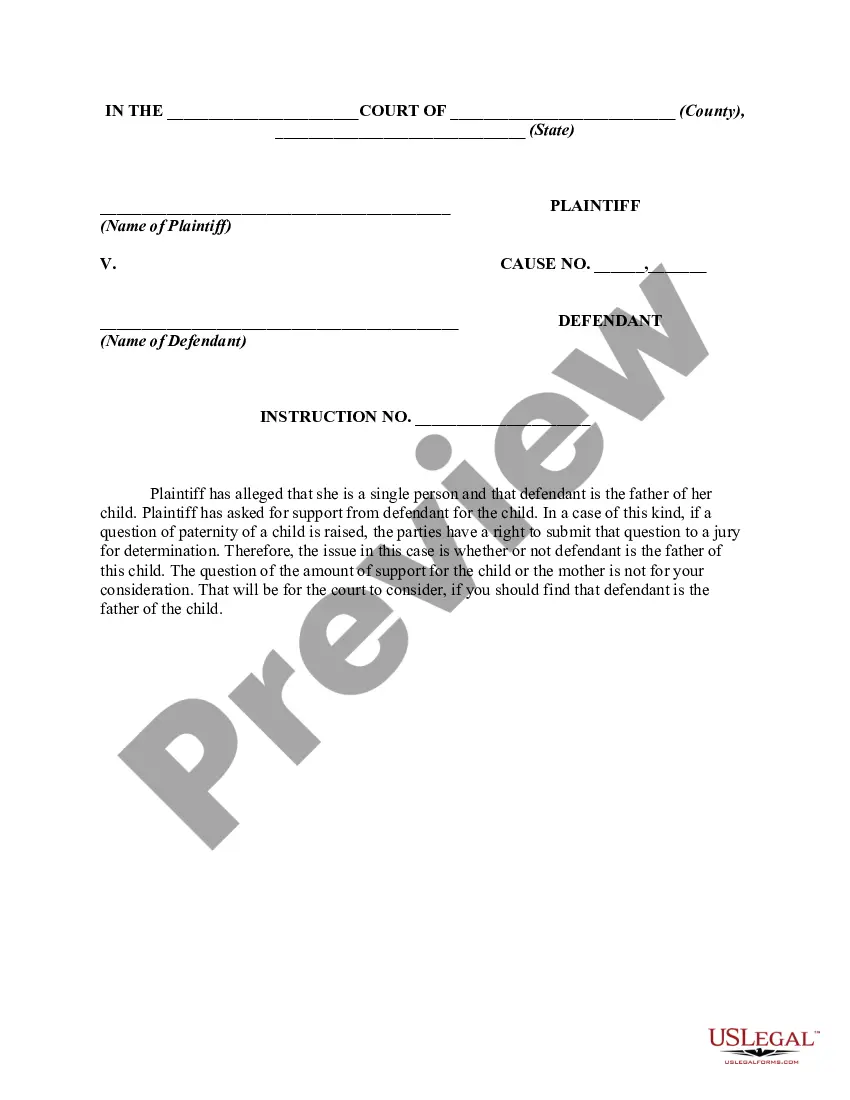
Instruction to Jury in a Paternity Case that the Amount of Support is not a Question for the Jury
What is this form?
The Instruction to Jury in a Paternity Case is a legal form that outlines how a jury should consider questions of paternity during a trial. This form clarifies that while the jury can determine if the defendant is the child's father, it cannot address the amount of support for the child or the mother. This specific instruction is important in cases where paternity is disputed, setting it apart from other related documents that may involve custody or support calculations.
Main sections of this form
- Identification of the parties involved: names of the plaintiff and defendant.
- Statement of the plaintiff's claim regarding paternity.
- Clarification on the jury's role regarding paternity determination.
- Instruction that financial support considerations are outside the jury's purview.
- Reference to the court's authority to consider support issues if paternity is established.
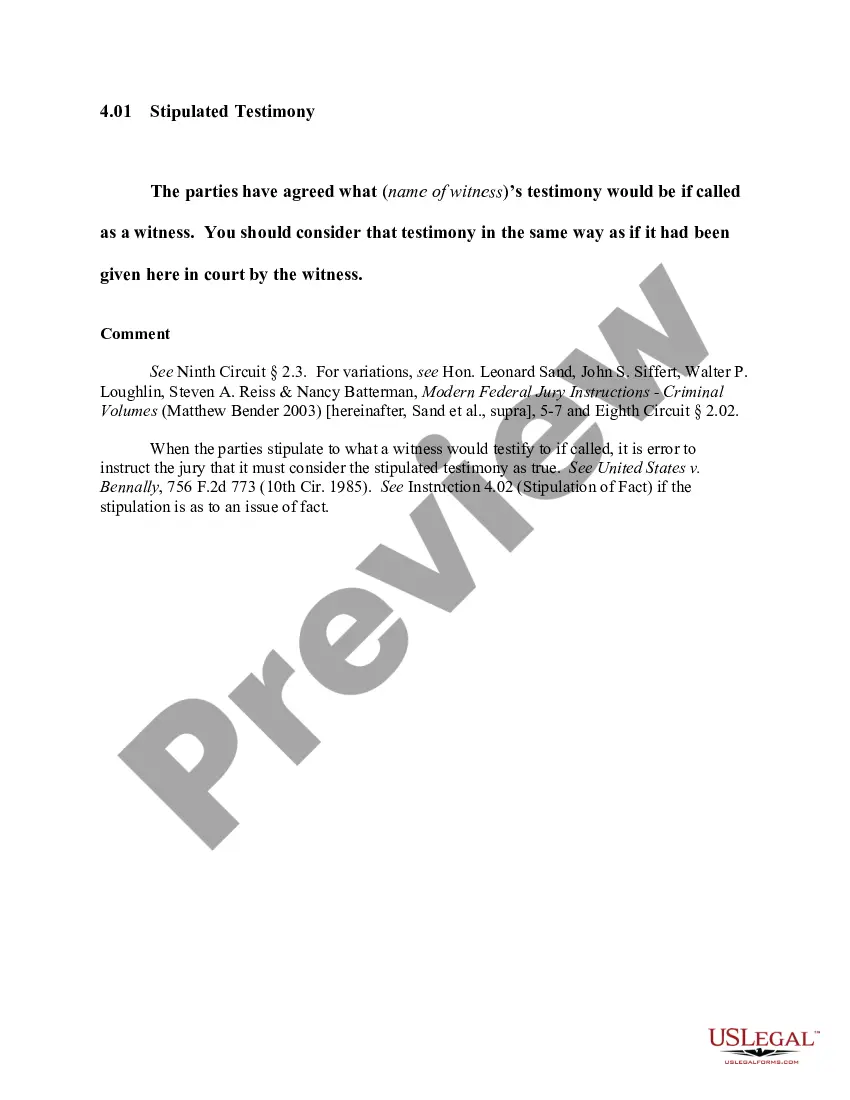
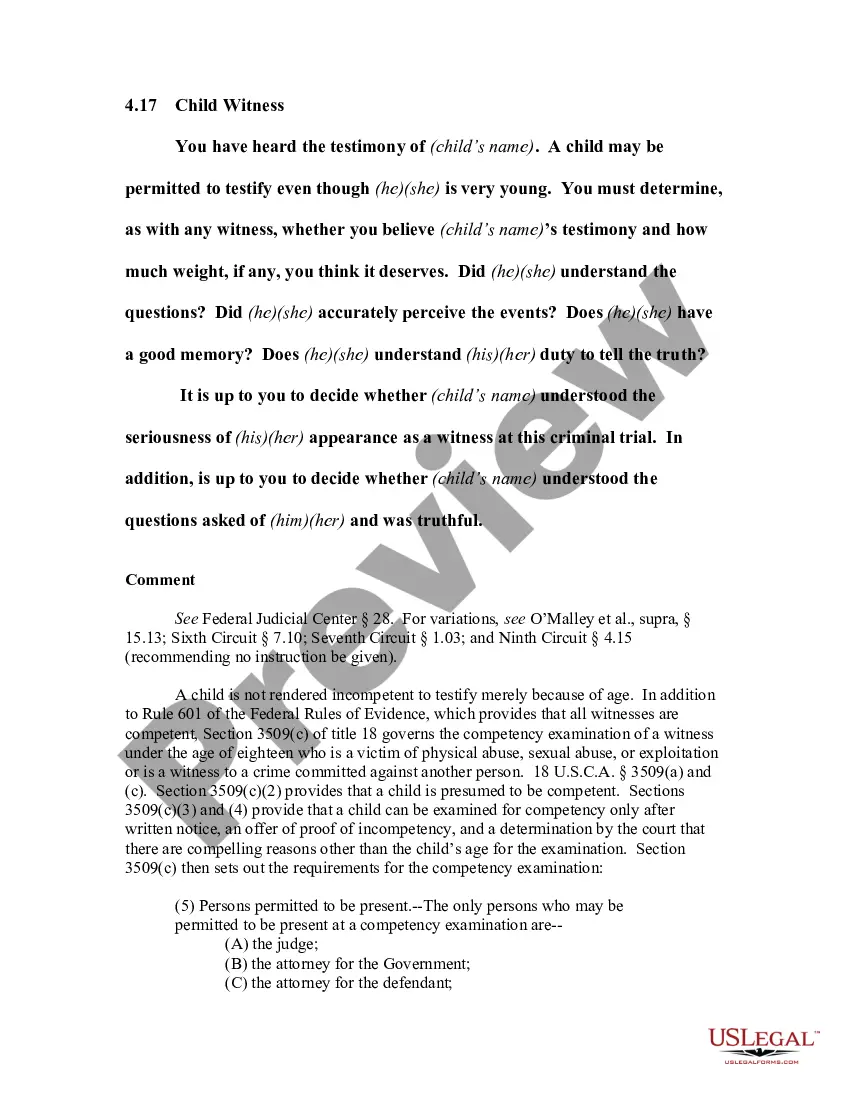
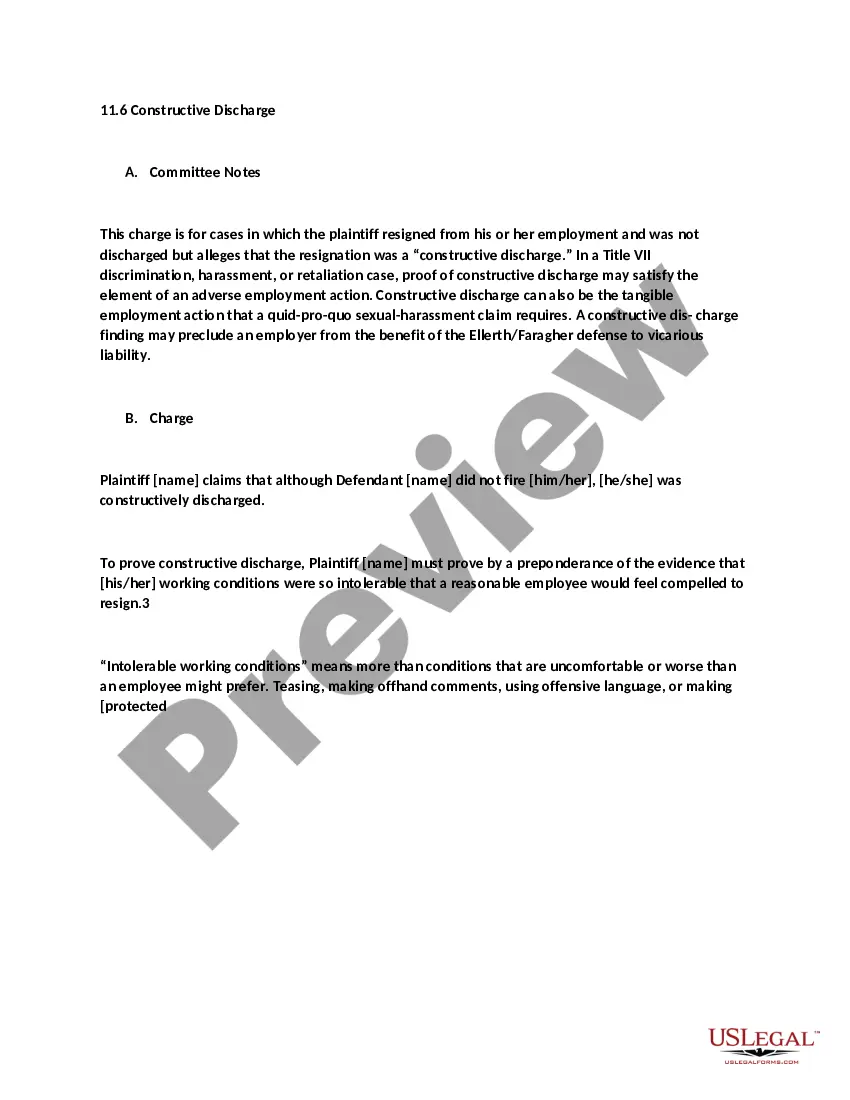
Common use cases
This form should be used in legal cases where paternity of a child is being contested, and there is a requirement to guide the jury on their deliberation. It is specifically needed when the plaintiff has alleged that the defendant is the father and is seeking support, while clarifying that discussions regarding the amount of support will be determined later by the court.
Intended users of this form
- Plaintiffs asserting that a specific individual is the father of their child.
- Defendants who are responding to paternity claims.
- Attorneys representing either party in a paternity case.
- Court officials managing paternity disputes.
Steps to complete this form
- Enter the names of the plaintiff and defendant at the beginning of the form.
- Indicate the cause number relevant to the case.
- Provide a clear statement of the plaintiff's claim regarding paternity.
- Specify the instruction to the jury about their role in determining paternity.
- Clarify that support issues will be addressed by the court post-deliberation.
Is notarization required?
Notarization is generally not required for this form. However, certain states or situations might demand it. You can complete notarization online through US Legal Forms, powered by Notarize, using a verified video call available anytime.
Get your form ready online
Our built-in tools help you complete, sign, share, and store your documents in one place.
Make edits, fill in missing information, and update formatting in US Legal Forms—just like you would in MS Word.
Download a copy, print it, send it by email, or mail it via USPS—whatever works best for your next step.
Sign and collect signatures with our SignNow integration. Send to multiple recipients, set reminders, and more. Go Premium to unlock E-Sign.
If this form requires notarization, complete it online through a secure video call—no need to meet a notary in person or wait for an appointment.
We protect your documents and personal data by following strict security and privacy standards.

Make edits, fill in missing information, and update formatting in US Legal Forms—just like you would in MS Word.

Download a copy, print it, send it by email, or mail it via USPS—whatever works best for your next step.

Sign and collect signatures with our SignNow integration. Send to multiple recipients, set reminders, and more. Go Premium to unlock E-Sign.

If this form requires notarization, complete it online through a secure video call—no need to meet a notary in person or wait for an appointment.

We protect your documents and personal data by following strict security and privacy standards.
Common mistakes to avoid
- Failing to correctly identify the parties involved and their relationship to the child.
- Confusing the jury's role by including details about support amounts.
- Not updating the cause number or providing relevant case information.
- Neglecting to ensure that all instructions are clear and concise for jurors.
Why use this form online
- Immediate access to professionally drafted legal templates.
- The ability to customize and edit forms for specific case needs.
- Convenience of downloading forms directly from your device.
- Reliability from content prepared by licensed attorneys.
Looking for another form?

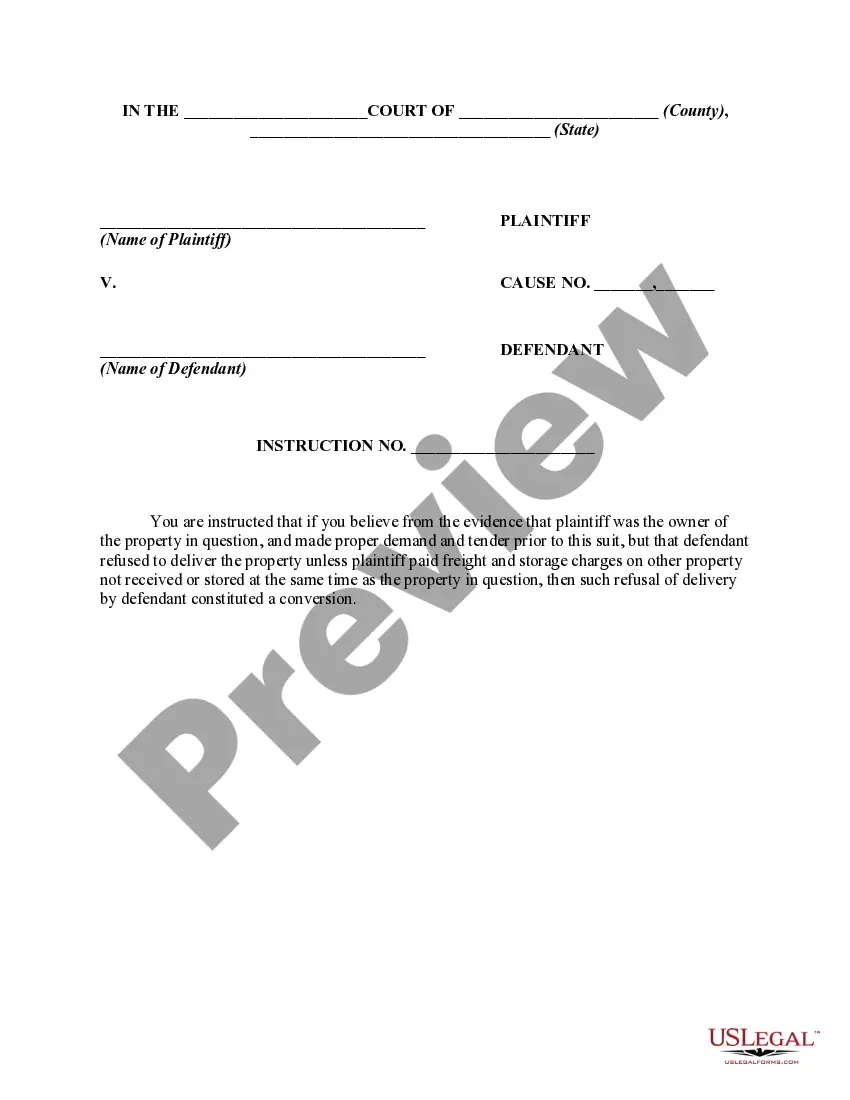



Form popularity
FAQ
In a criminal case, the verdict must be unanimous. In a civil case, only three-fourths of the jurors must agree on their verdict.
These are civil or criminal jury instructions approved by a state court, bench committee, or bar association. They are commonly used by courts in the relevant jurisdiction, as they ease the process of drafting fair jury instructions and theoretically do not have errors.
How does a jury come up with its award when a personal injury lawsuit goes to trial?In order to make its decision, the jurors have to review the evidence that was presented in the trial, and consider the law that applies to the case.
The trial court concluded there is no right to a jury trial in a paternity action in California, whether by state or federal constitutional mandate or by statute. In a bench trial, Defendant's paternity was established.
The judge instructs the jury about the relevant laws that should guide its deliberations. (In some jurisdictions, the court may instruct the jury at any time after the close of evidence.The judge reads the instructions to the jury. This is commonly referred to as the judge's charge to the jury.
Jurors serve in two kinds of cases, criminal and civil. In a criminal case, the plaintiff is a prosecutor who represents the State of California. The prosecutor alleges that the defendant committed a crime. The prosecution has the burden of proving each element of the crimes charged beyond a reasonable doubt.
The trial is a structured process where the facts of a case are presented to a jury, and they decide if the defendant is guilty or not guilty of the charge offered. During trial, the prosecutor uses witnesses and evidence to prove to the jury that the defendant committed the crime(s).
The jurors are charged with the responsibility of deciding whether, on the facts of the case, a person is guilty or not guilty of the offence for which he or she has been charged. The jury must reach its verdict by considering only the evidence introduced in court and the directions of the judge.
In California criminal cases, a jury trial is where 12 members of the community are assembled to hear the evidence and decide whether or not a defendant is guilty of the crime or crimes with which he or she is charged. All persons accused of misdemeanors or felonies are entitled to a jury trial.