Signature Authorization for Pickup of Petty Cash
Understanding this form
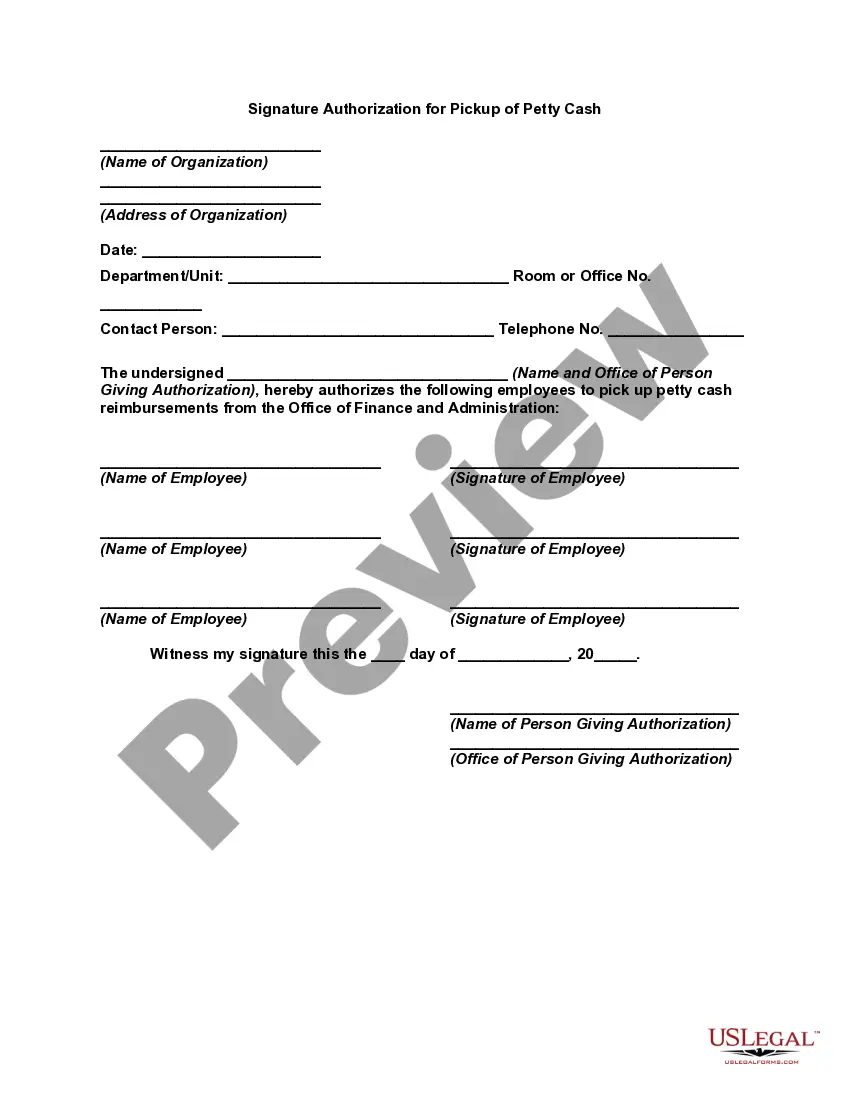
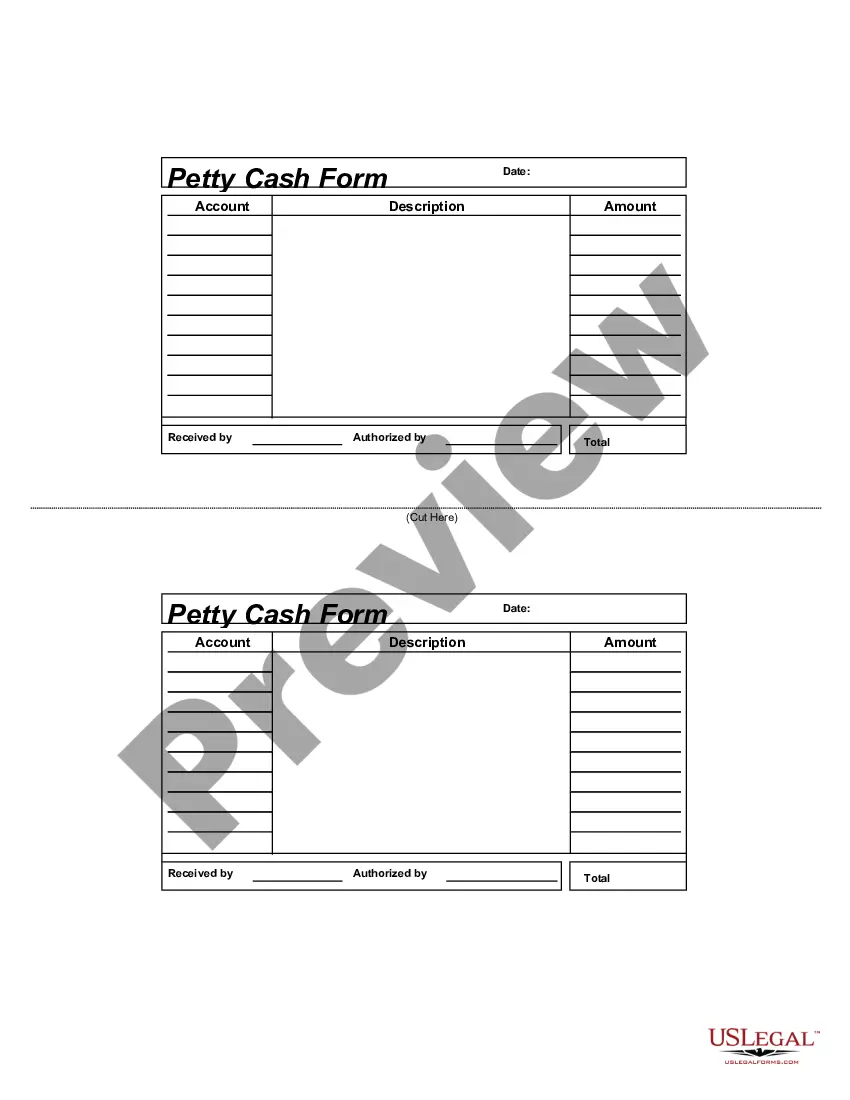
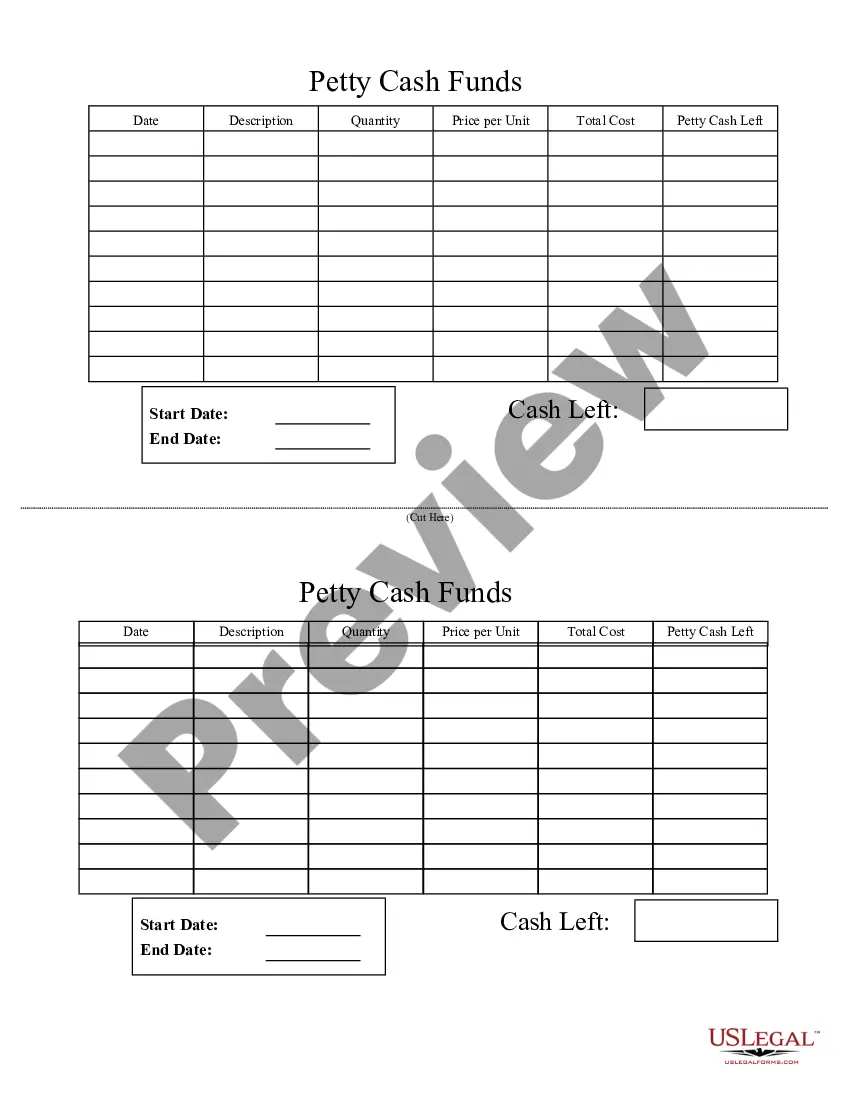
The Signature Authorization for Pickup of Petty Cash is a legal document that enables an organization to designate specific employees authorized to collect petty cash. This form formalizes the authorization process and is important for maintaining financial accountability within the organization. It is distinct from other financial authorization forms as it specifically pertains to petty cash transactions.
Form components explained
- Name and address of the organization
- Date of the authorization
- Department or unit requesting the petty cash
- Contact person and their telephone number
- Name and office of the person giving authorization
- List of employees authorized to pick up the petty cash, along with their signatures
- Signature of the person granting the authorization, along with their title
Situations where this form applies
This form should be utilized when an organization needs to formally appoint employees to collect petty cash for day-to-day operational expenses. It is especially important in organizations with multiple departments or units that handle small cash transactions. Using this form ensures clarity and minimizes the chances of unauthorized withdrawals.
Who can use this document
This form is intended for:
- Finance departments of businesses and organizations
- Managers who oversee petty cash funds
- Team leaders assigning cash collection responsibilities
- Any organization that employs petty cash for operational purposes
How to complete this form
- Enter the name and address of your organization at the top of the form.
- Fill in the date of the authorization.
- Specify the department or unit requesting the petty cash.
- Provide contact details for the designated contact person.
- List the names of the employees authorized to collect the petty cash along with their signatures.
- Finally, the person granting the authorization should sign and print their name and title at the bottom of the form.
Is notarization required?
This form does not typically require notarization unless specified by local law, making it convenient for organizations to implement without additional steps.
Get your form ready online
Our built-in tools help you complete, sign, share, and store your documents in one place.
Make edits, fill in missing information, and update formatting in US Legal Forms—just like you would in MS Word.
Download a copy, print it, send it by email, or mail it via USPS—whatever works best for your next step.
Sign and collect signatures with our SignNow integration. Send to multiple recipients, set reminders, and more. Go Premium to unlock E-Sign.
If this form requires notarization, complete it online through a secure video call—no need to meet a notary in person or wait for an appointment.
We protect your documents and personal data by following strict security and privacy standards.

Make edits, fill in missing information, and update formatting in US Legal Forms—just like you would in MS Word.

Download a copy, print it, send it by email, or mail it via USPS—whatever works best for your next step.

Sign and collect signatures with our SignNow integration. Send to multiple recipients, set reminders, and more. Go Premium to unlock E-Sign.

If this form requires notarization, complete it online through a secure video call—no need to meet a notary in person or wait for an appointment.

We protect your documents and personal data by following strict security and privacy standards.
Common mistakes to avoid
- Failing to obtain the necessary signatures from all authorized employees.
- Not including the date of the authorization which could lead to confusion.
- Omitting contact details for the individual responsible for overseeing petty cash.
- Using outdated forms that may not comply with current regulations.
Benefits of completing this form online
- Immediate access to the latest version of the form, ensuring compliance with current standards.
- Convenience of filling out the form at your own pace.
- Editable templates allow for easy customization to fit your organization's specific needs.
- Secure downloading and storage of completed documents for future reference.
Legal use & context
- Authorization forms must comply with organizational policies and local laws.
- Failure to properly authorize may lead to unauthorized transactions.
- This document serves as a record of who has been granted access to petty cash.
Quick recap
- The Signature Authorization for Pickup of Petty Cash allows organizations to designate employees for petty cash access.
- Completing the form accurately ensures proper financial management and security.
- Check local regulations for any specific requirements to ensure compliance.
Looking for another form?








Form popularity
FAQ
A petty cash receipt is a form used to document cash payments from a petty cash box. The form is filled out by the petty cash custodian, documenting the reason for a petty cash payment and the amount of the payment, as well as the date.
The initial petty cash journal entry is a debit to the petty cash account and a credit to the cash account. The petty cash custodian then disburses petty cash from the fund in exchange for receipts related to whatever the expenditure may be.The cashier creates a journal entry to record the petty cash receipts.
HMRC rules state that expenses can be claimed provided they are wholly and exclusively for the purposes of your contract. Expenses can potentially be claimed if they are not receipted but they must be genuine business expenses which you have actually incurred.
A petty cash receipt is a form used to document cash payments from a petty cash box.At a minimum, it is signed by the custodian, and preferably also by the cash recipient.
Petty cash isn't usually a significant expense for your business.Require that employees maintain a running petty cash log for every transaction, including receipts. Each entry in the petty cash book should include the date, the amount, and what was purchased with the petty cash.
No. Date Enter the date that the petty cash receipt is prepared. Pay To Enter the name of the payee who received the petty cash disbursement. $ (Dollar Amount) Enter the total amount of the payment. Description Enter a brief, but specific explanation of what the funds were used for.
How much petty cash should you keep on hand? That depends on how many small expenses you make and how often you make them, but most businesses seem fine carrying between $100 and $200 in petty cash.
Journal entry for putting money into the petty cash fund To show this, debit your Petty Cash account and credit your Cash account. When the petty cash fund gets too low, you must refill it to its set amount. Then, create another journal entry debiting the Petty Cash account and crediting the Cash account.