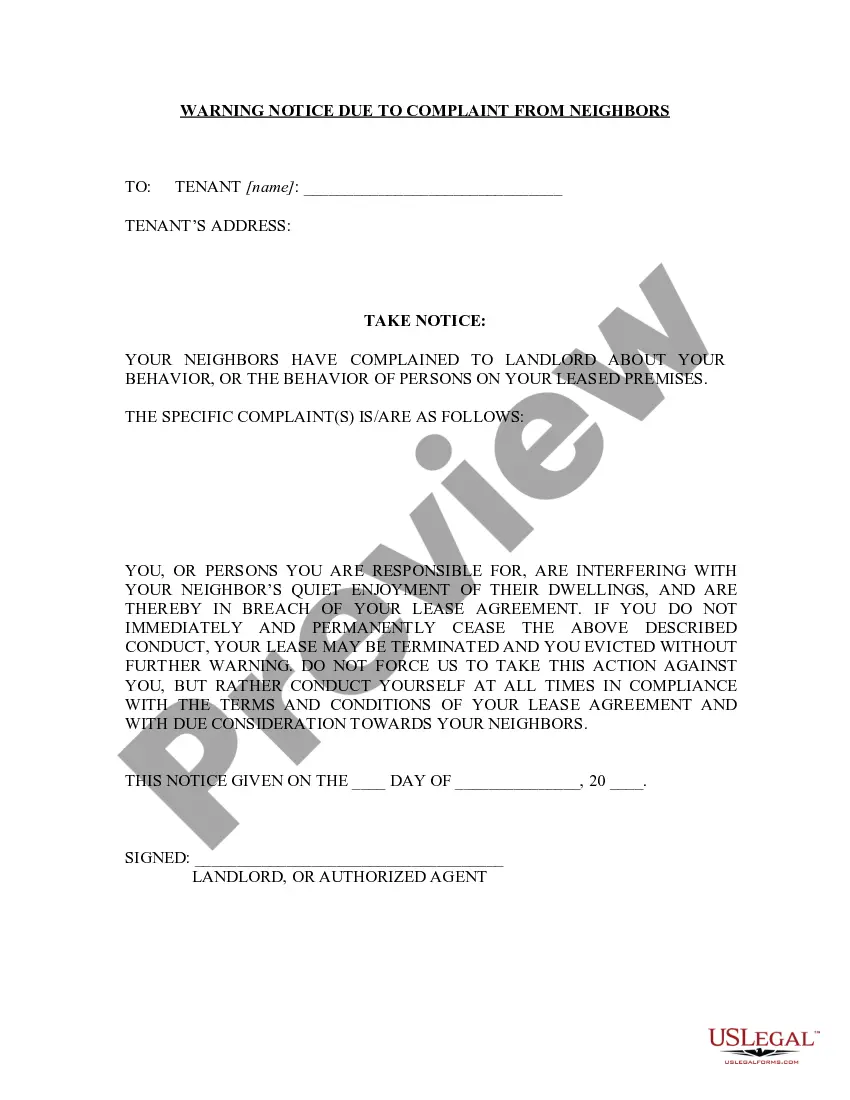
Sample Letter for Sale of Corporate Assets
About this form
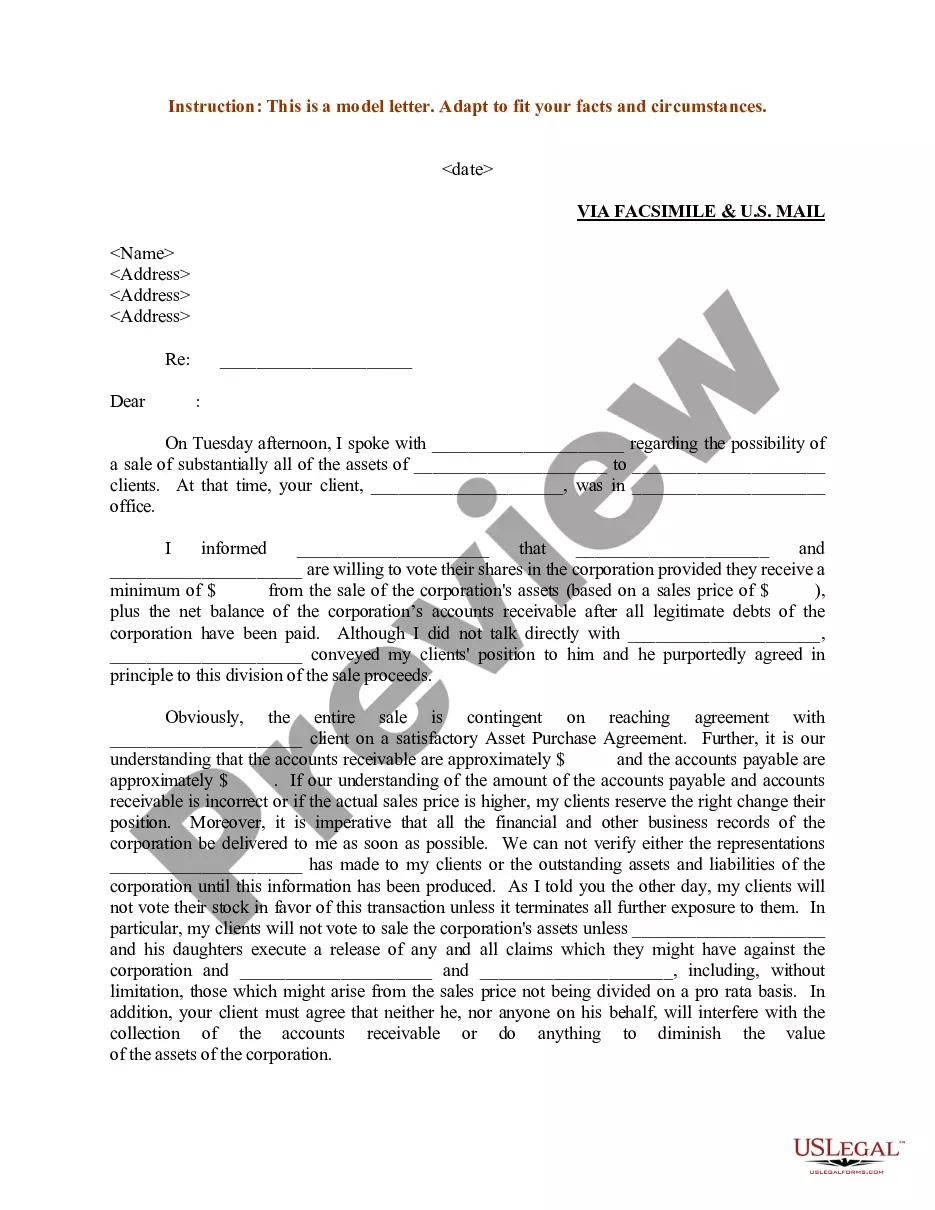
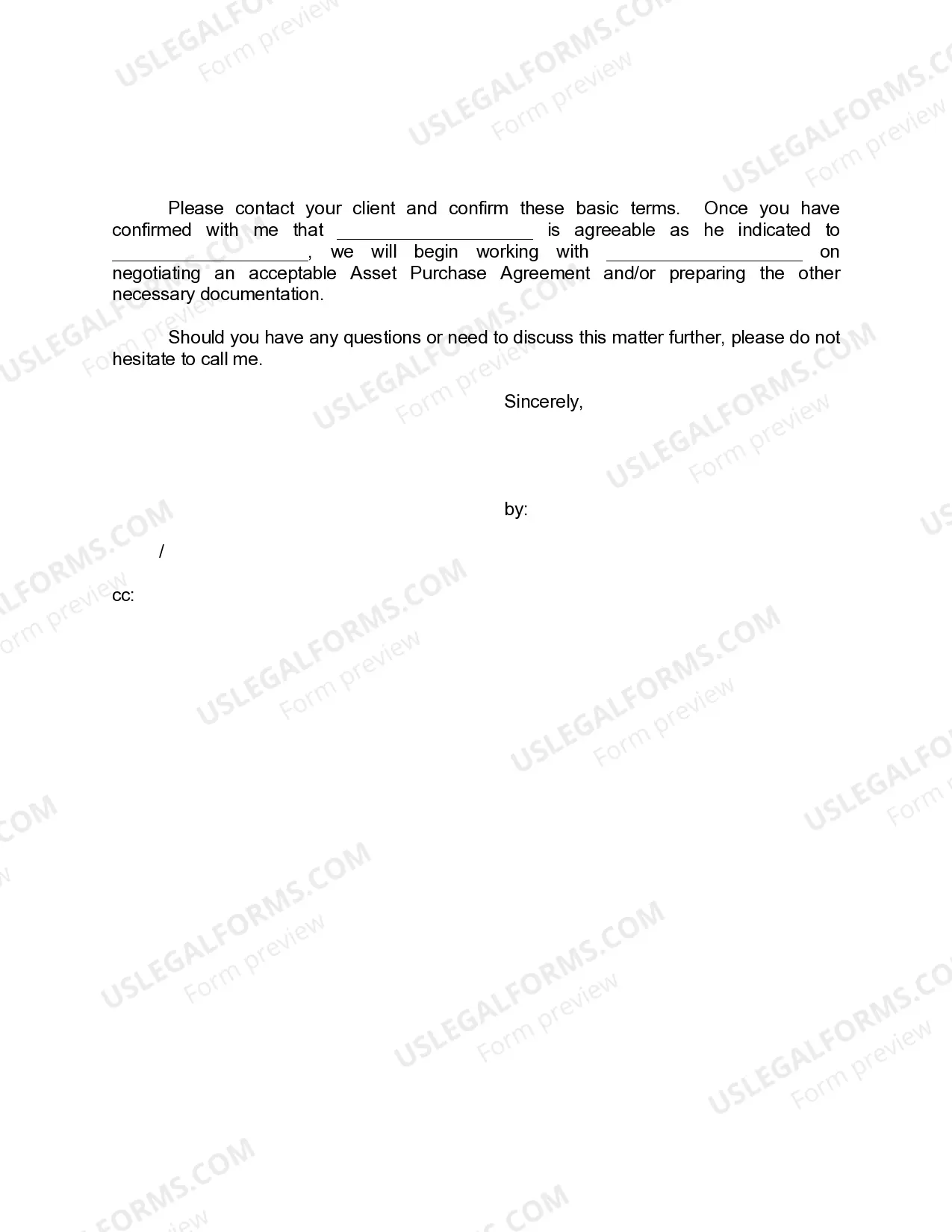
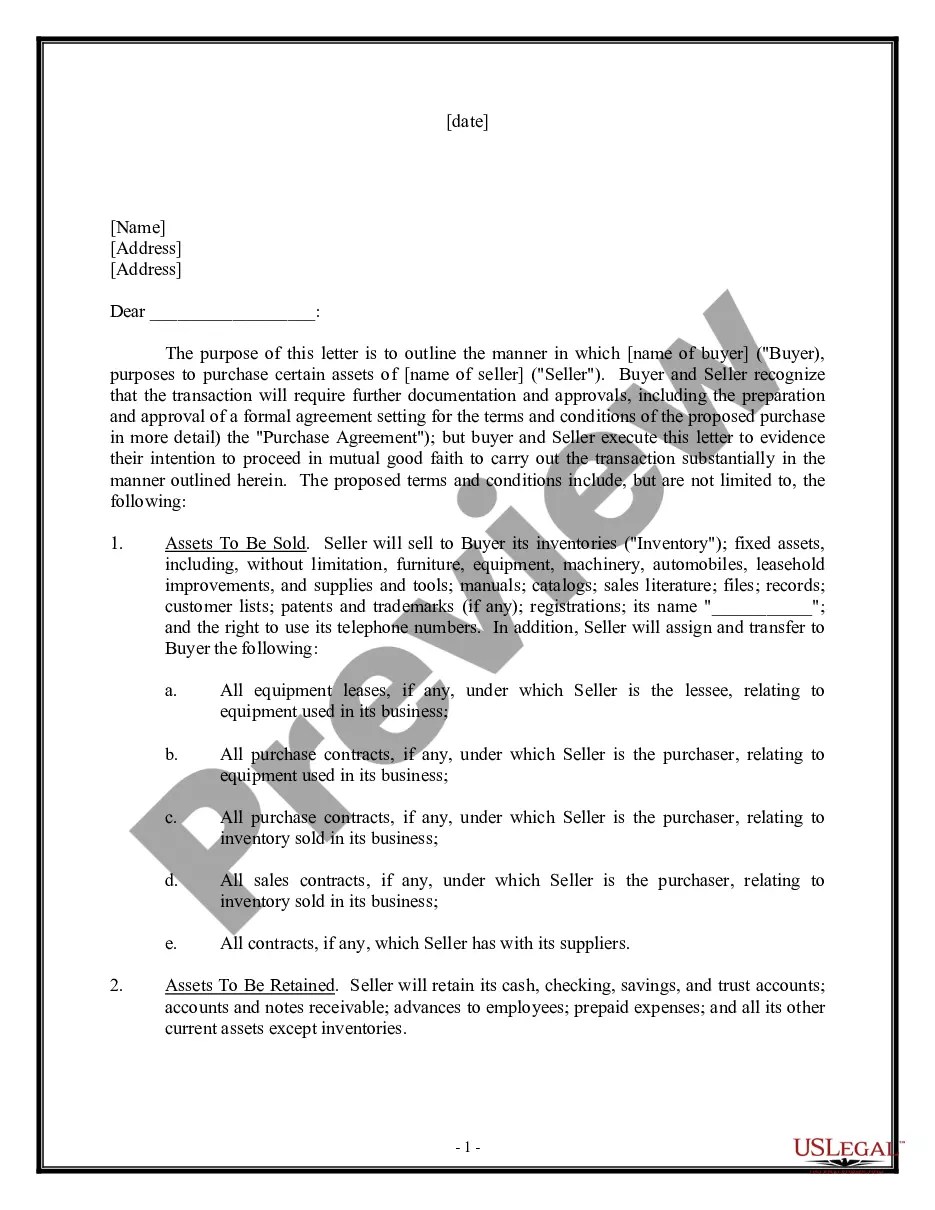
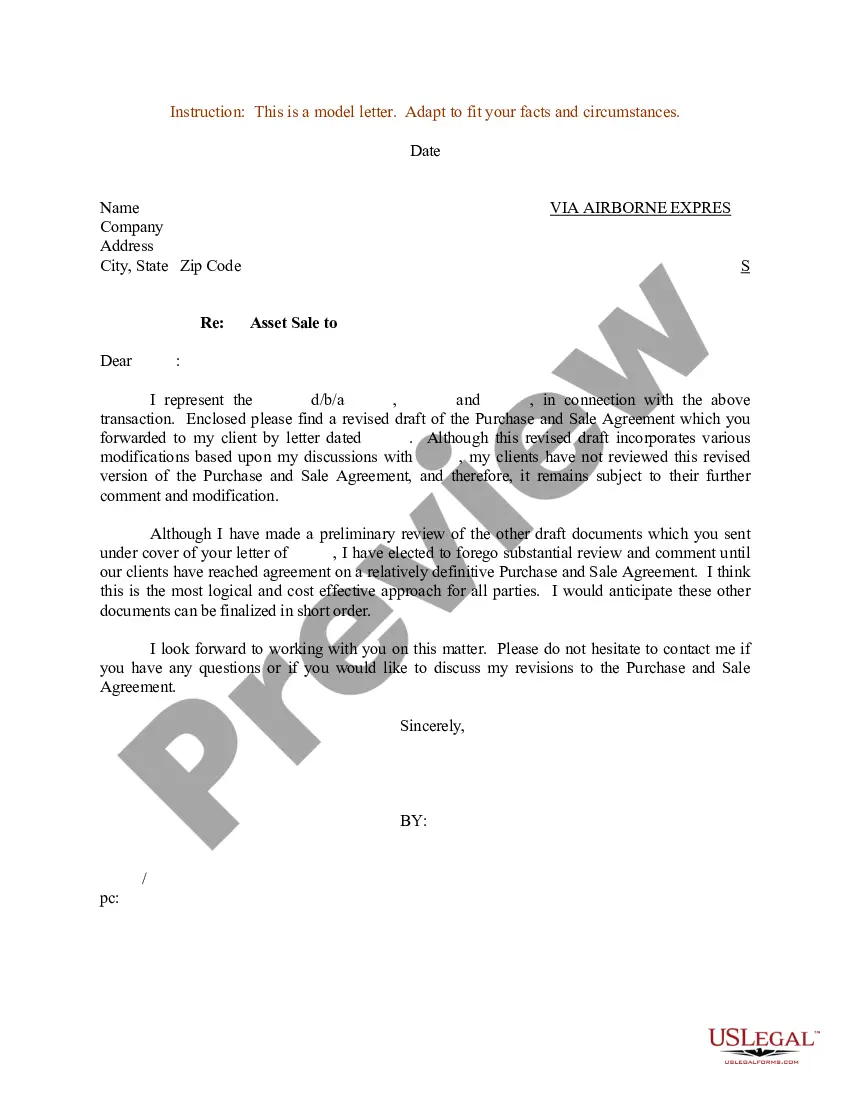
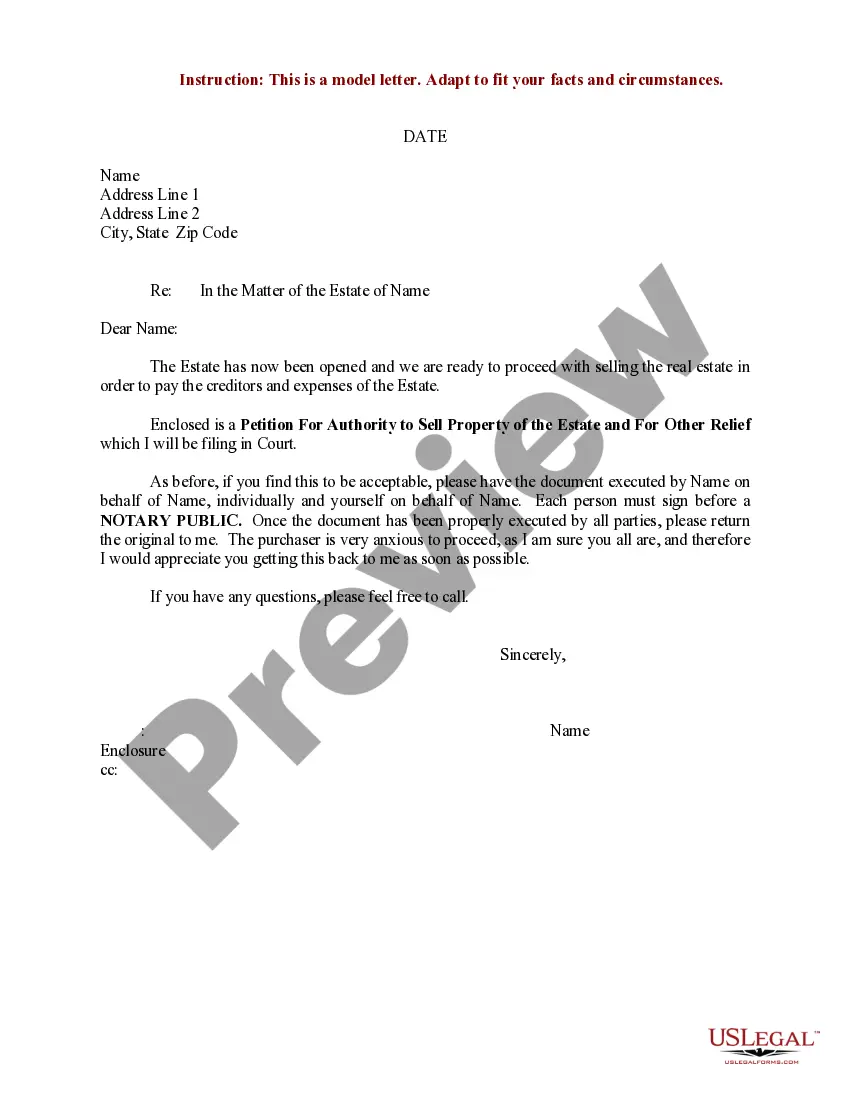
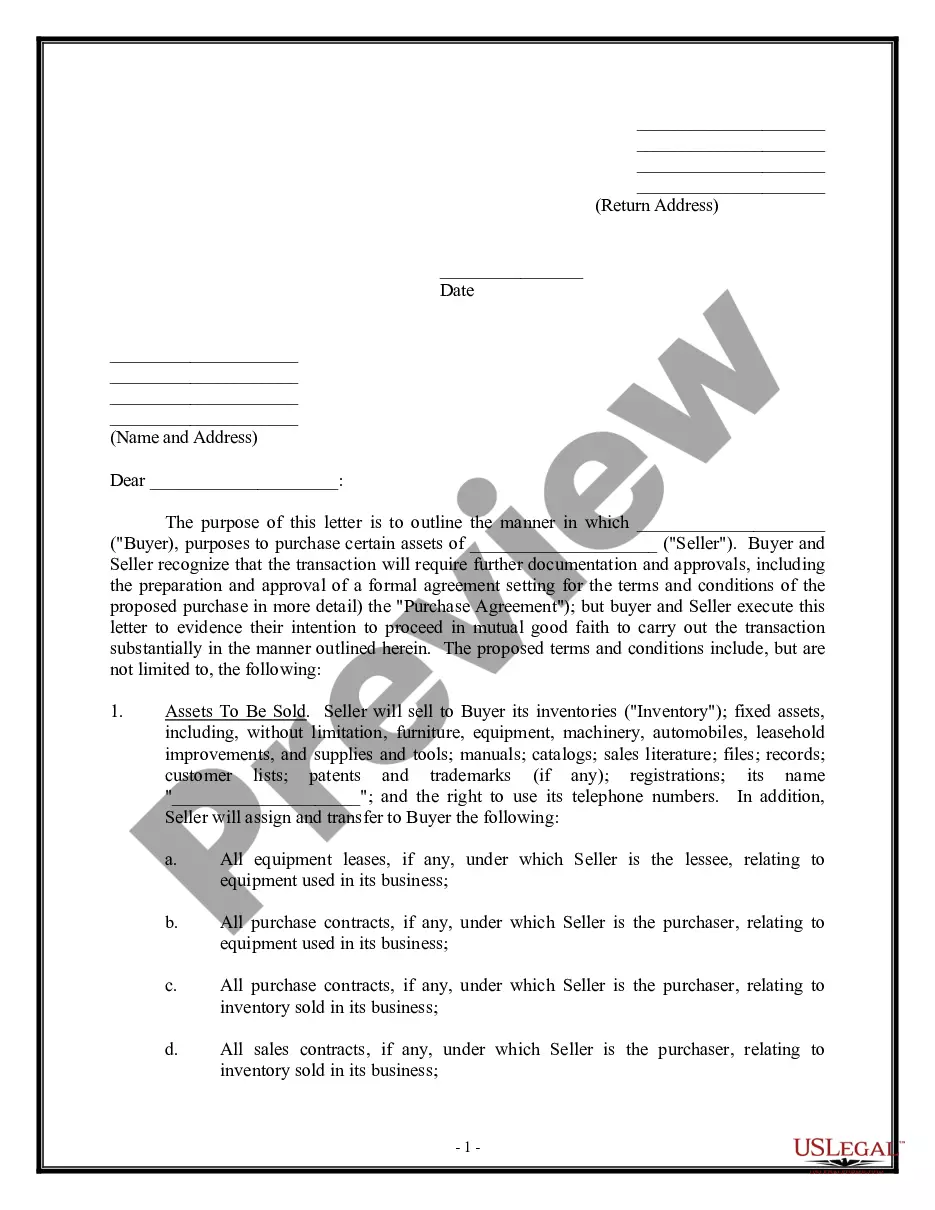
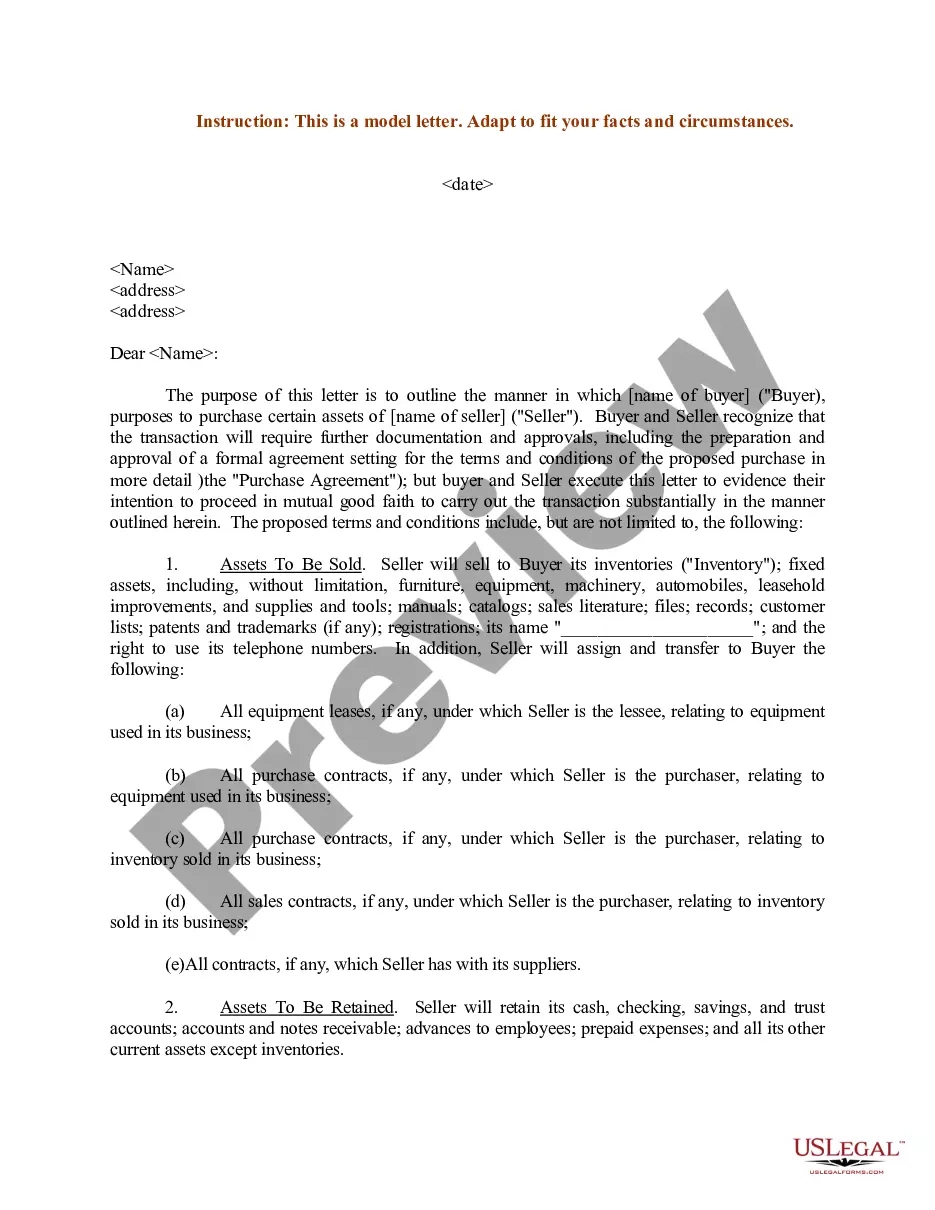
The Sample Letter for Sale of Corporate Assets is a formal communication used by corporations to convey their intent to sell specific assets. This letter serves as a guideline for drafting correspondence that complies with legal standards, differentiating it from informal letters or simple agreements. It is essential for ensuring clarity and legal sufficiency in the asset sale process.
What’s included in this form
- Date of the letter
- Sender's name and address
- Recipient's name and address
- Subject line indicating the asset sale
- Body of the letter specifying details of the sale
When this form is needed
This form is useful during the sale of corporate assets when a corporation needs to officially notify interested parties, such as shareholders or potential buyers, about the sale. It is appropriate in scenarios where legal documentation is necessary for clarity and compliance, especially in significant business transactions.
Who should use this form
This form is intended for:
- Corporate directors and officers
- Business owners looking to sell corporate assets
- Legal professionals drafting asset sale communications
Steps to complete this form
- Enter the date on which the letter is being sent.
- Identify the sender by filling in their name and address.
- Fill in the recipient's name and address to whom the letter is addressed.
- Specify the subject line to clearly indicate the letter's purpose.
- Include detailed information in the body about the assets being sold and any relevant conditions.
Notarization guidance
This form does not typically require notarization to be legally valid. However, some jurisdictions or document types may still require it. US Legal Forms provides secure online notarization powered by Notarize, available 24/7 for added convenience.
Get your form ready online
Our built-in tools help you complete, sign, share, and store your documents in one place.
Make edits, fill in missing information, and update formatting in US Legal Forms—just like you would in MS Word.
Download a copy, print it, send it by email, or mail it via USPS—whatever works best for your next step.
Sign and collect signatures with our SignNow integration. Send to multiple recipients, set reminders, and more. Go Premium to unlock E-Sign.
If this form requires notarization, complete it online through a secure video call—no need to meet a notary in person or wait for an appointment.
We protect your documents and personal data by following strict security and privacy standards.

Make edits, fill in missing information, and update formatting in US Legal Forms—just like you would in MS Word.

Download a copy, print it, send it by email, or mail it via USPS—whatever works best for your next step.

Sign and collect signatures with our SignNow integration. Send to multiple recipients, set reminders, and more. Go Premium to unlock E-Sign.

If this form requires notarization, complete it online through a secure video call—no need to meet a notary in person or wait for an appointment.

We protect your documents and personal data by following strict security and privacy standards.
Avoid these common issues
- Failing to specify the exact assets being sold.
- Neglecting to include contact information for follow-up questions.
- Using informal language instead of a formal tone.
Benefits of completing this form online
- Convenient access to a professional template without the need for legal consultation.
- Editability allows for customization to fit specific situations and jurisdictions.
- Instant download for immediate use, saving time in urgent situations.
Looking for another form?

Form popularity
FAQ
Determine a Realistic Price Range. If you price your business too high, you'll scare away buyers. Understand the Tax Consequences. Look Good for a Sale. Seek Potential Buyers. Negotiate Your Deal. Sign a Sales Agreement. Plan for the Closing. File Paperwork With the IRS.
Date of Sale. Buyer's name and address. Seller's name and address. Business name and details, which include: State of incorporation. Address of the business's main headquarters. Assets, shares, personal property and other interests included with the company.
Buyer and seller information. Property details. Pricing and financing. Fixtures and appliances included/excluded in the sale. Closing and possession dates. Earnest money deposit amount. Closing costs and who is responsible for paying.
A Purchase Sale Agreement is the legal document that specifies all of the terms and conditions associated with the purchase and sale of a company or the assets. The document outlines the price, the payment method (For example, cash or debt), the representations and warranties, and any conditions.
List of all assets included in the sale including fixtures, furnishings, equipment, machinery, inventories, accounts receivable, business name, customer lists, goodwill, and other items; also includes assets to be excluded from the sale, such as cash and cash accounts, real estate, automobiles, etc.
State the purpose of the letter. Describe the agreement and ask for acknowledge of receipt of the intent to sale. Provide contact information on how to reach you.
A Business Purchase Agreement is a contract used to transfer the ownership of a business from a seller to a buyer. It includes the terms of the sale, what is or is not included in the sale price, and optional clauses and warranties to protect both the seller and the purchaser after the transaction has been completed.
A letter of intent is a preliminary document in the sale of a business. It usually comes after a buyer and seller have already had significant discussions. In the sale process, the LOI comes after the parties have already decided on the basic terms but before the final contract.
The more common form of structuring payments in a business purchase is for you to make a down payment of perhaps 20% or 25% and then sign a promissory note agreeing to pay the balance to the seller over a number of years, in regular installments.