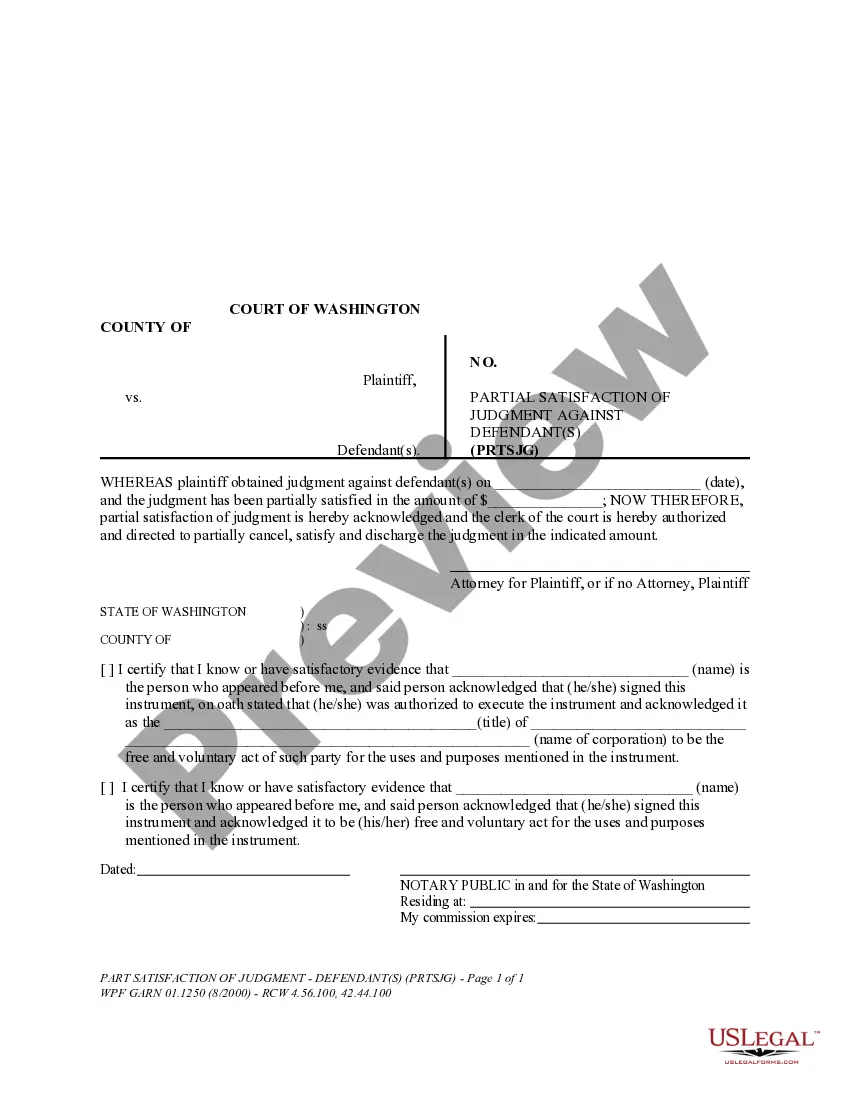
Termination of Trust By Trustee and Acknowledgment of Receipt of Trust Funds By Beneficiary
What this document covers
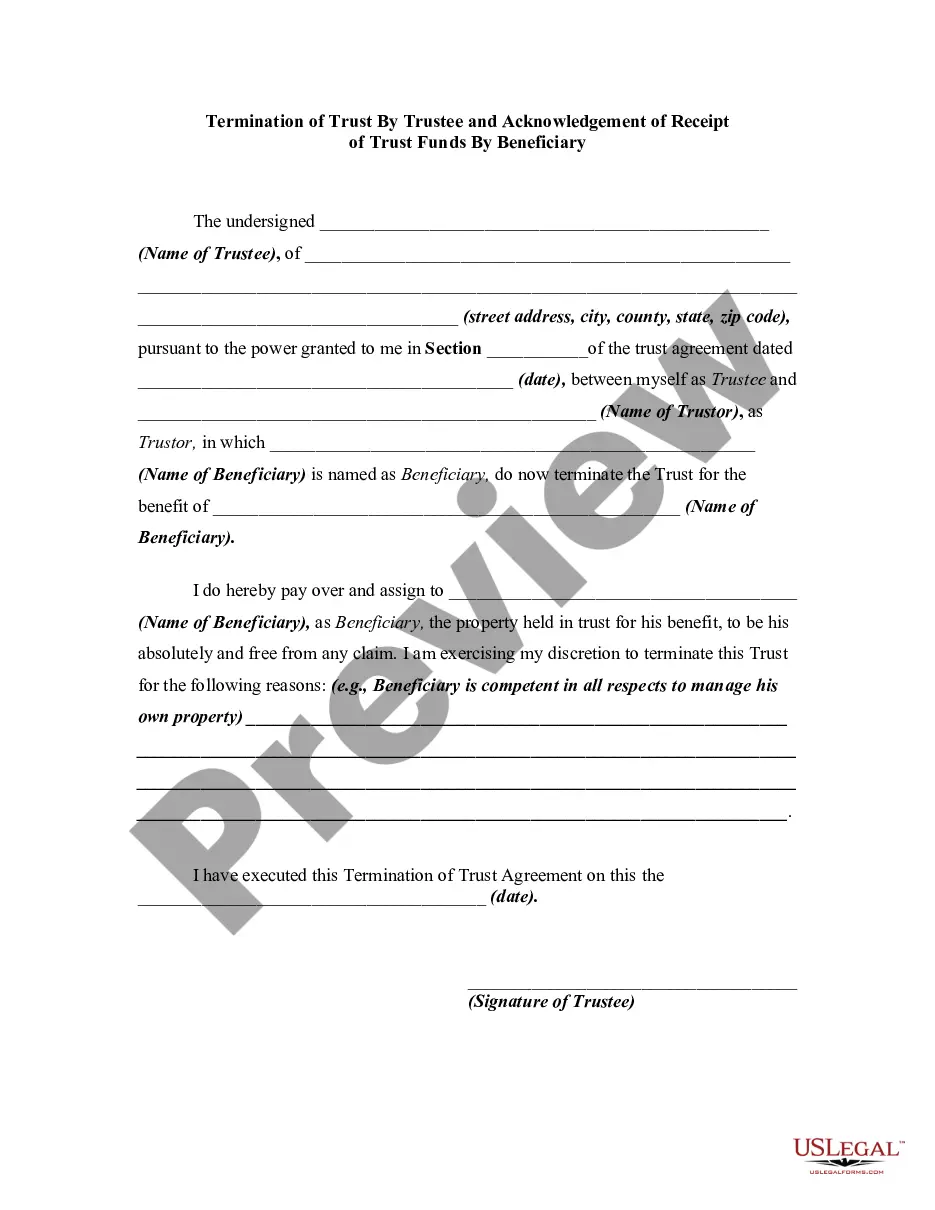
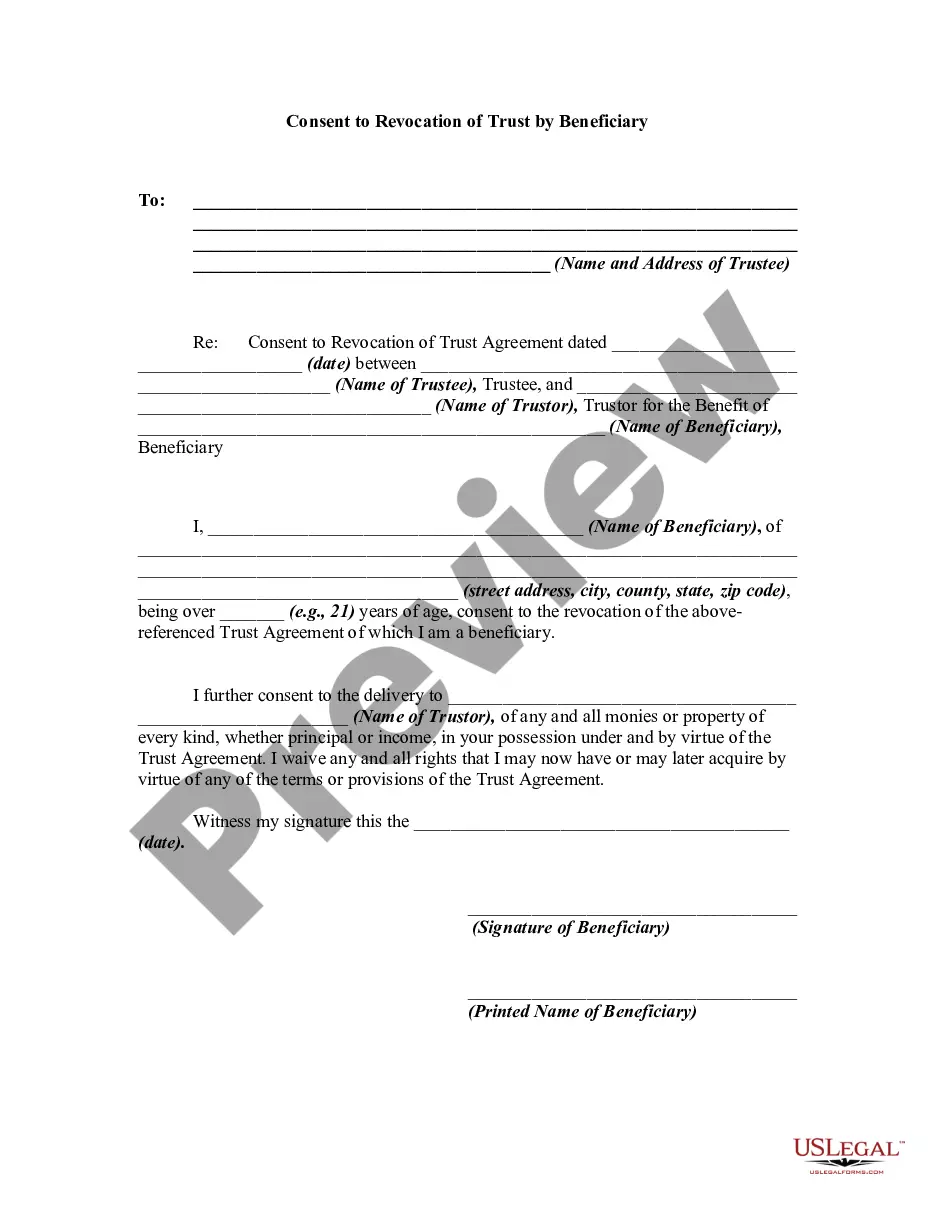
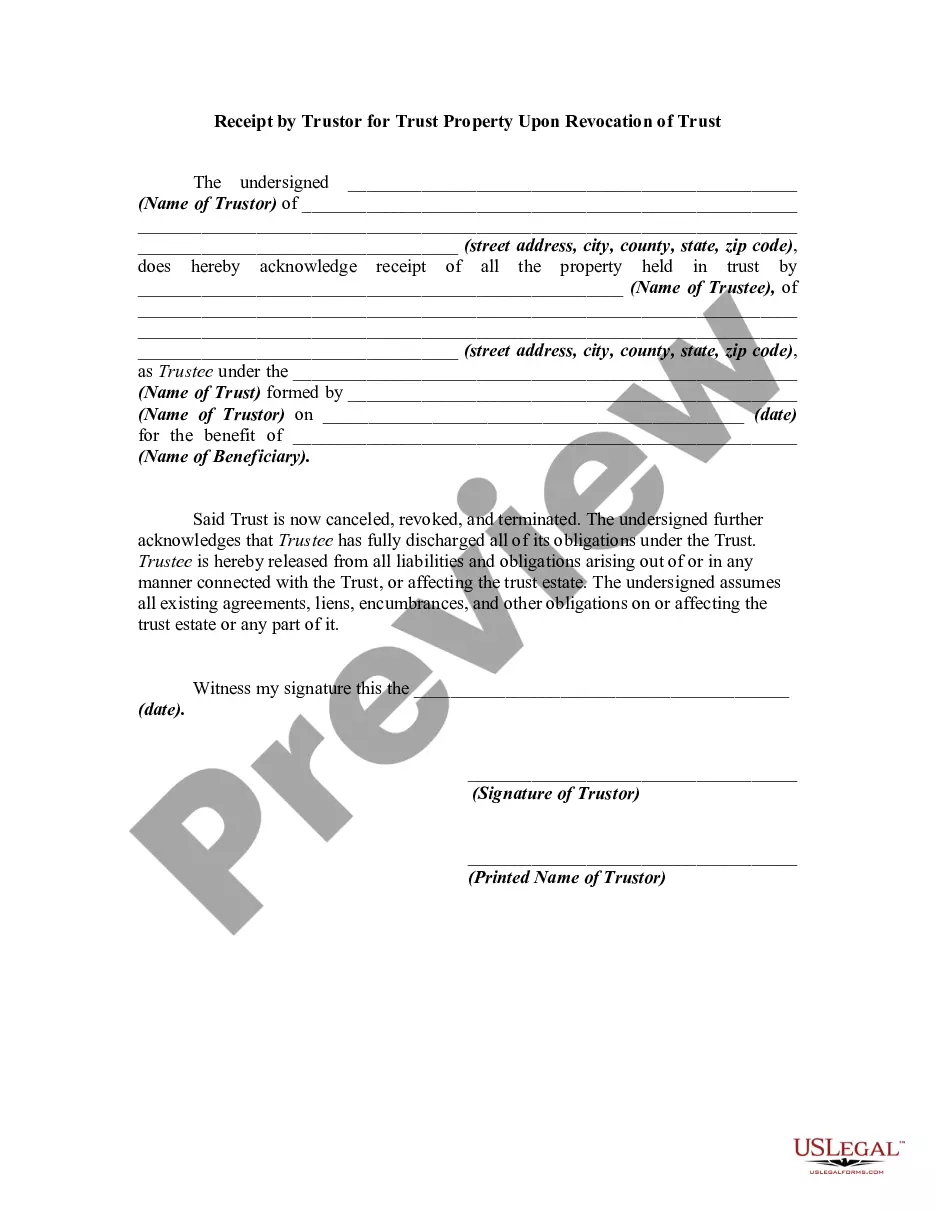
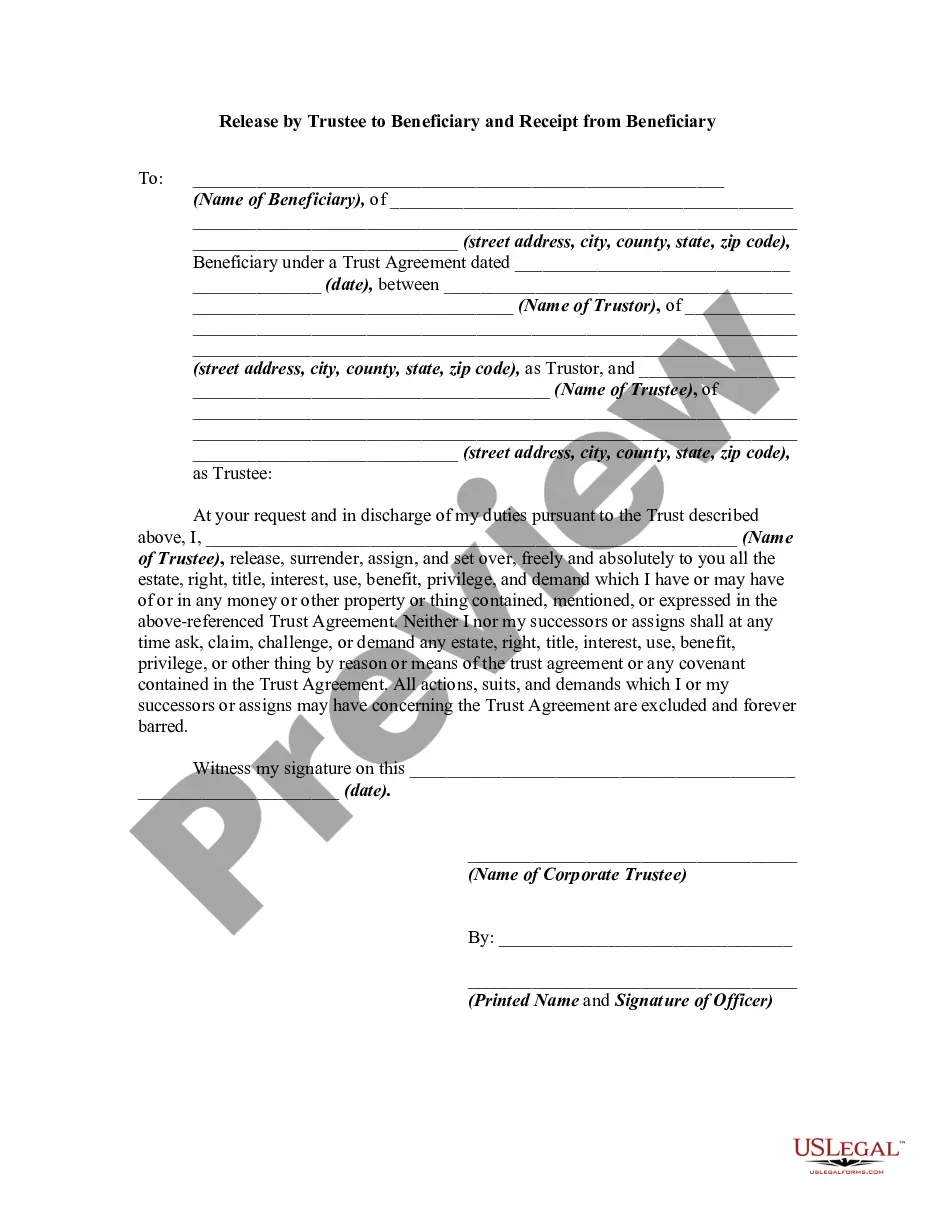
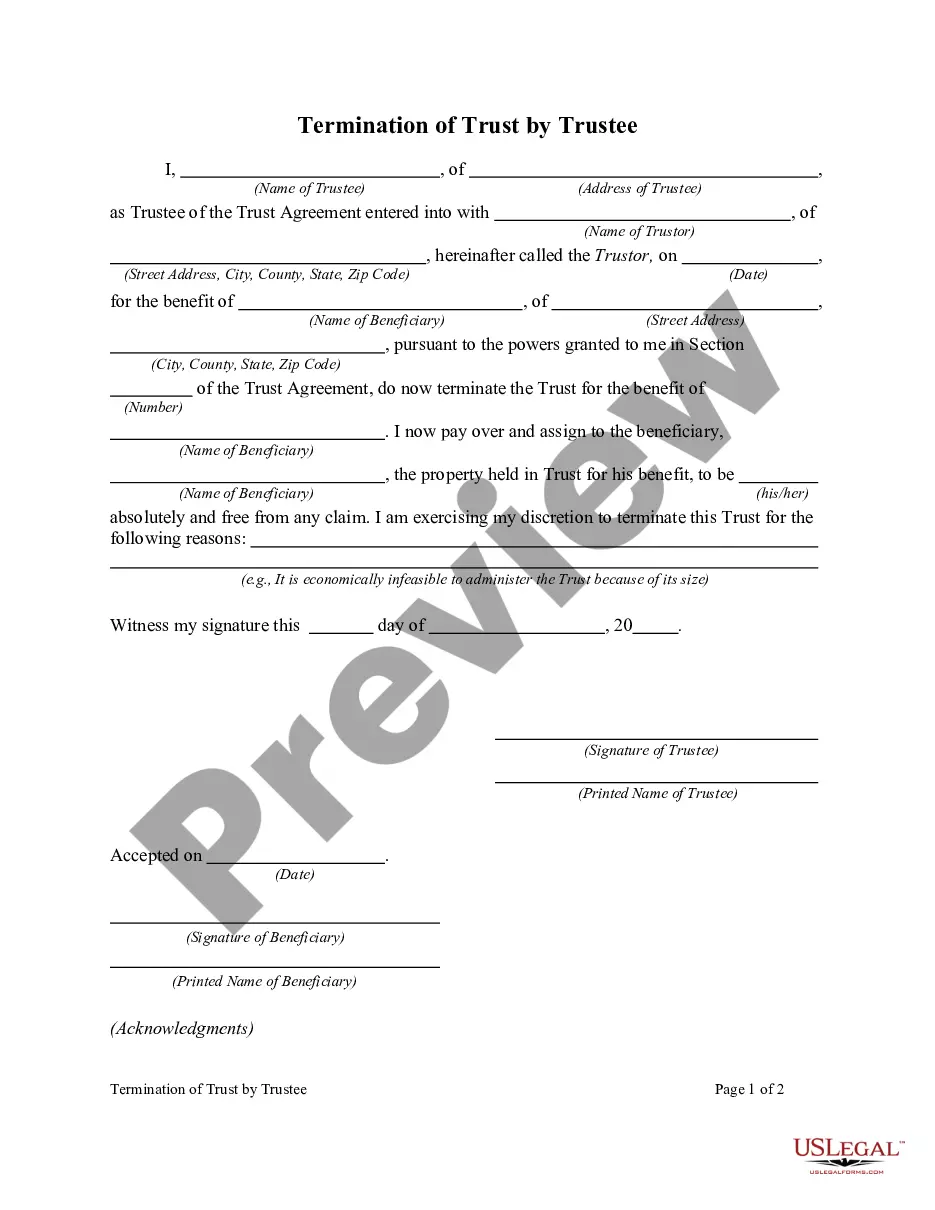
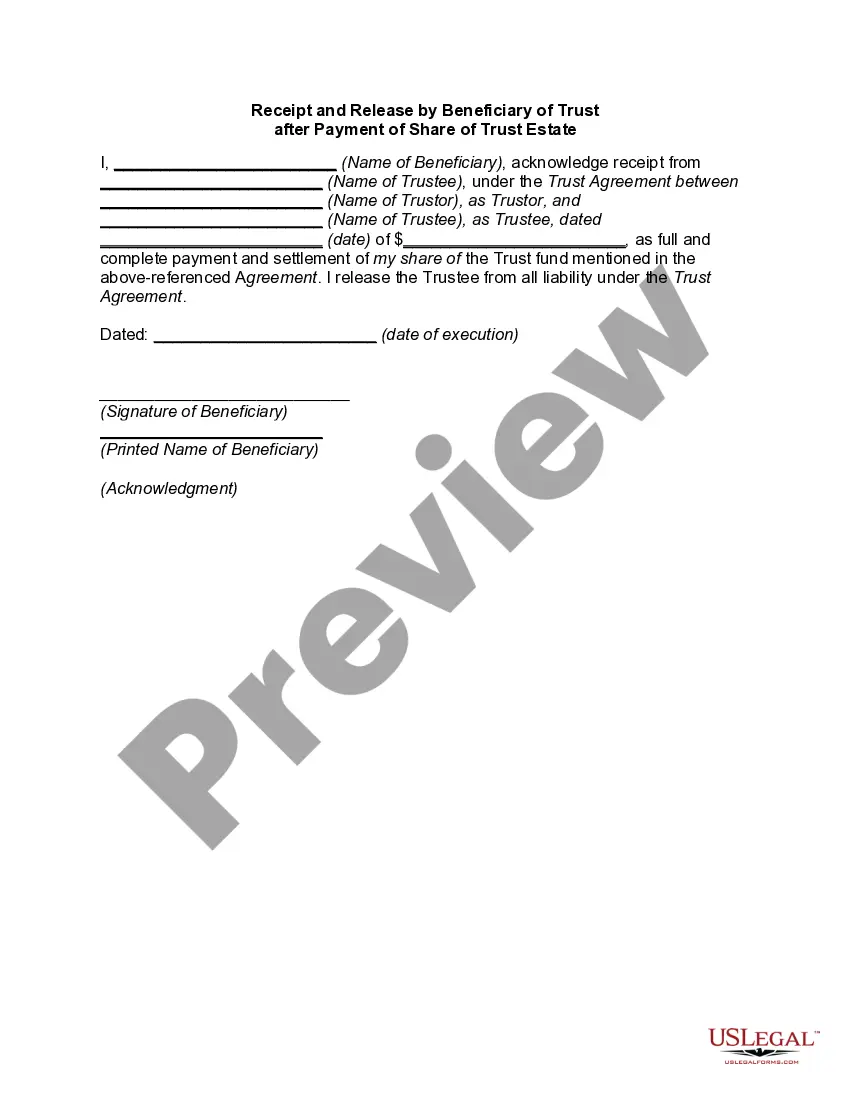
The Termination of Trust By Trustee and Acknowledgment of Receipt of Trust Funds By Beneficiary is a legal document used when a trustee has the authority to dissolve a trust and distribute its assets to the beneficiary. This form clearly outlines the trustee's decision to terminate the trust and ensures that the beneficiary acknowledges the receipt of funds or property. Unlike other trust-related forms, this document specifically focuses on the ending of the trust and the immediate transfer of any remaining assets to the beneficiary, thus providing legal clarity for both parties involved.
Key components of this form
- Name and contact information of the trustee.
- Reference to the trust agreement and its termination authority.
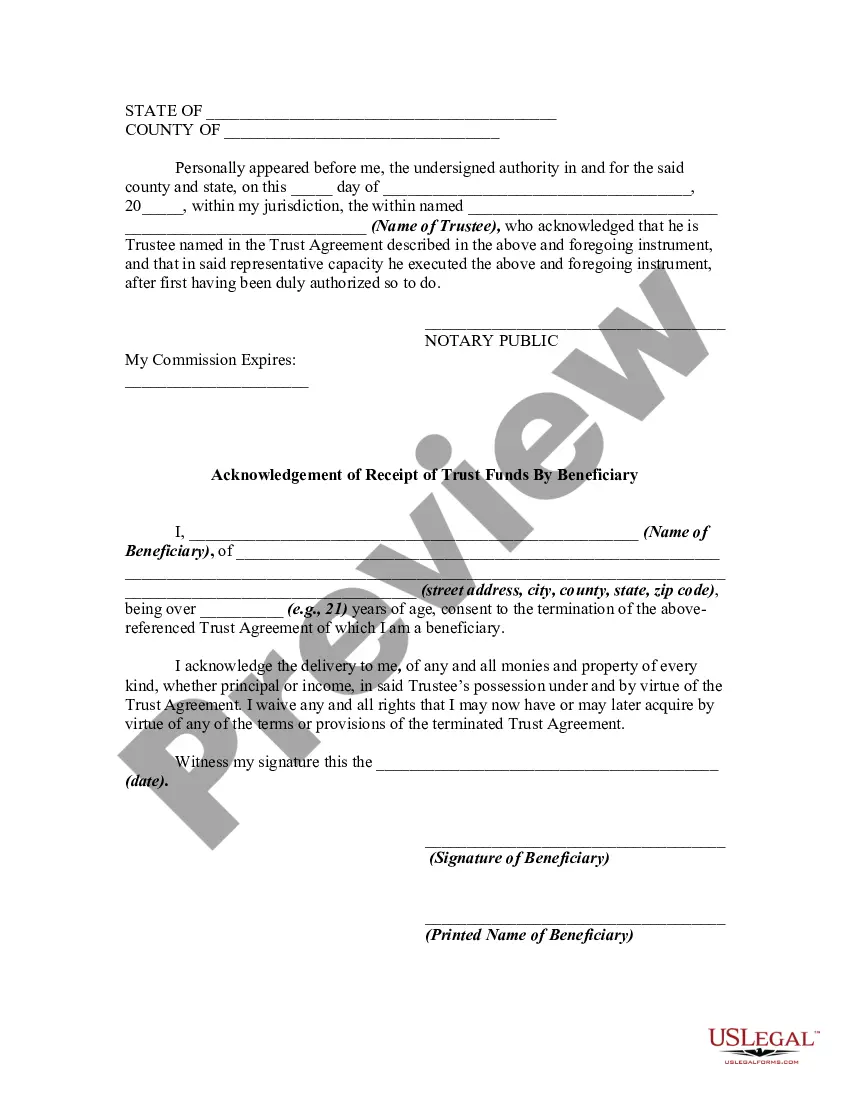
- Name of the beneficiary and acknowledgment of receipt of trust assets.
- Reason for terminating the trust as specified by the trustee.
- Signatures of the trustee and the beneficiary.
- Notarization section for both parties' signatures.
When to use this form
This form should be used when a trustee decides to terminate a trust and distribute its assets to the beneficiary. Common scenarios include when the beneficiary is deemed capable of managing their own affairs, or when the trust's objectives have been achieved. It is essential in situations where the trustee has been granted explicit authority to dissolve the trust in accordance with the trust agreement.
Who should use this form
- Trustees who have the legal authority to terminate a trust.
- Beneficiaries who are to receive the remaining assets of the trust.
- Individuals seeking to ensure that the termination process is legally documented and acknowledged.
Instructions for completing this form
- Identify and fill in the name and address of the trustee.
- Specify the relevant section of the trust agreement that grants termination authority.
- Enter the name of the trustor and the beneficiary.
- State the reasons for the termination of the trust.
- Include the date of execution and obtain the necessary signatures from both the trustee and the beneficiary.
- Ensure the form is notarized, if required by local law.
Does this document require notarization?
To make this form legally binding, it must be notarized. Our online notarization service, powered by Notarize, lets you verify and sign documents remotely through an encrypted video session.
Get your form ready online
Our built-in tools help you complete, sign, share, and store your documents in one place.
Make edits, fill in missing information, and update formatting in US Legal Forms—just like you would in MS Word.
Download a copy, print it, send it by email, or mail it via USPS—whatever works best for your next step.
Sign and collect signatures with our SignNow integration. Send to multiple recipients, set reminders, and more. Go Premium to unlock E-Sign.
If this form requires notarization, complete it online through a secure video call—no need to meet a notary in person or wait for an appointment.
We protect your documents and personal data by following strict security and privacy standards.

Make edits, fill in missing information, and update formatting in US Legal Forms—just like you would in MS Word.

Download a copy, print it, send it by email, or mail it via USPS—whatever works best for your next step.

Sign and collect signatures with our SignNow integration. Send to multiple recipients, set reminders, and more. Go Premium to unlock E-Sign.

If this form requires notarization, complete it online through a secure video call—no need to meet a notary in person or wait for an appointment.

We protect your documents and personal data by following strict security and privacy standards.
Common mistakes
- Failing to accurately state the termination authority referenced in the trust agreement.
- Not providing the reason for termination, which is essential for legal clarity.
- Omitting signatures from either the trustee or the beneficiary.
- Neglecting to notarize the document if required by state law.
Why complete this form online
- Conveniently download and print the form from anywhere.
- Easily editable to include specific details relevant to your situation.
- Access templates drafted by licensed attorneys, ensuring legal accuracy.
Looking for another form?





Form popularity
FAQ
Resignation is typically done by giving written notice to the beneficiaries and to the successor Trustee. The successor Trustee should receive the resignation so that he or she knows that it's their turn to manage the Trust estate.
Trustees Can Withdraw For Trust UseTrust law varies from state to state, but under no circumstances can a trustee withdraw funds from the trust for the personal use of the trustee.Common trust law dictates that the trustee (or trustees) are the only parties that can disburse funds from a trust account.
Usually, this means paying any outstanding trust obligations, liquidating assets, filing final income tax returns, preparing a final accounting for the benefit of the beneficiaries, and distributing trust assets to the appropriate beneficiaries.
Although non-indemnified executors may face potential personal liability for their work as estate trustees, the beneficiaries of estates are not obligated to sign such releases and indemnities which are presented to them before receiving any distribution of their inheritance.
A beneficiary can renounce their interest from the trust and, upon the consent of other beneficiaries, be allowed to exit. A trustee cannot remove a beneficiary from an irrevocable trust. A grantor can remove a beneficiary from a revocable trust by going back to the trust deed codes that allow for the same.
But what happens if a trustee steals from the trust, breaching their fiduciary duty? When a trustee acts in this fraudulent manner, they violate beneficiary rights and endanger trust assets. The abused beneficiaries can respond by petitioning for a trust accounting and then the eventual removal of the trustee.
A Receipt and Release Agreement is the means by which a beneficiary of an estate may acknowledge receipt of the property to which he is entitled, and agree to release the executor from any further liability with respect thereto.
A Receipt, Release, Refunding and Indemnification Agreement is a probate tool that allows the executor to distribute estate funds to a beneficiary with the promise from the beneficiary to return the funds if it later turns out they were distributed in error.
A trustee has a duty to conform to the terms of the trust. Legally a trustee cannot spend money in a trust on themselves (unless the are also a beneficiary).