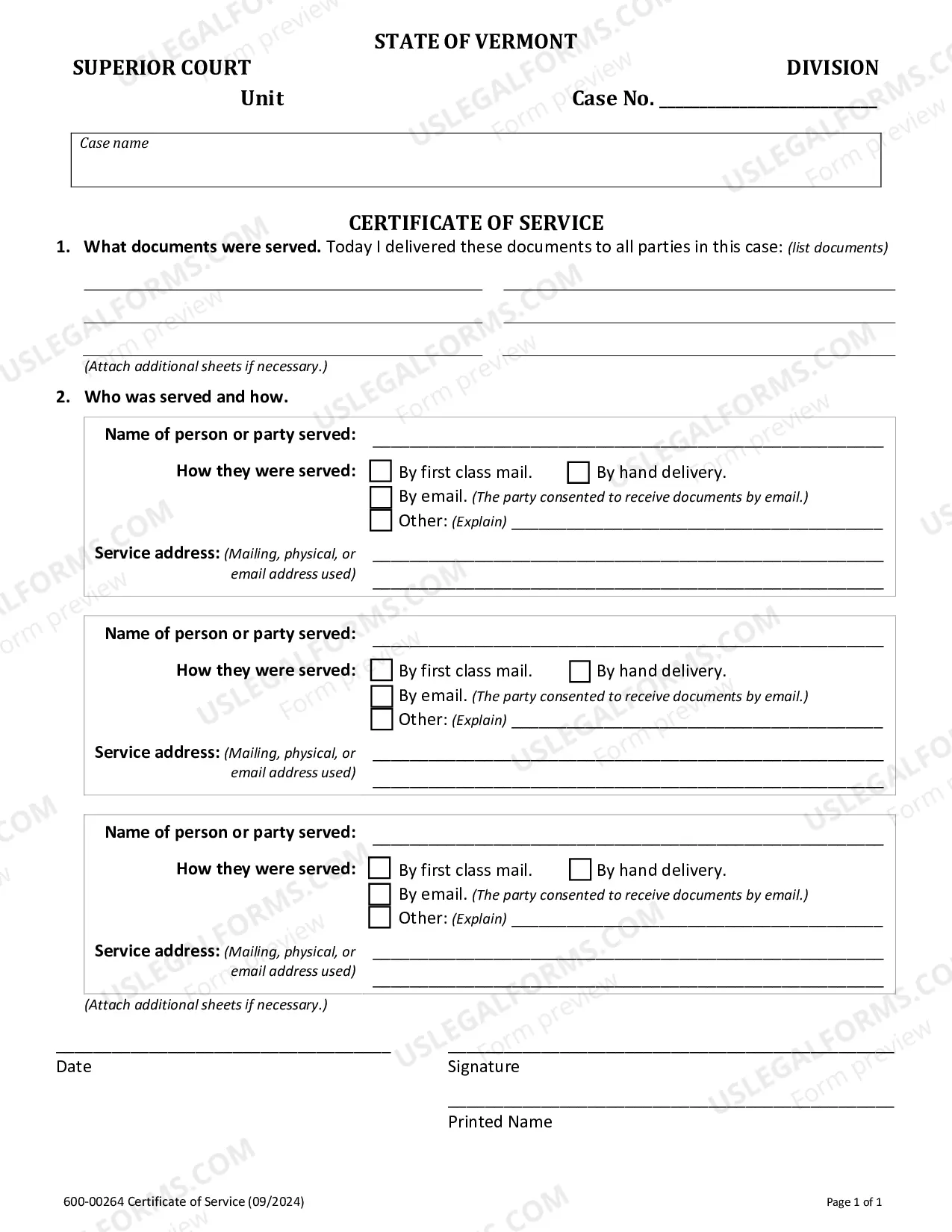
Affidavit as to Apparent Abandonment of Real Property to be used in Establishing Adverse Possession Claim - Squatters Rights
What is this form?
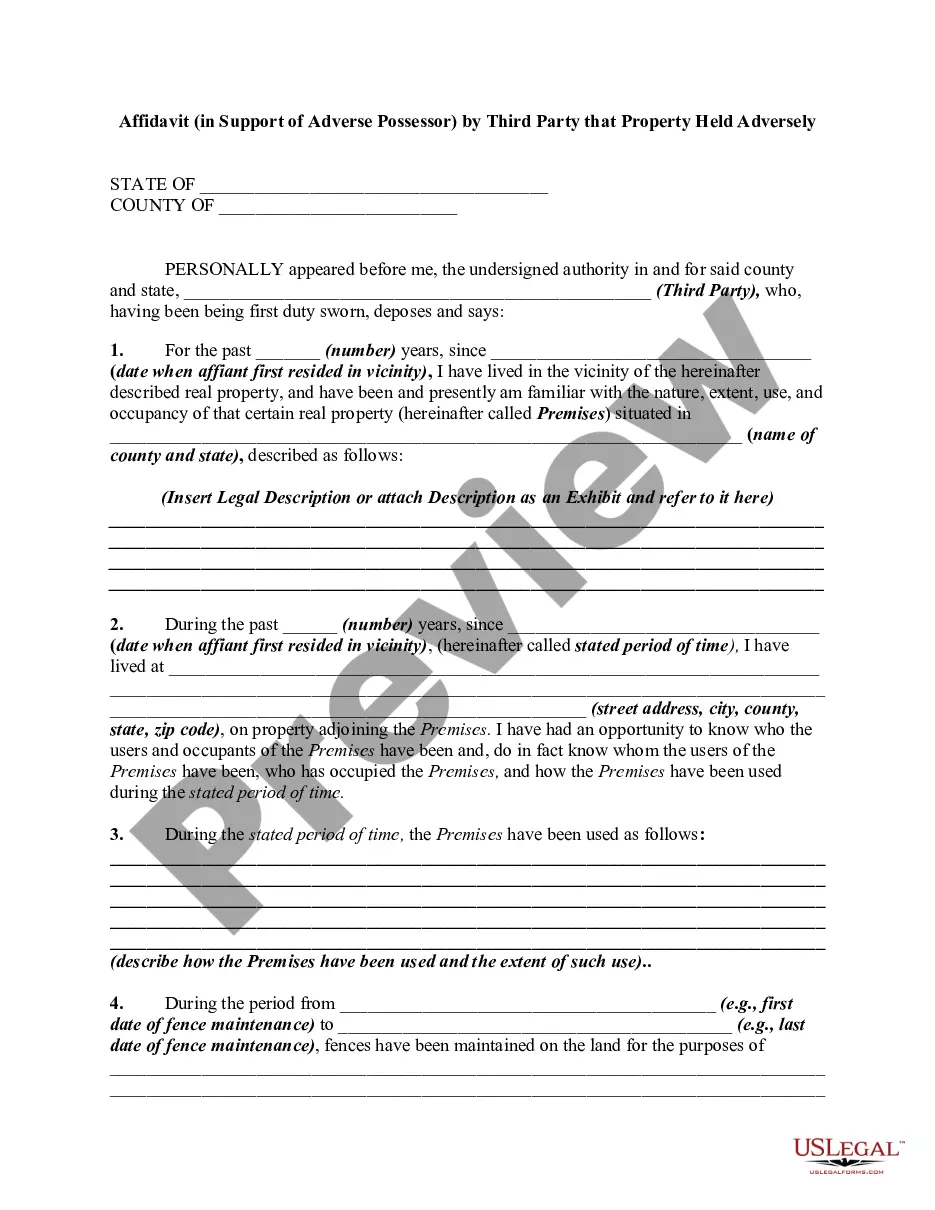
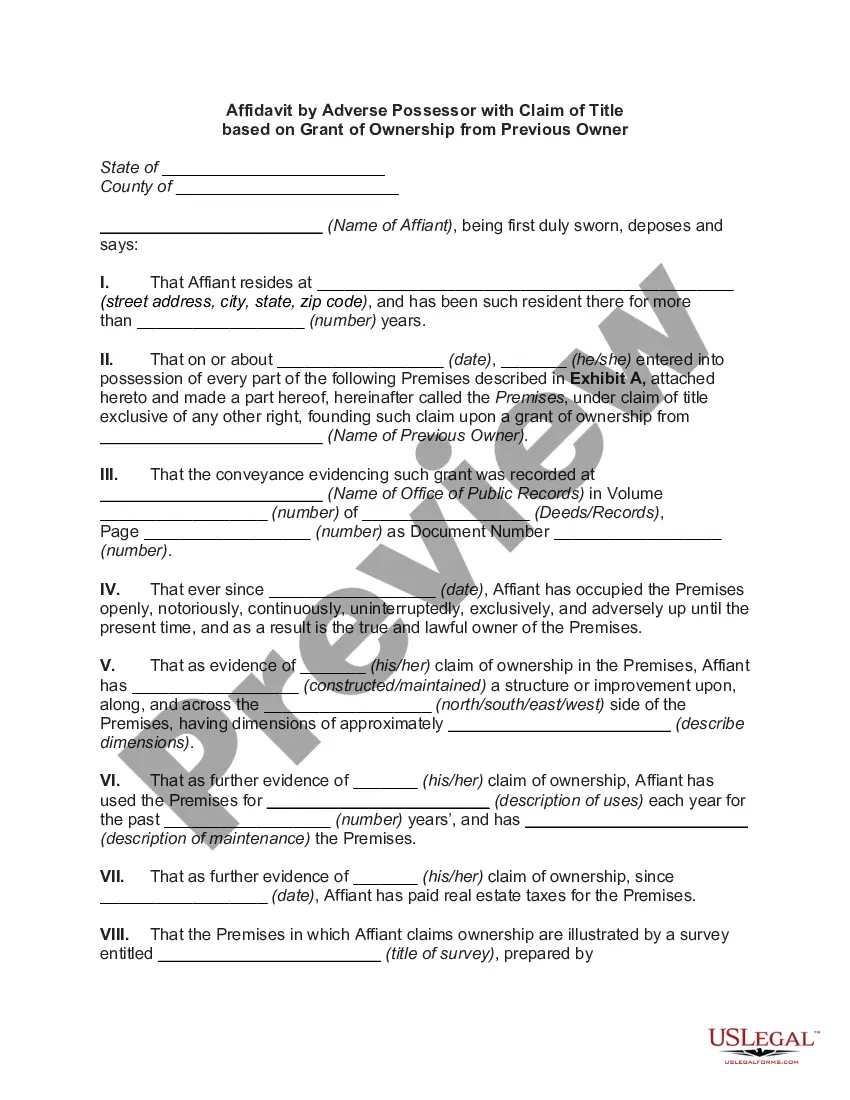
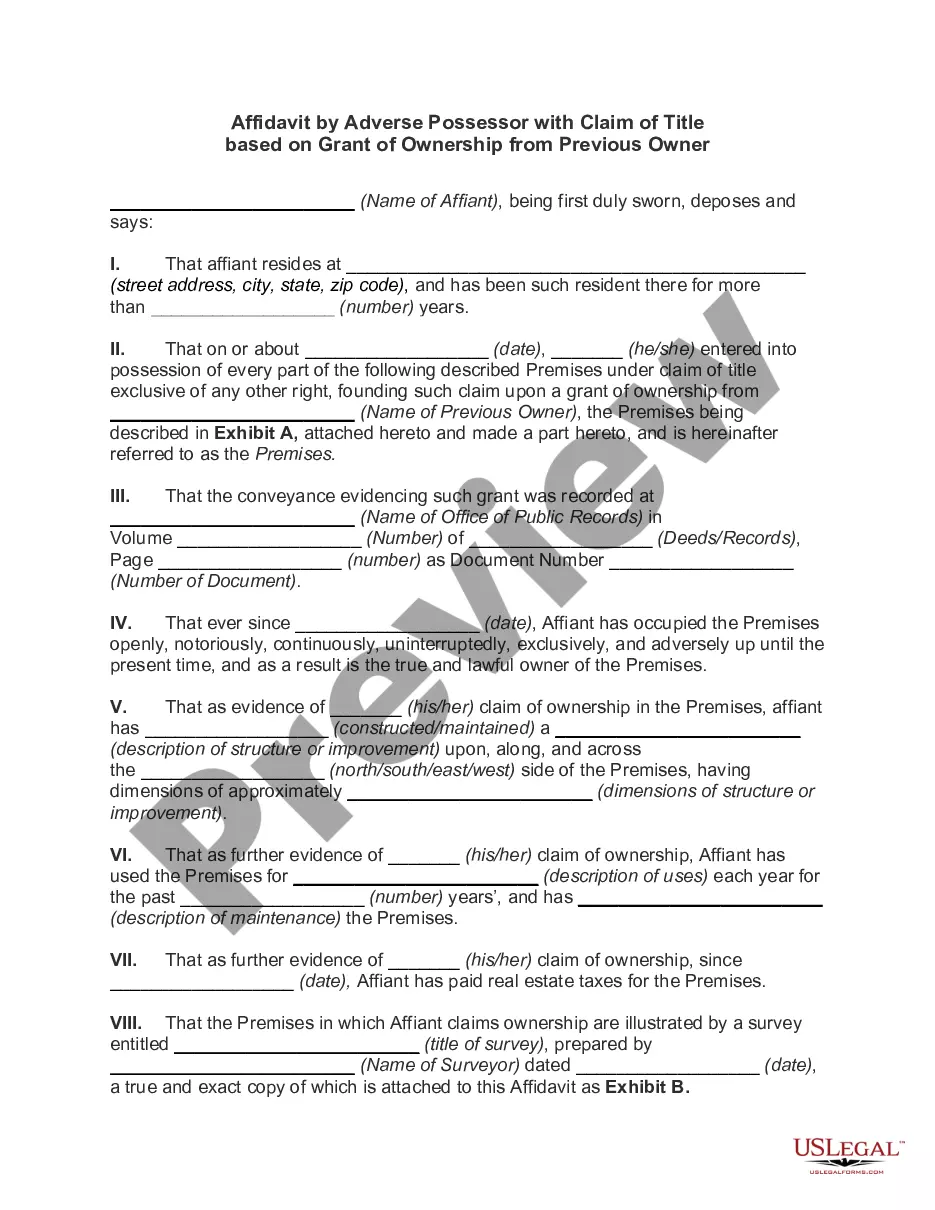
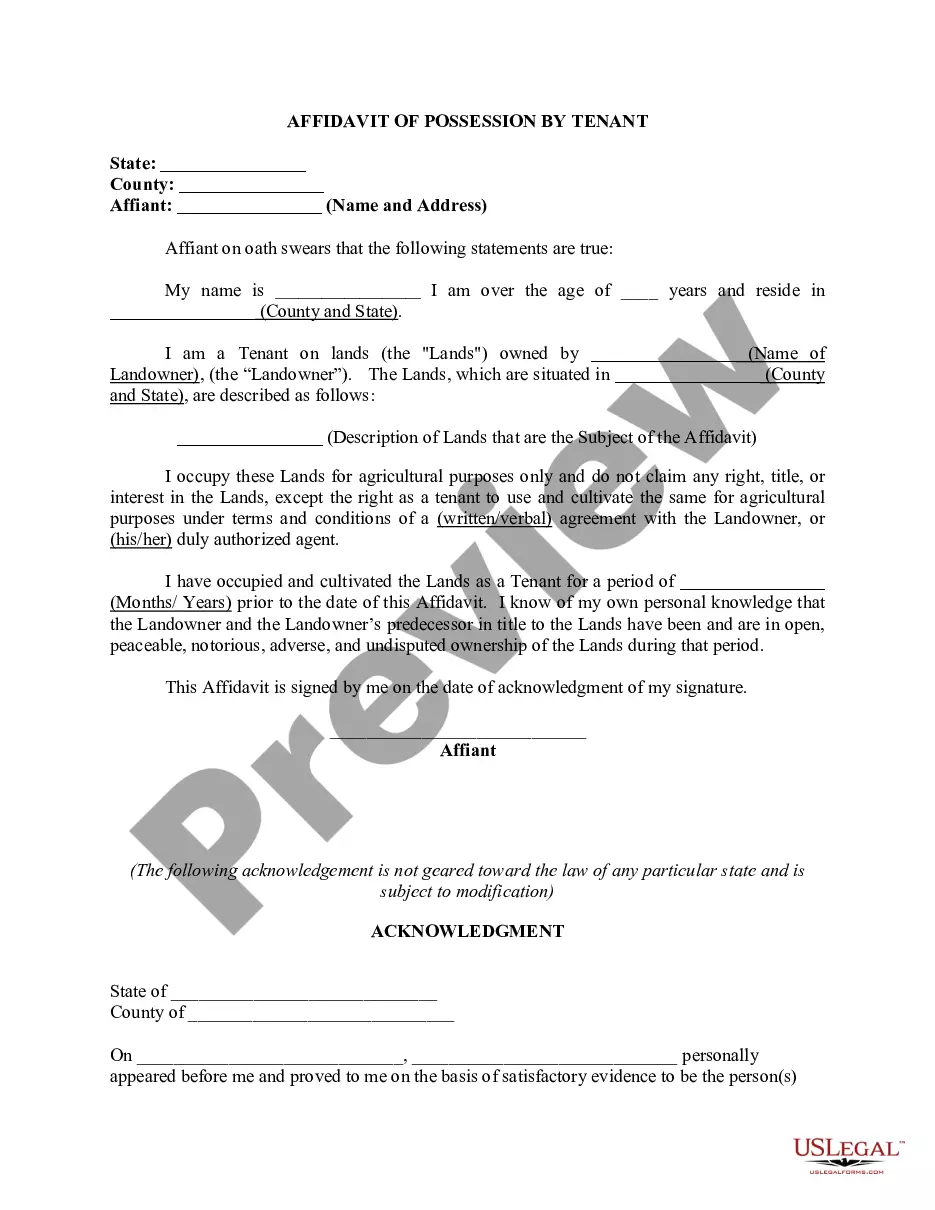
The Affidavit as to Apparent Abandonment of Real Property, commonly referred to as an abandonment affidavit, is a legal document used to support claims of adverse possession, also known as squatters' rights. This form helps establish that the property in question has been abandoned by its owner, allowing a claimant to potentially acquire legal title after meeting certain conditions over a specified period. It sets forth specific statements about the property's condition and use to provide evidence for an adverse possession claim, which is crucial for individuals seeking to assert their rights over unused land.
Key components of this form
- Claimant's personal details and relationship to the property.
- Legal description of the real property in question.
- Details about the fencing and physical boundaries of the property.
- Statements regarding the property's vacancy and lack of cultivation.
- Information about any improvements made to the property and their condition.
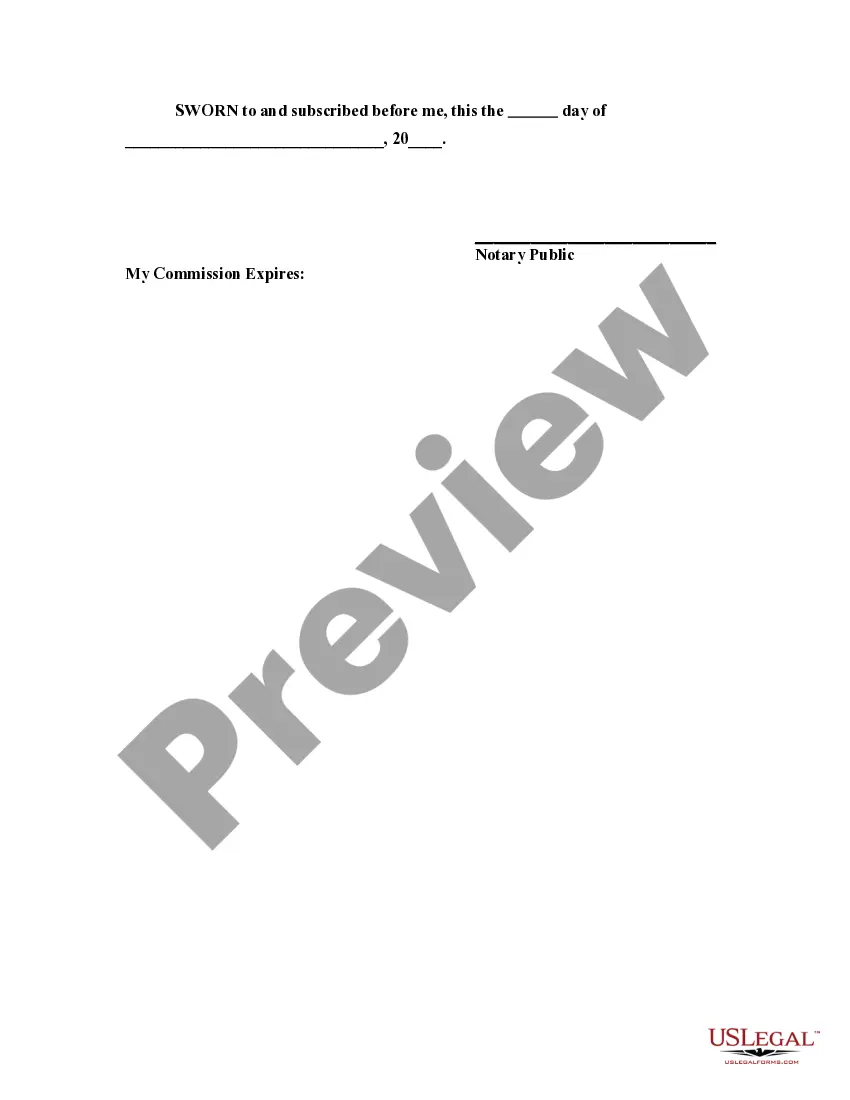
- Signatures of the claimant and a notary public to validate the document.
Situations where this form applies
This form should be used when a claimant believes they can establish a claim for adverse possession of real property due to apparent abandonment by the actual owner. Situations may include instances where the property has been vacant and unmaintained for a significant duration, where the claimant has made improvements, or when the property owners are unknown or unable to be located. This affidavit serves as evidence of the claim and helps provide a legal basis for pursuing title to the property in question.
Who should use this form
- Individuals claiming adverse possession of abandoned real property.
- Property owners looking to assert rights over unoccupied land.
- Investors seeking to acquire property through adverse possession.
- Legal professionals assisting clients with real estate claims.
Instructions for completing this form
- Identify and enter the claimant's name and contact information.
- Provide the legal description of the property involved.
- State the details of the fencing or boundaries around the property.
- Document the property's history of vacancy and lack of maintenance.
- Describe any improvements made to the property and their current state.
- Sign the affidavit in front of a notary public to validate the document.
Does this document require notarization?
Yes, this form must be notarized to be legally valid. Having it notarized ensures that the signatures are verified, which is essential for legal recognition. US Legal Forms offers integrated online notarization services that are secure and available 24/7 via video call, ensuring a convenient and reliable process.
Get your form ready online
Our built-in tools help you complete, sign, share, and store your documents in one place.
Make edits, fill in missing information, and update formatting in US Legal Forms—just like you would in MS Word.
Download a copy, print it, send it by email, or mail it via USPS—whatever works best for your next step.
Sign and collect signatures with our SignNow integration. Send to multiple recipients, set reminders, and more. Go Premium to unlock E-Sign.
If this form requires notarization, complete it online through a secure video call—no need to meet a notary in person or wait for an appointment.
We protect your documents and personal data by following strict security and privacy standards.

Make edits, fill in missing information, and update formatting in US Legal Forms—just like you would in MS Word.

Download a copy, print it, send it by email, or mail it via USPS—whatever works best for your next step.

Sign and collect signatures with our SignNow integration. Send to multiple recipients, set reminders, and more. Go Premium to unlock E-Sign.

If this form requires notarization, complete it online through a secure video call—no need to meet a notary in person or wait for an appointment.

We protect your documents and personal data by following strict security and privacy standards.
Typical mistakes to avoid
- Not providing a full legal description of the property.
- Failing to accurately document the timeline of possession.
- Omitting details about property improvements or maintenance.
- Not having the affidavit properly notarized.
Why use this form online
- Easy access to professionally drafted forms tailored for legal use.
- Ability to download and complete the form at your convenience.
- Editable fields allow for customization to fit specific legal needs.
- Reliability through forms created by licensed attorneys.
Legal use & context
- This affidavit serves as essential documentation in proving a claim of adverse possession.
- It must be completed accurately to withstand legal scrutiny.
- Individual state laws dictate the exact terms for successful adverse possession claims.
- Legal representation may be advisable for complex cases involving disputed claims.
Quick recap
- The affidavit supports claims of adverse possession due to property abandonment.
- It is critical to understand state-specific laws regarding adverse possession.
- Proper completion and notarization of the form are essential for its legal validity.
- Utilizing online resources can streamline the process of obtaining legal forms.
Looking for another form?
Form popularity
FAQ
The form is a sworn statement designed to support an adverse possession claim by showing apparent abandonment by the owner. It is used when a claimant believes the property has been abandoned and that the claimant's possession, use, and condition of the property may help establish title after the required period.
An affidavit of adverse possession is a sworn statement used to support a claim that a person has possessed real property openly and exclusively for a period of time, potentially leading to title transfer. This form is specifically intended to support such a claim by asserting apparent abandonment and related facts.
This form is intended for individuals who believe they have a legitimate adverse possession claim, property owners seeking rights over unoccupied land, investors pursuing title by possession, and legal professionals who assist clients with real estate claims. It helps document the claimant’s relationship to the property and supporting evidence.
Use this form when a claimant believes the owner has abandoned the property, such as long vacancies, lack of maintenance, unknown owners, or when the claimant has made improvements. The affidavit serves as evidence to support pursuing title by adverse possession after meeting the applicable period and showing actual use.
Key components include the claimant’s personal details and relationship to the property, the legal description of the real property, fencing and boundary details, statements about vacancy and lack of cultivation, information about any improvements and their condition, and the signatures of the claimant and a notary.
This Affidavit As To Apparent Abandonment is tailored to support an adverse possession claim (squatters' rights) by focusing on apparent owner abandonment and the claimant’s continued use. It explicitly lists occupancy details, boundary descriptions, vacancy status, improvements, and requires signature and notary to certify the statements, making it a filing-ready tool for multi-state possession claims.