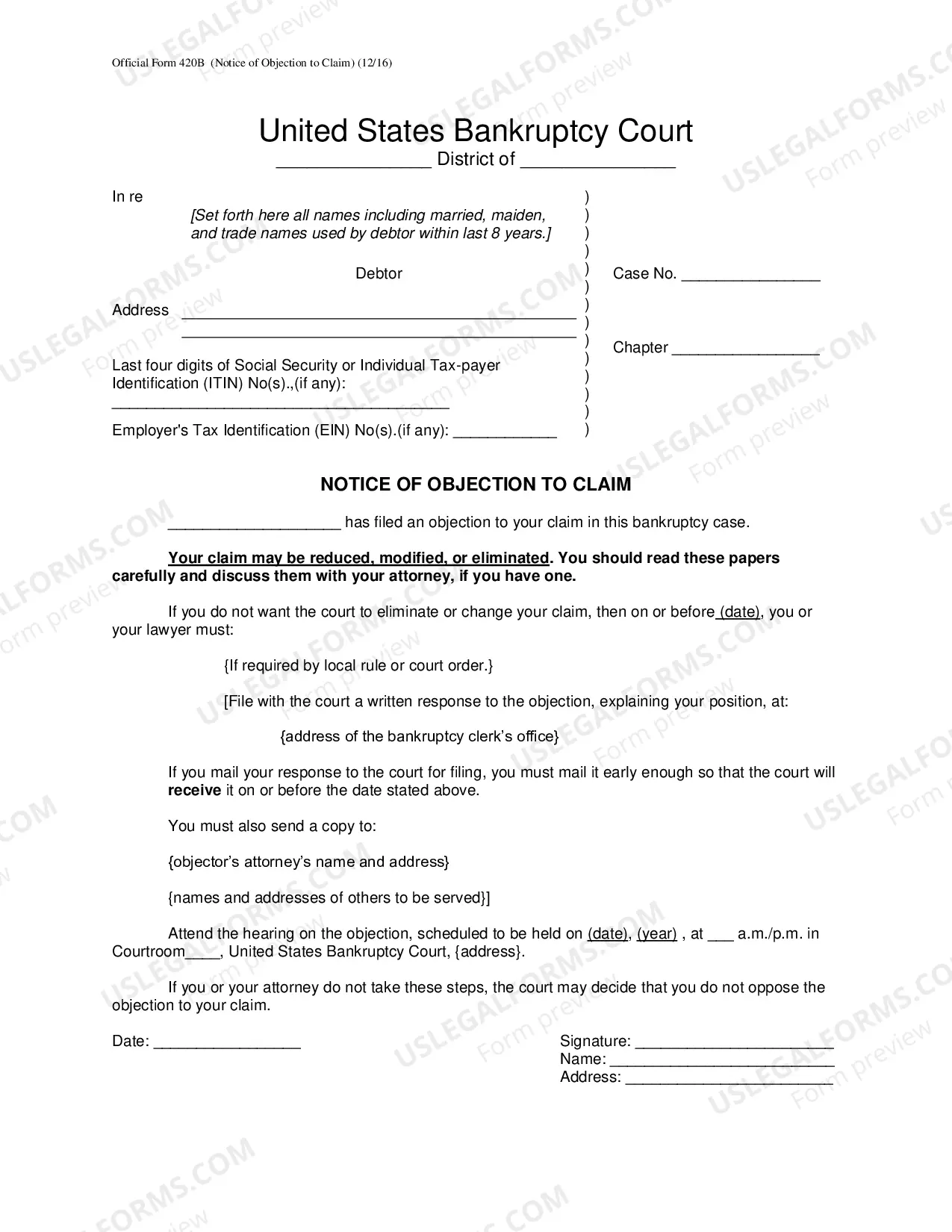
Instructions to Title Company to Cancel Escrow and Disburse the Funds held in Escrow
What is this form?
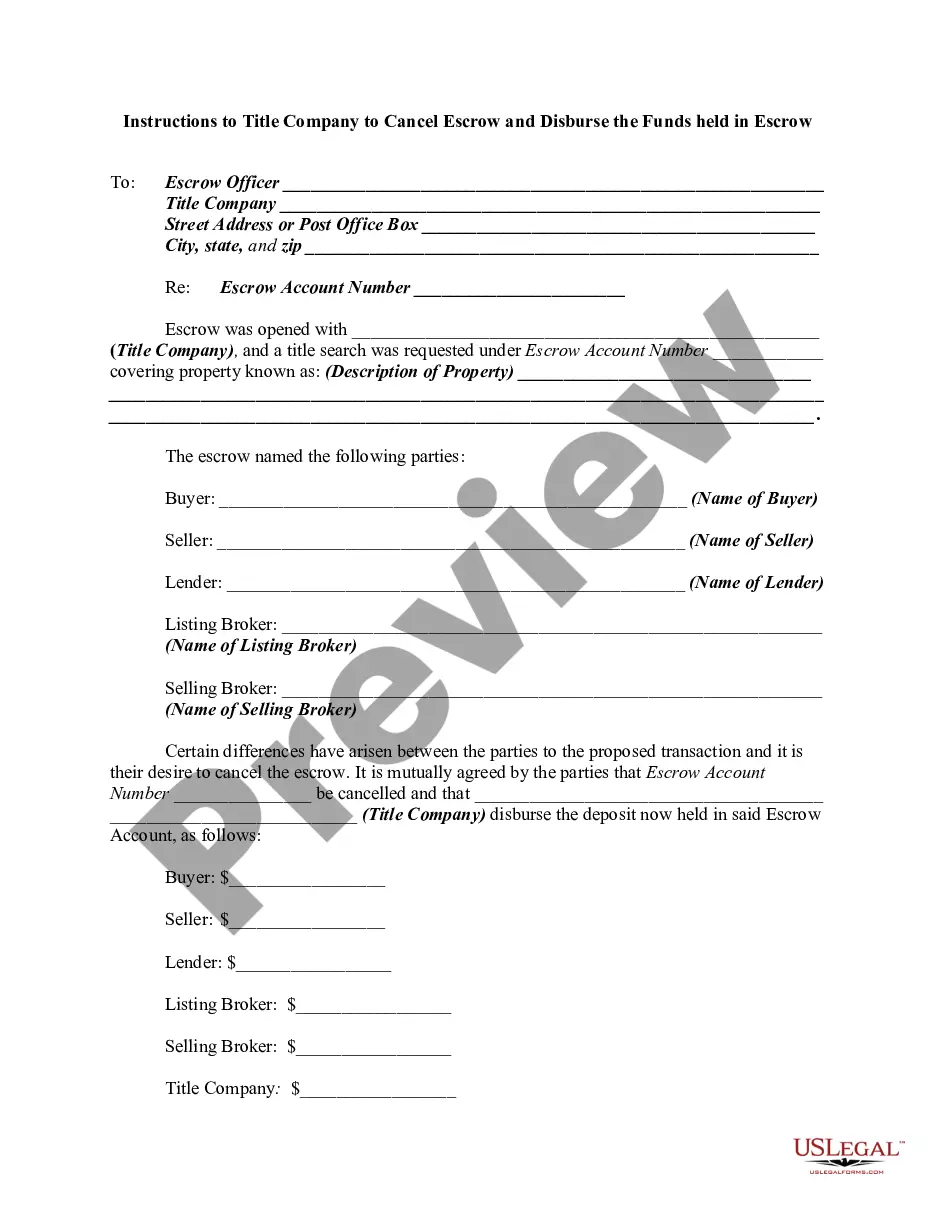
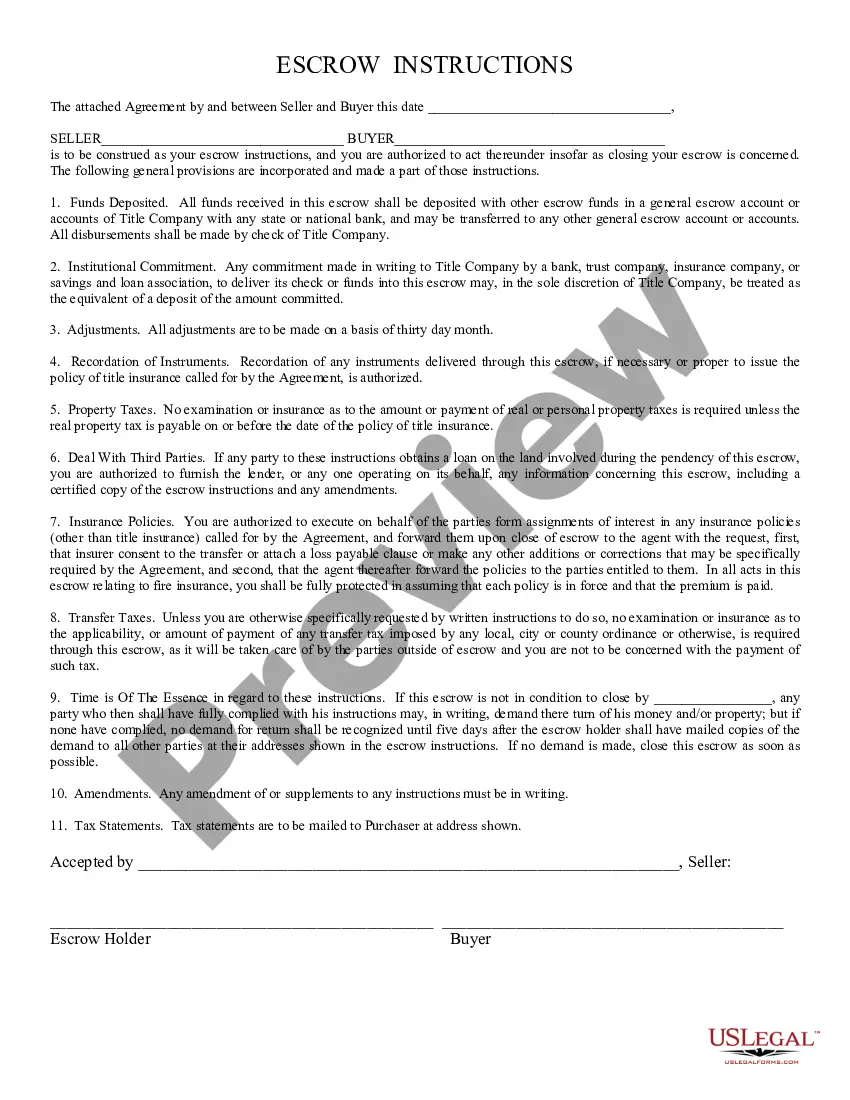
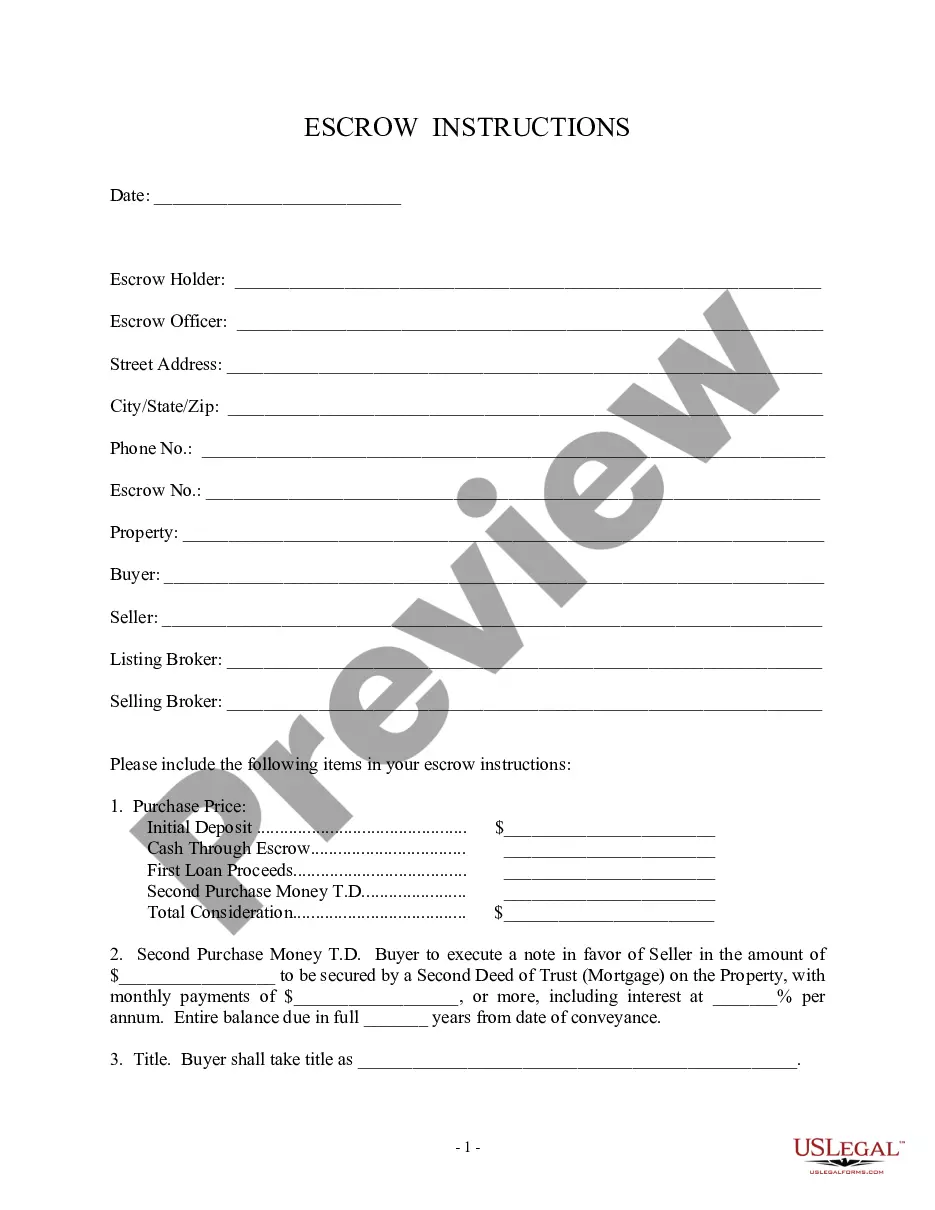
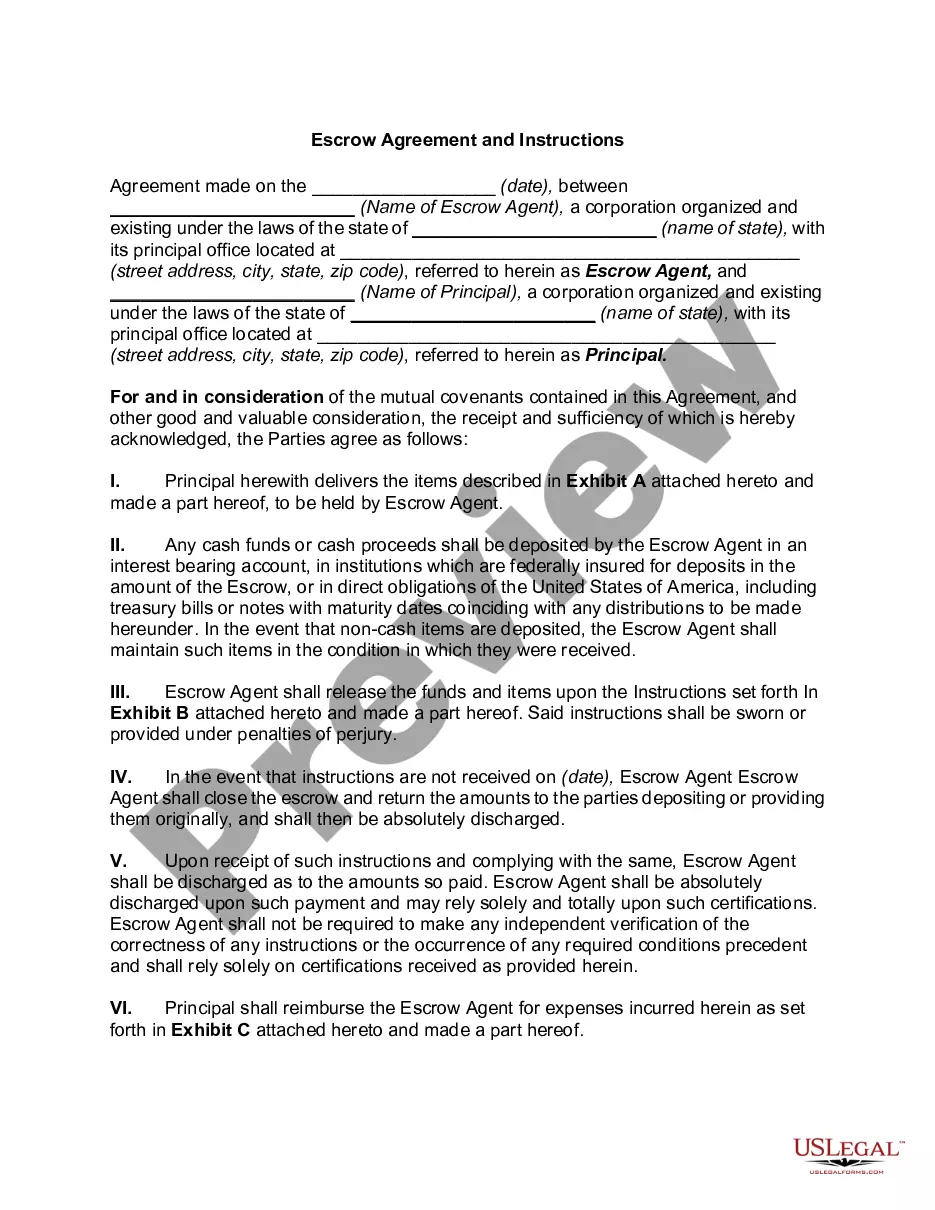
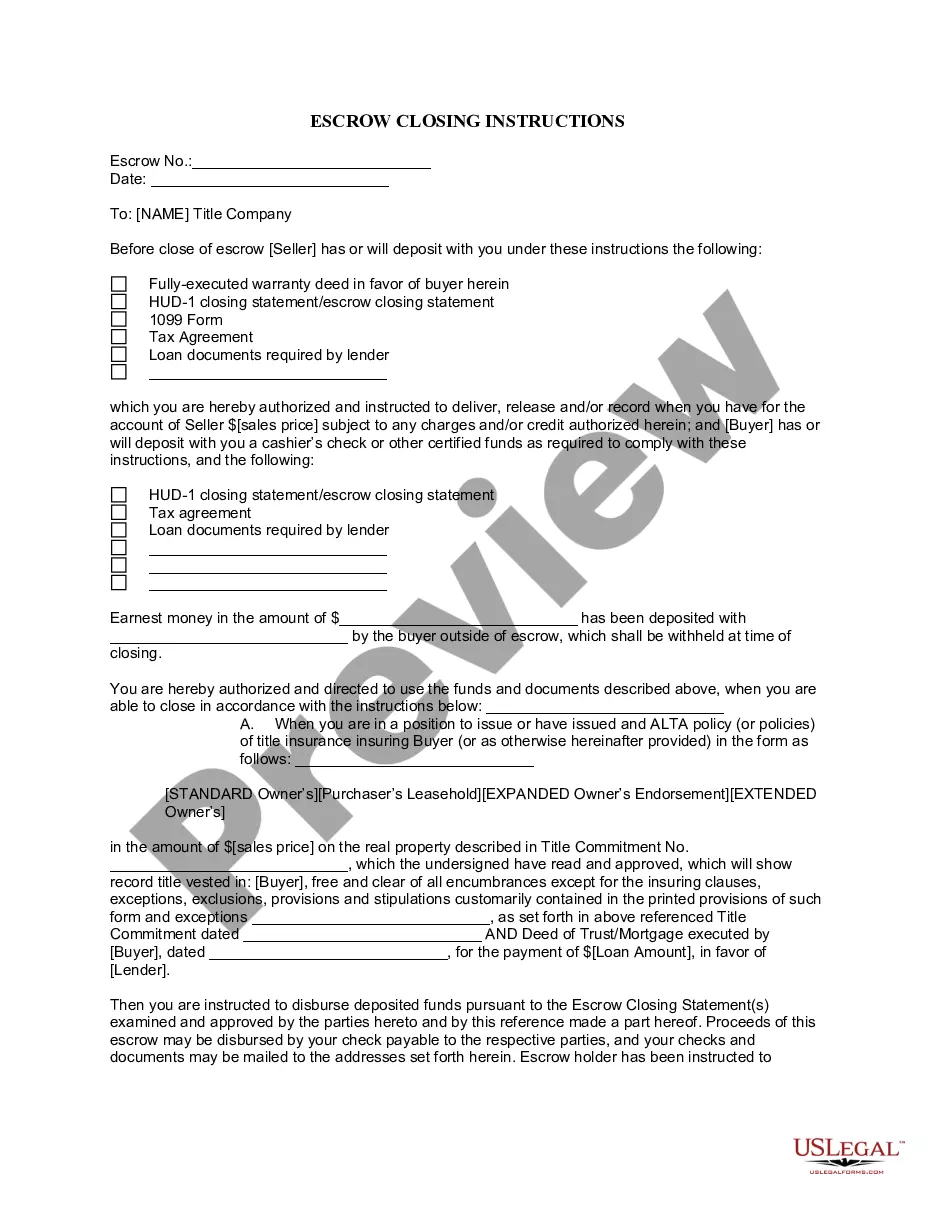
This form is an Instructions to Title Company to Cancel Escrow and Disburse the Funds held in Escrow. It serves the purpose of formally notifying the title company of the cancellation of an escrow agreement, outlining the disbursement of funds to various parties involved in the real estate transaction. Unlike other forms related to escrow, this document specifically addresses the termination of an existing escrow account and the distribution of its funds.
What’s included in this form
- Identification of parties involved, including the buyer, seller, lender, listing broker, and selling broker.
- Escrow account number, which links the form to the specific escrow arrangement.
- Instructions for disbursement of funds among the parties after cancellation.
- Indemnification clause regarding attorney fees and damages incurred by the title company.
- Signatures of all parties, affirming agreement to the terms of cancellation and fund distribution.
Situations where this form applies
You should use this form when there is a need to cancel an escrow agreement due to various reasons, such as mutual consent by the parties, a default by one party, or expiration of the escrow period without completion of the transaction. This document facilitates the formal process of termination and ensures the proper handling of any funds held in escrow.
Who can use this document
This form is intended for:
- Buyers involved in a real estate transaction who need to cancel the escrow.
- Sellers who wish to terminate the existing escrow agreement.
- Lenders who are stakeholders in the transaction.
- Brokers representing either party in the transaction.
- Escrow officers managing the escrow account.
How to prepare this document
Follow these steps to complete the form:
- Identify the escrow officer and title company handling the escrow.
- Enter the escrow account number and provide a description of the property involved.
- List all parties involved, including the buyer, seller, lender, and brokers.
- Detail how the deposited funds should be disbursed after the cancellation.
- Secure the signatures of all relevant parties to validate the cancellation.
Does this form need to be notarized?
This form does not typically require notarization unless specified by local law. However, verifying your local regulations is advisable to ensure compliance.
Get your form ready online
Our built-in tools help you complete, sign, share, and store your documents in one place.
Make edits, fill in missing information, and update formatting in US Legal Forms—just like you would in MS Word.
Download a copy, print it, send it by email, or mail it via USPS—whatever works best for your next step.
Sign and collect signatures with our SignNow integration. Send to multiple recipients, set reminders, and more. Go Premium to unlock E-Sign.
If this form requires notarization, complete it online through a secure video call—no need to meet a notary in person or wait for an appointment.
We protect your documents and personal data by following strict security and privacy standards.

Make edits, fill in missing information, and update formatting in US Legal Forms—just like you would in MS Word.

Download a copy, print it, send it by email, or mail it via USPS—whatever works best for your next step.

Sign and collect signatures with our SignNow integration. Send to multiple recipients, set reminders, and more. Go Premium to unlock E-Sign.

If this form requires notarization, complete it online through a secure video call—no need to meet a notary in person or wait for an appointment.

We protect your documents and personal data by following strict security and privacy standards.
Common mistakes to avoid
- Not entering the correct escrow account number, which can lead to confusion.
- Failing to include all partiesâ signatures, which renders the cancellation invalid.
- Ignoring specific state laws that may affect the escrow cancellation process.
- Providing incomplete descriptions of the property or parties involved.
Benefits of completing this form online
- Convenience of accessing and completing the form online, reducing paperwork.
- Editable templates allow users to customize the document as needed.
- Prepared by licensed attorneys, ensuring reliability and legal compliance.
Legal use & context
- This form provides a legal framework for canceling an escrow agreement while ensuring all parties are informed and agree to the terms.
- Proper completion protects against potential disputes and clarifies the responsibilities of the title company.
Summary of main points
- This form is critical for formally canceling an escrow agreement and managing fund disbursement.
- Completion requires accurate details about all parties and the escrow account.
- Proper signatures are essential for the validity of the cancellation.
Glossary of terms
- Escrow: A financial arrangement where a third party temporarily holds funds or documents until a specified condition is fulfilled.
- Disburse: To pay out funds from an account for a specific purpose.
- Escrow officer: An individual responsible for managing the escrow process and ensuring compliance with the escrow agreement.
Looking for another form?

Form popularity
FAQ
When the buyer cannot close escrow on time, it can cause all sorts of problems. The main problem is that purchase contracts contain an acceptance date coupled with a closing date. If the closing date is missed, at a minimum, the contract is in jeopardy; the worst-case scenario is the contract has expired.
Generally, most escrow purchases can take from five to 20 days.
An escrow holdback is money set aside at the closing of a home that will be refunded once repairs are completed. Because a portion of the seller or buyer proceeds are held in an escrow account until the work has been finished, they are given an incentive to actually finish the work.
Funds or assets held in escrow are temporarily transferred to and held by a third party, usually on behalf of a buyer and seller to facilitate a transaction. "In escrow" is often used in real estate transactions whereby property, cash, and the title are held in escrow until predetermined conditions are met.
YES, they most certainly can. Title companies play several key roles in matters concerning real estate transactions. Funds are set aside in escrow accounts to ensure that the money is used only for its main purpose, namely for settlement and closing costs.
Escrow is the use of a third party, which holds an asset or funds before they are transferred from one party to another. The third-party holds the funds until both parties have fulfilled their contractual requirements.
In real estate, an escrow disbursement is a process of dispensing the amount held in escrow to pay for homeowners insurance, property taxes, and other property expenses.When the time comes to pay property expenses, escrow disbursement is done. This is strictly carried out by a third party known as an escrow agent.
The title company will hold the escrow until they receive a satisfaction of the judgment or until your attorney completes a bar claim action. Your attorney needs to follow up with the judgment creditor to get the satisfaction of judgement.
Get it in writing A contingency clause allows the buyer to receive full written approval from the lender, before moving forward to the closing. So, if your loan is denied for whatever reason, you can exit the contract and get your deposit back.