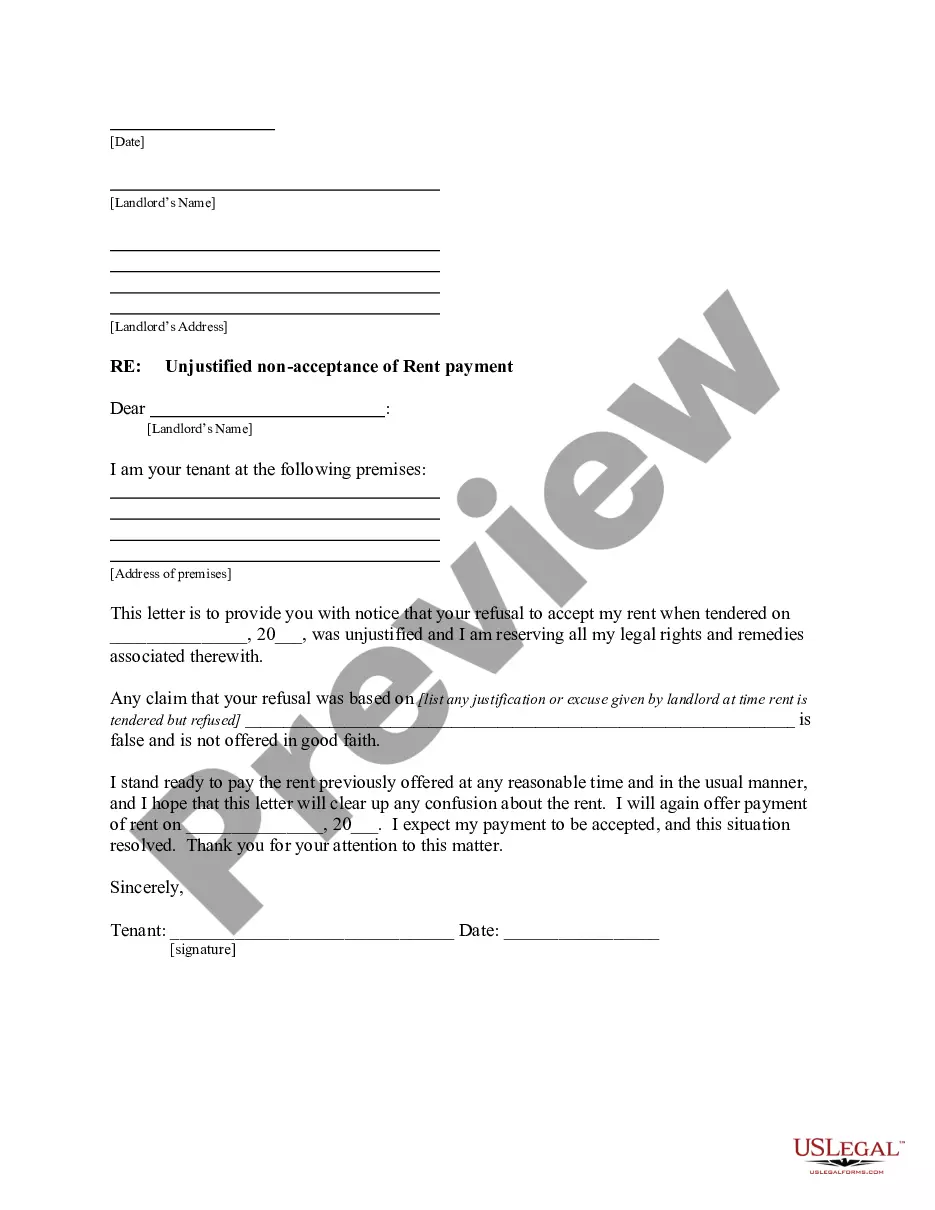
General Form of an Answer by Defendant in a Civil Lawsuit Admitting Part of the Allegations in a Paragraph of a Complaint but Denying that Part Which is not True
Understanding this form
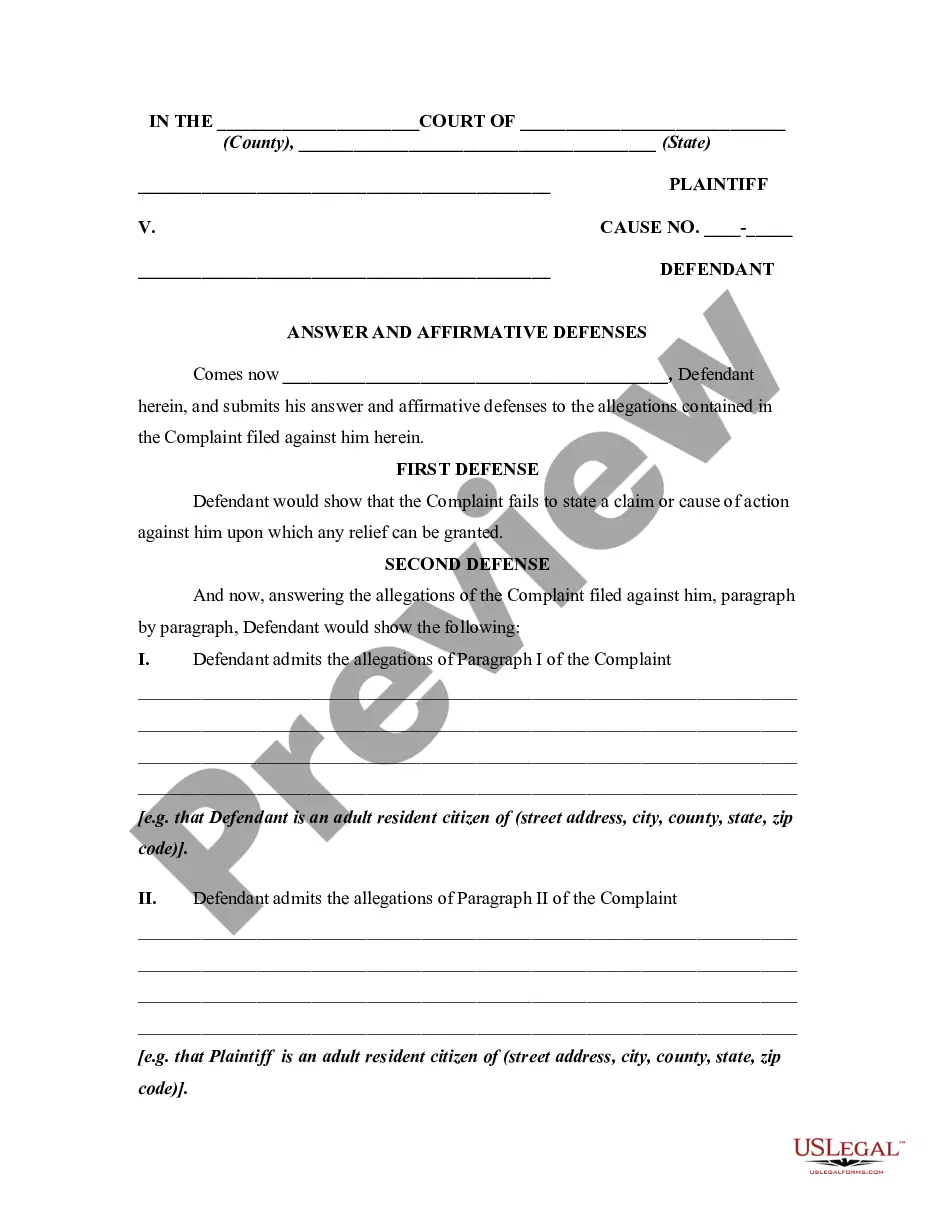
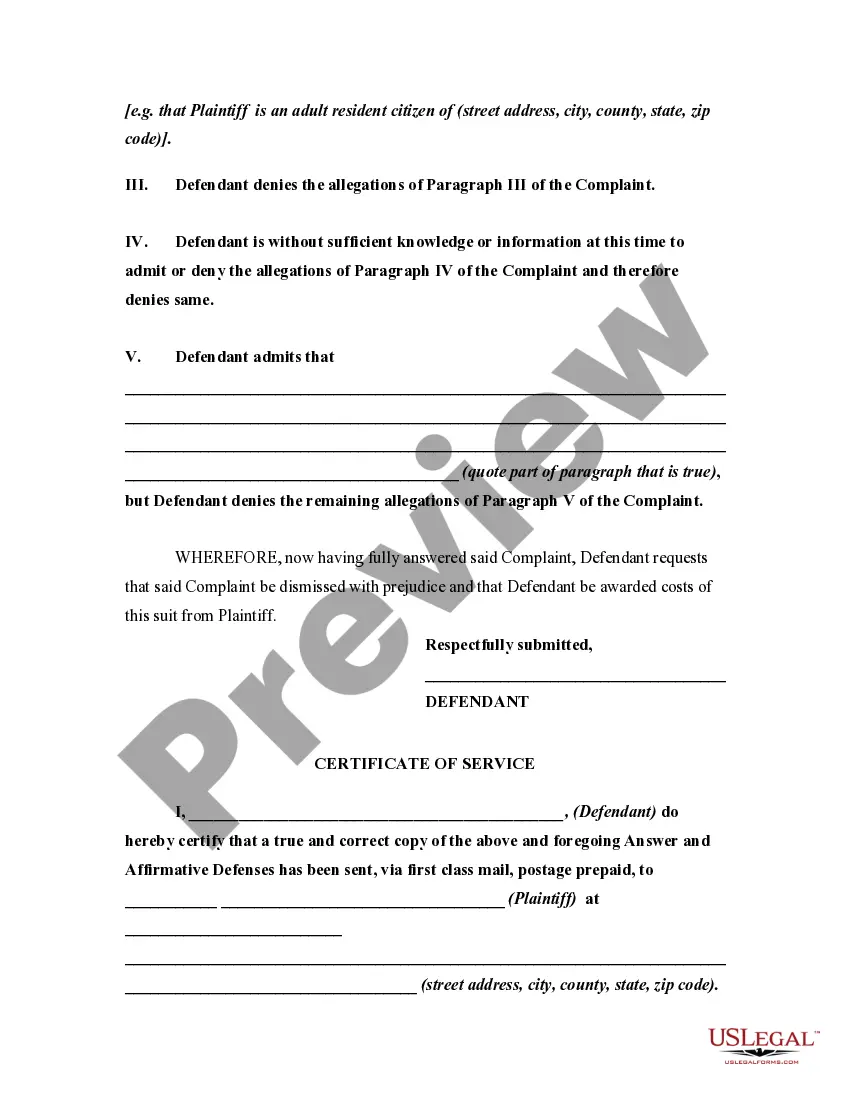
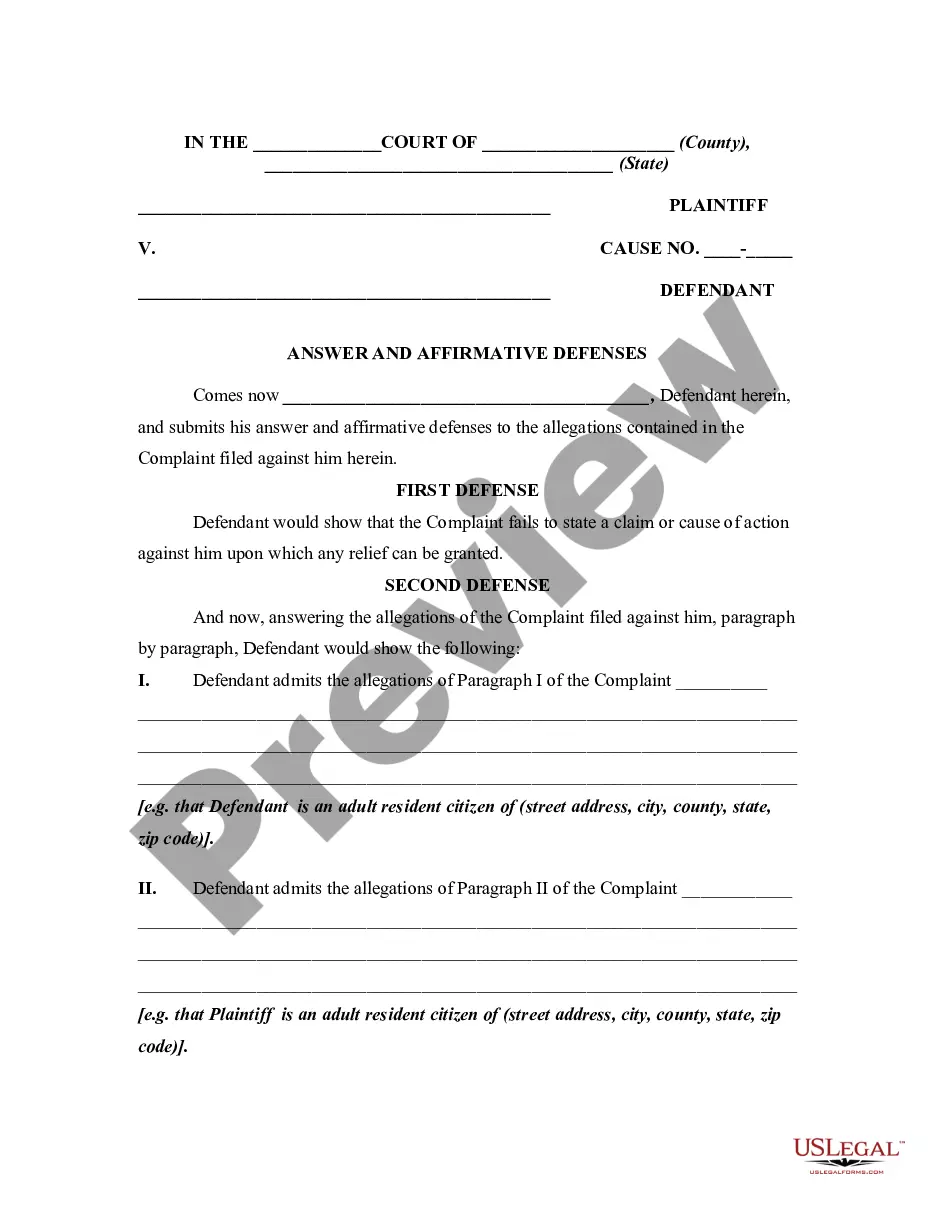
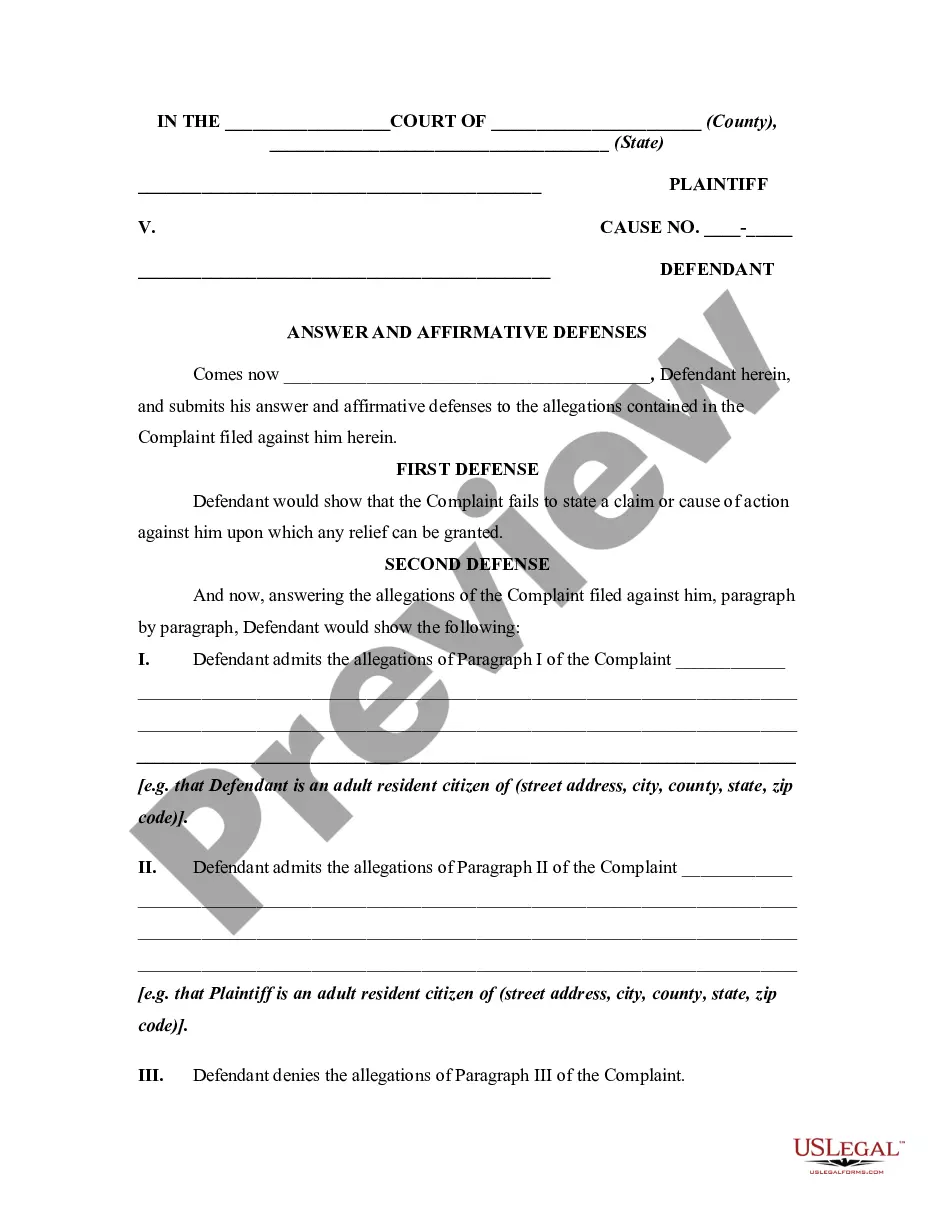
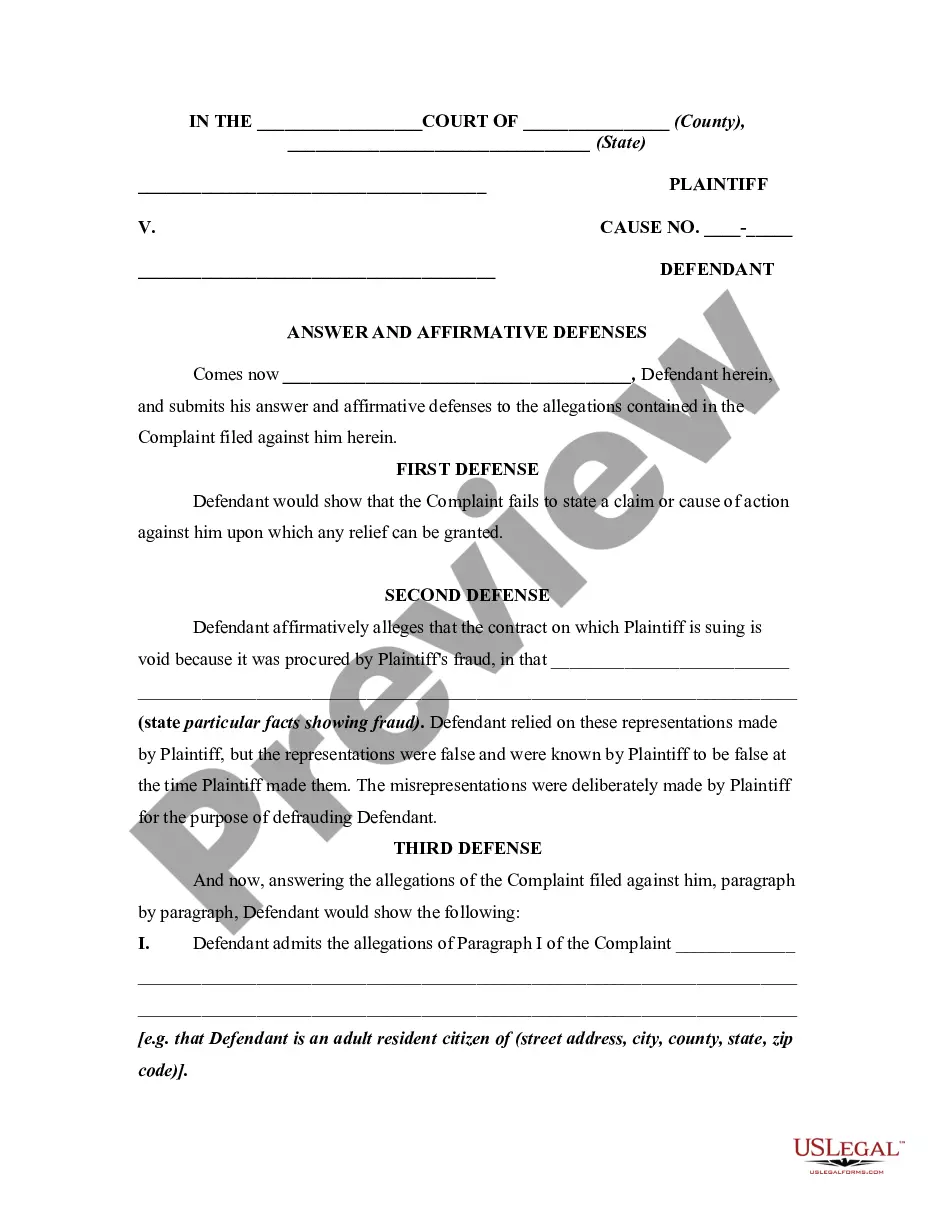
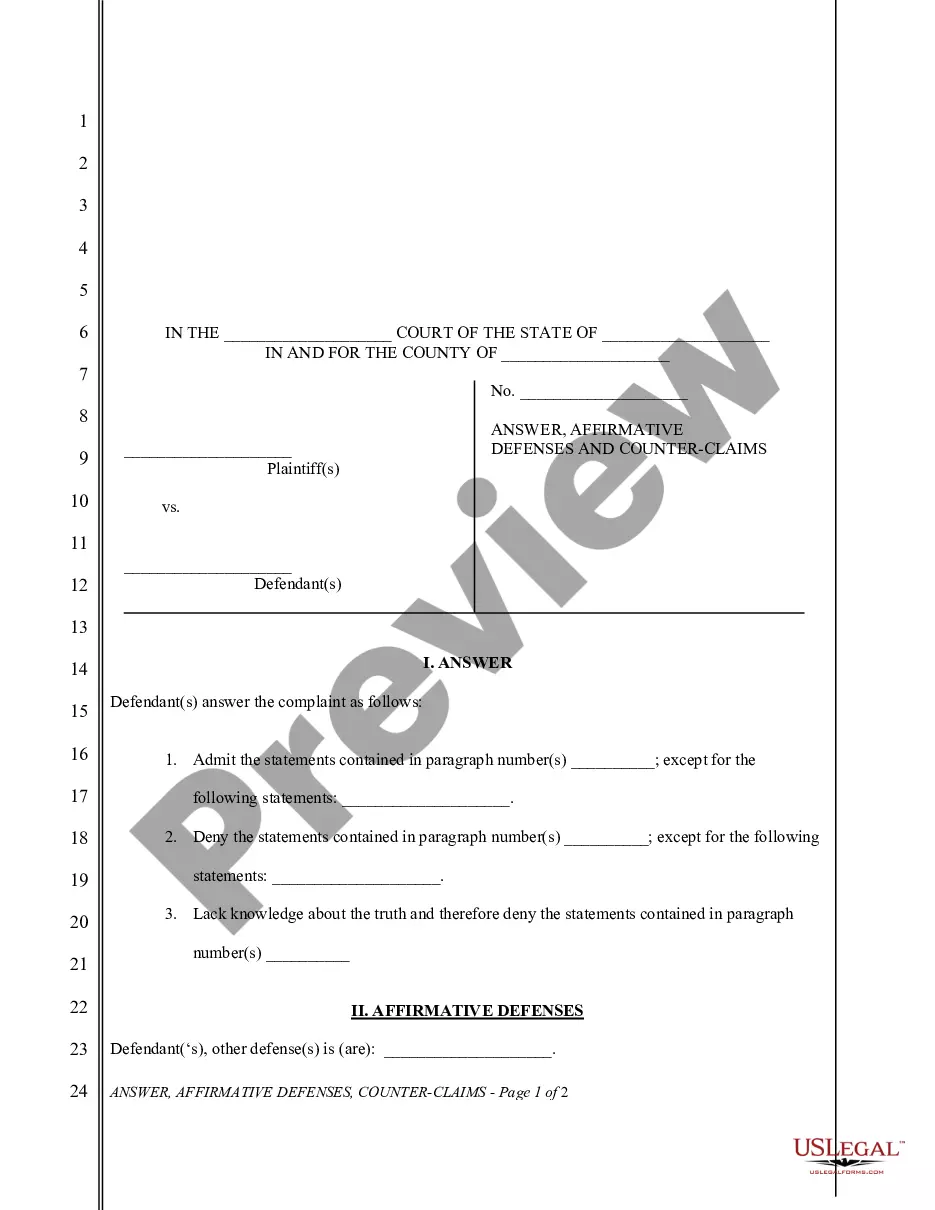
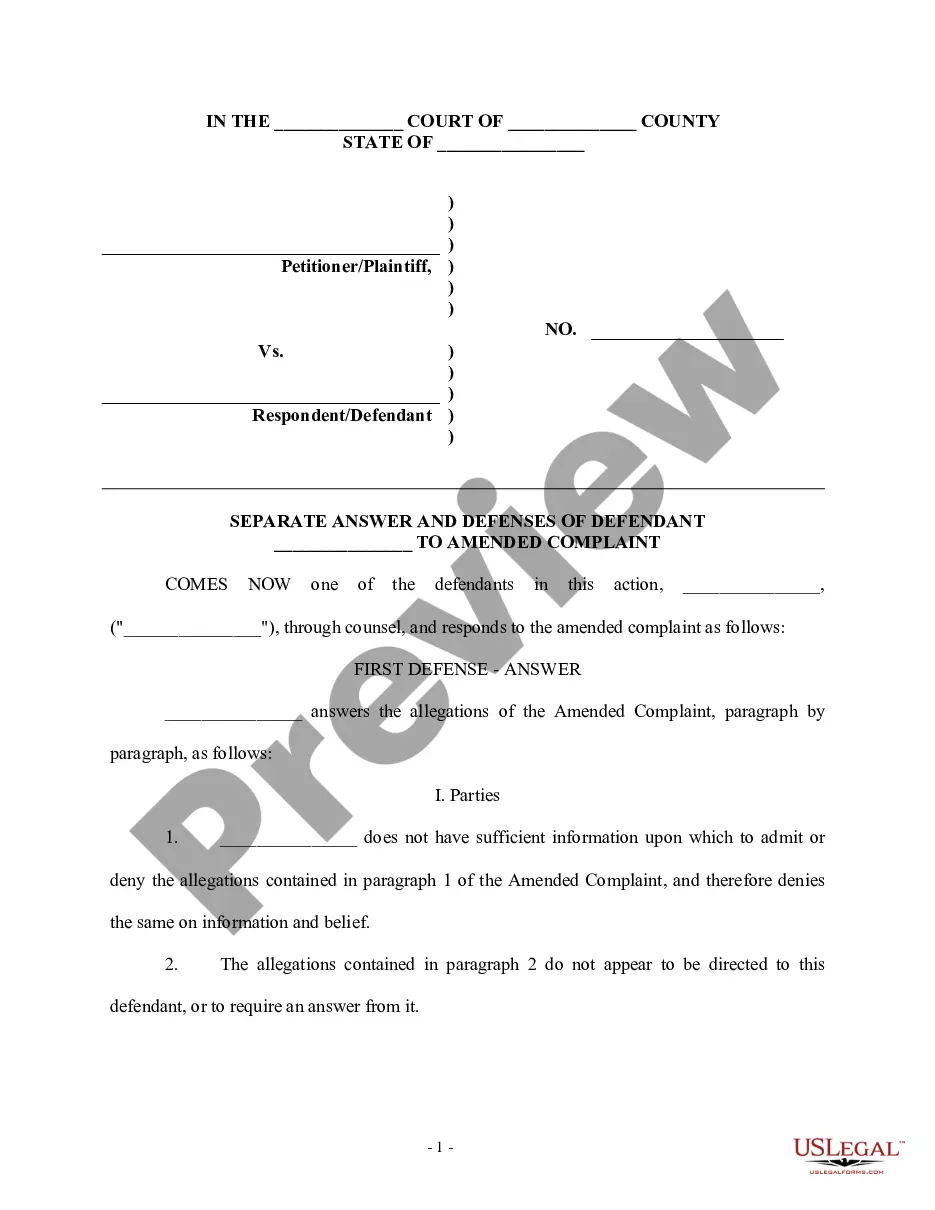
The General Form of an Answer by Defendant in a Civil Lawsuit is used when a defendant admits certain allegations in a complaint while denying others. This form helps clarify which claims the defendant disputes and setting forth defenses. It is specifically designed for situations where a single paragraph in the complaint contains both true and false statements, allowing the defendant to properly respond. This form is essential for ensuring accurate and structured legal responses in civil litigation.
Main sections of this form
- Introduction of the defendant and their affirmative defenses.
- Specific admissions and denials of allegations listed in the complaint, organized by paragraph.
- An example of partial admission and denial within a single paragraph.
- A request for dismissal of the complaint.
- Certification of service to the plaintiff.

Common use cases
This form should be used when a defendant receives a complaint in a civil lawsuit and must respond within the required time frame. It is applicable when the defendant agrees with some aspects of the plaintiff's allegations but disputes others. This is crucial in ensuring that the response accurately reflects the truth of the situation and protects the rights of the defendant.
Intended users of this form
- Defendants in a civil lawsuit who wish to admit some allegations while denying others.
- Individuals who seek to clarify their legal position in response to a complaint.
- Those who are representing themselves in court without an attorney.
How to prepare this document
- Identify the parties involved in the lawsuit, including yourself as the defendant.
- Review each paragraph of the complaint and determine your response (admit or deny).
- Supply the true facts where applicable, especially in situations of partial admission.
- Clearly state your defenses in the designated sections within the form.
- Sign the form and complete the certificate of service to validate your filing.
Notarization requirements for this form
Notarization is not commonly needed for this form. However, certain documents or local rules may make it necessary. Our notarization service, powered by Notarize, allows you to finalize it securely online anytime, day or night.
Get your form ready online
Our built-in tools help you complete, sign, share, and store your documents in one place.
Make edits, fill in missing information, and update formatting in US Legal Forms—just like you would in MS Word.
Download a copy, print it, send it by email, or mail it via USPS—whatever works best for your next step.
Sign and collect signatures with our SignNow integration. Send to multiple recipients, set reminders, and more. Go Premium to unlock E-Sign.
If this form requires notarization, complete it online through a secure video call—no need to meet a notary in person or wait for an appointment.
We protect your documents and personal data by following strict security and privacy standards.

Make edits, fill in missing information, and update formatting in US Legal Forms—just like you would in MS Word.

Download a copy, print it, send it by email, or mail it via USPS—whatever works best for your next step.

Sign and collect signatures with our SignNow integration. Send to multiple recipients, set reminders, and more. Go Premium to unlock E-Sign.

If this form requires notarization, complete it online through a secure video call—no need to meet a notary in person or wait for an appointment.

We protect your documents and personal data by following strict security and privacy standards.
Common mistakes
- Failing to respond within the specified time frames set by the court.
- Not clearly delineating which allegations are admitted and which are denied.
- Using vague language instead of specific admissions or denials.
- Incomplete or improperly filed forms, resulting in potential dismissal.
Benefits of using this form online
- Convenience of downloading and completing the form at your own pace.
- Editability allows you to tailor the response to your specific situation.
- Access to forms drafted by licensed attorneys, ensuring legal accuracy.
- Ability to easily save, print, or share the completed form as needed.
Quick recap
- This form allows a defendant to admit some statements in a complaint while denying others.
- Timely and accurate completion is critical to avoid legal penalties.
- Understanding your legal position and drafting a clear response is vital to the defense process.
Looking for another form?

Form popularity
FAQ
Pull the header information from the plaintiff's petition. Title your Answer Answer to Plaintiff's Petition/Complaint. Center this title and make it bold. Introduce yourself. Admit, deny, or claim that you lack sufficient knowledge to admit or deny each of the plaintiff's numbered allegations.
You can file an answer or a general denial. Filing an answer. You can file a motion In certain situations, you can respond to the lawsuit by filing a motion (a request) that usually tells the court that the plaintiff made a mistake in the lawsuit. Talk to a lawyer!
Be brief. Answer the allegations in the complaint with one or two sentences. Again remember that the statements you make in your answer can be used as admissions against you. Your response to the allegations in the complaint may admit part of the statement in the specific paragraph and deny part.
File an answer. The most common way to respond to a complaint is by filing an answer. Negotiate. Being served with a lawsuit does not automatically mean you need to appear in court. Request more information from the plaintiff. Cross-complain. File a motion to dismiss.
Current filing fees are: In district court, the fee for defendant's first filing is typically $223.00, but that might vary depending on the type of case. To verify your filing fee, click to visit Filing Fees and Waivers. In justice court, the fee for defendant's first filing is typically $71.
When drafting an answer, one must: (1) follow the local, state, and federal court rules; (2) research the legal claims in the adversary's complaint; (3) respond to the adversary's factual allegations; and (4) assert affirmative defenses, counterclaims, cross-claims, or third-party claims, if applicable.
Provide the name of the court at the top of the Answer. You can find the information on the summons. List the name of the plaintiff on the left side. Write the case number on the right side of the Answer. Address the Judge and discuss your side of the case. Ask the judge to dismiss the case.
The name of the court - you can find this at the top of the Complaint you got. The Court Division - this is the county where the complaint was filed. The Docket No. The Plaintiff's name. The Defendant's name - your name. The kind of complaint you are answering.