Motion for Psychiatric Examination of Defendant
About this form
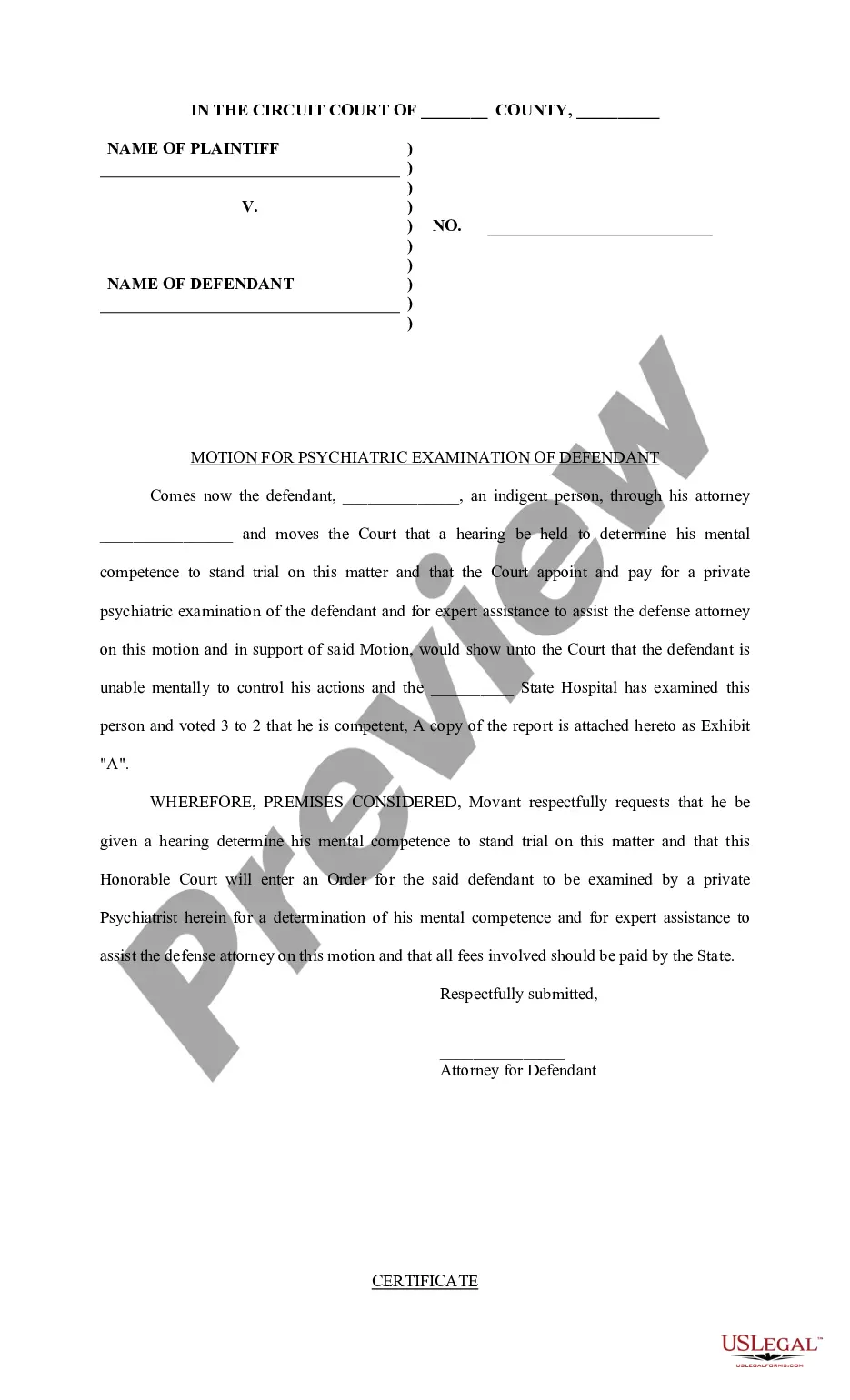
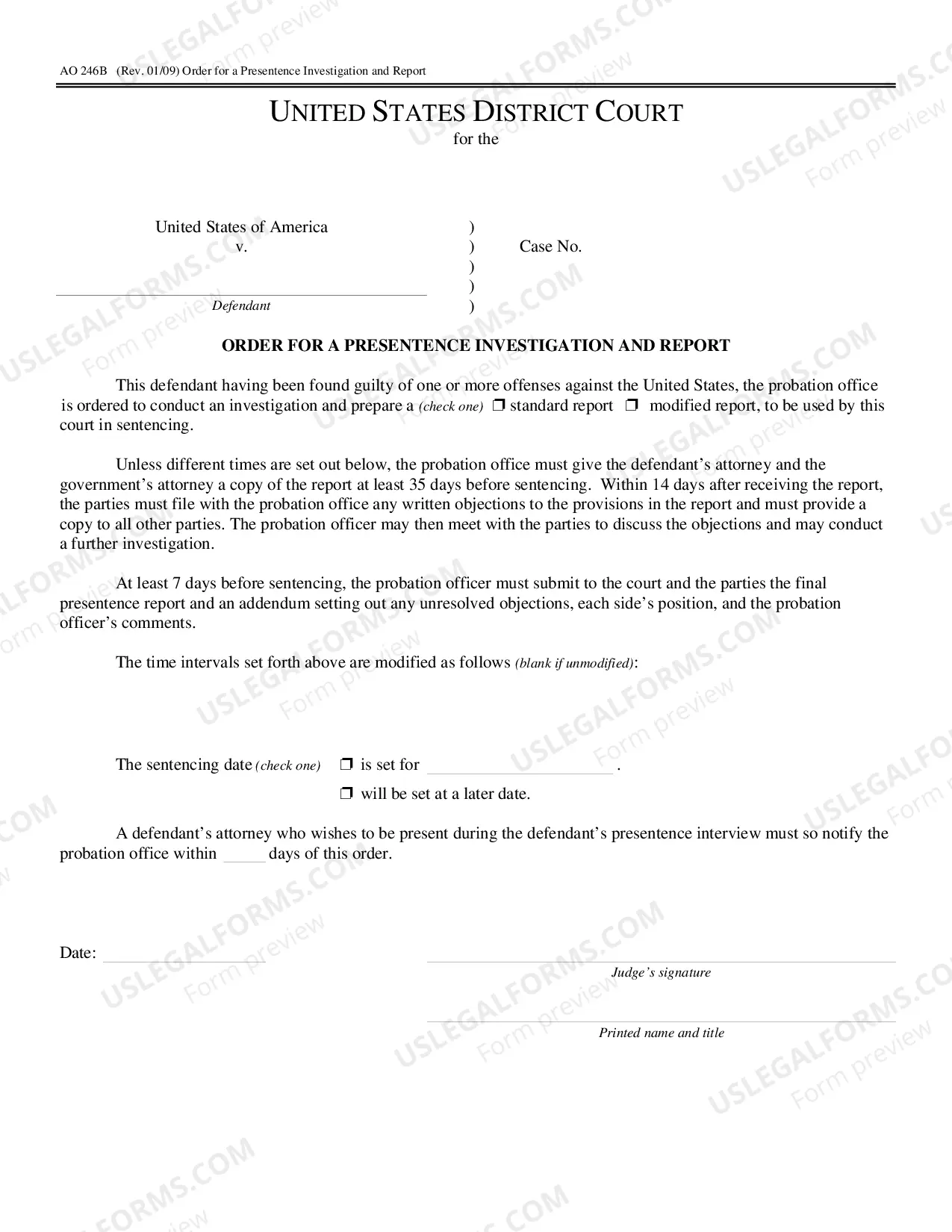
The Motion for Psychiatric Examination of Defendant is a legal document utilized by a defendant's attorney to request a court-ordered psychiatric evaluation. This motion specifically aids in assessing whether the defendant is mentally competent to stand trial. This form is distinct from other motions as it emphasizes the need for expert psychiatric assistance, especially in cases involving defendants who lack financial resources.
Main sections of this form
- Identification of the defendant's name and case number.
- A request for a court hearing to determine the defendant's mental competency.
- Request for examination by a private psychiatrist.
- Assertion of the defendant's indigence and the request for the state to cover related costs.
- Signature section for the attorney submitting the motion.
- Certificate of service to confirm delivery of the motion to the relevant parties.

When to use this form
This motion is commonly used in criminal defense cases where there are concerns about the defendant's mental health. It is appropriate when the attorney believes that an evaluation is necessary to determine if the defendant is fit to stand trial. This may occur after observing unusual behavior in court or receiving indications of mental illness from the defendant or their family.
Who this form is for
- Criminal defense attorneys representing indigent defendants.
- Defendants who are suspected to have mental health issues affecting their legal competency.
- Public defenders or legal aid organizations advocating for vulnerable clients.
How to complete this form
- Identify the defendant by entering their name and case number at the top of the form.
- Clearly state the request for a psychiatric examination and the reasons for the request.
- Include a declaration of the defendant's financial status to establish indigence.
- Provide the necessary information about the private psychiatrist chosen for the examination.
- Sign and date the form at the designated signature line.
- Complete the certificate of service section to confirm delivery to all relevant parties.
Is notarization required?
This form usually doesn’t need to be notarized. However, local laws or specific transactions may require it. Our online notarization service, powered by Notarize, lets you complete it remotely through a secure video session, available 24/7.
Get your form ready online
Our built-in tools help you complete, sign, share, and store your documents in one place.
Make edits, fill in missing information, and update formatting in US Legal Forms—just like you would in MS Word.
Download a copy, print it, send it by email, or mail it via USPS—whatever works best for your next step.
Sign and collect signatures with our SignNow integration. Send to multiple recipients, set reminders, and more. Go Premium to unlock E-Sign.
If this form requires notarization, complete it online through a secure video call—no need to meet a notary in person or wait for an appointment.
We protect your documents and personal data by following strict security and privacy standards.

Make edits, fill in missing information, and update formatting in US Legal Forms—just like you would in MS Word.

Download a copy, print it, send it by email, or mail it via USPS—whatever works best for your next step.

Sign and collect signatures with our SignNow integration. Send to multiple recipients, set reminders, and more. Go Premium to unlock E-Sign.

If this form requires notarization, complete it online through a secure video call—no need to meet a notary in person or wait for an appointment.

We protect your documents and personal data by following strict security and privacy standards.
Mistakes to watch out for
- Failing to provide sufficient detail about the defendant's mental health concerns.
- Not including required signatures or failing to sign the motion.
- Overlooking the certificate of service, which is crucial for notifying other parties.
- Not clearly stating the request for the state to cover examination fees.
Why use this form online
- Convenience of accessing the form anytime, without appointment constraints.
- Editable template allowing attorneys to customize the motion easily.
- Access to legally drafted forms ensuring compliance with relevant laws.
Looking for another form?



Form popularity
FAQ
It becomes one of the factors a judge considers when deciding a case. If either party objects to the report, they can question the evaluator during a trial. In addition, they can ask other mental health professionals to testify during the trial about any issues they see with the report.
A psychiatric evaluation is a diagnostic tool employed by a psychiatrist. It may be used to diagnose problems with memory, thought processes, and behaviors. Diagnoses can include depression, schizophrenia, anxiety, bipolar disorder, and addiction.
A psychological assessment is a structured series of interviews, standardized tests, and questionnaires designed to evaluate strengths and weaknesses in several areas. These tests may identify, for example, learning styles and social-emotional patterns of functioning.
In the evaluation process, a mental health evaluator reviews the case and history of an individual to see if he or she has any medical or criminal records previously. The process involves series of questions like how and why the incident happen. If they know about the charges and how it can affect their lives.
Listen to Your Lawyer. Eric Audras/Getty Images. Be Aware of the Evaluator's Role. The evaluator is an independent expert. Be Honest. Prepare for Your Meeting. Make a Good Impression. Have a Positive Attitude. Stick to Parenting Issues. Cooperate.
In order for CPS to become involved, there must have been an allegation of child abuse or neglect. Can CPS force you to undergo a mental health evaluation? No, they can't actually force you to do that. You can refuse.
Children may be referred for a psychological assessment for a variety of reasons. Among other things, they may be depressed or anxious, have attention or behavior problems at home or in school, be subjected to bullying, or have a learning disorder.
You can always lie to people in the psychological field. Some assessments have qualifiers written into them to detect when someone is lying, so you may or may not get caught depending on the assessment.
Unless you challenge the evaluator - assuming that there is a legitimate, substantive basis to do so - the court will never know the problems with or deficiencies in the report and may rightfully assume that there are no problems or deficiencies. Thus, the burden is on the litigant to prove, argue and persuade.