Letter Notifying Law Enforcement of Identity Theft
What this document covers
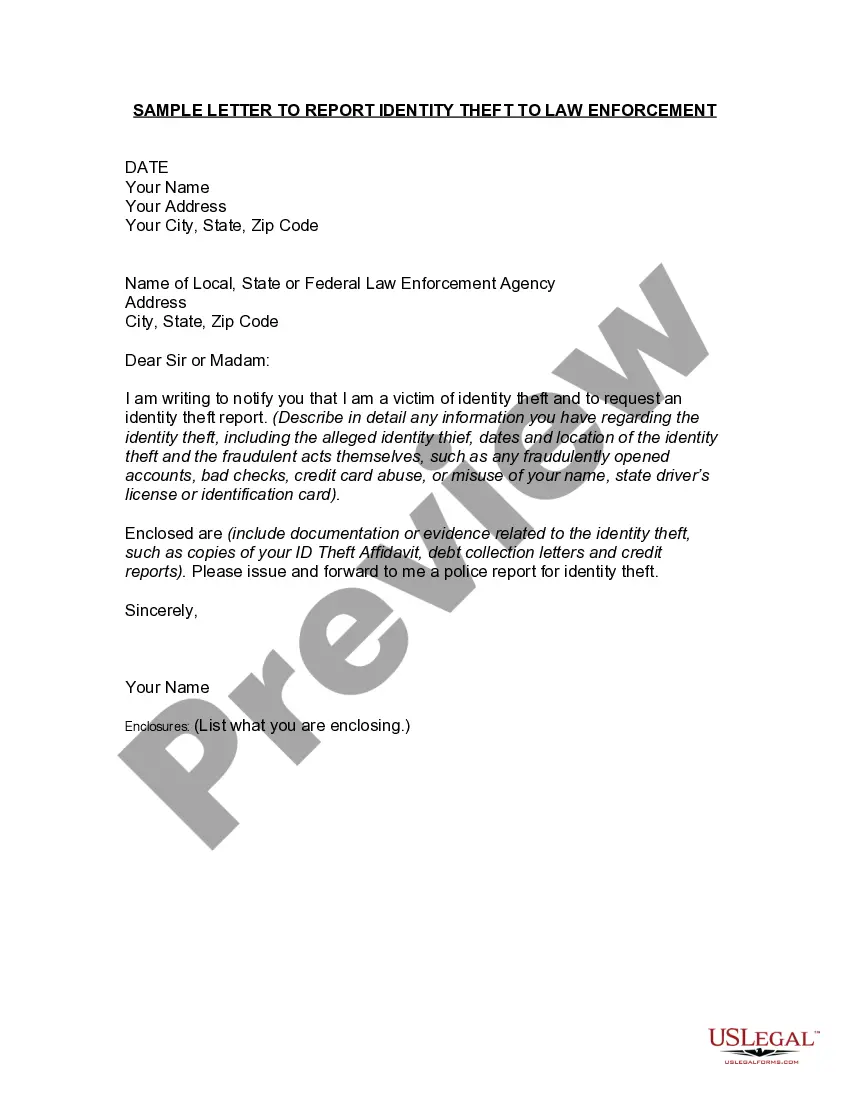
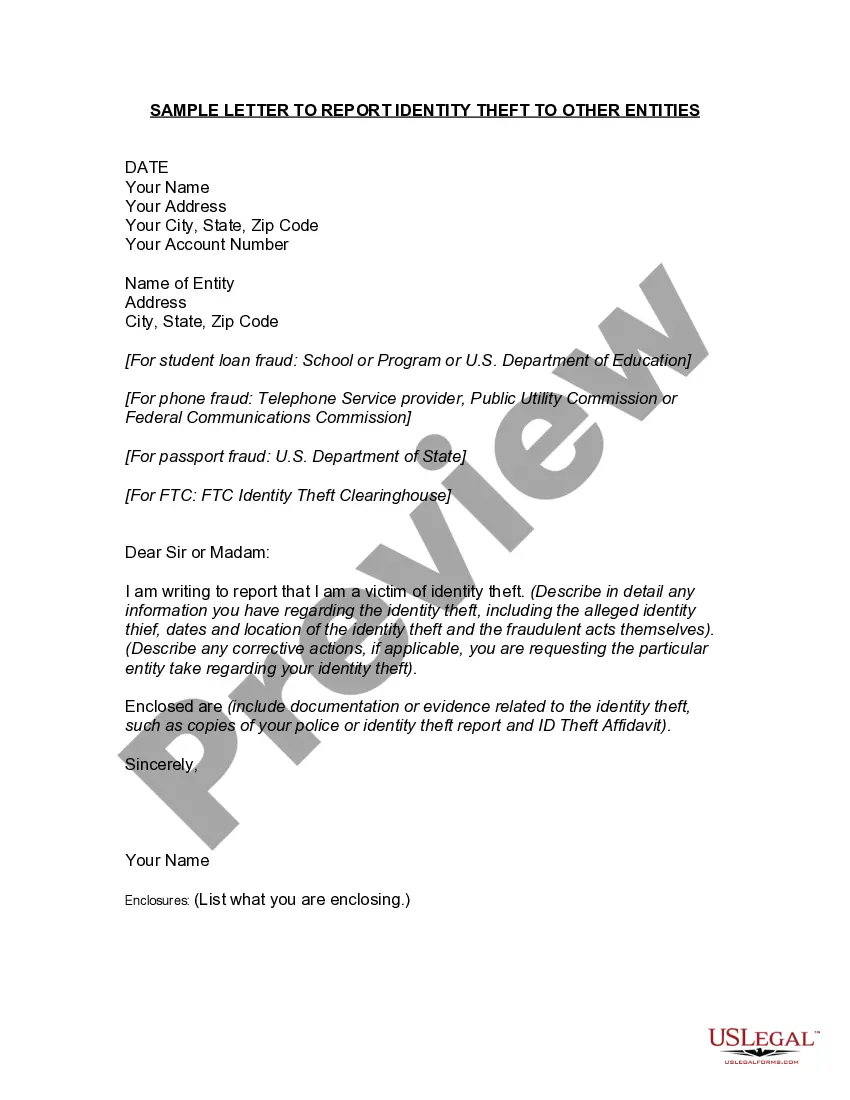
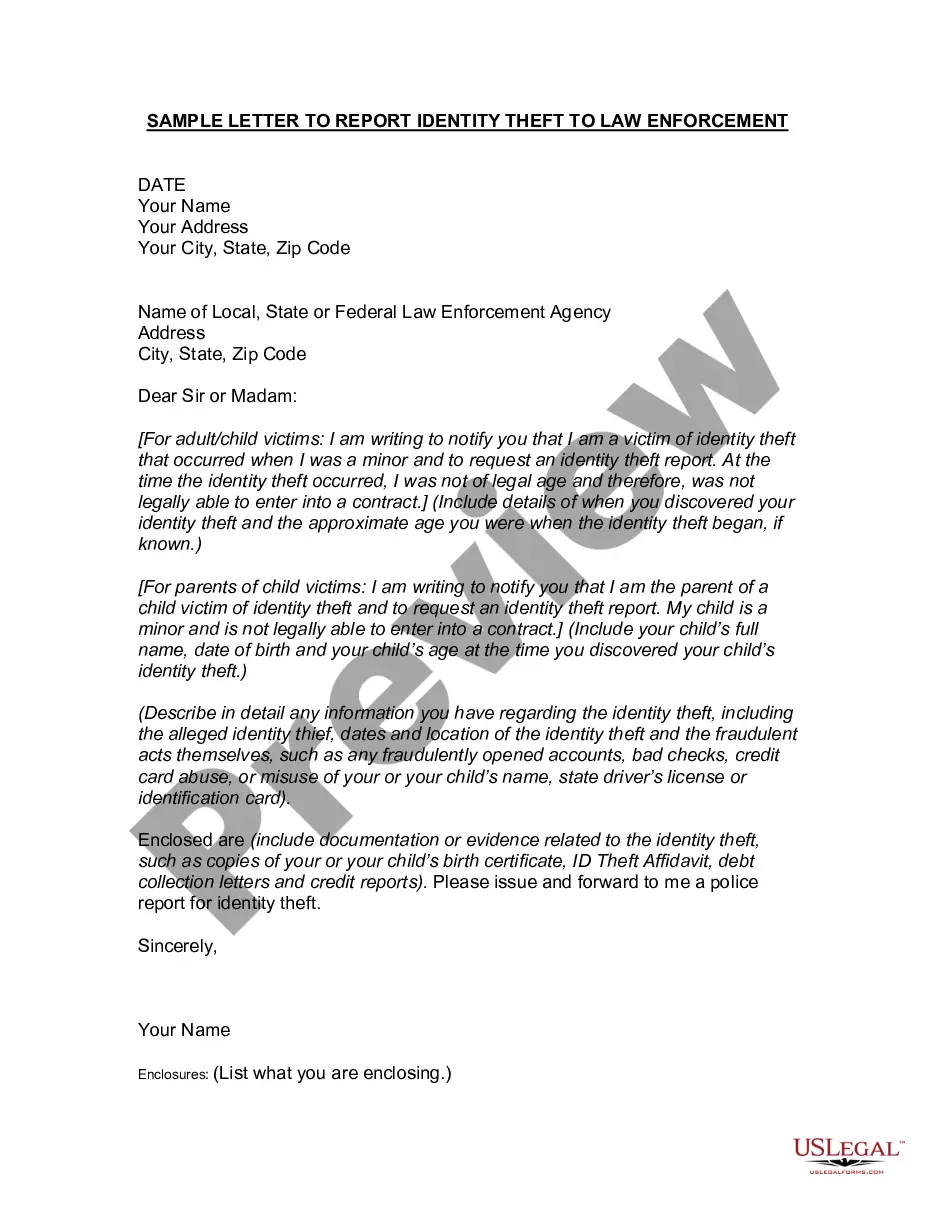
The Letter Notifying Law Enforcement of Identity Theft is a crucial document that an identity theft victim uses to inform local, state, or federal law enforcement agencies of the offense. This letter requests the issuance of a police report for identity theft, which serves as essential proof when addressing issues with creditors and credit bureaus. Unlike general reporting methods, this letter specifically targets law enforcement to initiate an official investigation and documentation of the crime.
What’s included in this form
- Date: The date when the letter is being sent.
- Your name and address: Your personal details to identify you as the victim.
- Law enforcement agency details: The name and address of the agency you are notifying.
- Detailed description: An explanation of the identity theft incidents including dishonest acts and any information about the alleged thief.
- Enclosures: A list of supporting documents that provide evidence related to the identity theft.
- Signature: Your signature to affirm the authenticity of the letter.
When this form is needed
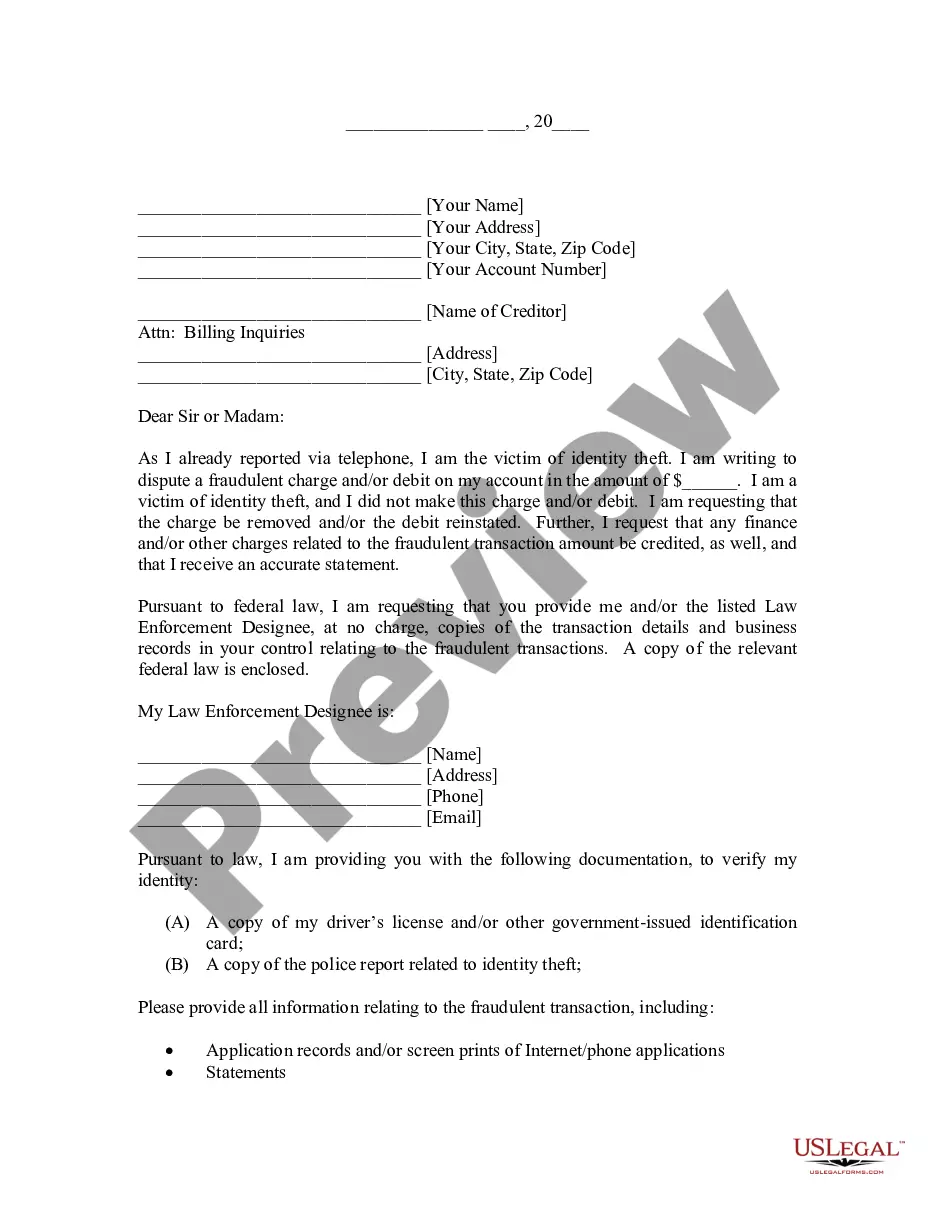
This form is necessary when you have been a victim of identity theft and need to report the crime to law enforcement. If you have discovered unauthorized accounts opened in your name, fraudulent transactions, or other related acts, it is vital to notify the appropriate authorities. Additionally, securing a police report will be instrumental in disputing fraudulent charges with creditors and clearing your name.
Who can use this document
- Individuals who have experienced identity theft.
- Victims aiming to document the theft officially with law enforcement.
- Any person needing to dispute fraudulent activities with financial institutions.
- Individuals seeking to protect their credit and financial records from the effects of identity theft.
How to prepare this document
- Start by entering the date on which you are sending the letter.
- Clearly state your full name and provide your complete address.
- Identify the law enforcement agency by including its name and address.
- Write a detailed description of the identity theft, including key details of the fraudulent activities.
- Attach any necessary documentation as evidence of the identity theft.
- Sign the letter and list any enclosed documents at the end.
Notarization requirements for this form
Notarization is not commonly needed for this form. However, certain documents or local rules may make it necessary. Our notarization service, powered by Notarize, allows you to finalize it securely online anytime, day or night.
Get your form ready online
Our built-in tools help you complete, sign, share, and store your documents in one place.
Make edits, fill in missing information, and update formatting in US Legal Forms—just like you would in MS Word.
Download a copy, print it, send it by email, or mail it via USPS—whatever works best for your next step.
Sign and collect signatures with our SignNow integration. Send to multiple recipients, set reminders, and more. Go Premium to unlock E-Sign.
If this form requires notarization, complete it online through a secure video call—no need to meet a notary in person or wait for an appointment.
We protect your documents and personal data by following strict security and privacy standards.

Make edits, fill in missing information, and update formatting in US Legal Forms—just like you would in MS Word.

Download a copy, print it, send it by email, or mail it via USPS—whatever works best for your next step.

Sign and collect signatures with our SignNow integration. Send to multiple recipients, set reminders, and more. Go Premium to unlock E-Sign.

If this form requires notarization, complete it online through a secure video call—no need to meet a notary in person or wait for an appointment.

We protect your documents and personal data by following strict security and privacy standards.
Mistakes to watch out for
- Failing to provide complete and accurate information in the description of the identity theft.
- Not including necessary documentation with the letter.
- Using vague language that can lead to misunderstandings of the events.
- Sending the letter to the wrong agency or forgetting to verify addresses.
Why complete this form online
- Accessibility: You can download the form immediately and complete it at your convenience.
- Editability: Ensure all your details are accurate and adjust the content to reflect your situation.
- Reliability: The form is prepared based on legal standards, ensuring it is valid for submission to law enforcement.
Looking for another form?
Form popularity
FAQ
Theft is a felony of the first degree if the value of the stolen property or services is $300,000 or more. The punishment for a first-degree felony is a fine of not more than $10,000, imprisonment ranging from five to 99 years, or both.
Theft is defined by section 1 of the 1968 Act as dishonestly appropriating property belonging to another with the intention of permanently depriving the other of it.
Petty theft vs. grand theft. Robbery. Robbery is a theft that involves using violence, intimidation, or threats to obtain property. Armed robbery. When a gun, knife, or other weapon is used during a theft it is called an armed robbery. Embezzlement. Fraud. Shoplifting. Receiving stolen property. Writing bad checks.
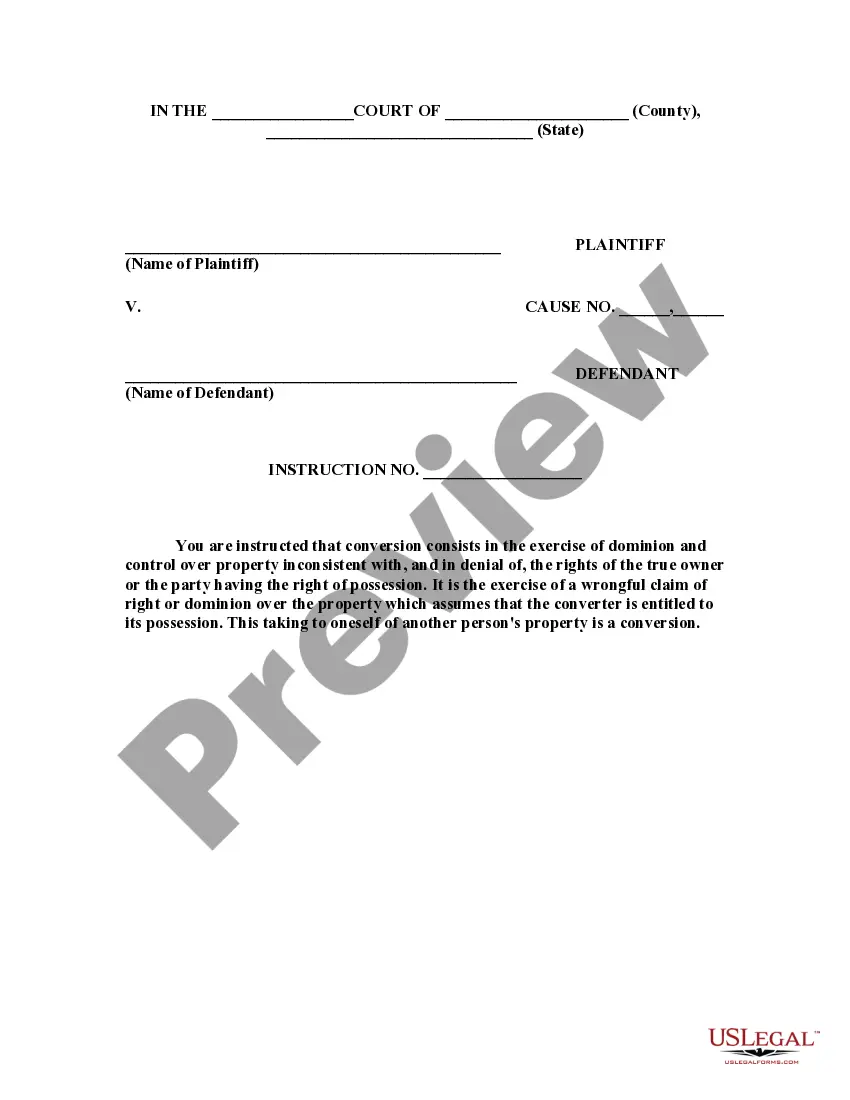
Theft is the taking of another person's property or services or scrap money without that person's permission or consent with the intent to deprive the rightful owner of it.In some jurisdictions, theft is considered to be synonymous with larceny; in others, theft has replaced larceny.