Medicaid Long Term Care Handbook, Planner, and State Resource Guide
What this document covers
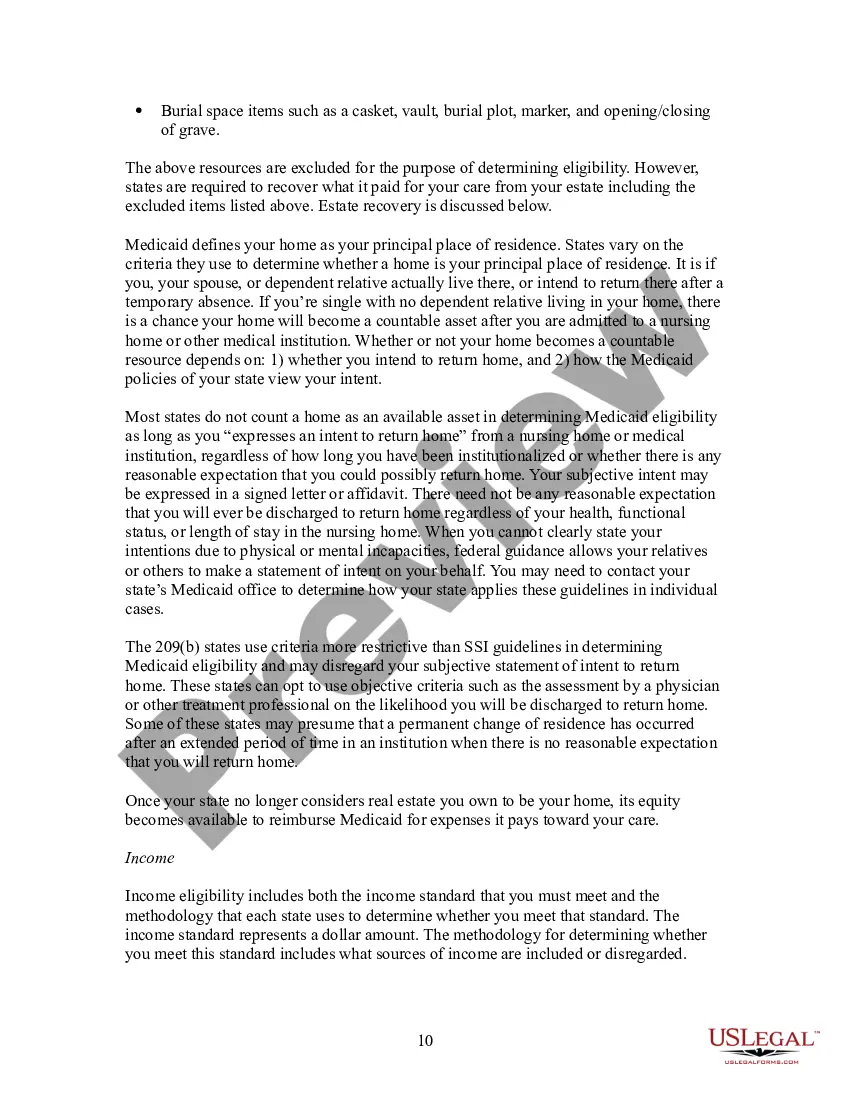
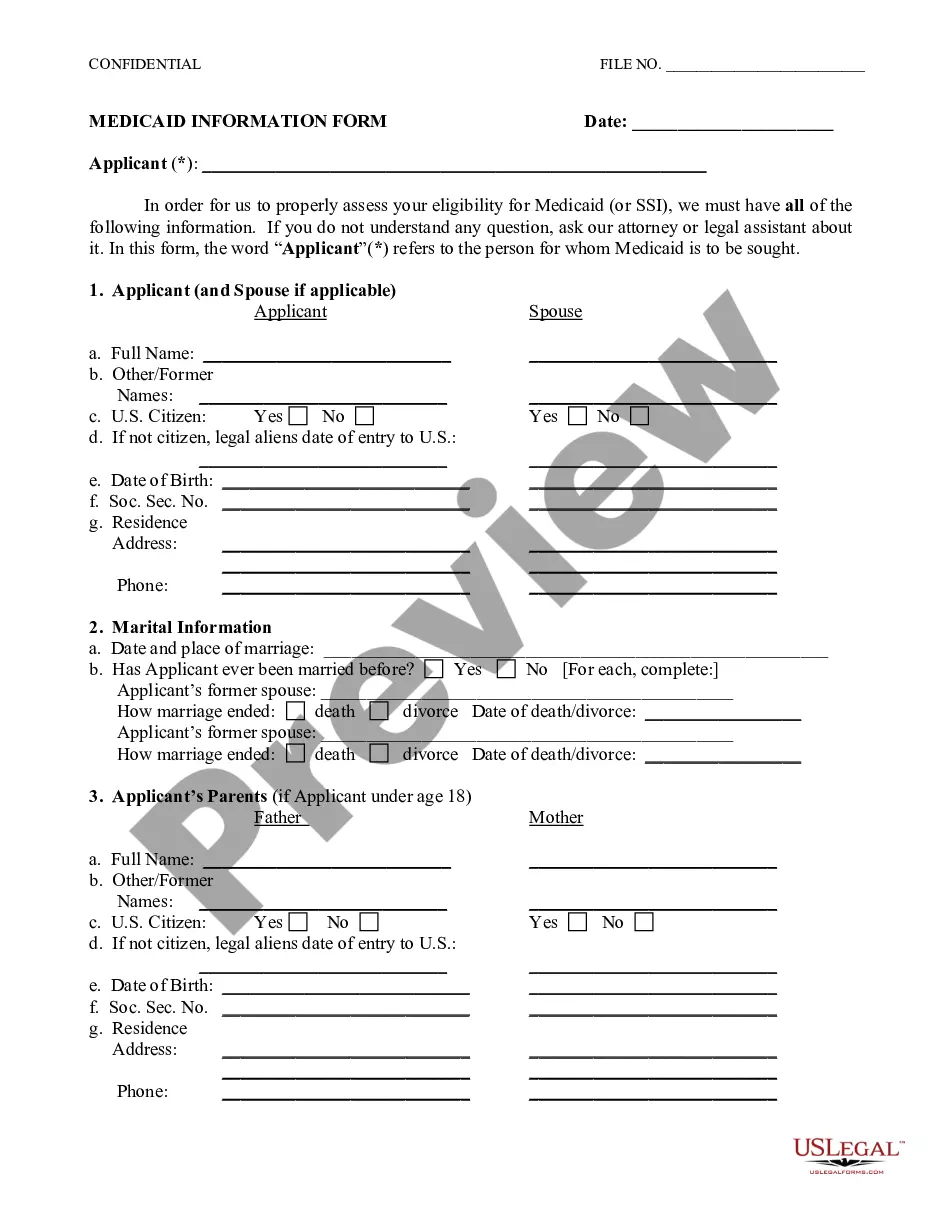
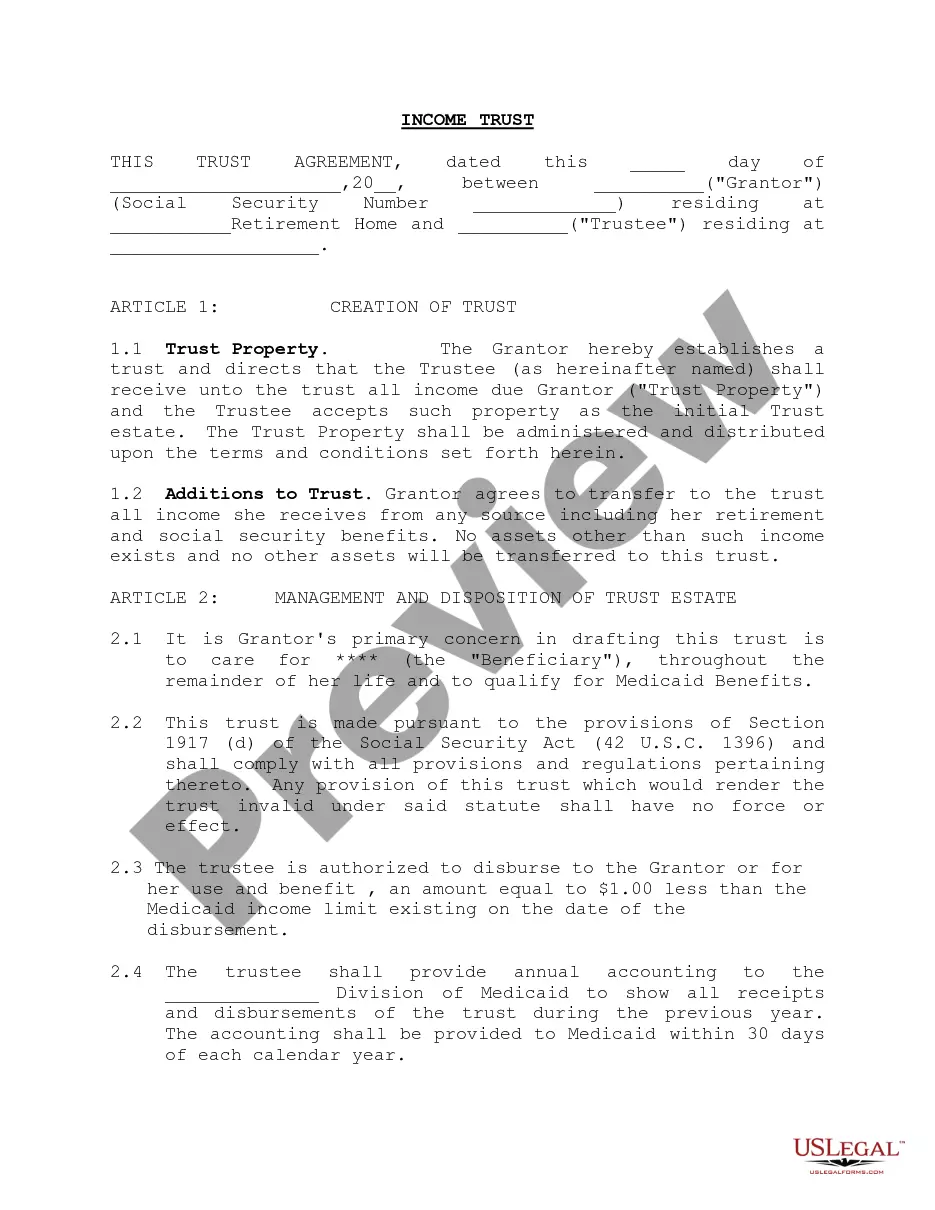
The Medicaid Long Term Care Handbook, Planner, and State Resource Guide serves as a comprehensive resource for understanding Medicaid's role in financing long-term care. This handbook is specifically designed to help individuals plan for the high costs associated with aging and long-term care needs. It differs from other general medical or financial guides by focusing on the intricacies of Medicaid benefits, eligibility requirements, and strategic planning for long-term care.
What’s included in this form
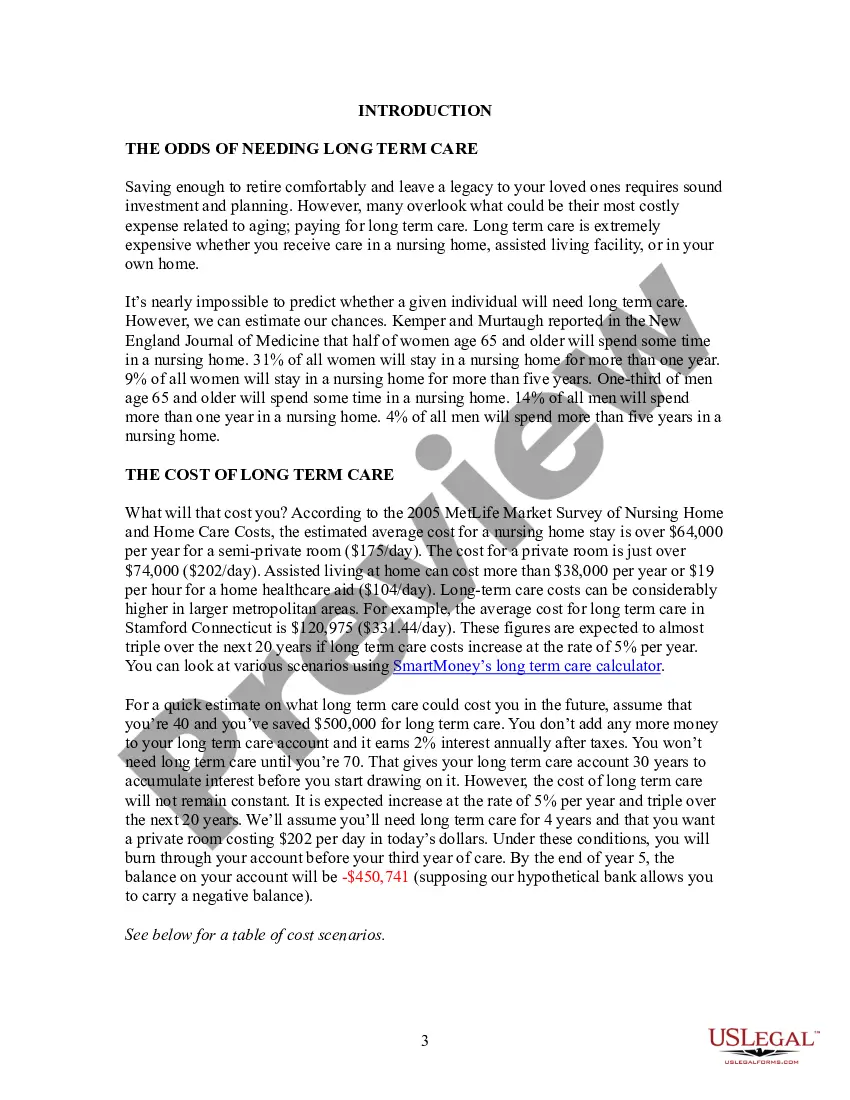
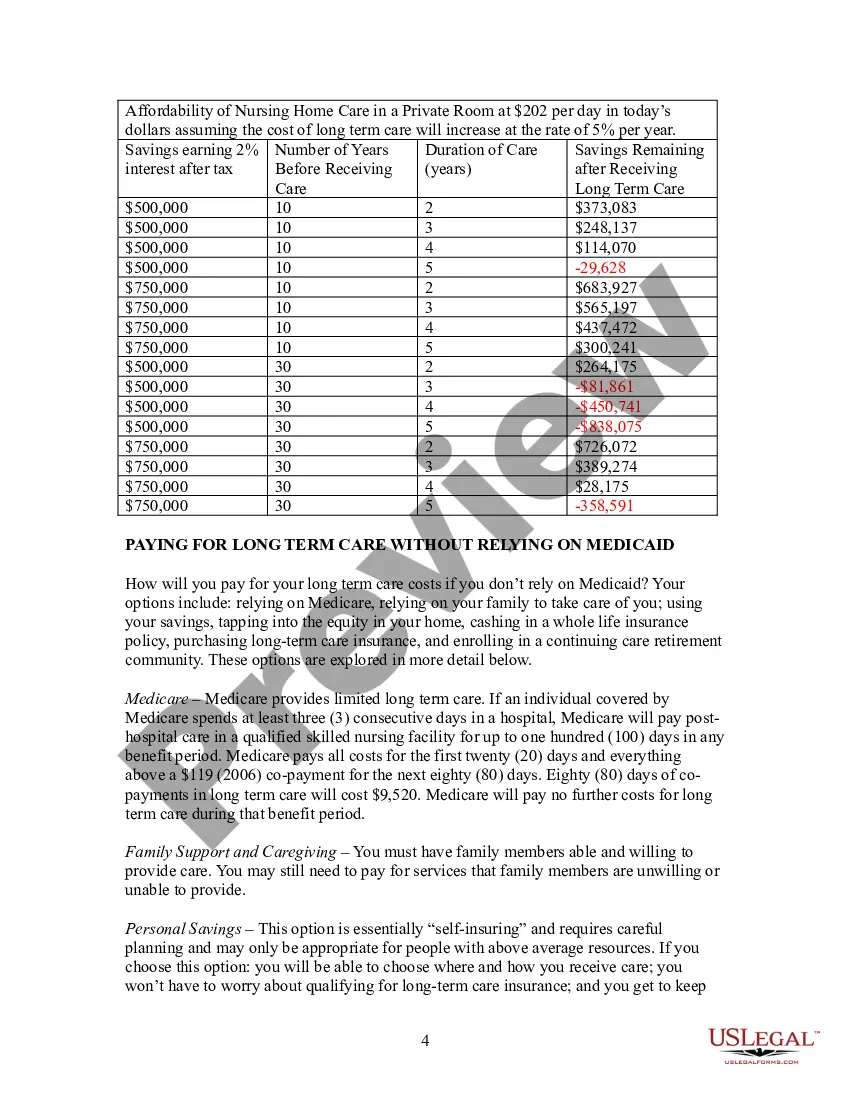
- Introduction to long-term care and its potential costs
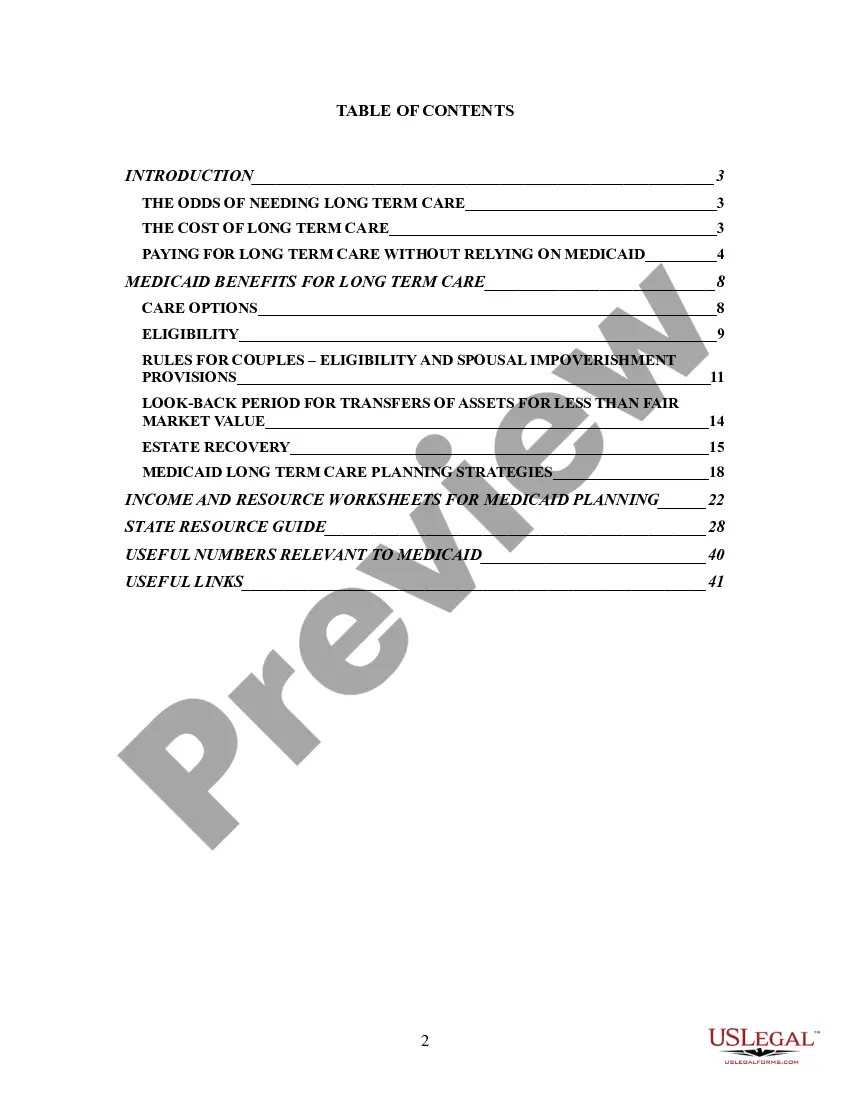
- Eligibility criteria for Medicaid benefits
- Overview of care options available under Medicaid
- Strategies for Medicaid long-term care planning
- State-specific resource guide with contact information




Common use cases
This handbook should be utilized when individuals or families begin planning for long-term care needs, especially as they approach retirement age. It is essential for those who want to understand the financial implications of long-term care and explore their options for Medicaid benefits. It's also useful for families anticipating the need for care due to chronic illness or disability.
Who needs this form
- Individuals preparing for retirement
- Families considering long-term care options for aging relatives
- Caregivers seeking financial assistance options for elderly care
- Financial planners and advisors assisting clients with long-term care planning
Steps to complete this form
- Read the introduction to understand the importance of long-term care planning.
- Identify your eligibility for Medicaid benefits based on your stateâs criteria.
- Review the strategies outlined for effective long-term care planning.
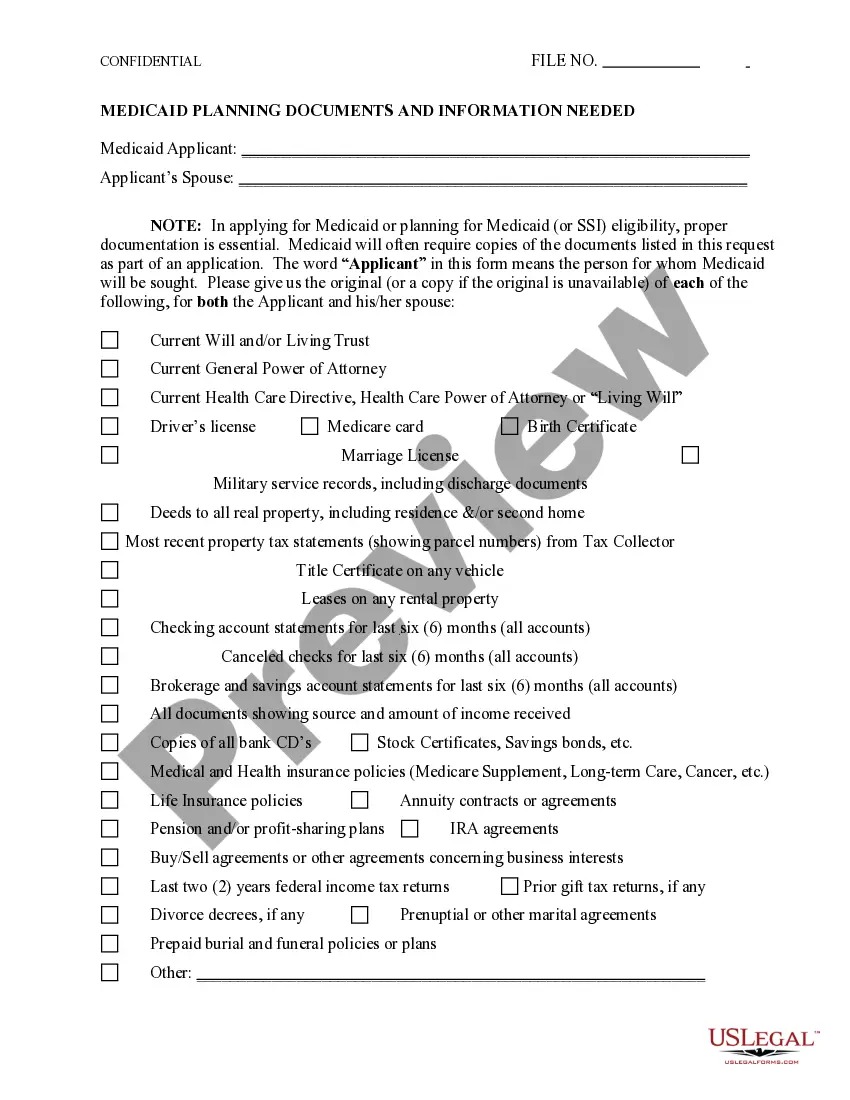
- Use the provided worksheets to assess your current financial situation and potential Medicaid eligibility.
- Contact the state resource guide for specific questions regarding your application process.
Notarization guidance
This form does not typically require notarization unless specified by local law. Always verify specific state requirements regarding notarization of documents related to Medicaid applications or planning.
Get your form ready online
Our built-in tools help you complete, sign, share, and store your documents in one place.
Make edits, fill in missing information, and update formatting in US Legal Forms—just like you would in MS Word.
Download a copy, print it, send it by email, or mail it via USPS—whatever works best for your next step.
Sign and collect signatures with our SignNow integration. Send to multiple recipients, set reminders, and more. Go Premium to unlock E-Sign.
If this form requires notarization, complete it online through a secure video call—no need to meet a notary in person or wait for an appointment.
We protect your documents and personal data by following strict security and privacy standards.

Make edits, fill in missing information, and update formatting in US Legal Forms—just like you would in MS Word.

Download a copy, print it, send it by email, or mail it via USPS—whatever works best for your next step.

Sign and collect signatures with our SignNow integration. Send to multiple recipients, set reminders, and more. Go Premium to unlock E-Sign.

If this form requires notarization, complete it online through a secure video call—no need to meet a notary in person or wait for an appointment.

We protect your documents and personal data by following strict security and privacy standards.
Common mistakes
- Assuming all long-term care options are covered by Medicaid without checking specific eligibility requirements.
- Failing to prepare financially for the high costs of long-term care before needing it.
- Not understanding the importance of the look-back period for asset transfers.
- Neglecting to utilize the state resources available for Medicaid assistance.
Why complete this form online
- Easy access to up-to-date information about Medicaid long-term care.
- Customized planning tools and worksheets to facilitate personal assessments.
- Convenience of downloading and printing from home for private review and planning.
- Flexibility to revisit the material as needed to refine your long-term care strategy.
Legal use & context
- The Medicaid Long Term Care Handbook is a legal resource that helps understand Medicaid policies.
- It provides essential information that aids individuals in qualifying for long-term care benefits.
- While the handbook is comprehensive, it is advised to consult with an attorney for personal legal issues.
Main things to remember
- The Medicaid Long Term Care Handbook is essential for strategic planning regarding long-term healthcare needs.
- Understanding eligibility requirements is crucial to accessing Medicaid benefits.
- Using worksheets can streamline the resource assessment process for Medicaid applications.
Looking for another form?
Form popularity
FAQ
It covers: Inpatient hospital services (Medicare Part A). These benefits include coverage for hospital visits, hospice care, and limited skilled nursing facility care and at-home healthcare. Outpatient medical services (Medicare Part B).
Medicaid is a state-run program offering low-cost or free custodial and medical services to those with low incomes who qualify. Long-term care insurance is private insurance available to anyone who can pay for it.Long-term care insurance offers more flexibility and options than Medicaid.
LTSS Programs Improve Lives Community-based LTSS programs help older adults and people with disabilities live at home or in local settings. The result: better health and maximum independence. Community-based LTSS also provide help and encouragement to family members caring for older adults and people with disabilities.
Medicare covers up to 100 days of care in a skilled nursing facility (SNF) each benefit period.
Medicaid is a state-run program offering low-cost or free custodial and medical services to those with low incomes who qualify. Long-term care insurance is private insurance available to anyone who can pay for it.Long-term care insurance offers more flexibility and options than Medicaid.
Once one's income has been spent down to the medically needy income limit, Medicaid will cover long term care for the remainder of the spend down period. The greater amount of monthly income one has, the higher the amount one has to spend down before Medicaid will pay for long term care.
Medicare covers some types of long-term care including in-home care, hospice care, and short stays at skilled nursing facilities.These include nonmedical services that are commonly provided at nursing homes and assisted living facilities, such as custodial care and room and board.
If you're enrolled in original Medicare, it can pay a portion of the cost for up to 100 days in a skilled nursing facility. You must be admitted to the skilled nursing facility within 30 days of leaving the hospital and for the same illness or injury or a condition related to it.
Medicare helps to pay for your recovery in a skilled nursing care facility after a three-day hospital stay. Medicare will cover the total cost of skilled nursing care for the first 20 days, after which you'll pay $185.50 coinsurance per day (in 2021). After 100 days, Medicare will stop paying.