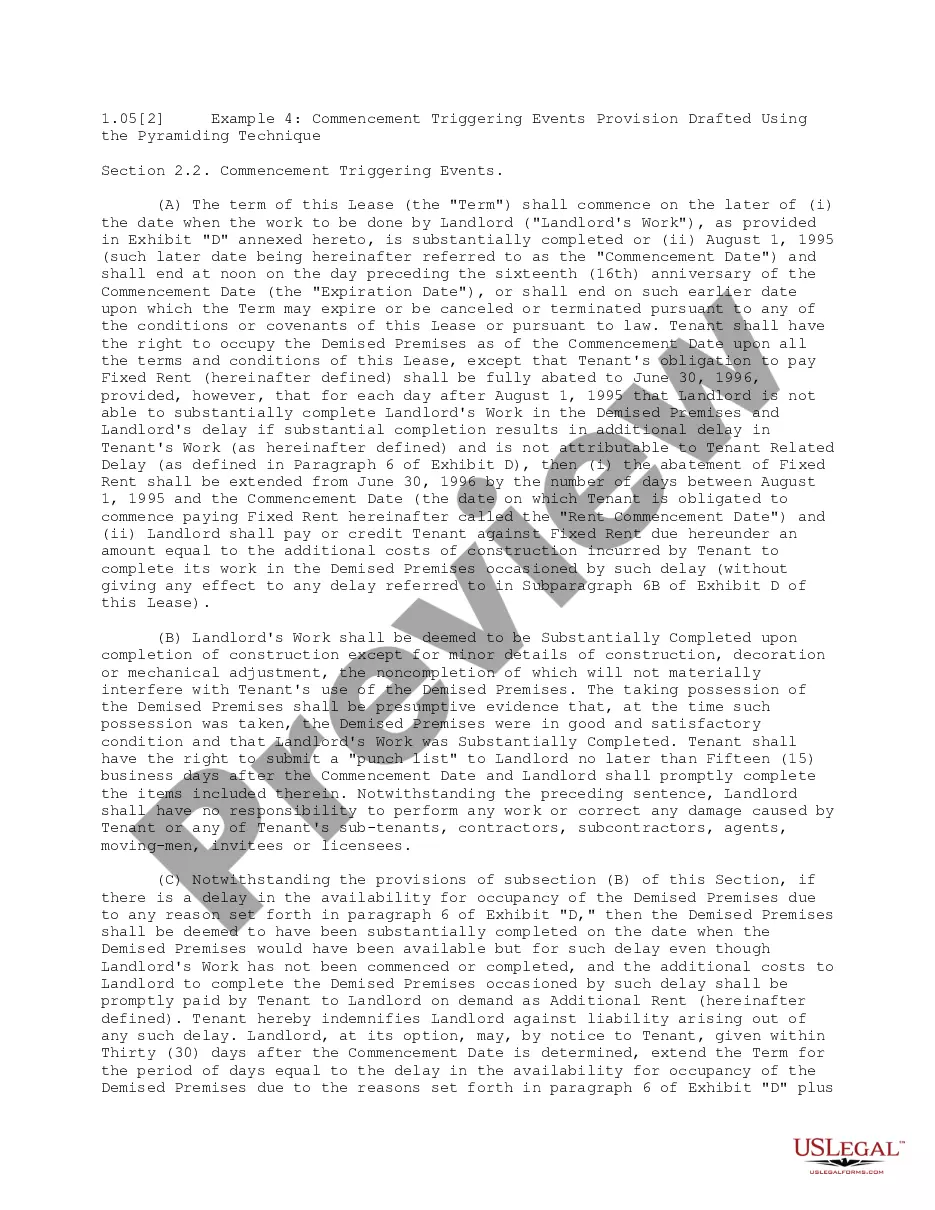
Affidavit by an Attorney-in-Fact in the Capacity of an Executor of an Estate
Understanding this form
The Affidavit by an Attorney-in-Fact in the Capacity of an Executor of an Estate is a legal document used to affirm the authority of an executor who has been appointed in a decedent's will. This form serves to officially declare the executorâs status and verify their compliance with probate laws. It is specifically designed for individuals acting as executors of estates, differentiating it from other affidavits that may not pertain to estate administration.
Key components of this form
- Personal details of the affiant and decedent
- Date of the decedent's death
- Details regarding the Last Will and Testament
- Date of issuance of letters testamentary
- Affiantâs continuous duties as the executor
- Notary public acknowledgment

Common use cases
This affidavit is necessary when an executor wishes to validate their authority to act on behalf of the estate, particularly during the probate process. Use this form if you have been appointed as executor in the will, have received letters testamentary from the court, and need to assert your legal standing in dealings with beneficiaries, financial institutions, or other entities involved in administering the estate.
Who needs this form
Eligible users of this affidavit include:
- Individuals named as executor in a will
- Attorneys representing executors
- Representatives of the estate needing to provide proof of authority
Steps to complete this form
- Enter the state and county where the affidavit is being executed.
- Provide personal details of the affiant and the decedent.
- Specify the date of the decedent's death and the date of the Last Will and Testament.
- Detail when the letters testamentary were issued and confirm your duties as executor.
- Include any additional facts necessary to support your affidavit.
- Sign in the presence of a notary public and ensure the notary completes their section.
Notarization guidance
Yes, this form must be notarized to be legally valid. The integrated online notarization service from US Legal Forms offers secure, 24/7 availability through a video call, ensuring a straightforward process without the need to travel.
Get your form ready online
Our built-in tools help you complete, sign, share, and store your documents in one place.
Make edits, fill in missing information, and update formatting in US Legal Forms—just like you would in MS Word.
Download a copy, print it, send it by email, or mail it via USPS—whatever works best for your next step.
Sign and collect signatures with our SignNow integration. Send to multiple recipients, set reminders, and more. Go Premium to unlock E-Sign.
If this form requires notarization, complete it online through a secure video call—no need to meet a notary in person or wait for an appointment.
We protect your documents and personal data by following strict security and privacy standards.

Make edits, fill in missing information, and update formatting in US Legal Forms—just like you would in MS Word.

Download a copy, print it, send it by email, or mail it via USPS—whatever works best for your next step.

Sign and collect signatures with our SignNow integration. Send to multiple recipients, set reminders, and more. Go Premium to unlock E-Sign.

If this form requires notarization, complete it online through a secure video call—no need to meet a notary in person or wait for an appointment.

We protect your documents and personal data by following strict security and privacy standards.
Mistakes to watch out for
- Failing to provide complete information about the decedent and their will.
- Omitting the proper date of execution for the affidavit.
- Not obtaining the necessary notarization.
- Filling in incorrect jurisdiction data for letters testamentary.
Benefits of using this form online
- Easy access to download and print the form immediately.
- Editable fields ensure accuracy and compliance with legal requirements.
- Reliability as the forms are drafted by licensed attorneys.
- Convenience of filling out the form at your own pace.
Summary of main points
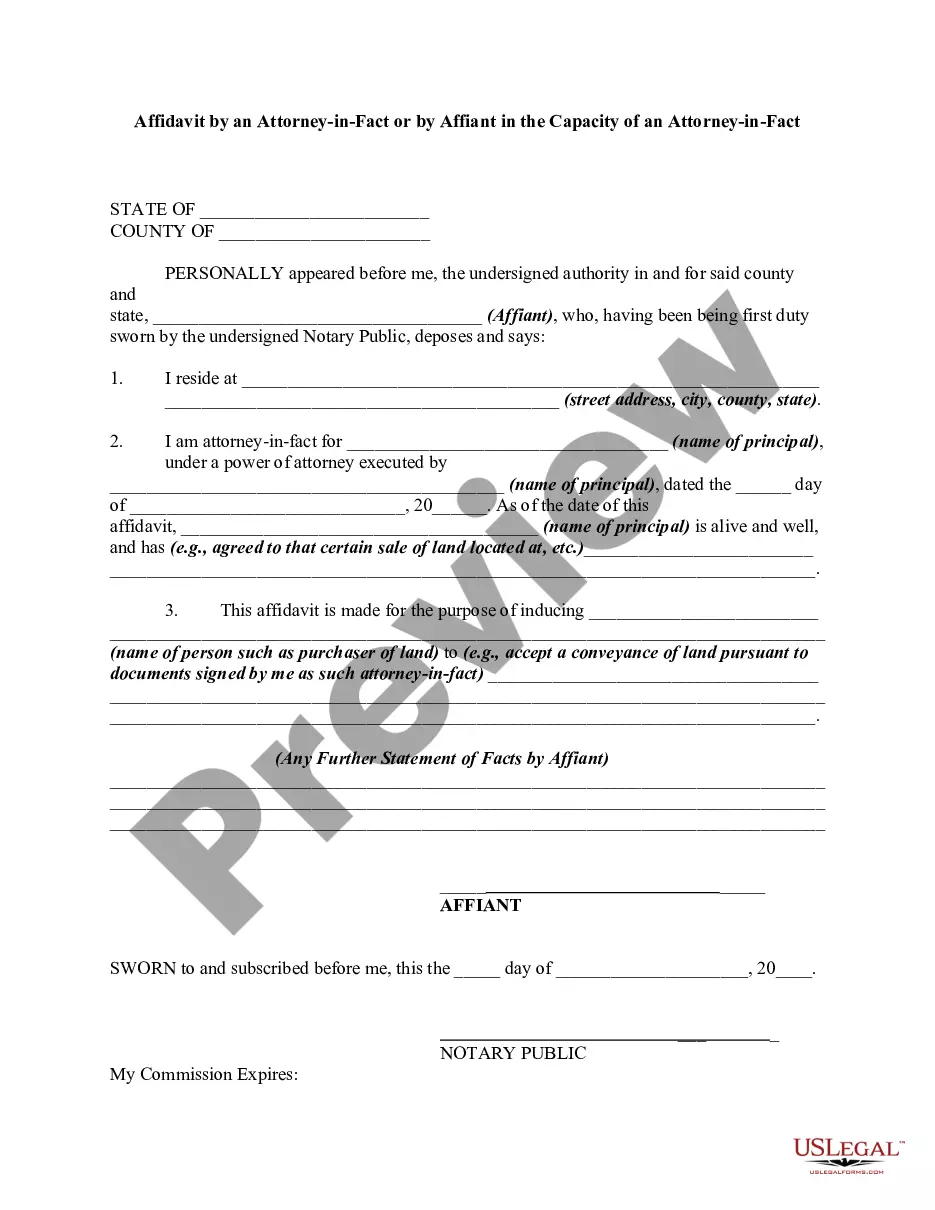
- The affidavit confirms the authority of an attorney-in-fact as an estate executor.
- It is essential in the probate process and for managing the estate's affairs.
- Proper completion and notarization are crucial for legal acceptance.
- Ensure compliance with specific state laws regarding estate management and probate.
Looking for another form?


Form popularity
FAQ
When you use a small estate affidavit , you have to pay the decedent's bills before paying money to anyone else. For example, the decedent might have owed money to a credit card company when they died. If you use the small estate affidavit, you must give money from the estate to pay the credit card company.
A small estate affidavit is a sworn written statement that authorizes someone to claim a decedent's assets outside of the formal probate process.You can often get a small estate affidavit form from the probate courts and fill it out.
Affidavit of Descendants. Use this form to identify all the descendants of a deceased account owner or beneficiary, or to state that there are no living descendants, in order to determine (or confirm) who inherits in the event the individual has died or is disclaiming the assets.
A Letter of Appointment of Executor helps prove you have been put in charge of someone's estate after they have passed away. As Executor, you've been given the duty to manage the estate and carry out the directions of the will; however, a court may require official documentation.
An Executor is the person you name in your Will to take care of your affairs after you die. A Power of Attorney names a person, often called your agent or attorney-in-fact, to handle matters for you while you are alive. Generally speaking, your Power of Attorney ceases to be effective at the moment of your death.
Definition. An agent authorized to act on behalf of another person, but not necessarily authorized to practice law, e.g. a person authorized to act by a power of attorney. An attorney in fact is a fiduciary. Also known as attorney in fact or private attorney.
If you have executed a Durable Power of Attorney, then you have signed a document appointing a person to make financial decisions on your behalf. The document is called a Power of Attorney, and the person named to make decisions on your behalf is called an Attorney-in-Fact (otherwise known as an Agent).