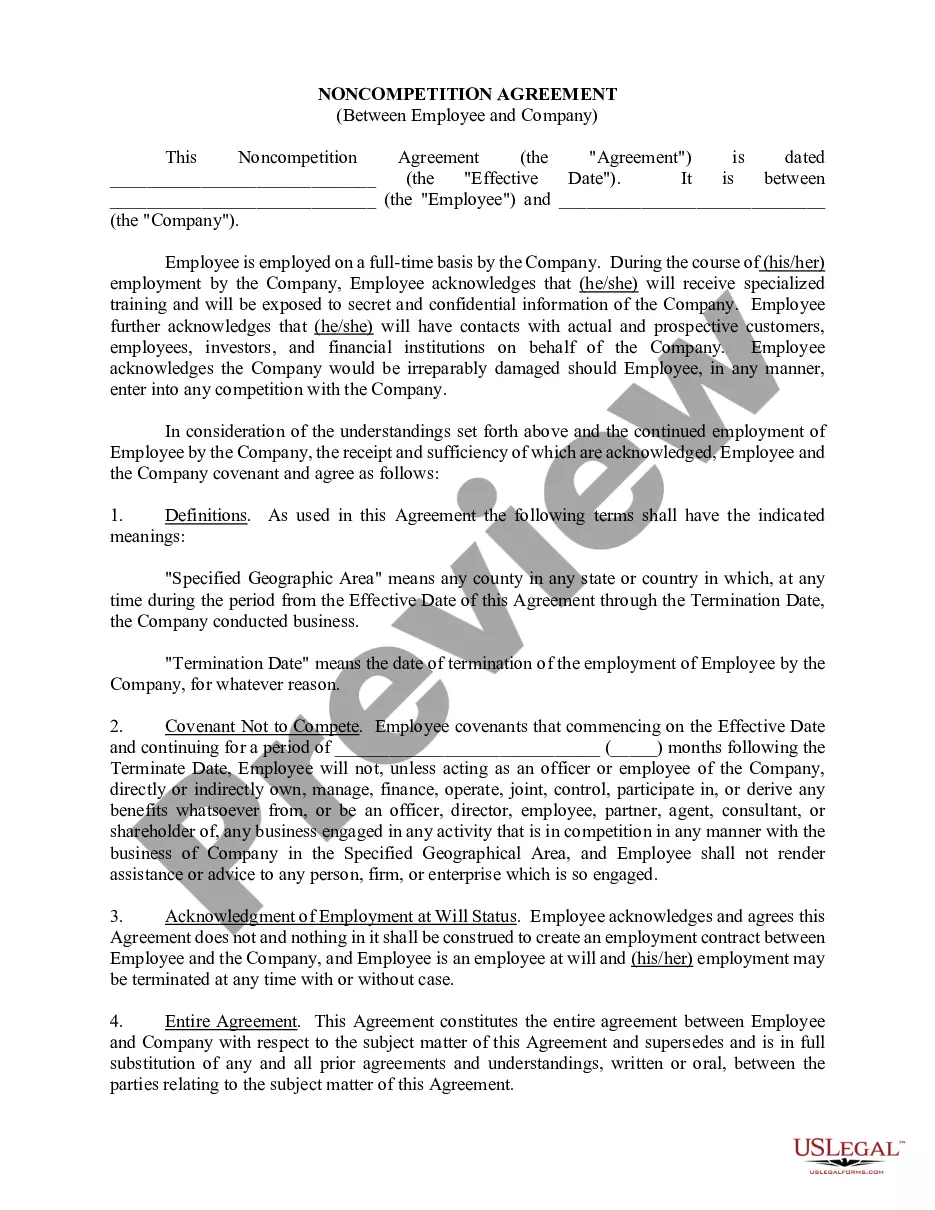
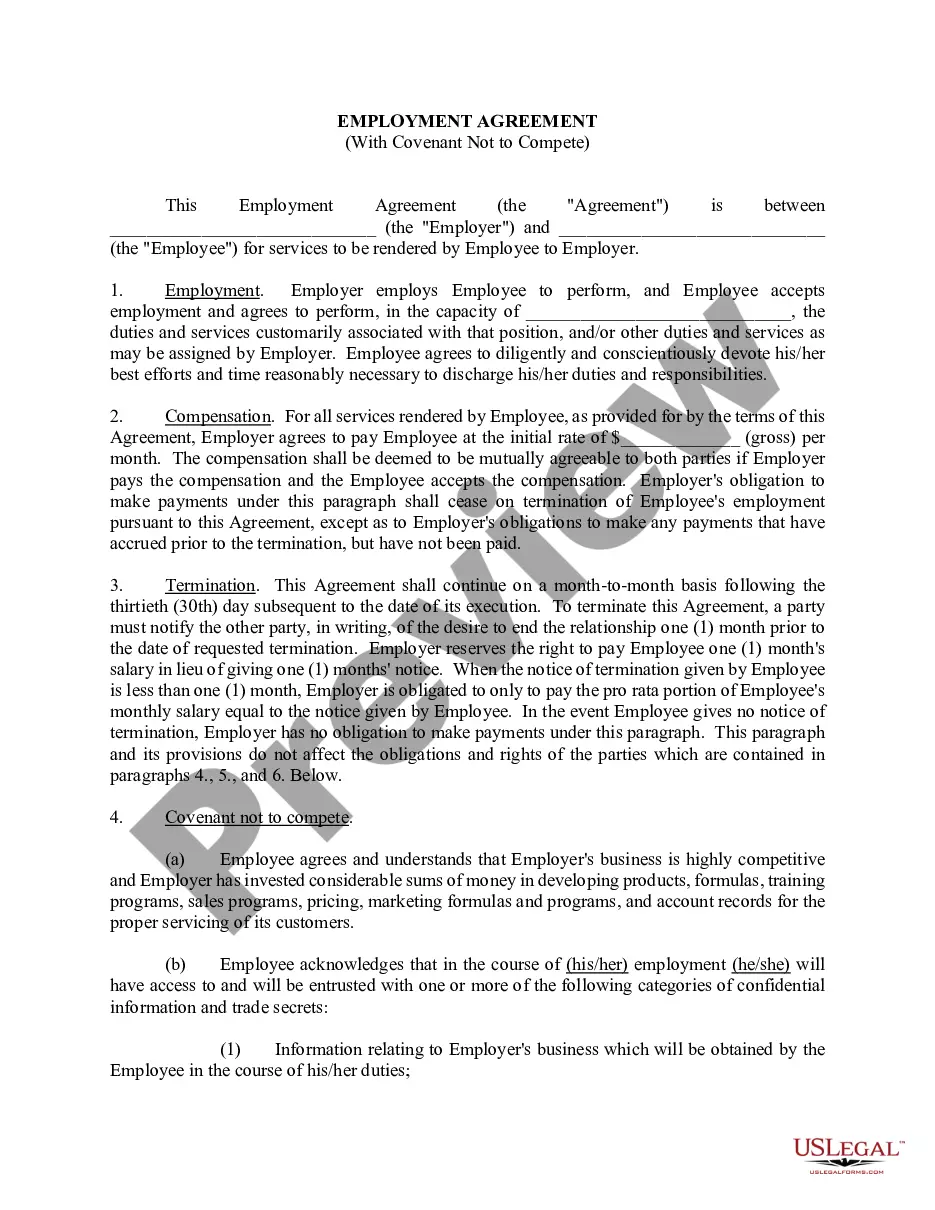
Personal Care Service Agreement - Caregiver for Elderly or Disabled - Consent
Understanding this form
The Personal Care Service Agreement - Caregiver for Elderly or Disabled - Consent is a legal document that outlines the terms of the relationship between a caregiver and a client, who may be elderly or disabled. This agreement specifies the services provided by the caregiver, ensuring the client maintains control over their home environment while receiving necessary support for daily living activities. Unlike other caregiver agreements, this form includes specific clauses related to waivers of liability, reflecting an understanding of the unique needs of clients in vulnerable situations.
What’s included in this form
- Identification of the parties involved (Client and Caregiver)
- Definition of services to be provided by the caregiver
- Scheduling guidelines and notice requirements for changes
- Termination clauses and notice period
- Legal acknowledgment of the caregiver's independent contractor status
- Liability waiver for simple negligence of caregiver personnel






Situations where this form applies
This form is ideal when an elderly or disabled individual requires assistance at home and desires to formalize the caregiver-client relationship. It is particularly useful in situations where specific services are necessary, such as assistance with daily living activities, medication scheduling, and mobility support. Additionally, this agreement is essential when both parties wish to clarify their responsibilities and liabilities to avoid misunderstandings.
Who should use this form
Individuals who may benefit from this form include:
- Elderly clients seeking home care services
- Disabled individuals requiring assistance with daily tasks
- Independent contractors providing caregiving services
- Family members arranging care for loved ones
How to prepare this document
- Identify and enter the names and addresses of the Client and Caregiver.
- Clearly define the services that the caregiver will provide.
- Establish a workable schedule and note any specifics regarding notification for changes.
- Insert the agreed-upon compensation details and hours of work.
- Have both parties sign and date the agreement to create a binding contract.
Notarization guidance
This form does not typically require notarization unless specified by local law. It is advisable to check local regulations to ensure compliance.
Get your form ready online
Our built-in tools help you complete, sign, share, and store your documents in one place.
Make edits, fill in missing information, and update formatting in US Legal Forms—just like you would in MS Word.
Download a copy, print it, send it by email, or mail it via USPS—whatever works best for your next step.
Sign and collect signatures with our SignNow integration. Send to multiple recipients, set reminders, and more. Go Premium to unlock E-Sign.
If this form requires notarization, complete it online through a secure video call—no need to meet a notary in person or wait for an appointment.
We protect your documents and personal data by following strict security and privacy standards.

Make edits, fill in missing information, and update formatting in US Legal Forms—just like you would in MS Word.

Download a copy, print it, send it by email, or mail it via USPS—whatever works best for your next step.

Sign and collect signatures with our SignNow integration. Send to multiple recipients, set reminders, and more. Go Premium to unlock E-Sign.

If this form requires notarization, complete it online through a secure video call—no need to meet a notary in person or wait for an appointment.

We protect your documents and personal data by following strict security and privacy standards.
Common mistakes to avoid
- Failing to specify the exact services the caregiver will provide.
- Omitting details related to scheduling and notice requirements.
- Not addressing the terms for termination of the agreement.
- Overlooking the need for both parties to sign the agreement.
Benefits of using this form online
- Convenient access to legally vetted templates at any time.
- Easy customization to meet individual needs.
- Reduces the risk of errors through guided input when filling out.
- Secure storage of completed forms for future reference.
Legal use & context
- This agreement is enforceable in a court of law when properly completed and signed.
- Clauses involving waivers of liability for simple negligence are generally legal, but may be scrutinized based on jurisdiction.
- Both parties are encouraged to consult legal counsel before signing to ensure understanding and protection of rights.
Key takeaways
- The Personal Care Service Agreement ensures clarity between caregivers and clients regarding services and liabilities.
- Use it to formalize the caregiver-client relationship while safeguarding the well-being of both parties.
- Your agreement should be tailored to meet the specific needs of the client and caregiver while adhering to local laws.
Looking for another form?








Form popularity
FAQ
What is a caregiver contract? A caregiver contract also called a personal care agreement ensures all family members are on the same page when it comes to elder care responsibilities. It's a written contract that's notarized and signed by all parties.
The most common type of caregiver is the family caregiver: someone who takes care of a family member without pay. The other types are professional, independent, private, informal, and volunteer caregivers.
Proof of Caregiver Role Applicants should already be including documentation to evidence a relationship with all household members. (Typically, evidence may be a birth certificate or marriage certificate.) You may submit an affidavit to highlight your role as a primary caregiver.
What is a Personal Care Agreement? The agreement is a contract, typically between a family member who agrees to provide caregiver services (the caregiver) for a disabled or aging relative and the person receiving care (the care recipient).
The agreement is a contract typically between a family member who agrees to provide caregiver services for a disabled or aging relative and the person receiving care.Drawing up an agreement clarifies for a family what tasks are expected in return for a stated compensation.
The first are licensed healthcare professionals who provide medical care in the home according to the orders of a doctor. These can include social workers, physical therapists and nurses. The second are caregivers who serve as companions, homemakers and aides.
Prioritize good communication. This is perhaps the most important rule, because it touches every area of the work you will do. Be punctual. Take notes & use a calendar. Be positive. Clean up after yourself. Establish a set of daily rules & follow them consistently. Be respectful.
The Aid and Attendance Pension benefit is another program available in Texas that can be used to pay family members to provide care. At the forefront, it should be mentioned that this program is only relevant for war-time veterans or their surviving spouses who require assistance with their activities of daily living.
The first and most common Medicaid option is Medicaid Waivers.With this option, the care recipient can choose to receive care from a family member, such as an adult child, and Medicaid will compensate the adult child for providing care for the elderly parent.