Confidentiality and Nondisclosure Agreement - Evaluation Materials
Understanding this form
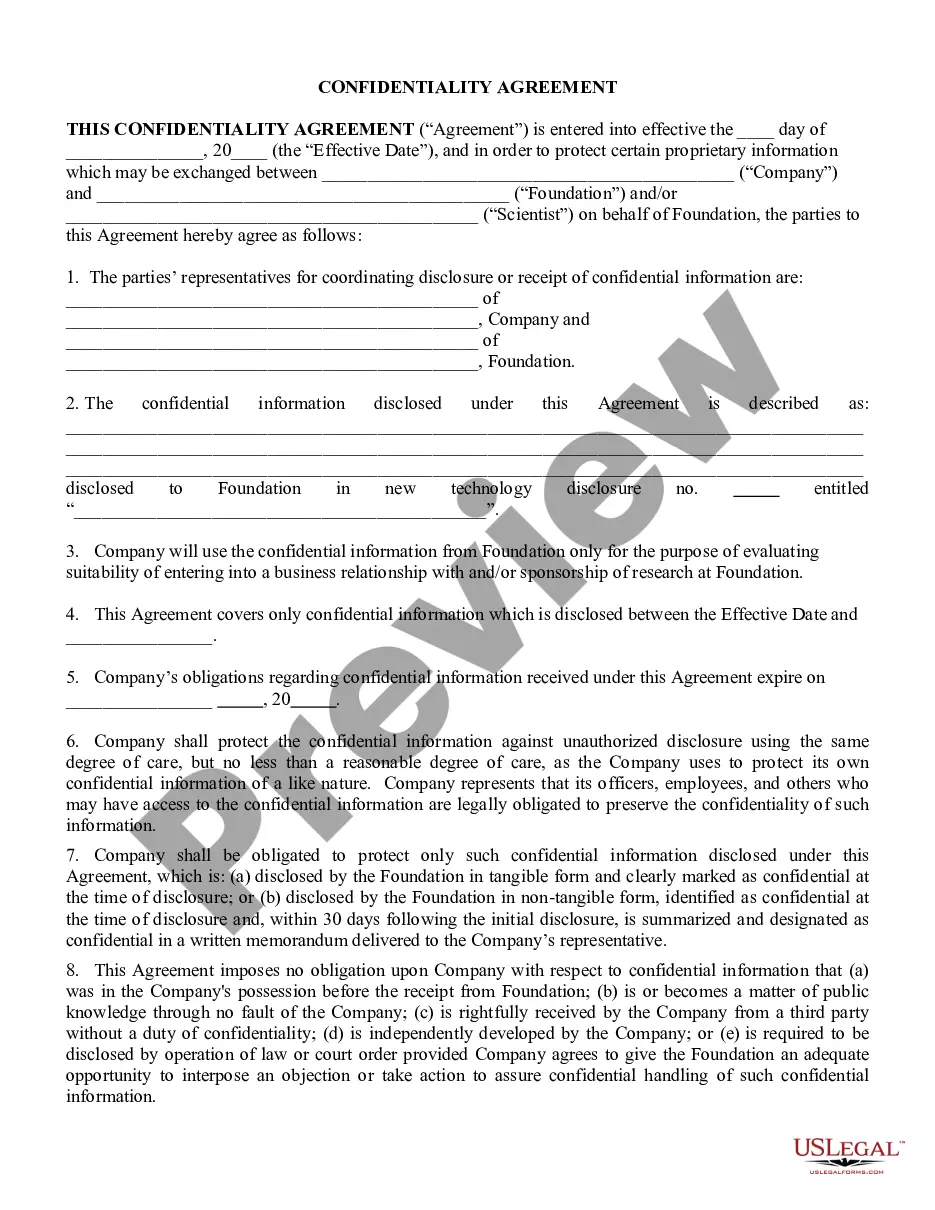
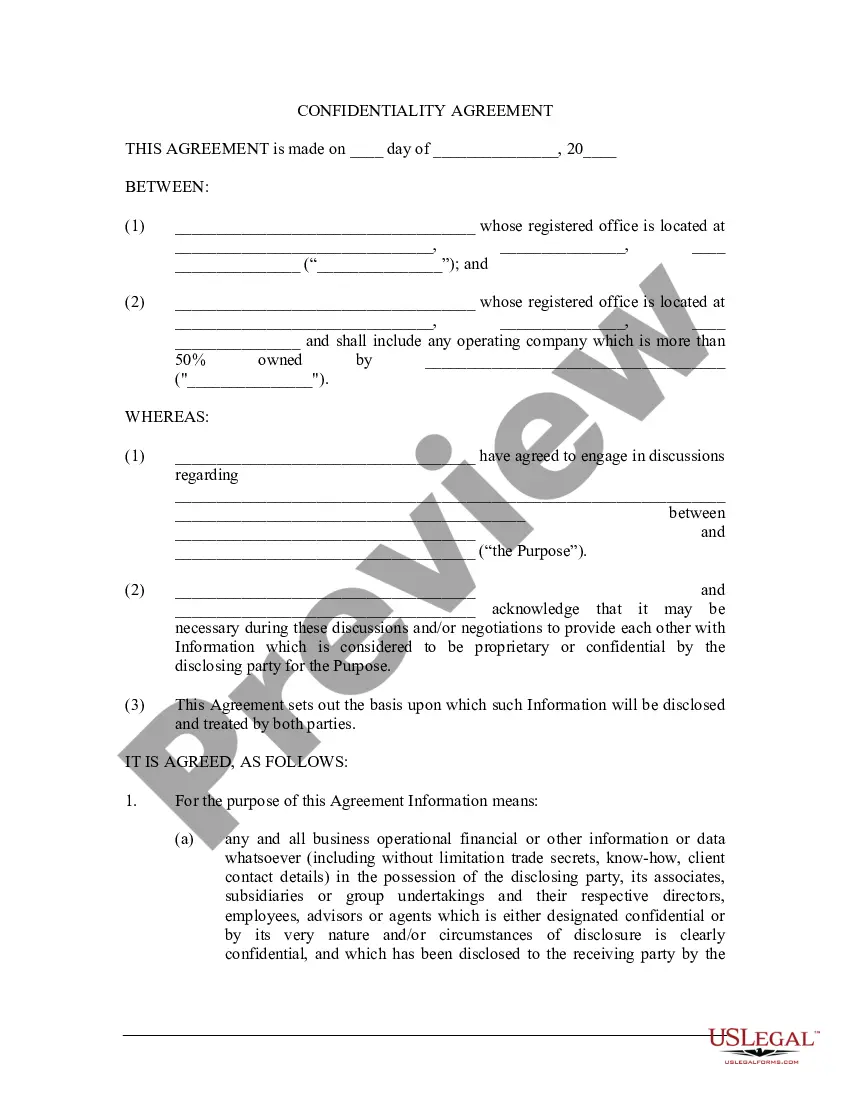
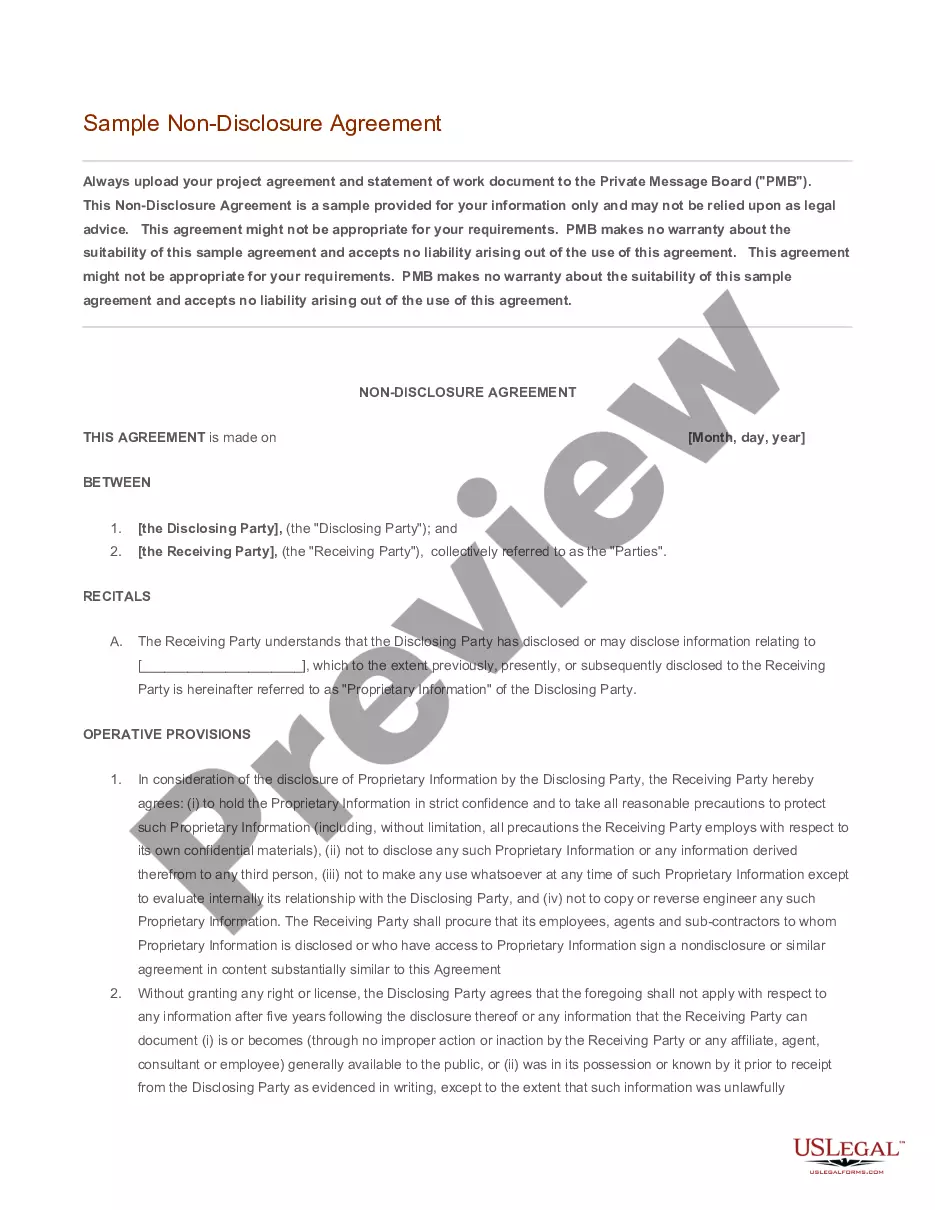
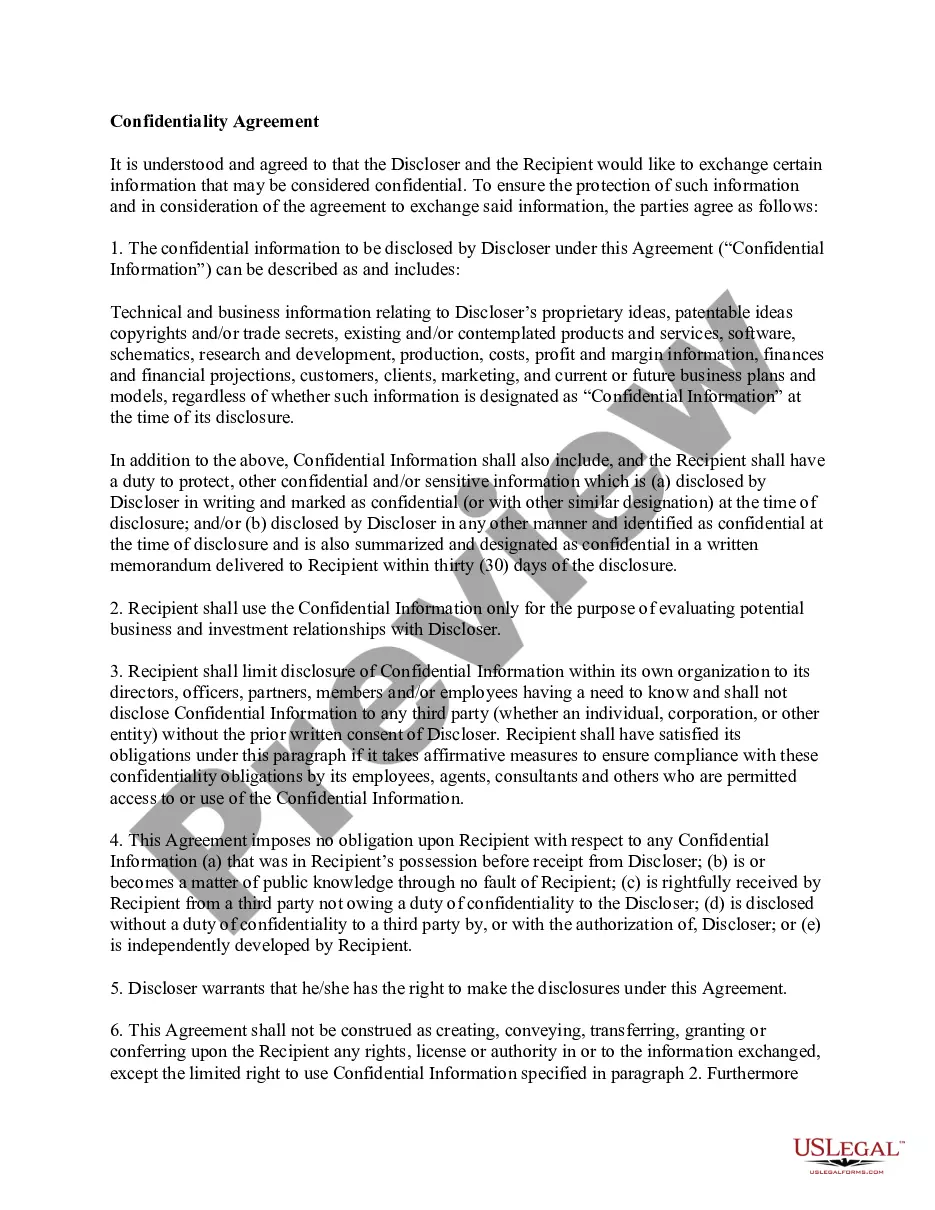
The Confidentiality and Nondisclosure Agreement - Evaluation Materials ensures that sensitive information shared between a company and a contractor during transaction negotiations is kept confidential. This form differs from other agreements by specifically focusing on the evaluation of preliminary information rather than the actual business terms. It is essential for protecting proprietary information that could impact negotiations if disclosed.
Main sections of this form
- Definition of the Evaluation Material shared between the company and contractor.
- Conditions under which information can be disclosed, such as to personnel who need to know.
- Provisions outlining the confidentiality obligations of the contractor.
- Clauses addressing the consequences of unauthorized disclosure.
- Instructions for returning all Evaluation Material if no transaction proceeds.
- Legal jurisdiction governing the agreement.

When to use this document
This agreement should be utilized when a contractor seeks sensitive business information from a company during preliminary discussions for a potential transaction. This form is crucial in scenarios where confidential details about a company's operations, finances, or strategies are shared to assess the viability of a deal.
Who needs this form
- Businesses looking to protect their confidential information while evaluating potential transactions.
- Contractors or consultants seeking access to sensitive business information for evaluation purposes.
- Legal professionals advising clients on negotiation practices.
Steps to complete this form
- Identify the parties involved in the transaction by completing their names and details.
- Define the Evaluation Material that will be shared for review.
- Specify the conditions under which the information may be disclosed to authorized personnel.
- Determine the duration of the confidentiality obligations and complete the date field.
- Sign and date the agreement to finalize the terms.
Does this form need to be notarized?
This form does not typically require notarization unless specified by local law. Ensure you check any local legal requirements that may mandate notarization for confidentiality agreements.
Get your form ready online
Our built-in tools help you complete, sign, share, and store your documents in one place.
Make edits, fill in missing information, and update formatting in US Legal Forms—just like you would in MS Word.
Download a copy, print it, send it by email, or mail it via USPS—whatever works best for your next step.
Sign and collect signatures with our SignNow integration. Send to multiple recipients, set reminders, and more. Go Premium to unlock E-Sign.
If this form requires notarization, complete it online through a secure video call—no need to meet a notary in person or wait for an appointment.
We protect your documents and personal data by following strict security and privacy standards.

Make edits, fill in missing information, and update formatting in US Legal Forms—just like you would in MS Word.

Download a copy, print it, send it by email, or mail it via USPS—whatever works best for your next step.

Sign and collect signatures with our SignNow integration. Send to multiple recipients, set reminders, and more. Go Premium to unlock E-Sign.

If this form requires notarization, complete it online through a secure video call—no need to meet a notary in person or wait for an appointment.

We protect your documents and personal data by following strict security and privacy standards.
Common mistakes to avoid
- Failing to specify all parties involved in the transaction.
- Omitting critical details about what constitutes Evaluation Material.
- Not clearly defining the disclosure limitations and permitted parties.
- Overlooking to sign the document, rendering it unenforceable.
Benefits of completing this form online
- Convenient access to fill and download the form from anywhere.
- Editable fields allow for customization based on specific needs.
- Reliable templates drafted by licensed attorneys ensure legal accuracy.
- Quick turnaround to facilitate timely negotiations.
Legal use & context
- This agreement provides legal protection against the unauthorized disclosure of sensitive information.
- Legal enforceability may vary based on jurisdiction and specific details in the agreement.
- Contractors should be aware of the legal implications of breaching the agreement, which may include injunctions or claims for damages.
Summary of main points
- The Confidentiality and Nondisclosure Agreement is essential for protecting sensitive information during negotiations.
- Clearly define the parties and Evaluation Material before signing the agreement.
- Understand the implications of breaching the agreement and ensure compliance with all terms.
Looking for another form?


Form popularity
FAQ
Confidentiality agreements usually allow the recipient to disclose confidential information if required to do so by court order or other legal process.
Disclosing parties may say they would prefer to have their information held confidential forever. More typically, however, confidentiality provisions in commercial transactions survive from two to five years. Any personal information should be held in confidence indefinitely.
A definition of confidential information. Who is involved. Why the recipient knows the information. Exclusions or limits on confidential information. Receiving party's obligations. Time frame or term. Discloser to the recipient.
1. Confidentiality Agreement is used when a higher degree of secrecy is required. Non-disclosure implies you must not disclose personal or private information. But keeping confidential implies you be more proactive in making sure information is kept secret.
And while every non-disclosure agreement is as unique as the parties and the agreement involved, terms of 1 10 years are standard, with the duration of confidentiality lasting indefinitely on trade secrets and as long as possible (or as is necessary) for other forms of IP.
Most NDAs terminate at some point.It is also common for NDAs to be silent when it comes to duration. However, setting an expiration date can be an important term of the agreement. The time should be commensurate with the useful life of the confidential information.
It's important to have confidentiality provisions survive the termination of an NDA.To protect its trade secret information, a company may indicate that the NDA will have a term of 2 years but certain aspects of the confidentiality provision will remain in effect for many years after the NDA or even indefinitely.
Look for broad and vague language: When analyzing an NDA, make sure the definitions of proprietary and confidential information are thoroughly defined. Be skeptical of broad and vague language that opts to unreasonably limit your ability to discuss and divulge information.
The cold hard truth is that most NDAs do not hold up in court. Non-Disclosure Agreements are most effective in establishing a paper trail of confidential information as it relates to partnerships, and discouraging partners from misappropriating proprietary information.