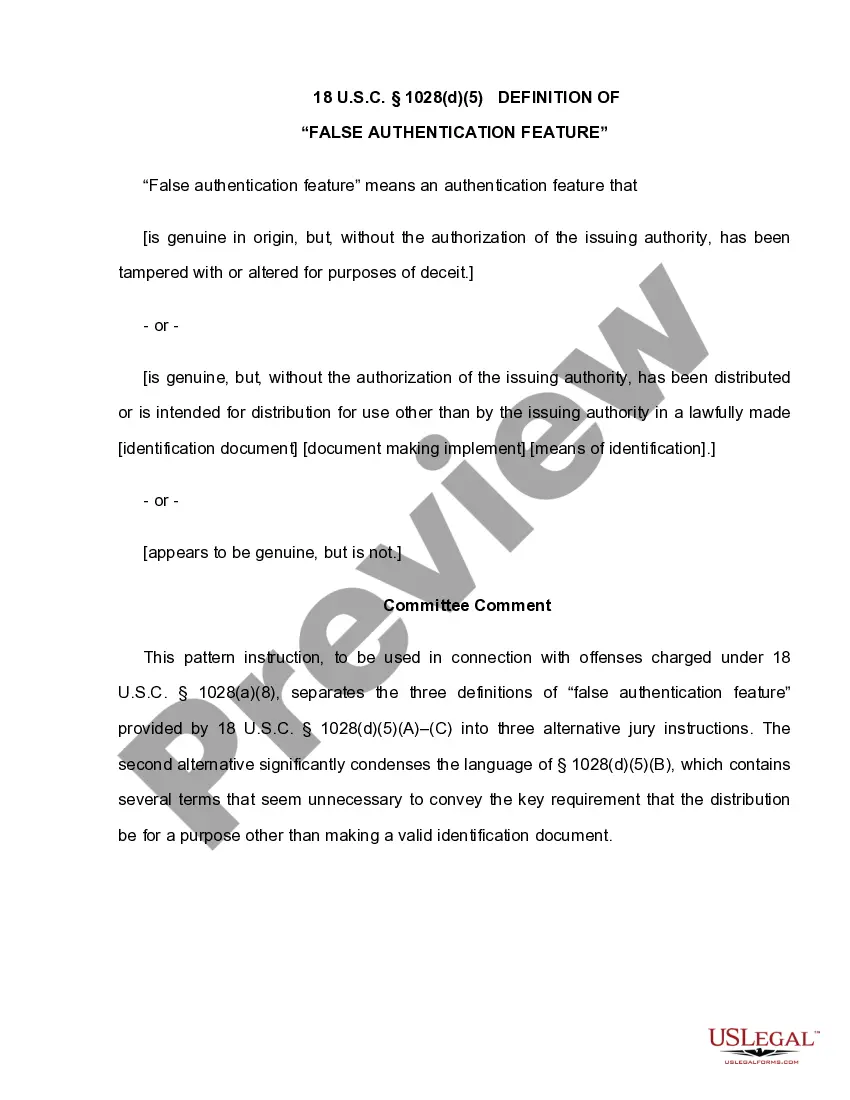
Sample Letter to Judge regarding Agreed Order
About this form
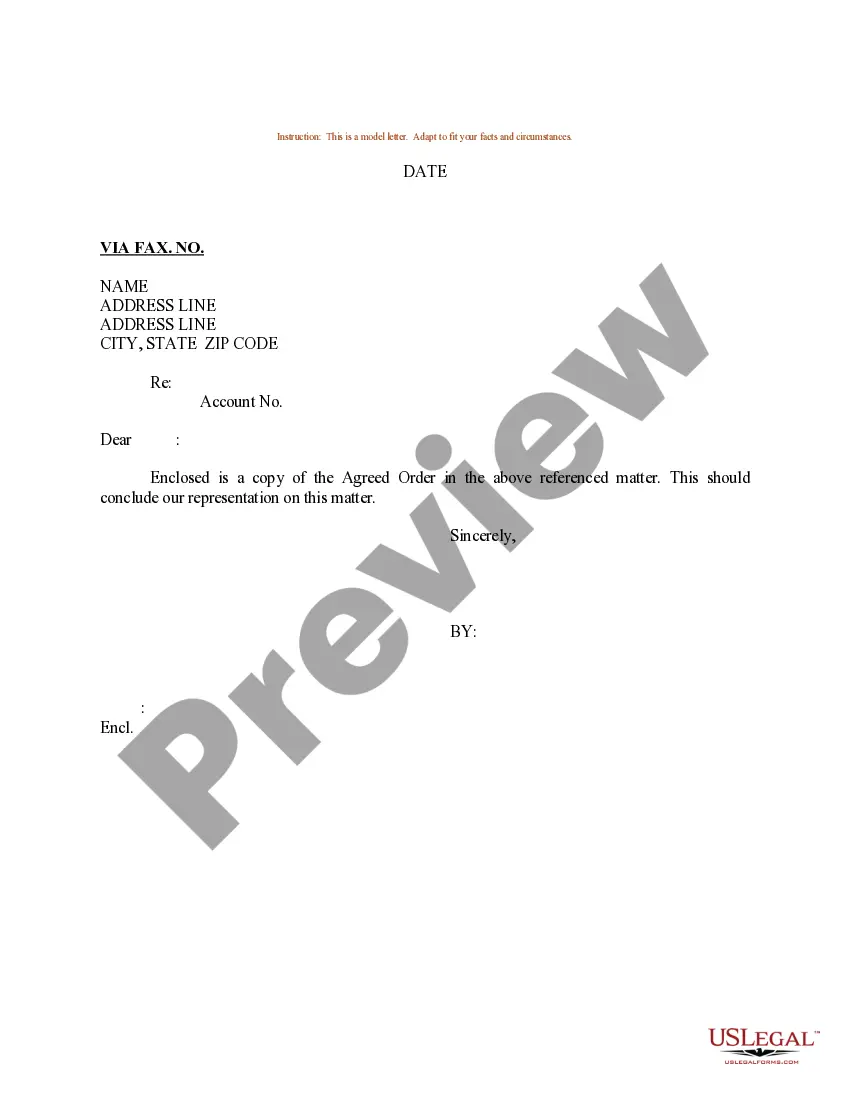
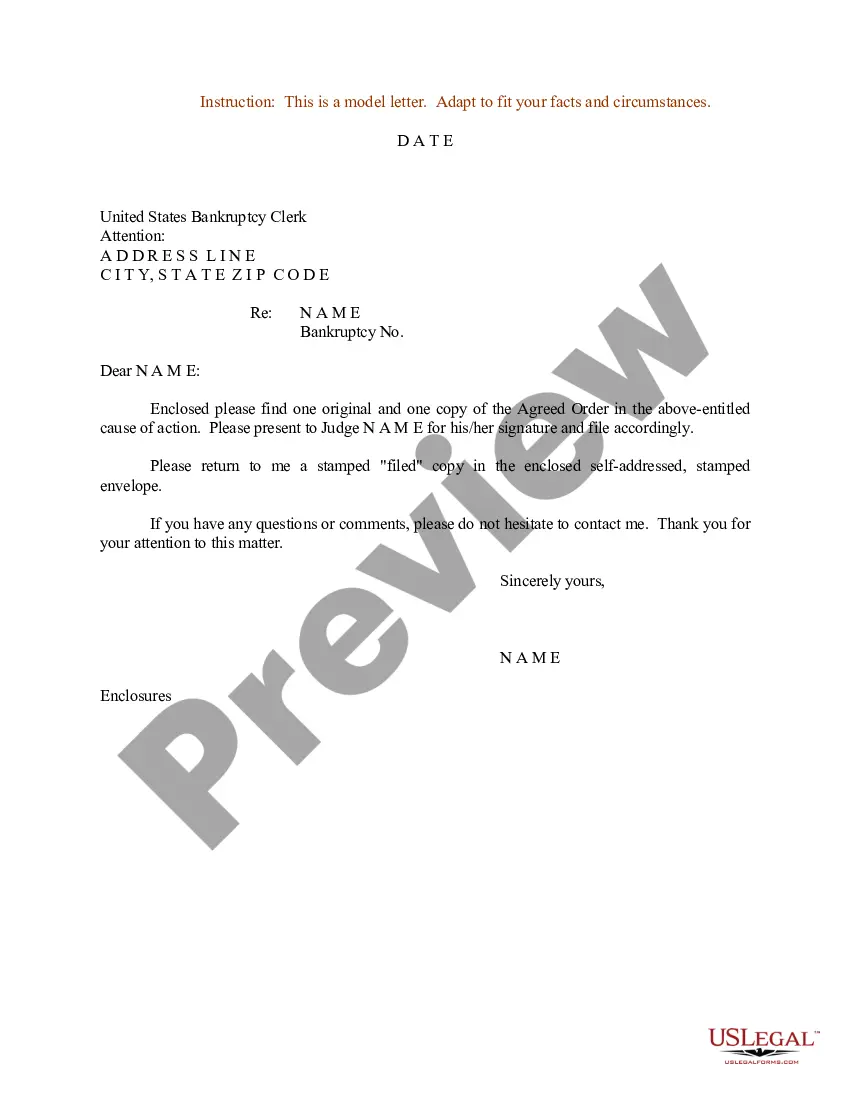
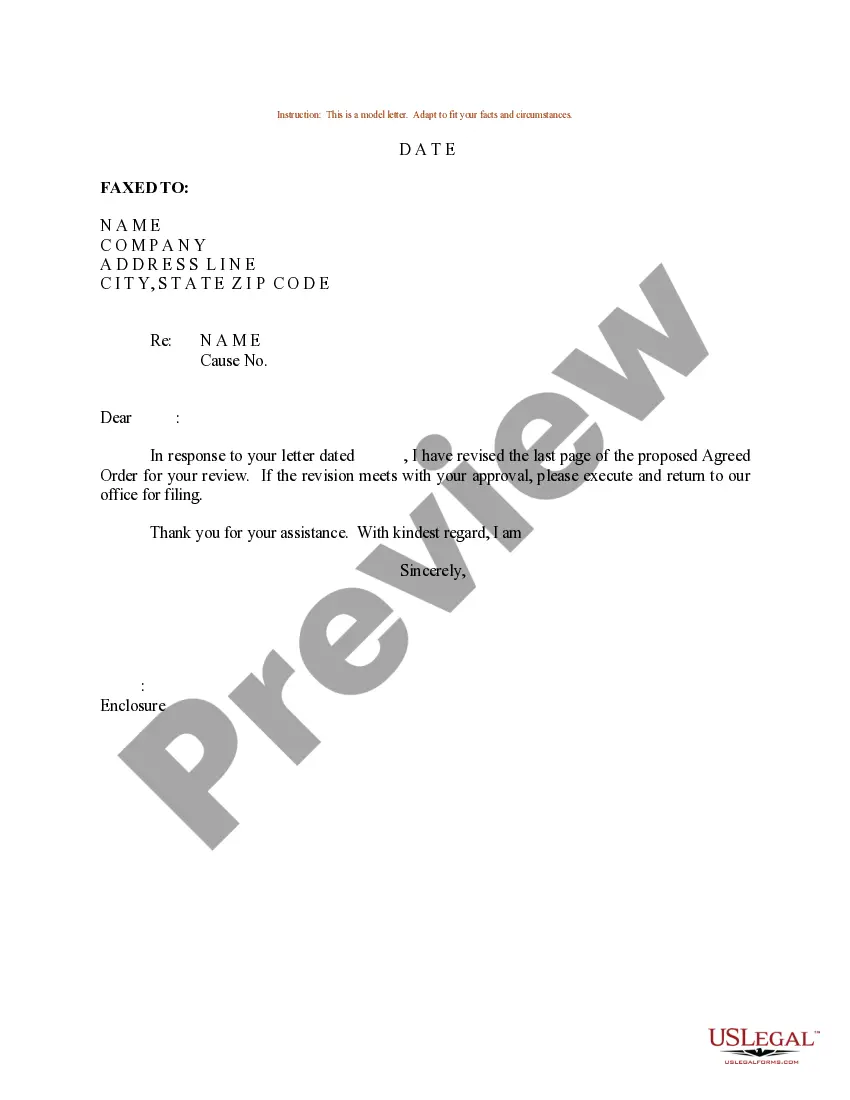
The Sample Letter to Judge regarding Agreed Order is a document designed for parties who have reached an understanding or settlement in a legal matter. This letter formally requests the judge's signature to finalize the agreed order, which may resolve outstanding issues in a case. Unlike other legal documents, this letter serves as a personal communication to the court, emphasizing the mutual agreement between the parties involved.
What’s included in this form
- Date: Indicates when the letter is drafted.
- Name and address: Identifies the sender's contact details.
- Re: Subject line referencing the Agreed Order.
- Request for signature: A polite request for the judge to sign and forward the order to the Clerk for filing.
- Contact information: Encourages the recipient to reach out with any questions.


When this form is needed
This form is particularly useful in circumstances where parties have reached a settlement and need court approval to move forward with their agreement. It is commonly utilized in family law cases, civil disputes, or any legal matters where resolution has been reached, and formalization by the judge is necessary.
Who this form is for
This form is intended for:
- Individuals involved in a legal dispute who have negotiated an agreement.
- Attorneys representing clients seeking to finalize an agreed order.
- Parties in family law cases, such as divorce proceedings or custody arrangements.
How to complete this form
- Identify the appropriate date when the letter is being sent.
- Fill in your name and address to provide your contact information.
- Include the subject line, clearly stating it relates to the Agreed Order.
- Construct a polite request for the judge's signature on the order.
- Add a line inviting any questions from the judge or court staff.
- Sign the letter to validate it.
Does this form need to be notarized?
Notarization is not commonly needed for this form. However, certain documents or local rules may make it necessary. Our notarization service, powered by Notarize, allows you to finalize it securely online anytime, day or night.
Get your form ready online
Our built-in tools help you complete, sign, share, and store your documents in one place.
Make edits, fill in missing information, and update formatting in US Legal Forms—just like you would in MS Word.
Download a copy, print it, send it by email, or mail it via USPS—whatever works best for your next step.
Sign and collect signatures with our SignNow integration. Send to multiple recipients, set reminders, and more. Go Premium to unlock E-Sign.
If this form requires notarization, complete it online through a secure video call—no need to meet a notary in person or wait for an appointment.
We protect your documents and personal data by following strict security and privacy standards.

Make edits, fill in missing information, and update formatting in US Legal Forms—just like you would in MS Word.

Download a copy, print it, send it by email, or mail it via USPS—whatever works best for your next step.

Sign and collect signatures with our SignNow integration. Send to multiple recipients, set reminders, and more. Go Premium to unlock E-Sign.

If this form requires notarization, complete it online through a secure video call—no need to meet a notary in person or wait for an appointment.

We protect your documents and personal data by following strict security and privacy standards.
Typical mistakes to avoid
- Failing to include the date of the letter.
- Not clearly referencing the subject matter in the "Re" line.
- Omitting contact information which may be essential for follow-up.
- Using overly formal language that may detract from clarity.
- Neglecting to sign the letter.
Advantages of online completion
- Easy access to a professionally drafted template that saves time.
- Customizable fields that allow you to tailor the document for your specific needs.
- Instant download capability, enabling quick use in legal proceedings.
- Ensures accuracy and compliance with common legal standards.
Looking for another form?
Form popularity
FAQ
Type your letter. Concisely review the main facts. Be polite. Write with your goal in mind. Ask for exactly what you want. Set a deadline. End the letter by stating you will promptly pursue legal remedies if the other party does not meet your demand. Make and keep copies.
You can't write to the judge. You can hire your own attorney to make your case to the court.
Use "Re:" (an abbreviation for "regarding" or "with reference to"), followed by a brief identifying phrase. Begin with a salutation. Write "Dear Judge (last name)," to start the message of your letter. Note that you should use "the Honorable" when referring to the judge, but use "Judge" addressing him or her directly.
However, when a person is awaiting trial, writing a letter to the judge will not help. At best, the letter will go unread by the judge, and will be of no help. In a worst-case scenario, the letter will end up being used by the prosecution as evidence against that person.
Introduce yourself. Outline your relationship with the person who is the subject of the legal proceedings. Acknowledge the charges that have been brought against the person. State your opinion of the person's general character.
Use "Re:" (an abbreviation for "regarding" or "with reference to"), followed by a brief identifying phrase. Begin with a salutation. Write "Dear Judge (last name)," to start the message of your letter. Note that you should use "the Honorable" when referring to the judge, but use "Judge" addressing him or her directly.
You can't write to the judge. You can hire your own attorney to make your case to the court.
You can address most judges at the start of a letter as "Dear Judge" (or "Dear Justice" if they serve in a U.S. state or federal Supreme Court, or in certain courts of other countries). When addressing the envelope, it is best to use the judge's full title, along with the full name of the court in which he/she serves.