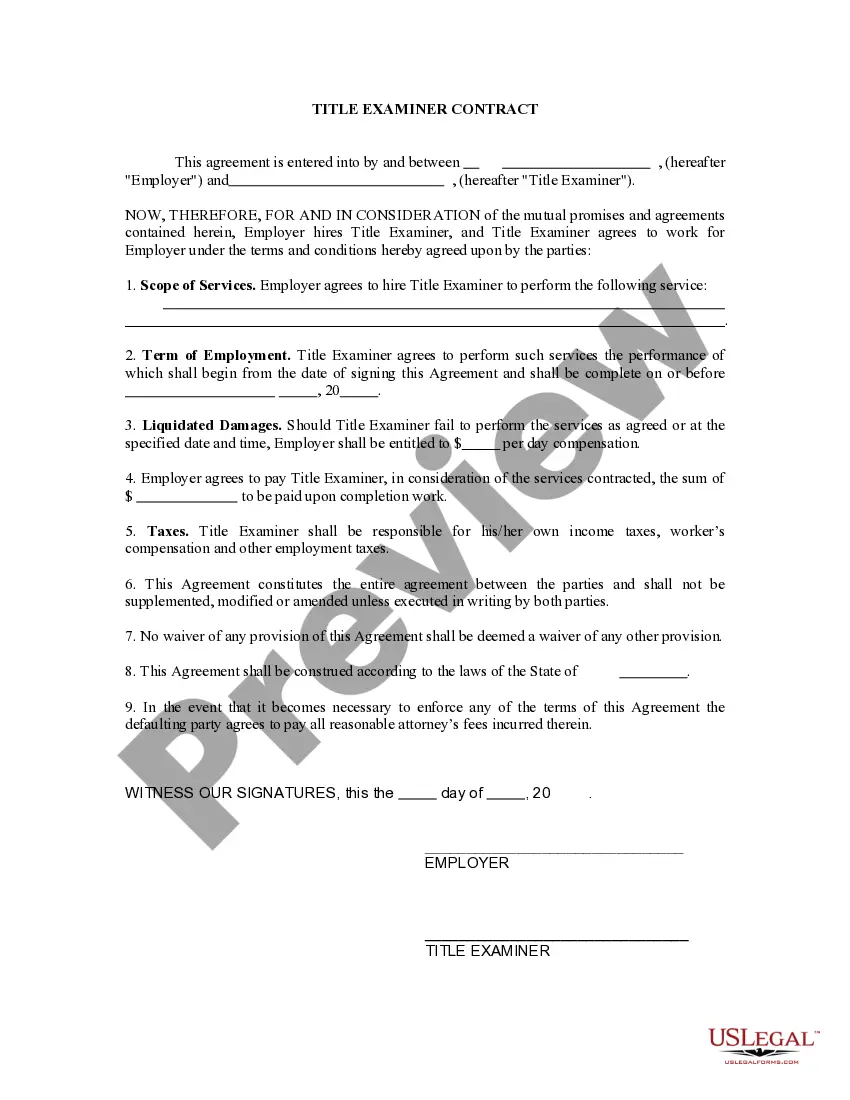
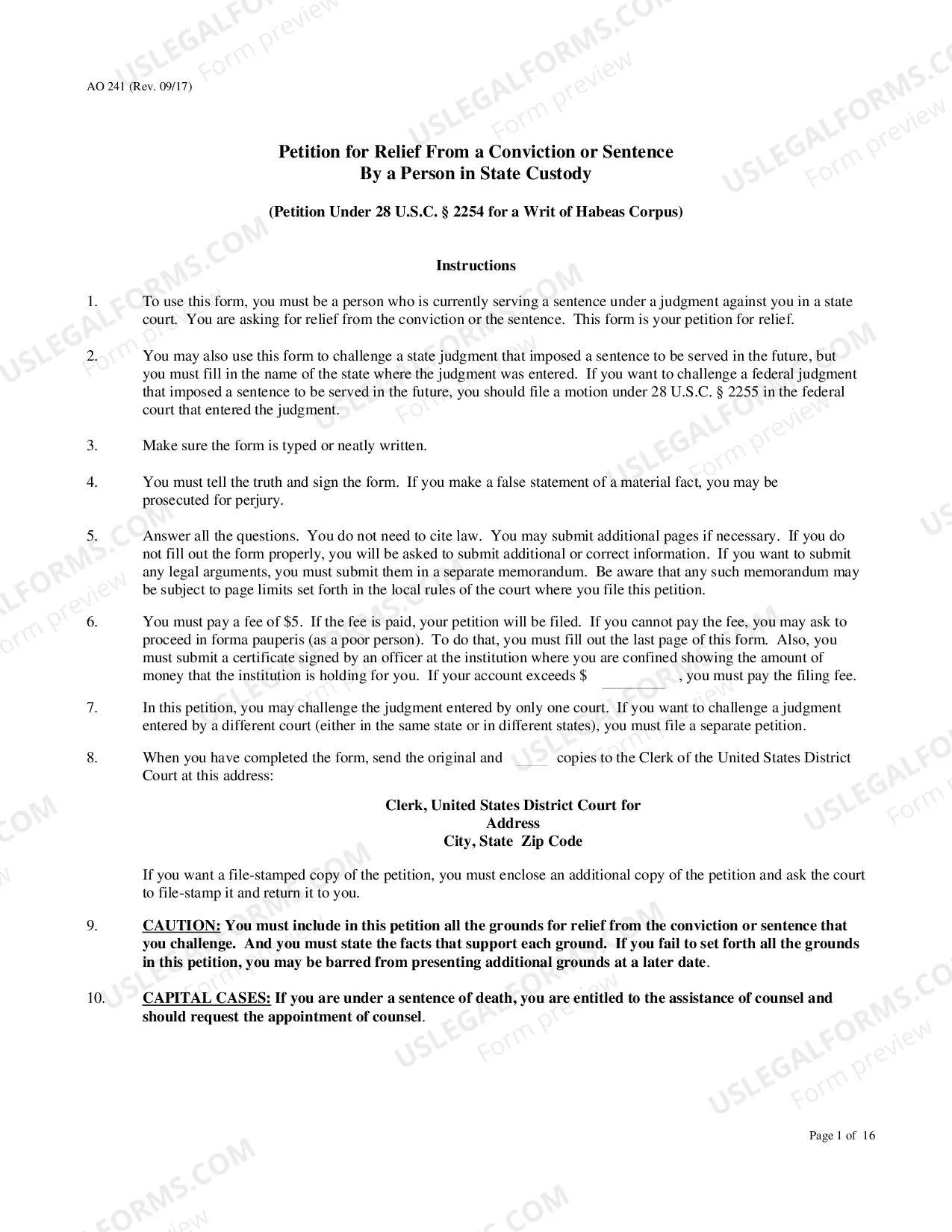
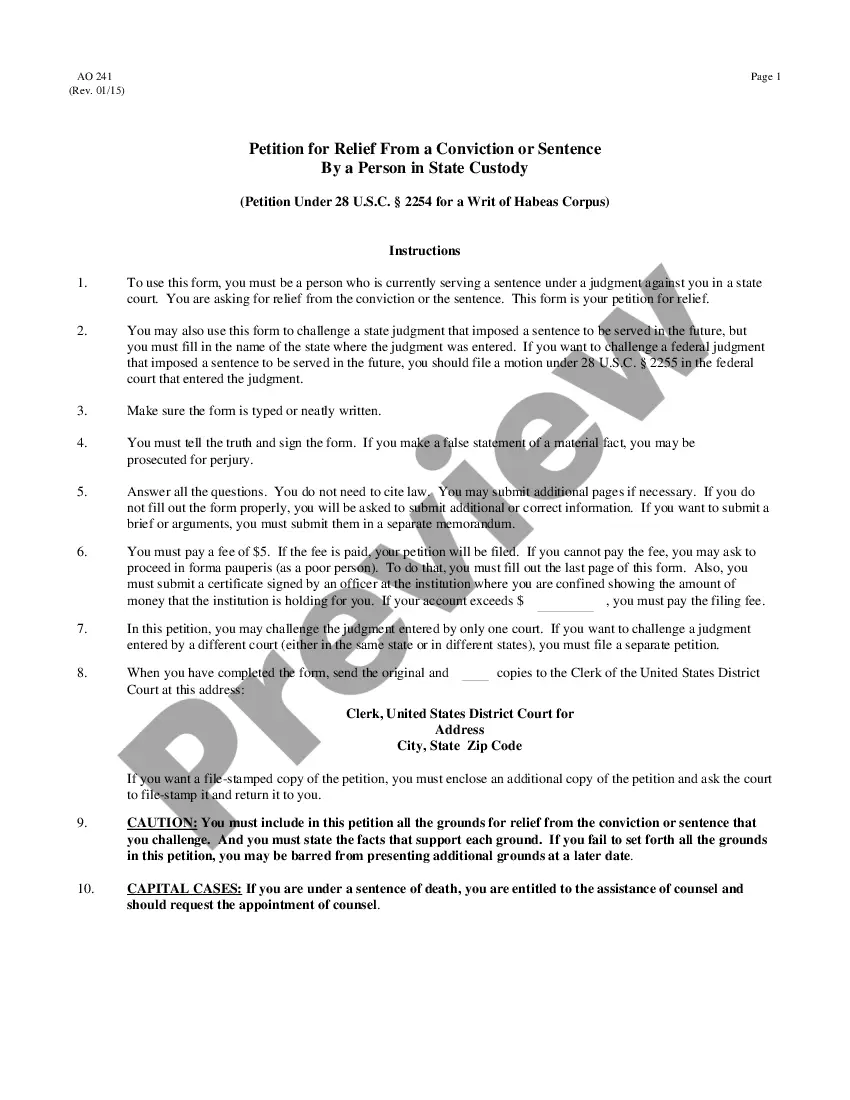
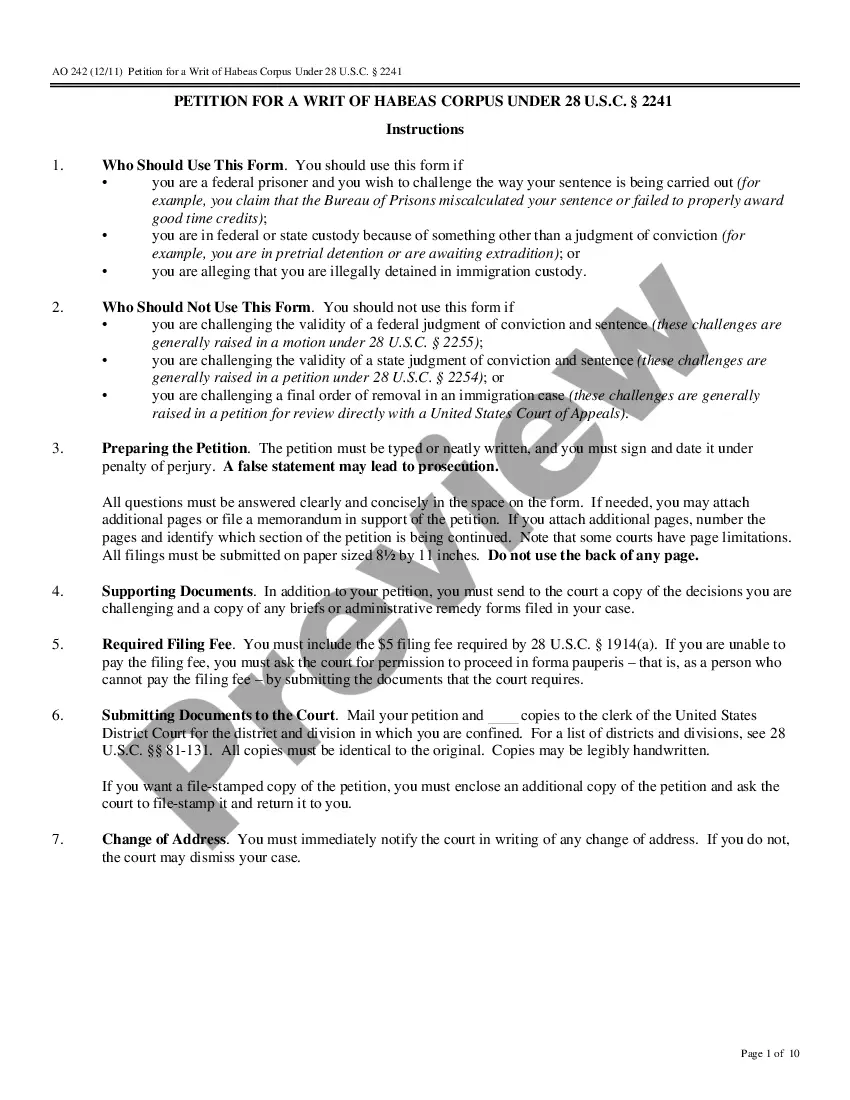
Petition For Writ Of Habeas Corpus By Person In State Custody - Lack of Voluntariness - Ineffective Assistance of Counsel
Understanding this form
This form is a Petition for Writ of Habeas Corpus by Person in State Custody, specifically addressing claims of Lack of Voluntariness of a confession and Ineffective Assistance of Counsel. It allows individuals incarcerated in state facilities to challenge the legality of their detention based on inadequate legal representation and issues related to the voluntariness of their pleas. This form is essential for those who believe their rights have been violated during the legal process.
Form components explained
- Petitioner and Respondent details
- Background of the criminal case, including charges and plea information
- Claims regarding lack of voluntariness of the guilty plea
- Complaints about ineffective assistance of counsel
- Request for an evidentiary hearing
- Affidavits from family members and legal counsel as supporting documents






Common use cases
This form should be used when a person in state custody believes that their conviction was based on a plea that was not entered voluntarily and competently due to mental health issues or the ineffective assistance of their attorney. It is applicable particularly after a guilty plea has been submitted and the individual has exhausted other post-conviction remedies, such as appeals or motions for post-conviction relief.
Who needs this form
- Individuals currently incarcerated in a state prison
- Those who have entered a guilty plea and feel that plea was not voluntary
- Persons who believe they received ineffective legal counsel during their representation
- Individuals with mental health issues impacting their ability to enter a plea
Steps to complete this form
- Identify the Petitioner and Respondent, including their respective details.
- Provide background information on the criminal case, including charges, plea, and sentence.
- Document the mental health history and how it relates to the plea.
- Describe the ineffective assistance of counsel with specific examples.
- Attach any necessary supporting affidavits from family or legal counsel.
- Submit the completed petition to the appropriate court for review.
Notarization guidance
This form does not typically require notarization unless specified by local law, making it easier to complete and file without additional steps. Ensure you verify local requirements for any specific notarization needs.
Get your form ready online
Our built-in tools help you complete, sign, share, and store your documents in one place.
Make edits, fill in missing information, and update formatting in US Legal Forms—just like you would in MS Word.
Download a copy, print it, send it by email, or mail it via USPS—whatever works best for your next step.
Sign and collect signatures with our SignNow integration. Send to multiple recipients, set reminders, and more. Go Premium to unlock E-Sign.
If this form requires notarization, complete it online through a secure video call—no need to meet a notary in person or wait for an appointment.
We protect your documents and personal data by following strict security and privacy standards.

Make edits, fill in missing information, and update formatting in US Legal Forms—just like you would in MS Word.

Download a copy, print it, send it by email, or mail it via USPS—whatever works best for your next step.

Sign and collect signatures with our SignNow integration. Send to multiple recipients, set reminders, and more. Go Premium to unlock E-Sign.

If this form requires notarization, complete it online through a secure video call—no need to meet a notary in person or wait for an appointment.

We protect your documents and personal data by following strict security and privacy standards.
Avoid these common issues
- Failing to include all relevant personal details of the Petitioner and Respondents.
- Not attaching necessary supporting documents or affidavits.
- Missing critical deadlines for filing the petition.
- Overlooking to address specific claims effectively and with supporting evidence.
Why use this form online
- Convenience of downloading from home at any time.
- Editable templates that allow customization to meet specific legal needs.
- Access to legally vetted forms drafted by licensed attorneys.
- Cost-effective solution compared to hiring an attorney for form preparation.
Legal use & context
- This petition must adhere to specific legal standards to be valid in court.
- Legal representation is advisable to effectively argue your case in court.
- Understanding your stateâs habeas corpus laws can enhance the effectiveness of this form.
Key takeaways
- The Petition for Writ of Habeas Corpus is crucial for challenging unlawful detention.
- It is essential to detail the reasons for the challenge, focusing on mental competency and legal representation.
- Consulting legal assistance can improve the chances of a successful petition.
Looking for another form?



Form popularity
FAQ
Known as "the Great Writ," habeas corpus gives individuals the power to get help from courts to keep government and any other institutions that may imprison people in check.The writ of habeas corpus gives jailed suspects the right to ask a judge to set them free or order an end to improper jail conditions.
If it is denied, then you must ask the U.S. District Court for a Certificate of Appealability.After the Writ of Habeas Corpus is filed, the Court has a few options. The Court may deny the Writ, the Court may request that the government submit a response to the Writ, or the Court may grant the Writ.
A writ of habeas corpus directs a person, usually a prison warden, to produce the prisoner and justify the prisoner's detention. If the prisoner argues successfully that the incarceration is in violation of a constitutional right, the court may order the prisoner's release.
It found that 3.2 percent of the petitions were granted in whole or in part, and only l. 8 percent resulted in any type of release of the petitioner. Successful habeas corpus claims in most cases do not produce a prisoner's release, but rather a requirement for further judicial review.
A writ of habeas corpus is used to bring a prisoner or other detainee (e.g. institutionalized mental patient) before the court to determine if the person's imprisonment or detention is lawful. A habeas petition proceeds as a civil action against the State agent (usually a warden) who holds the defendant in custody.
Federal habeas can be a very slow process. The longest I ever had to wait for a decision on a federal habeas corpus case was three years from the conclusion of evidentiary hearing. After three years the judge entered an extraordinarily long...
Only Congress has the power to suspend the writ of habeas corpus, either by its own affirmative actions or through an express delegation to the Executive. The Executive does not have the independent authority to suspend the writ.
(b) A writ of habeas corpus may be prosecuted for, but not limited to, the following reasons: (1) False evidence that is substantially material or probative on the issue of guilt or punishment was introduced against a person at any hearing or trial relating to his incarceration; or (2) False physical evidence, believed
Habeas corpus (/02c8he026abi0259s 02c8k025402d0rp0259s/) is a recourse in law challenging the reasons or conditions of a person's confinement under color of law.Federal habeas review did not extend to those in state custody until almost a century after the nation's founding.