Texas Special Durable Power of Attorney for Bank Account Matters
What this document covers
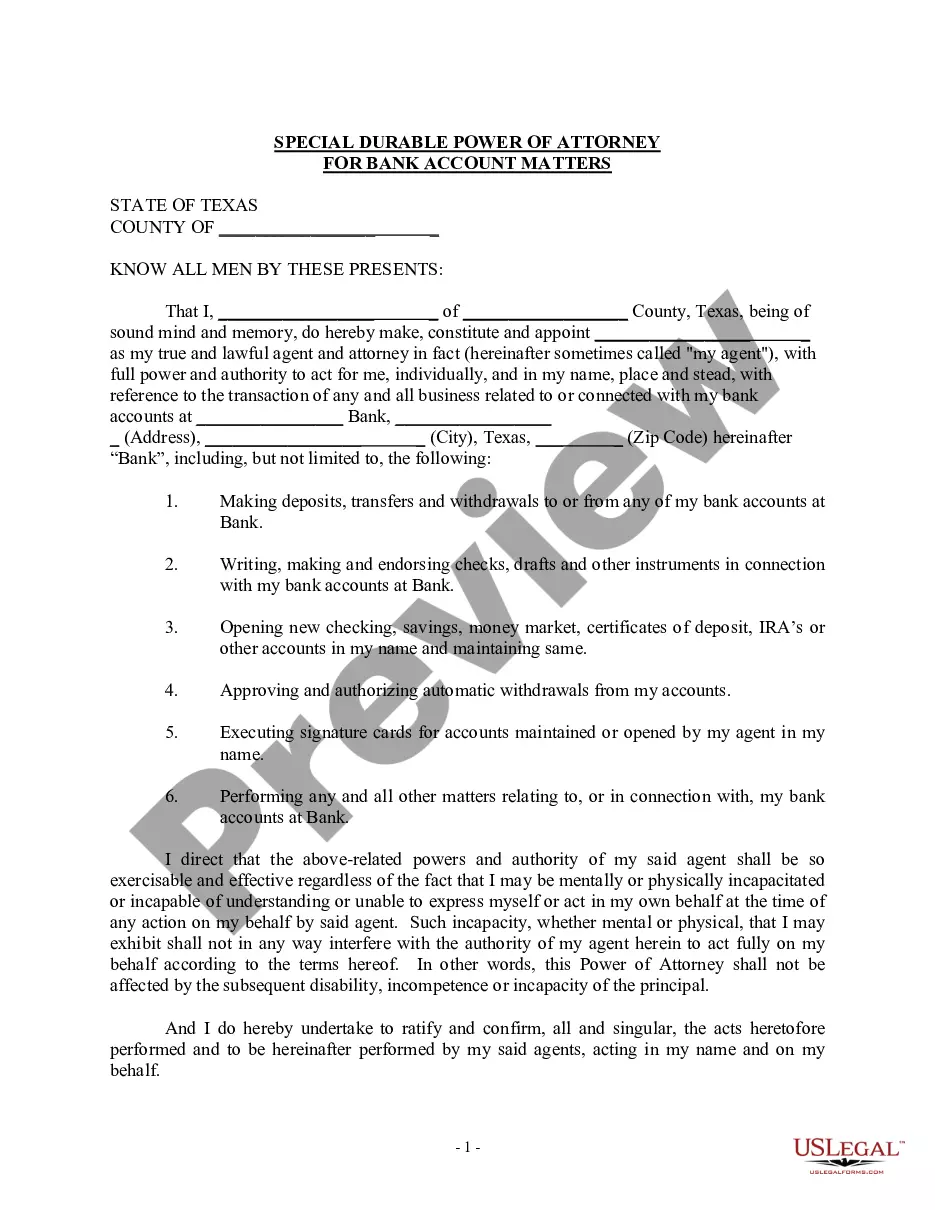
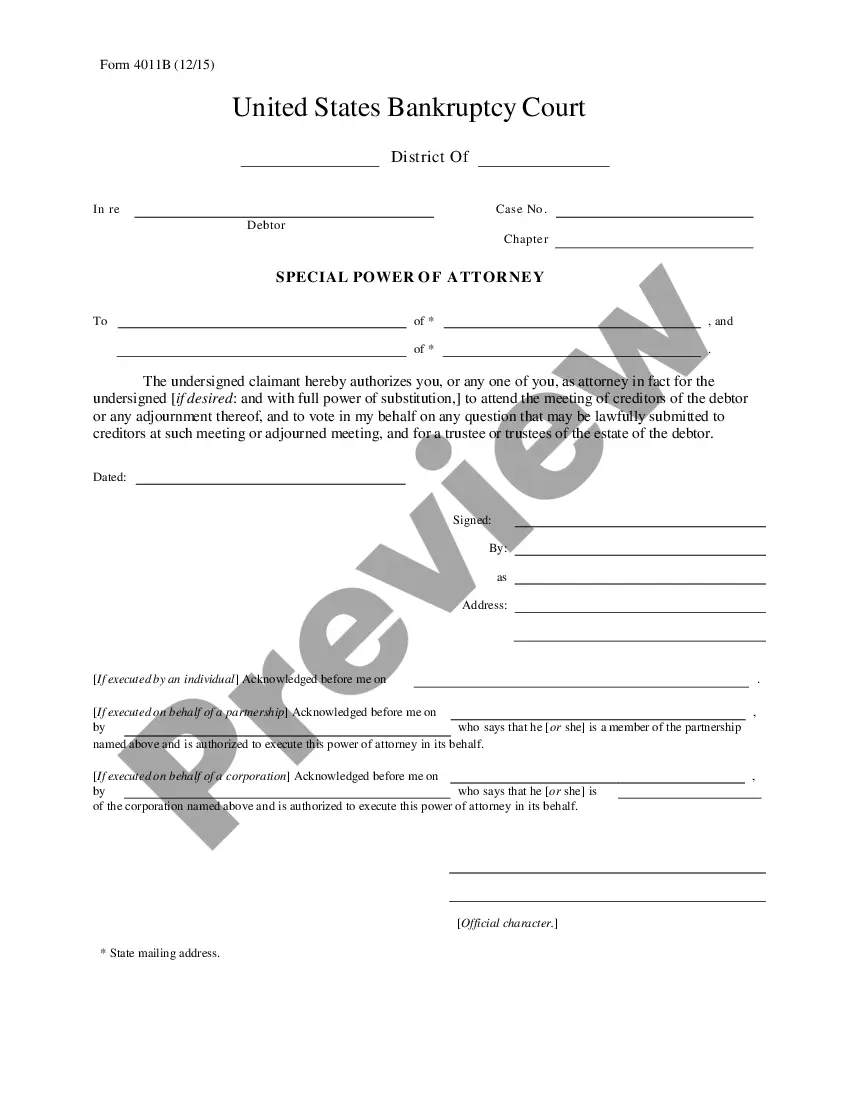
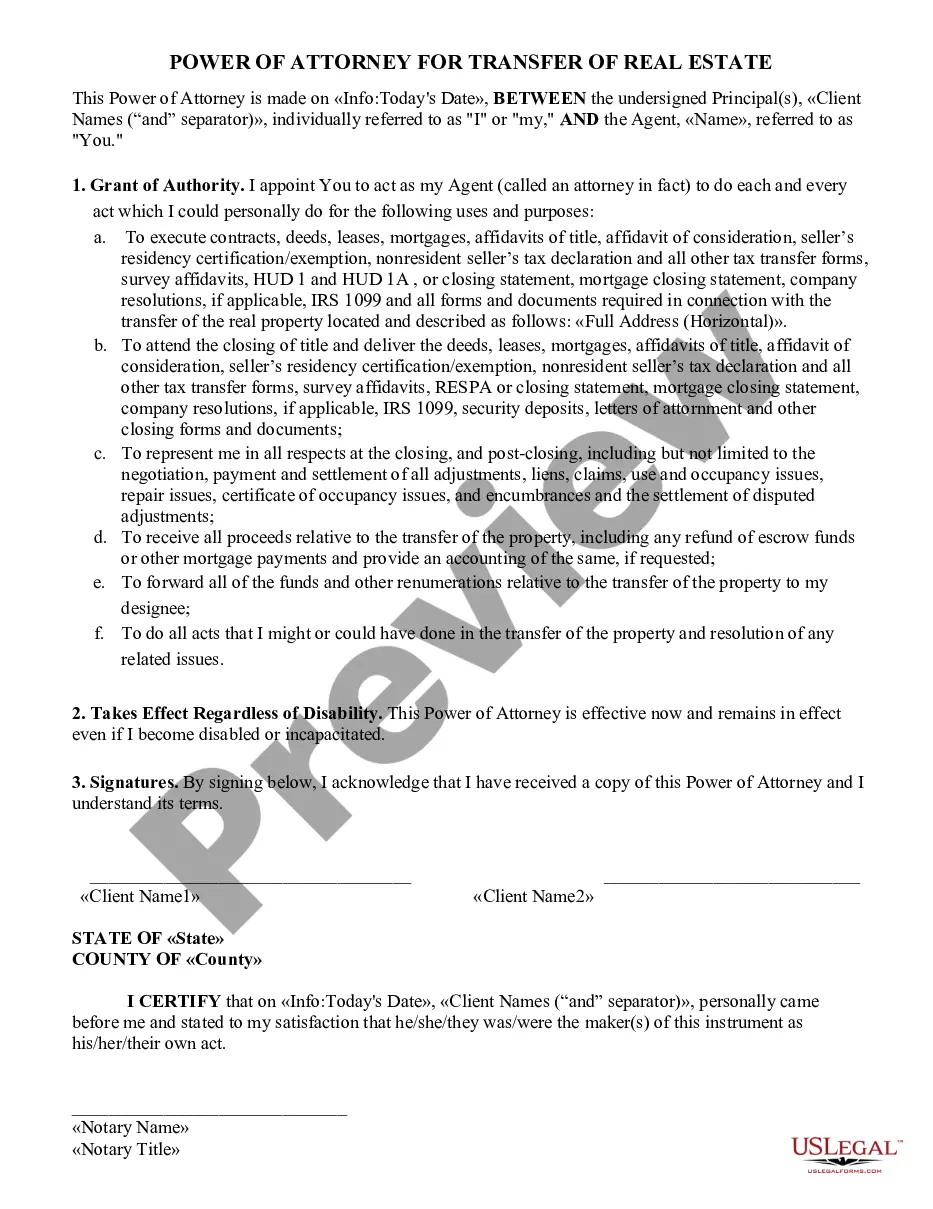
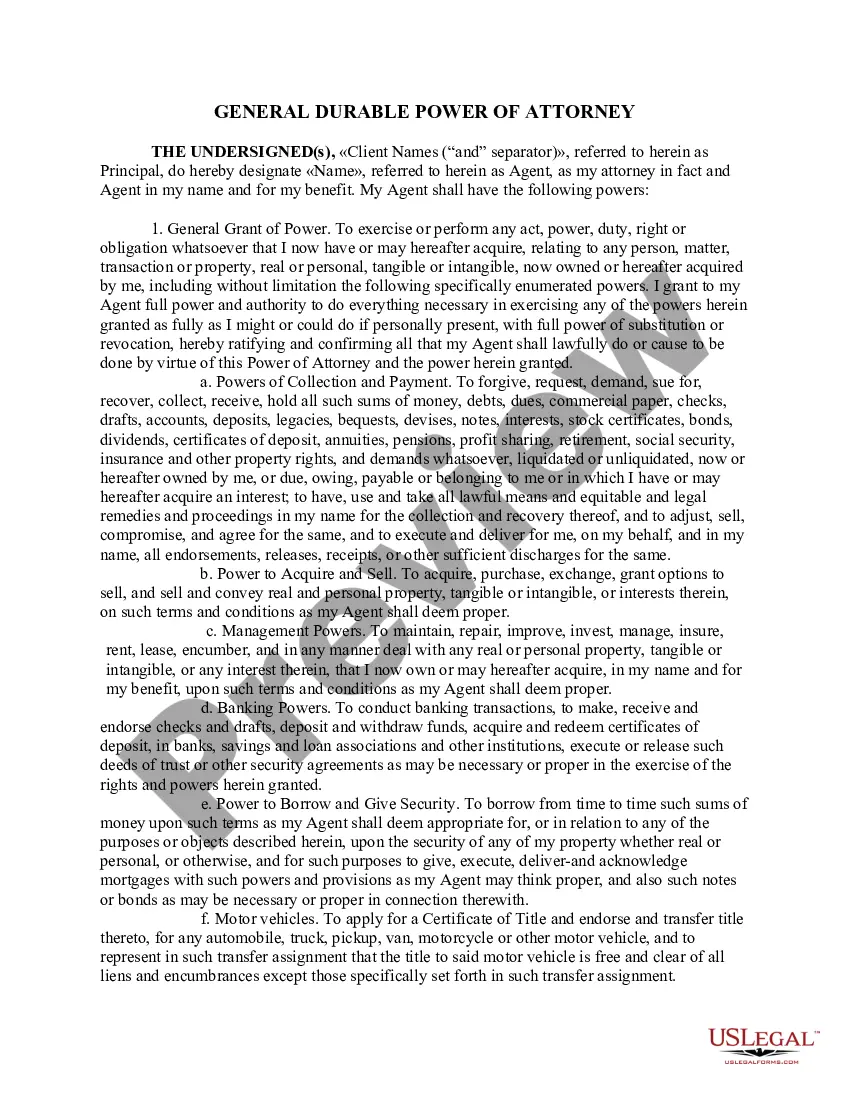
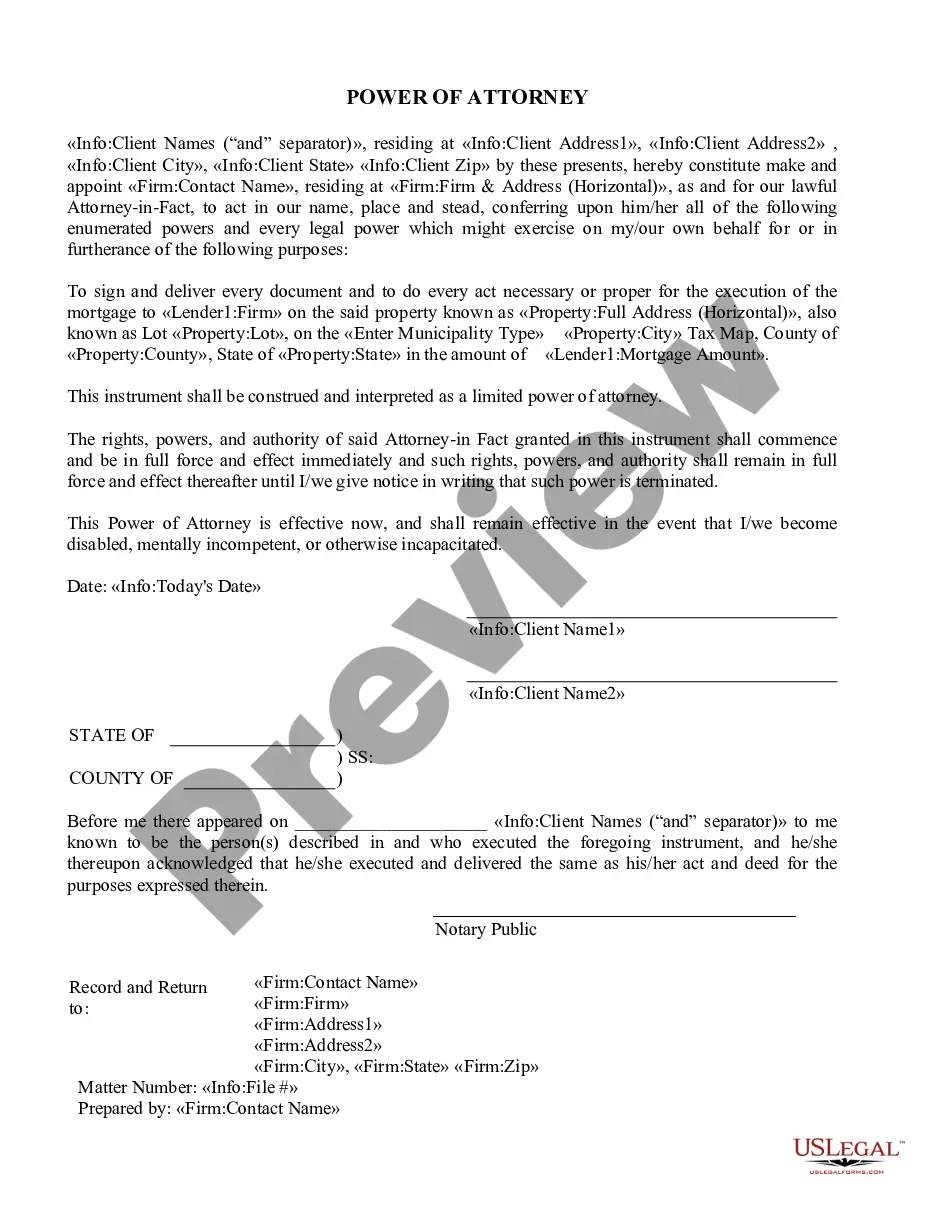
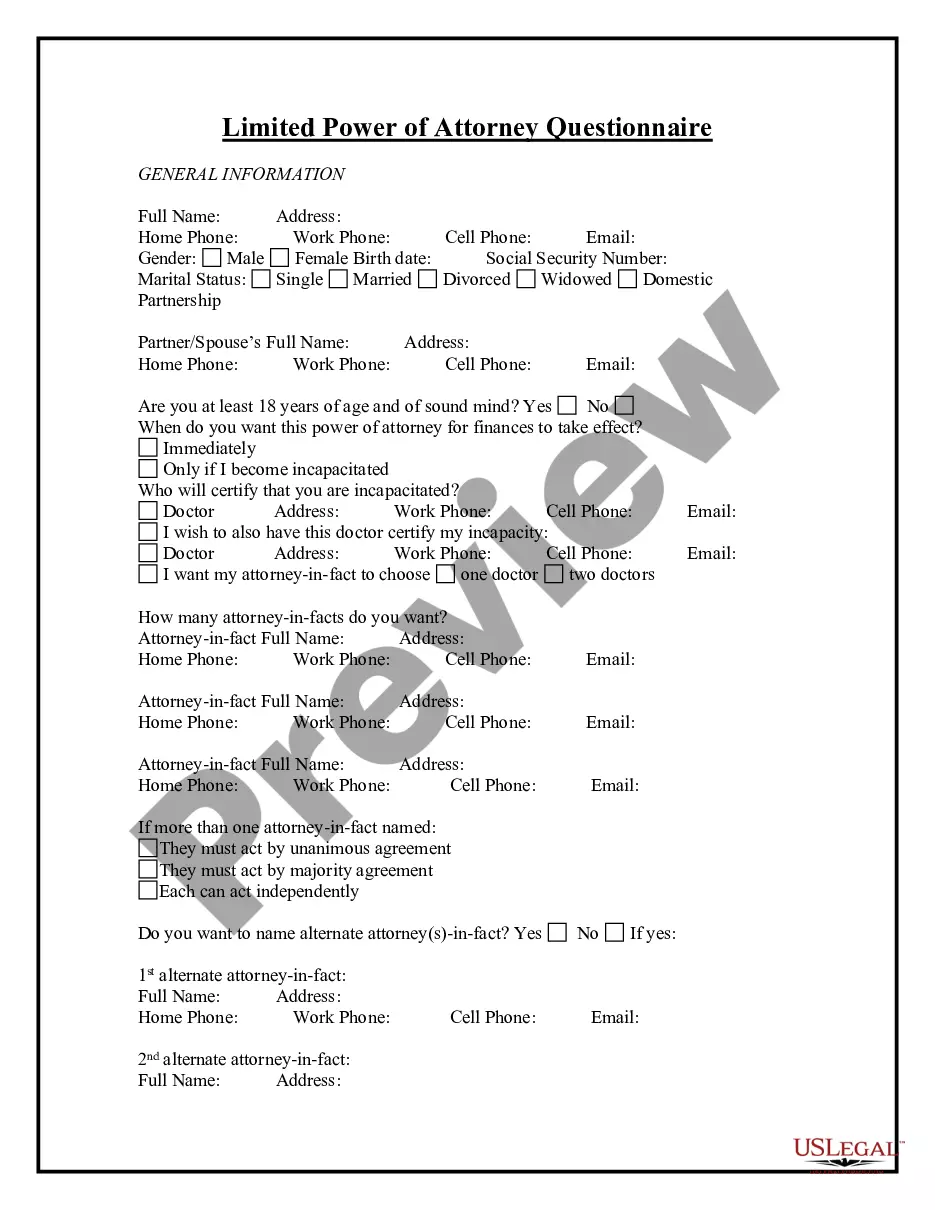
The Special Durable Power of Attorney for Bank Account Matters is a legal document that grants an agent the authority to manage specific banking activities on behalf of the principal. Unlike a general power of attorney, this form is limited to bank account matters and remains valid even if the principal becomes incapacitated. This form is particularly useful for individuals who need someone to handle their banking affairs when they are unable to do so themselves.
Main sections of this form
- Identification of the principal and agent.
- Specific powers granted to the agent, such as making deposits and writing checks.
- Provision for the powers to remain effective if the principal becomes incapacitated.
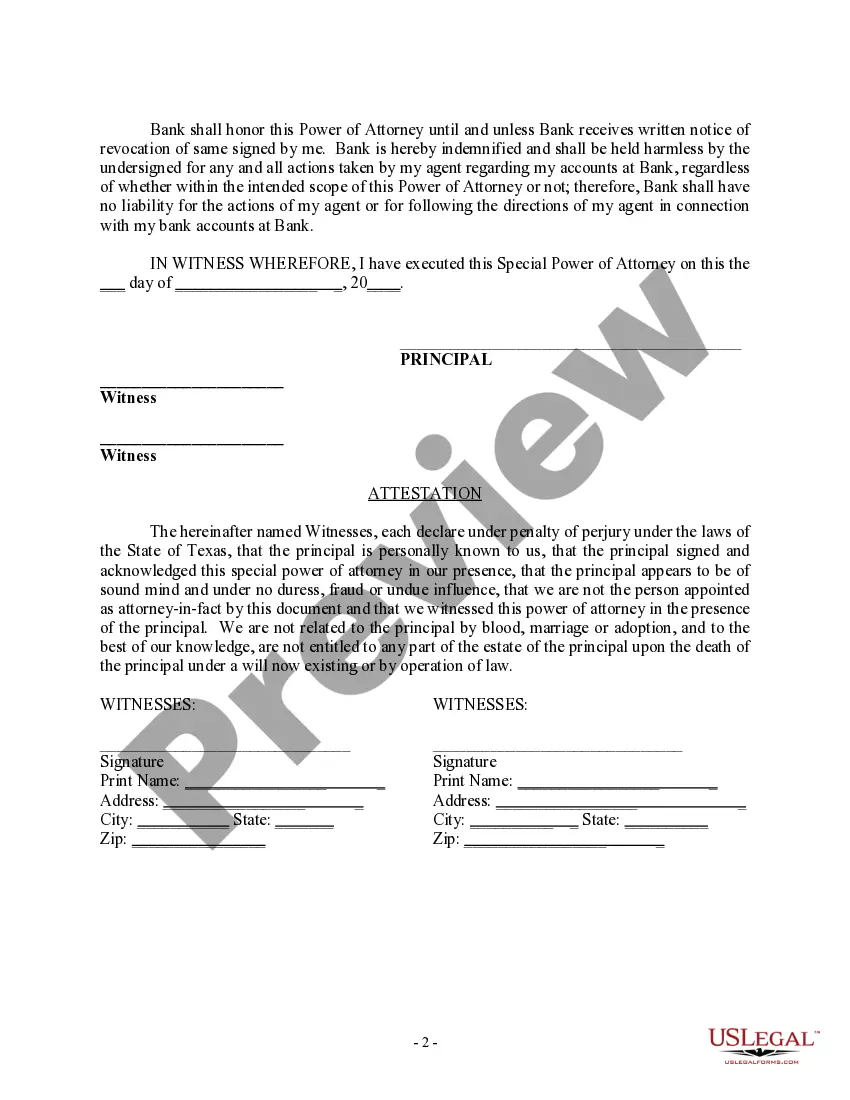
- Requirements for revocation and indemnification of the bank.
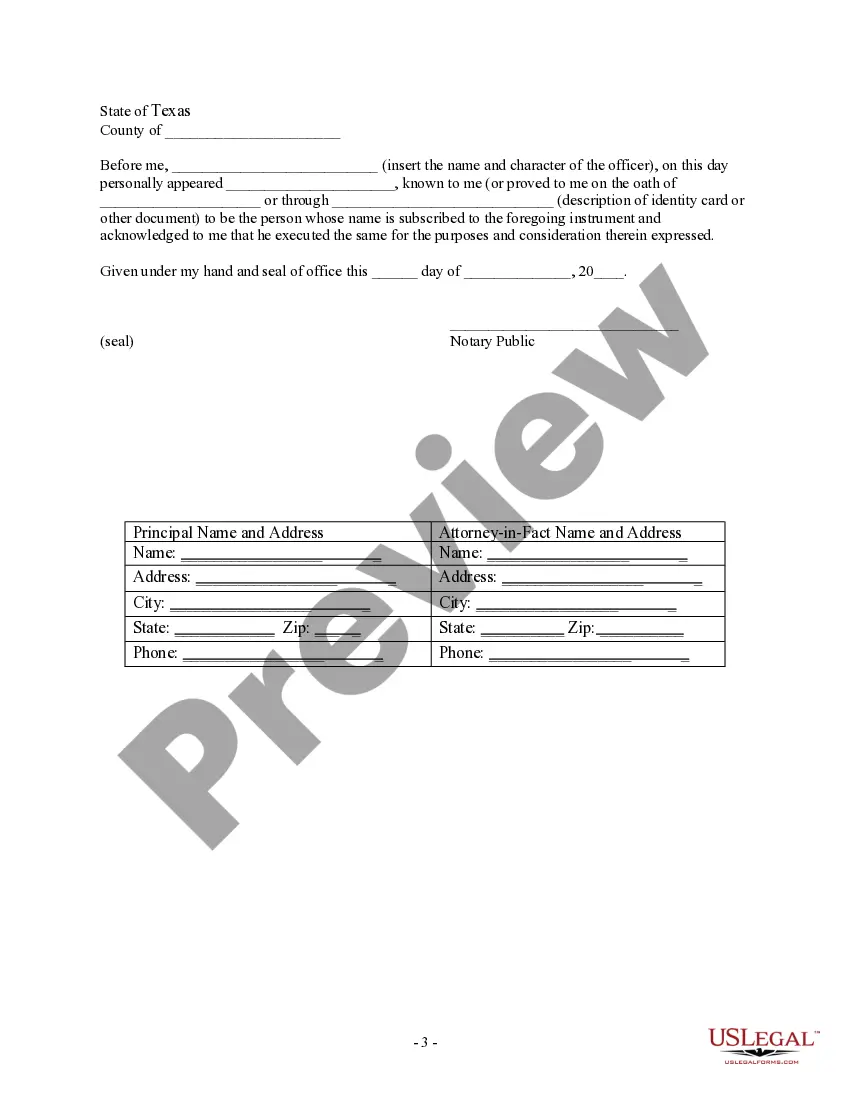
- Witness and notarization sections for legal authenticity.
Common use cases
This form should be used when the principal is unable to manage their bank accounts due to absence, illness, or mental incapacity. It is ideal for individuals planning for future scenarios where they may need a trusted person to handle their financial matters without delay.
Who this form is for
- Individuals who want to appoint someone to manage their bank account matters.
- People planning for potential incapacity due to health issues.
- Anyone seeking a limited power of attorney specifically for banking transactions.
How to complete this form
- Identify and fill in the names and addresses of the principal and agent.
- Specify the bank and account types the agent is authorized to manage.
- Clearly outline the powers granted, such as deposits, withdrawals, and account openings.
- Sign the document in the presence of witnesses and a notary.
- Ensure all parties have copies of the completed document for their records.
Does this form need to be notarized?
Yes, this form must be notarized to be legally valid. The notary's presence guarantees that the principal's signature is authentic and that they are entering into the agreement voluntarily. US Legal Forms offers integrated online notarization services available 24/7, providing a secure and convenient option without the need for travel.
Get your form ready online
Our built-in tools help you complete, sign, share, and store your documents in one place.
Make edits, fill in missing information, and update formatting in US Legal Forms—just like you would in MS Word.
Download a copy, print it, send it by email, or mail it via USPS—whatever works best for your next step.
Sign and collect signatures with our SignNow integration. Send to multiple recipients, set reminders, and more. Go Premium to unlock E-Sign.
If this form requires notarization, complete it online through a secure video call—no need to meet a notary in person or wait for an appointment.
We protect your documents and personal data by following strict security and privacy standards.

Make edits, fill in missing information, and update formatting in US Legal Forms—just like you would in MS Word.

Download a copy, print it, send it by email, or mail it via USPS—whatever works best for your next step.

Sign and collect signatures with our SignNow integration. Send to multiple recipients, set reminders, and more. Go Premium to unlock E-Sign.

If this form requires notarization, complete it online through a secure video call—no need to meet a notary in person or wait for an appointment.

We protect your documents and personal data by following strict security and privacy standards.
Mistakes to watch out for
- Failing to sign the document in front of witnesses or a notary.
- Leaving the powers section incomplete or vague.
- Not specifying the bank name or account details.
Why complete this form online
- Convenience of downloading and completing the form at your pace.
- Editability allows for customization to meet personal needs.
- Access to templates drafted by licensed attorneys, ensuring reliability and compliance with Texas laws.
Quick recap
- A Special Durable Power of Attorney for Bank Account Matters is a legally binding document.
- It allows you to appoint an agent to handle specific banking transactions on your behalf.
- Always ensure the document is properly executed and notarized to maintain validity.
- This form remains effective regardless of the principal's incapacity.
Looking for another form?

Form popularity
FAQ
What's the difference between durable and general power of attorney? A general power of attorney ends the moment you become incapacitated.A durable power of attorney stays effective until the principle dies or until they act to revoke the power they've granted to their agent.
A Power of Attorney might be used to allow another person to sign a contract for the Principal. It can be used to give another person the authority to make health care decisions, do financial transactions, or sign legal documents that the Principal cannot do for one reason or another.
But because of the risk of abuse, many banks will scrutinize a POA carefully before allowing the agent to act on the principal's behalf, and often a bank will refuse to honor a POA.The agent fought back in court and won a $64,000 judgment against the bank.
A power of attorney allows an agent to access the principal's bank accounts, either as a general power or a specific power. If the document grants an agent power over that account, they must provide a copy of the document along with appropriate identification to access the bank account.
Although third parties do sometimes refuse to honor an Agent's authority under a POA agreement, in most cases that refusal is not legal.In that case, the law allows you to collect attorney's fees if the third party unreasonably refused to accept the POA.
A power of attorney allows an agent to access the principal's bank accounts, either as a general power or a specific power.If you grant a power of attorney, check with your bank to find out whether the document you intend to use is sufficient. You may want to change the document or even change your bank.
Through the use of a valid Power of Attorney, an Agent can sign checks for the Principal, withdraw and deposit funds from the Principal's financial accounts, change or create beneficiary designations for financial assets, and perform many other financial transactions.
A Texas statutory durable power of attorney only needs to be signed by the person giving the power and notarized.