Texas Letter from Tenant to Landlord for Failure of Landlord to comply with building codes affecting health and safety or resulting in untenantable condition - demand for remedy
Understanding this form
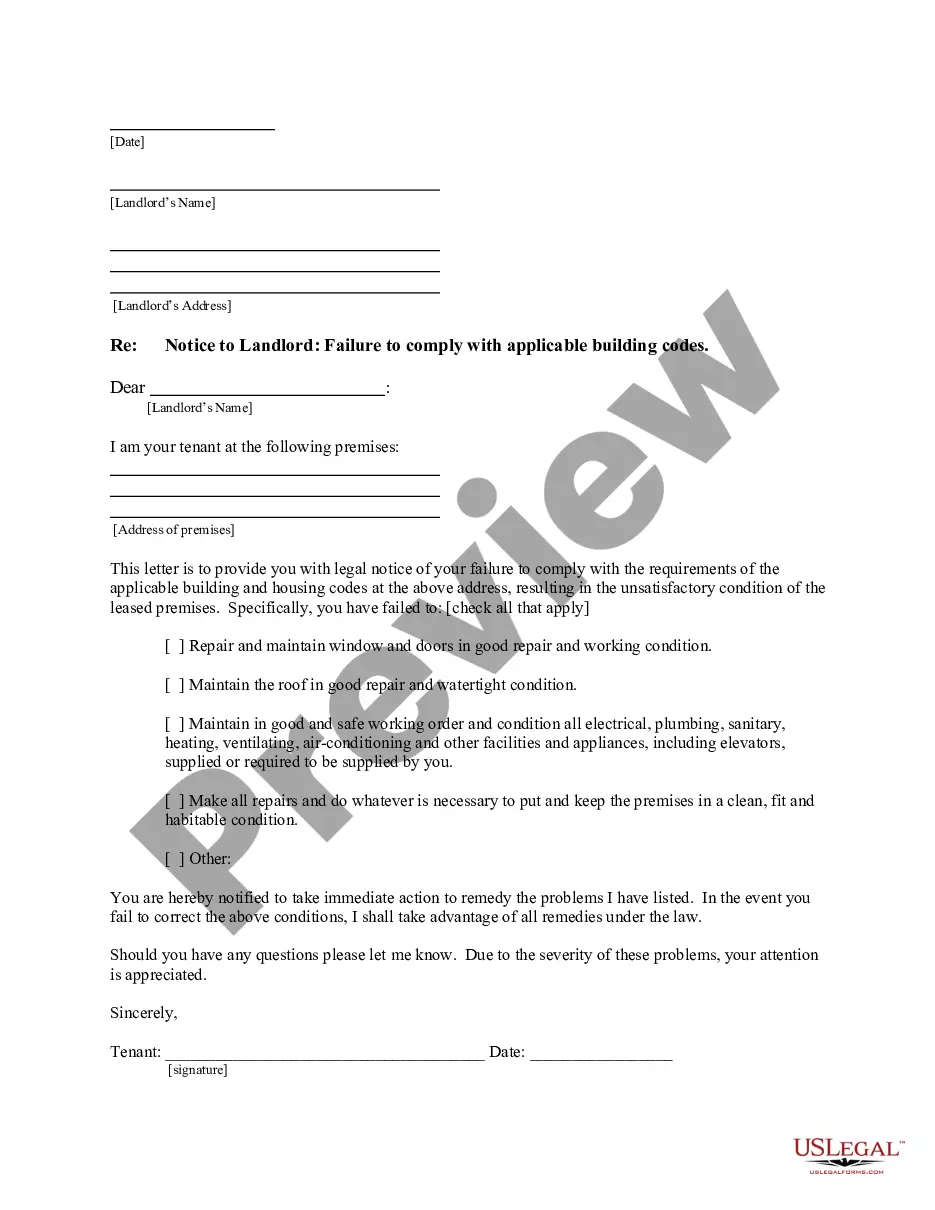
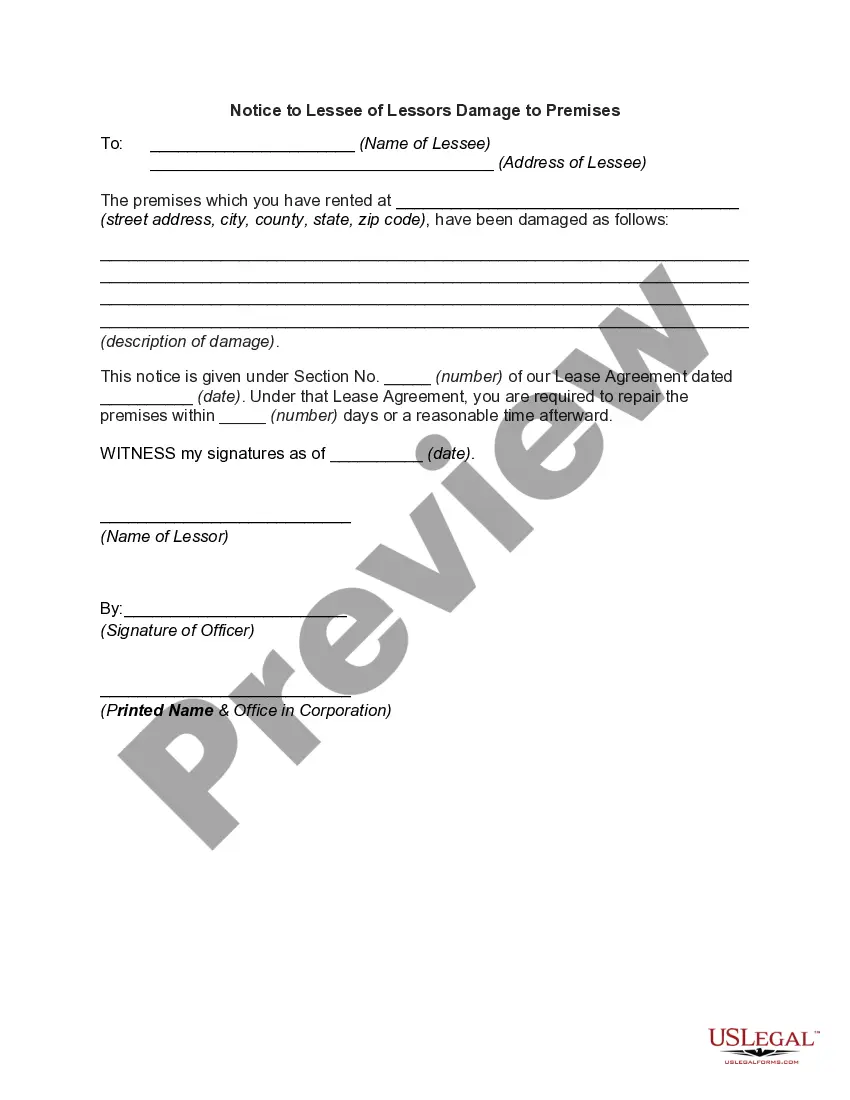
This form is a demand letter from a tenant to a landlord addressing the landlord's failure to comply with local building codes affecting health and safety. It is specifically designed for situations where the leased premises are deemed untenantable due to unresolved issues. Unlike other tenant-landlord communication, this letter demands specific remedies to restore safe living conditions and compliance with legal standards.
Key parts of this document
- Identification of tenant and landlord
- Description of the issues affecting health and safety
- Demand for repairs to be completed within ten days
- Specific items requiring attention, such as windows, doors, and the roof
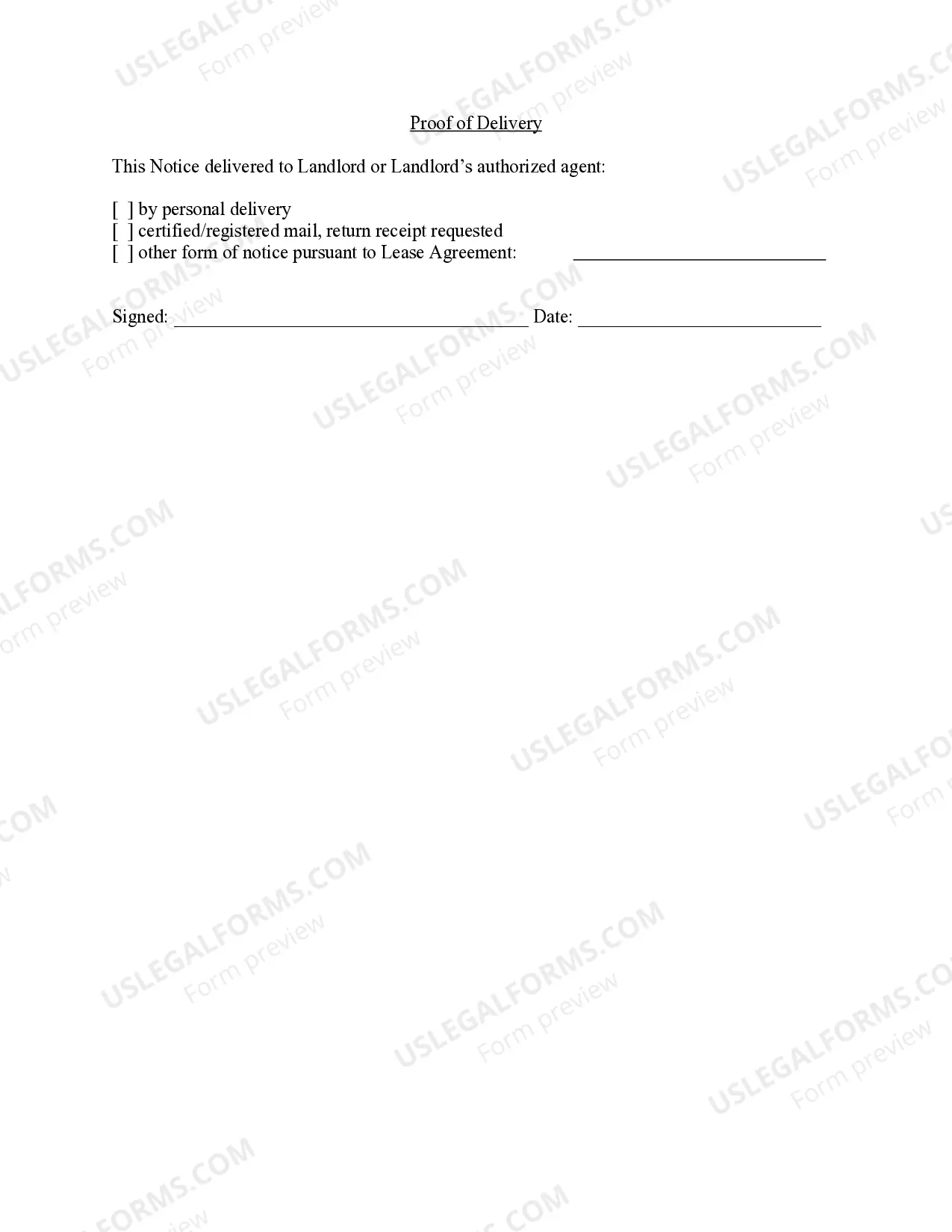
- Proof of delivery to the landlord or their authorized agent


When this form is needed
This form should be used when a tenant observes conditions within their rental property that are unsafe or unhealthy, which may include issues like mold, pest infestations, or disrepair that affect habitability. It serves as a formal notice to the landlord to rectify these issues within a specified timeframe, helping to ensure the tenant's rights are protected while encouraging prompt action from the landlord.
Who this form is for
- Tenants experiencing unsafe or unhealthy living conditions
- Individuals who have already reported issues to their landlord without resolution
- Residents wanting to formally document their complaints regarding building code violations
- Anyone needing to establish a legal record before taking further action
How to prepare this document
- Identify the parties involved by entering the names and addresses of both the tenant and landlord.
- Detail the specific health and safety issues observed in the premises.
- Specify the necessary repairs or remedies required within ten days.
- Sign and date the letter to formalize the demand.
- Deliver the letter to the landlord or their authorized agent, retaining proof of delivery.
Notarization requirements for this form
Notarization is not commonly needed for this form. However, certain documents or local rules may make it necessary. Our notarization service, powered by Notarize, allows you to finalize it securely online anytime, day or night.
Get your form ready online
Our built-in tools help you complete, sign, share, and store your documents in one place.
Make edits, fill in missing information, and update formatting in US Legal Forms—just like you would in MS Word.
Download a copy, print it, send it by email, or mail it via USPS—whatever works best for your next step.
Sign and collect signatures with our SignNow integration. Send to multiple recipients, set reminders, and more. Go Premium to unlock E-Sign.
If this form requires notarization, complete it online through a secure video call—no need to meet a notary in person or wait for an appointment.
We protect your documents and personal data by following strict security and privacy standards.

Make edits, fill in missing information, and update formatting in US Legal Forms—just like you would in MS Word.

Download a copy, print it, send it by email, or mail it via USPS—whatever works best for your next step.

Sign and collect signatures with our SignNow integration. Send to multiple recipients, set reminders, and more. Go Premium to unlock E-Sign.

If this form requires notarization, complete it online through a secure video call—no need to meet a notary in person or wait for an appointment.

We protect your documents and personal data by following strict security and privacy standards.
Avoid these common issues
- Failure to provide specific details about the unsafe conditions.
- Not including a clear deadline for the landlord to respond or act.
- Omitting the signature or date, which can invalidate the form.
- Not retaining proof of delivery, which is essential for legal purposes.
Advantages of online completion
- Convenient access to legally drafted content from licensed attorneys.
- Editability allows for personalized and specific communication.
- Ability to download and use forms immediately, saving time.
- Ensures the use of up-to-date legal standards for your state.
Legal use & context
- This letter serves as a formal notice, documenting the tenant's request for repairs, which can be useful in any future legal proceedings.
- It establishes a timeline for the landlord's response, creating a clear record of communication.
- Failure to comply with building codes can lead to legal consequences for landlords, emphasizing the importance of this form.
Quick recap
- The form is essential for tenants facing unsafe living conditions.
- It provides a structured way to formally notify landlords of needed repairs.
- Timely submission and proper documentation can protect tenant rights.
Looking for another form?








Form popularity
FAQ
The landlord had a duty to reasonably maintain the property; The landlord knew or should have known of the dangerous condition; The landlord breached their duty by failing to repair/fix the dangerous condition;
Although Texas law allows you to repair certain conditions and deduct the cost from your monthly rent payment, it does not allow you to simply withhold or reduce rent. So, noyou can't withhold rent for repairs in Texas.
Uninhabitable conditions can include dangerous ones, such as holes in the floor, unsafe or exposed wiring, or non-working air conditioning in dangerously hot summer months. Gross infestations of roaches, fleas or other pests are also uninhabitable conditions.
Set a reasonable deadline and let the landlord know you intend to withhold rent if the problem is not resolved. California law gives landlords 30 days to fix habitability problems, less if the circumstances warrant prompter attention. A broken front door lock, for example, requires immediate attention, not 30 days.
Your landlord should make a diligent effort to repair the problem within a reasonable time after receipt of the notice. The law presumes seven days to be a reasonable time, but the landlord can rebut this presumption.
Uninhabitable conditions can include dangerous ones, such as holes in the floor, unsafe or exposed wiring, or non-working air conditioning in dangerously hot summer months. Gross infestations of roaches, fleas or other pests are also uninhabitable conditions.
If you're seeking damages for emotional distress caused by a landlord's discrimination, or punitive damages for especially blatant and intentional discrimination, a lawsuit may well be your best bet. Understand what's involved in suing your landlord. You may file a lawsuit in either federal or state court.
The right to quiet enjoyment of your home. This means your landlord cannot evict you without proper cause (most commonly nonpayment of rent) or otherwise disturb your right to live in peace and quiet. The right to health and safety in your home. The right to security in your home.
While a landlord has up to four to six years to sue a tenant in certain situations, it's best to file the suit as quickly as possible. A good rule of thumb is to file the lawsuit within 30 days of the tenant moving out. This keeps the case fresh in everyone's mind and has a better chance to make a credible case.