Texas Warranty Deed from Individual to a Trust
Understanding this form
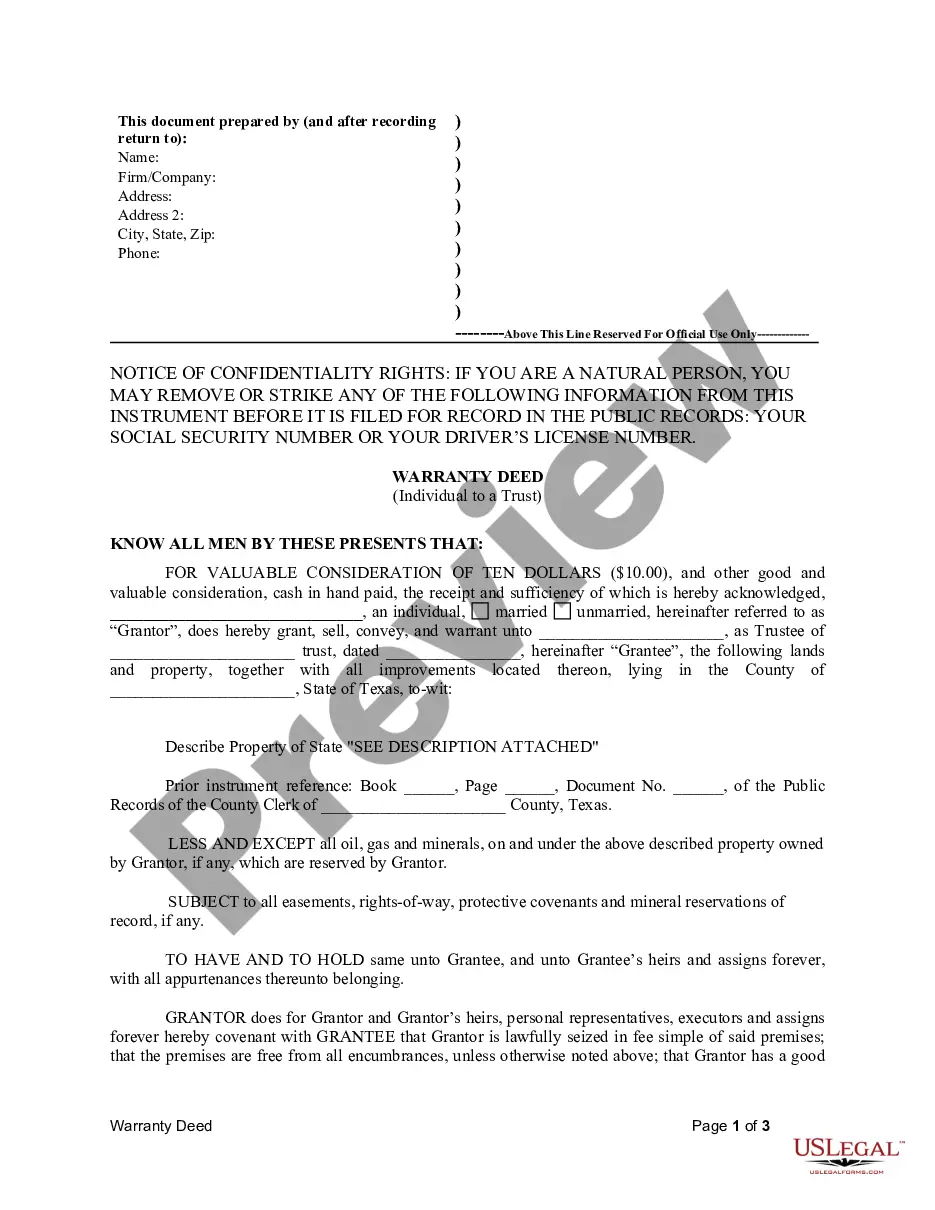
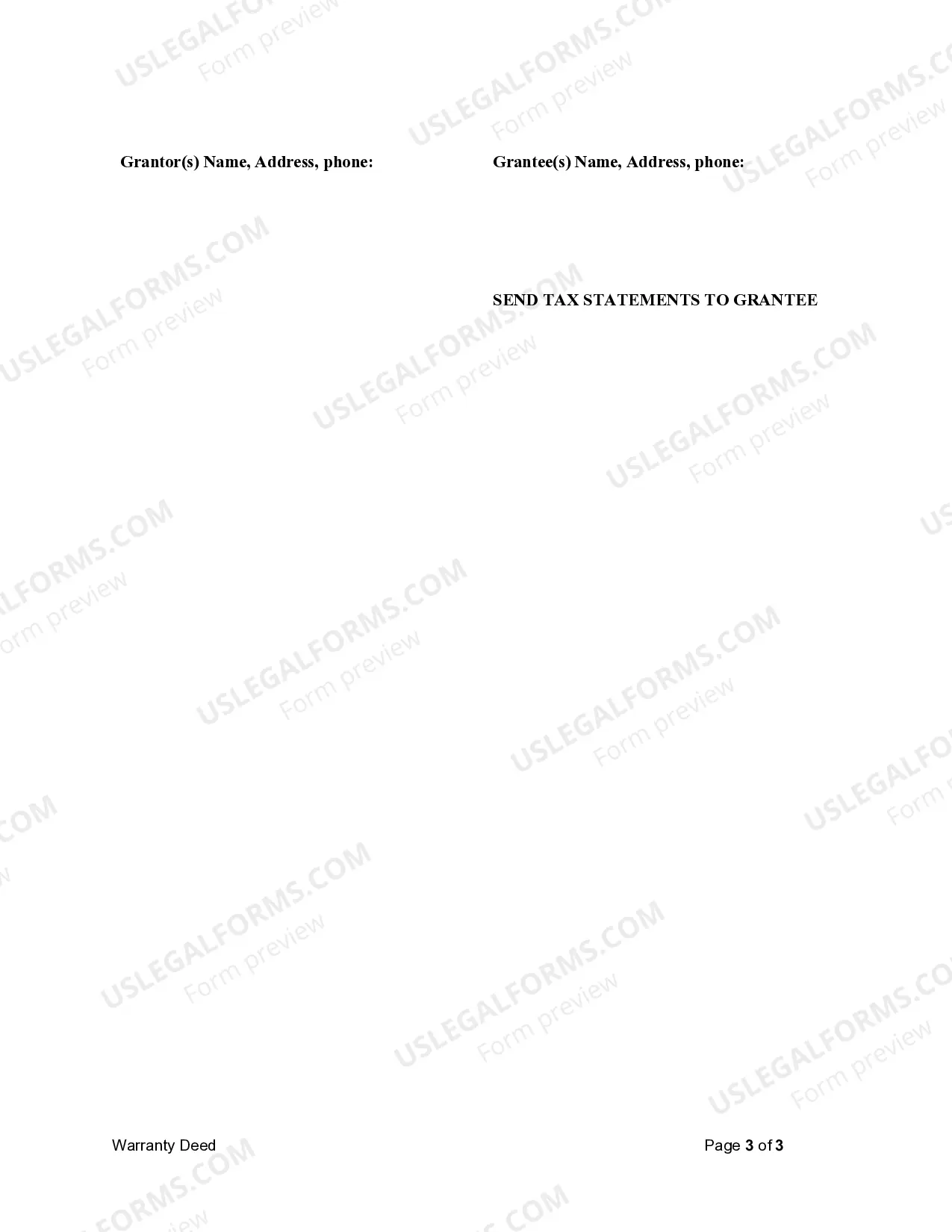
A Warranty Deed from Individual to a Trust is a legal document that transfers property ownership from an individual (the grantor) to a trust (the grantee). This deed guarantees that the grantor has clear title to the property and warrants that it is free from encumbrances, except as noted. It is distinct from other types of deeds, such as quitclaim deeds, which do not offer such guarantees regarding property title.
Key parts of this document
- Parties involved: Clearly identifies the grantor and grantee, including the individual transferring the property and the trustee of the trust.
- Property description: Details the specific property being conveyed, including legal descriptions.
- Reservation of rights: Specifies any retained rights by the grantor, including oil, gas, and mineral rights.
- Covenant: Affirms that the grantor has legal ownership and can convey the property.
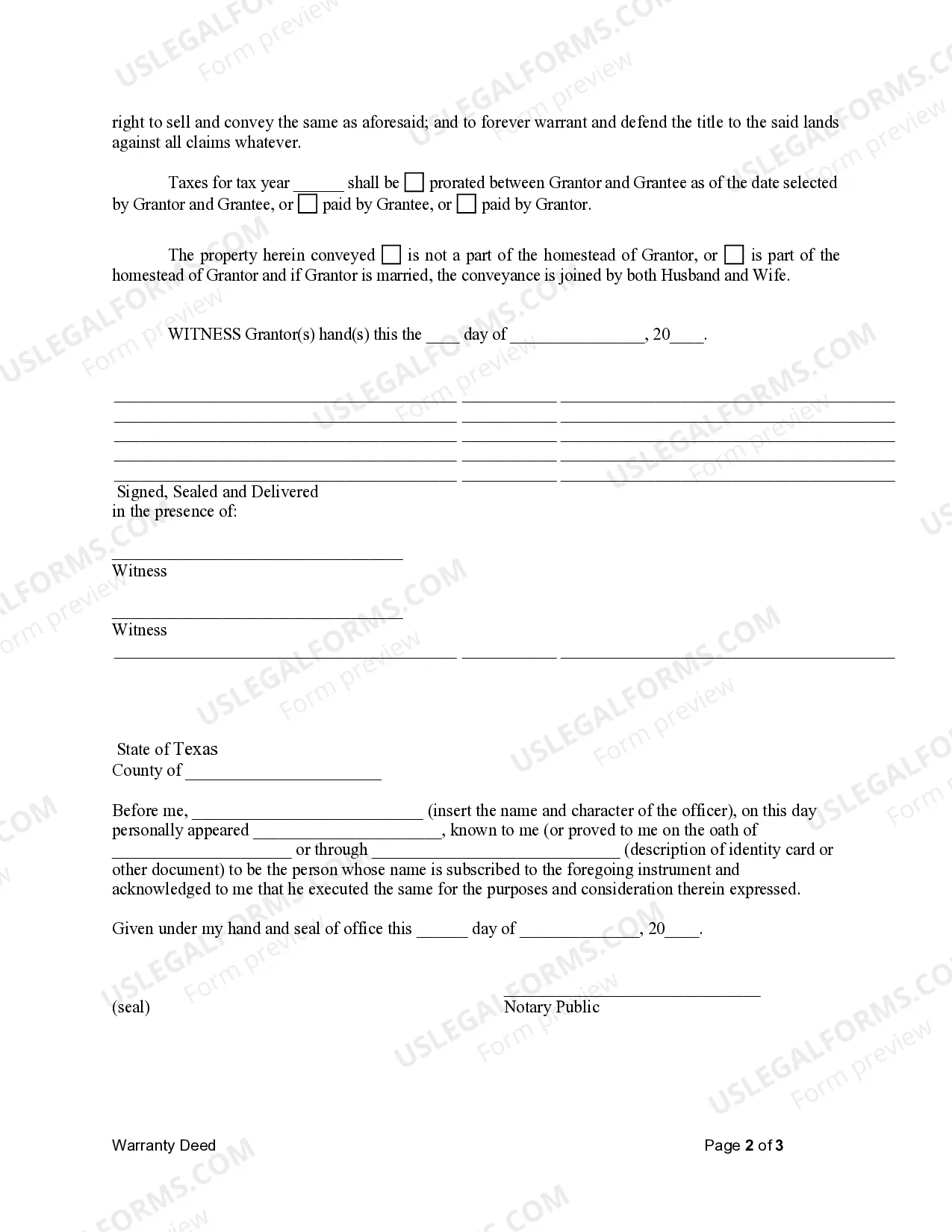
- Tax provisions: Details handling of property taxes between the parties.
- Notarization requirement: Indicates that the deed must be acknowledged before a notary public.





Situations where this form applies
This form is needed when an individual wishes to transfer property into a trust for estate planning, asset protection, or tax benefits. It's particularly useful in situations where the trust is established to manage the property for beneficiaries, ensuring that the individual maintains control while adhering to legal requirements.
Who this form is for
- Individuals who own real property and are creating or managing a trust.
- Trustees who will receive property as part of the trust arrangement.
- Estate planners or attorneys assisting clients with property transfers.
Steps to complete this form
- Identify the parties by entering the names of the grantor and trustee.
- Provide the legal description of the property being transferred.
- State any retained rights by the grantor, such as mineral rights.
- Specify how taxes will be handled between the grantor and grantee.
- Ensure both parties sign the deed in front of a notary public.
Notarization requirements for this form
This document requires notarization to meet legal standards. US Legal Forms provides secure online notarization powered by Notarize, allowing you to complete the process through a verified video call, available 24/7.
Get your form ready online
Our built-in tools help you complete, sign, share, and store your documents in one place.
Make edits, fill in missing information, and update formatting in US Legal Forms—just like you would in MS Word.
Download a copy, print it, send it by email, or mail it via USPS—whatever works best for your next step.
Sign and collect signatures with our SignNow integration. Send to multiple recipients, set reminders, and more. Go Premium to unlock E-Sign.
If this form requires notarization, complete it online through a secure video call—no need to meet a notary in person or wait for an appointment.
We protect your documents and personal data by following strict security and privacy standards.

Make edits, fill in missing information, and update formatting in US Legal Forms—just like you would in MS Word.

Download a copy, print it, send it by email, or mail it via USPS—whatever works best for your next step.

Sign and collect signatures with our SignNow integration. Send to multiple recipients, set reminders, and more. Go Premium to unlock E-Sign.

If this form requires notarization, complete it online through a secure video call—no need to meet a notary in person or wait for an appointment.

We protect your documents and personal data by following strict security and privacy standards.
Typical mistakes to avoid
- Not providing a complete legal description of the property.
- Failing to indicate any reservations or retained rights clearly.
- Omitting the notarization step, which can invalidate the deed.
Advantages of online completion
- The ability to complete the form quickly without the need for in-person appointments.
- Editable templates that allow customization to meet specific needs.
- Secure access to legal documentation, prepared by licensed attorneys.
Looking for another form?


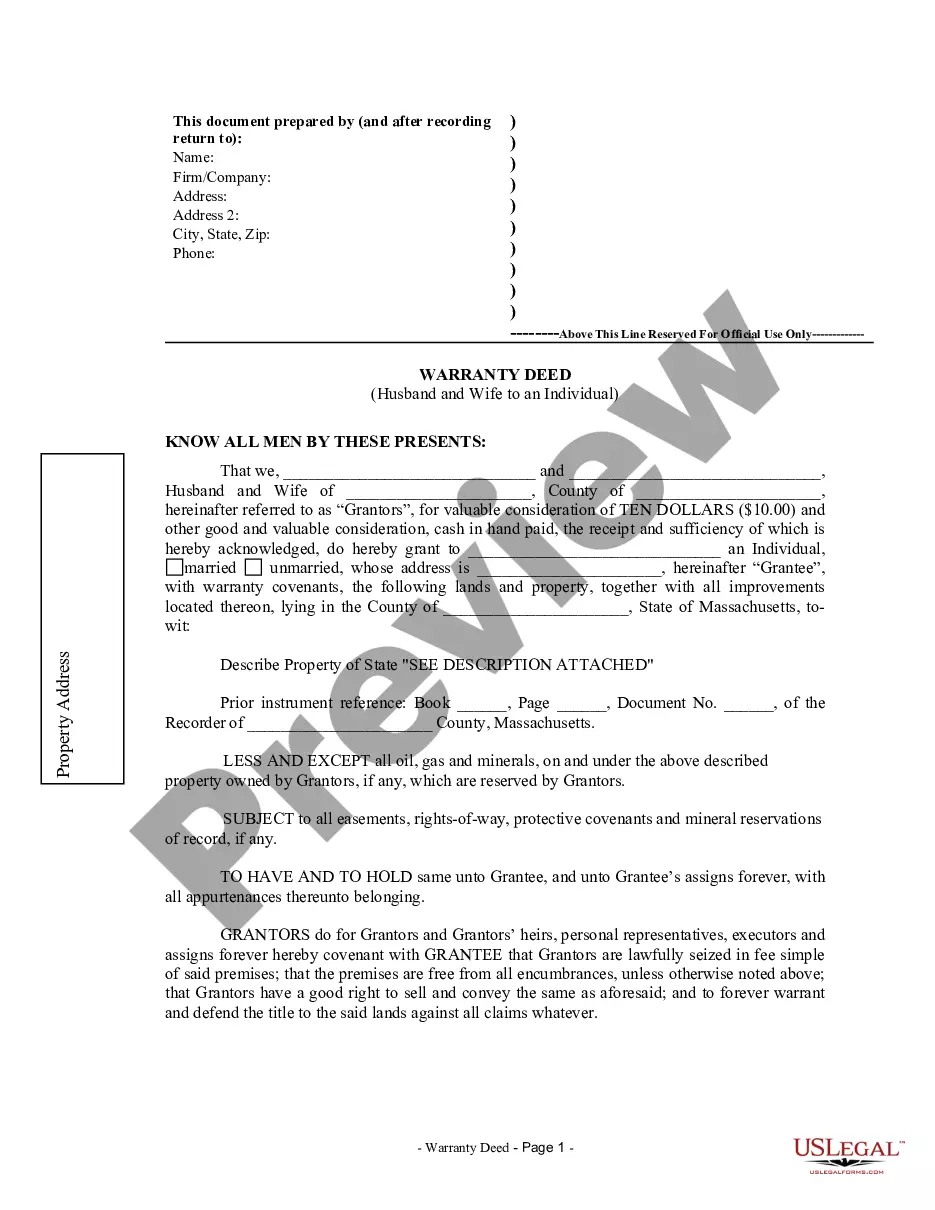
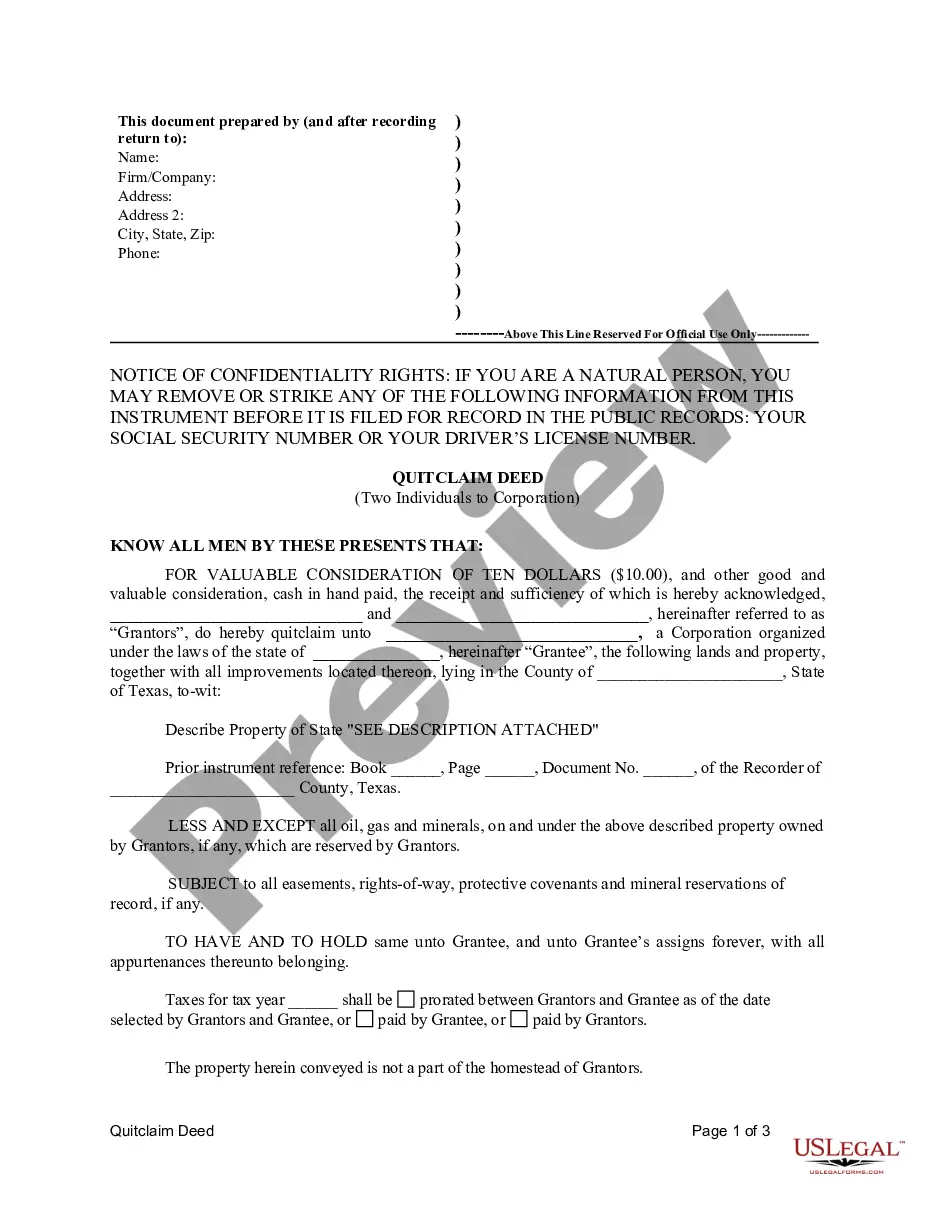
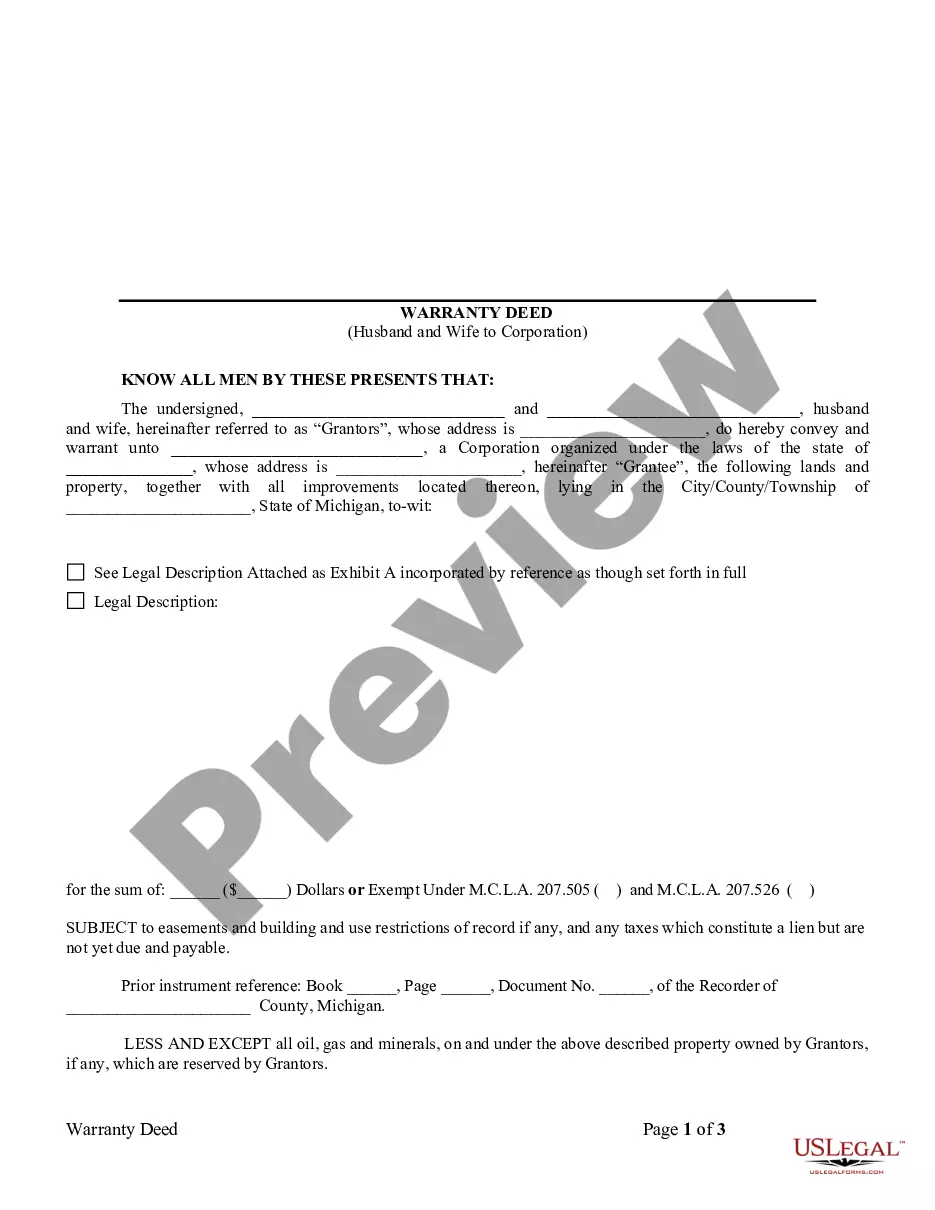
Form popularity
FAQ
The Texas warranty deed is a form of deed that provides an unlimited warranty of title.In Texas, warranty deeds are often used: When a buyer is purchasing residential property from a seller for full value; When the buyer does not intend to purchase title insurance; or.
A warranty deed, also known as a general warranty deed, is a legal real estate document between the seller (grantor) and the buyer (grantee). The deed protects the buyer by pledging that the seller holds clear title to the property and there are no encumbrances, outstanding liens, or mortgages against it.
As a property owner and grantor, you can obtain a warranty deed for the transfer of real estate through a local realtor's office, or with an online search for a template. To make the form legally binding, you must sign it in front of a notary public.
It's important to note that a warranty deed does not actually prove the grantor has ownership (a title search is the best way to prove that), but it is a promise by the grantor that they are transferring ownership and if it turns out they don't actually own the property, the grantor will be responsible for compensating