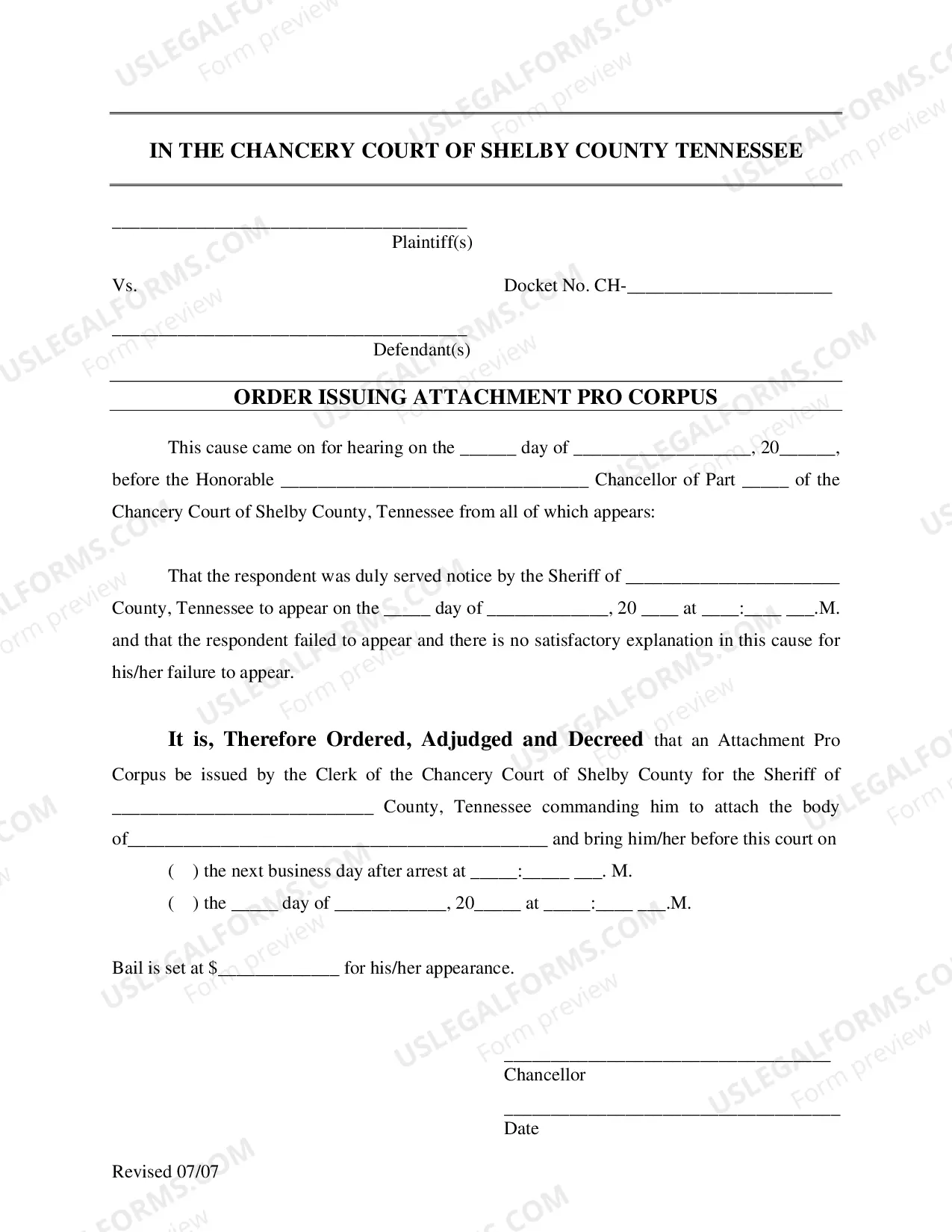
Tennessee Last Will and Testament for a Widow or Widower with Adult Children
What is this form?
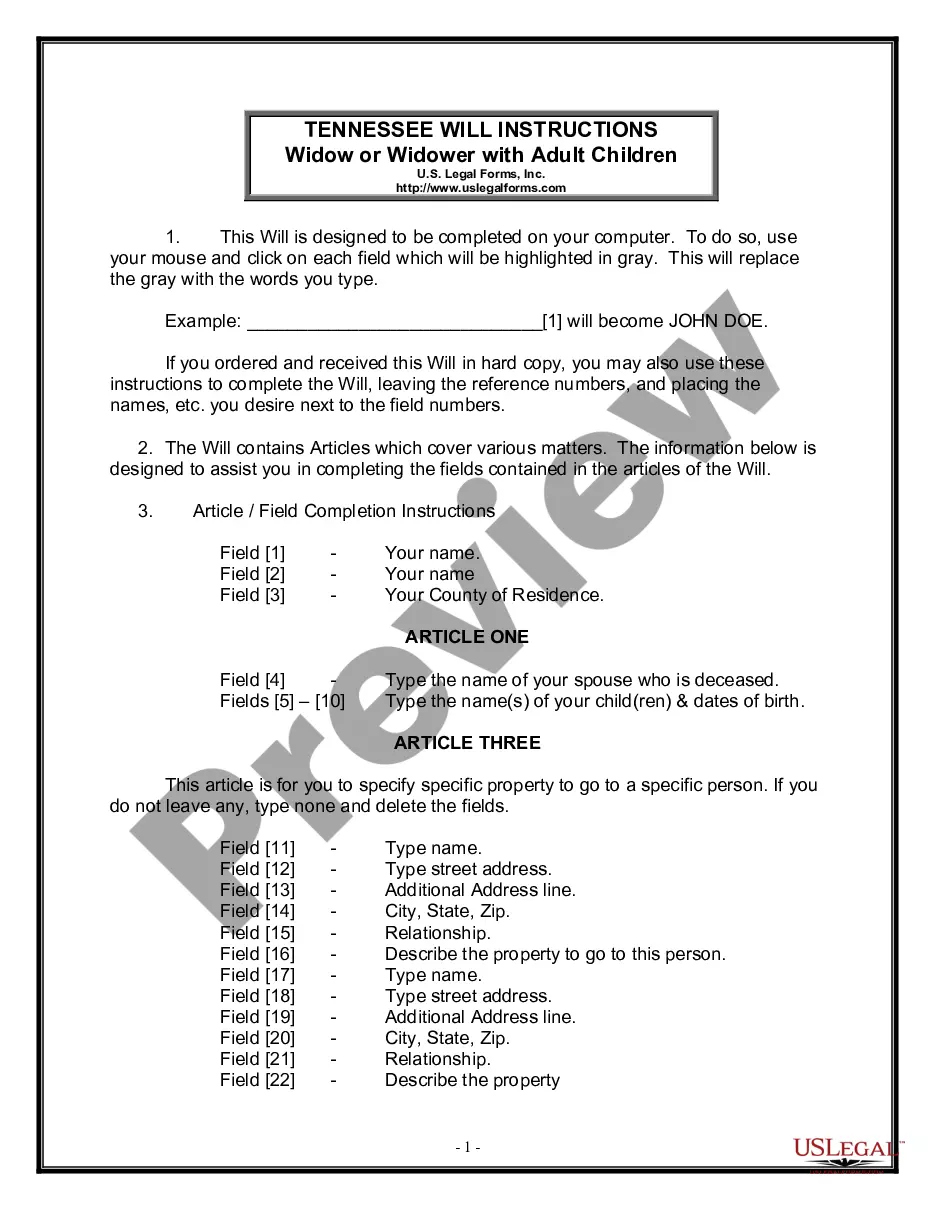
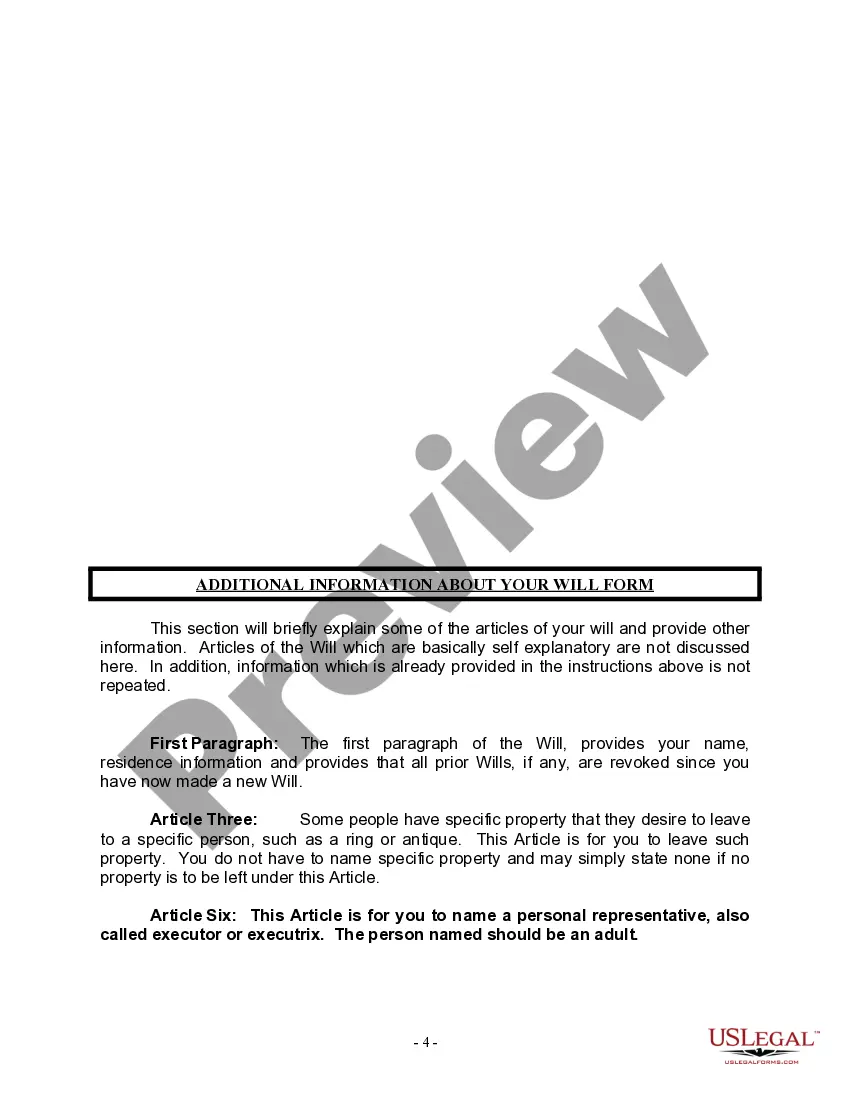
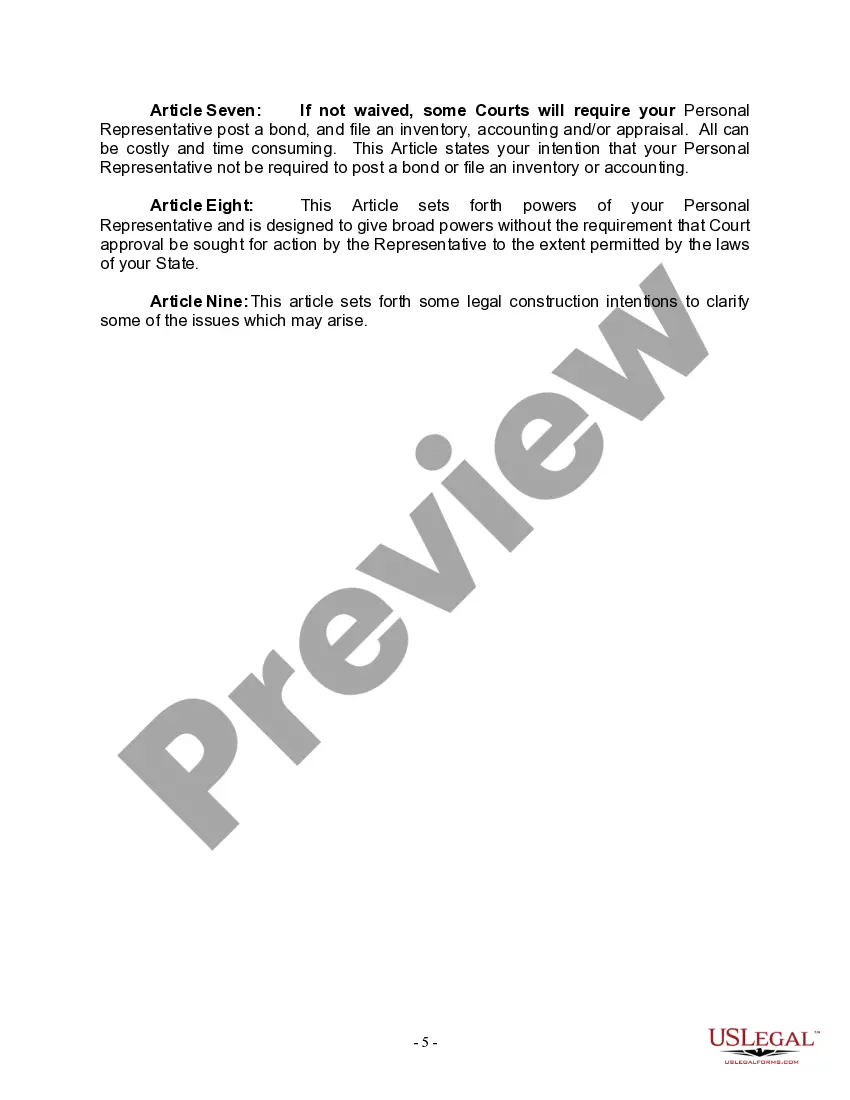
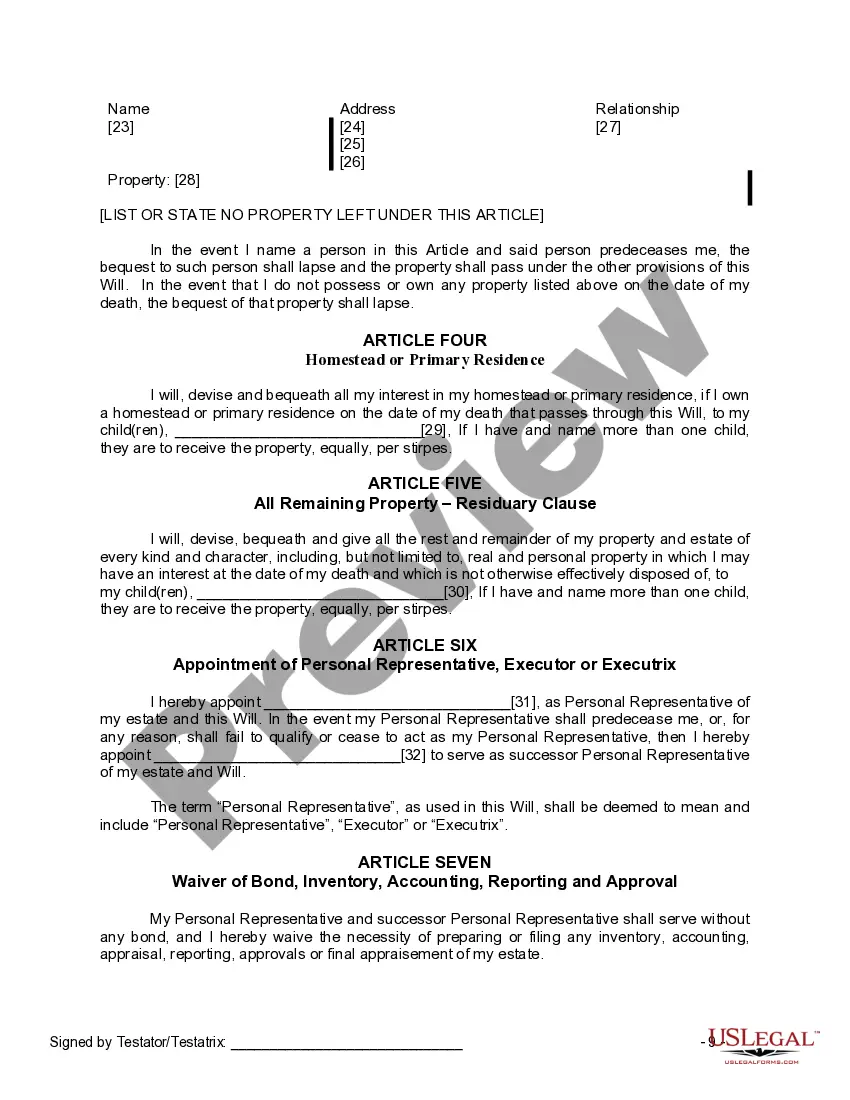
The Last Will and Testament for a Widow or Widower with Adult Children is a legal document that outlines how a person wishes to distribute their property and assets after their death. This form specifically caters to individuals who are widowed or widowers, allowing them to specify their intentions regarding their adult children and any property they wish to bequeath. It differs from standard wills by incorporating particular provisions that are relevant to those who have experienced the death of a spouse.
Main sections of this form
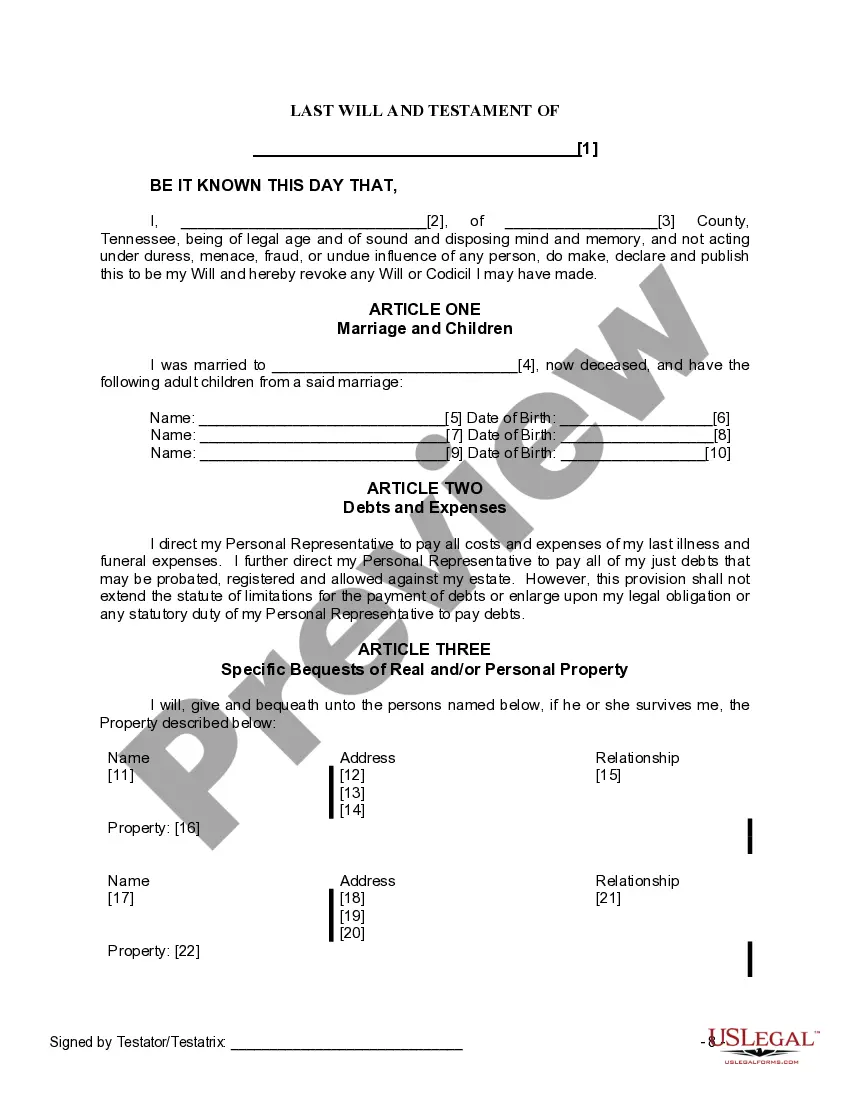
- Personal details: Includes your name, county of residence, and the name of your deceased spouse.
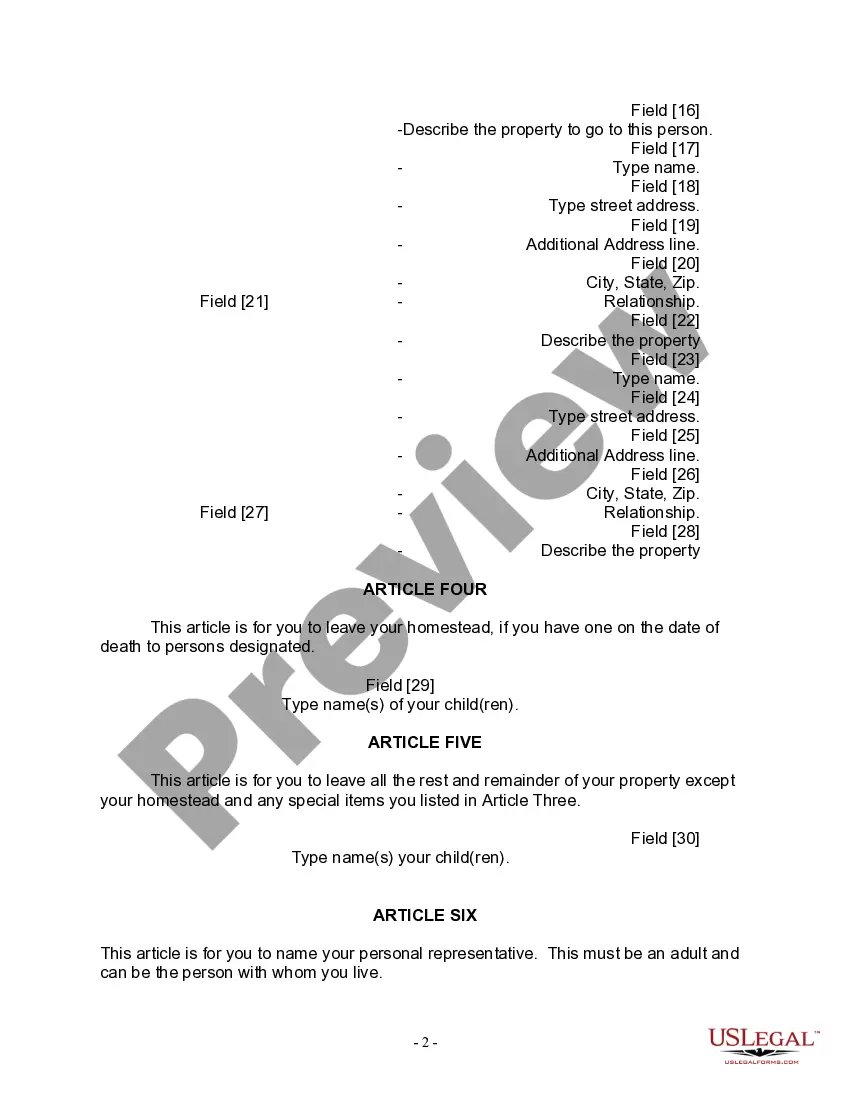
- Specific bequests: Allows for detailing who receives particular items or properties.
- Homestead provision: Specifies who will inherit your primary residence.
- Residuary clause: Addresses the distribution of any remaining property after specified assets have been allocated.
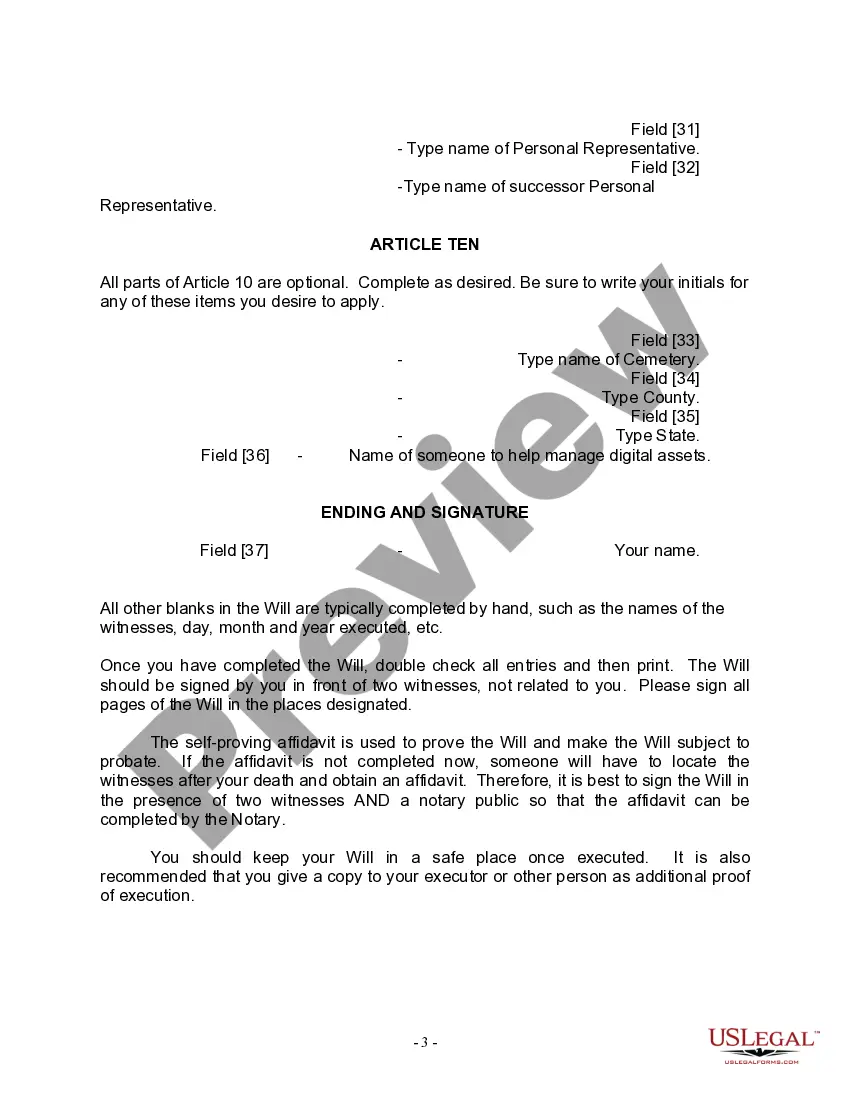
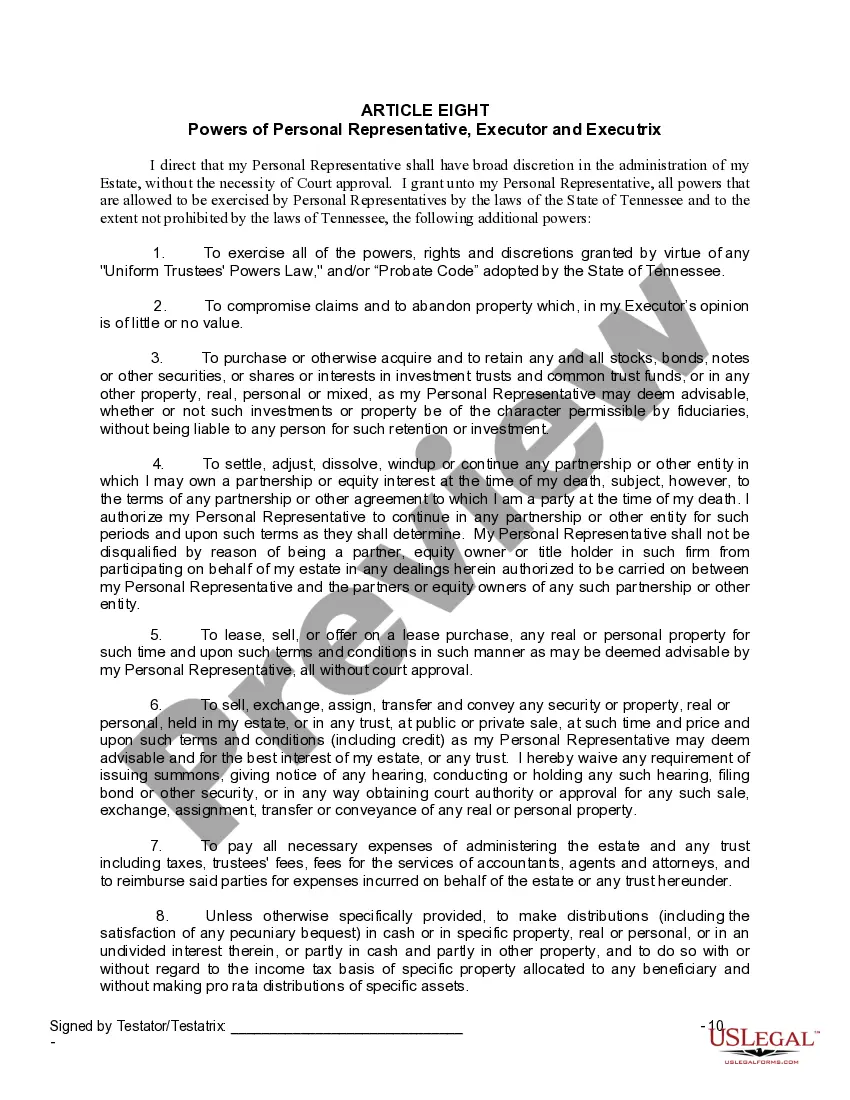
- Appointment of a personal representative: Names an executor to administer your estate.





When to use this document
This form is useful when a widow or widower wishes to ensure their estate is handled according to their wishes after passing away. It is particularly important to use this Will if you want to provide for your adult children and specify any special bequests or inheritance instructions to prevent potential disputes among heirs.
Who should use this form
- Individuals who are widowed or widowers.
- Parents with adult children who wish to dictate how their property is distributed.
- Anyone who has specific wishes concerning the distribution of their assets following their death.
Steps to complete this form
- Enter your name and county of residence in the designated fields.
- Specifically state the name of your deceased spouse and provide the names and birthdates of your adult children.
- Detail any specific items you wish to bequeath in the appropriate section.
- Designate your homestead and any other property in the respective articles.
- Appoint a personal representative to manage your estate after your death.
Notarization requirements for this form
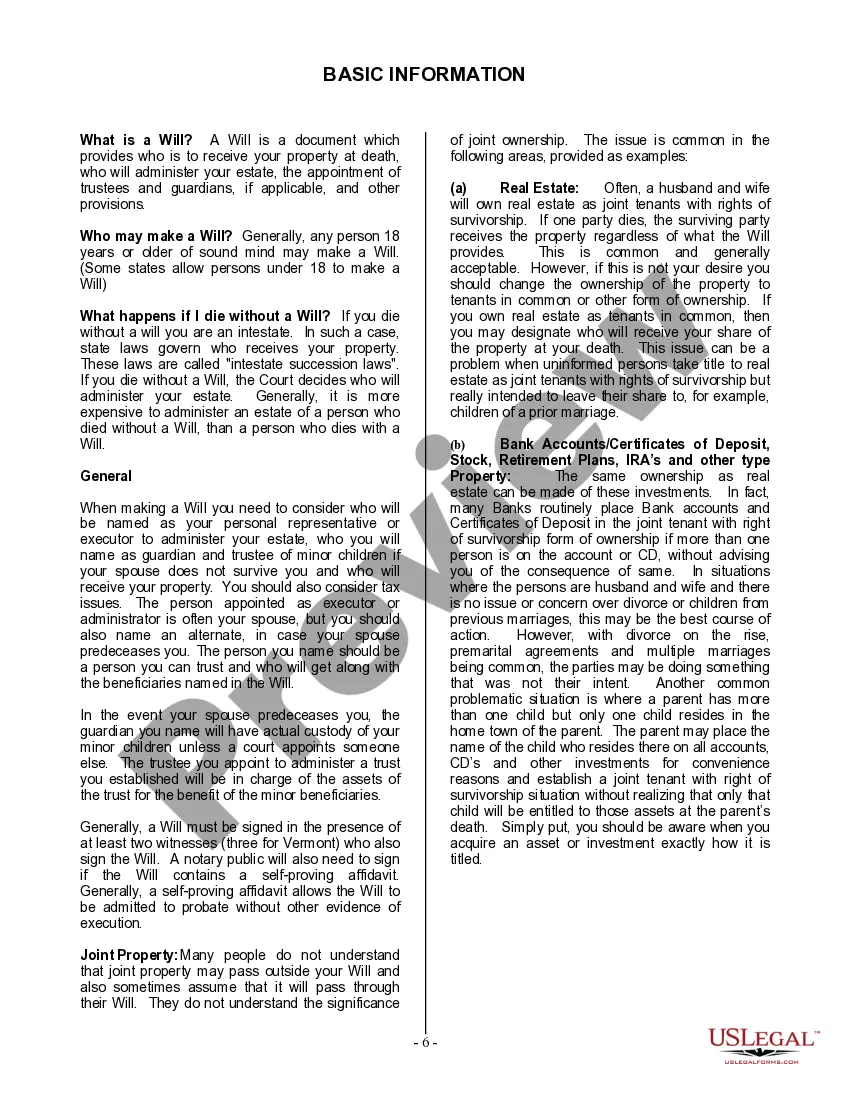
Yes, this form must be notarized to be legally valid. It is recommended to sign your Will in the presence of a notary public to facilitate the self-proving affidavit, which can streamline the probate process.
Get your form ready online
Our built-in tools help you complete, sign, share, and store your documents in one place.
Make edits, fill in missing information, and update formatting in US Legal Forms—just like you would in MS Word.
Download a copy, print it, send it by email, or mail it via USPS—whatever works best for your next step.
Sign and collect signatures with our SignNow integration. Send to multiple recipients, set reminders, and more. Go Premium to unlock E-Sign.
If this form requires notarization, complete it online through a secure video call—no need to meet a notary in person or wait for an appointment.
We protect your documents and personal data by following strict security and privacy standards.

Make edits, fill in missing information, and update formatting in US Legal Forms—just like you would in MS Word.

Download a copy, print it, send it by email, or mail it via USPS—whatever works best for your next step.

Sign and collect signatures with our SignNow integration. Send to multiple recipients, set reminders, and more. Go Premium to unlock E-Sign.

If this form requires notarization, complete it online through a secure video call—no need to meet a notary in person or wait for an appointment.

We protect your documents and personal data by following strict security and privacy standards.
Mistakes to watch out for
- Failing to sign the Will in front of two witnesses.
- Not including a self-proving affidavit if required in your state.
- Leaving out essential details about specific bequests or property.
- Not reviewing or updating the Will after significant life events.
Benefits of using this form online
- Convenience: Easily fill out the form from the comfort of your home.
- Editability: Modify any details as needed before finalizing your Will.
- Reliability: Ensure your Will is drafted with guidance from licensed attorneys.
Legal use & context
- This Last Will and Testament form is legally binding when properly executed and witnessed according to your state laws.
- It provides clear directives for the distribution of assets and appointment of an executor, reducing potential disputes among heirs.
What to keep in mind
- The form is specifically designed for widowed individuals with adult children.
- It allows you to specify how your estate should be distributed.
- Proper execution, including witness signatures and notarization, is crucial for validity.
Looking for another form?
Form popularity
FAQ
For the vast majority of individuals, my cost to prepare an estate package including a Will, Power of Attorney, Healthcare Power of Attorney and Living is a flat rate of $450.00. I charge this same flat rate for both single individuals and married couples.
A notarized will does not need to be probated.When a person dies leaving behind a will that is not notarized, the law requires that its validity be ascertained by a notary or by a court. Similarly, any non-notarized modification made to a will must be probated, whether the will is notarized or not.
No, in Tennessee, you do not need to notarize your will to make it legal. However, Tennessee allows you to make your will "self-proving" and you'll need to go to a notary if you want to do that. A self-proving will speeds up probate because the court can accept the will without contacting the witnesses who signed it.
Capacity: The testator must be of sound mind. Signature: The will must be signed by the testator or by someone else in the testator's name in his presence, by his direction.Writing: A Tennessee will must be in writing. Beneficiaries: A testator can leave property to anyone.
Tennessee law requires testators to be 18 and of sound mind, while two or more witnesses must sign the will to make it valid.Signature and material provisions must be in handwriting of testator and handwriting must be proved by two witnesses (no witnesses necessary to the will).
It must be in writing. Generally, of course, wills are composed on a computer and printed out. The person who made it must have signed and dated it. A will must be signed and dated by the person who made it. Two adult witnesses must have signed it. Witnesses are crucial.
Generally, yes. The Tennessee statute on Wills recognizes the validity of holographic or handwritten Wills. T.C.A. § 32-1-105.