Tennessee Letters of Recommendation Package
Understanding this form package
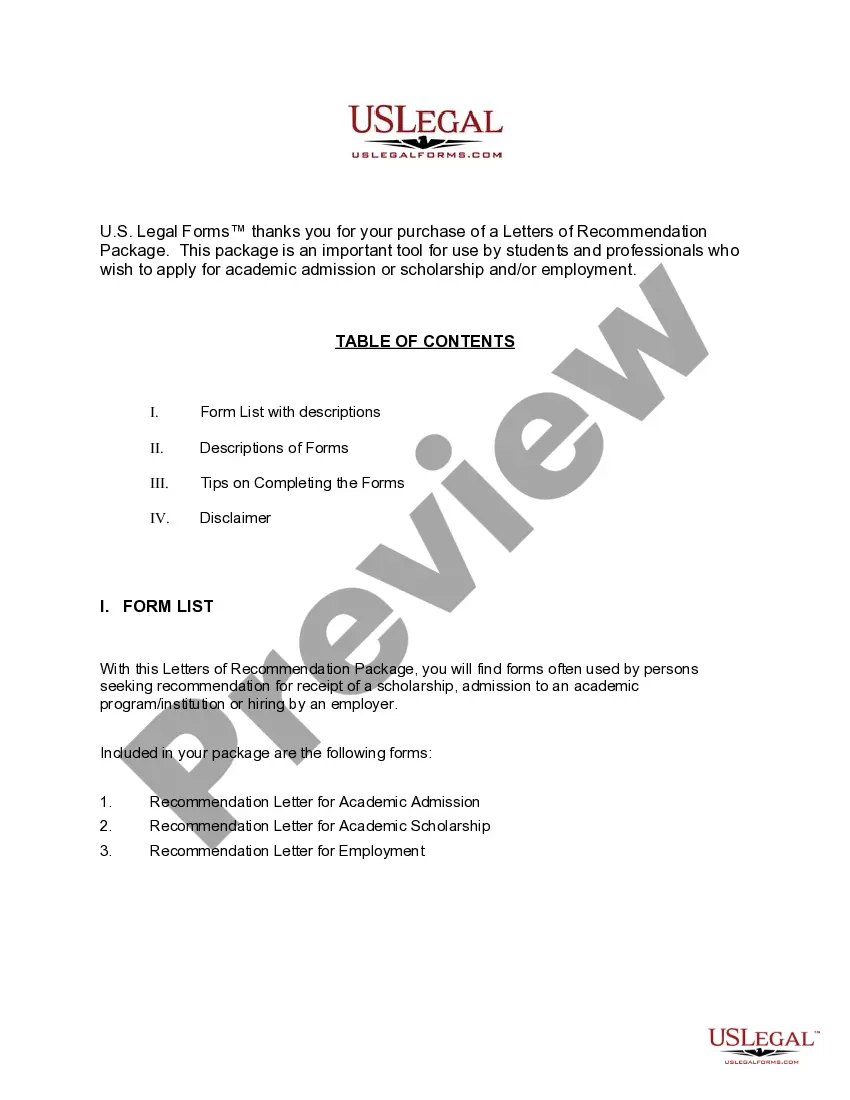
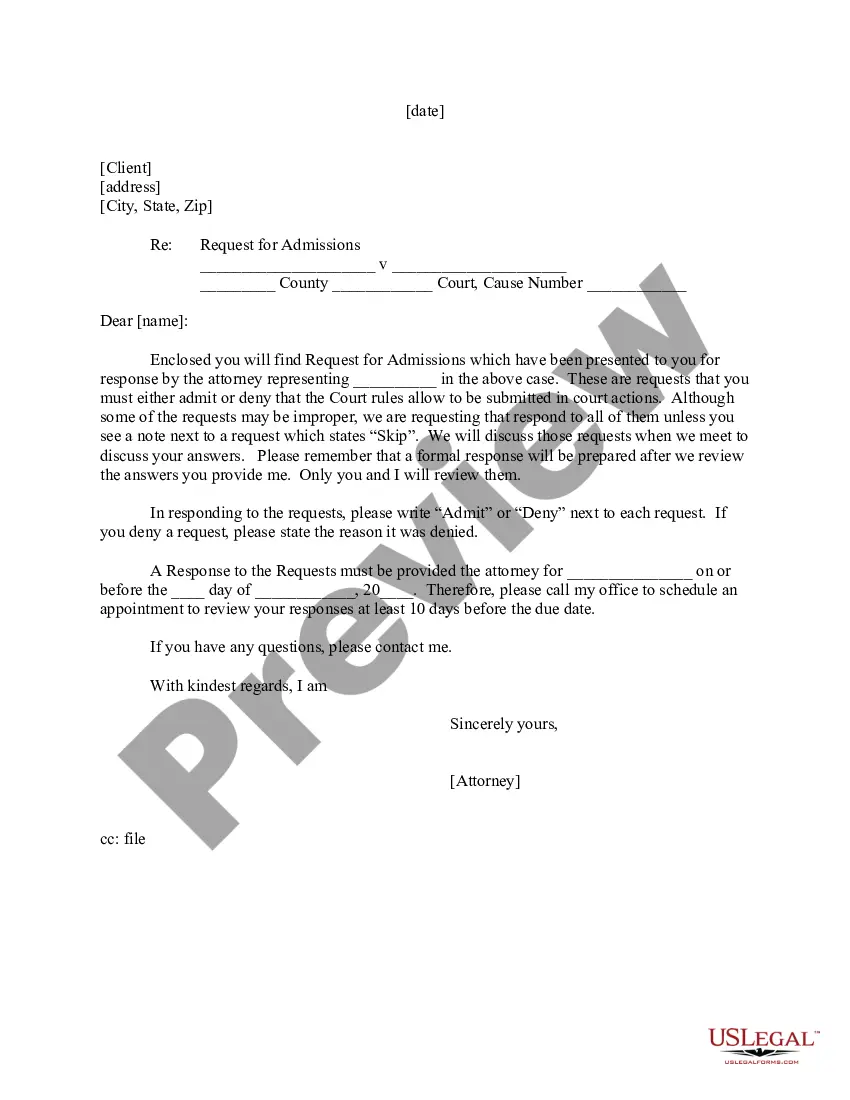
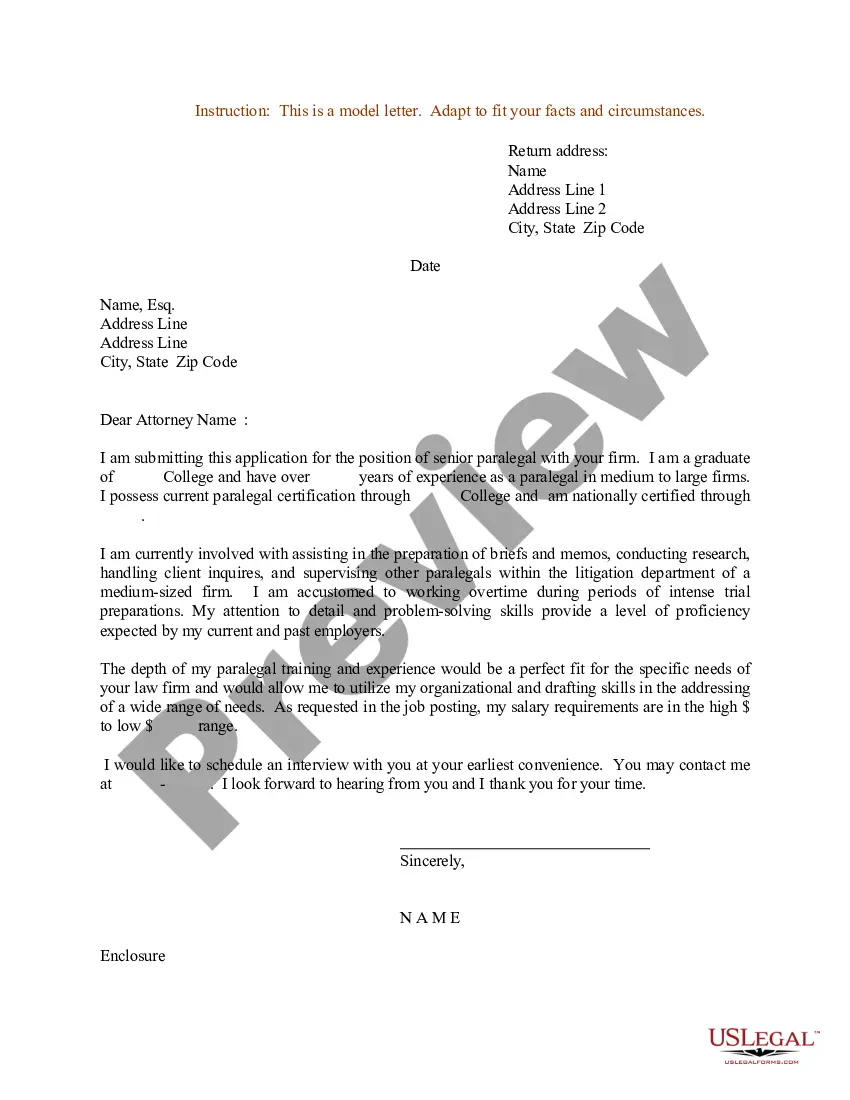
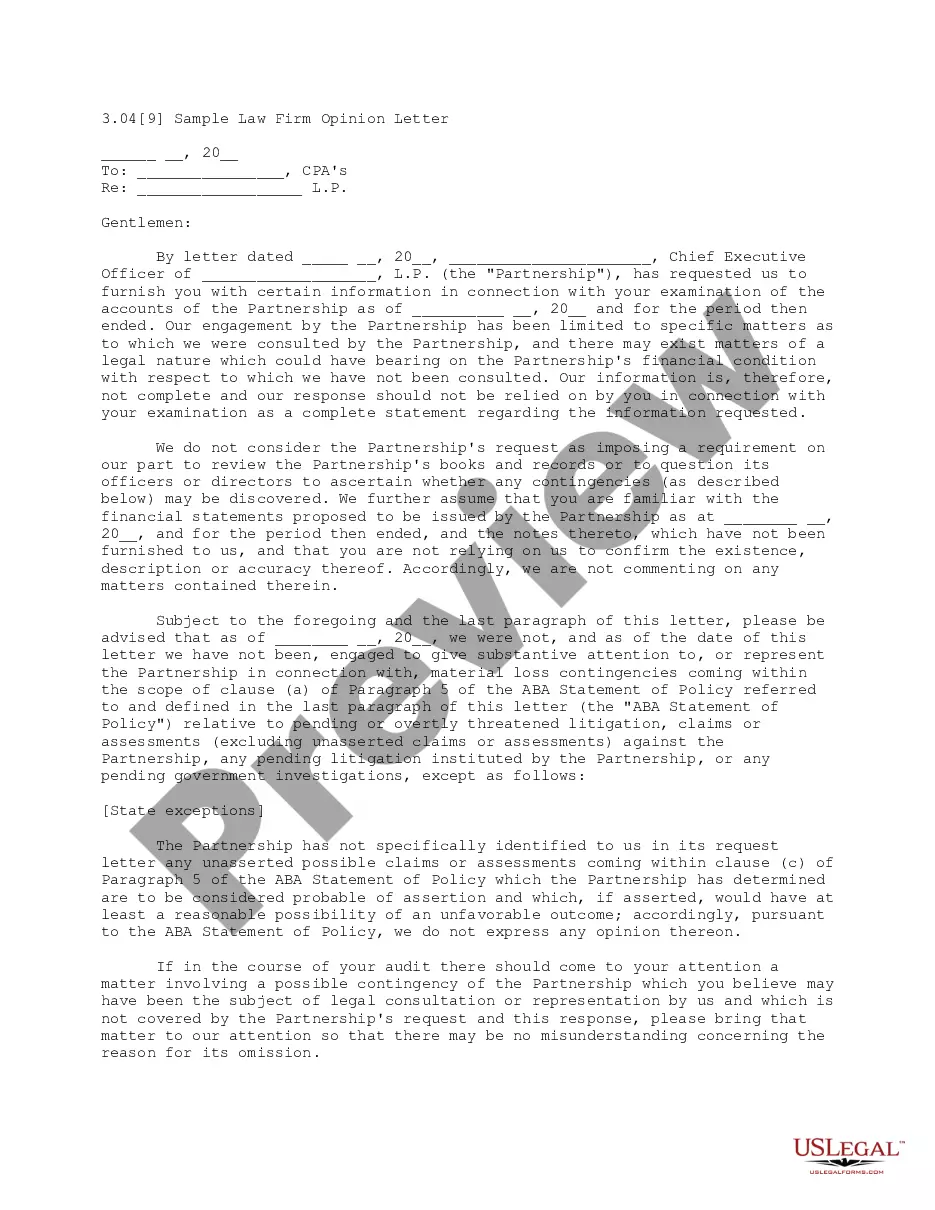
The Tennessee Letters of Recommendation Package is designed for individuals seeking formal recommendations for various purposes, including academic admission, scholarships, and employment opportunities. This package offers three tailored templates: a recommendation letter for academic admission, a recommendation letter for academic scholarships, and a recommendation letter for employment. Each form is crafted to meet the specific needs of students and professionals, ensuring credibility and professionalism in their applications.
What’s included in this form package
When to use this form package
This package is useful in several common situations, including:
- Applying for admission to a college or university program.
- Seeking scholarships to further education.
- Applying for job positions that require professional references.
Who can use this document
- Students looking for college admissions.
- Individuals applying for scholarships in educational institutions.
- Job seekers needing employment references.
- Professionals who want to provide references for colleagues.
How to prepare this document
- Review the included forms to understand their purpose.
- Identify the specific details required for each type of letter.
- Enter the necessary information in the appropriate fields.
- Customize the letter templates to reflect the relationship and achievements of the person being recommended.
- Proofread the completed letters for accuracy and clarity.
Notarization details for included forms
Most forms in this package do not require notarization. However, local laws or specific situations may demand it. Our online notarization service, powered by Notarize, lets you complete the process through a verified video call, available anytime.
Get your form ready online
Our built-in tools help you complete, sign, share, and store your documents in one place.
Make edits, fill in missing information, and update formatting in US Legal Forms—just like you would in MS Word.
Download a copy, print it, send it by email, or mail it via USPS—whatever works best for your next step.
Sign and collect signatures with our SignNow integration. Send to multiple recipients, set reminders, and more. Go Premium to unlock E-Sign.
If this form requires notarization, complete it online through a secure video call—no need to meet a notary in person or wait for an appointment.
We protect your documents and personal data by following strict security and privacy standards.

Make edits, fill in missing information, and update formatting in US Legal Forms—just like you would in MS Word.

Download a copy, print it, send it by email, or mail it via USPS—whatever works best for your next step.

Sign and collect signatures with our SignNow integration. Send to multiple recipients, set reminders, and more. Go Premium to unlock E-Sign.

If this form requires notarization, complete it online through a secure video call—no need to meet a notary in person or wait for an appointment.

We protect your documents and personal data by following strict security and privacy standards.
Avoid these common issues
- Using a generic template without personalizing the details.
- Failing to include specific examples of the recommender's relationship with the candidate.
- Neglecting to proofread for spelling or grammatical errors.
- Overlooking the submission deadlines set by institutions or employers.
Why use this package online
- Convenience of downloading and editing documents from home.
- Templates crafted by licensed attorneys for legal accuracy.
- Flexibility to tailor the recommendation letters to specific needs.
- Access to additional resources and guidance on completing forms.
Summary of main points
- The Tennessee Letters of Recommendation Package includes three tailored templates.
- This package is ideal for students and professionals seeking various forms of recommendations.
- Forms are user-friendly and legally compliant with Tennessee regulations.
- Personalization and attention to detail are crucial for effective recommendations.
Looking for another form?

Form popularity
FAQ
You should email the institution to which you are applying and ask their graduate admissions team if they would accept more than three letters. Whether it's acceptable, irrelevant, or above a threshold to send more than 3 letters is subject to the preferences of the institution to which you are applying.
Reveal things about you that grades and test scores can't. Provide personal opinions of your character. Show who is willing to speak on your behalf.
You may submit no more than 2 letters of recommendation (optional) to accompany your application for admission. Please keep in mind that a letter of recommendation is required for the scholarship application.
If your college allows or requires recommendation letters, then it will have a page on which you can invite your recommenders. Typically you'll be asked to fill in their first and last names, position (like English Teacher), and email address.
You may be wondering if these recommendations are even important after all, there are already so many other parts to your college application. The short answer is yes, recommendations are important, and are among the many factors that colleges look at when making admissions decisions.
Short answer: yes. Long answer: there's no need to worry about checking "yes" and waiving your right to see your letters of recommendation on the FERPA waiver section of your college applications.
The applicant notifies the school of the names and contact info of each recommender, including email. (Professors use the university email, which serves to authenticate the recommendation.) The school then notifies each recommender of an email address to which the recommendation must be sent.
Letters of recommendation from teachers, school counselors and other sources can help college admissions officers get a more complete picture of applicants.So letters of recommendation are one of the few ways to learn about prospective students beyond their grades and test scores.
Three strong letters are better than three strong ones and one lukewarm. Submitting more material doesn't mean that the admissions committee will spend more time with your application. A diluted application may make a weaker overall impression than a short, focused one.