Tennessee General Power of Attorney for Care and Custody of Child or Children
What is this form?
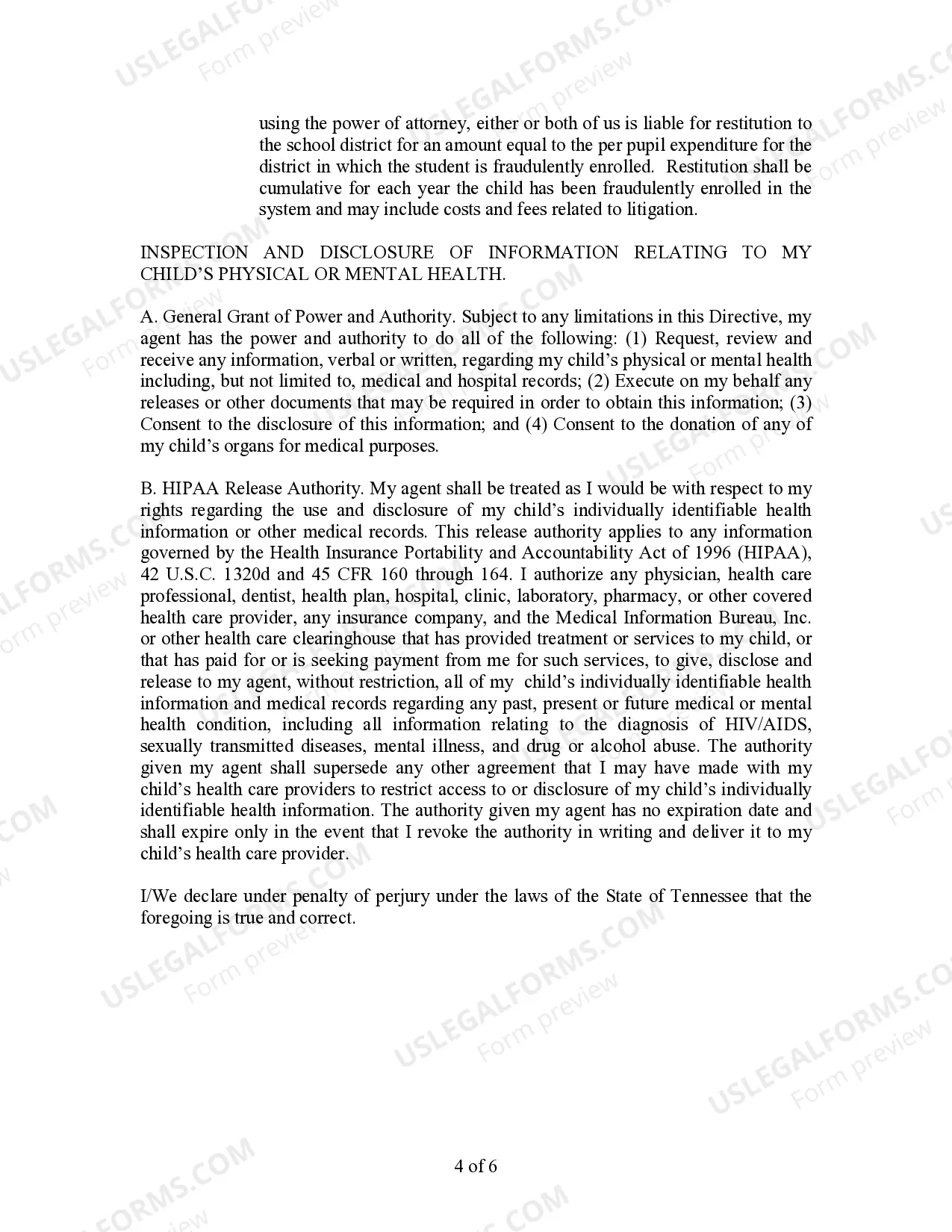
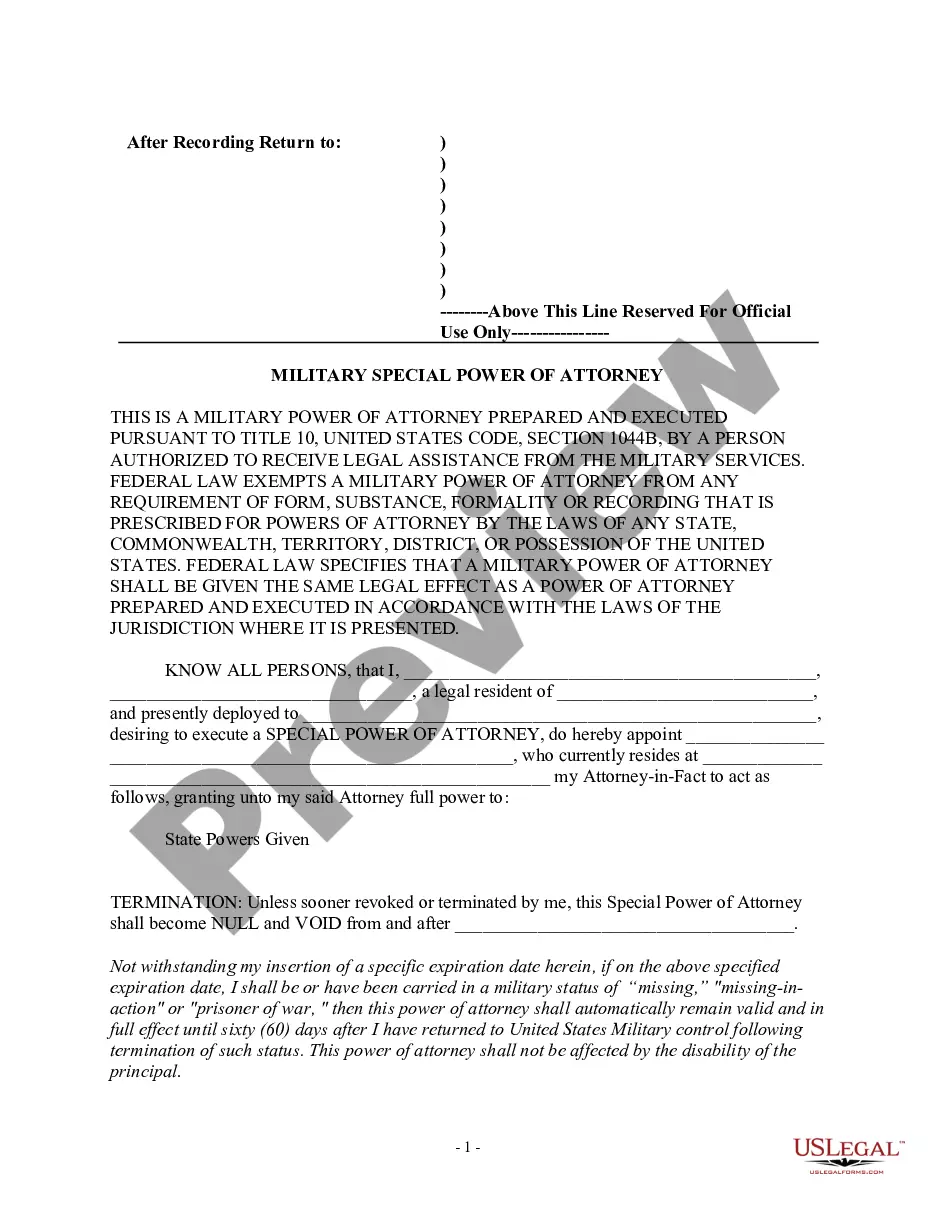
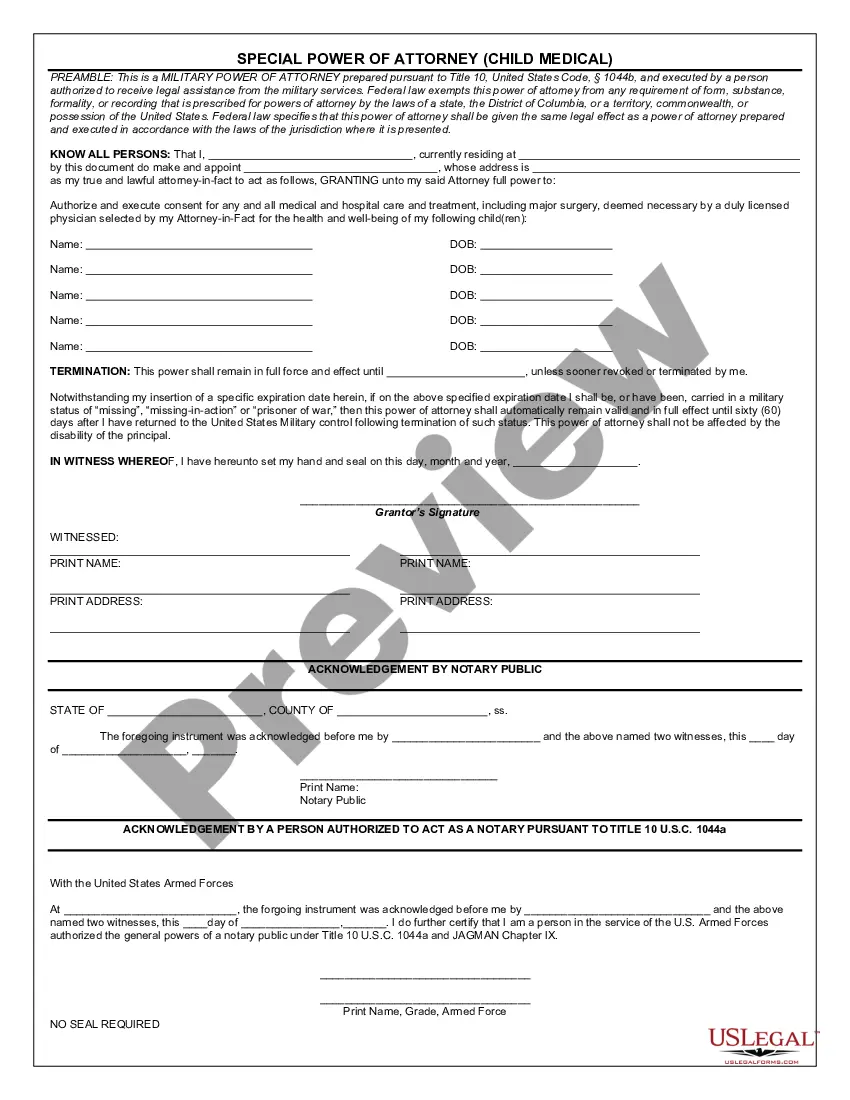
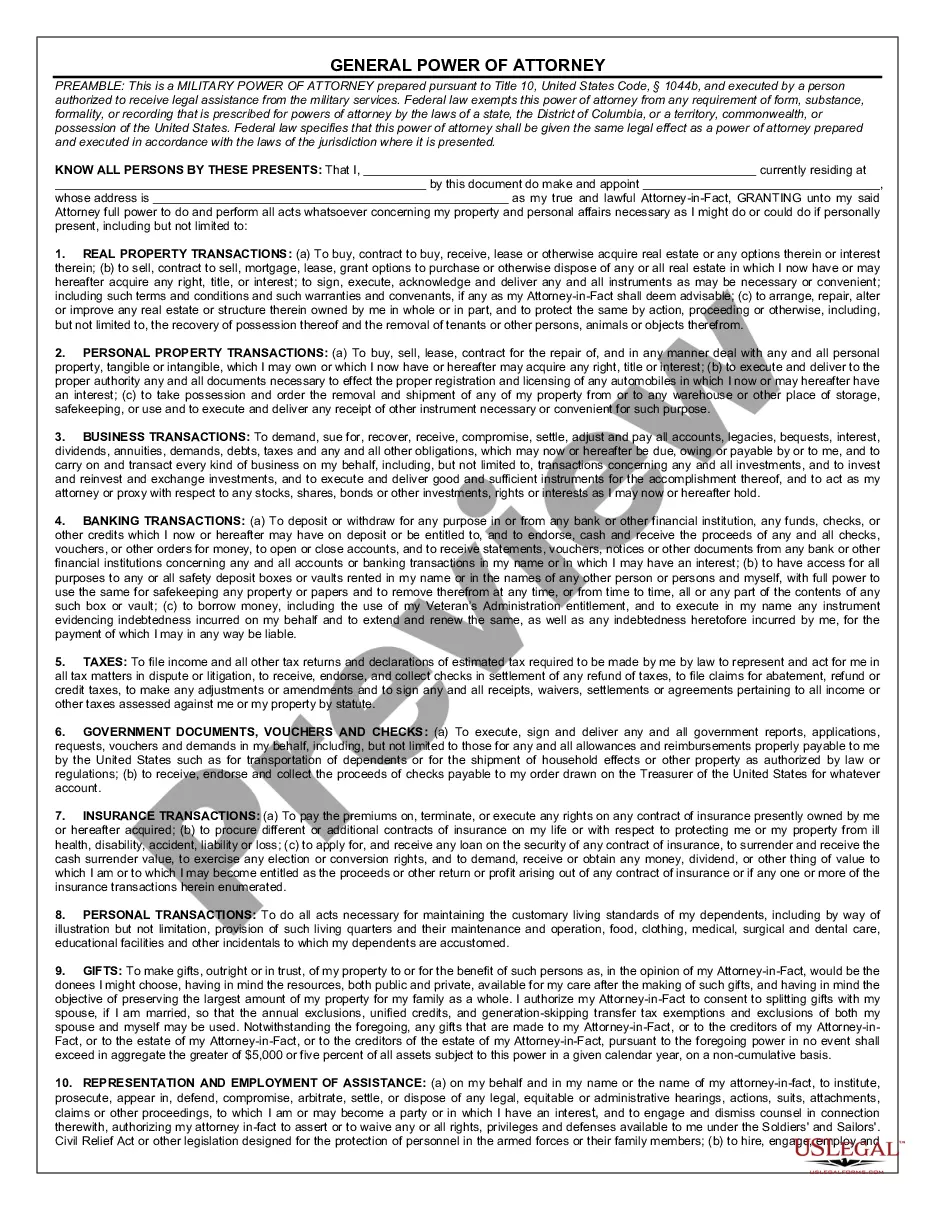
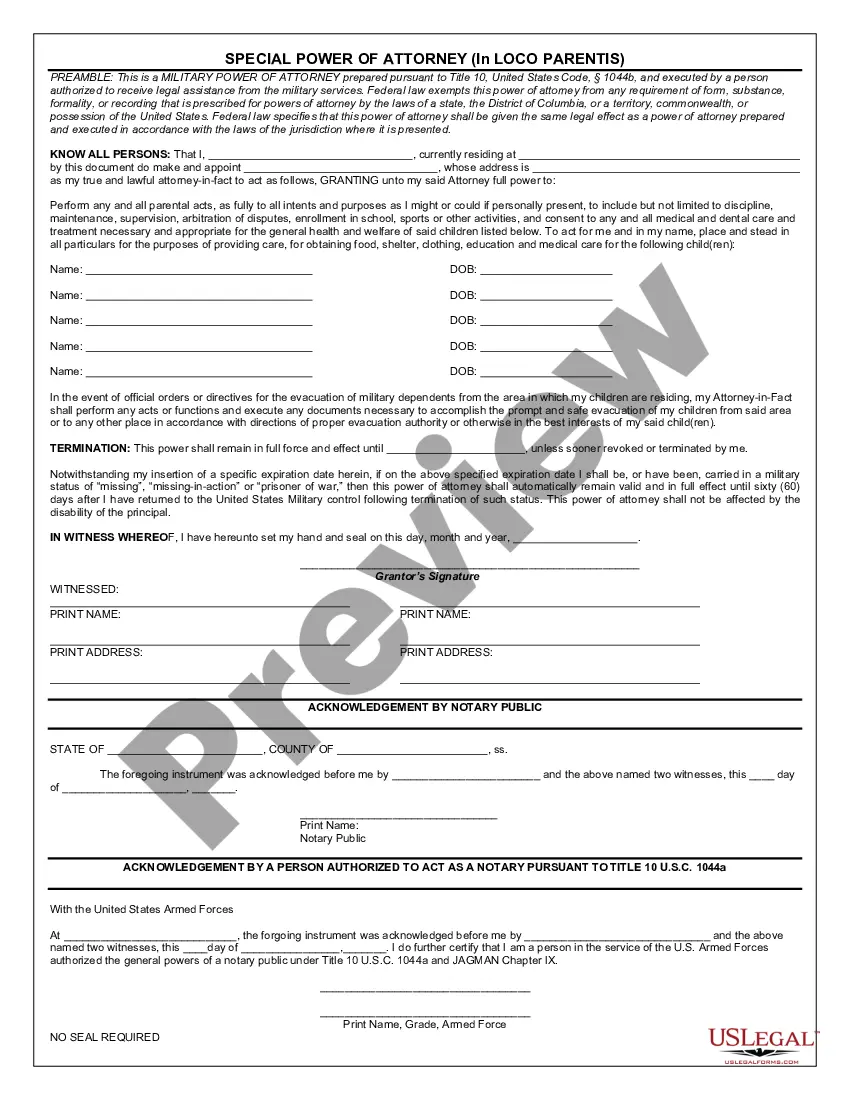
The General Power of Attorney for Care and Custody of Child or Children allows a parent or legal guardian to designate another individual as an attorney-in-fact to make decisions regarding the care and custody of their minor child or children. This form confers broad powers, particularly related to health care and education, and differs from standard powers of attorney by focusing specifically on parental rights and responsibilities for minor children.
Key parts of this document
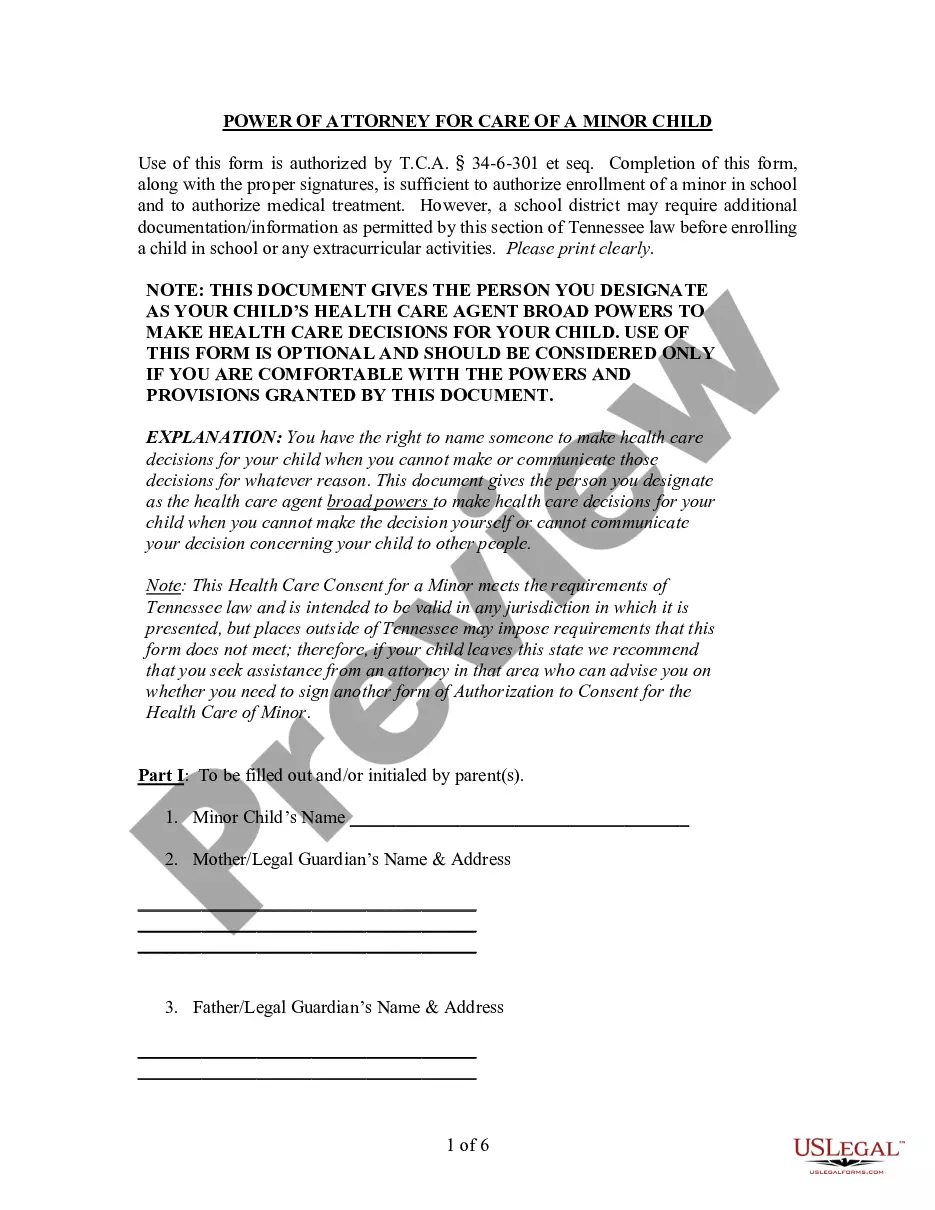
- Identification of parent(s) and caregiver(s) with contact information.
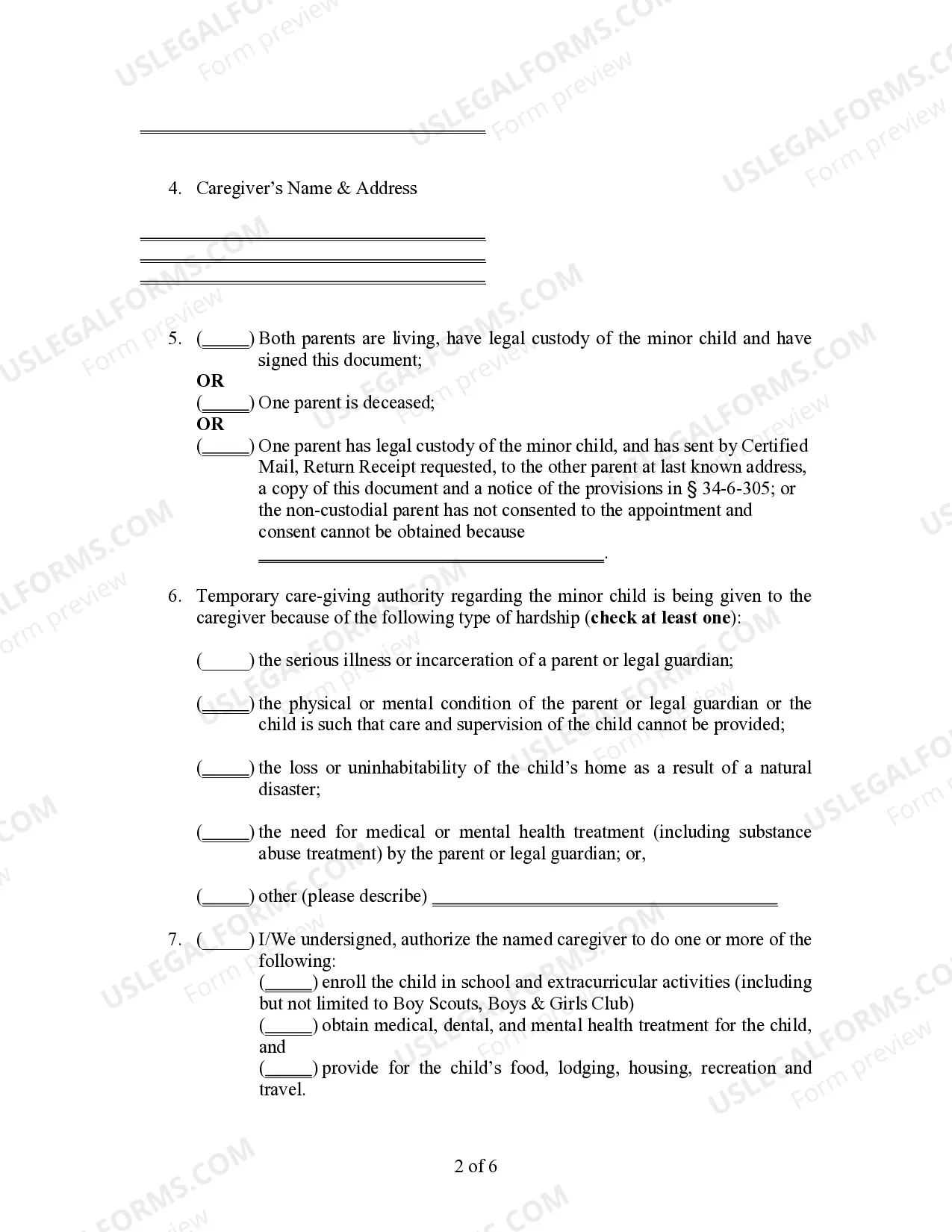
- Statement verifying legal custody and the reasons for appointing a caregiver.
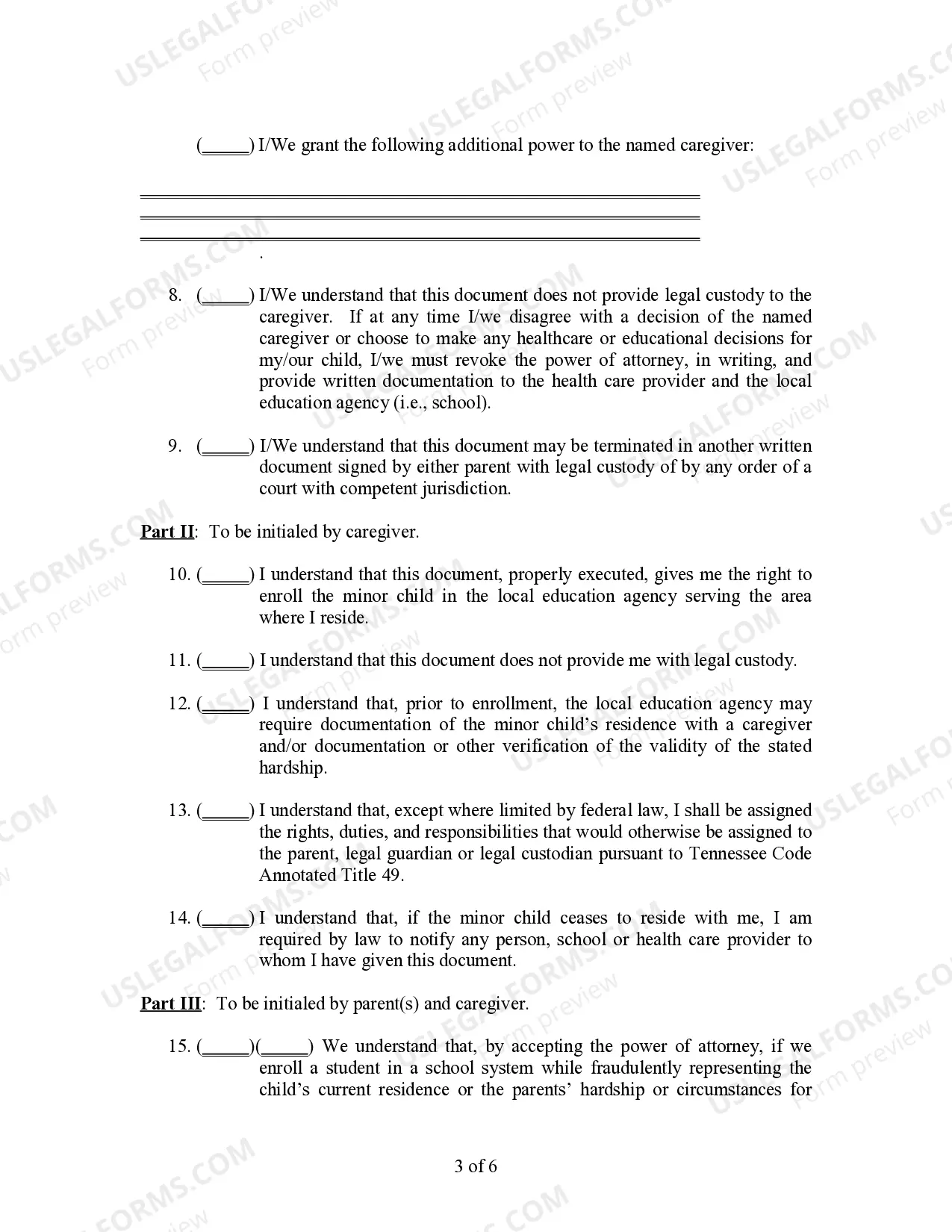
- List of authorized decisions regarding school enrollment, medical treatment, and care provisions for the child.
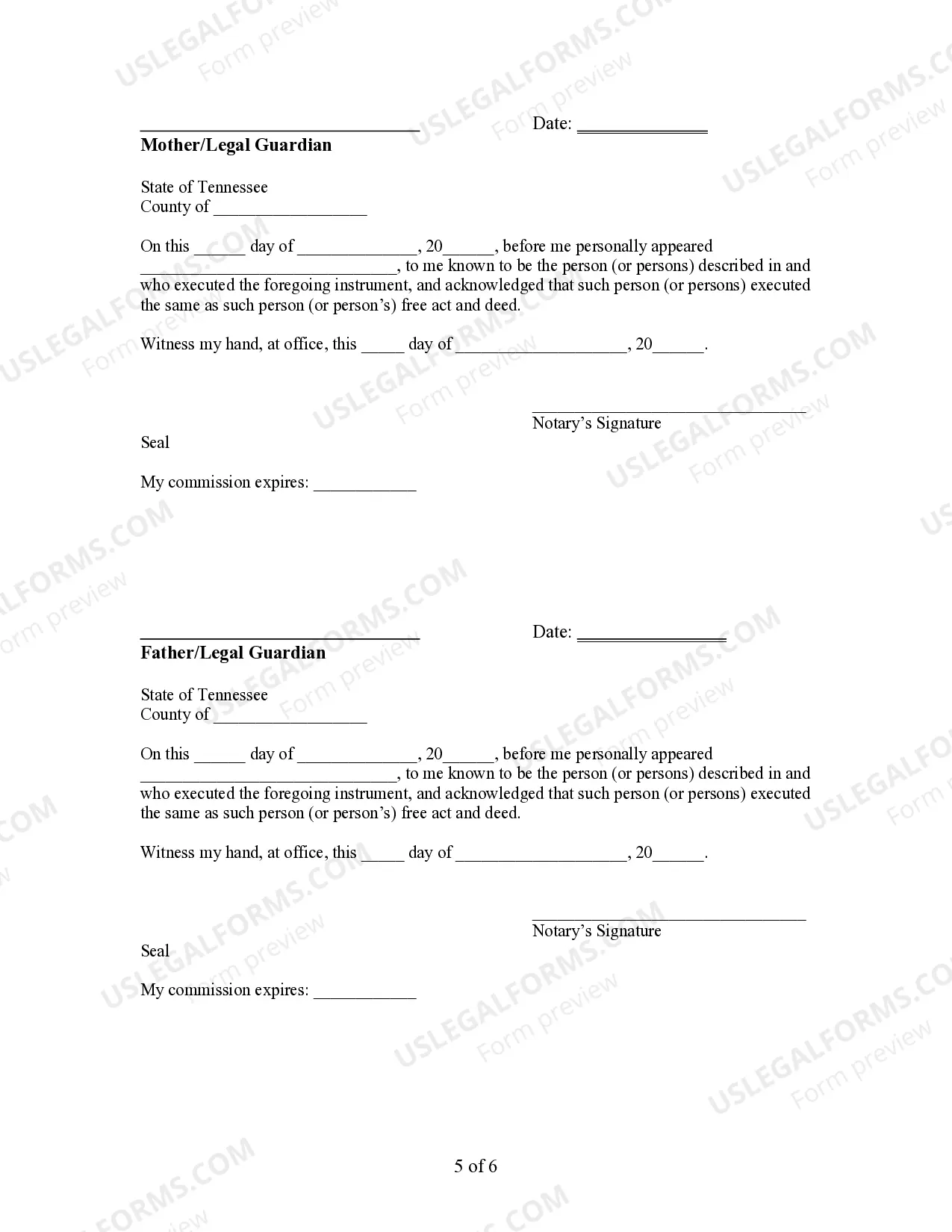
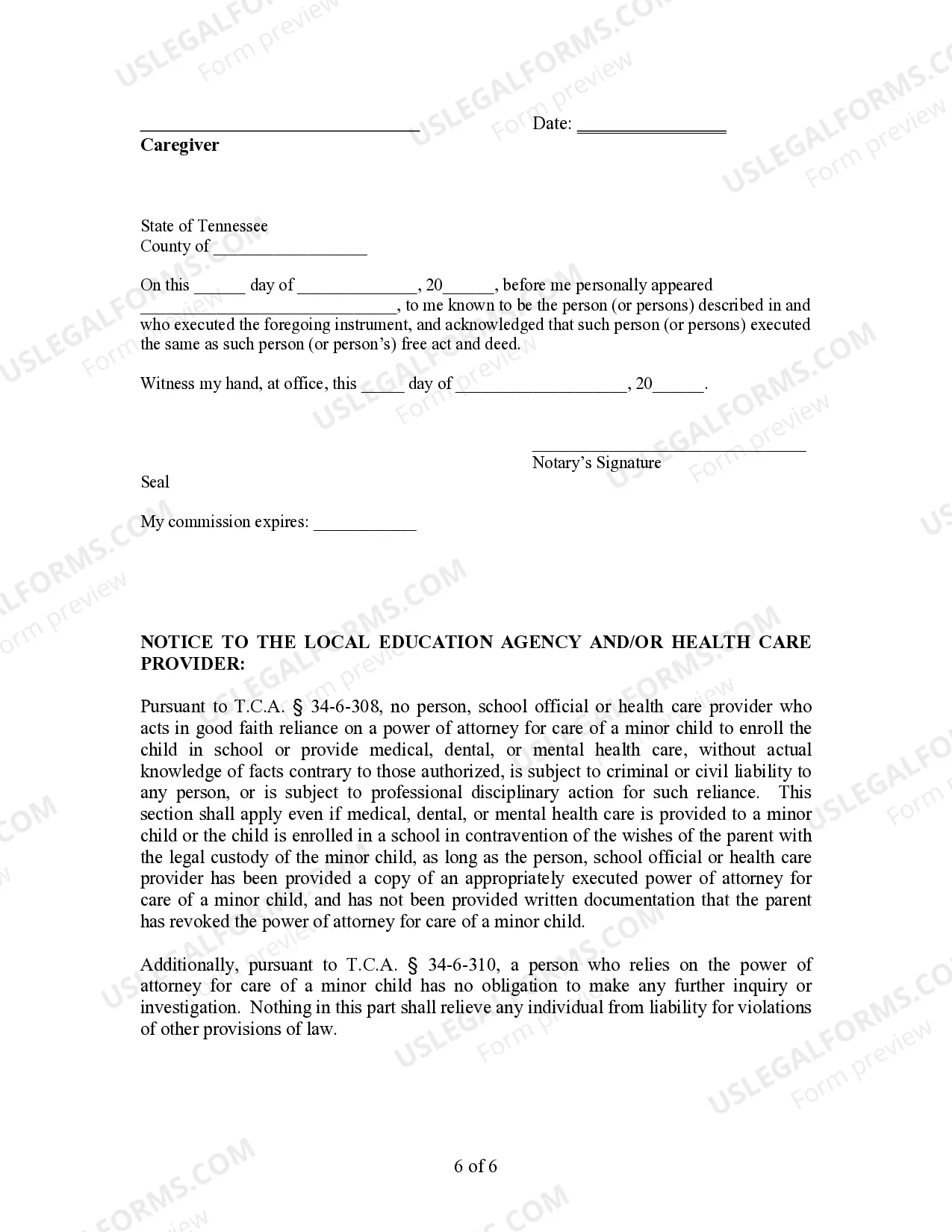
- Signatures of all parties involved, requiring notarization for validity.
- A section clarifying that this document does not transfer legal custody to the caregiver.
When this form is needed
This form is essential when a parent or legal guardian is unable to make decisions regarding their childâs care, typically due to illness, incarceration, or other hardships. It is also used when a caregiver needs authorization to make educational and medical decisions on behalf of the child, such as during temporary guardianship situations.
Who needs this form
Individuals who should consider using this form include:
- Parents or legal guardians who need to appoint someone to care for their child temporarily.
- Guardians facing circumstances that hinder them from making timely decisions for their child.
- Caregivers seeking legal assurance to act on behalf of a minor child.
Completing this form step by step
To complete this form, follow these steps:
- Identify the minor child's name, along with the names and addresses of both parents or legal guardians.
- Indicate the reasons necessitating the appointment of a caregiver and verify legal custody status.
- Specify the powers granted to the caregiver, including authority to enroll the child in school and make health care decisions.
- Ensure all parties, including the caregiver, sign the document in the presence of a notary public.
- Make copies of the signed document for all parties involved, including the school and health care providers as needed.
Does this document require notarization?
Yes, this form must be notarized to be legally valid. US Legal Forms offers integrated online notarization services that allow you to notarize documents securely via video call at any time, ensuring convenience and legality without the need for in-person visits.
Get your form ready online
Our built-in tools help you complete, sign, share, and store your documents in one place.
Make edits, fill in missing information, and update formatting in US Legal Forms—just like you would in MS Word.
Download a copy, print it, send it by email, or mail it via USPS—whatever works best for your next step.
Sign and collect signatures with our SignNow integration. Send to multiple recipients, set reminders, and more. Go Premium to unlock E-Sign.
If this form requires notarization, complete it online through a secure video call—no need to meet a notary in person or wait for an appointment.
We protect your documents and personal data by following strict security and privacy standards.

Make edits, fill in missing information, and update formatting in US Legal Forms—just like you would in MS Word.

Download a copy, print it, send it by email, or mail it via USPS—whatever works best for your next step.

Sign and collect signatures with our SignNow integration. Send to multiple recipients, set reminders, and more. Go Premium to unlock E-Sign.

If this form requires notarization, complete it online through a secure video call—no need to meet a notary in person or wait for an appointment.

We protect your documents and personal data by following strict security and privacy standards.
Typical mistakes to avoid
- Failing to have the document notarized, which is necessary for it to be legally recognized.
- Not specifying the exact powers granted to the caregiver, which may lead to confusion.
- Omitting essential information about the child or caregiver, making the form incomplete.
- Neglecting to inform the school or health care providers of the power of attorney on file.
Benefits of completing this form online
- Conveniently download and complete the form at your own pace, ensuring that all details are accurately filled in.
- Access to reliable templates drafted by licensed attorneys to meet legal requirements.
- The ability to edit the form to suit specific needs and circumstances before finalizing.
Main things to remember
- The General Power of Attorney for Care and Custody of Child or Children allows parents to appoint a caregiver for their child when necessary.
- Proper notarization is required for this document to be effective.
- This form is essential for ensuring that designated caregivers can make critical decisions regarding a child's education and health care.
- Understanding the specific provisions of the form is crucial to avoiding potential legal issues.
Looking for another form?






Form popularity
FAQ
A power of attorney over a child is a document signed and notarized by a parent giving a non- parent authority to make decisions for a minor child.It can be used to authorize the person to obtain medical treatment for a child or sign up a child for an activity or for other significant decisions.
In order for your parent to grant you Power of Attorney, they must be of sound mind.If the parent is of sound mind, they may sign over Power of Attorney. If your parent is already mentally incapacitated, they may have already granted you (or another person) Power of Attorney in a Living Will.
1 attorney answer But no, a power of attorney is not somehow going to constitute or override a custody order, and as a non-parent, he doesn't have any standing to contest custody unless your daughter's been with him (and him alone, not with her mom...
In Tennessee, you can get power of attorney for someone by having that person complete a power of attorney document. Powers of attorney can be drafted for anything you specify, including medical decisions, finances and property.
Power of attorney gives someone other than a legal parent or guardian the right to make decisions about a child's welfare, but it does not establish legal custody. You can only modify legal custody through court proceedings.
In many states, notarization is required by law to make the durable power of attorney valid. But even where law doesn't require it, custom usually does. A durable power of attorney that isn't notarized may not be accepted by people with whom your attorney-in-fact tries to deal.
Does a Power of Attorney need to be recorded in Tennessee? Typically, a Tennessee Power of Attorney does not need to be recorded unless it deals with real estate transactions.
Step 1: Choose an Agent. Your agent, also called your attorney-in-fact, is responsible for carrying out your medical decisions if you can't communicate your wishes. Step 2: Specify what healthcare decisions your agent can make. Step 3: Sign the form.
Tennessee law requires a durable power of attorney to be either signed before two witnesses or signed and notarized in order to be valid. It also must specifically state its authorization to make health care decisions.