South Dakota General Power of Attorney for Care and Custody of Child or Children
Overview of this form
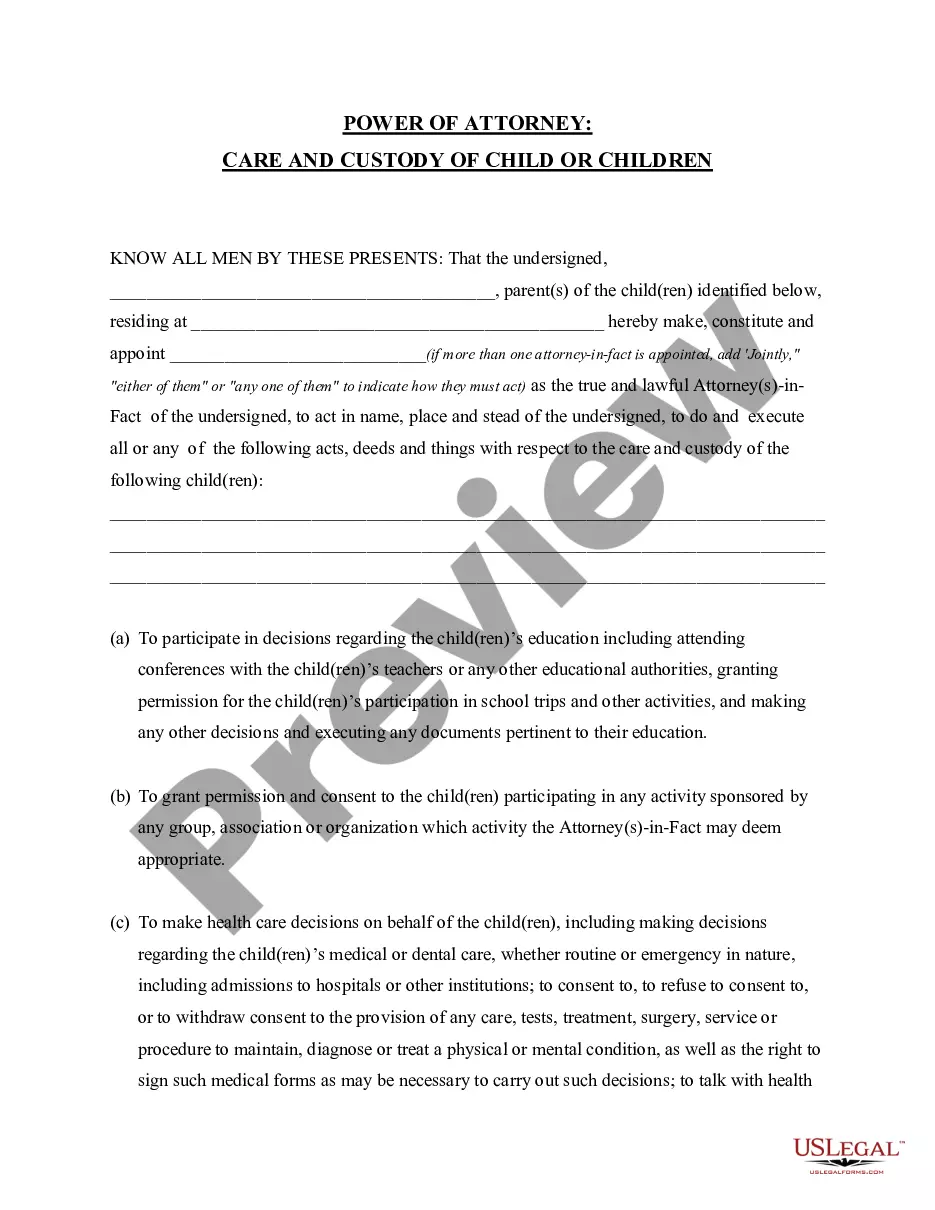
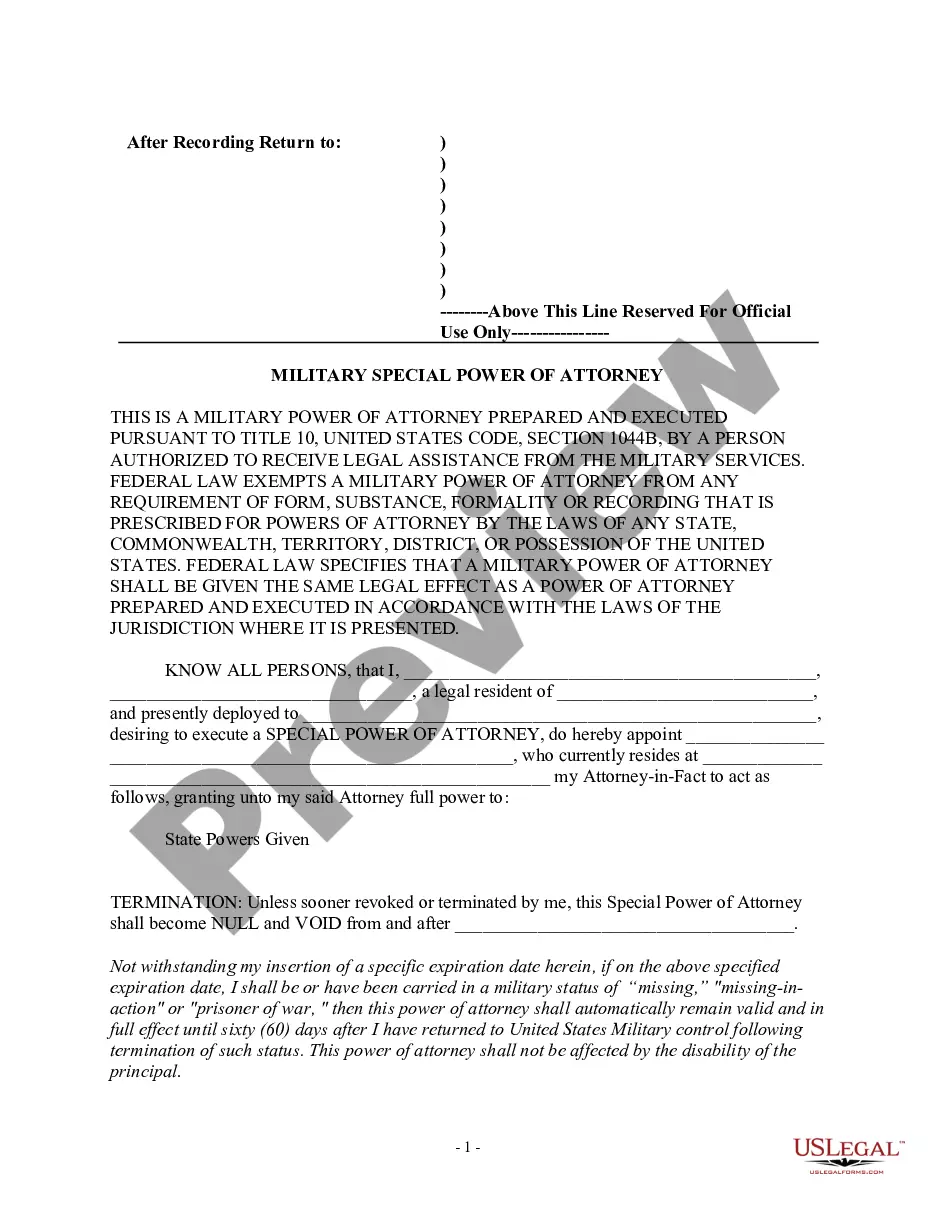
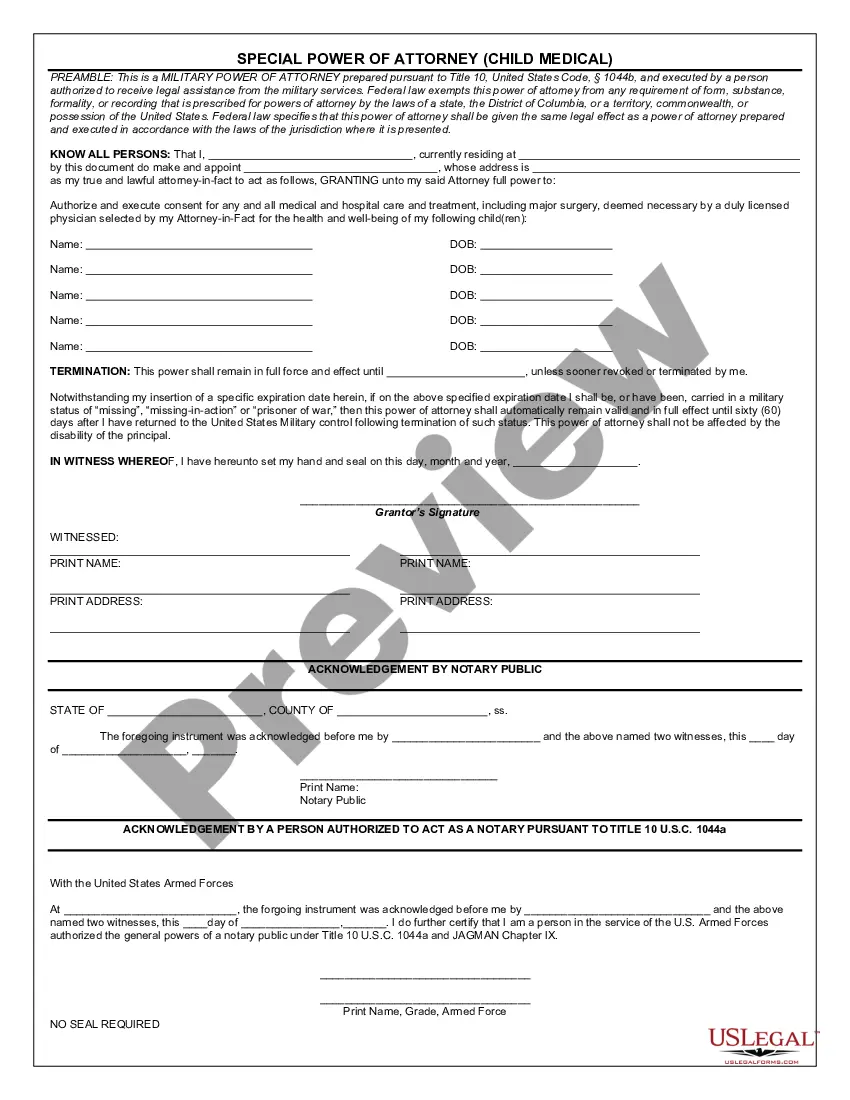
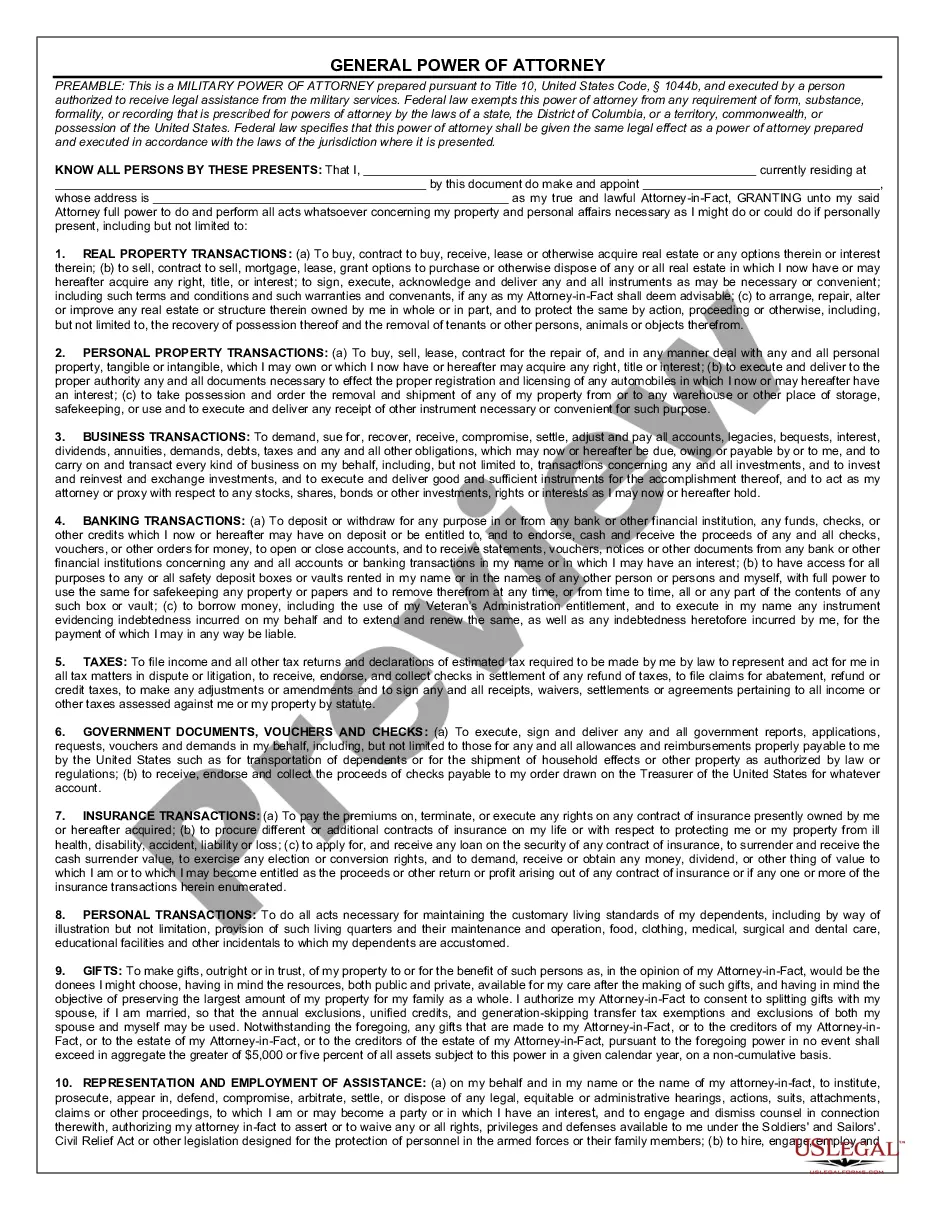
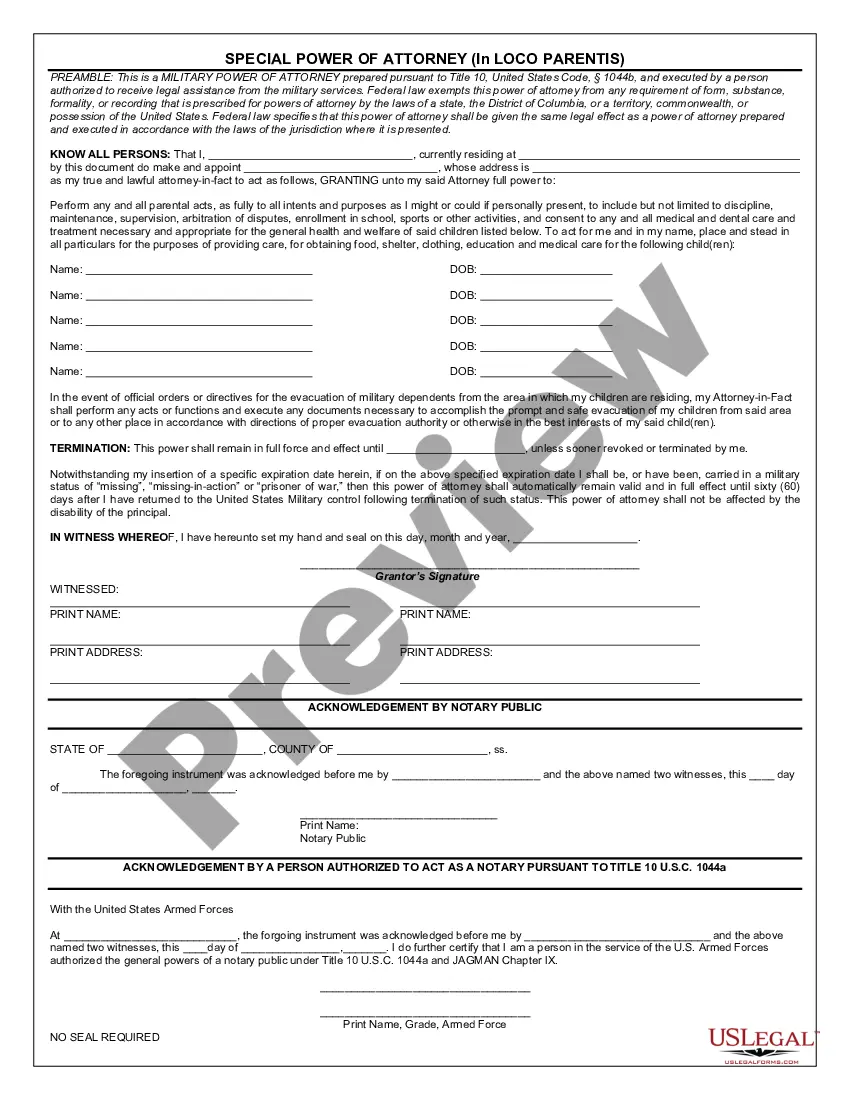
The General Power of Attorney for Care and Custody of Child or Children is a legal document that enables parents to appoint an attorney-in-fact to make decisions about the care and custody of their child or children. This form is crucial for outlining responsibilities related to education, health care, and general welfare. Unlike other power of attorney forms, this one specifically addresses the unique needs of minor children and the authority given to the designated representative.
Form components explained
- The identity of the parent(s) granting power of attorney.
- The name(s) of the attorney(s)-in-fact appointed to care for the child(ren).
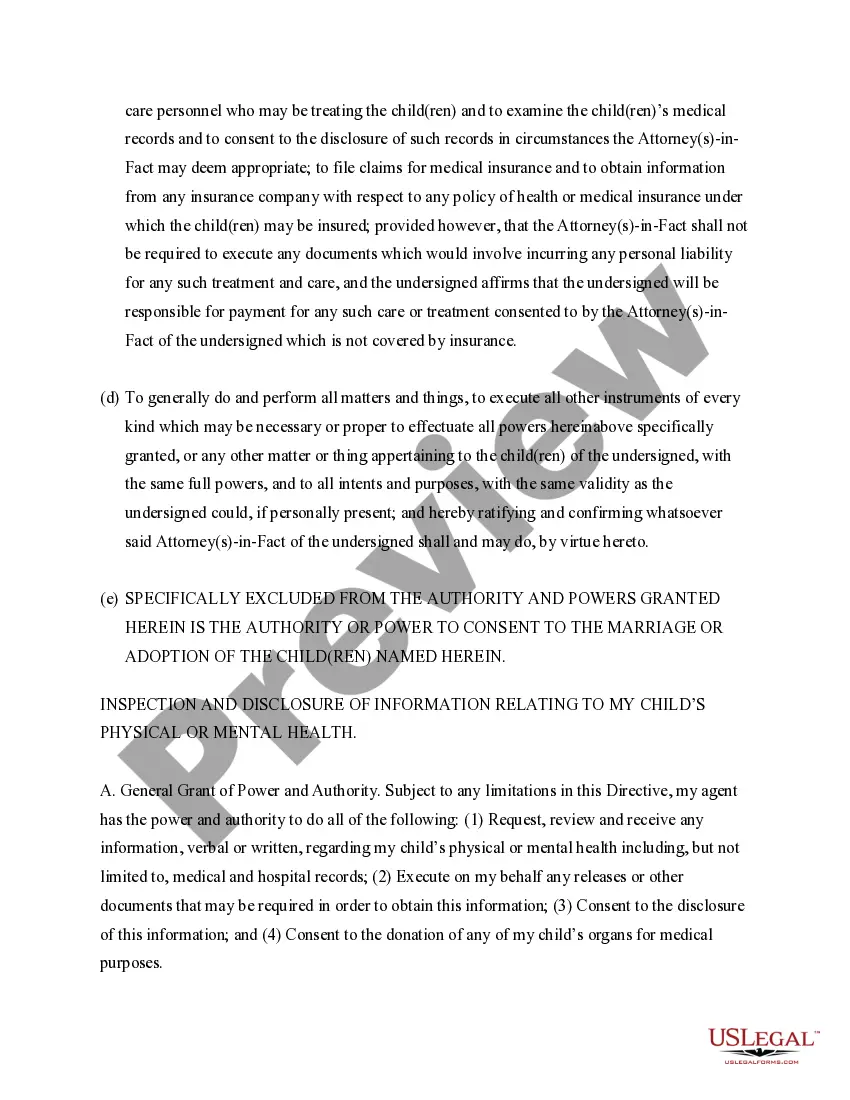
- Details on the specific powers granted, including educational and health care decisions.
- Exclusions from authority, such as consent to marriage or adoption.
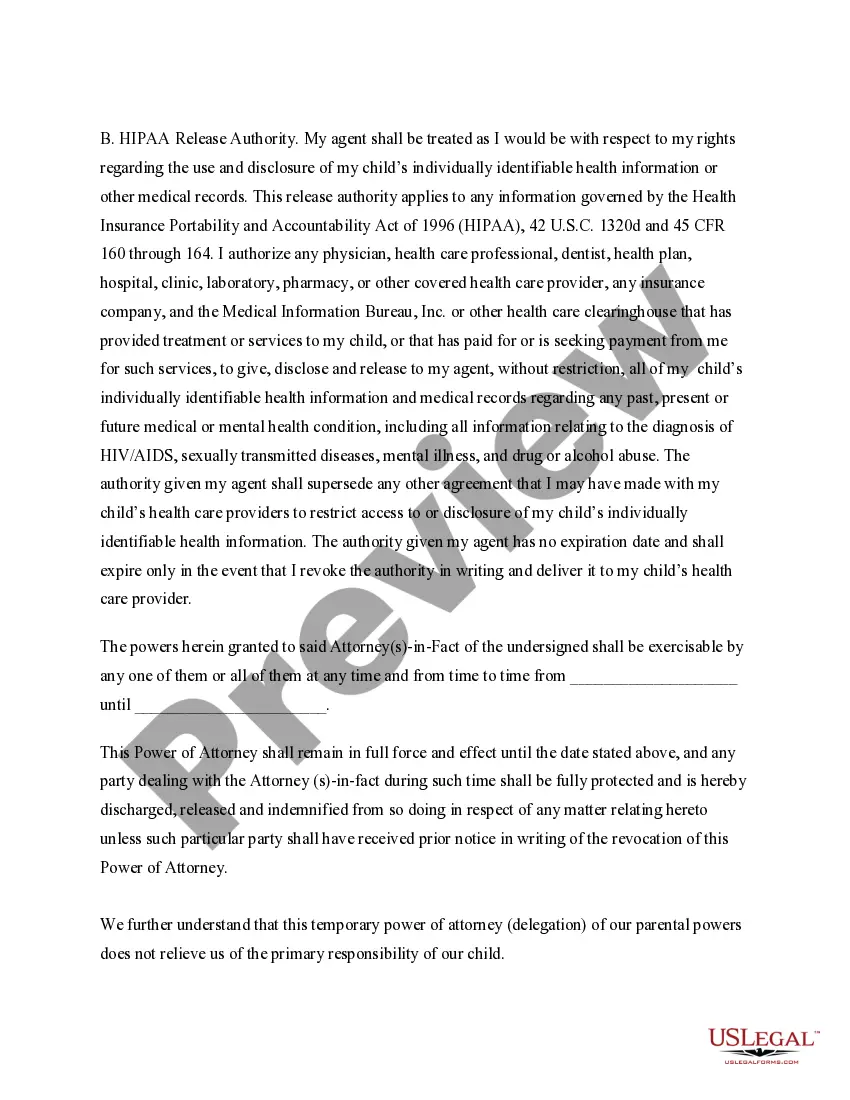
- HIPAA release authority regarding the child's medical information.
- The effective date and duration of the power of attorney.
Common use cases
You may need to use this General Power of Attorney for Care and Custody of Child or Children in various situations, such as when you are temporarily unable to care for your child due to travel, medical emergencies, or other obligations. It is especially useful for single parents, guardians, or caregivers who need to ensure that appropriate decisions regarding the child(ren) can be made in their absence.
Who should use this form
This form is intended for:
- Parents or legal guardians who need to delegate parental authority.
- Single parents who require someone to act on their behalf.
- Caregivers who need temporary authority for child-related matters.
- Individuals who want to ensure continuity of care in case of emergencies.
How to complete this form
- Identify the parent(s) and their address at the top of the document.
- Clearly list the name(s) of the attorney(s)-in-fact being appointed.
- Specify the child(ren)'s full names for whom the power is granted.
- Detail the specific powers being granted, including health care and educational decisions.
- Include the effective date for the power of attorney and the expiration date if applicable.
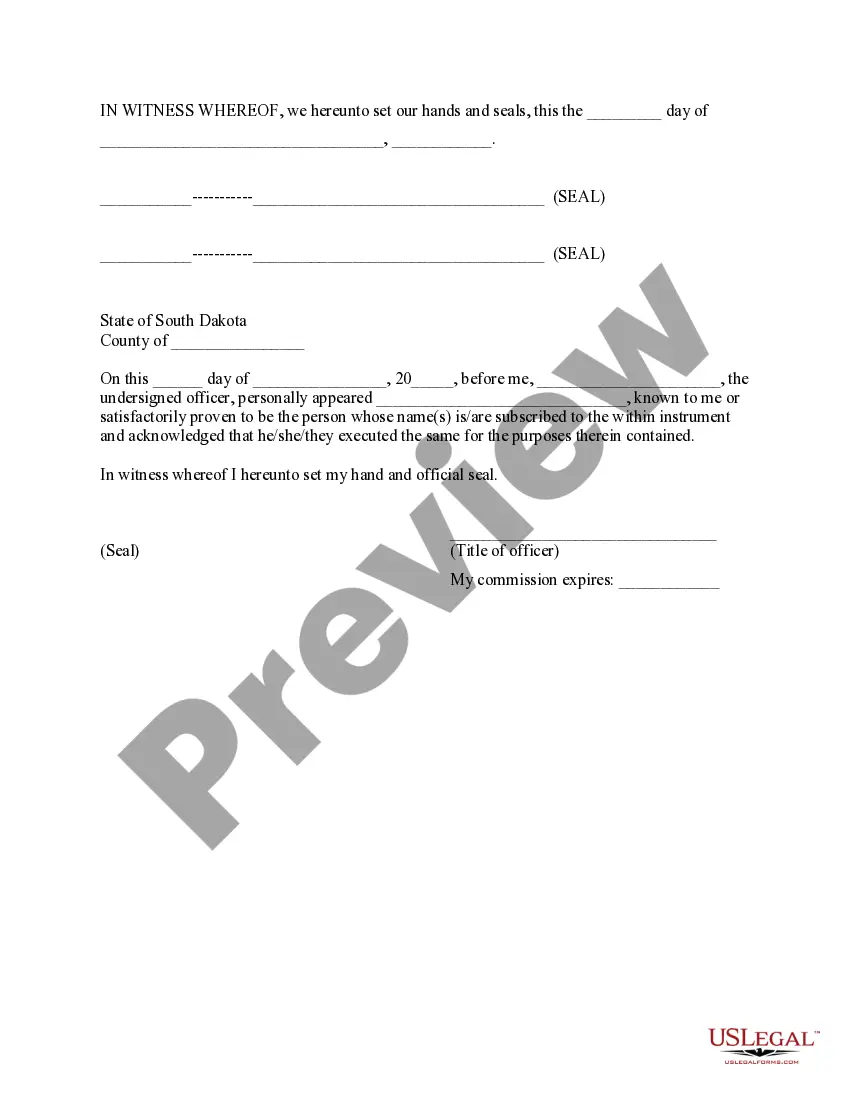
- Sign the document in front of a notary public to ensure legality.
Notarization guidance
This form needs to be notarized to ensure legal validity. US Legal Forms provides secure online notarization powered by Notarize, allowing you to complete the process through a verified video call, available anytime.
Get your form ready online
Our built-in tools help you complete, sign, share, and store your documents in one place.
Make edits, fill in missing information, and update formatting in US Legal Forms—just like you would in MS Word.
Download a copy, print it, send it by email, or mail it via USPS—whatever works best for your next step.
Sign and collect signatures with our SignNow integration. Send to multiple recipients, set reminders, and more. Go Premium to unlock E-Sign.
If this form requires notarization, complete it online through a secure video call—no need to meet a notary in person or wait for an appointment.
We protect your documents and personal data by following strict security and privacy standards.

Make edits, fill in missing information, and update formatting in US Legal Forms—just like you would in MS Word.

Download a copy, print it, send it by email, or mail it via USPS—whatever works best for your next step.

Sign and collect signatures with our SignNow integration. Send to multiple recipients, set reminders, and more. Go Premium to unlock E-Sign.

If this form requires notarization, complete it online through a secure video call—no need to meet a notary in person or wait for an appointment.

We protect your documents and personal data by following strict security and privacy standards.
Typical mistakes to avoid
- Failing to clearly identify all parties involved, especially the children.
- Not specifying the powers granted in sufficient detail.
- Omitting the expiration date, which can lead to confusion about its duration.
- Not obtaining notarization, if required.
Benefits of completing this form online
- Convenience of downloading and filling out the form at your own pace.
- Editable options to customize the form as necessary.
- Access to reliable legal templates vetted by licensed attorneys.
- Easy access to legal resources and support during the completion process.
Summary of main points
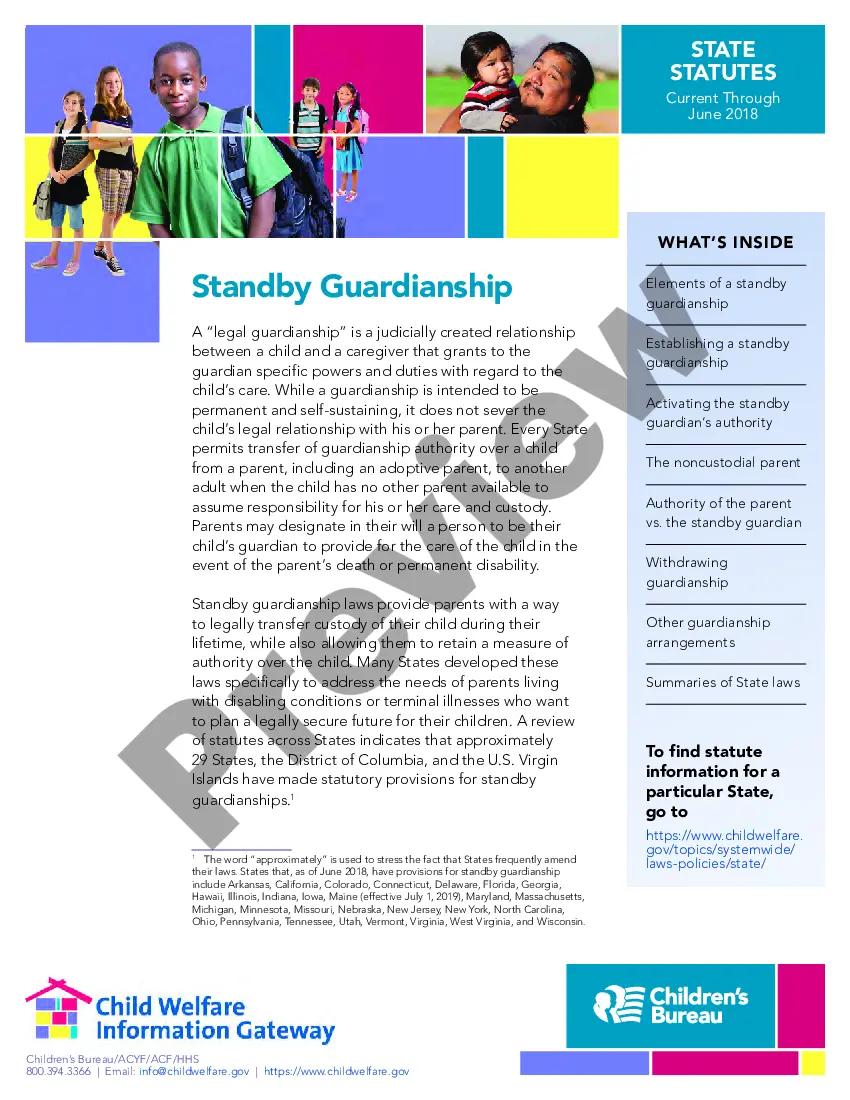
- The General Power of Attorney for Care and Custody of Child or Children allows parents to designate someone to make important decisions for their child.
- This form should be completed with clear authority specifications and notarized for legality.
- Ensure that the designated attorney(s)-in-fact are fully informed about their roles and responsibilities.
Looking for another form?
Form popularity
FAQ
The custody of a boy or an unmarried girl below the age of 18 years and above the age of 5 years shall be given to the father of the child as he is considered to be the natural guardian and only after his death, the custody shall be given to the mother.
Drug or alcohol abuse. Physical abuse or neglect. Mental health issues. Money issues. Stability of the home.
The most important factor in deciding who gets custody is the best interests of each child. To find out what is in a child's best interest, judges consider these factors, among others:children's physical and mental health. physical and mental health of the parent who wants custody.
If you have sole physical custody, it is not legal for the other parent to take your child from you. Sometimes taking your child from you is a crime, like "parental kidnapping." But if you are married, and there is no court order of custody, it is legal for the other parent to take your child.