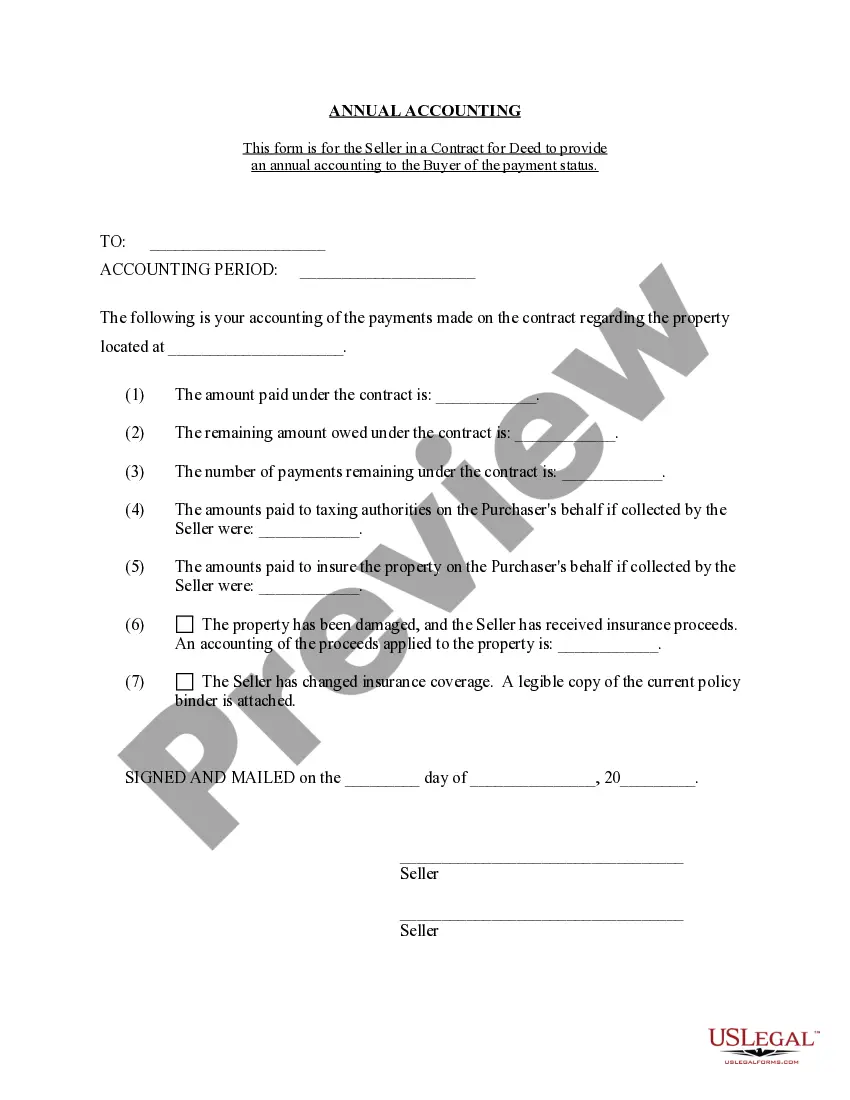
South Dakota Contract for Deed Seller's Annual Accounting Statement
Understanding this form
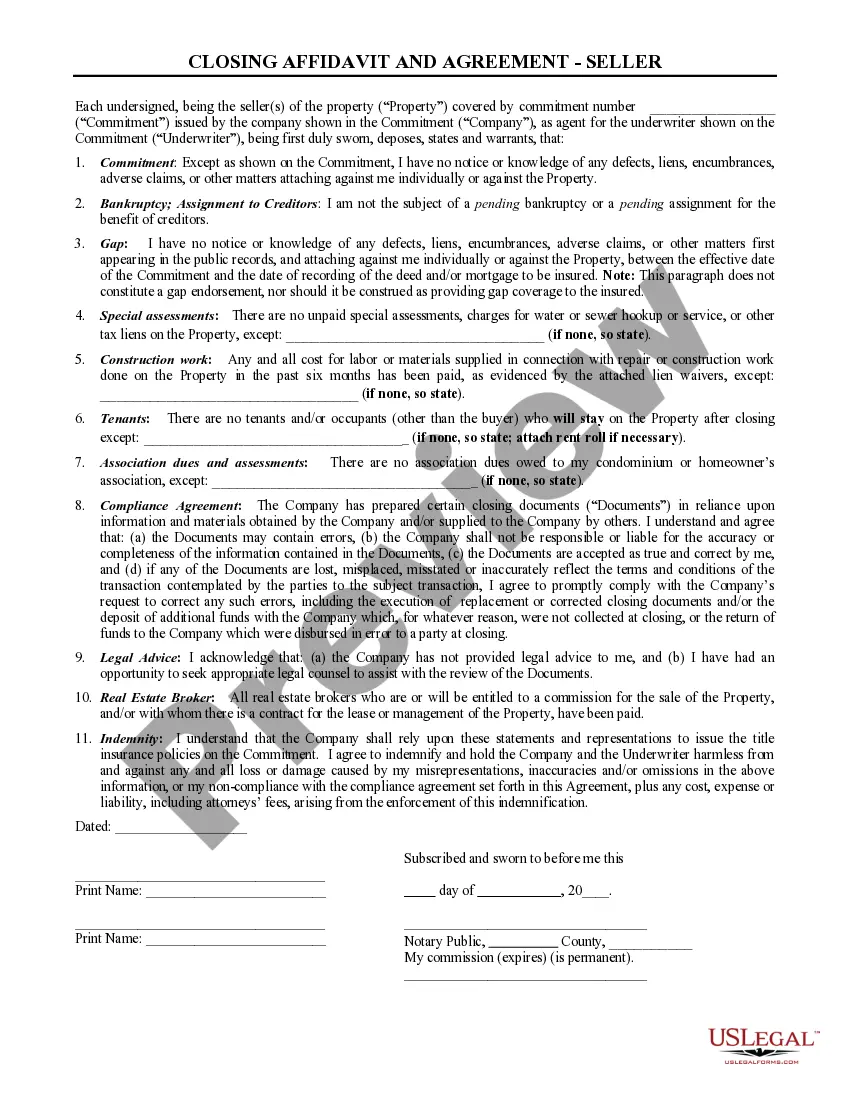
The Contract for Deed Seller's Annual Accounting Statement is a critical document that informs the Purchaser about the total number and amount of payments received toward the purchase price and interest in a contract for deed arrangement. This sellerâs annual accounting statement is distinct from other financial statements as it specifically itemizes the payment details related to the contract for deed, ensuring transparency and accountability between the seller and the purchaser.
What’s included in this form
- Recipient information: includes details of the purchaser to whom the statement is sent.
- Total payments received: states the aggregate amount of all payments made during the year.
- Interest calculated: specifies the interest accrued based on the payments received.
- Dates of payments: outlines the dates on which payments were made throughout the year.
- Seller's signature: confirms the accuracy and legitimacy of the information provided in the statement.

Situations where this form applies
This form is used annually by sellers of property involved in a contract for deed. It is necessary for providing purchasers with a complete overview of their payment history, which can be important for tax reporting, refinancing, or simply for tracking the status of the contract. It is recommended that sellers send this statement at the end of each year to maintain clear communication and documentation of financial transactions related to the property.
Who should use this form
- Sellers who have entered into a contract for deed with a purchaser.
- Purchasers who seek an official statement detailing their payment history for the contract.
- Real estate agents or attorneys who assist sellers and purchasers in managing contract for deed transactions.
How to complete this form
- Gather all payment records for the year to ensure accurate reporting.
- Fill in the recipient information to clearly identify the purchaser.
- Calculate the total amount of payments received and list this figure.
- Detail the interest accrued based on the applicable rate and total payments received.
- Sign and date the document to validate the information provided.
Does this document require notarization?
This form does not typically require notarization unless specified by local law. It is important to check your jurisdiction's legal requirements to ensure compliance.
Get your form ready online
Our built-in tools help you complete, sign, share, and store your documents in one place.
Make edits, fill in missing information, and update formatting in US Legal Forms—just like you would in MS Word.
Download a copy, print it, send it by email, or mail it via USPS—whatever works best for your next step.
Sign and collect signatures with our SignNow integration. Send to multiple recipients, set reminders, and more. Go Premium to unlock E-Sign.
If this form requires notarization, complete it online through a secure video call—no need to meet a notary in person or wait for an appointment.
We protect your documents and personal data by following strict security and privacy standards.

Make edits, fill in missing information, and update formatting in US Legal Forms—just like you would in MS Word.

Download a copy, print it, send it by email, or mail it via USPS—whatever works best for your next step.

Sign and collect signatures with our SignNow integration. Send to multiple recipients, set reminders, and more. Go Premium to unlock E-Sign.

If this form requires notarization, complete it online through a secure video call—no need to meet a notary in person or wait for an appointment.

We protect your documents and personal data by following strict security and privacy standards.
Common mistakes
- Forgetting to include all payment dates, which could lead to confusion.
- Incorrectly calculating total payments or interest, resulting in potential disputes.
- Not providing the statement in a timely manner, which can affect the purchaserâs financial planning.
Why use this form online
- Convenience of downloading and completing the form at your own pace.
- Editability allows for tailoring the form to your specific transaction details.
- Reliability of forms drafted by licensed attorneys to ensure legal compliance.
Main things to remember
- The Seller's Annual Accounting Statement is crucial for transparency between parties in a contract for deed.
- Accurate record-keeping of payments and interest ensures clarity and helps prevent disputes.
- Understanding how to correctly fill out this form is essential for compliance and effective communication.
Looking for another form?
Form popularity
FAQ
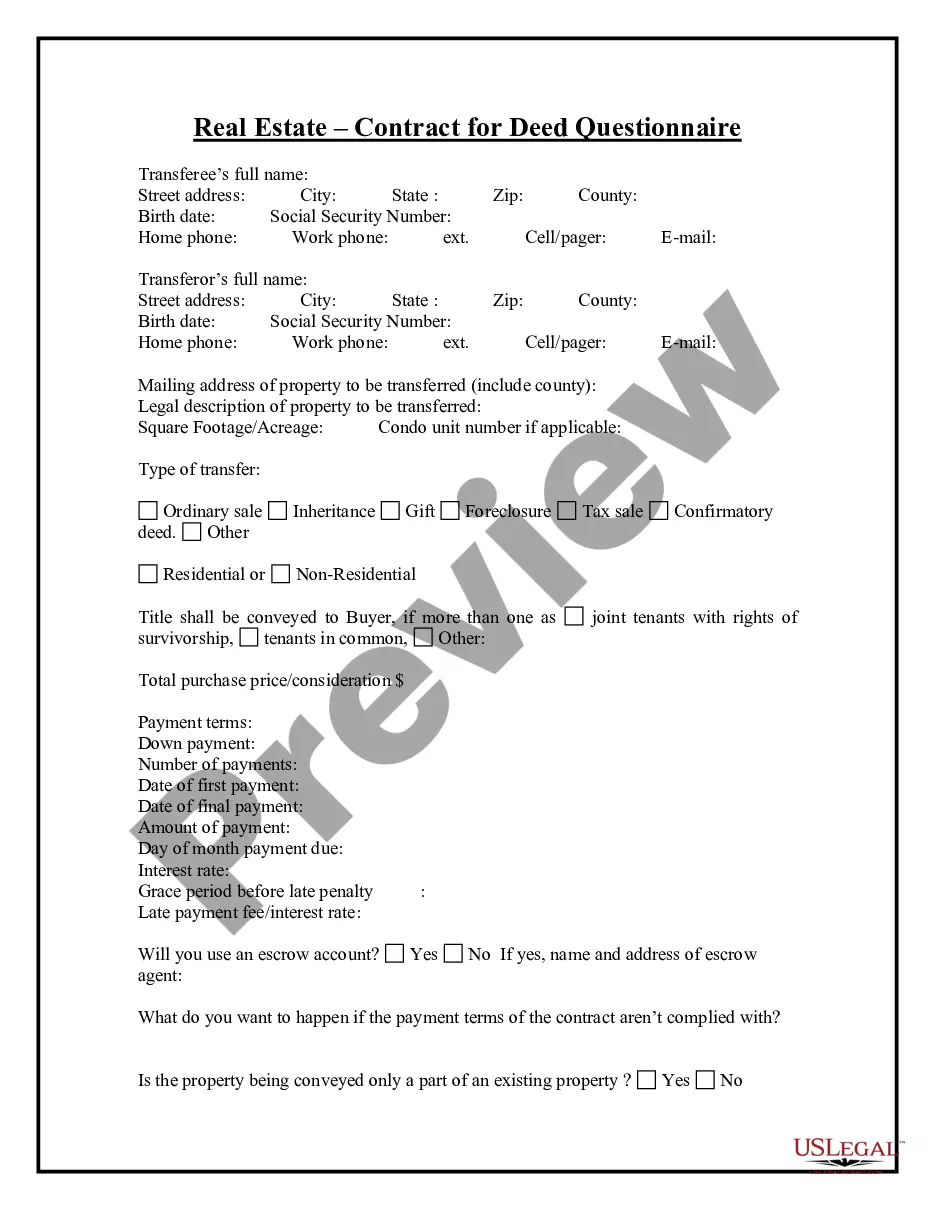
A contract for deed is a legal agreement for the sale of property in which a buyer takes possession and makes payments directly to the seller, but the seller holds the title until the full payment is made.
A: No, they are not. The Contract to Sell comes before a Deed of Sale, as the former serves as the basis for the latter. There is an act of finality when it comes to the Deed of Sale. On the other hand, the Contract to Sell requires that the parties first complete the conditions they agreed to.
The buyer should record the contract for deed with the county recorder where the land is located and does so normally within four months after the contract is signed, though the time may vary depending on state law.
Purchase price. Down payment. Interest rate. Number of monthly installments. Responsibilities of the buyer and seller. Legal remedies for the seller if the buyer does not make payments.
The buyer receives the deed from the seller and becomes the legal owner.A contract for deed is a contract where the seller remains the legal owner of the property and the buyer makes monthly payments to the seller to buy the house. The seller remains the legal owner of the property until the contract is paid.
The buyer must record the contract for deed with the county recorder where the land is located within four months after the contract is signed. Contracts for deed must provide the legal name of the buyer and the buyer's address.
In the first instance, if your deed is not recorded, there is nothing in the public record to stop the seller from conveying the property to another person.The second situation could happen if your seller fails to pay his or her debts and the seller's creditors file liens or judgments against your property.
Generally, contract for deed sellers use IRS Form 6252 to report installment sales in the year in which they take place. You also use Form 6252 during each year you receive income from your contract for deed.