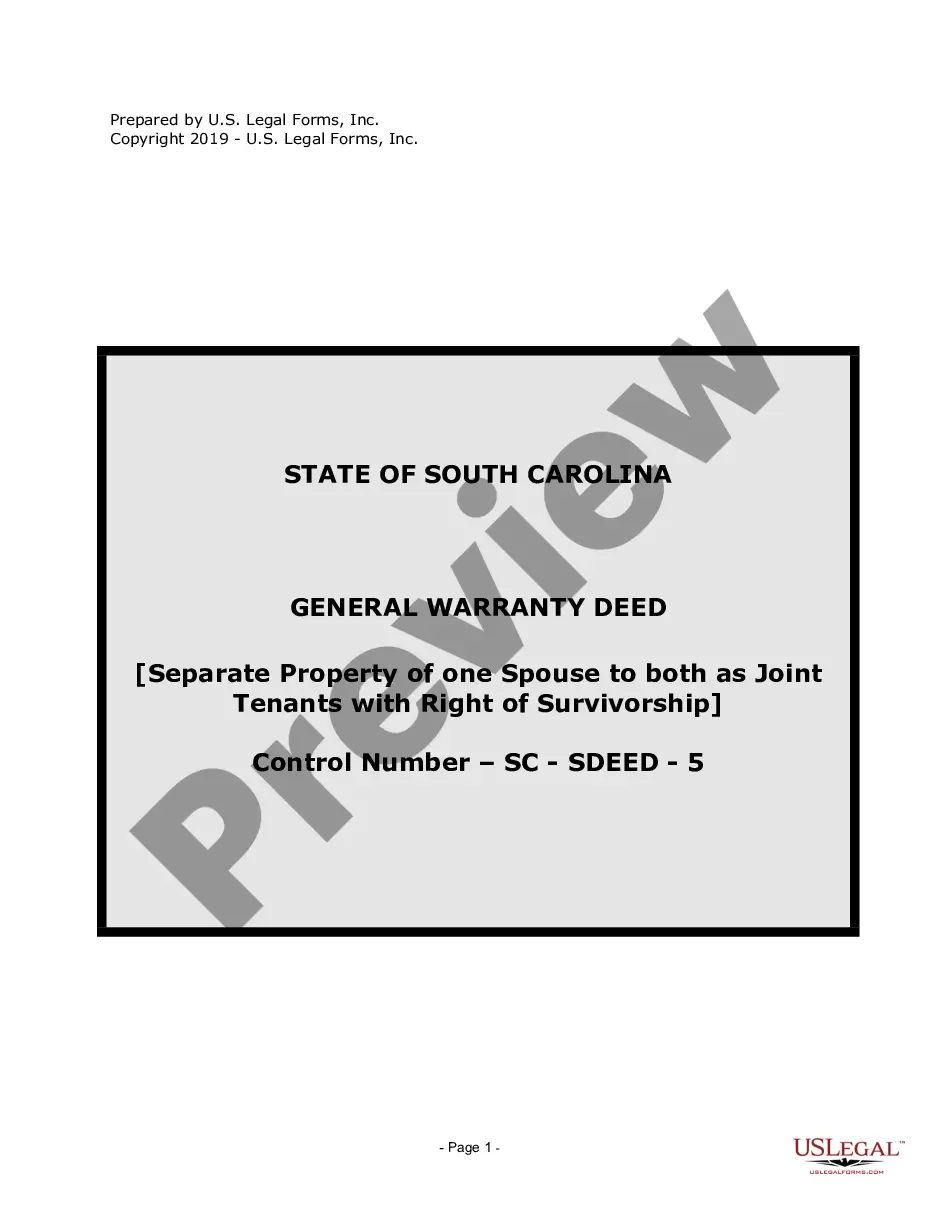
South Carolina Warranty Deed to Separate Property of One Spouse to Both Spouses as Joint Tenants
Overview of this form
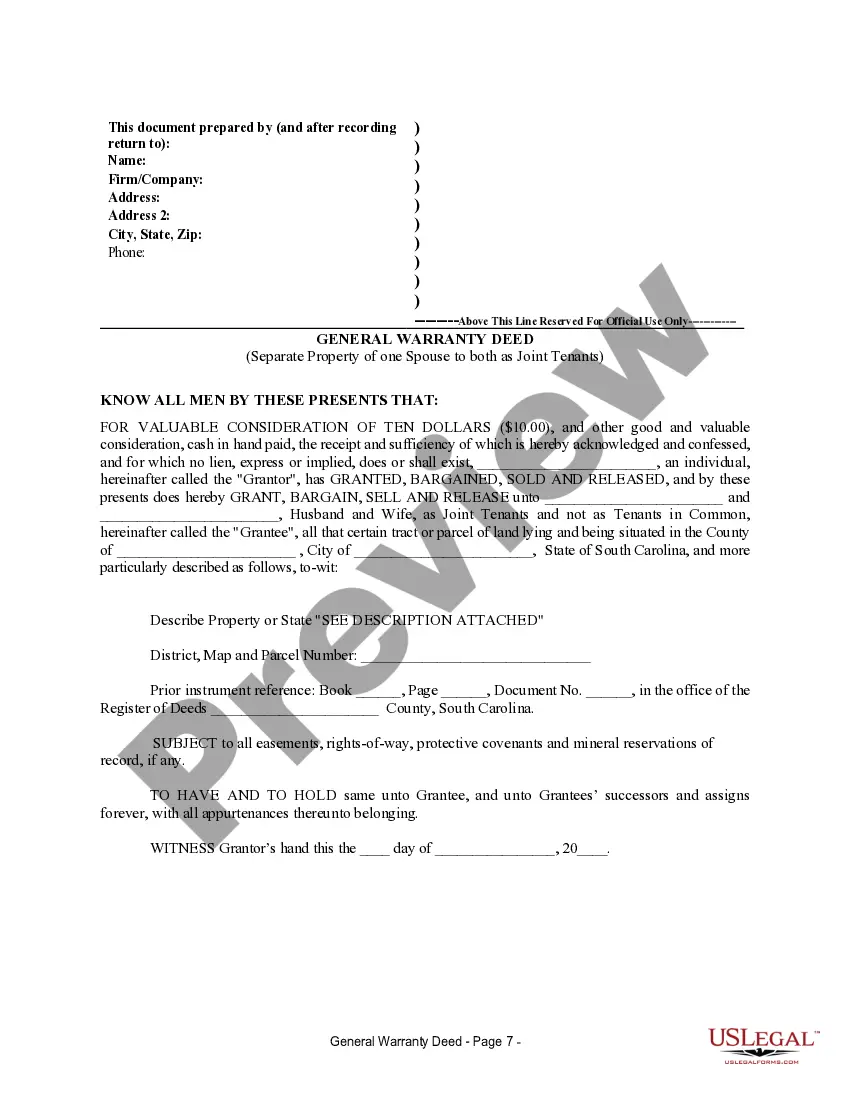
The Warranty Deed to Separate Property of One Spouse to Both Spouses as Joint Tenants is a legal document that allows one spouse to transfer ownership of their separate property to both spouses, establishing joint tenancy with the right of survivorship. This type of deed ensures that if one spouse passes away, the surviving spouse automatically inherits the property without going through probate, providing a clear legal benefit over other forms of property transfer, such as a standard warranty deed or quitclaim deed.
Key components of this form
- Grantor and Grantee details: Identify the spouse transferring the property and the spouse receiving it.
- Description of the property: Include complete legal description and location of the property.
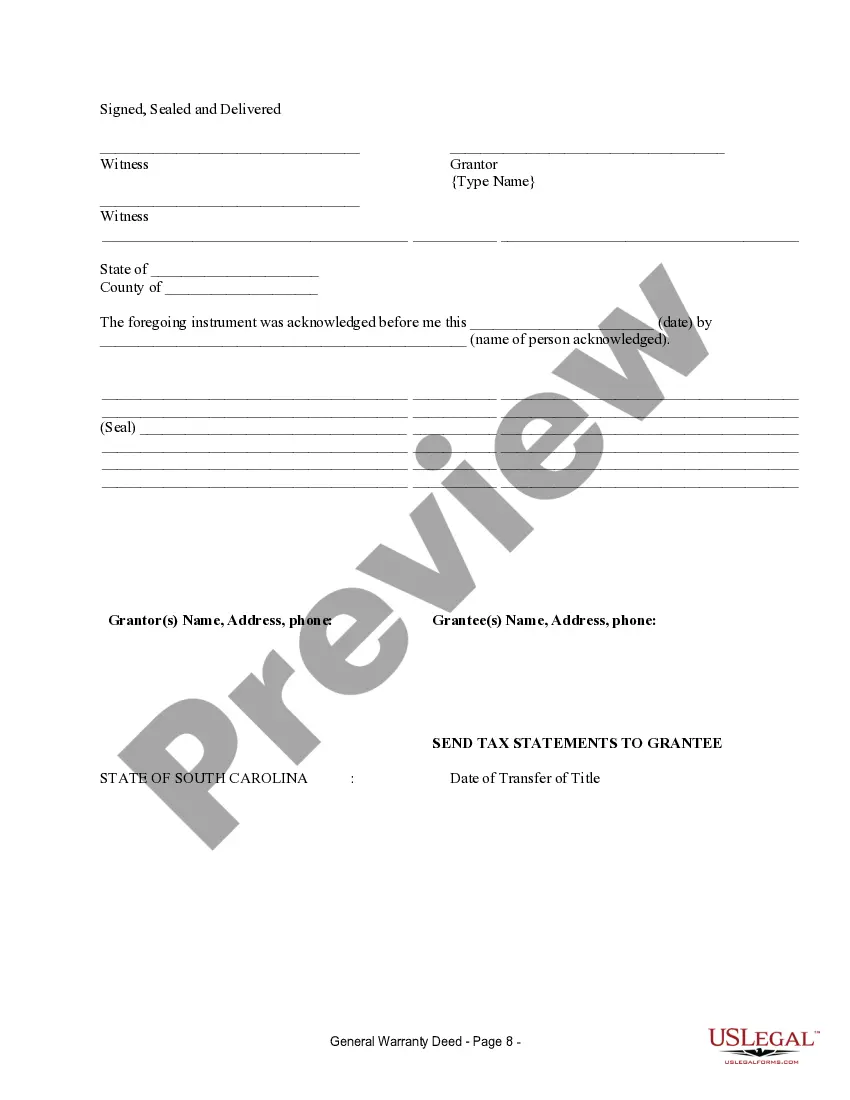
- Execution details: Specify the date of transfer and required signatures.
- Notarization requirements: Indicates if a notary public must witness the signing.
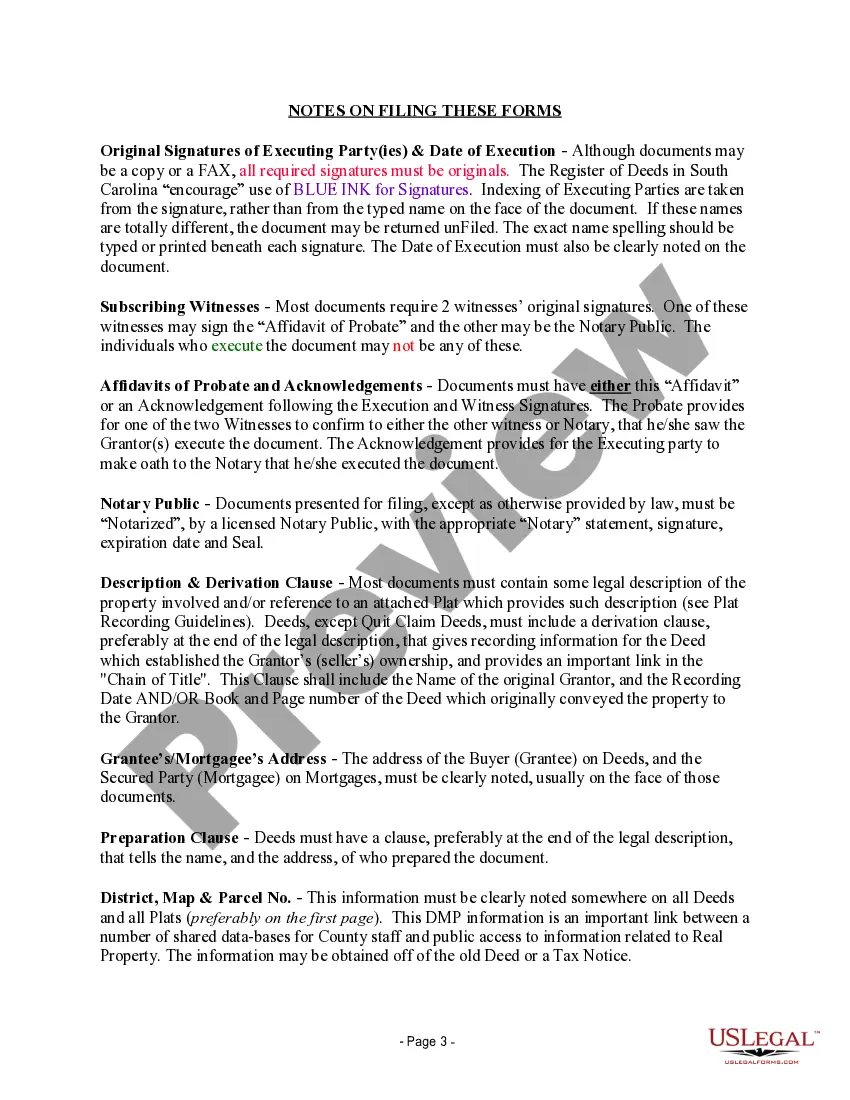
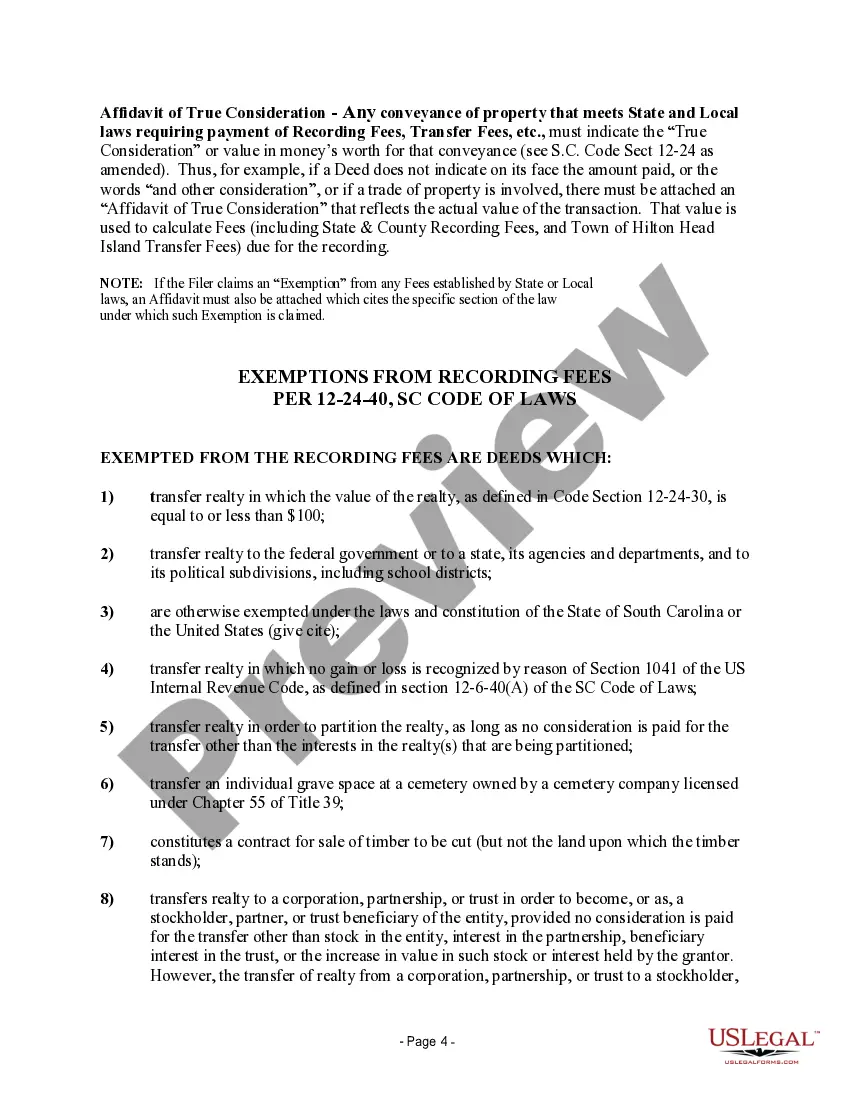
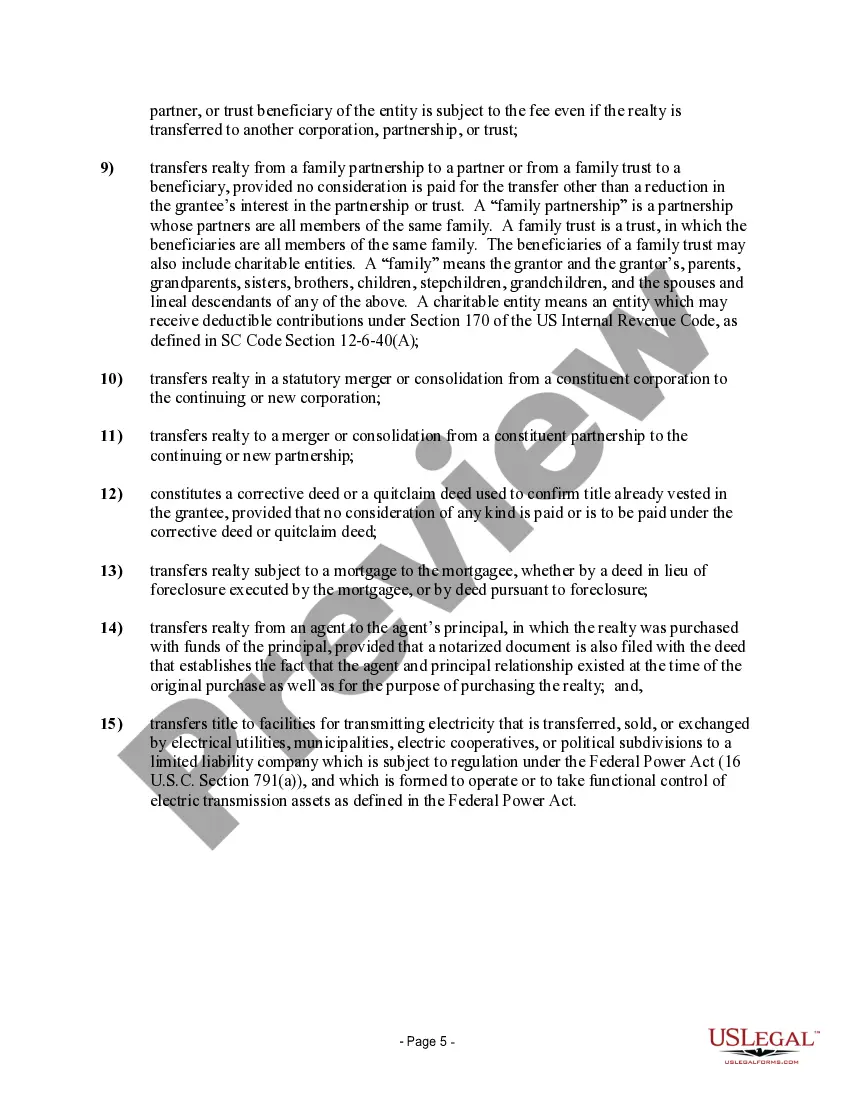
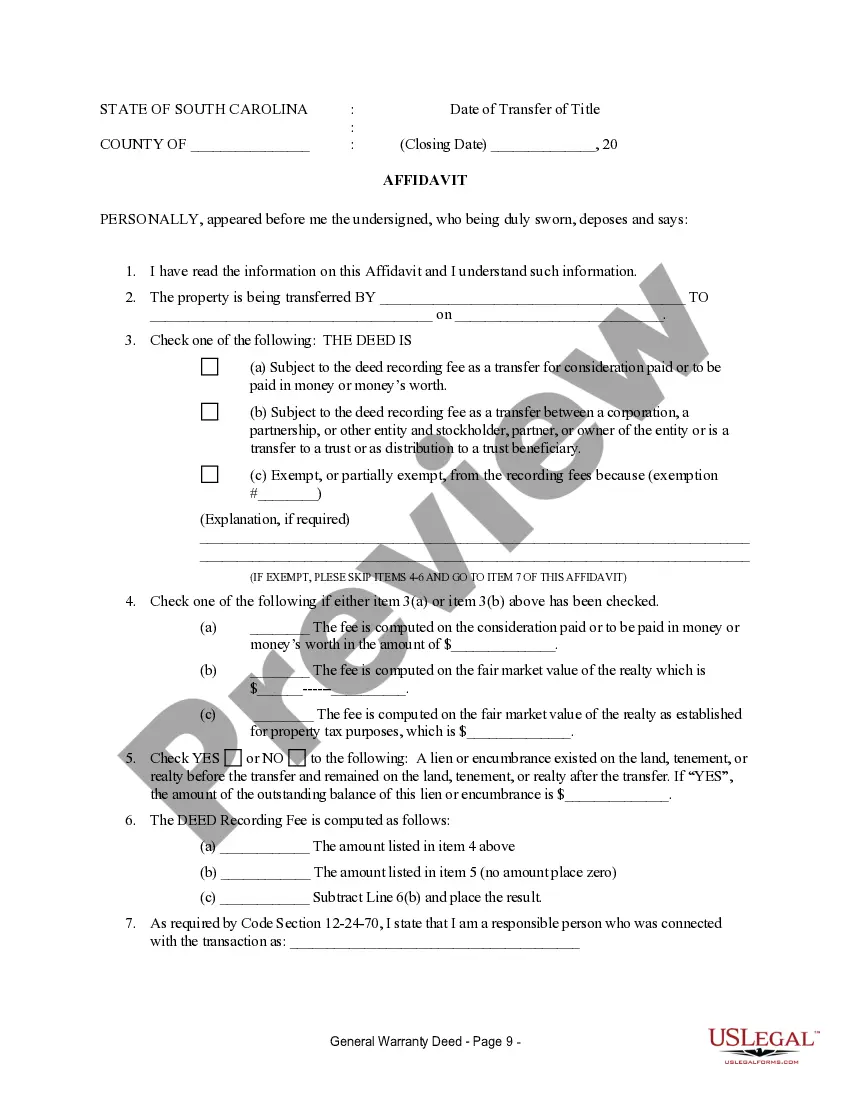
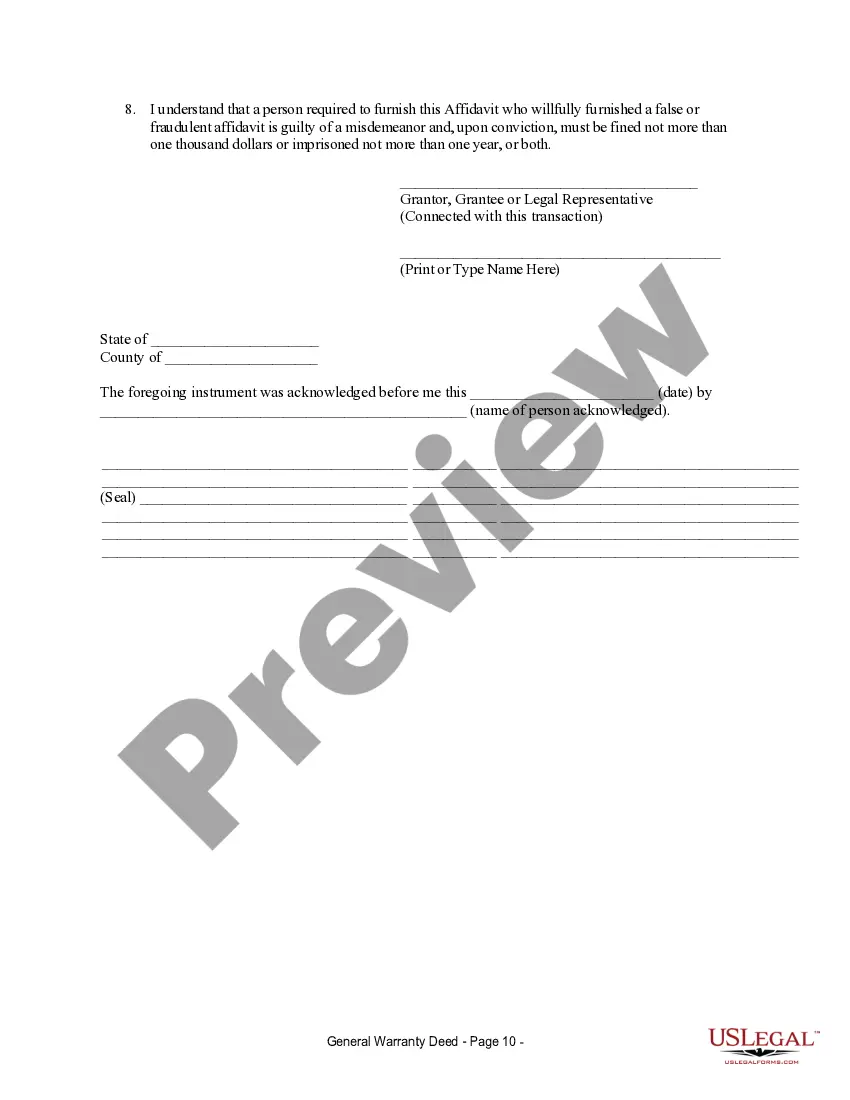
- Affidavit of True Consideration: If applicable, declare the amount paid or exemption from fees.




Situations where this form applies
This form is commonly used when one spouse wants to transfer their separate property to both spouses as joint tenants. This can occur during marital planning, such as deciding how to manage property in the event of a spouse's death. It may also be employed when couples seek to clarify property ownership or simplify the transfer of assets between them.
Who needs this form
- Married couples where one spouse owns property and wishes to include the other spouse as a joint owner.
- Individuals looking to ensure that their spouse will automatically inherit property upon their death.
- Couples engaged in estate planning to clarify ownership of separate property.
Steps to complete this form
- Identify the parties: Enter the names and addresses of the grantor and grantee.
- Specify the property: Include a complete legal description and any relevant parcel numbers.
- Enter dates: Clearly indicate the date of execution and when the transfer is to take effect.
- Signatures: Ensure that both the grantor and witnesses sign the form in the appropriate places.
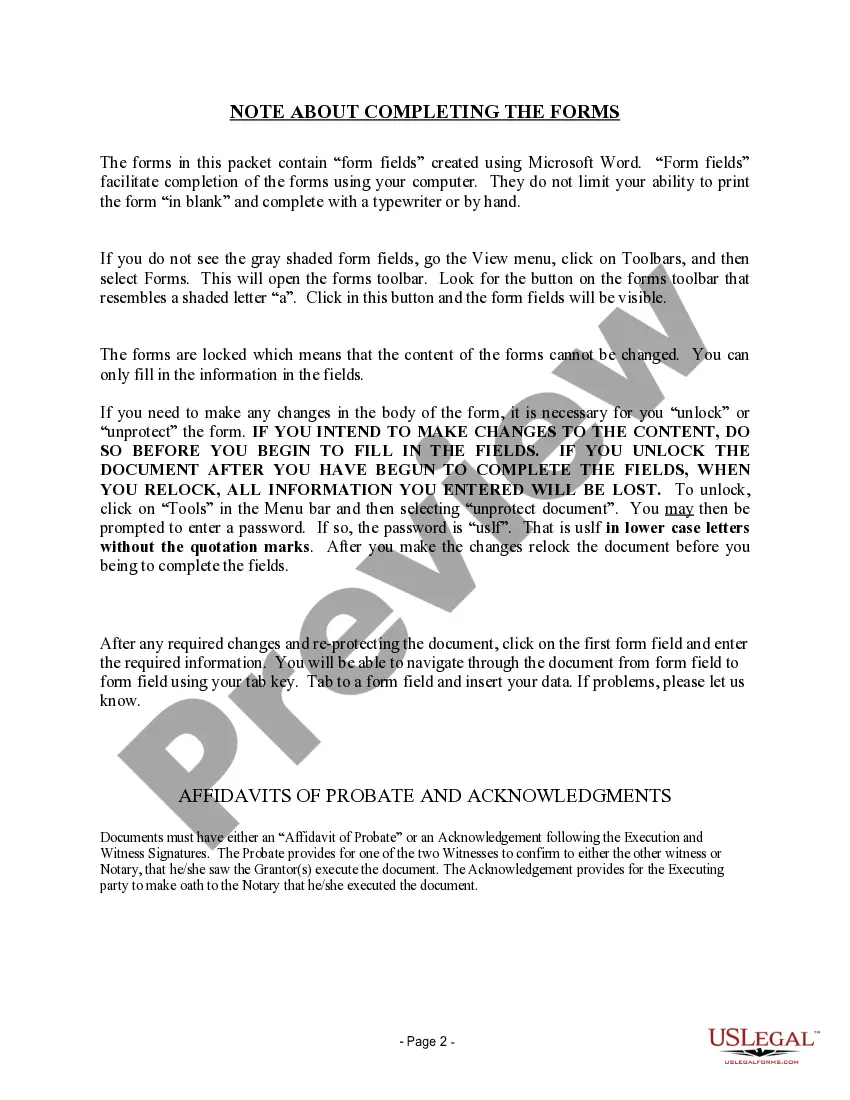
- Notarization: Have the document notarized if required, ensuring that the notary's information is included.
Notarization guidance
This form needs to be notarized to ensure legal validity. US Legal Forms provides secure online notarization powered by Notarize, allowing you to complete the process through a verified video call, available anytime.
Get your form ready online
Our built-in tools help you complete, sign, share, and store your documents in one place.
Make edits, fill in missing information, and update formatting in US Legal Forms—just like you would in MS Word.
Download a copy, print it, send it by email, or mail it via USPS—whatever works best for your next step.
Sign and collect signatures with our SignNow integration. Send to multiple recipients, set reminders, and more. Go Premium to unlock E-Sign.
If this form requires notarization, complete it online through a secure video call—no need to meet a notary in person or wait for an appointment.
We protect your documents and personal data by following strict security and privacy standards.

Make edits, fill in missing information, and update formatting in US Legal Forms—just like you would in MS Word.

Download a copy, print it, send it by email, or mail it via USPS—whatever works best for your next step.

Sign and collect signatures with our SignNow integration. Send to multiple recipients, set reminders, and more. Go Premium to unlock E-Sign.

If this form requires notarization, complete it online through a secure video call—no need to meet a notary in person or wait for an appointment.

We protect your documents and personal data by following strict security and privacy standards.
Mistakes to watch out for
- Failing to include all required signatures, such as those of witnesses and the notary.
- Using the incorrect legal description of the property, leading to potential disputes.
- Not specifying the right of survivorship clause clearly in the deed.
- Forgetting to notarize the document where required, which may invalidate the deed.
Key takeaways
- This warranty deed facilitates the transfer of separate property to both spouses as joint tenants.
- The form requires precise property descriptions and may need notarization for validity.
- Using this deed simplifies inheritance processes, ensuring automatic transfer upon a spouse's death.
Looking for another form?
Form popularity
FAQ
In California, most married couples hold real property (such as land and buildings) as joint tenants with right of survivorship.For instance, many married couples share real property as joint tenants. This way, upon the death of a spouse, the surviving spouse will own 100% share of the property.
Buying a home while legally married but separated from your former spouse is certainly possible, but there's some extra documentation needed and things to be aware of. First, your lender is going to require your legal separation agreement. If you have a property settlement agreement, they'll need that as well.
You can buy a house under one name, and most of the time couples do this because one partner's credit is bad. However, there are advantages to joint mortgages. You should carefully consider the pros and cons of buying a house under only one partner's name.
With a Survivorship Deed in place, when one of the parties in a joint tenancy dies, the other party (or parties) takes over the deceased party's interest in the property instead of it passing to the deceased's heirs or beneficiaries.
It's often easier to qualify for a joint mortgage, because both spouses can contribute income and assets to the application. However, if one spouse can qualify for a mortgage based on his own income and credit, the mortgage does not need to be in both spouses' names unless you live in a community property state.
If you're married do you have to get a joint mortgage? The simple answer is 'no'. Generally, most lenders want both applicants to be on the mortgage, but it's possible to get a single mortgage when you're married and still get the best interest rate available.
In California, all property bought during the marriage with income that was earned during the marriage is deemed "community property." The law implies that both spouses own this property equally, regardless of which name is on the title deed.
Married couples buying a house or refinancing their current home do not have to include both spouses on the mortgage.For example, one spouse's low credit score could make it harder to qualify or raise your interest rate. In those cases, it's better to leave one spouse off the home loan.
In a common-law state, you can apply for a mortgage without your spouse. Your lender won't be able to consider your spouse's financial circumstances or credit while determining your eligibility.If you and your partner were to split up, the home would be yours alone; you wouldn't have to split it with your spouse.