South Carolina General Durable Power of Attorney for Property and Finances or Financial Effective upon Disability

About this form
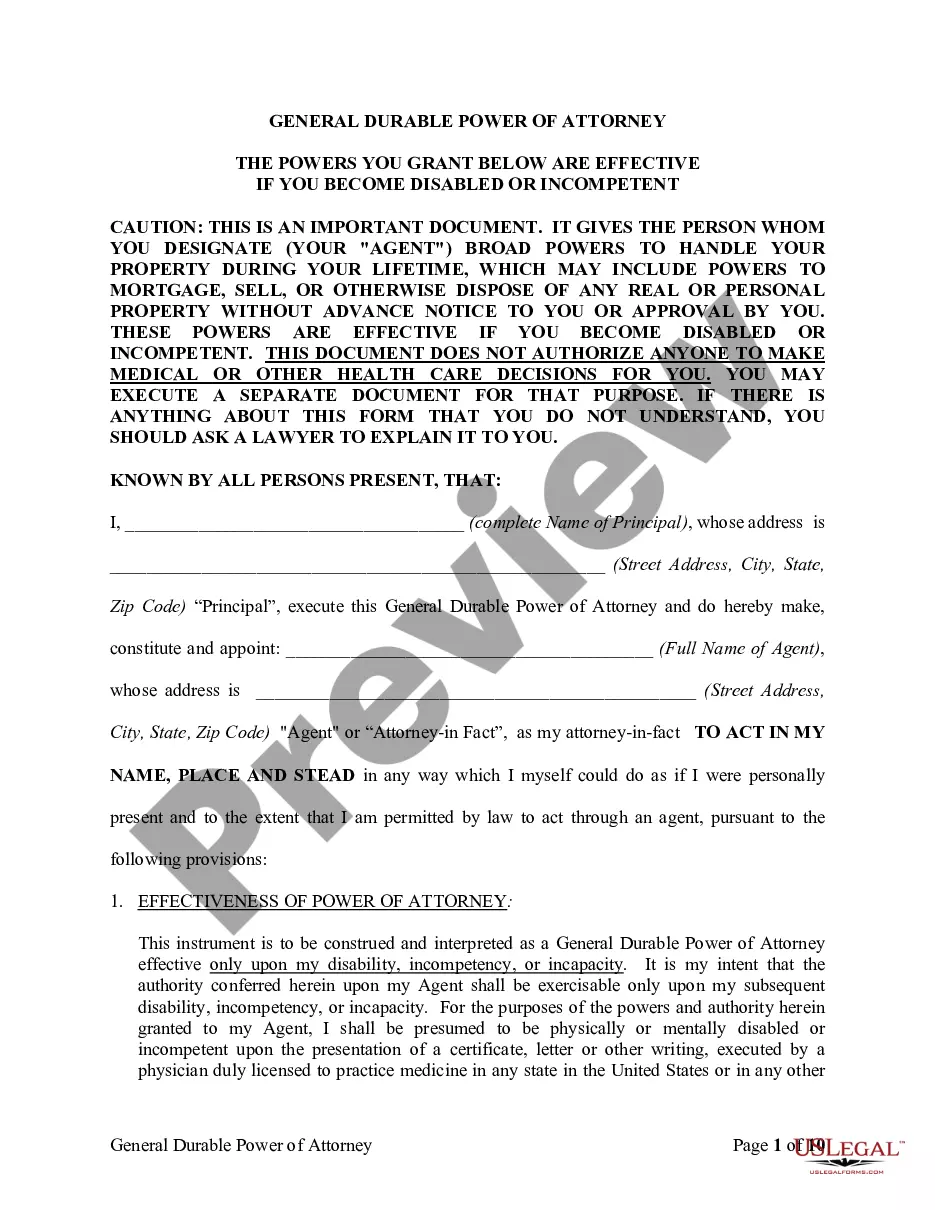
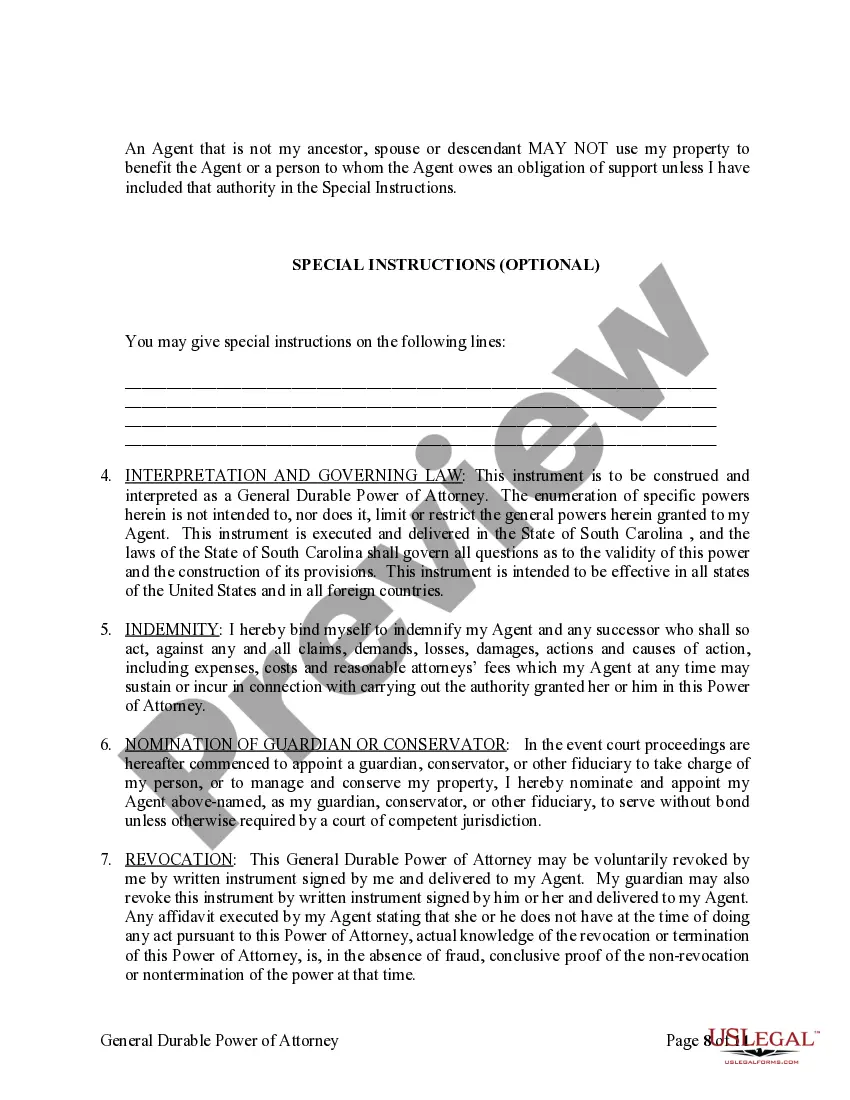
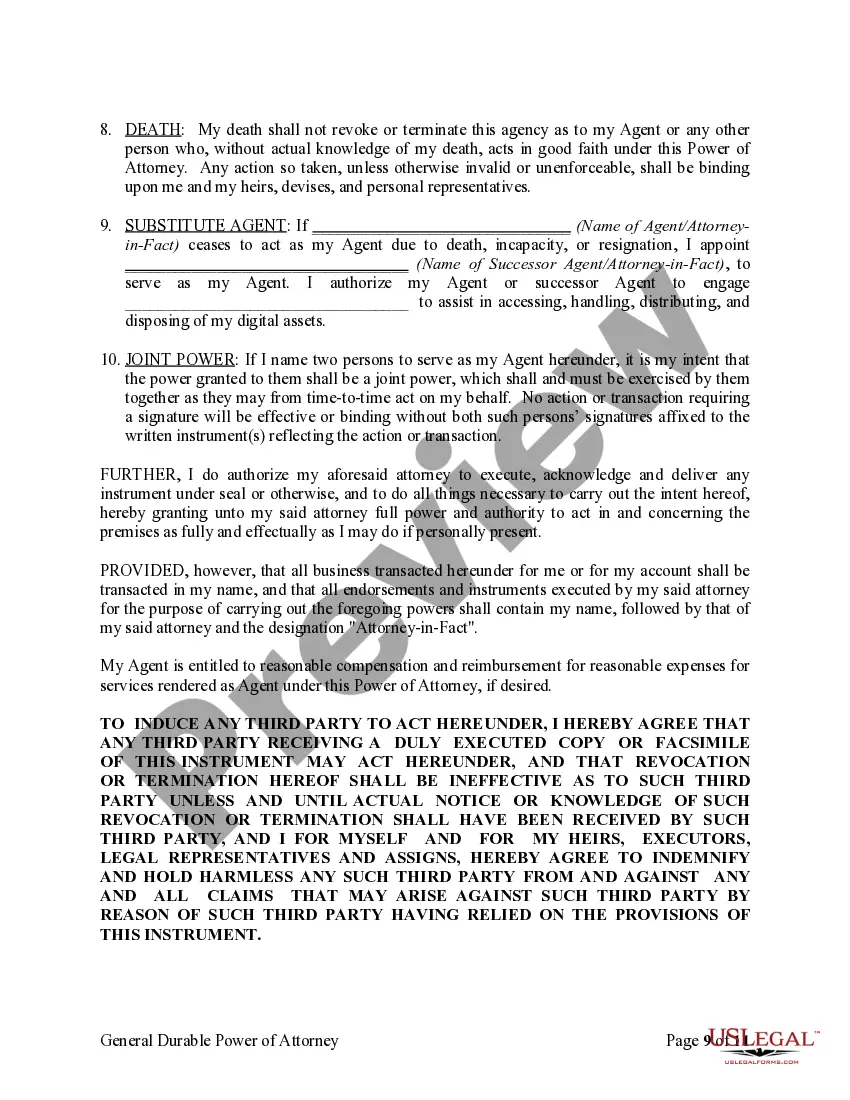
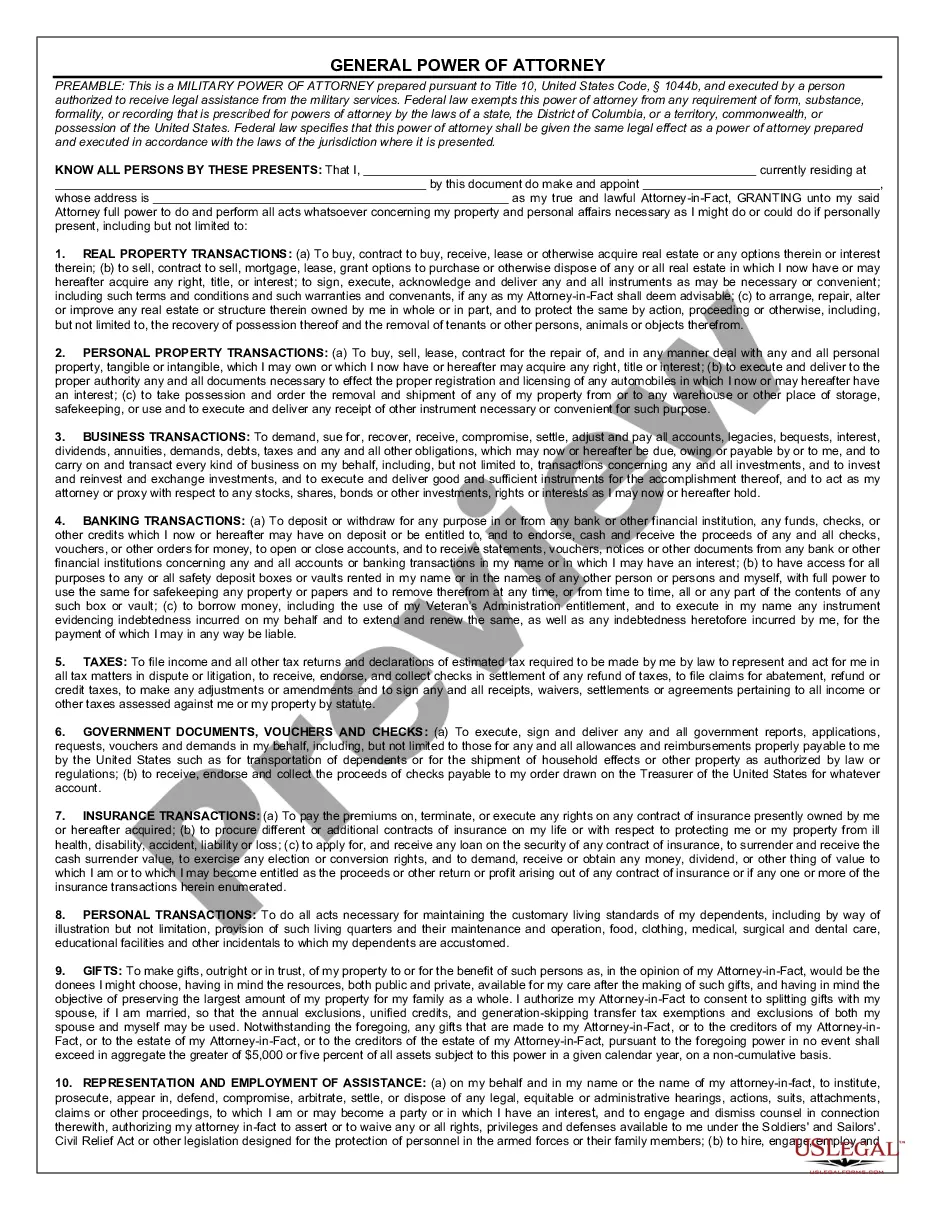
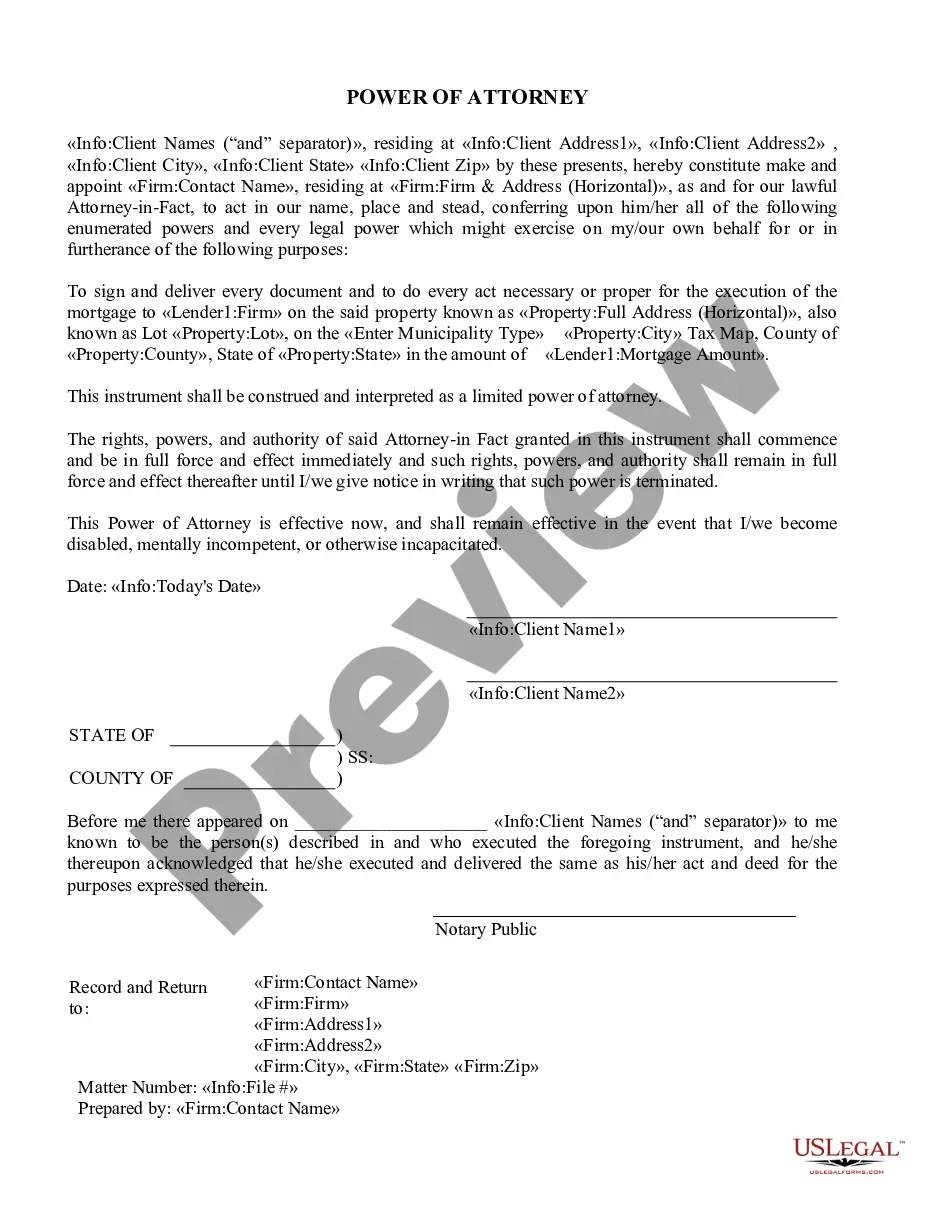
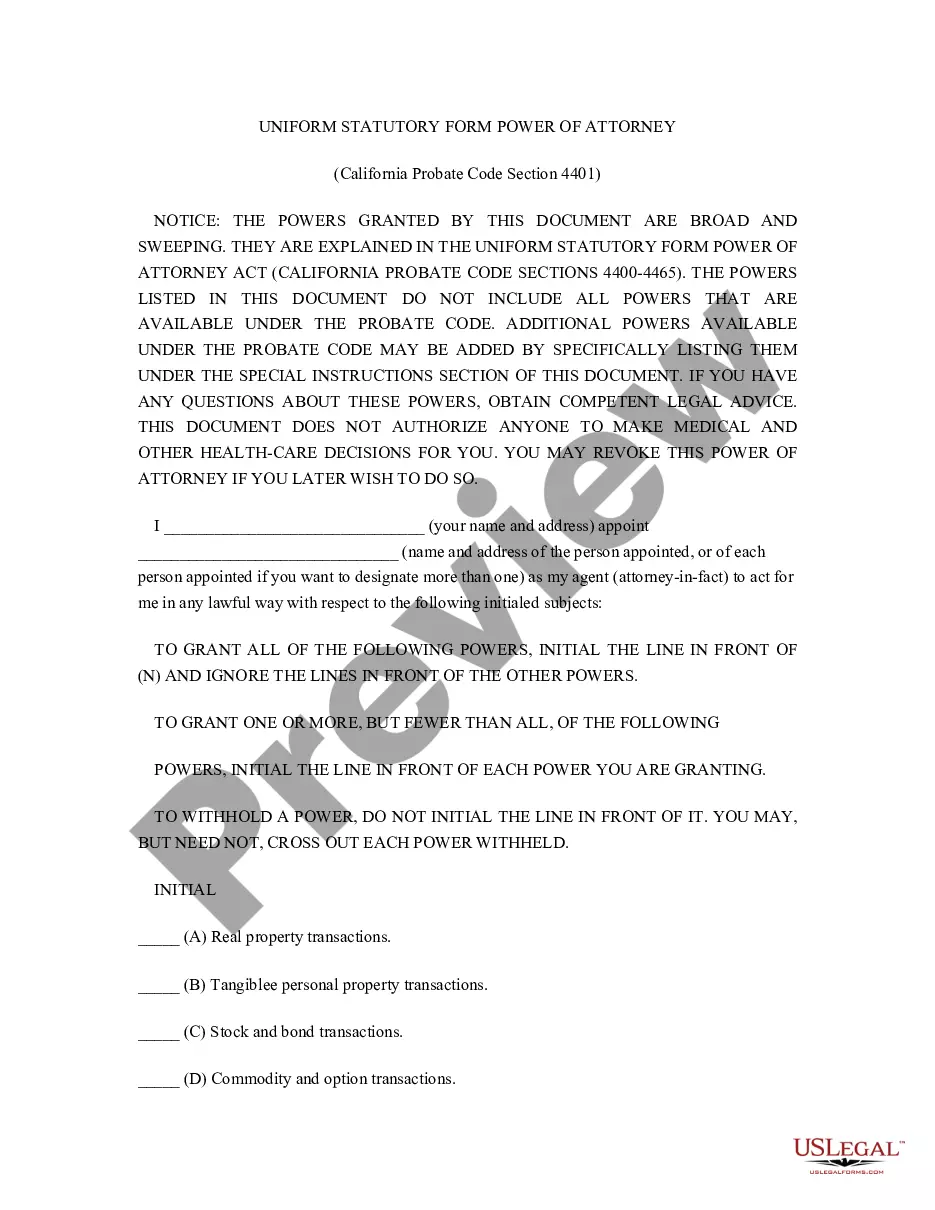
The General Durable Power of Attorney for Property and Finances, effective upon disability, allows you to designate an agent to make decisions about your finances and property if you become disabled or incapacitated. This form is essential for ensuring your financial affairs are managed according to your wishes when you can no longer do so. Unlike a standard power of attorney, this particular document only becomes effective when certain conditions affect your ability to make decisions, providing you further protection during challenging times.
Key parts of this document
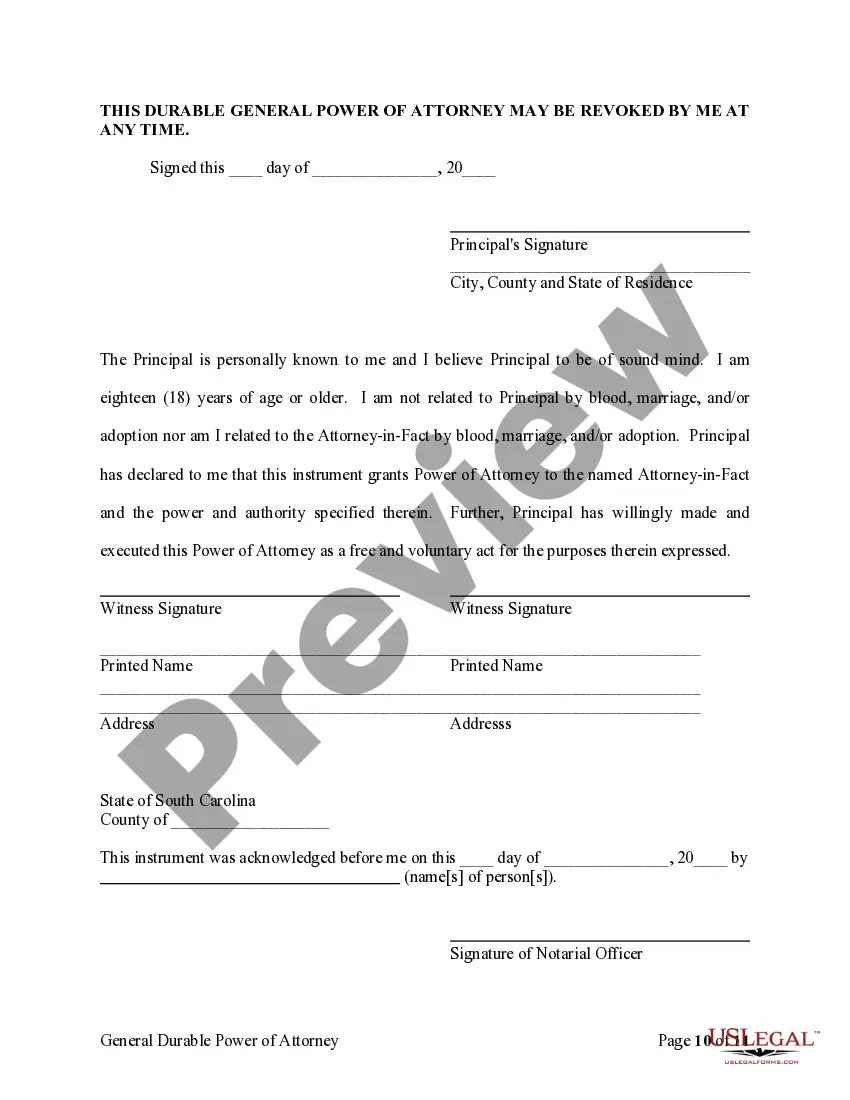
- Identification of the principal and agent, including addresses.
- Clear stipulation that powers are effective only upon the principal's disability or incapacity.
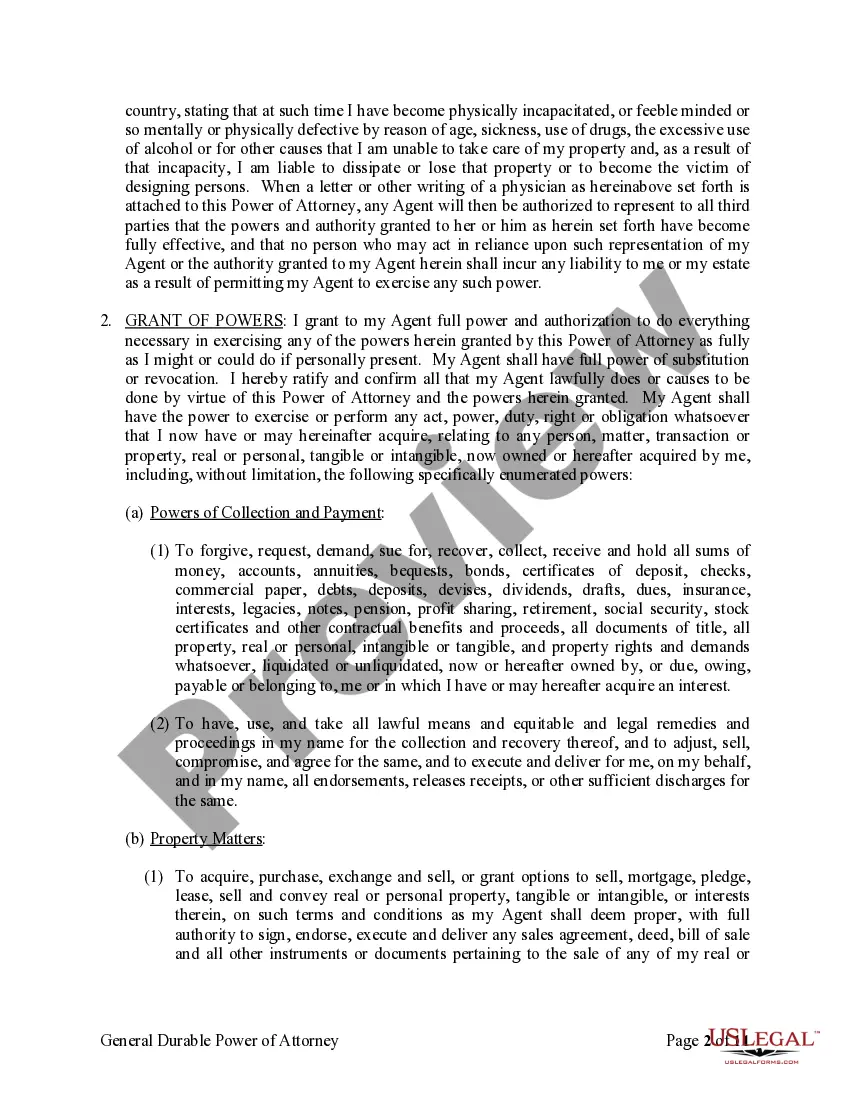
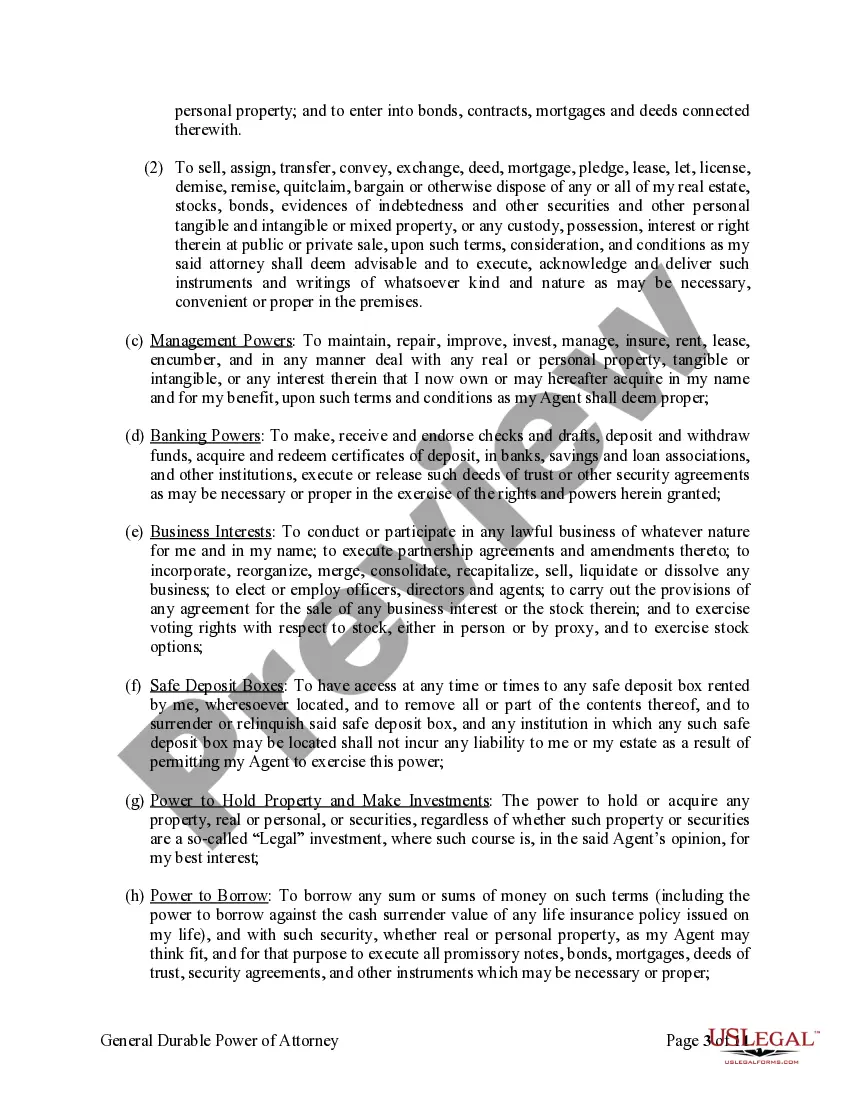
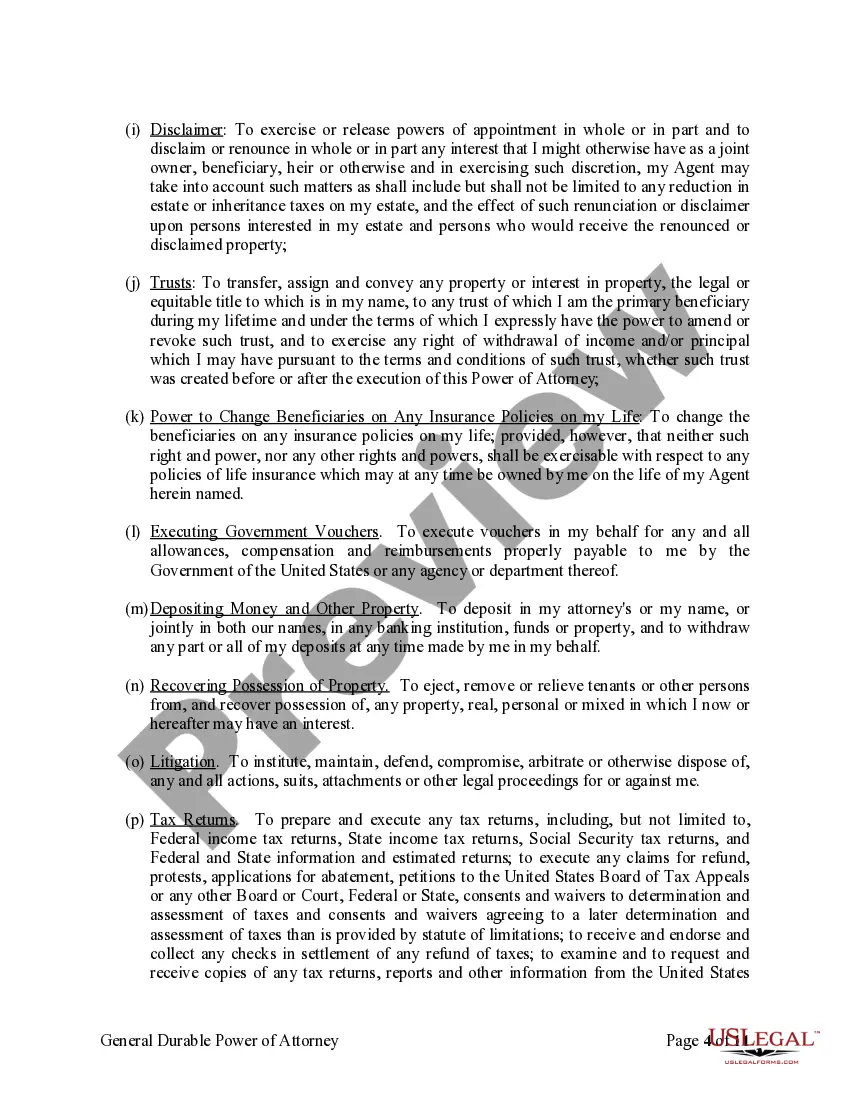
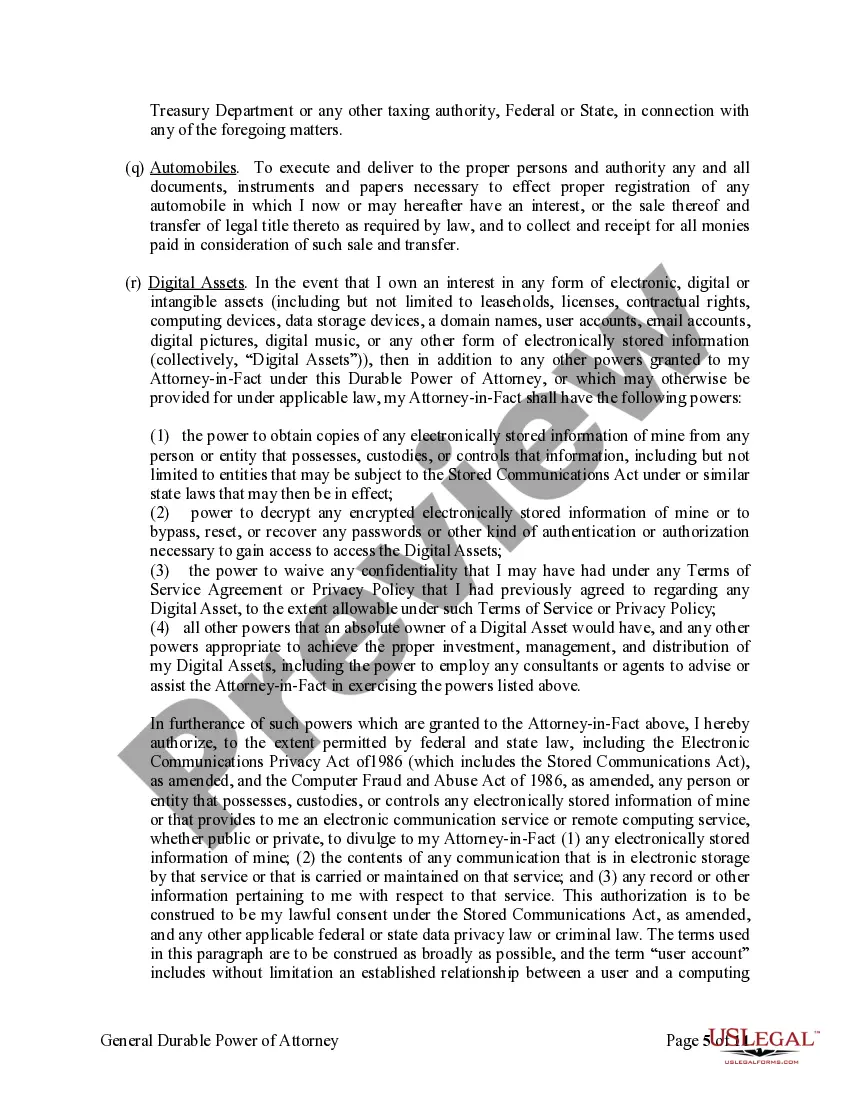
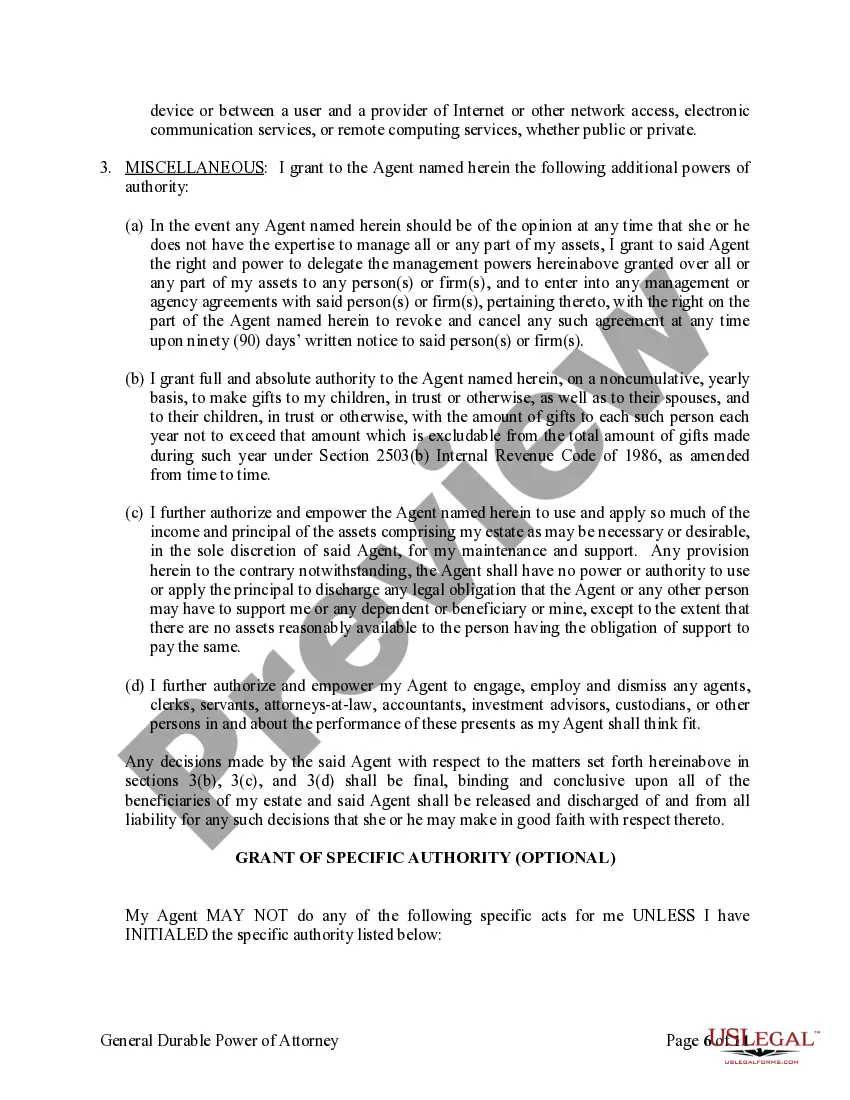
- Detailed grants of authority to the agent, covering various financial and property-related actions.
- Provisions for the management of digital assets and access to safe deposit boxes.
- Instructions for revocation and conditions under which this power may be terminated.
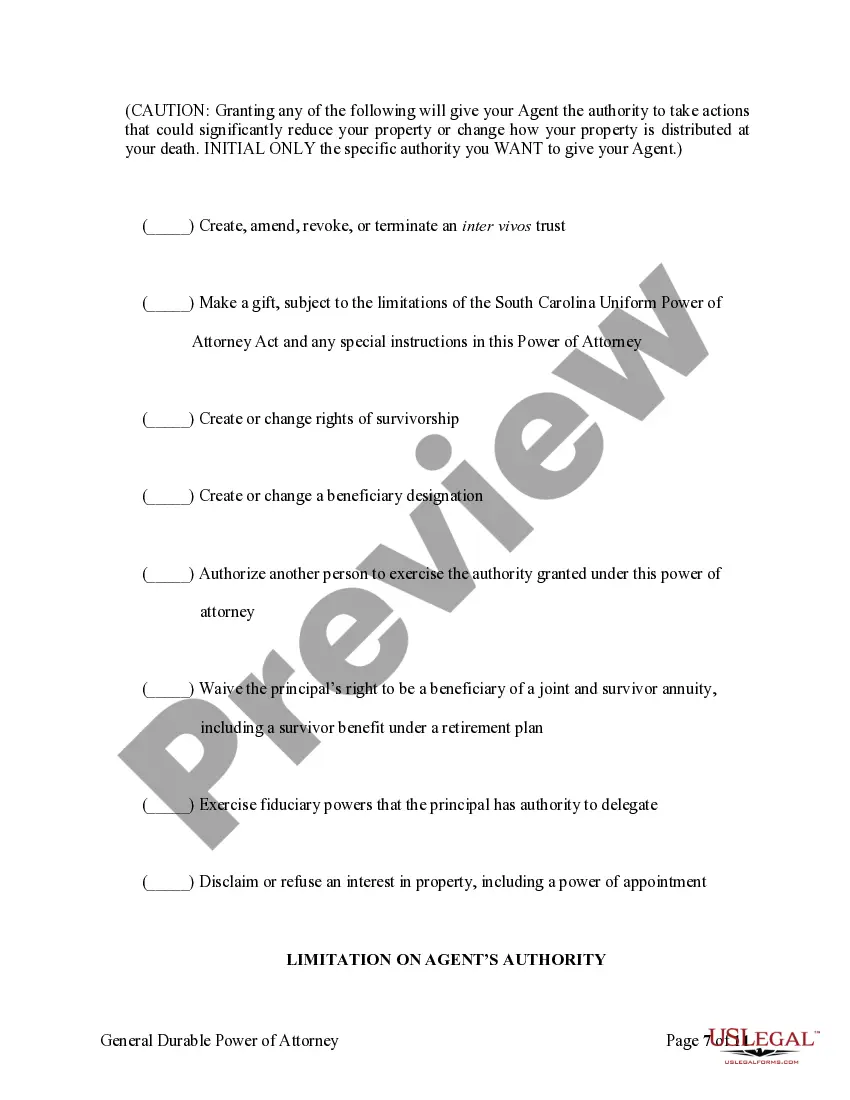
- Space for additional specific powers and limitations imposed on the agent's authority.

When to use this document
This form should be used when you want to ensure that your financial matters are taken care of if you become mentally or physically incapacitated. It is particularly useful for individuals with a history of medical conditions that might lead to disability, or those nearing retirement who want to prepare for potential future incapacity. This document is great for individuals who wish to maintain control over their financial decisions, assigning authority to a trusted person to act on their behalf during periods of incapacity.
Who this form is for
- Individuals wanting to prepare for potential future disabilities.
- Persons seeking to designate a trusted agent to handle their financial affairs.
- Anyone desiring specific powers granted to an agent regarding property and finances while retaining control until disability occurs.
- Individuals looking to manage their digital assets alongside physical assets.
How to complete this form
- Identify yourself as the principal, including your full name and address.
- Choose and appoint your agent by providing their full name and address.
- Review and select the powers you wish to grant your agent by initialing the applicable sections.
- Sign and date the document in the presence of a witness and notary, if required.
- Keep copies of the executed document in a safe place and provide one to your agent.
Notarization guidance
This form does not typically require notarization unless specified by local law. However, having it notarized can add an extra level of validation and may be necessary for certain institutions.
Get your form ready online
Our built-in tools help you complete, sign, share, and store your documents in one place.
Make edits, fill in missing information, and update formatting in US Legal Forms—just like you would in MS Word.
Download a copy, print it, send it by email, or mail it via USPS—whatever works best for your next step.
Sign and collect signatures with our SignNow integration. Send to multiple recipients, set reminders, and more. Go Premium to unlock E-Sign.
If this form requires notarization, complete it online through a secure video call—no need to meet a notary in person or wait for an appointment.
We protect your documents and personal data by following strict security and privacy standards.

Make edits, fill in missing information, and update formatting in US Legal Forms—just like you would in MS Word.

Download a copy, print it, send it by email, or mail it via USPS—whatever works best for your next step.

Sign and collect signatures with our SignNow integration. Send to multiple recipients, set reminders, and more. Go Premium to unlock E-Sign.

If this form requires notarization, complete it online through a secure video call—no need to meet a notary in person or wait for an appointment.

We protect your documents and personal data by following strict security and privacy standards.
Avoid these common issues
- Failing to properly identify both the principal and the agent.
- Not specifying when the document becomes effective, leading to confusion.
- Neglecting to understand the powers granted to the agent.
- Forgetting to sign or date the document in the required manner.
- Not having the form notarized if your state requires it.
Why complete this form online
- Convenient access to templates designed by licensed attorneys, ensuring reliability.
- Edit and customize the form easily to fit your specific needs.
- Immediate download of your form, available 24/7.
- Clear instructions provided to help you complete the form successfully.
Legal use & context
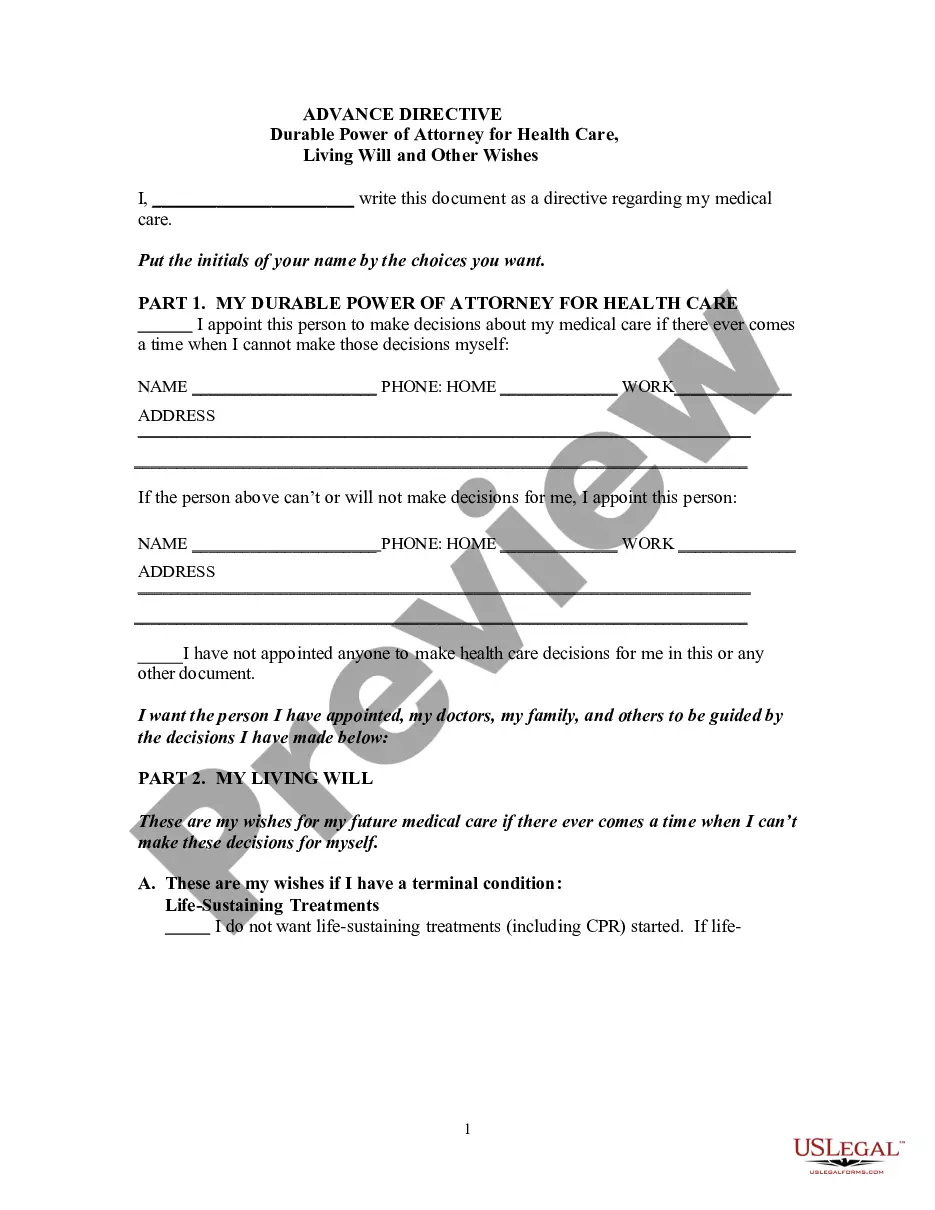
- This document is designed to provide legal authority to the agent regarding financial matters only, not health care.
- It protects the principal's interests by appointing a trusted individual to act on their behalf during incapacity.
- Legal enforceability depends on proper execution in accordance with state laws.
Summary of main points
- This durable power of attorney is effective only upon your disability or incapacity.
- Your designated agent can manage financial and property matters on your behalf.
- It is important to understand the powers granted to your agent.
- Keep the document secure and accessible for times when it may be needed.
- Verify your stateâs requirements to ensure compliance and validity.
Looking for another form?


Form popularity
FAQ
To create a legally valid durable power of attorney, all you need to do is properly complete and sign a fill-in-the-blanks form that's a few pages long. Some states have their own forms, but it's not mandatory that you use them. Some banks and brokerage companies have their own durable power of attorney forms.
Determine if one is needed. Under a few circumstances, a power of attorney isn't necessary. Identify an agent. Take a look at the standard forms. Notarize the written POA, keep it stored safely, and provide copies to important people. Review the POA periodically.
Choose an agent. Before you begin to fill out the form, you have some decisions to make. Decide on the type of authority. You can choose whether you want your POA to be broad or narrow. Identify the length of time the POA will be in effect. Fill out the form. Execute the document.
1. About the Power of Attorney. A Durable Power of Attorney may be the most important of all legal documents.It can be used to give another person the authority to make health care decisions, do financial transactions, or sign legal documents that the Principal cannot do for one reason or another.
Include their address, relationship to you, phone number, or email address. Also specify whether the durable power of attorney applies to financial decisions, health care decisions, legal decisions, or all three areas. Include any instructions you would like to leave for your agent.
Determine if one is needed. Under a few circumstances, a power of attorney isn't necessary. Identify an agent. Take a look at the standard forms. Notarize the written POA, keep it stored safely, and provide copies to important people. Review the POA periodically.
Draft a list of special powers. Decide what powers are springing. Pick an agent and a successor agent. Note the expiration date. Compile the information into one document. Execute the power of attorney letter.
Most states offer simple forms to help you create a power of attorney for finances. Generally, the document must be signed, witnessed and notarized by an adult. If your agent will have to deal with real estate assets, some states require you to put the document on file in the local land records office.