South Carolina Apartment Rules and Regulations
Understanding this form
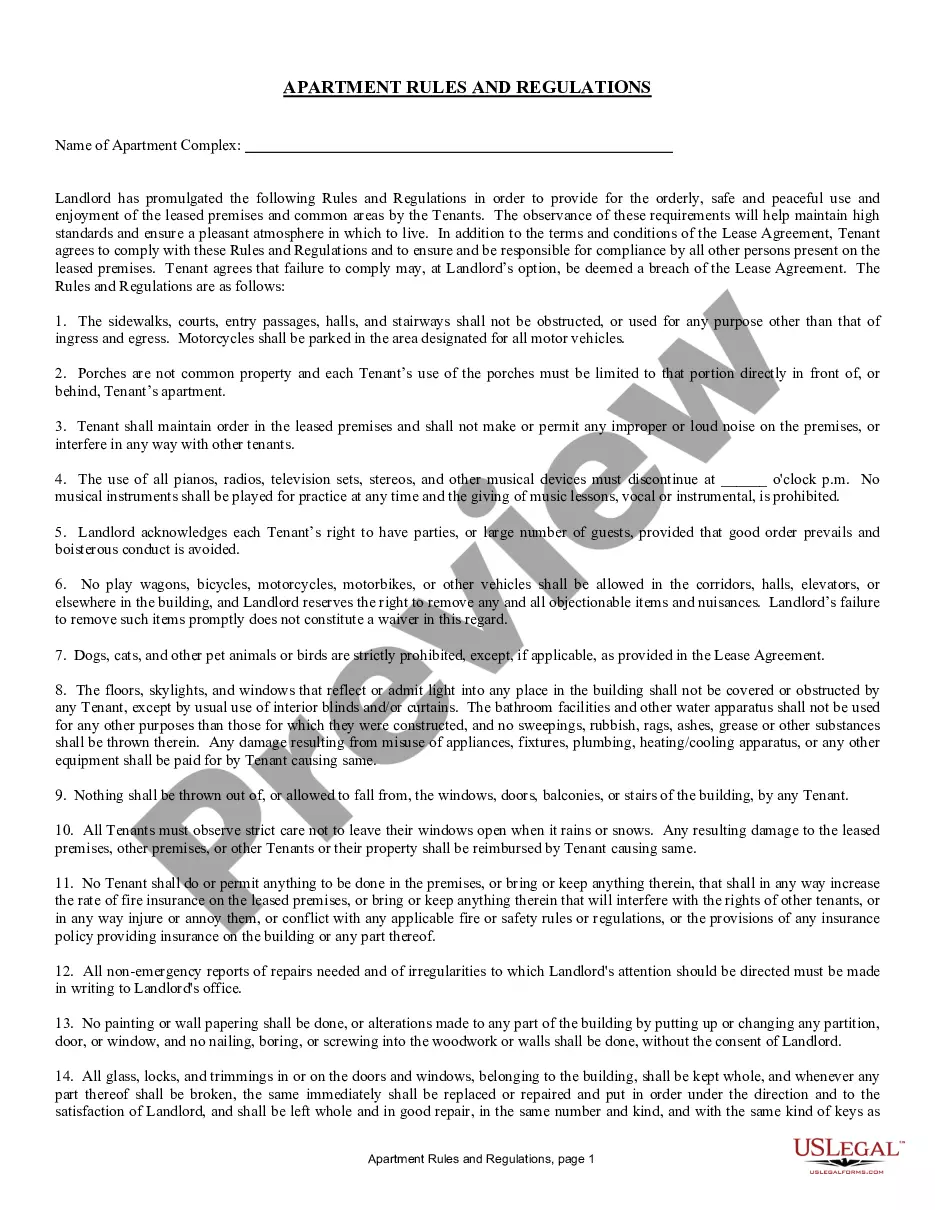
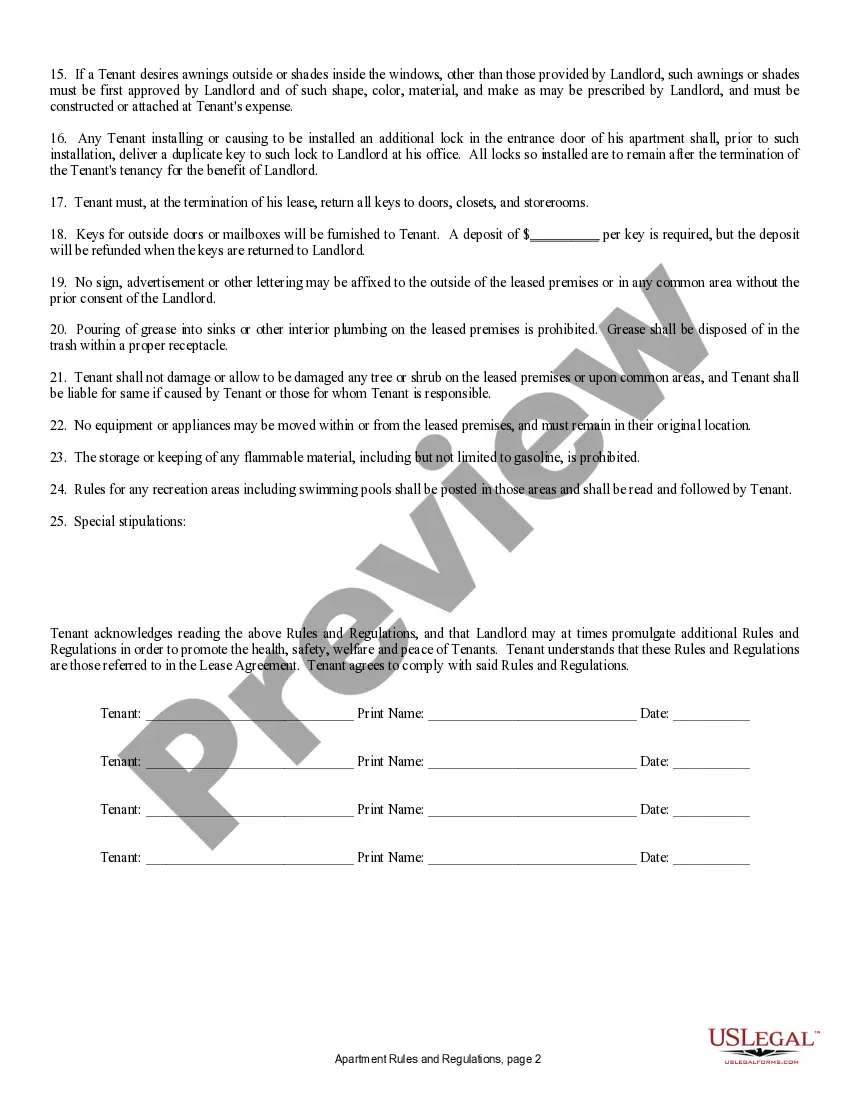
The Apartment Rules and Regulations form is a standard document used by landlords to outline the expectations and guidelines tenants must follow while residing in an apartment complex. This form complements the Apartment Lease Agreement and specifically focuses on everyday rules that ensure a safe, orderly, and pleasant living environment. The purpose is to provide clarity on responsibilities and to help maintain good relations among all tenants, distinguishing it from more general lease documents.
Key components of this form
- Name of the apartment complex
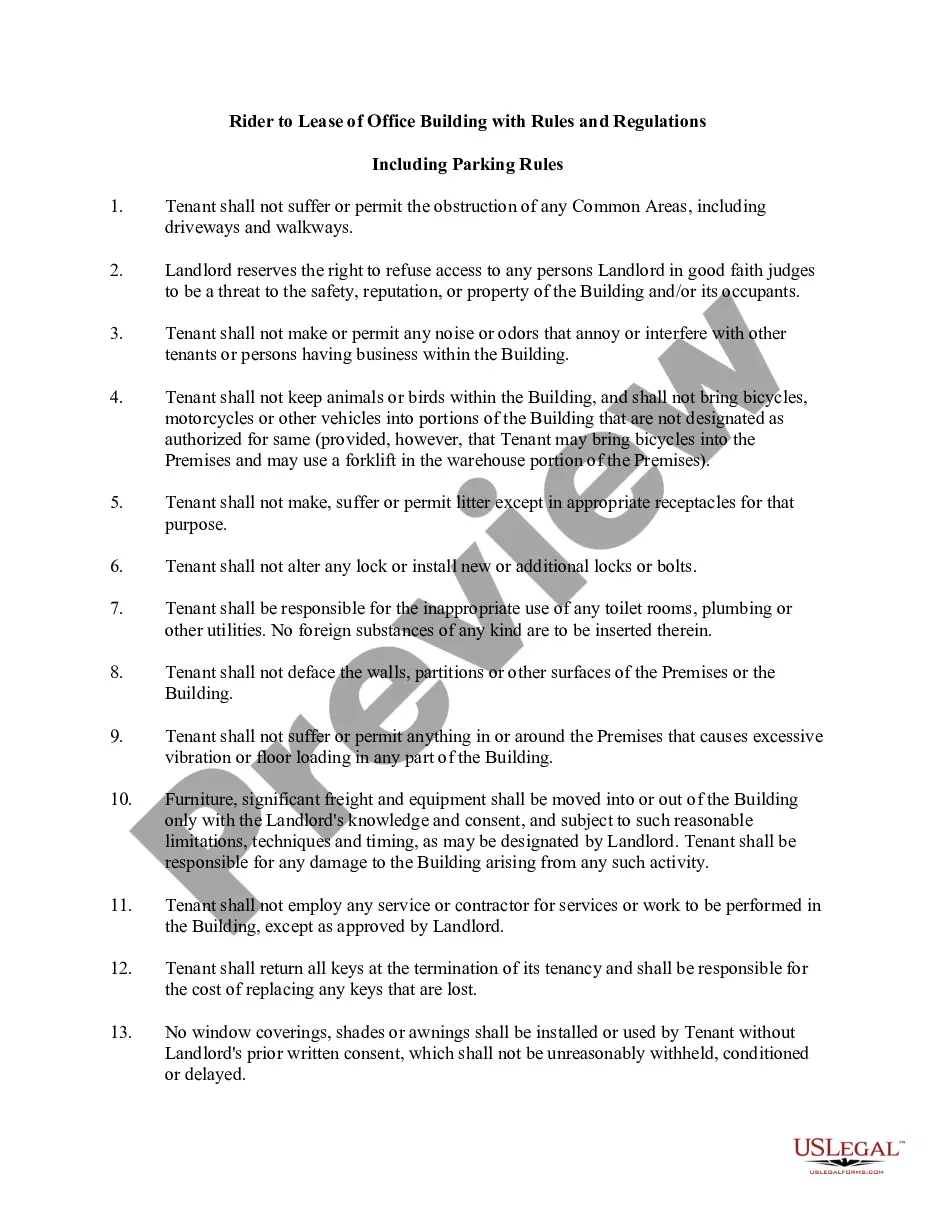
- Rules regarding noise levels and use of communal areas
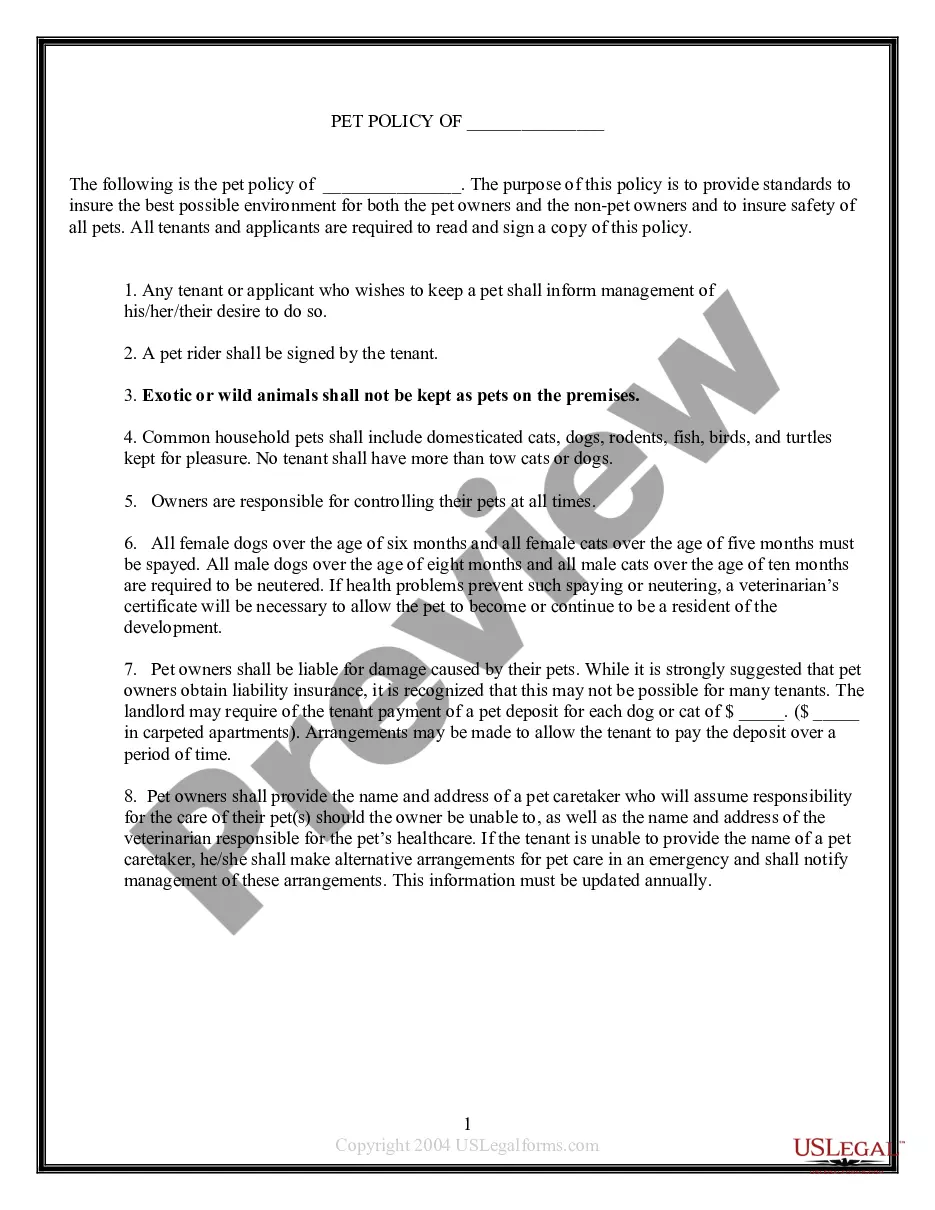
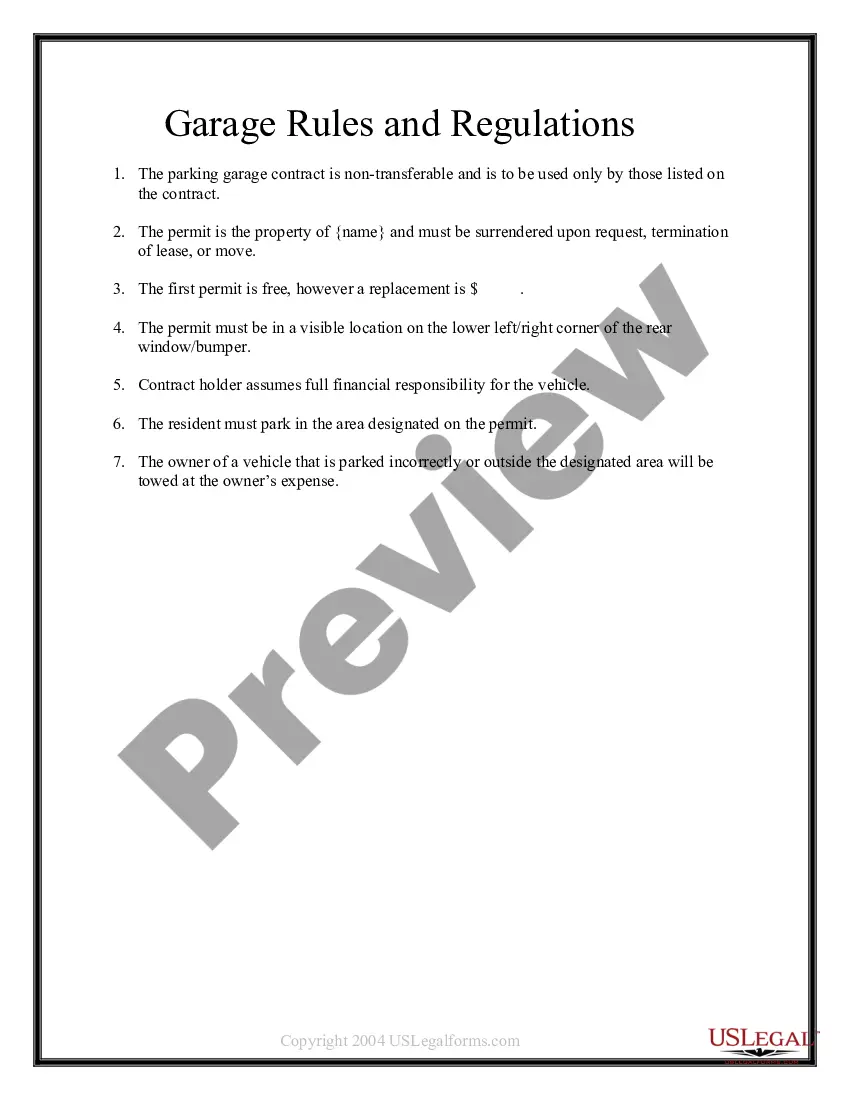
- Guidelines on pets and common property
- Provisions related to maintenance and tenant responsibilities
- Details on penalties for rule violations
- Signatures of tenants acknowledging the rules
When this form is needed
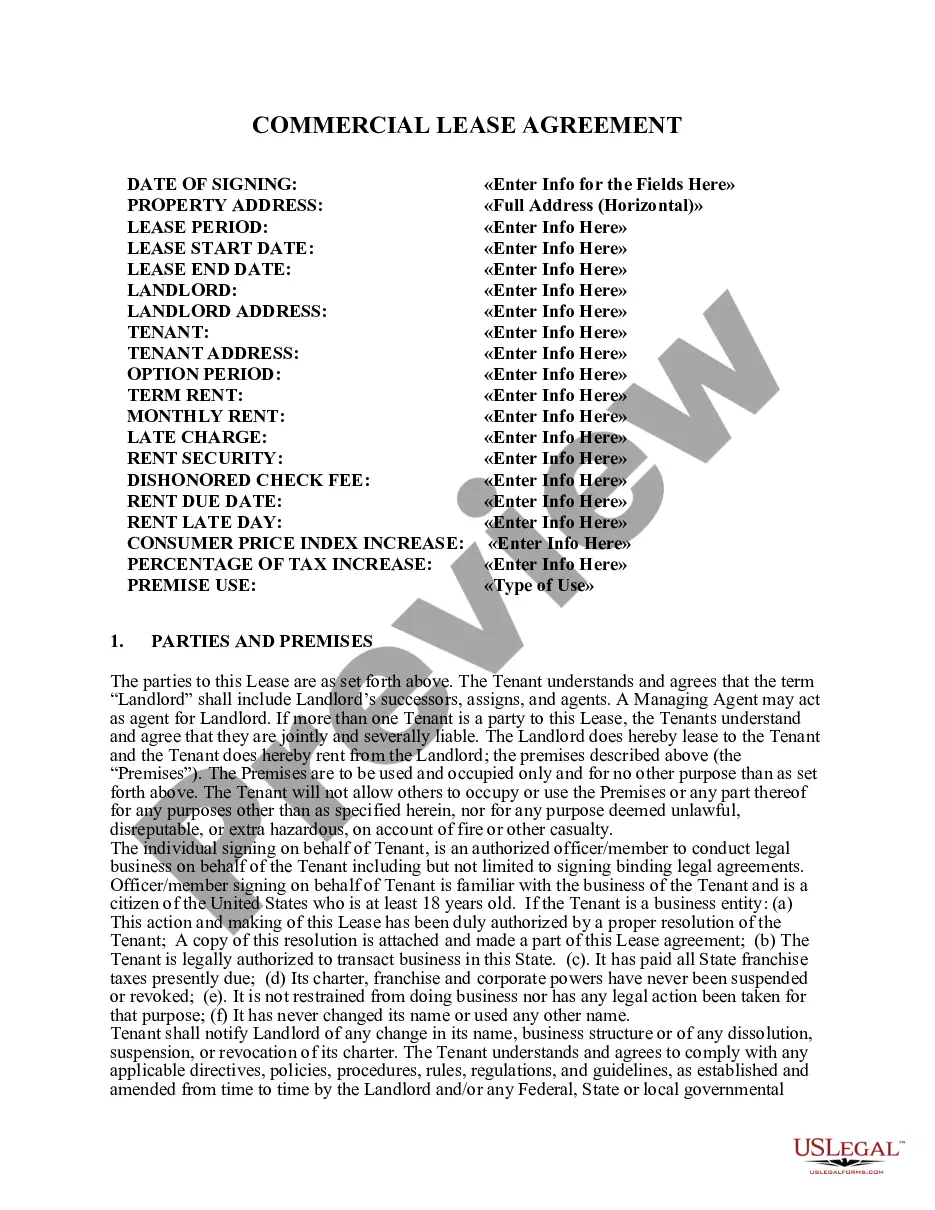
This form is used when entering into a rental agreement or lease to provide tenants with a clear set of rules and regulations for community living. It is important to issue this document to set expectations and prevent disputes regarding behavior and responsibilities within the property. This form can be particularly useful in multi-unit dwellings where shared spaces and common interests exist.
Who needs this form
- Landlords seeking to establish rules for their rental properties
- Property managers needing guidelines for tenant behavior
- Tenants who want to understand their rights and responsibilities within their apartment complex
How to prepare this document
- Enter the name of the apartment complex at the top of the form.
- Specify the list of rules and regulations as provided in the template.
- Have each tenant read and acknowledge the rules by signing and dating the form.
- Keep a copy of the signed form for landlord records and provide a copy to each tenant.
- Ensure all tenants are informed of any upcoming changes to the rules.
Notarization requirements for this form
Notarization is generally not required for this form. However, certain states or situations might demand it. You can complete notarization online through US Legal Forms, powered by Notarize, using a verified video call available anytime.
Get your form ready online
Our built-in tools help you complete, sign, share, and store your documents in one place.
Make edits, fill in missing information, and update formatting in US Legal Forms—just like you would in MS Word.
Download a copy, print it, send it by email, or mail it via USPS—whatever works best for your next step.
Sign and collect signatures with our SignNow integration. Send to multiple recipients, set reminders, and more. Go Premium to unlock E-Sign.
If this form requires notarization, complete it online through a secure video call—no need to meet a notary in person or wait for an appointment.
We protect your documents and personal data by following strict security and privacy standards.

Make edits, fill in missing information, and update formatting in US Legal Forms—just like you would in MS Word.

Download a copy, print it, send it by email, or mail it via USPS—whatever works best for your next step.

Sign and collect signatures with our SignNow integration. Send to multiple recipients, set reminders, and more. Go Premium to unlock E-Sign.

If this form requires notarization, complete it online through a secure video call—no need to meet a notary in person or wait for an appointment.

We protect your documents and personal data by following strict security and privacy standards.
Typical mistakes to avoid
- Failing to distribute copies of the signed rules to all tenants.
- Not including the full list of rules, leading to misunderstandings.
- Omitting tenant signatures, which may undermine the enforceability of the rules.
Why complete this form online
- Convenient access to editable legal templates at any time.
- Ensures compliance with current legal standards through regularly updated forms.
- Reduces the risk of errors by providing clear guidance on completing the document.
Legal use & context
- The rules outlined in the form are enforceable as part of the lease agreement.
- Failure to follow the rules may result in penalties, including potential eviction in severe cases.
- Tenants are encouraged to review the rules regularly to ensure compliance throughout their tenancy.
Key takeaways
- The Apartment Rules and Regulations form helps maintain order in rental properties.
- Landlords should ensure all tenants understand and agree to the rules by signing the form.
- Regular updates and communication about the rules can prevent misunderstandings and conflict.
Looking for another form?






Form popularity
FAQ
Gas Safety Check. Smoke and Carbon Monoxide Alarms. Energy Performance Certificate (EPC) Tenancy Deposit Scheme. Tenancy Deposit 'Prescribed Information' Landlord Selective License. Furniture and Furnishings Regulation. Electrical Safety Standards Inspection/Report.
Tenant Rights to Withhold Rent in South CarolinaTenants may withhold rent or exercise the right to repair and deduct if a landlord fails to take care of important repairs, such as a broken heater. For specifics, see South Carolina Tenant Rights to Withhold Rent or Repair and Deduct.
A landlord cannot evict a tenant without an adequately obtained eviction notice and sufficient time. A landlord cannot retaliate against a tenant for a complaint. A landlord cannot forego completing necessary repairs or force a tenant to do their own repairs.A landlord cannot remove a tenant's personal belongings.
South Carolina landlords cannot enter an apartment unless they give at least 24-hour notice to the tenant, and may only enter at reasonable times.
Yes, South Carolina is a landlord-friendly state as landlords have broad authority to set rental prices and evict tenants.
Tenant Rights to Withhold Rent in South CarolinaTenants may withhold rent or exercise the right to repair and deduct if a landlord fails to take care of important repairs, such as a broken heater.
Fundamental responsibilities of landlords include: providing and maintaining the property in a clean and reasonable standard; giving proper receipts and maintaining records of all transactions pertaining to the tenancy; paying council rates and taxes; maintaining locks to ensure the property's security; and lodging the
The right to collect rent. Simply by the fact that you are renting, your landlord has the right to collect rent and any prearranged late fees for overdue rent payments. The right to raise your rent according to your lease agreement.Your landlord has the right to evict you, especially if you do not pay your rent.
The property must be lawful and in good condition Make sure any maintenance or repairs are done before tenants move in. All rental properties must have working smoke alarms and ceiling and underfloor insulation.