South Carolina Letter from Tenant to Landlord containing Notice to landlord to withdraw retaliatory rent increase
About this form
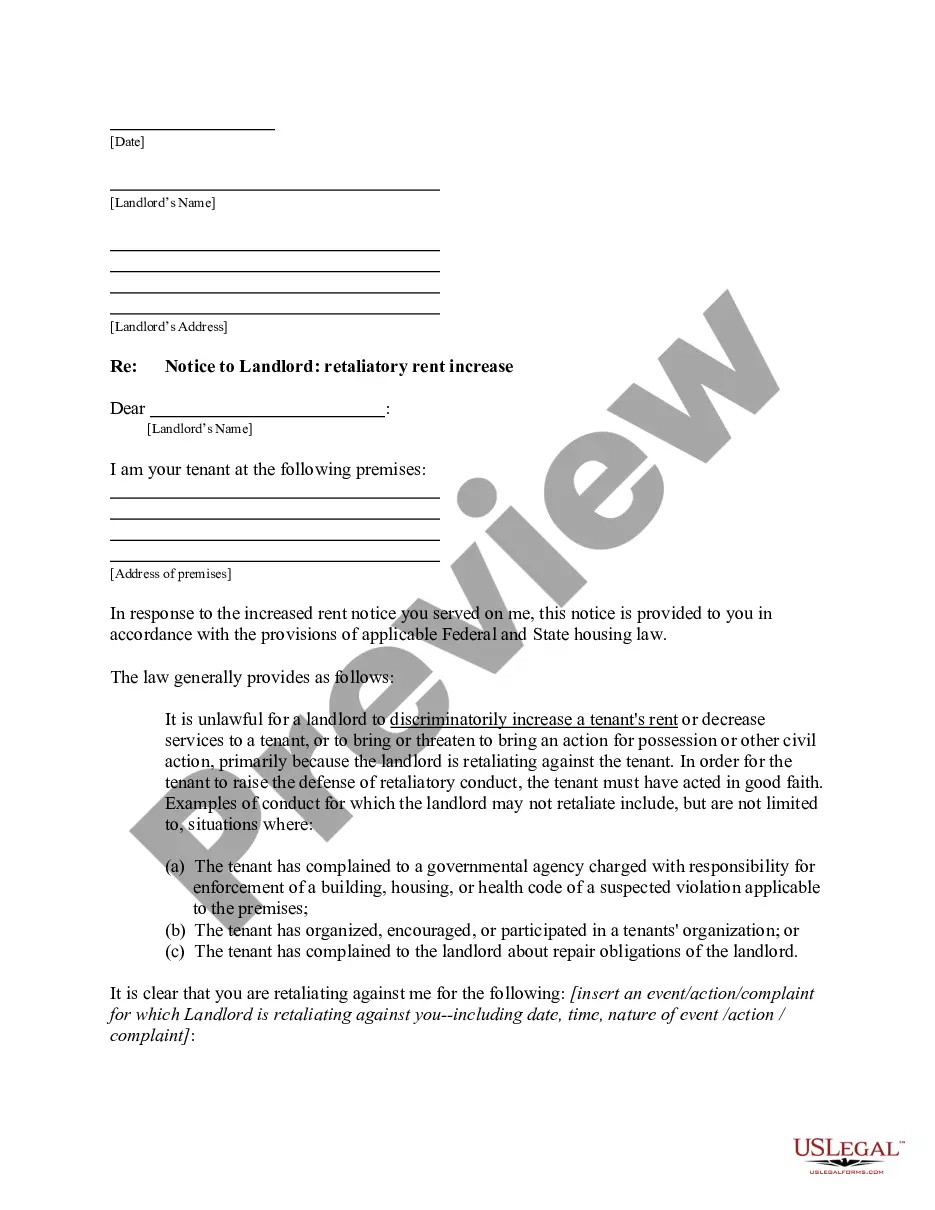
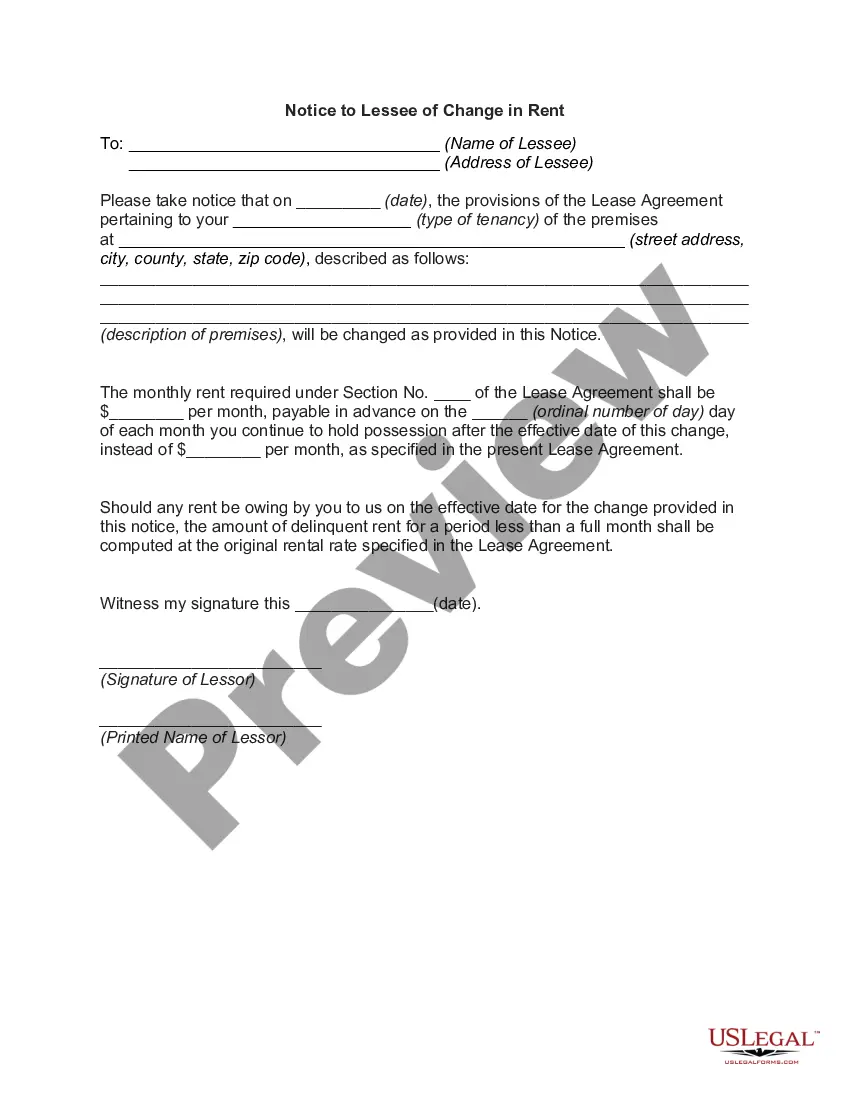
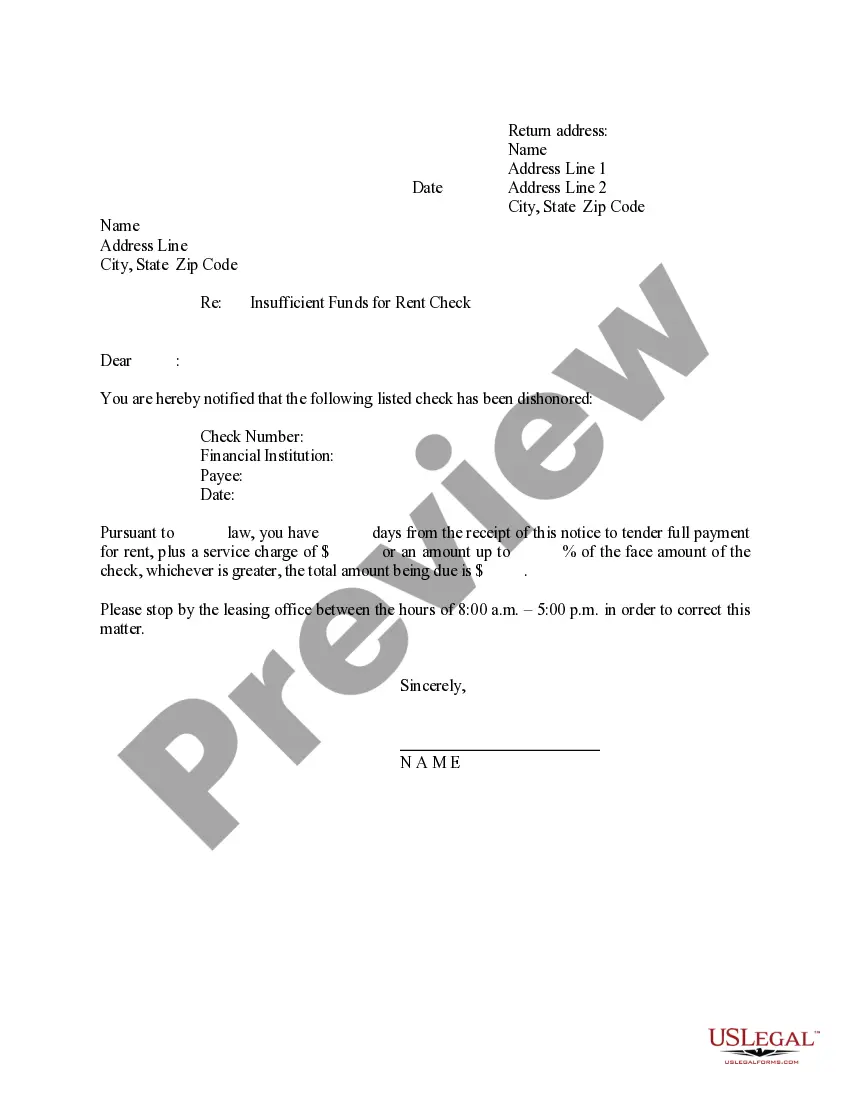
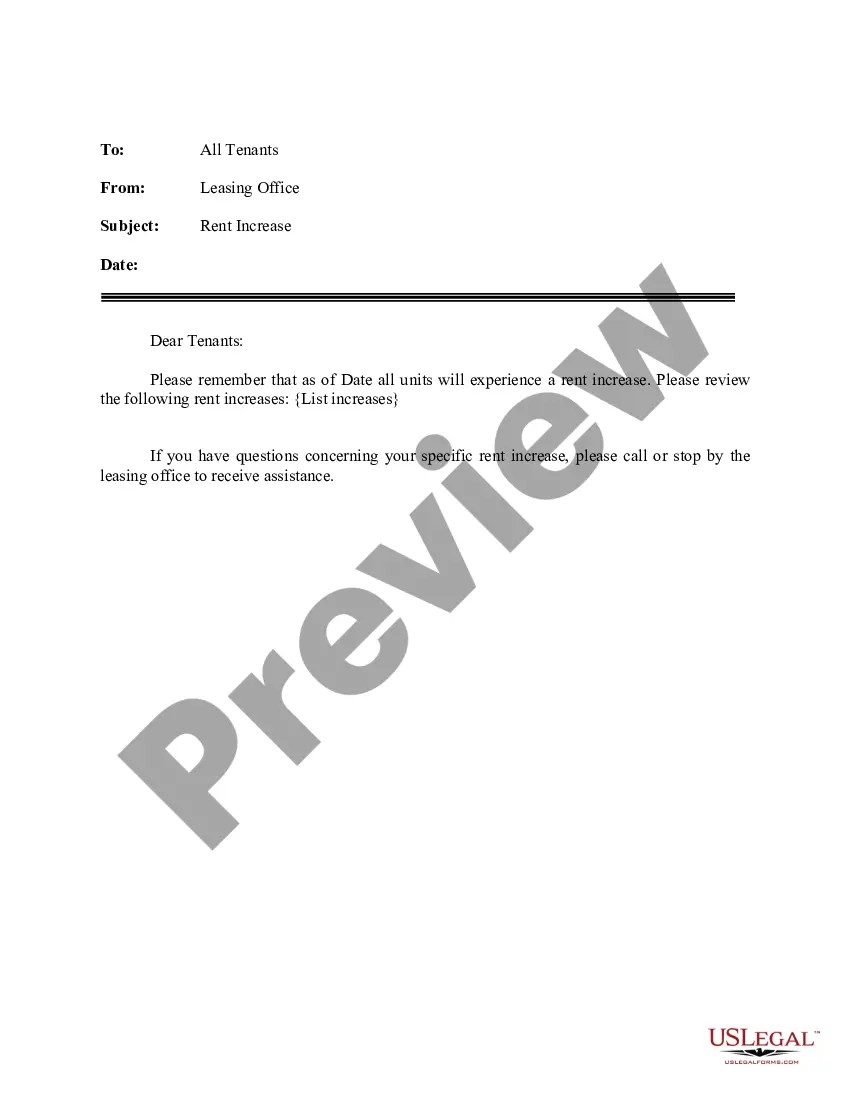
This Letter from Tenant to Landlord containing Notice to Landlord to Withdraw Retaliatory Rent Increase is a legal document used by tenants to formally notify their landlord of an unlawful rent increase. This form specifically addresses situations where the rent increase is deemed retaliatory, meaning it is an attempt to punish the tenant for exercising their rights. Unlike standard rental agreements, this form specifically highlights the tenant's defenses against retaliatory actions by the landlord, ensuring the tenant is aware of their legal protections.
Key components of this form
- Tenant's name and contact information.
- Landlord's name and contact information.
- Clear statement regarding the notice of the rent increase.
- Reference to relevant housing laws against retaliatory actions.
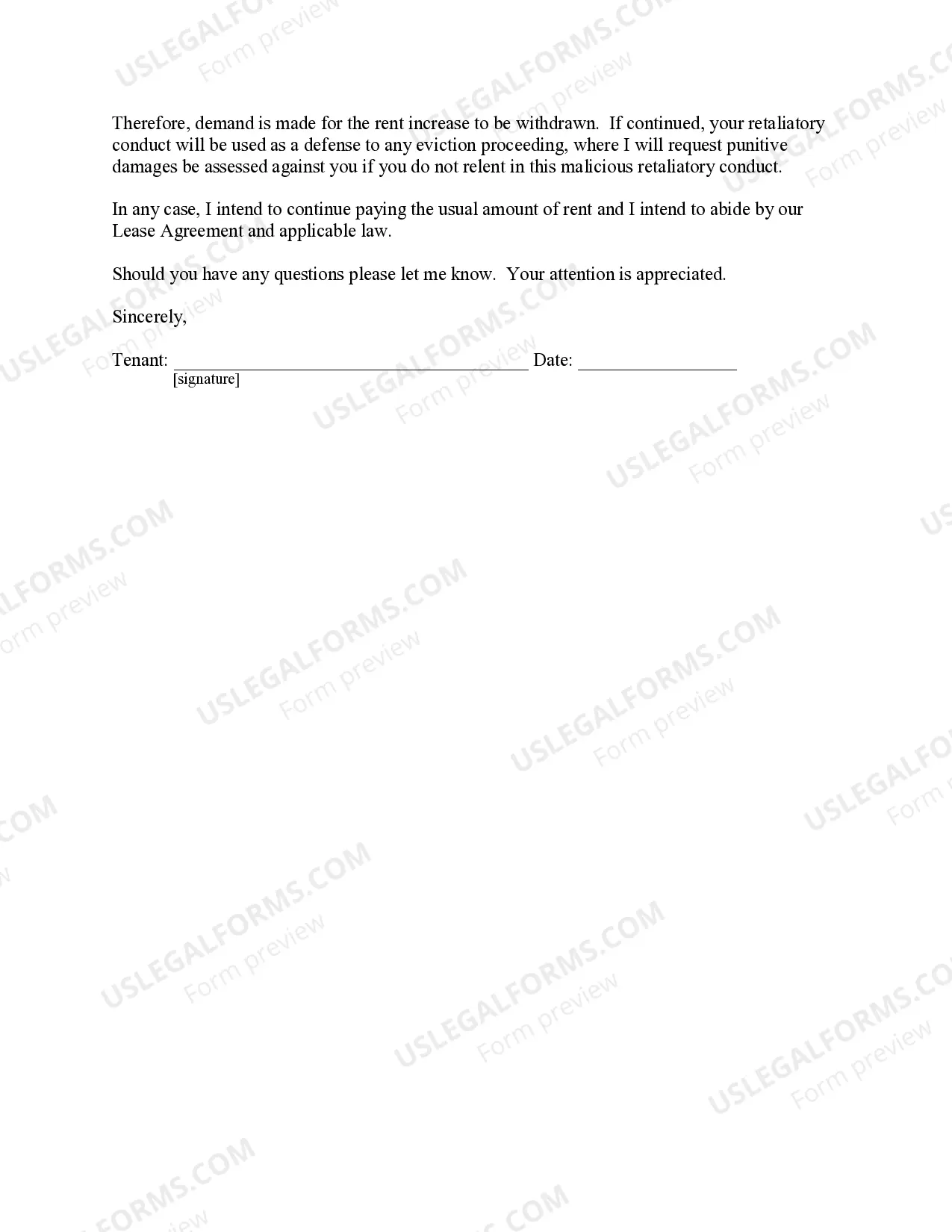
- Intent to continue paying rent and abide by the lease agreement.
- Signature lines for the tenant and date of the notice.


When to use this form
This form should be used when a tenant has received a rent increase that they believe is retaliatory in nature. Common scenarios include after a tenant has complained about unsafe living conditions, reported health code violations, or participated in tenant organizing. This document serves to formally address the landlord's actions and reaffirm the tenant's commitment to complying with the lease while protecting their rights.
Who this form is for
- Tenants who have experienced a rent increase following a complaint to the landlord.
- Tenants involved in tenant organizations who feel retaliated against by their landlord.
- Individuals seeking to understand their rights against retaliatory actions by landlords.
How to complete this form
- Identify and enter your name and contact information at the top of the form.
- Provide the landlord's name and contact information.
- Clearly state the notice regarding the increase and reference the retaliatory nature.
- Sign and date the notice, ensuring all fields are completed accurately.
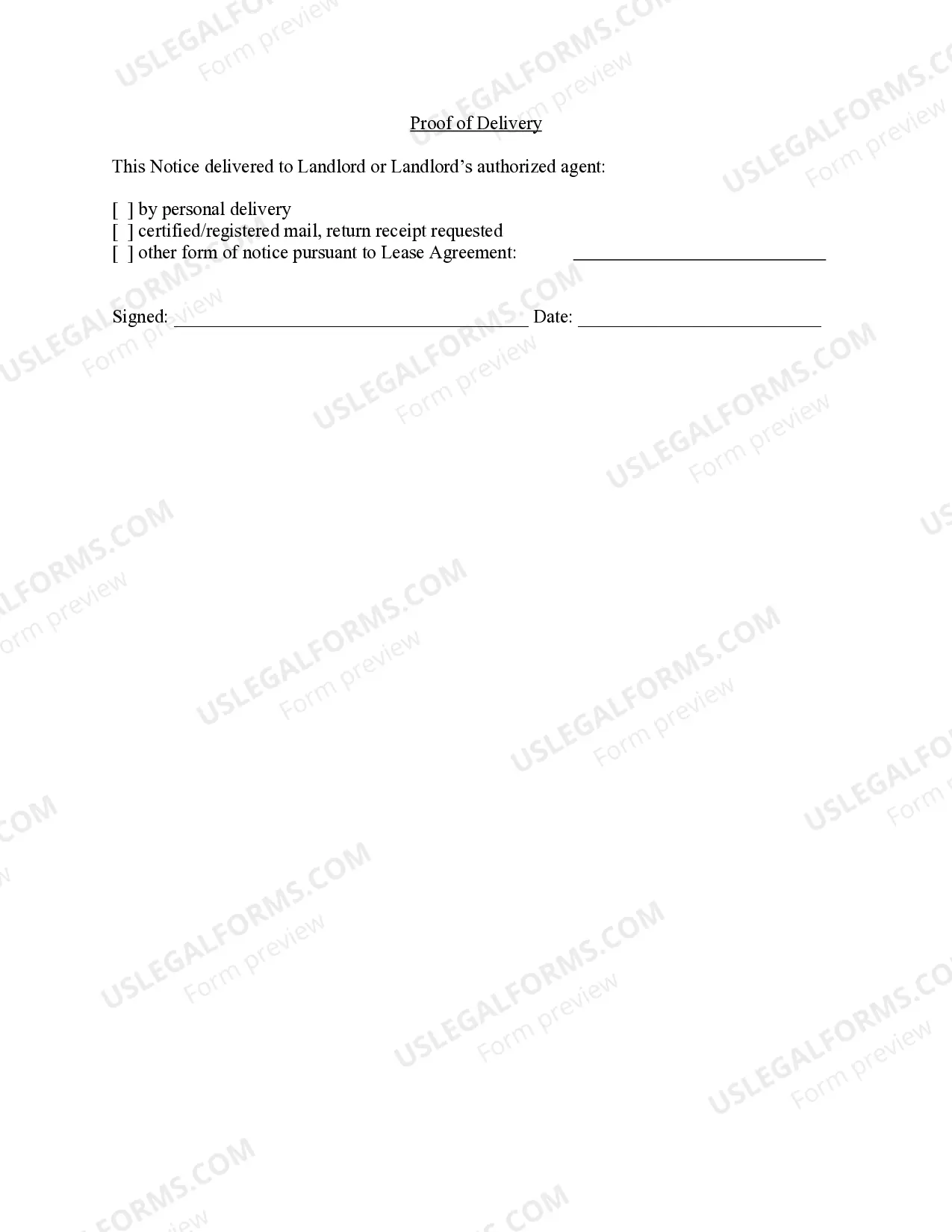
- Keep a copy for your records and send the notice following your local lawâs requirements.
Notarization requirements for this form
This form does not typically require notarization unless specified by local law. It is important to verify state-specific requirements before proceeding to ensure compliance with legal standards.
Get your form ready online
Our built-in tools help you complete, sign, share, and store your documents in one place.
Make edits, fill in missing information, and update formatting in US Legal Forms—just like you would in MS Word.
Download a copy, print it, send it by email, or mail it via USPS—whatever works best for your next step.
Sign and collect signatures with our SignNow integration. Send to multiple recipients, set reminders, and more. Go Premium to unlock E-Sign.
If this form requires notarization, complete it online through a secure video call—no need to meet a notary in person or wait for an appointment.
We protect your documents and personal data by following strict security and privacy standards.

Make edits, fill in missing information, and update formatting in US Legal Forms—just like you would in MS Word.

Download a copy, print it, send it by email, or mail it via USPS—whatever works best for your next step.

Sign and collect signatures with our SignNow integration. Send to multiple recipients, set reminders, and more. Go Premium to unlock E-Sign.

If this form requires notarization, complete it online through a secure video call—no need to meet a notary in person or wait for an appointment.

We protect your documents and personal data by following strict security and privacy standards.
Avoid these common issues
- Not providing complete contact information for both parties.
- Failing to clearly outline the reason for the notice.
- Not signing and dating the document properly.
- Ignoring local law requirements for sending the notice to the landlord.
Why complete this form online
- Convenient access to legally drafted forms anytime.
- Easy editing allows you to tailor the document to your situation.
- Provides peace of mind knowing the template is crafted by licensed attorneys.
- Simplifies the process of protecting your rights as a tenant.
Legal use & context
- This notice formally documents your claim regarding retaliatory actions by the landlord.
- Filing this notice may strengthen your position if legal disputes arise in the future.
- Understanding your rights as a tenant is crucial for effective legal recourse.
Quick recap
- Use this letter to combat unjust rent increases due to retaliatory actions.
- Ensures formal communication of your tenant rights to your landlord.
- Helps protect your legal standing should further issues arise.
Looking for another form?




Form popularity
FAQ
When writing to your landlord, be specific in describing the problems you are having. Do not exaggerate or under-emphasize the extent of the problem. The landlord may show this letter to a judge if your problem is ever litigated.
The landlord had a duty to reasonably maintain the property; The landlord knew or should have known of the dangerous condition; The landlord breached their duty by failing to repair/fix the dangerous condition;
If you're seeking damages for emotional distress caused by a landlord's discrimination, or punitive damages for especially blatant and intentional discrimination, a lawsuit may well be your best bet. Understand what's involved in suing your landlord. You may file a lawsuit in either federal or state court.
Benefits of Suing Your Landlord Filing a lawsuit does have some potential advantages for tenants. Could Motivate a Landlord to Settle Outside of Court: Notifying your landlord of your intention to sue him or her could motivate your landlord to do everything in their power to avoid actually going to court.
Know your state's landlord/tenant laws. Read and respond to the court summons. Try to work out a settlement. Consider legal counsel. Show up for court. Look sharp and provide evidence.
To give you an idea, it's in good taste to start your letter "Dear Mr./Ms. Insert Name Here," as is the case with any polite letter. No matter how much you might want to give your landlord a piece of your mind, do yourself a favor and refrain from calling him a slumlord.
Tell Them The Problem & Consequences. Explain the reason that you want the tenant to go. Offer Them a Way Out. Let the tenant know that you are willing to give them a lump sum of cash in agreement for leaving the property. The Release.
If your landlord breaches the warranty of habitability or the warranty of quiet enjoyment, you may be able to sue her to recover monetary damages.In some states, such as California and Arizona, you may be able to seek emotional distress damages if the landlord's actions were particularly egregious.
Detail the issue that you're experiencing in your rental (include pictures if helpful) propose a reasonable solution. mention possible consequences, such as health problems, a fire, or a burglary or assault, of not dealing with the issue promptly, and.