South Carolina Letter from Landlord to Tenant as Notice to Tenant of Tenant's Disturbance of Neighbors' Peaceful Enjoyment to Remedy or Lease Terminates
Overview of this form
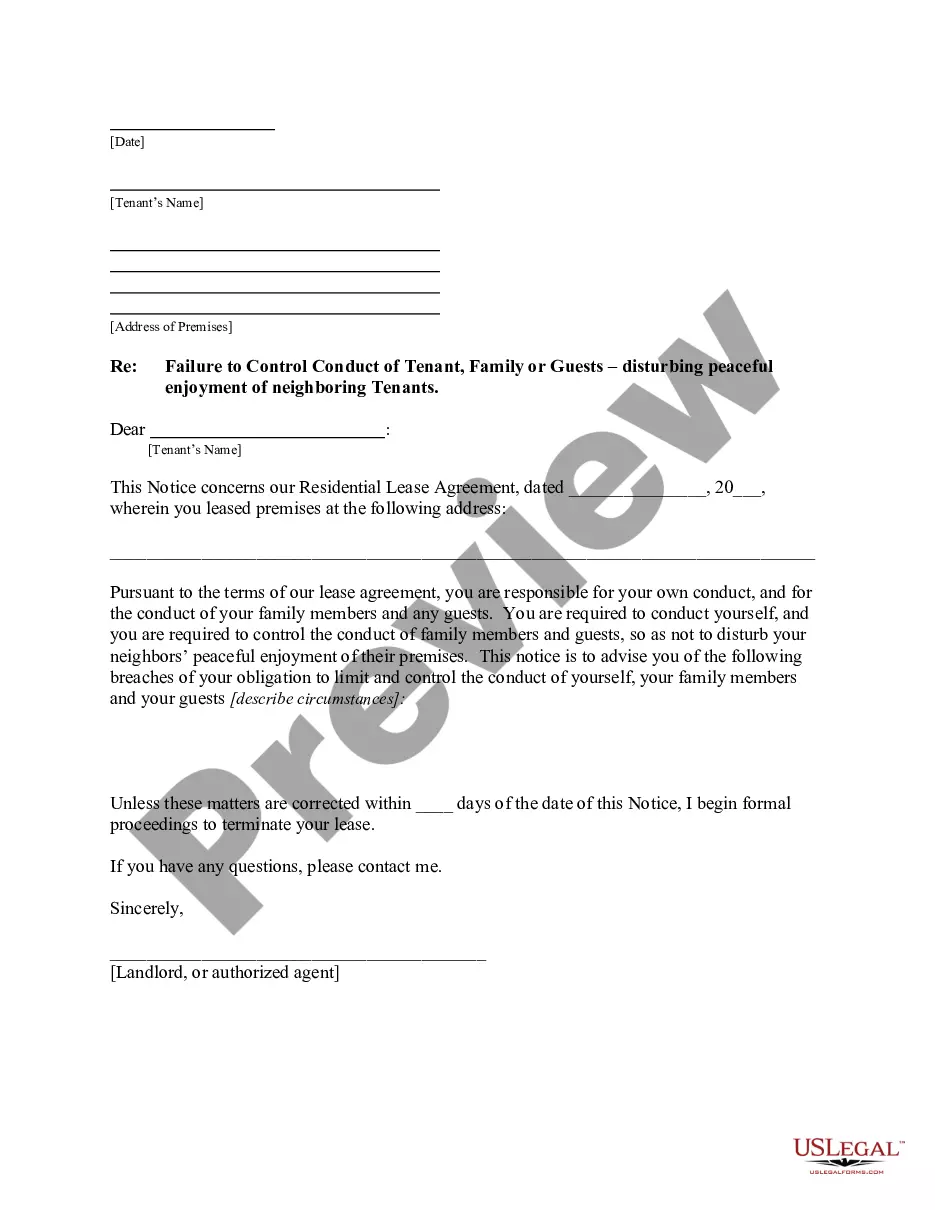
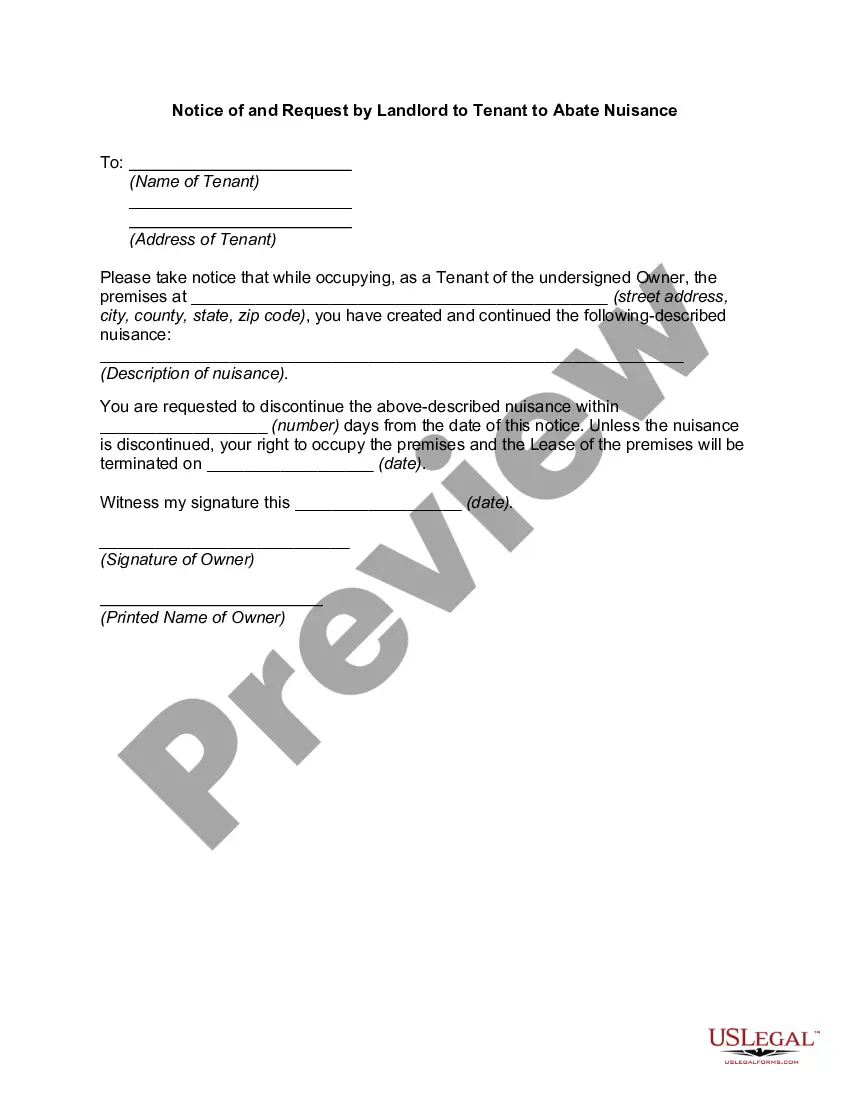
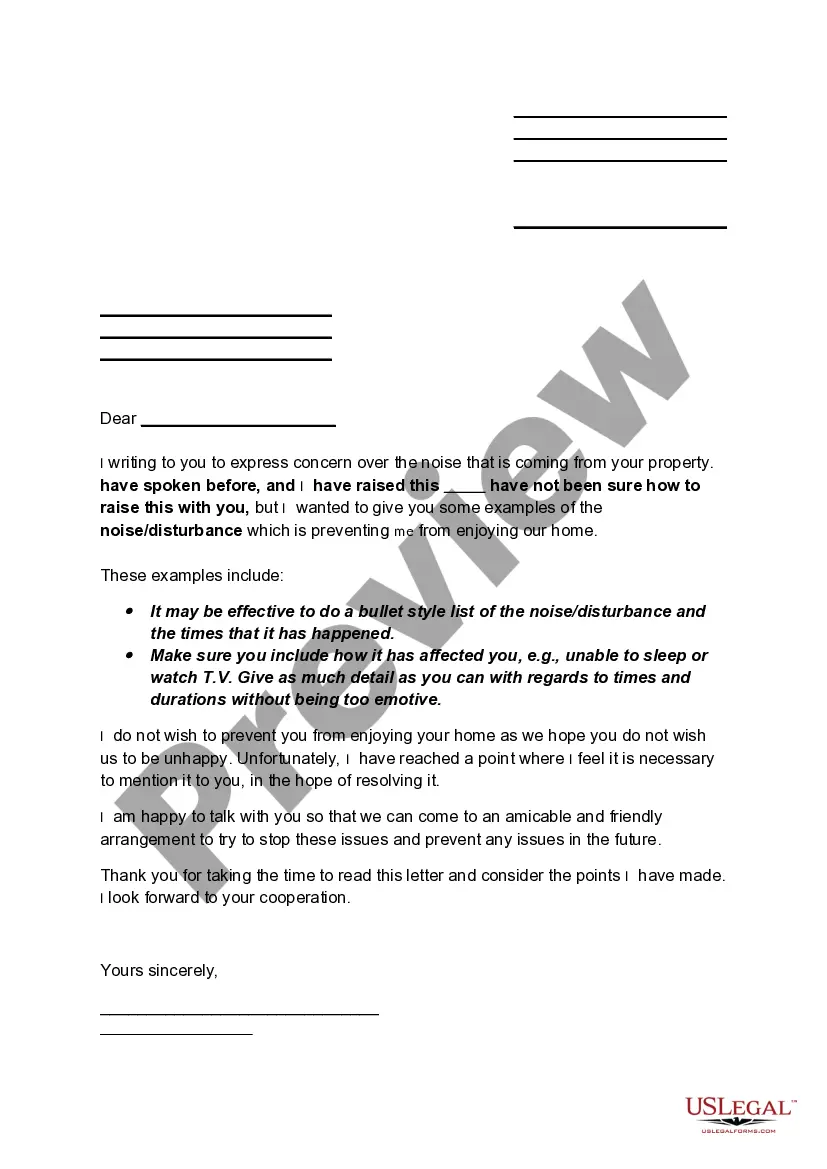
This Letter from Landlord to Tenant as Notice to Tenant of Tenant's Disturbance of Neighbors' Peaceful Enjoyment is a formal notice from a landlord to a tenant regarding disruptive behavior. This form is designed to alert the tenant about their responsibility to maintain the peace and quiet enjoyment of neighboring properties. Unlike informal complaints, this notice clarifies the landlord's position on the tenant's conduct, providing an opportunity for the tenant to address the issue before further actions are taken.
Key parts of this document
- Identification of the landlord and tenant
- Description of the disturbances caused by the tenant
- Statement of the tenant's obligation to maintain quiet enjoyment
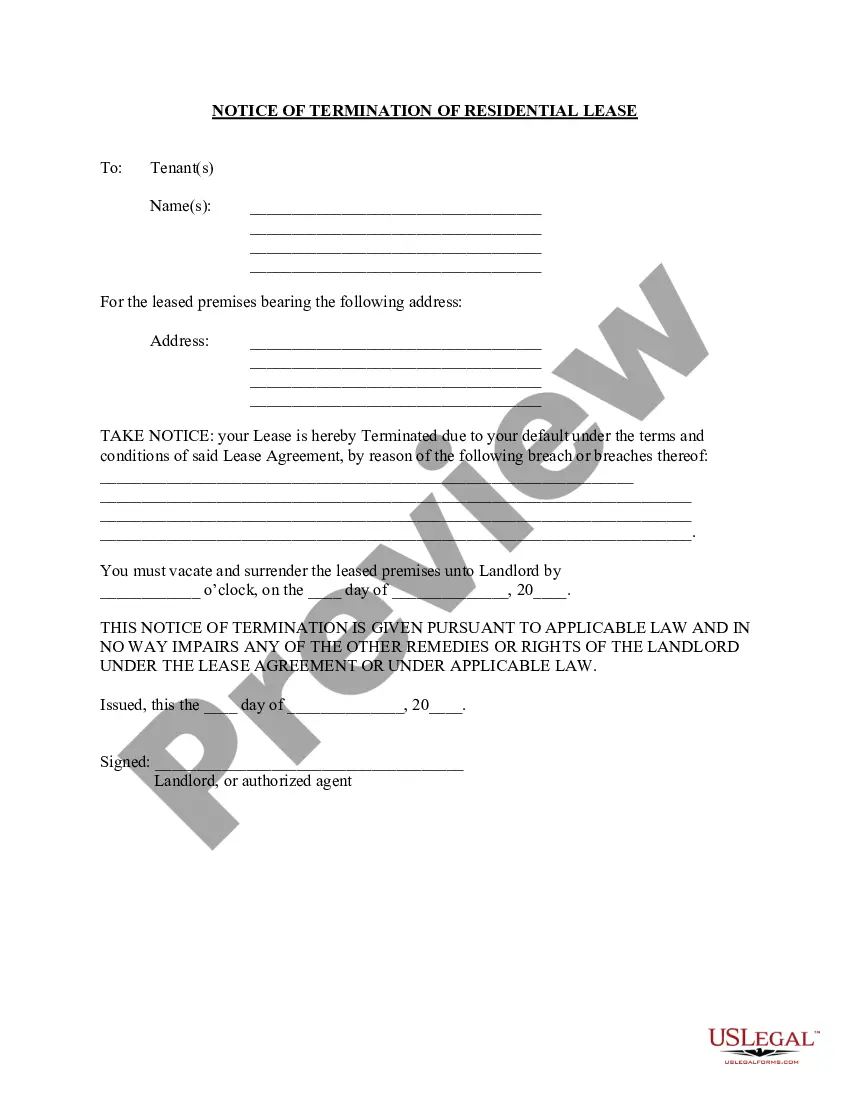
- Provisions for remedy or potential lease termination
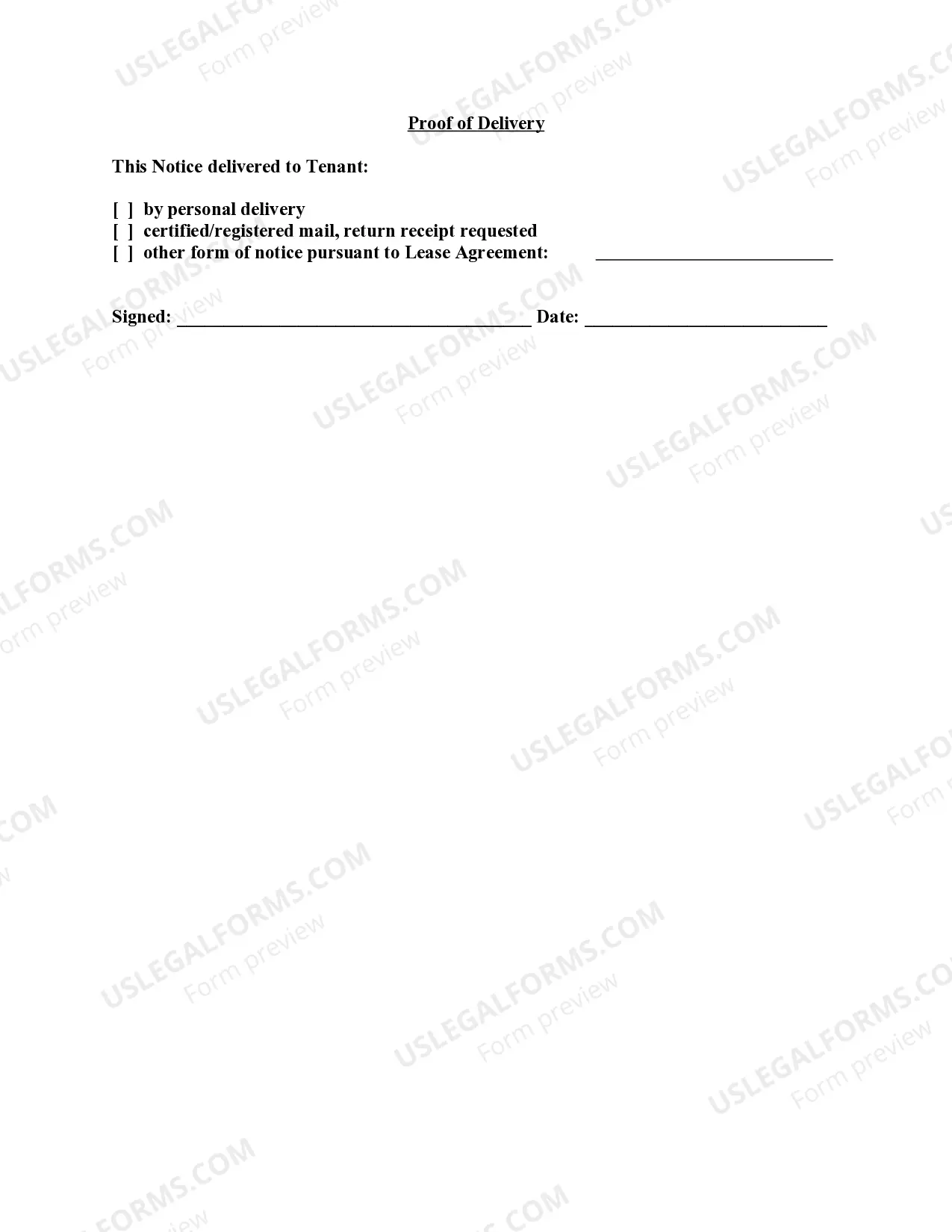
- Proof of delivery method

Situations where this form applies
This notice should be used in situations where a landlord has received complaints from neighbors about disturbances caused by a tenant. It serves as an official warning to the tenant to control their behavior and adhere to the terms of the lease that ensure the peaceful enjoyment of the property. This form is particularly important before initiating eviction proceedings, as it provides the tenant with a chance to remedy the situation.
Intended users of this form
- Residential landlords managing rental properties
- Property managers acting on behalf of landlords
- Landlords needing to document tenant disturbances
- Landlords looking to comply with legal requirements before termination of lease
Steps to complete this form
- Identify the parties involved by entering the landlord's and tenant's names.
- Clearly describe the disturbances that have occurred.
- Include a statement regarding the tenant's obligation to limit disturbances.
- Specify the actions the tenant must take to remedy the situation.
- Choose a delivery method and provide proof of delivery, such as certified mail details or personal delivery acknowledgment.
Does this document require notarization?
This form does not typically require notarization unless specified by local law. It's crucial to review local regulations to ensure compliance with any specific requirements for tenant notices.
Get your form ready online
Our built-in tools help you complete, sign, share, and store your documents in one place.
Make edits, fill in missing information, and update formatting in US Legal Forms—just like you would in MS Word.
Download a copy, print it, send it by email, or mail it via USPS—whatever works best for your next step.
Sign and collect signatures with our SignNow integration. Send to multiple recipients, set reminders, and more. Go Premium to unlock E-Sign.
If this form requires notarization, complete it online through a secure video call—no need to meet a notary in person or wait for an appointment.
We protect your documents and personal data by following strict security and privacy standards.

Make edits, fill in missing information, and update formatting in US Legal Forms—just like you would in MS Word.

Download a copy, print it, send it by email, or mail it via USPS—whatever works best for your next step.

Sign and collect signatures with our SignNow integration. Send to multiple recipients, set reminders, and more. Go Premium to unlock E-Sign.

If this form requires notarization, complete it online through a secure video call—no need to meet a notary in person or wait for an appointment.

We protect your documents and personal data by following strict security and privacy standards.
Common mistakes
- Failing to provide specific details about the disturbances.
- Not sending the notice through a verifiable delivery method.
- Overlooking local laws regarding notice periods or requirements.
- Neglecting to keep a copy of the notice for personal records.
Advantages of online completion
- Convenience of downloading and accessing the form anytime.
- Editability to tailor the notice to specific situations.
- Reliability of having a legally vetted form created by attorneys.
- Quick generation of necessary documentation for landlord-tenant communication.
Looking for another form?







Form popularity
FAQ
Whilst landlords aren't actually responsible for the noise their tenants make, it's always a good idea to try and 'keep the peace'.Limit noise at inconvenient hours. Look after any pets properly and clean up after them.
Landlords should have a clause in their leases regarding noise violations and quiet hours. Tenants who are the subject of complaints may need reminders that repeated noise violations are a breach of their lease agreement.If the noise still does not stop, landlords may be forced to evict the tenant.
To enforce rights to peaceful enjoyment against noisy neighbors, tenants must notify their landlords of the excessive noise. Tenants can also contact local law enforcement and advise their landlords after contacting the local authorities.
The covenant of quiet enjoyment states that a tenant has the right to enjoy his or her rental unit without substantial interference from the landlord. It ensures that tenants benefit from the full use and enjoyment of their rental unit.
Noise that is unreasonable is: Loud noise after 11pm and before 7am. Loud music and other household noise at an inappropriate volume at any time.
A Covenant that promises that the grantee or tenant of an estate in real property will be able to possess the premises in peace, without disturbance by hostile claimants. Quiet enjoyment is a right to the undisturbed use and enjoyment of real property by a tenant or landowner.
To enforce rights to peaceful enjoyment against noisy neighbors, tenants must notify their landlords of the excessive noise. Tenants can also contact local law enforcement and advise their landlords after contacting the local authorities.
Eviction: If the court finds that there is a breach of lease they will issue an Order of Restitution, which orders the Sherriff to remove the Tenant from the property.
A covenant of quiet enjoyment insures an owner or tenant against a disturbance of his or her right to possess or use property. For example, a covenant of quiet enjoyment could prevent a tenant from being evicted by a person with superior title. Also called covenant for quiet enjoyment.