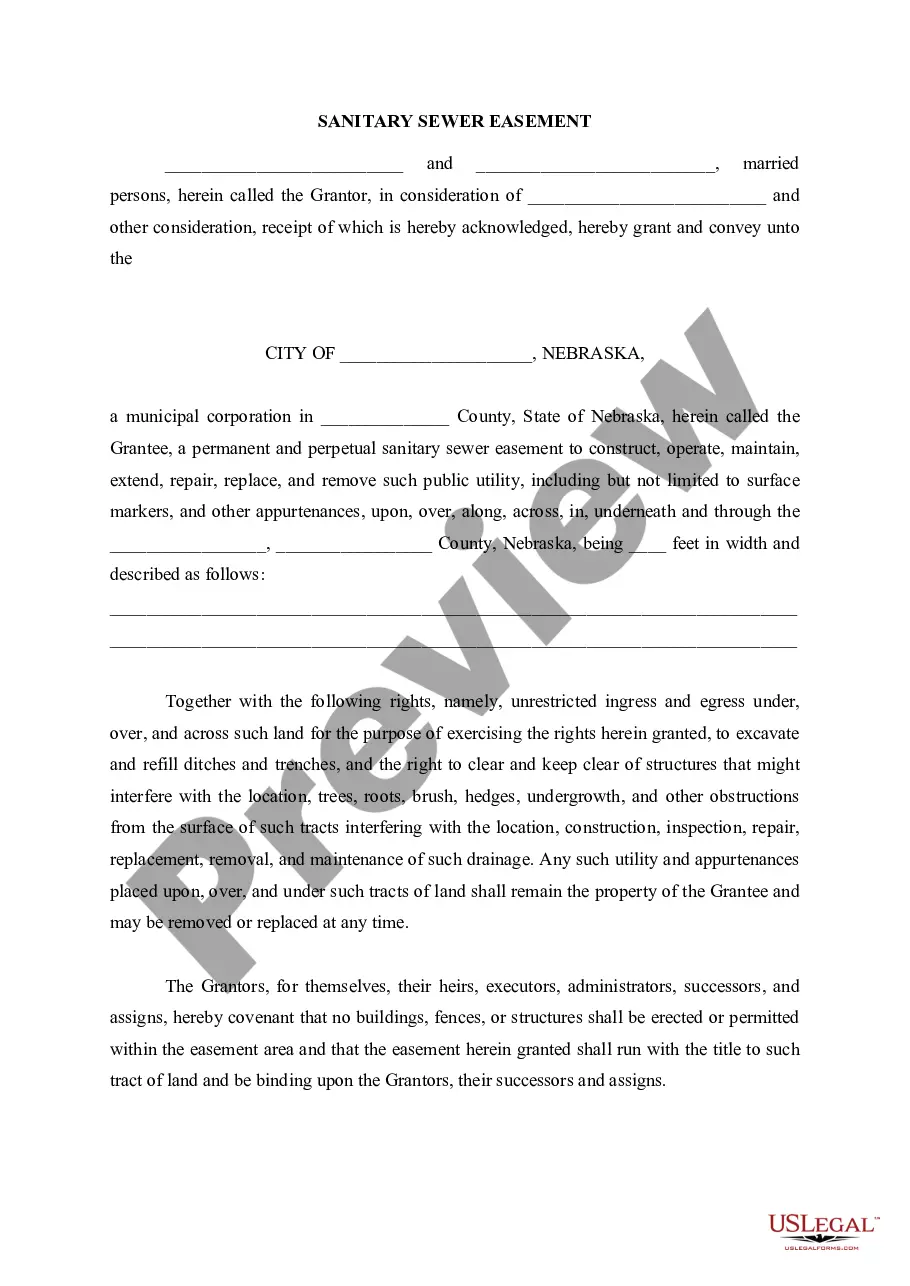
South Carolina Warranty Deed from Husband and Wife to Corporation
About this form
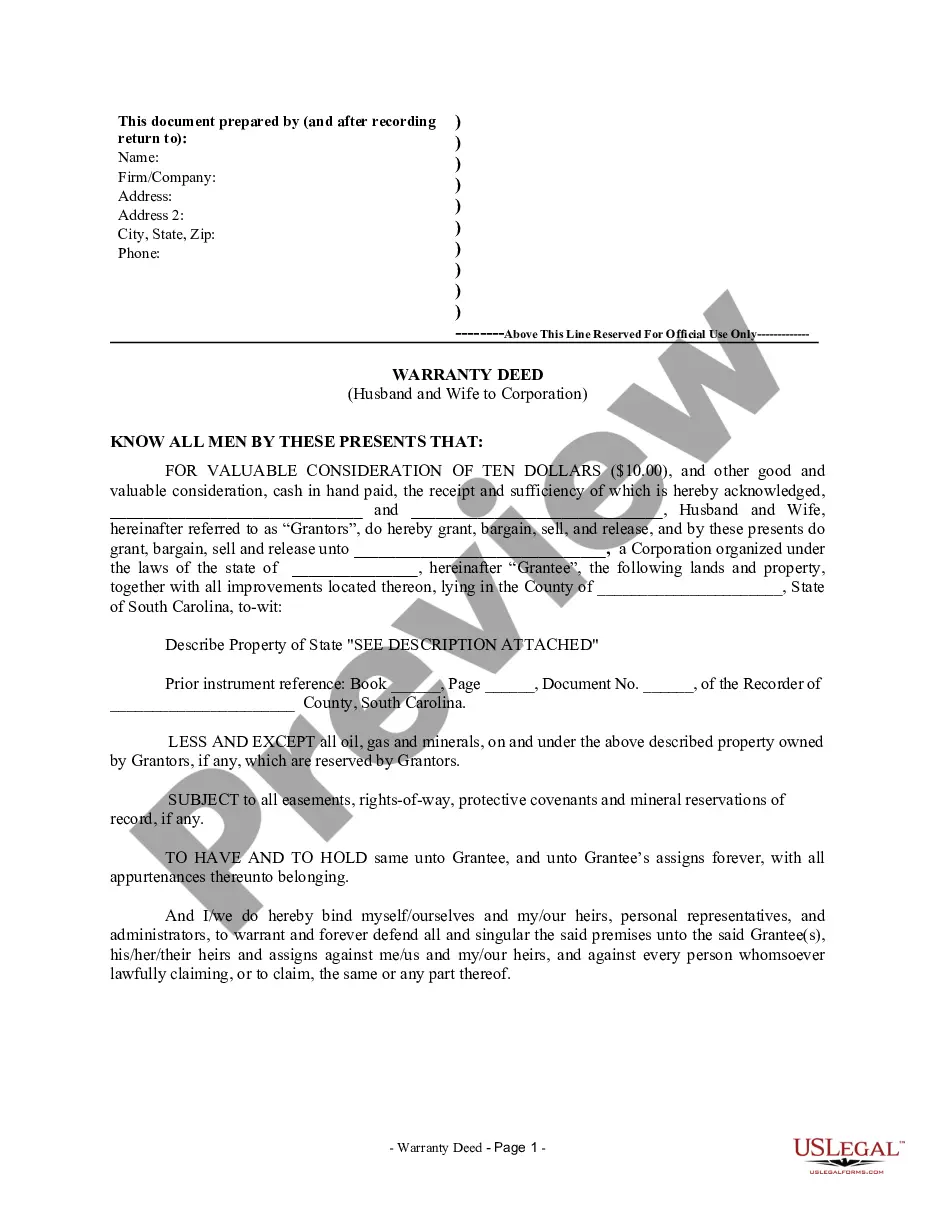
The Warranty Deed from Husband and Wife to Corporation is a legal document used to transfer property ownership from a married couple (the grantors) to a corporation (the grantee). This form differs from other types of deeds by specifically addressing the dynamics of a couple transferring ownership to a corporate entity, while also reserving certain mineral rights associated with the property.
Key parts of this document
- Identification of the property being transferred, including a detailed description.
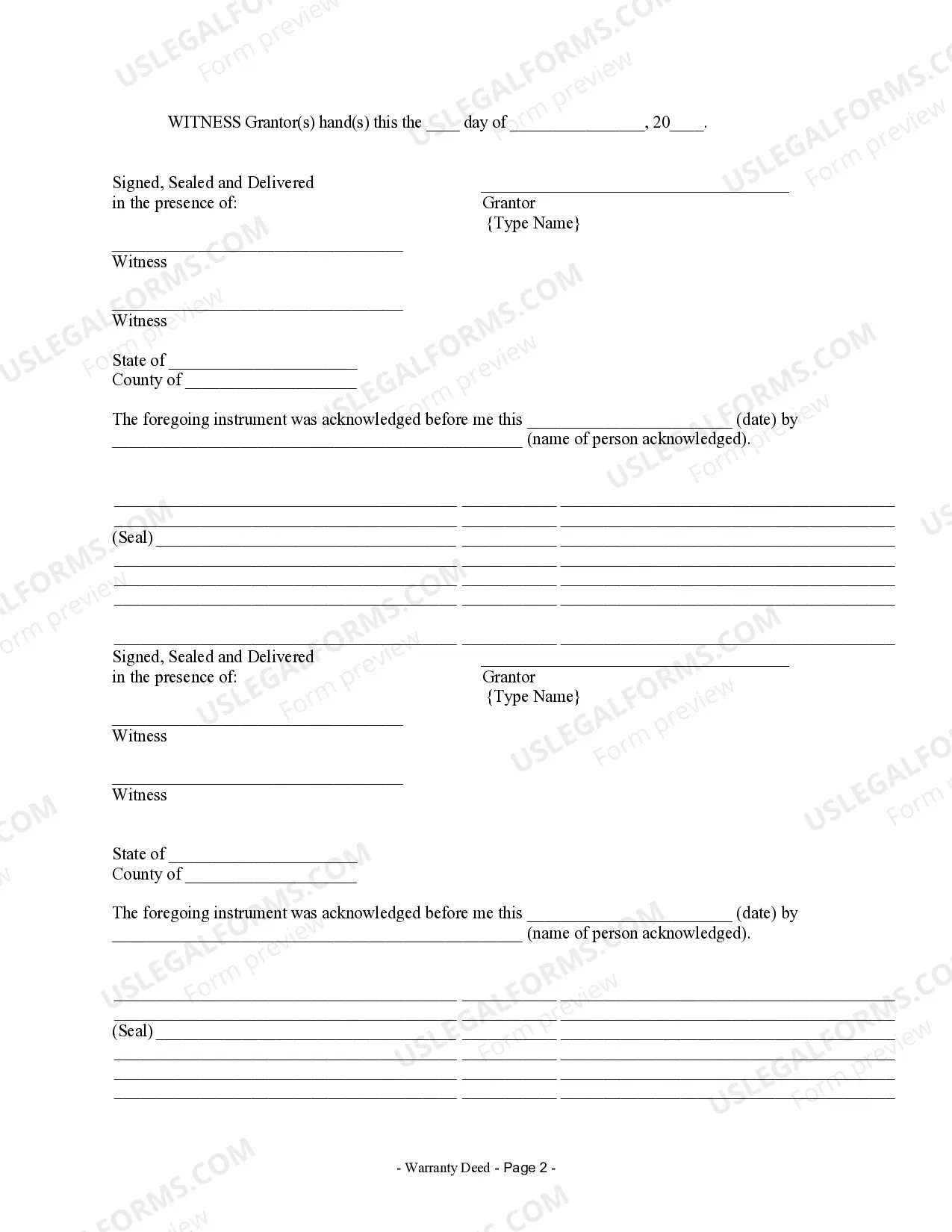
- Names and signatures of the grantors (husband and wife) and witnesses.
- Specific reservation of oil, gas, and mineral rights by the grantors.
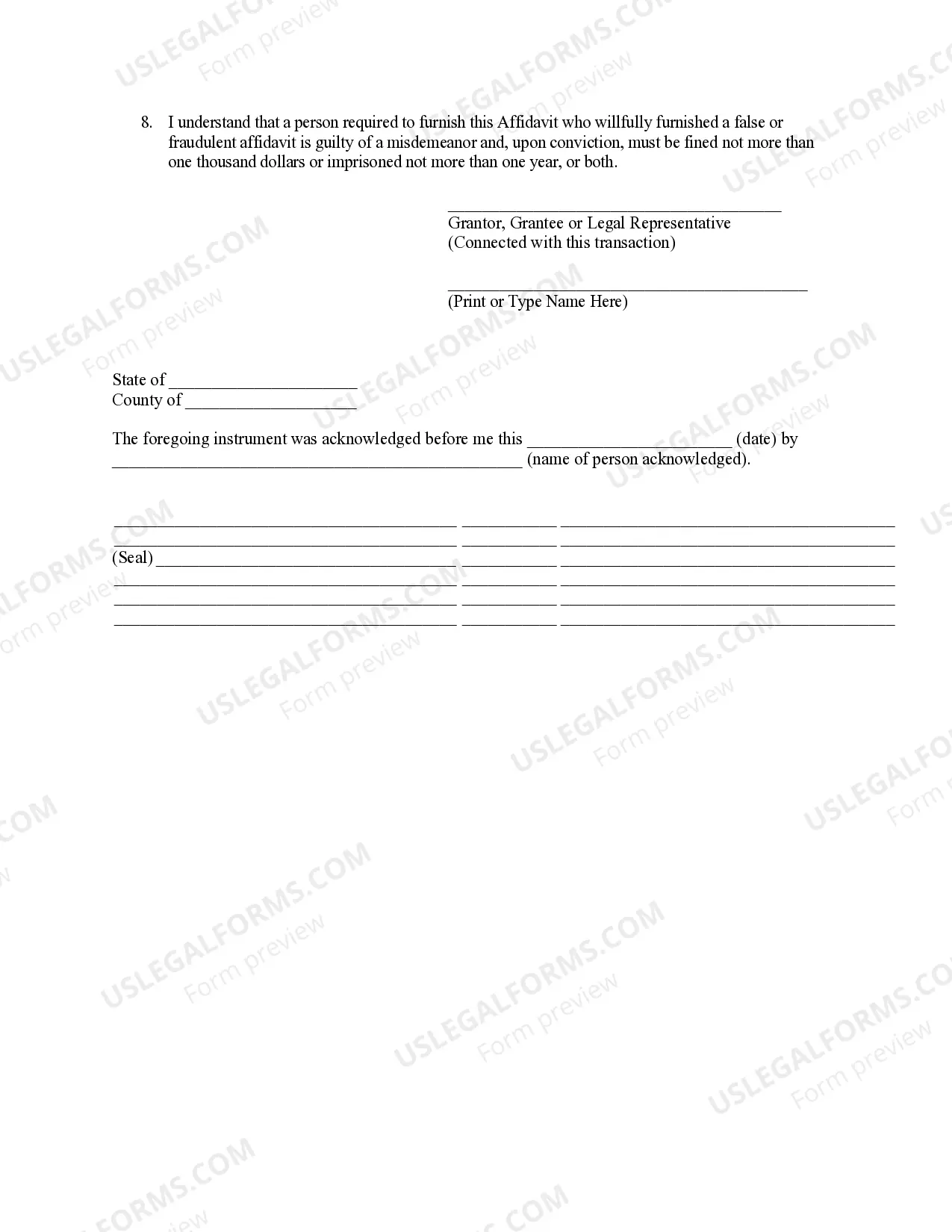
- Acknowledgment section for notarization to confirm the identity of the grantors.
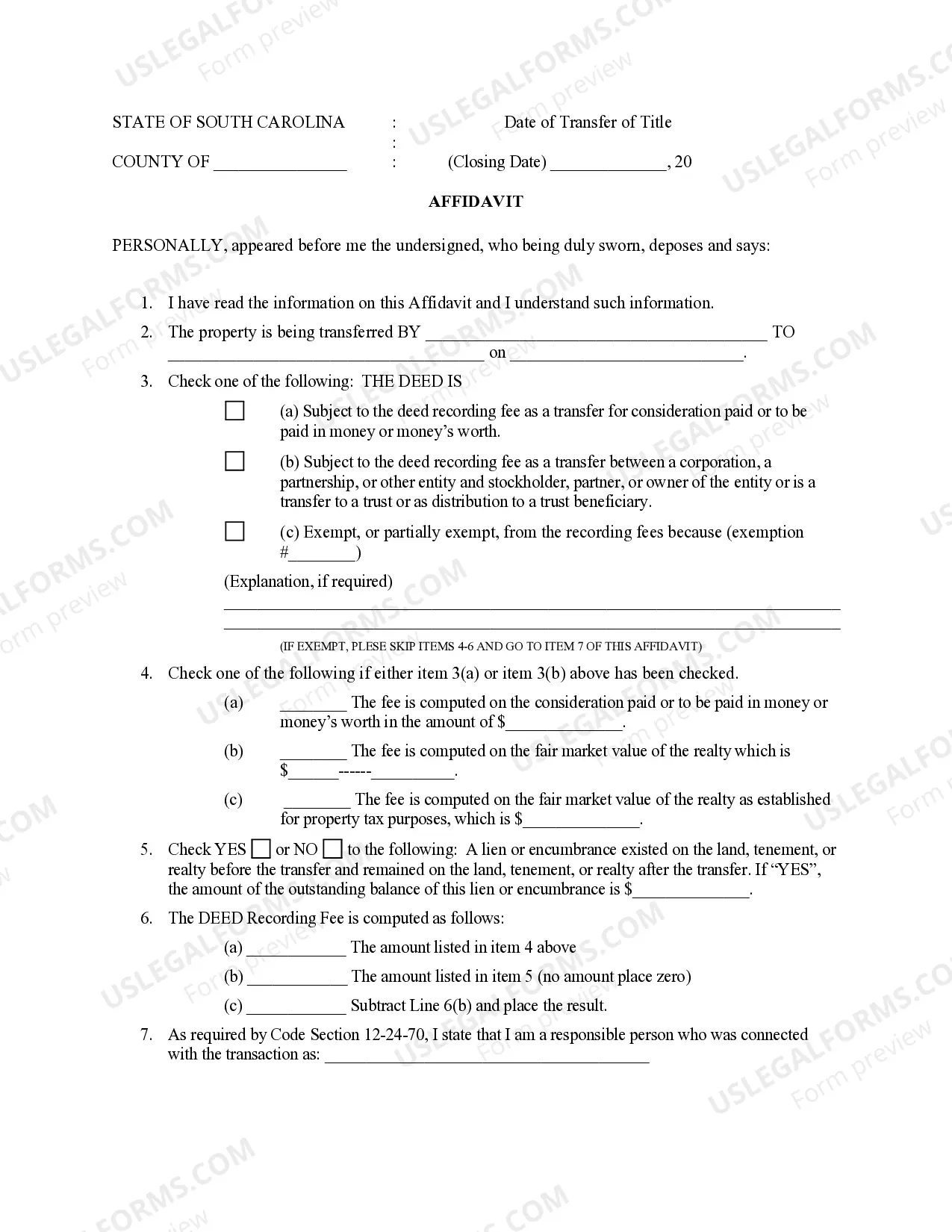
- Options regarding deed recording fees and exemptions.




Situations where this form applies
This form should be used when a husband and wife wish to transfer ownership of real estate to a corporation. It is appropriate in situations where the couple prefers to structure their property ownership collectively under a corporate entity, often for business or investment purposes.
Intended users of this form
- Married couples who are co-owners of property.
- Corporations wanting to acquire property from married owners.
- Individuals looking to ensure proper legal transfer of property ownership involving corporations.
Steps to complete this form
- Identify the parties involved: Grantors (husband and wife) and the Grantee (corporation).
- Provide a detailed description of the property being transferred.
- Fill in prior instrument references, if applicable, to link to previous records.
- Specify any reservations, such as mineral rights, and fill out fee computation details.
- Sign the document in the presence of witnesses and notary public, if required.
Does this form need to be notarized?
Yes, this form must be notarized to be legally valid. It includes an acknowledgment section where the notary public verifies the identities of the grantors, ensuring that the document is executed properly. US Legal Forms offers integrated online notarization services available 24/7, allowing you to complete the process securely via video call without needing to travel.
Get your form ready online
Our built-in tools help you complete, sign, share, and store your documents in one place.
Make edits, fill in missing information, and update formatting in US Legal Forms—just like you would in MS Word.
Download a copy, print it, send it by email, or mail it via USPS—whatever works best for your next step.
Sign and collect signatures with our SignNow integration. Send to multiple recipients, set reminders, and more. Go Premium to unlock E-Sign.
If this form requires notarization, complete it online through a secure video call—no need to meet a notary in person or wait for an appointment.
We protect your documents and personal data by following strict security and privacy standards.

Make edits, fill in missing information, and update formatting in US Legal Forms—just like you would in MS Word.

Download a copy, print it, send it by email, or mail it via USPS—whatever works best for your next step.

Sign and collect signatures with our SignNow integration. Send to multiple recipients, set reminders, and more. Go Premium to unlock E-Sign.

If this form requires notarization, complete it online through a secure video call—no need to meet a notary in person or wait for an appointment.

We protect your documents and personal data by following strict security and privacy standards.
Mistakes to watch out for
- Failure to accurately describe the property can lead to legal issues.
- Not obtaining all necessary signatures, including those of witnesses, can invalidate the deed.
- Overlooking the reservation of mineral rights, resulting in unintentional loss of rights.
Why use this form online
- Convenience of accessing and completing the form at any time from your home.
- Editability allows you to customize based on your specific needs.
- Reliability of professionally drafted templates ensures legal compliance.
Quick recap
- This Warranty Deed facilitates the transfer of property from a married couple to a corporation.
- Proper completion and notarization are crucial for legal validity.
- Understanding local requirements and potential implications of mineral rights is essential.
Looking for another form?


Form popularity
FAQ
In South Carolina, the grantor must sign the deed in front of two witnesses and in the presence of an individual authorized by the state to administer an oath. Record the completed deed at the local county Recorder's office, along with an Affidavit of True Consideration (S.C. Code Ann.
What Should I Know About Quitclaim Deeds in South Carolina? You are buying the least amount of protection of any deed. A quitclaim deed conveys whatever interest the grantor currently has in the property if any. The grantor only remises, releases and quitclaims his or her interest in the property to the grantee.
An original, wet signed document. Signature of the Party of the First Part. Two witnesses to the signature. A South Carolina Probate or Acknowledgement. A property description to include a recorded plat reference or metes and bounds description.
The grantor must sign the quitclaim deed in the presence of two credible witnesses. The quitclaim deed must also be subscribed by the two witnesses. The address of the grantee is needed in order to record this type of real estate document.
To sign over property ownership to another person, you'll use one of two deeds: a quitclaim deed or a warranty deed.
Important Laws & Requirements Recording: Quitclaim deeds in South Carolina are recorded and filed with the County Registrar of Deeds office. Choose the office in the county where the property is located. Fees: Each county has its own filing fee for quitclaim deeds in South Carolina.
Review the property title to see who is officially listed on it. Sign the title over to the new owner in the place that is noted. Complete a general warranty deed to show the transfer of ownership from you to another. Pay the real estate transfer tax as levied in South Carolina.
Identify the donee or recipient. Discuss terms and conditions with that person. Complete a change of ownership form. Change the title on the deed. Hire a real estate attorney to prepare the deed. Notarize and file the deed.