Rhode Island Last Will and Testament with All Property to Trust called a Pour Over Will
What this document covers
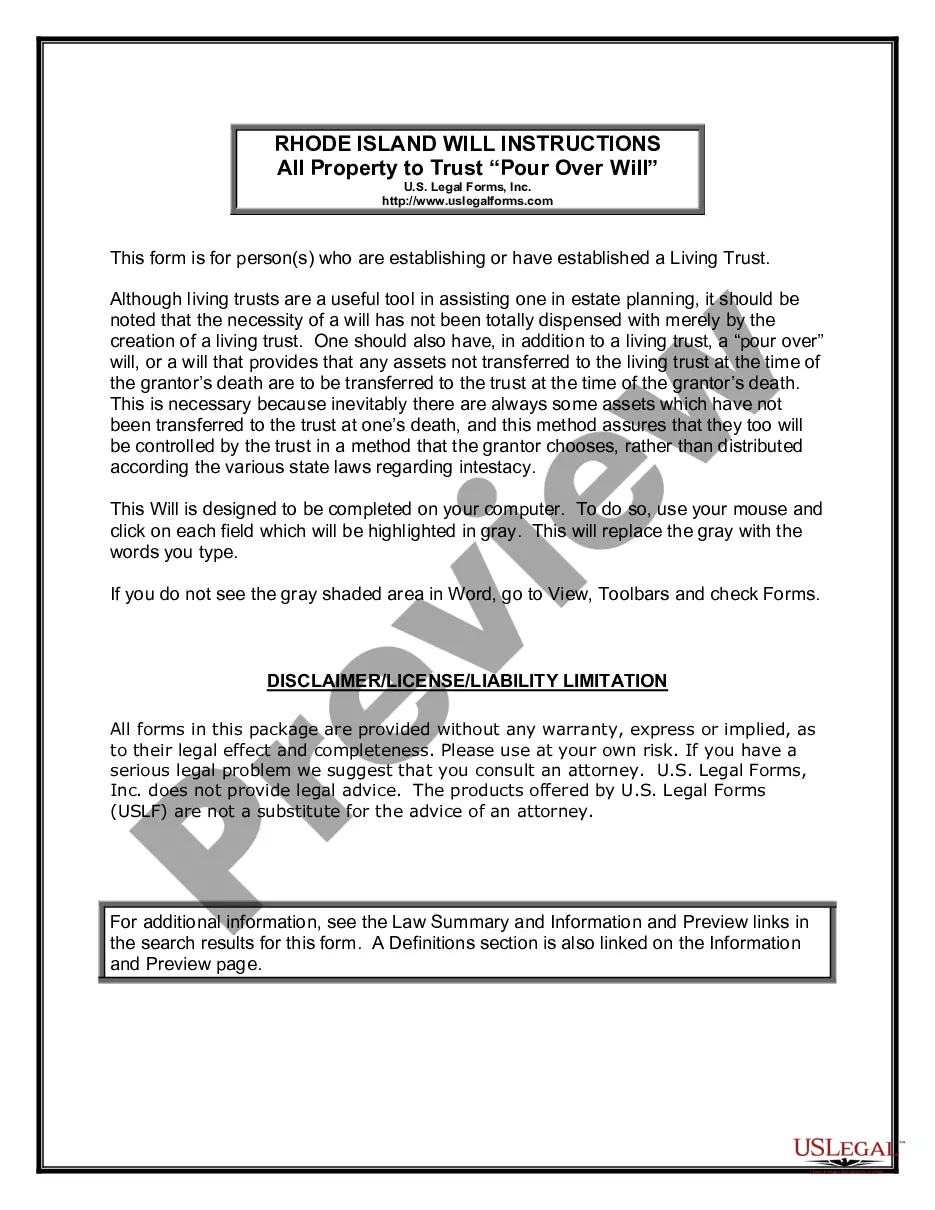
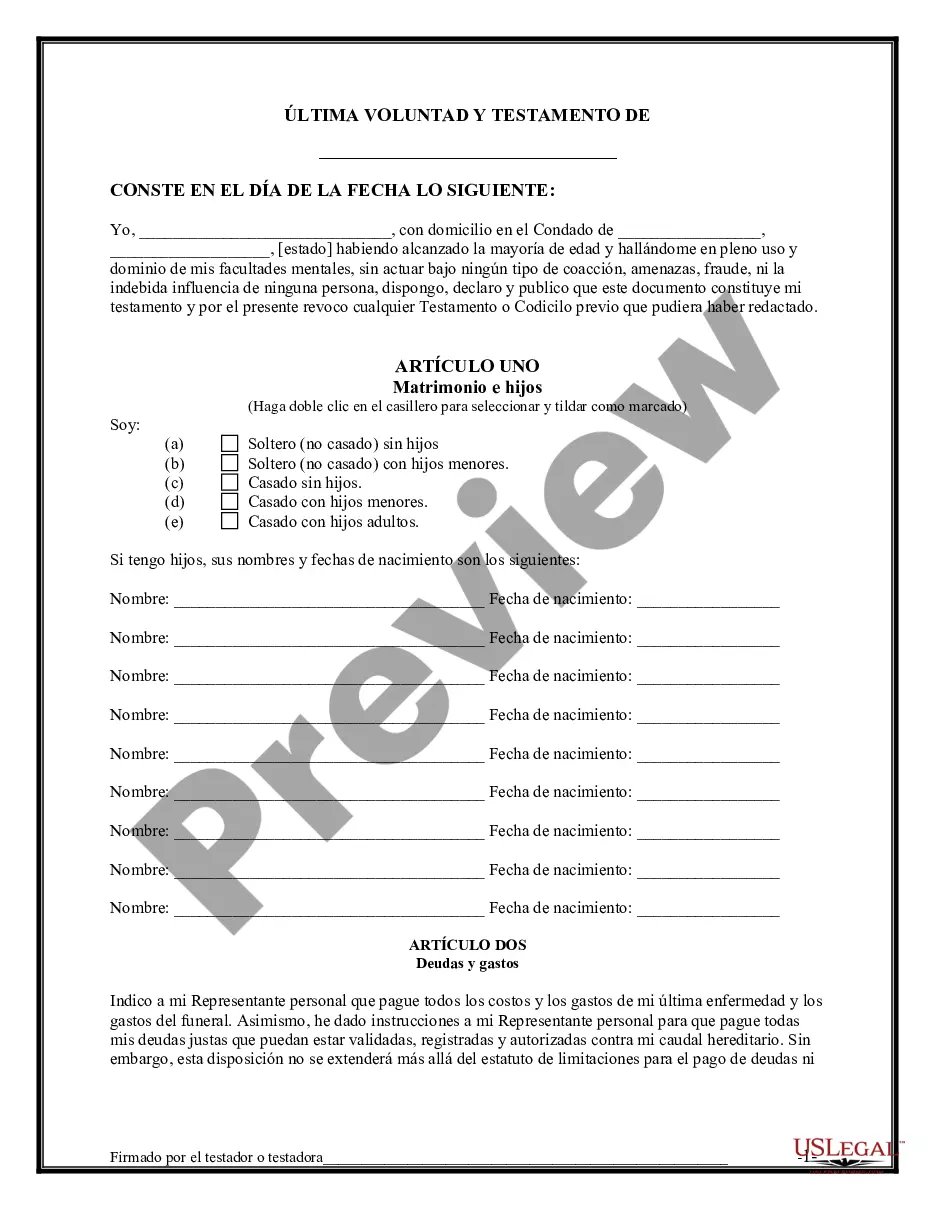
The Last Will and Testament with All Property to Trust, also known as a Pour Over Will, is a legal document that ensures any assets not already transferred into a living trust are directed to that trust upon the testator's death. This type of will is especially important for those who have established or are in the process of establishing a living trust, as it simplifies the estate planning process and ensures that all property is managed according to the testator's wishes rather than state intestacy laws.
Key components of this form
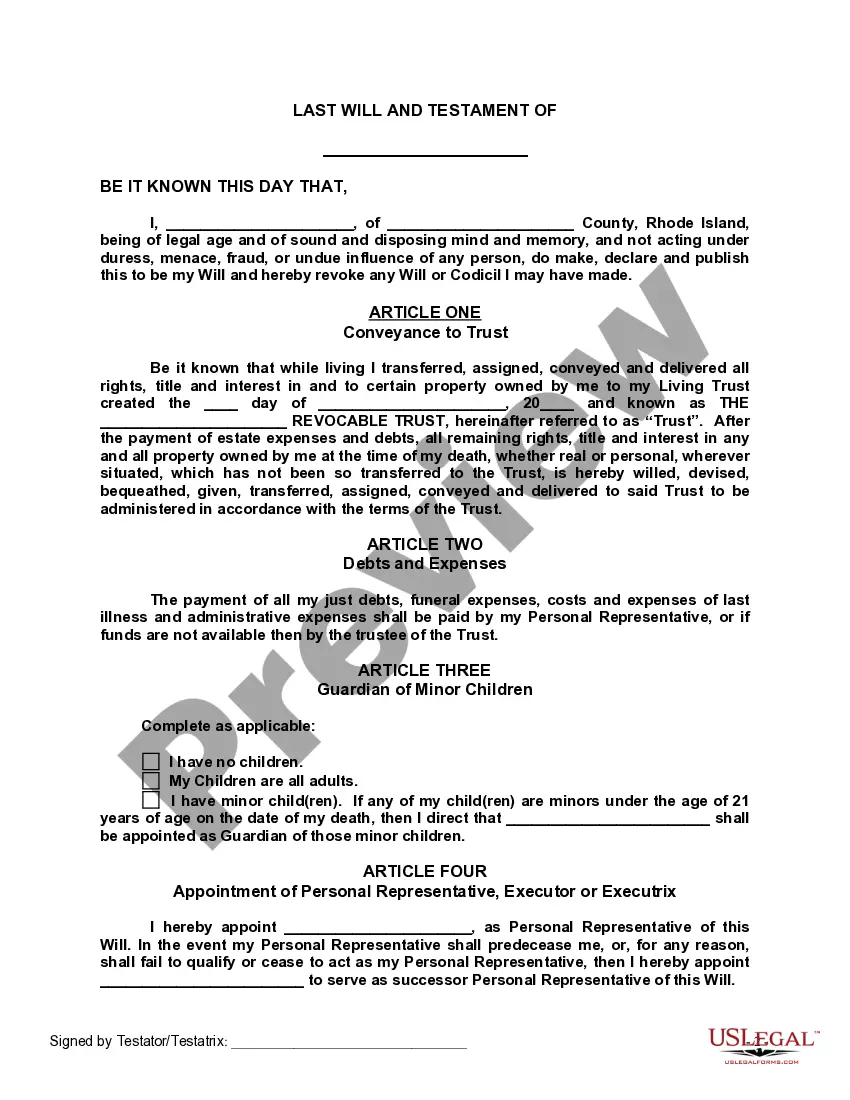
- Conveyance to Trust: Outlines the transfer of any remaining property to the living trust after the testator's death.
- Debts and Expenses: Details how debts, funeral costs, and last illness expenses should be paid from the estate.
- Guardian of Minor Children: Specifies a guardian for any minor children if applicable.
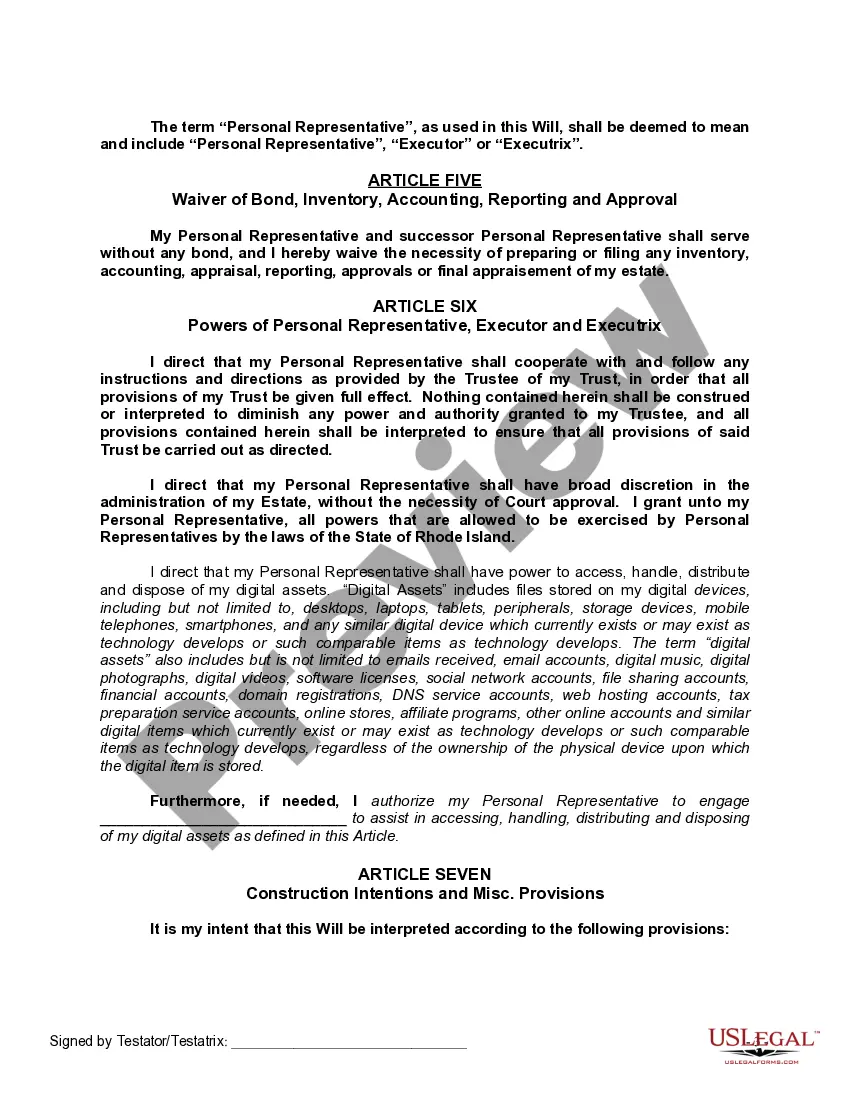
- Appointment of Personal Representative: Names a person to administer the estate and carry out the will's instructions.
- Waiver of Bond: Allows the personal representative to act without needing to post a bond.
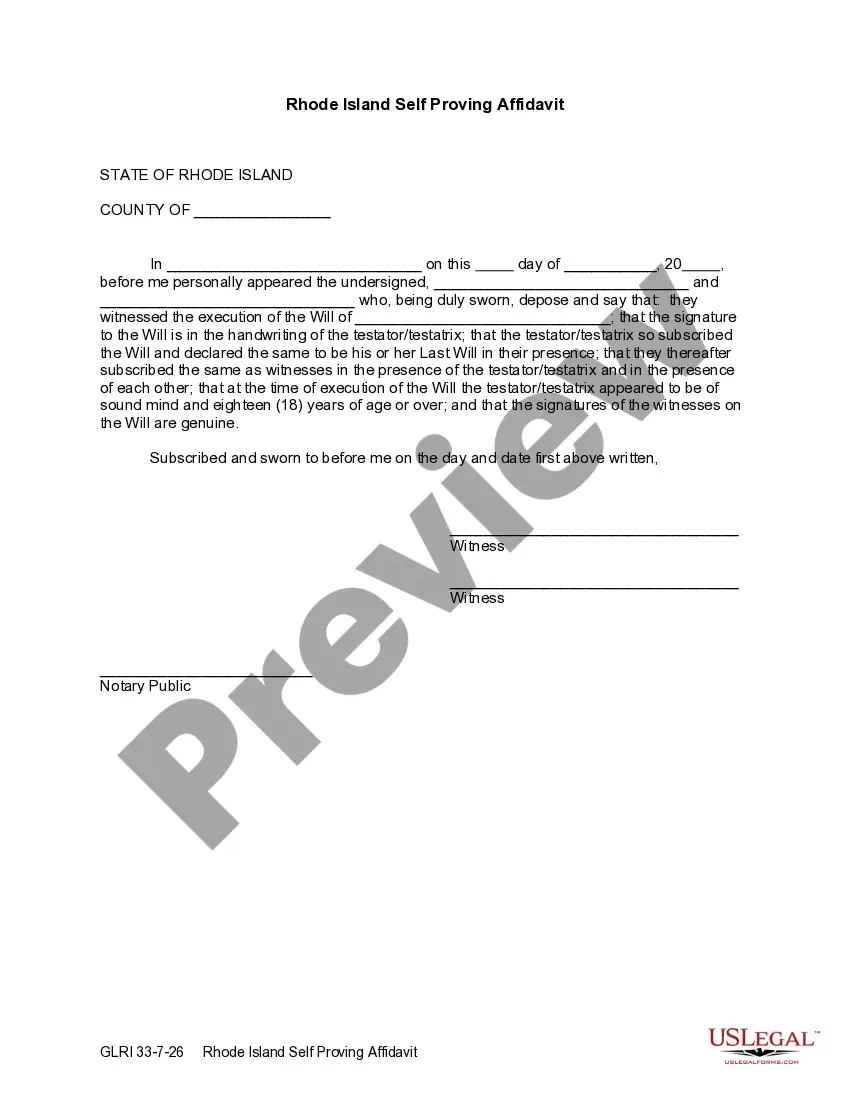
- Self-Proving Affidavit: Provides a method for witnesses to affirm the will's validity, simplifying the probate process.



Common use cases
This form should be used when an individual has created or is planning to create a living trust and wants to ensure that any assets not included in the trust are still managed according to their wishes upon their death. It is ideal for those who may have received property or assets that were not transferred to the trust at the time of their passing.
Who needs this form
- Individuals who have established a living trust and want to consolidate their estate management.
- Those looking for a straightforward method to ensure all property is accounted for after death.
- People with minor children who wish to specify guardianship terms in their will.
Steps to complete this form
- Identify and fill in your name, county, and the date the will is being executed.
- Clearly specify the details of any property to be transferred to the trust.
- Select and name a personal representative to administer the will.
- Indicate guardianship arrangements for any minor children, if applicable.
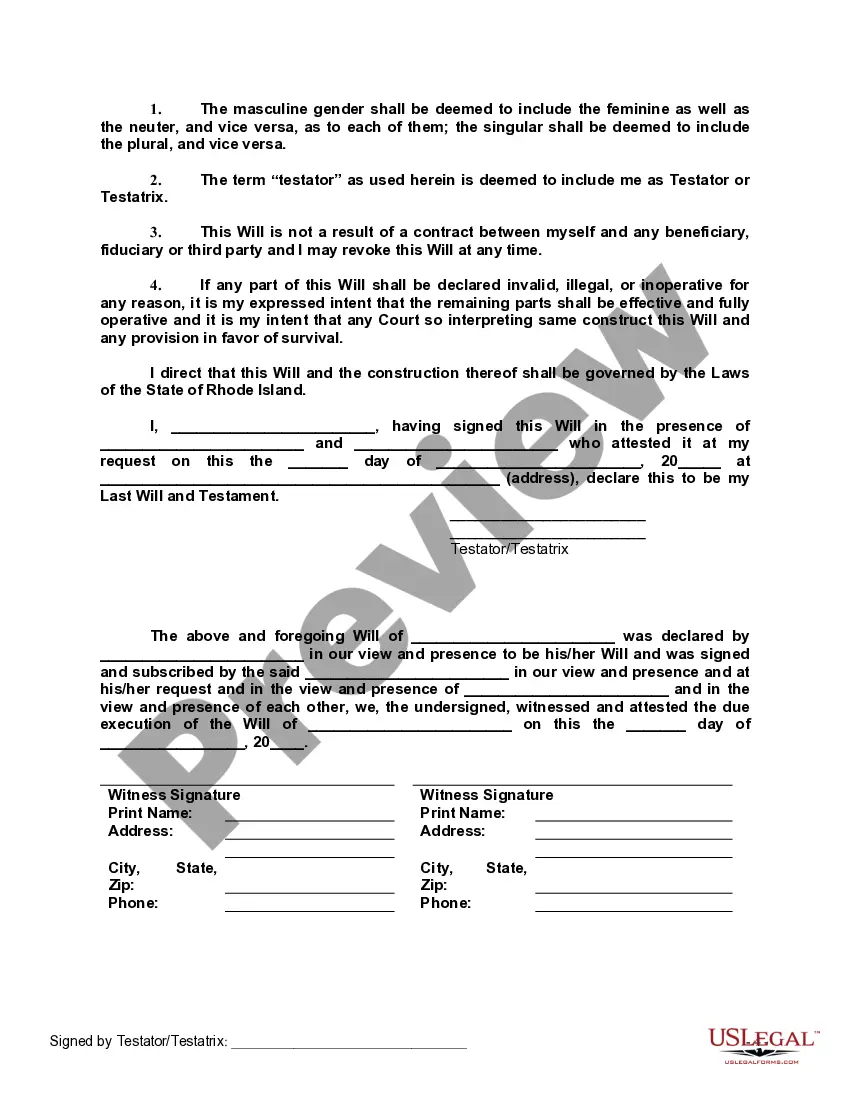
- Ensure witnesses sign the document in your presence as required by law.
Notarization guidance
This form does not typically require notarization unless specified by local law. However, having a notary public present when signing can enhance the credibility and acceptance of the will in probate proceedings.
Get your form ready online
Our built-in tools help you complete, sign, share, and store your documents in one place.
Make edits, fill in missing information, and update formatting in US Legal Forms—just like you would in MS Word.
Download a copy, print it, send it by email, or mail it via USPS—whatever works best for your next step.
Sign and collect signatures with our SignNow integration. Send to multiple recipients, set reminders, and more. Go Premium to unlock E-Sign.
If this form requires notarization, complete it online through a secure video call—no need to meet a notary in person or wait for an appointment.
We protect your documents and personal data by following strict security and privacy standards.

Make edits, fill in missing information, and update formatting in US Legal Forms—just like you would in MS Word.

Download a copy, print it, send it by email, or mail it via USPS—whatever works best for your next step.

Sign and collect signatures with our SignNow integration. Send to multiple recipients, set reminders, and more. Go Premium to unlock E-Sign.

If this form requires notarization, complete it online through a secure video call—no need to meet a notary in person or wait for an appointment.

We protect your documents and personal data by following strict security and privacy standards.
Common mistakes
- Failing to name a personal representative or alternate in case the first choice cannot serve.
- Not specifying property that should be included in the trust.
- Overlooking the requirement for witnesses when signing the will.
- Neglecting to update the will after significant life changes, such as marriage or the birth of children.
Why complete this form online
- Convenience of completing the form from home or any location.
- Editability allows for easy updates before finalizing the document.
- Access to attorney-drafted templates ensures legal accuracy and reliability.
What to keep in mind
- A Pour Over Will ensures that all assets not transferred to your trust are directed into it upon your death.
- This form is essential for individuals with a living trust to manage their estate effectively.
- Completing this will helps to avoid intestacy issues and ensures that your assets are handled according to your chosen terms.
Looking for another form?



Form popularity
FAQ
Sure you can write your own revocable living trust. In fact, you can do it better than a lot of the attorneys. First you have to ascertain that you really want a trust.This is true whether you are preparing a revocable living trust, corporate bylaws, LLC documents, or any other legal documents.
This should include the titles and deeds to real property, bank account information, investment accounts, stock certificates, life insurance policies, and other assets you will be using to fund the trust. Having this information available will make it easier to prepare your trust distribution provisions.
An estate plan that includes a trust costs $1,000 to $3,000, versus $300 or less for a simple will. What a living-trust promoter may not tell you: You don't need a trust to protect assets from probate. You can arrange for most of your valuable assets to go to your heirs outside of probate.
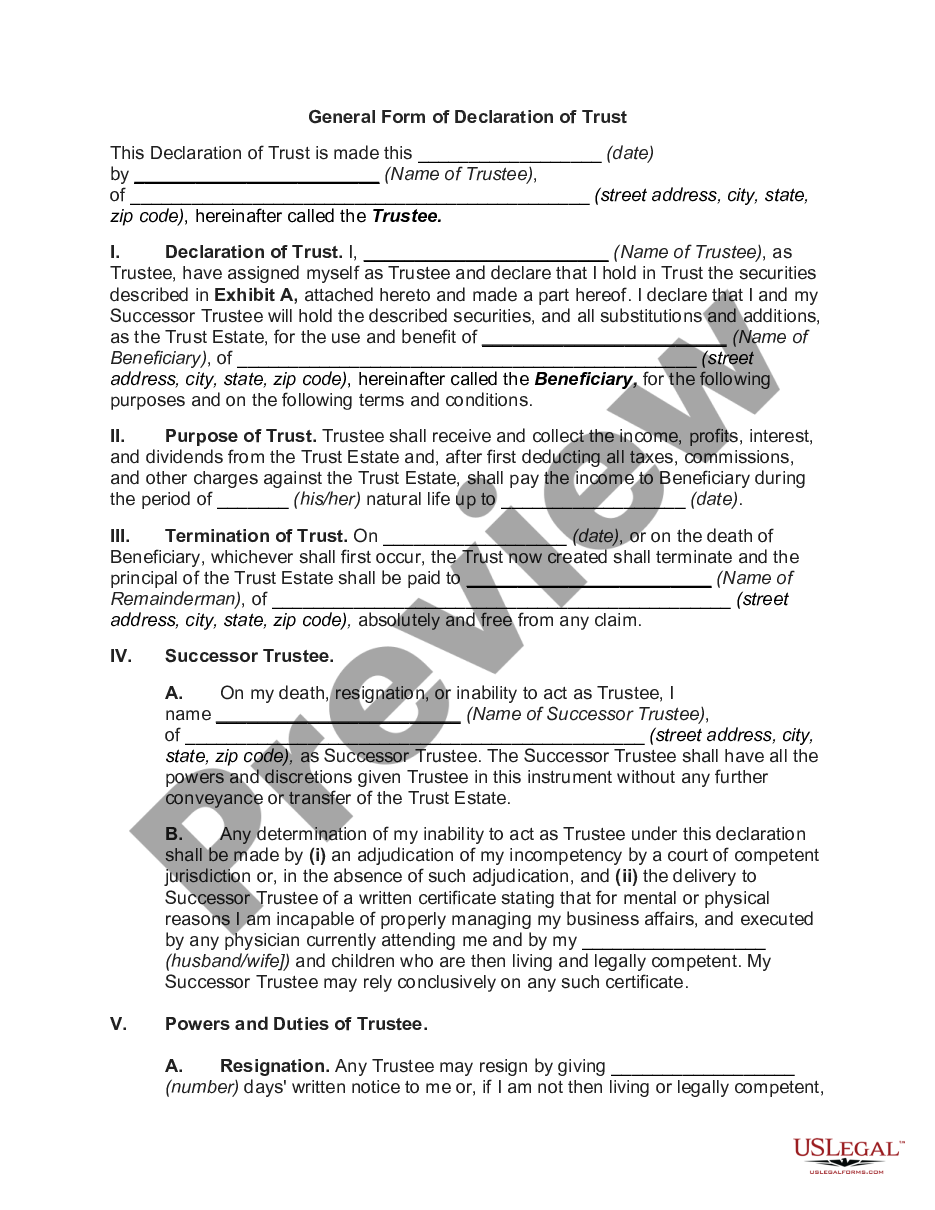
Pick a type of living trust. If you're married, you'll first need to decide whether you want a single or joint trust. Take stock of your property. Choose a trustee. Draw up the trust document. Sign the trust. Transfer your property to the trust.
No, you don't need a lawyer to set up a trust, but it might be a good idea to seek legal advice to ensure the trust is set up correctly and that you have considered all long-term financial and estate planning aspects of the trust.Some living trusts are revocable, which means the trust can be changed at any time.
Pick a type of living trust. If you're married, you'll first need to decide whether you want a single or joint trust. Take stock of your property. Choose a trustee. Draw up the trust document. Sign the trust. Transfer your property to the trust.
A Living Trust is a document that allows individual(s), or 'Grantor', to place their assets to the benefit of someone else at their death or incapacitation. Unlike a Will, a Trust does not go through the probate process with the court.
Pick a type of living trust. If you're married, you'll first need to decide whether you want a single or joint trust. Take stock of your property. Choose a trustee. Draw up the trust document. Sign the trust. Transfer your property to the trust.