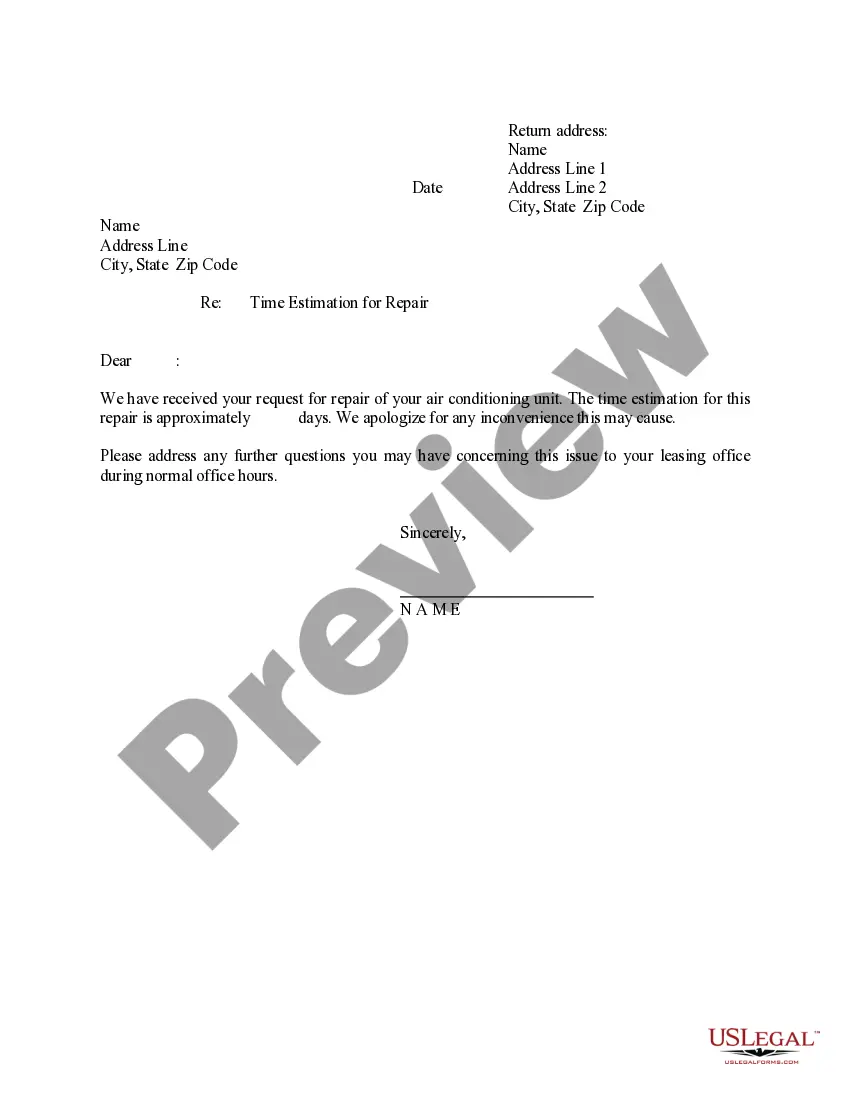
Rhode Island Letter from Landlord to Tenant about time of intent to enter premises
What this document covers
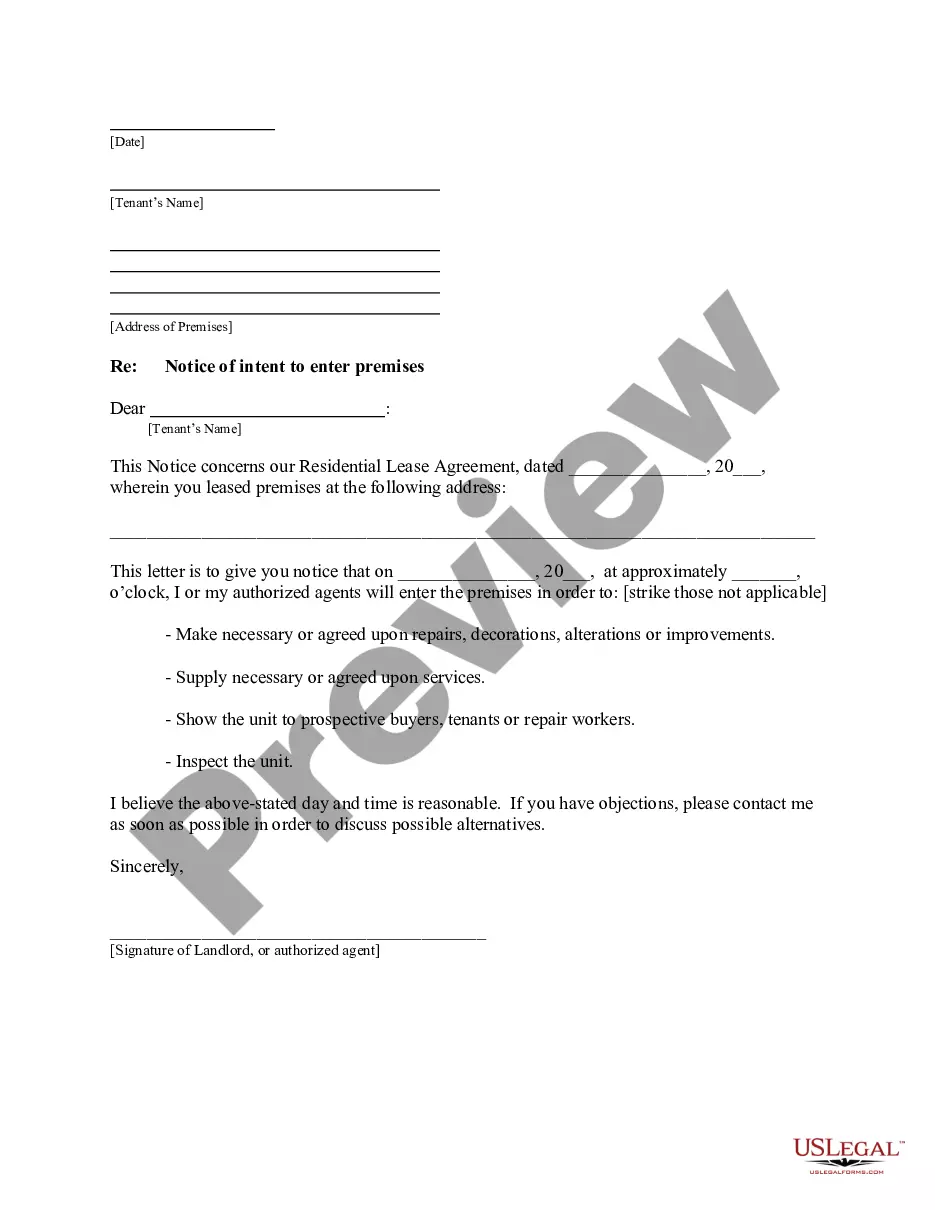
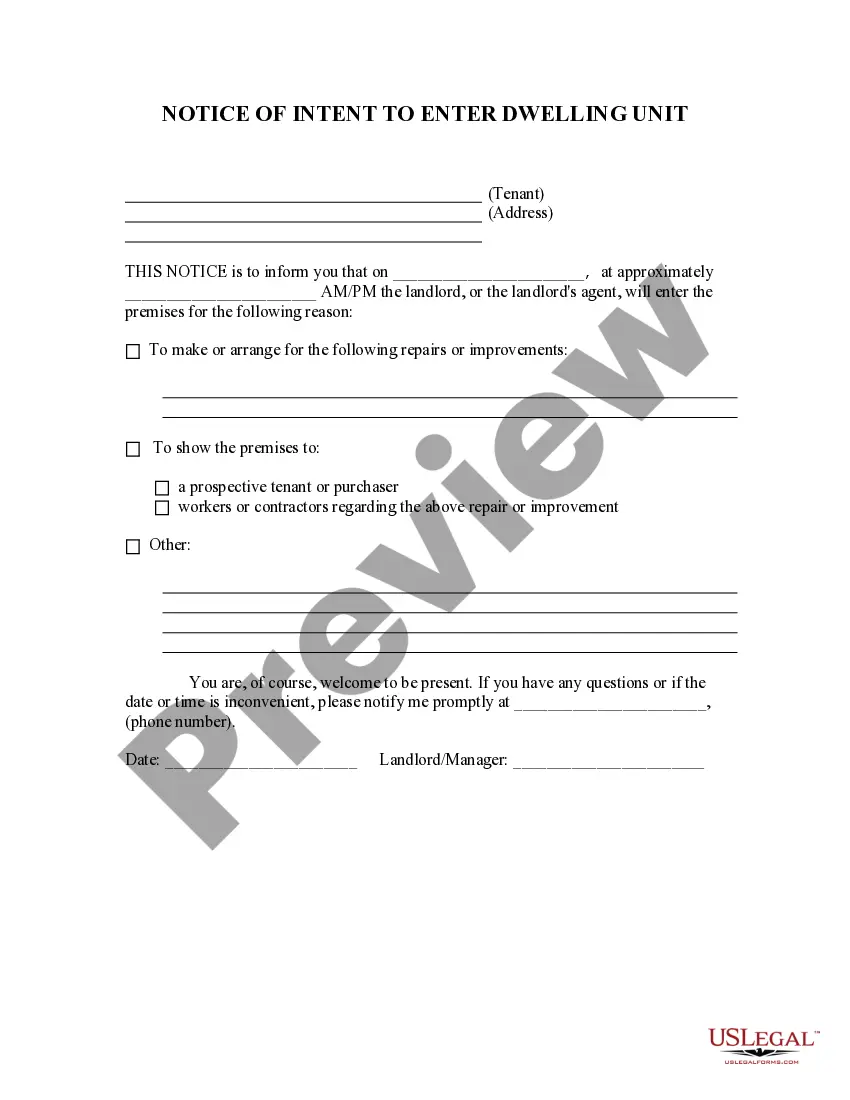
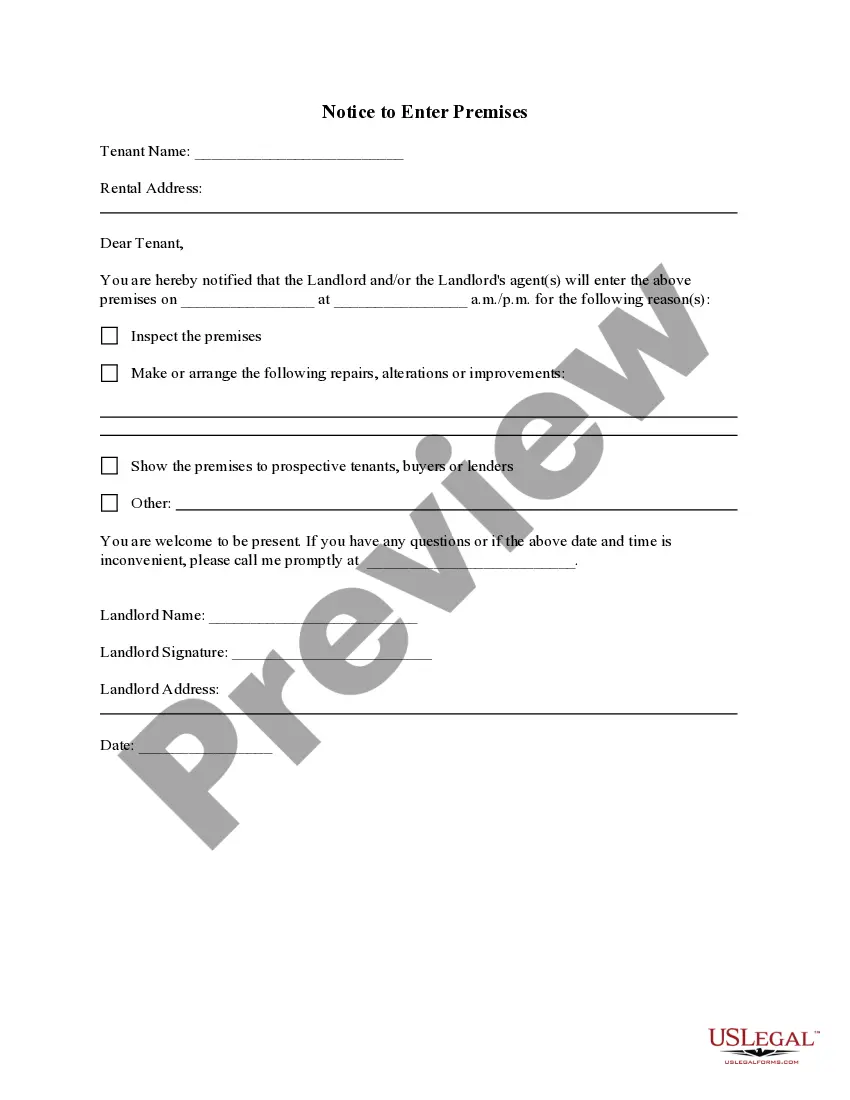
This form is a Letter from Landlord to Tenant about time of intent to enter premises. It serves to notify the tenant that the landlord or an authorized agent will be entering the leased property for specific reasons, such as repairs, inspections, or showing the unit to prospective buyers. This form is essential to ensure clear communication and to comply with notice requirements in residential lease agreements.
What’s included in this form
- Identification of the residential lease agreement.
- Details of the property address being leased.
- Date and time of the intended entry.
- Specific reasons for the entry, with options to choose from.
- Contact information for tenant objections or concerns.
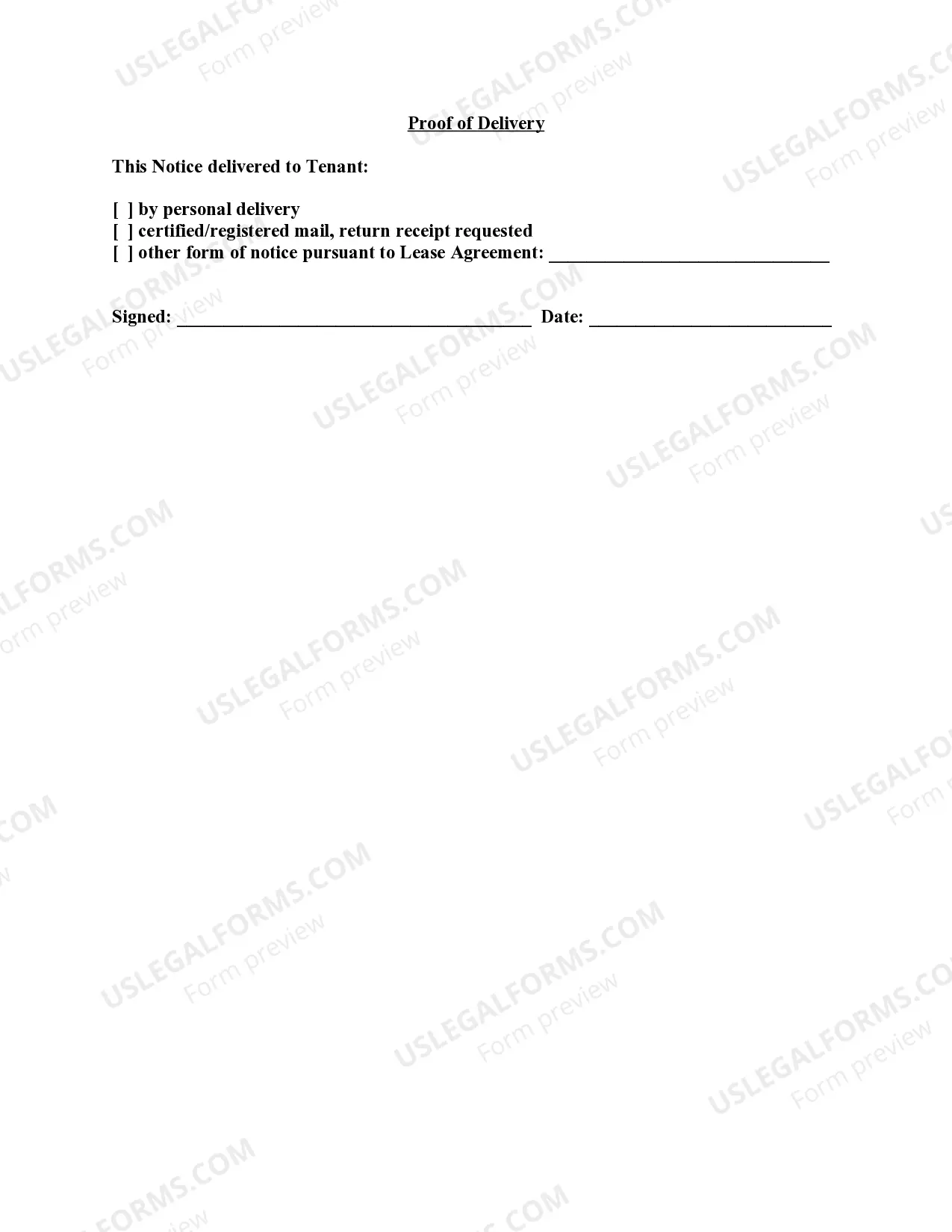
- Proof of delivery methods for notifying the tenant.
When this form is needed
This form should be used when a landlord needs to inform a tenant about an upcoming visit to the rental property. Common situations include scheduling maintenance or repairs, conducting a routine inspection, or showing the unit to potential new tenants or buyers. It is a vital communication tool that helps maintain a professional relationship between the landlord and tenant.
Who needs this form
- Landlords who manage residential properties.
- Property management companies acting on behalf of landlords.
- Real estate agents involved in sale or leasing of the property.
Instructions for completing this form
- Identify the parties involved (landlord and tenant).
- Specify the property address to ensure clarity.
- Enter the date and approximate time of the intended entry.
- Select the reasons for entering the premises from the provided options.
- Provide your signature and date the letter.
- Deliver the notice using one of the specified methods to ensure receipt.
Notarization requirements for this form
This form usually doesn’t need to be notarized. However, local laws or specific transactions may require it. Our online notarization service, powered by Notarize, lets you complete it remotely through a secure video session, available 24/7.
Get your form ready online
Our built-in tools help you complete, sign, share, and store your documents in one place.
Make edits, fill in missing information, and update formatting in US Legal Forms—just like you would in MS Word.
Download a copy, print it, send it by email, or mail it via USPS—whatever works best for your next step.
Sign and collect signatures with our SignNow integration. Send to multiple recipients, set reminders, and more. Go Premium to unlock E-Sign.
If this form requires notarization, complete it online through a secure video call—no need to meet a notary in person or wait for an appointment.
We protect your documents and personal data by following strict security and privacy standards.

Make edits, fill in missing information, and update formatting in US Legal Forms—just like you would in MS Word.

Download a copy, print it, send it by email, or mail it via USPS—whatever works best for your next step.

Sign and collect signatures with our SignNow integration. Send to multiple recipients, set reminders, and more. Go Premium to unlock E-Sign.

If this form requires notarization, complete it online through a secure video call—no need to meet a notary in person or wait for an appointment.

We protect your documents and personal data by following strict security and privacy standards.
Typical mistakes to avoid
- Failing to provide adequate notice to the tenant.
- Not specifying the reasons for entry clearly.
- Neglecting to sign and date the form before delivery.
- Using the wrong delivery method, which may not ensure tenant receipt.
Why use this form online
- Convenient access to downloadable templates that are easy to fill out.
- Editable forms that can be customized for specific situations.
- Reliable legal documents drafted by licensed attorneys.
Legal use & context
- The form serves as a legal notice and should be used in accordance with lease terms and local laws.
- Failure to provide adequate notice may result in legal ramifications or disputes.
- Using this form helps maintain clear communication and sets expectations for both landlords and tenants.
What to keep in mind
- Utilize this form to formally notify tenants about entry into rental premises.
- Ensure compliance with local laws regarding notice periods and delivery methods.
- Provide clear communication of purpose and expected outcomes from the visit.
Looking for another form?

Form popularity
FAQ
Your Landlord is legally obligated to return your deposit within 10 days of you both agreeing how much you'll get back (after the tenancy has ended, of course).
The law includes an extension of the CDC moratorium on evictions. The CDC moratorium, which was set to expire on December 31 2020, will now be in effect through January 31 2021. The new law did not change any other terms of the moratorium.
If your deposit didn't need to be protected and your landlord refuses to give it back, you might have to take them to court.You'll need to take your landlord to the small claims court to get your money back.
Rhode Island is a partially landlord-friendly state. There are no rent control policies and landlords are not limited in the kinds of fees they charge. However, tenants normally require a substantial amount of notice before eviction.
HOW DO I GET MY SECURITY DEPOSIT BACK? The landlord must give you back your security deposit within 20 days after you leave the apartment if you give a new mailing address to him/her. Before you leave the apartment, you should make a list describing the condition of the apartment.
Notice to Tenants. Before an unlawful detainer lawsuit begins, the landlord must give the tenants a written notice. Tenants Don't Move. Tenant Response to the Lawsuit. Follow the Law.
In Rhode Island, your landlord can only require the first month's rent and a security deposit equal to 1-month's rent. (Demanding 'first, last and security deposit' is common, but illegal, in Rhode Island.)If the landlord had a real estate agent, or made you deal with an agency, you do NOT have to pay their fee.
Rhode Island Eviction Process Timeline Initial Notice Period between 5 and 90 days, depending on the notice type and reason for eviction. Issuance/Service of Summons and Complaint 5 days prior to the hearing for nonpayment of rent evictions. Answer is filed 9-20 days, depending on the reason for the eviction.
Evicting a tenant in Rhode Island can take around 1-4 months, depending on the reason for the eviction.