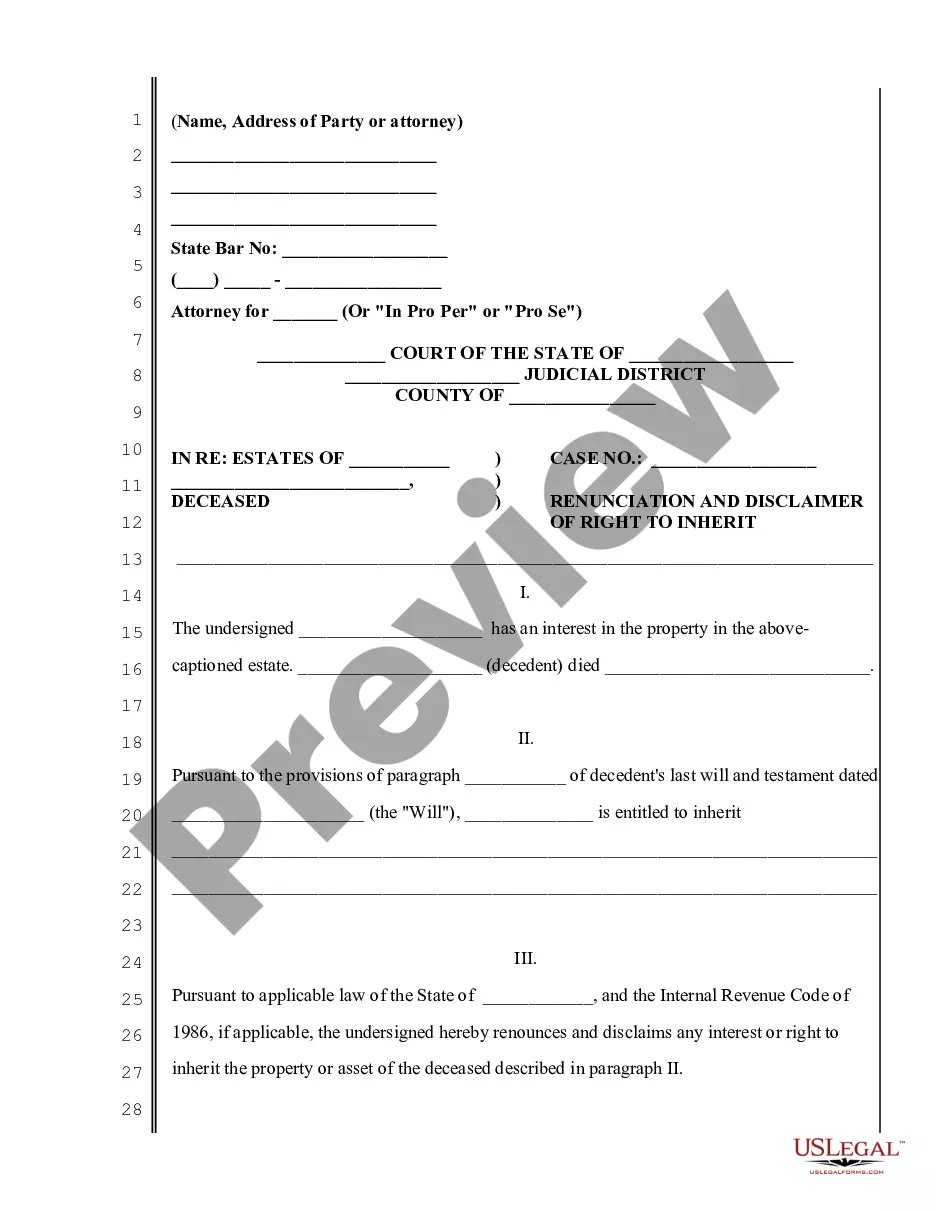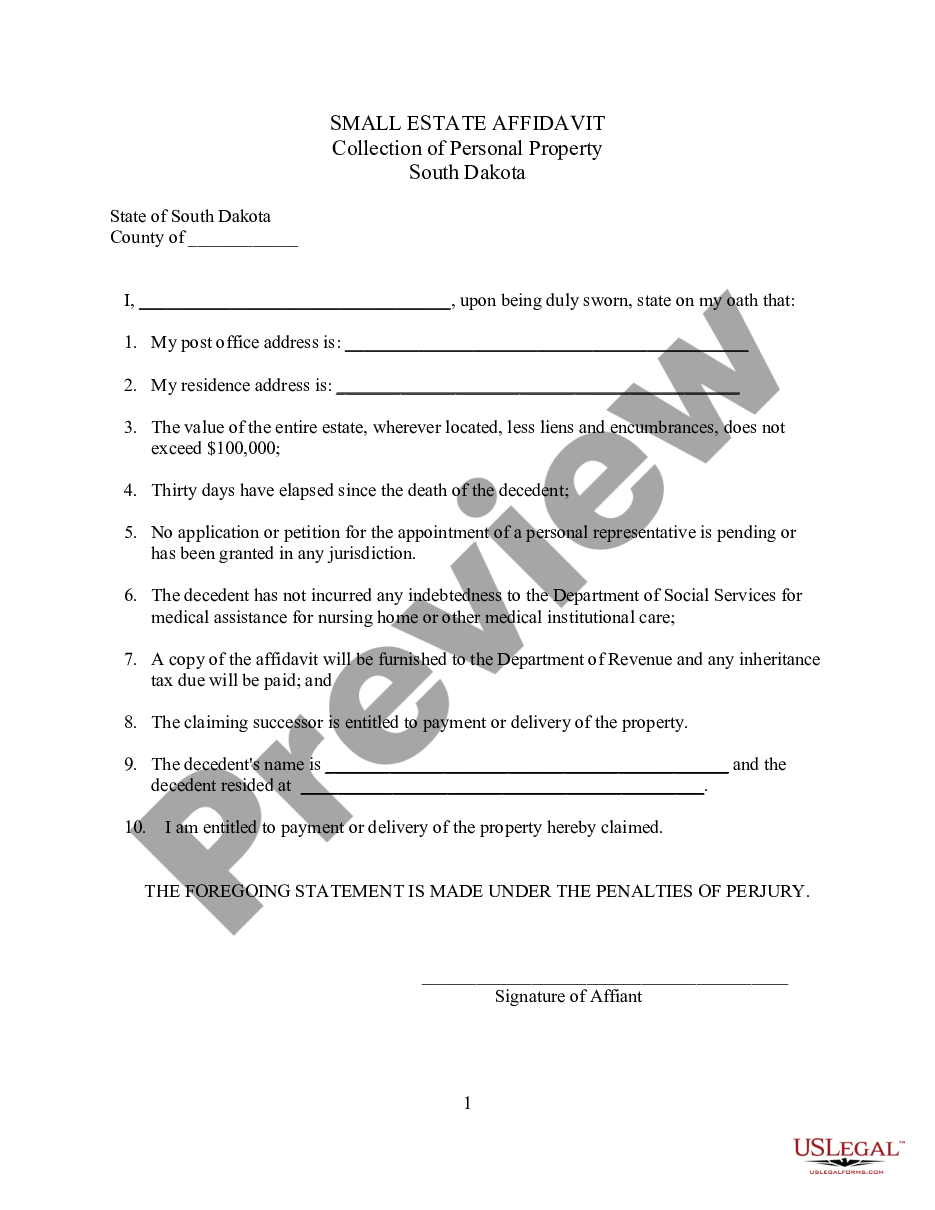
South Dakota Probate Forms

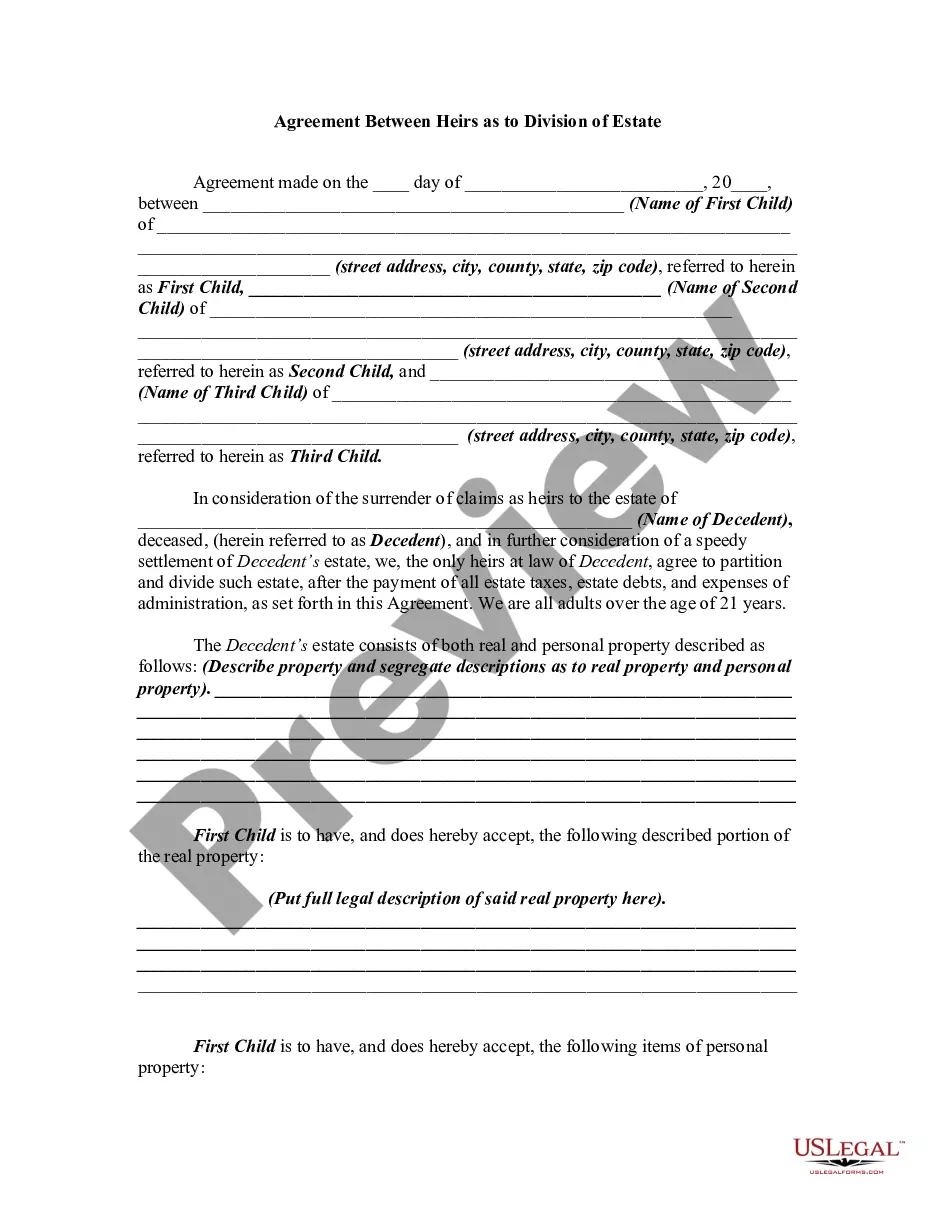
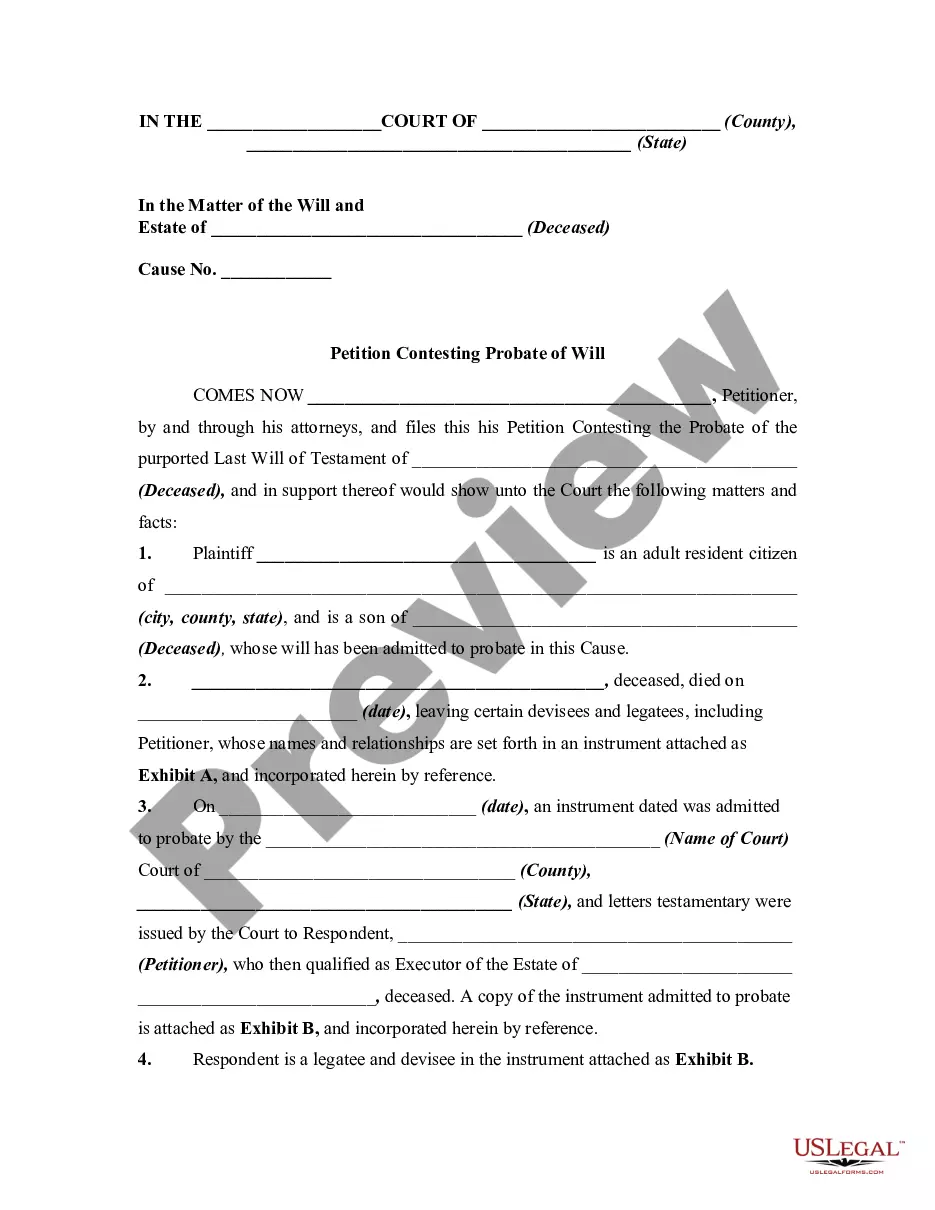
We offer thousands of Probate forms. Some of the forms offered are listed by area below. For others, please use our search engine.

South Dakota Probate Forms FAQ

What is probate? 

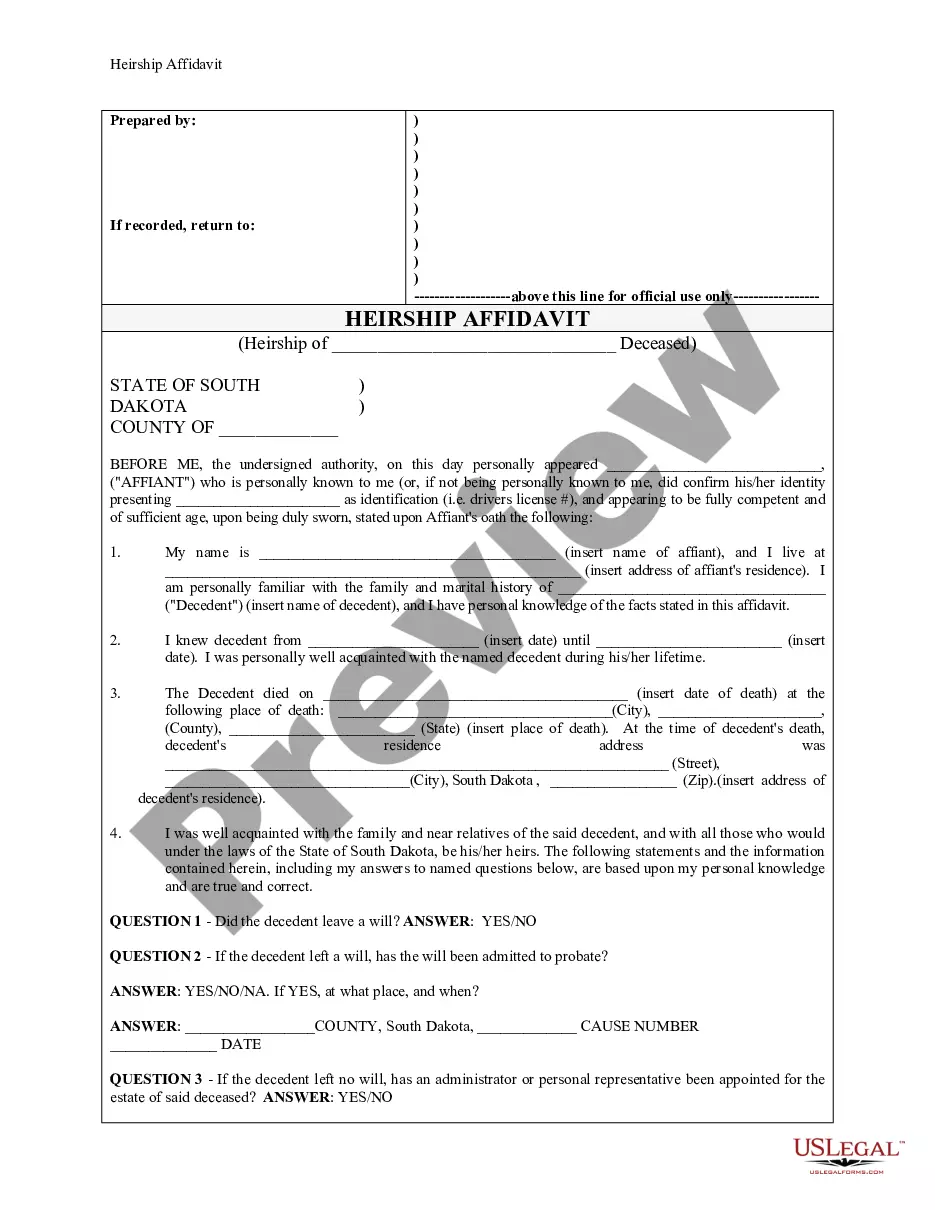
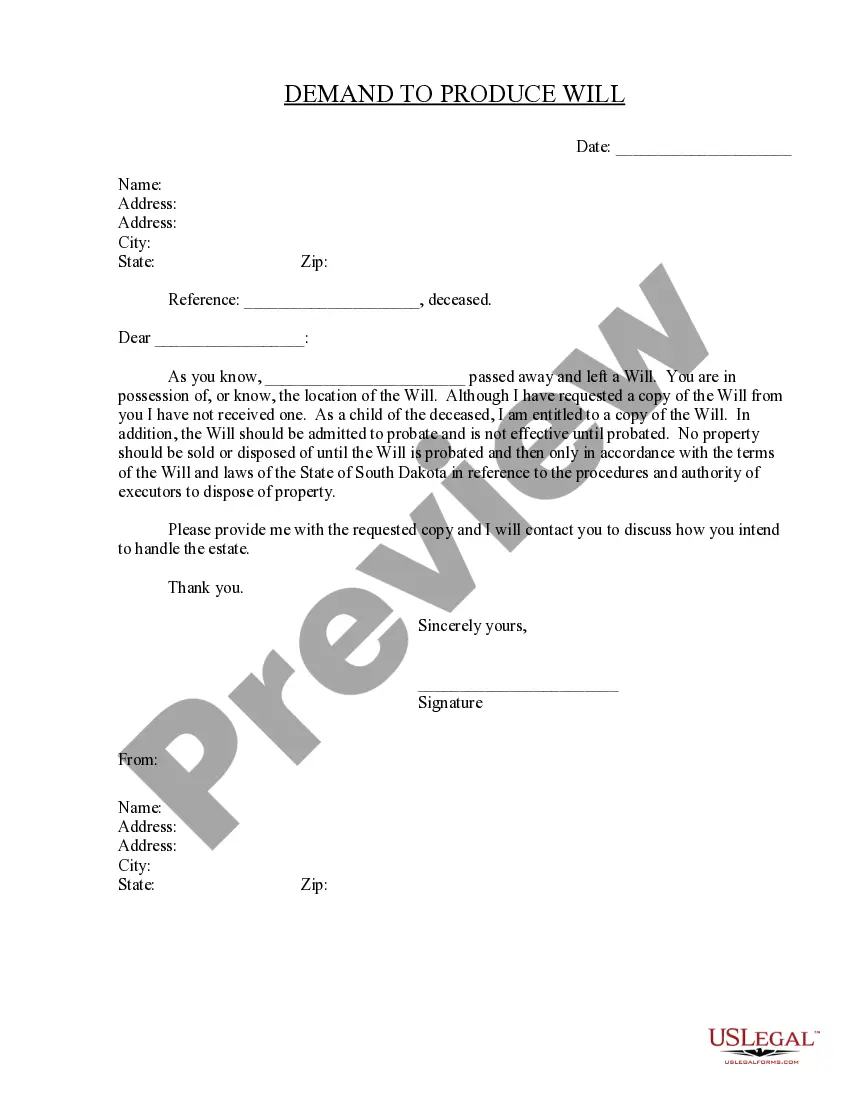
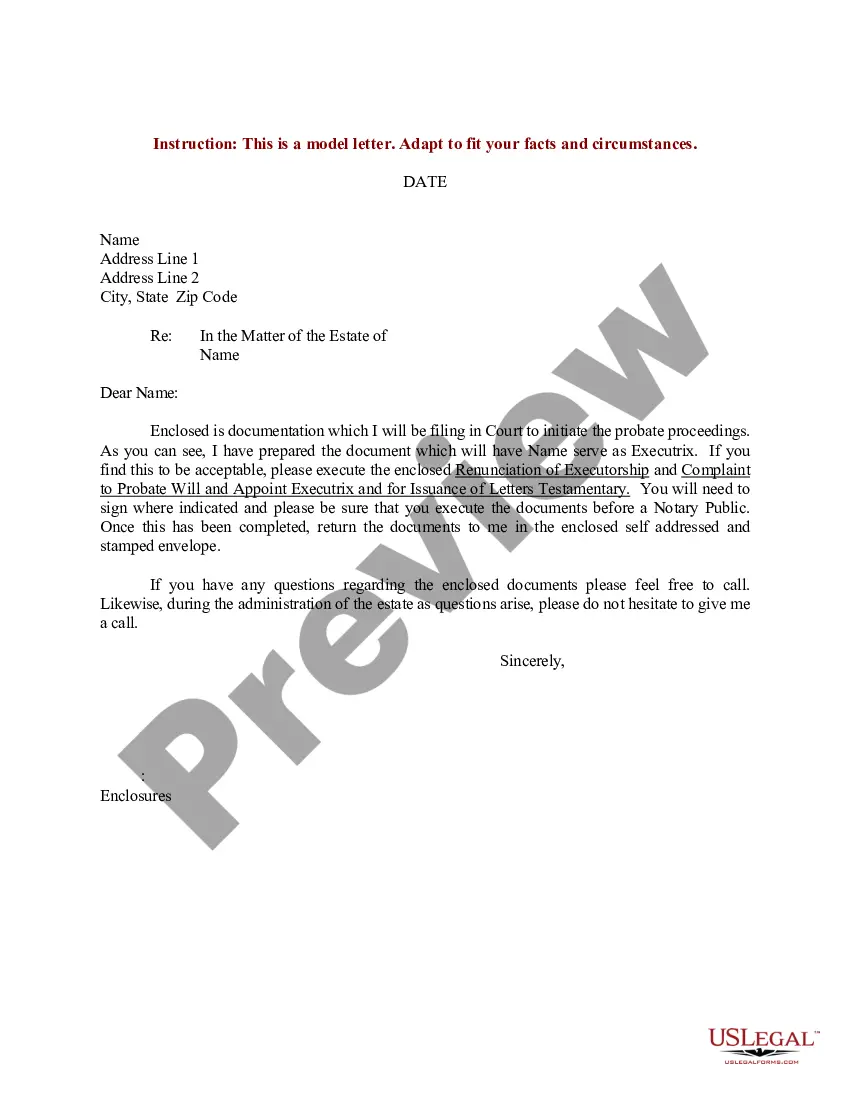
When a person dies, their assets are distributed in the probate process. Probate is a general term for the entire process of administration of estates of deceased persons, including those without wills, with court supervision. If a person dies with a will, a petition to probate the will is filed with the probate court in the county where the deceased resided at the time of death, asking for letters testamentary to be issued, giving the executor authority to handle the estate affairs. If a person dies with a valid will, an executor is named to handle the distribution of the estate. If the person dies without a valid will, the court appoints an administrator to distribute the decedent's assets according to the state's laws of intestacy. The court will issue letters of administration, also called letters testamentary, to the administrator, giving the authority to handle the affairs of the deceased. An heirship affidavit may also be used to conduct estate affairs when a small estate is involved. In cases where the decedent didn't own property valued at more than a certain amount, which varies by state, the estate may go through a small estate administration process, rather than the formal probate process.

What are the duties of an executor? 

The executor's obligations are generally to: a. Safeguard the property and assets of the estate; b. Inventory (or make a list of) the property; c. Submit accounts or inventories to the court as required (these could be waived); d. Pay the debts and expenses of the deceased (such as funeral and burial expenses, medical expenses, and credit card bills); e. Pay any federal or state death taxes, if any; and f. Distribute the estate to those named in the will or, if no will exists, to your heirs as designated by statute.

How can probate be avoided? 

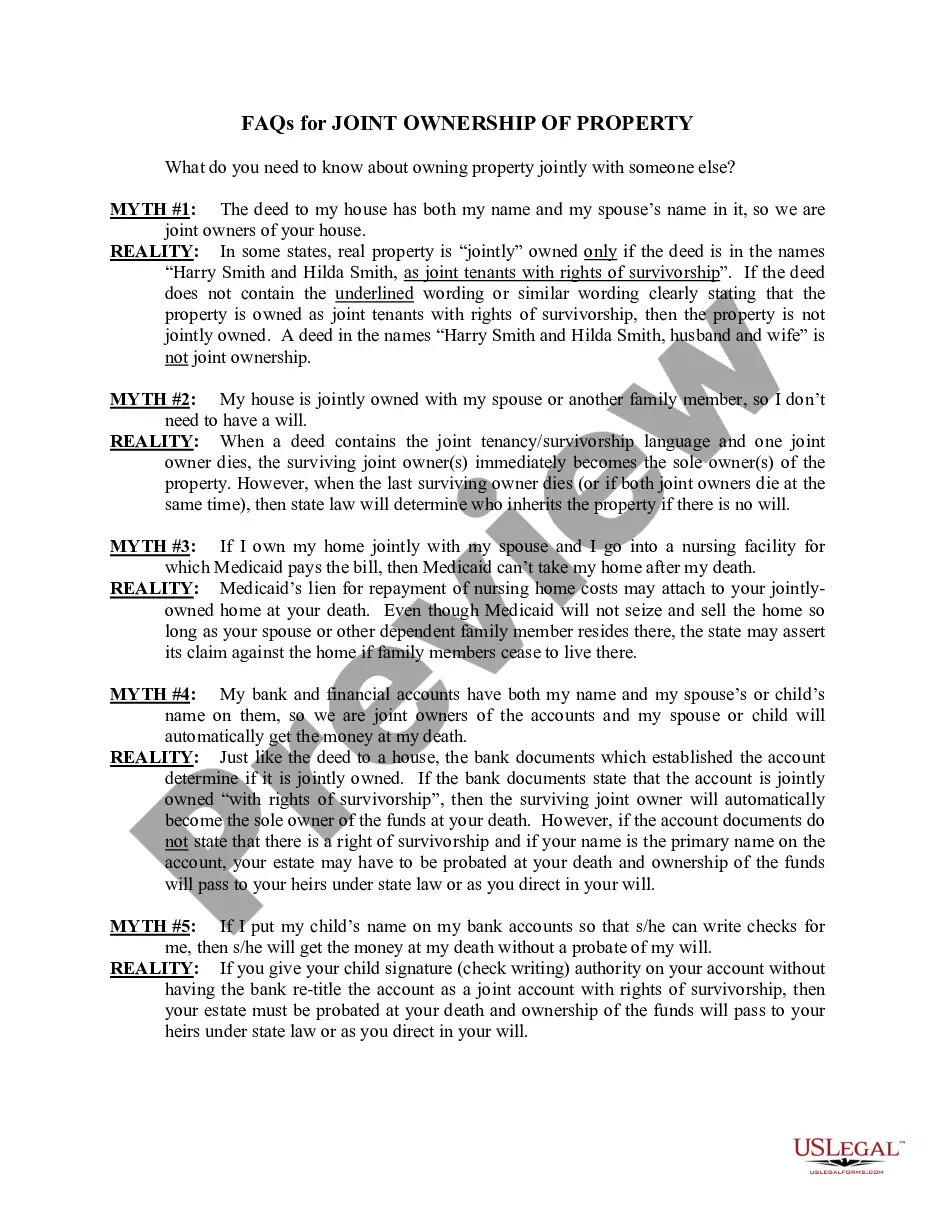
All property of a decedent may not be subject to the probate process. Some assets, such as insurance policies or cd’s may name a beneficiary or pass automatically to a surviving joint owner outside the probate estate of the will. Assets held in trust, or in an account or policy with an insurer or financial institution with a named beneficiary, typically pass outside the probate process. Such assets go to the named beneficiary outside the probate process. If it is a survivorship account, or transfer on death account, it passes outside the probate process. Property held in trust is distributed according to the terms of the trust. It is possible to write a "pourover" clause in a will, so that property "pours over" into the trust, which is exempted from probate. The involvement of the court to transfer such property is not required. A bank account or motor vehicle title may also specify a death beneficiary and thus be exempt from the probate process.

Top Questions about South Dakota Probate Forms

  • How to fill out estate inventory?

    To fill out the estate inventory, start by listing all assets owned by the deceased, including property, bank accounts, and valuable personal items. It’s essential to assign a fair market value to each asset on the list. South Dakota Probate Forms can help you format this information correctly, making the process smoother. A thorough estate inventory is crucial for settling the estate and addressing any claims.

  • How to fill out paperwork for probate?

    Filling out paperwork for probate requires collecting information about the deceased's assets, debts, and heirs. Use South Dakota Probate Forms to access the correct forms required for submission. Ensure you provide truthful and complete information, as this will prevent delays in the probate process. Keeping organized records will also assist you throughout this legal procedure.

  • How to start probate process in South Dakota?

    Starting the probate process in South Dakota involves filing the will with the appropriate court along with a petition for probate. You will need to gather necessary documents to demonstrate the deceased’s assets and debts. South Dakota Probate Forms provide the necessary templates and instructions to ensure you follow the legal steps correctly. This will help to initiate the process efficiently.

  • How to list jewelry in a will?

    When listing jewelry in a will, provide a clear description of each piece, including any unique characteristics, such as designer names or gemstones. It is also effective to estimate the value of the jewelry, as this can help clarify your intentions. Using South Dakota Probate Forms can guide you to ensure every detail is documented correctly. This way, your wishes regarding the jewelry are respected.

  • How to fill out probate inventory?

    To fill out the probate inventory, you first need to list all the assets owned by the deceased at the time of their passing. This includes real estate, personal items, and financial accounts. Utilize South Dakota Probate Forms to ensure you have the correct documentation for each asset. Completing this step accurately helps streamline the probate process.

  • Which of the following assets do not go through probate?

    Certain assets, such as life insurance policies, retirement accounts, and properties held in joint tenancy, typically do not go through probate. These assets bypass the court system because they have designated beneficiaries or ownership structures that allow them to transfer outside of probate. Understanding which assets avoid this process can save your loved ones time and stress, and utilizing South Dakota Probate Forms for the probate-required assets can help to streamline the overall estate management.

  • What are the rules for informal probate?

    The rules for informal probate in South Dakota require that the estate must be settled without disputes among heirs and that a personal representative is established. Additionally, you must file the necessary South Dakota Probate Forms with the county registrar, making it crucial to ensure compliance with deadlines and protocols. By following these guidelines, you can pave the way for a smooth probate process without court hearings.

  • How do I fill out a probate form?

    Filling out a probate form requires careful attention to detail and a clear understanding of the information needed. You will begin by gathering vital documents, including the deceased's assets and debts, and then complete the South Dakota Probate Forms accordingly. Ensure all sections are filled out accurately to avoid delays in the probate process. If you need assistance, resources are available at uslegalforms to help guide you through the requirements.

  • What is the difference between informal probate and formal probate?

    Informal probate is a simpler, less expensive process used when there are no disputes among heirs, while formal probate involves court hearings and oversight, often necessary when disagreements arise. In South Dakota, both processes utilize South Dakota Probate Forms, but the informal method typically requires fewer forms and less documentation. Therefore, understanding these differences can guide you in choosing the most suitable approach for your situation.

  • What is the difference between formal and informal probate in South Dakota?

    Formal probate is a court-supervised process that handles the estate's affairs in detail, while informal probate is simpler and does not require constant court oversight. Informal probate is often quicker and less expensive, making it a favorable option when there are no disputes. Using South Dakota Probate Forms can clarify which option is best for your situation.

Tips for Preparing South Dakota Probate Forms

  1. Begin probate. Before you start planning South Dakota Probate Forms, verify that you're eligible to become an property executor. In cases where a deceased individual didn't name an executor, the legal court can assign one. To begin the process, you have to file a petition for probate, a valid will, and the death certificate to the court.
  2. Collect info. Obtain and look through the info you have to use to complete the South Dakota Probate Forms properly, get ready probate documents, and then present them to the legal court. The procedure may involve pension and bank accounts and stocks, real estate like a home, and personal belongings as collections and other valuable items.
  3. Take care of debts and taxes, and expenses. Ensure that the belongings you dispose of can cover all obligations, rents, and monthly bills. Otherwise, the legal court will focus on claims of loan companies. In addition, you're responsible for processing an income tax return and paying taxes.
  4. Distribute assets. When you're done paying financial obligations, you can proceed to the next phase. The remaining assets is divided between the heirs (brothers and sisters, parents, spouse and next of kin) or according to the will.
  5. Close real estate. Gather statements and data, along with other probate forms during the entire procedure and then submit them to validate that you settled an property and finished the South Dakota Probate Forms according to state and federal demands.