Pennsylvania Revocation of Mental Health Power of Attorney
What is this form?
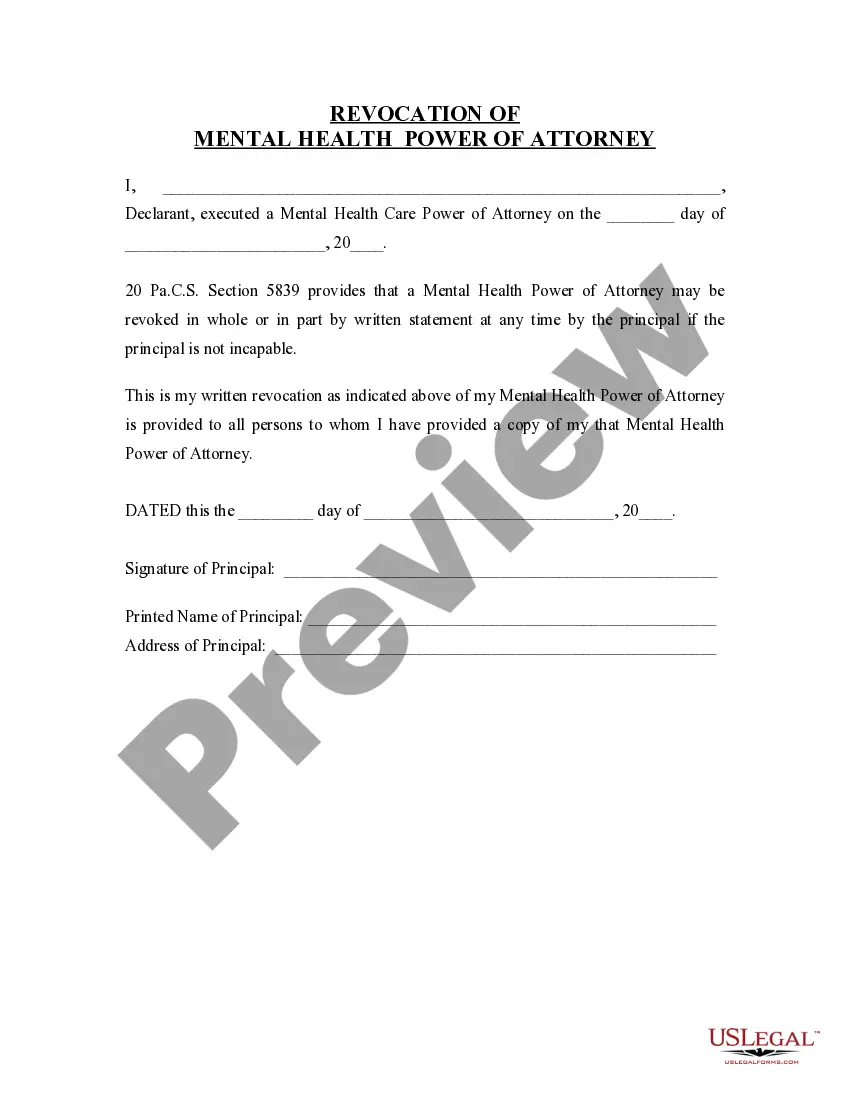
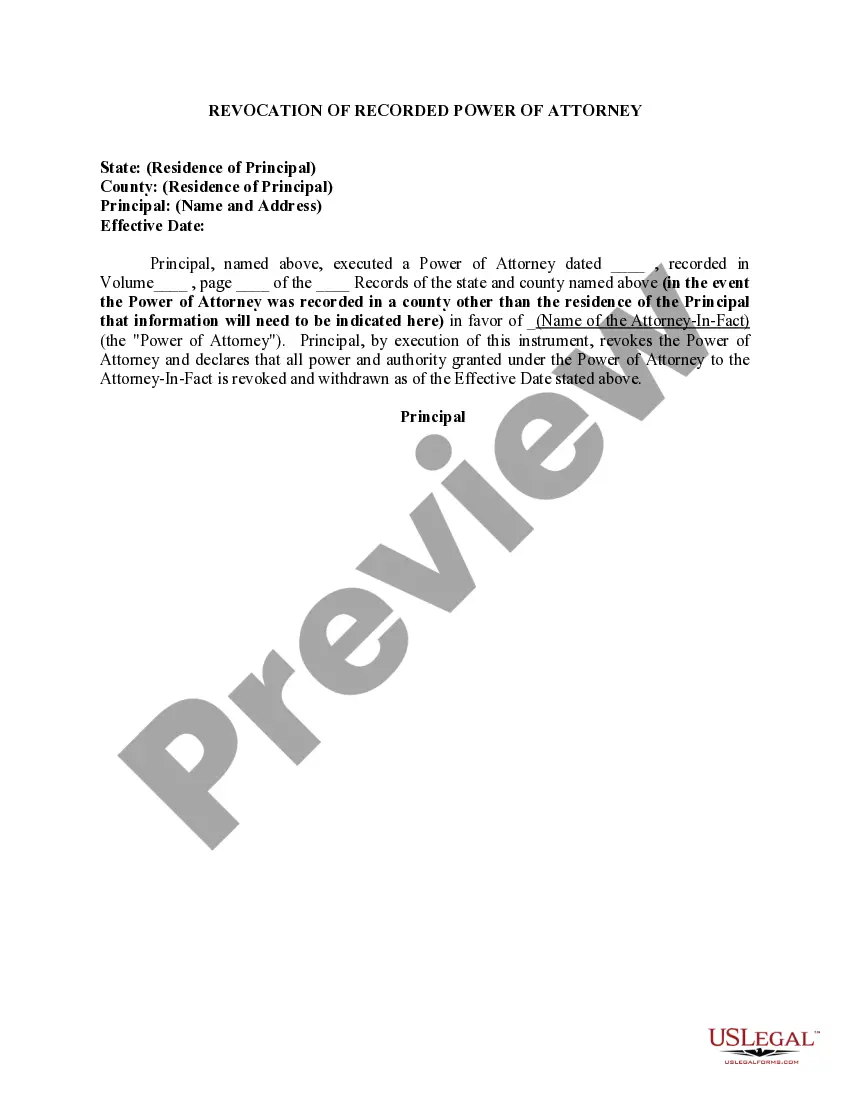
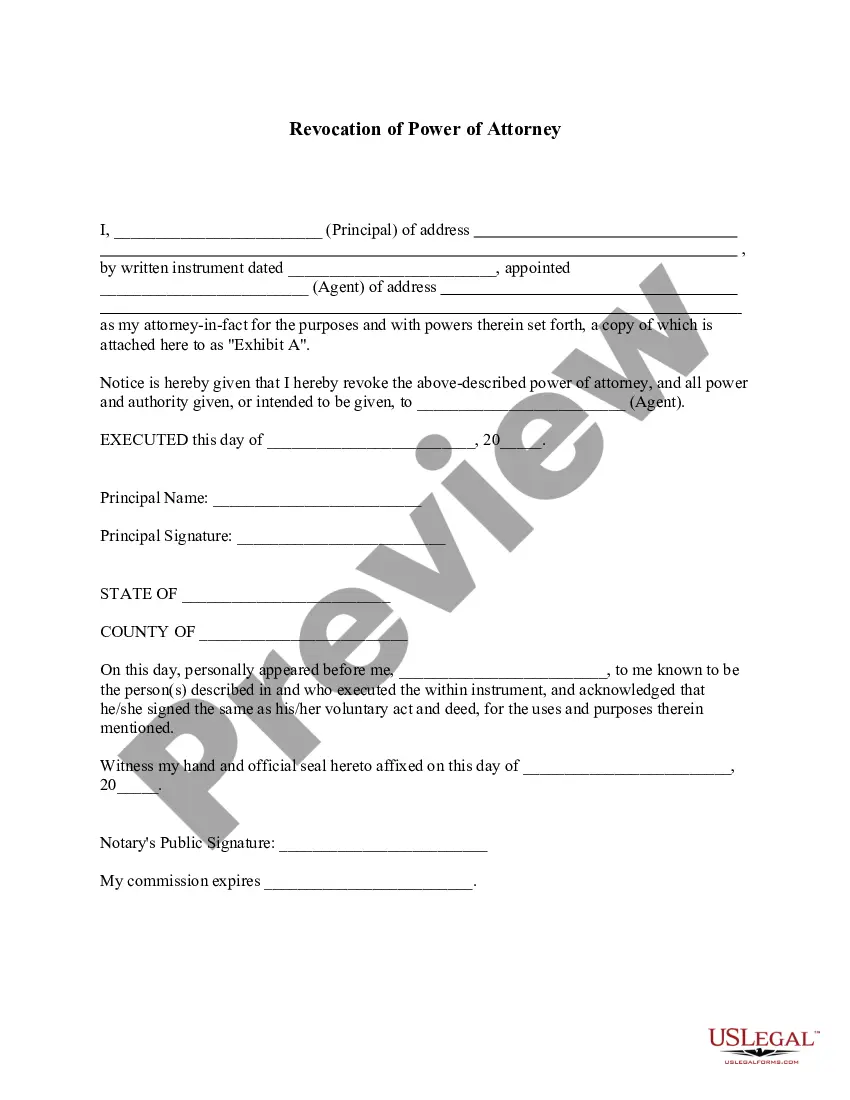
The Revocation of Mental Health Power of Attorney is a legal document that allows individuals to revoke a previously granted mental health power of attorney. This revocation can be total or partial, ensuring that the individual retains control over their mental health care decisions while they are still capable of making those decisions. It is important to note that this form differs from a standard power of attorney as it specifically addresses mental health decisions and the rights associated with them.
Form components explained
- Declarant's name and information to identify the individual revoking the power of attorney.
- The date the original Mental Health Power of Attorney was executed.
- A written statement specifying the revocation of the mental health power of attorney.
- Signature and printed name of the principal revoking the authority.
- Address of the principal for identification purposes.
When to use this form
You should use the Revocation of Mental Health Power of Attorney in situations where you wish to withdraw your authority granted to someone to make mental health care decisions on your behalf. This may be applicable if your circumstances change, you regain the ability to make decisions, or you wish to designate a different individual for your mental health decisions.
Who this form is for
This form is intended for:
- Individuals who have previously assigned a mental health power of attorney and are now capable of making their own decisions.
- Those who want to ensure their current wishes are accurately reflected regarding mental health treatment and decision-making.
- Persons needing to change their designated representative for mental health decisions.
How to complete this form
- Identify yourself as the declarant by filling in your name and the date of the original mental health power of attorney.
- Clearly state the revocation of the mental health power of attorney in the designated section of the form.
- Sign and print your name to confirm the revocation.
- Provide your address for identification purposes.
- Distribute copies of the revocation to all parties who received the original power of attorney.
Is notarization required?
To make this form legally binding, it must be notarized. Our online notarization service, powered by Notarize, lets you verify and sign documents remotely through an encrypted video session.
Get your form ready online
Our built-in tools help you complete, sign, share, and store your documents in one place.
Make edits, fill in missing information, and update formatting in US Legal Forms—just like you would in MS Word.
Download a copy, print it, send it by email, or mail it via USPS—whatever works best for your next step.
Sign and collect signatures with our SignNow integration. Send to multiple recipients, set reminders, and more. Go Premium to unlock E-Sign.
If this form requires notarization, complete it online through a secure video call—no need to meet a notary in person or wait for an appointment.
We protect your documents and personal data by following strict security and privacy standards.

Make edits, fill in missing information, and update formatting in US Legal Forms—just like you would in MS Word.

Download a copy, print it, send it by email, or mail it via USPS—whatever works best for your next step.

Sign and collect signatures with our SignNow integration. Send to multiple recipients, set reminders, and more. Go Premium to unlock E-Sign.

If this form requires notarization, complete it online through a secure video call—no need to meet a notary in person or wait for an appointment.

We protect your documents and personal data by following strict security and privacy standards.
Mistakes to watch out for
- Failing to properly sign and date the revocation, which may render it invalid.
- Not notifying the attending physician or mental health care provider of the revocation.
- Forgetting to distribute copies of the revocation to all relevant parties.
Why use this form online
- Convenience of downloading and completing the form at your own pace.
- Editable format allows you to ensure all details are accurate before submitting.
- Access to legally vetted content ensures you are using an appropriate and compliant template.
Legal use & context
- The form is legally binding once it is properly completed and communicated to the relevant healthcare providers.
- Revocation can occur at any time as long as the principal remains capable of making their own mental health decisions.
What to keep in mind
- The Revocation of Mental Health Power of Attorney allows you to revoke previously granted authority voluntarily.
- Proper completion and communication of the form are essential for its effectiveness.
- This form is specific to mental health decisions and is crucial for maintaining your autonomy in care choices.
Looking for another form?
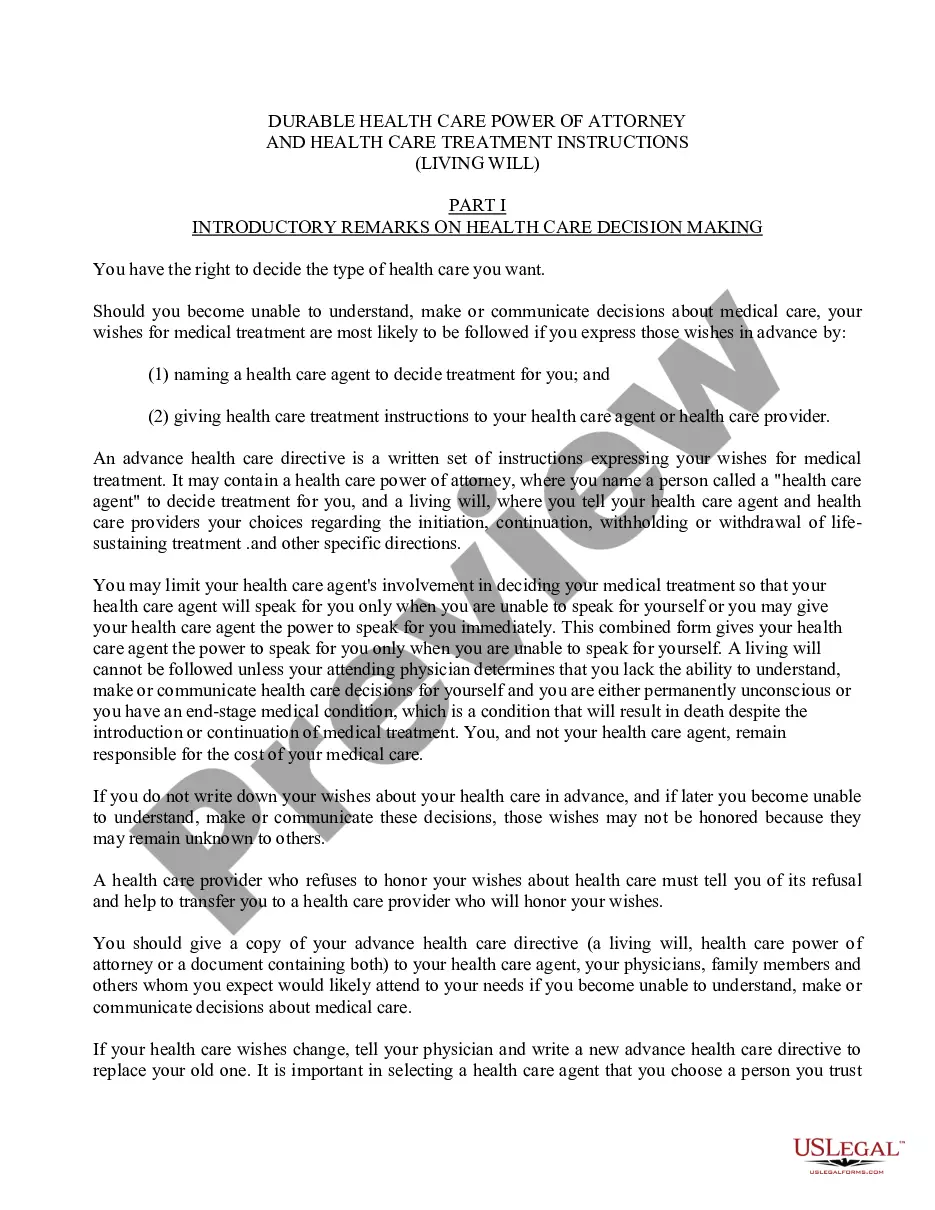
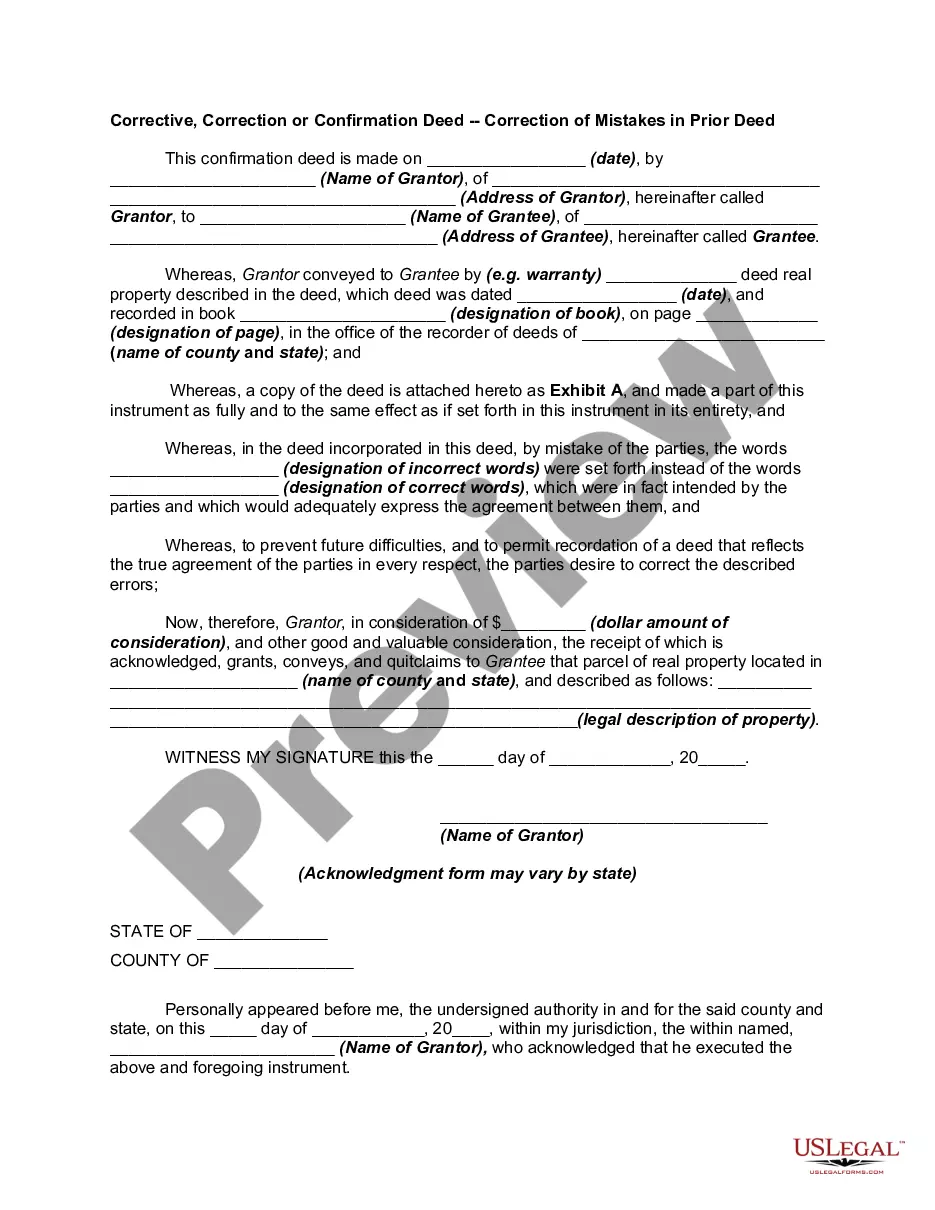
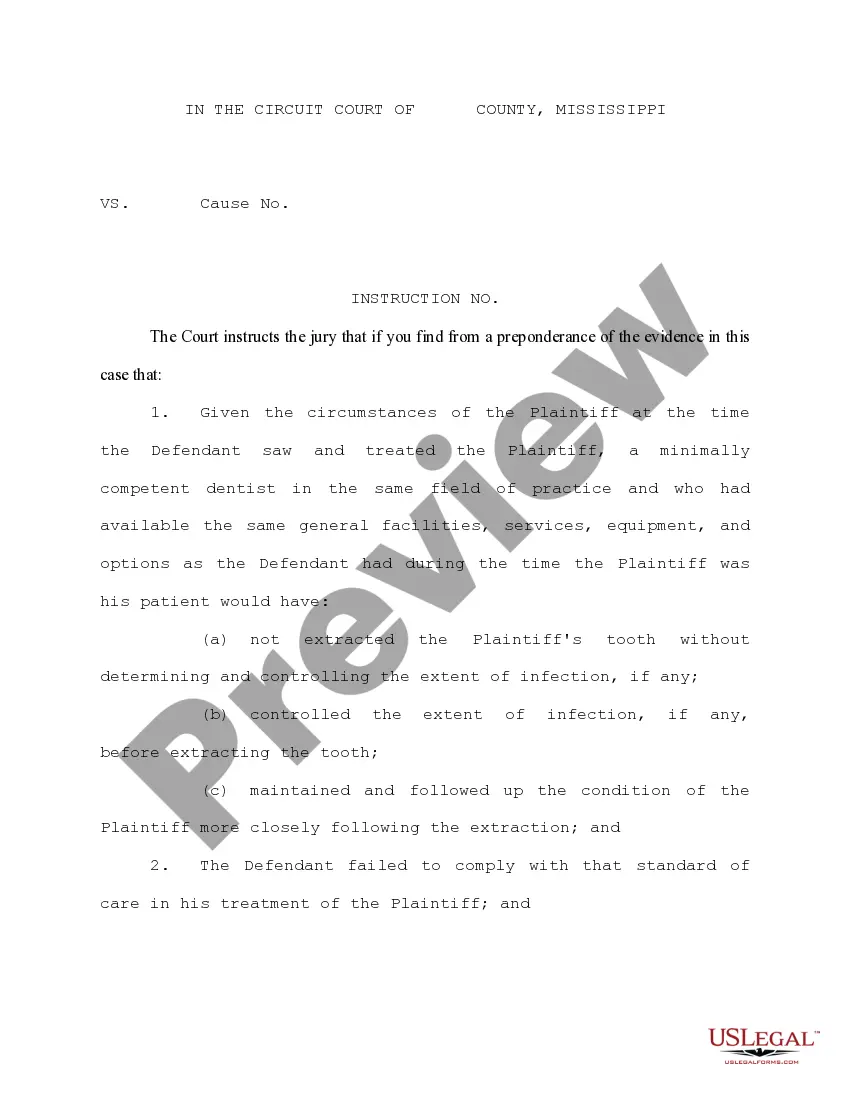

Form popularity
FAQ
If your parent has not established durable POA or has become incompetent after establishing a nondurable POA, you will need to petition a local family or probate court to declare your parent incompetent and grant you legal guardianship. Legal guardianship is called conservatorship in some states.
DECLARATION FOR MENTAL HEALTH TREATMENT It is a declaration that allows, or disallows, mental health treatment.
No, generally your brother with a durable general power of attorney (DGPOA) does not have authority to supersede your father's advance directive.
Abstract. Objective: A health care proxy is an advance directive that allows an individual to indicate in writing who can act on his behalf when he lacks the capacity to make health care decisions, and what limitations he is placing on this authority.
Everyone needs a health care proxy, not just the elderly. Anybody can be in a situation where they're temporarily unable to speak for themselves. By naming someone in a health care proxy to speak for you and by informing them of your wishes, you relieve the potential burden on others.
If your parent is already mentally incapacitated but hasn't granted Power of Attorney to you in a Living Will, you'll need to go before a judge to obtain conservatorship (or an adult guardianship). A conservatorship will grant you the right to make medical and financial decisions on your parent's behalf.
Most persons suffering from a mental illness are still competent to write a power of attorney. If you question their ability, work with the person's doctor to determine whether and when she is mentally competent. You'll need to explain the document to her and arrange for her to sign it while she is competent.
A Power of Attorney must be granted by the person needing the assistance.If the person is already incapacitated, then they cannot grant you Power of Attorney. You cannot make yourself their Power of Attorney or apply to be their Power of Attorney.
A guardianship can give someone control over the incapacitated person, over the incapacitated person's property, or both. After being appointed as guardian by the courts, that person will have the legal authority to make decisions within the scope authorized by the court.